
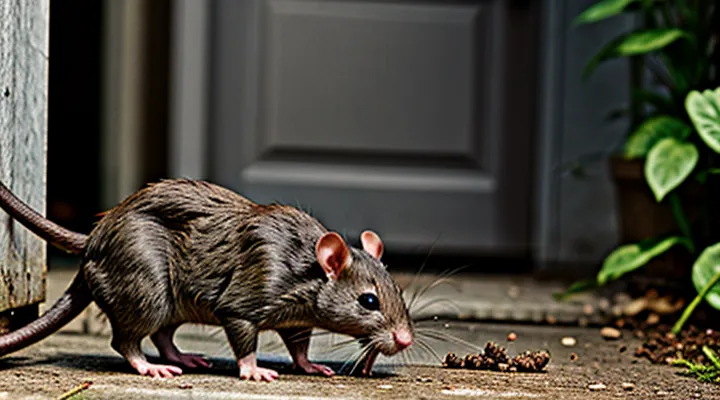
Understanding Coprophagy in Rats
What is Coprophagy?
Coprophagy refers to the consumption of fecal material by an animal. The behavior is documented in many mammals, birds, and insects, with rodents exhibiting it routinely. In rats, the practice serves as a means of reclaiming nutrients that escape absorption during the first intestinal passage.
Rats produce two types of feces: hard pellets expelled after the colon and soft, nutrient‑rich cecal casts released from the cecum. The latter contain microbial proteins, B‑vitamins, and short‑chain fatty acids generated by fermentation. By ingesting these cecal casts, rats supplement their diet with essential compounds that would otherwise be lost.
The physiological basis involves retrograde movement of cecal contents into the distal colon, where they are expelled as soft feces. Immediate reingestion allows the small intestine to absorb the remaining nutrients. This cycle enhances growth rates, supports immune function, and stabilizes the gut microbiome.
Key aspects of coprophagy in rats:
- Recovery of B‑vitamins (especially B12) synthesized by cecal microbes.
- Acquisition of microbial protein and amino acids.
- Uptake of short‑chain fatty acids that provide additional energy.
- Maintenance of a balanced intestinal flora, reducing dysbiosis risk.
Understanding coprophagy clarifies why rats repeatedly ingest their own excreta and underscores its role in their nutritional ecology.
Types of Coprophagy
Autocoprophagy
Autocoprophagy, the consumption of one’s own feces, occurs frequently in laboratory and wild rats. This behavior supplies nutrients that escape digestion in the small intestine, particularly B‑vitamins, amino acids, and short‑chain fatty acids produced by gut microbes. By re‑ingesting soft fecal pellets (cecotrophs), rats recover these compounds, enhancing growth rates and reproductive performance.
The practice is linked to the development of a stable intestinal microbiota. Early‑life coprophagy introduces mature bacterial populations to the gastrointestinal tract, facilitating colonization resistance against pathogens. Adults continue the habit to maintain microbial equilibrium, especially when diet lacks fiber or essential micronutrients.
Environmental stressors amplify autocoprophagy. Overcrowding, limited nesting material, and exposure to novel odors increase the frequency of self‑fecal consumption, likely as a coping mechanism that reduces cortisol spikes. Studies show a correlation between elevated corticosterone levels and higher rates of pellet re‑eating.
Factors that diminish the behavior include:
- Provision of a balanced diet rich in vitamins and amino acids.
- Access to fresh, high‑fiber bedding that encourages natural foraging.
- Enrichment items that reduce boredom and social tension.
Understanding autocoprophagy informs husbandry protocols and experimental design. Controlling dietary composition and environmental conditions can modulate the frequency of self‑fecal intake, thereby limiting confounding variables in behavioral and physiological research on rats.
Allocoprophagy
Rats exhibit allocoprophagy, the ingestion of feces produced by conspecifics, as a deliberate behavioral strategy. This practice supplies nutrients that are otherwise limited in a rodent’s diet, such as B‑complex vitamins, amino acids, and short‑chain fatty acids produced by microbial fermentation. By reclaiming these compounds, rats improve growth rates and reproductive output, especially when food quality is poor.
- Acquisition of beneficial gut microbiota that enhances digestion and immunity.
- Restoration of essential nutrients lost during rapid metabolism.
- Reinforcement of social hierarchies through sharing of fecal material.
- Reduction of environmental contamination by removing waste from the nest.
The behavior aligns with survival imperatives; it mitigates nutritional deficits, supports microbial symbiosis, and contributes to colony stability. Consequently, allocoprophagy represents an adaptive response rather than a pathological anomaly.
Behavioral Motivations for Coprophagy
Nutritional Re-absorption
Vitamin K Synthesis
Rats exhibit coprophagy primarily to obtain nutrients that are insufficiently absorbed during the first passage through the gastrointestinal tract. One such nutrient is vitamin K, a fat‑soluble vitamin essential for blood clotting and bone metabolism. In the colon, bacterial populations synthesize vitamin K2 (menaquinone) as a by‑product of fermentation. Because the small intestine absorbs only a limited portion of this compound, the subsequent ingestion of soft feces (cecotrophs) delivers additional vitamin K directly to the stomach and upper intestine, where absorption efficiency is higher.
The behavioral drive to consume cecotrophs aligns with physiological feedback mechanisms. Low circulating vitamin K levels trigger increased appetite for fecal material, mediated by gut–brain signaling pathways that detect micronutrient deficiency. This feedback loop ensures that rats maintain adequate clotting function without relying on external dietary sources rich in vitamin K.
Key points linking coprophagy to vitamin K synthesis:
- Cecal bacteria produce menaquinones during carbohydrate fermentation.
- Soft feces retain a high concentration of these menaquinones.
- Ingested cecotrophs bypass the colon’s limited absorption capacity, allowing the small intestine to capture more vitamin K.
- Deficiency signals amplify the propensity for fecal consumption, reinforcing the behavior.
Understanding this relationship clarifies why rats instinctively engage in fecal ingestion: it serves as a self‑regulating strategy to secure essential vitamin K, supporting hemostasis and skeletal health.
B-Vitamin Recovery
Rats ingest their own feces primarily to reclaim nutrients that escape absorption in the small intestine. B‑vitamins, especially thiamine (B1), riboflavin (B2), and niacin (B3), are water‑soluble and largely metabolized in the large intestine, where bacterial synthesis occurs. Coprophagy transports these vitamins back to the foregut, where enzymatic activity enables efficient uptake.
Key aspects of B‑vitamin recovery through fecal consumption include:
- Bacterial production of B‑vitamins in the cecum and colon.
- Liberation of vitamins from undigested feed residues during fermentation.
- Re‑exposure of vitamins to intestinal transporters in the duodenum after re‑ingestion.
Experimental data show that rats deprived of coprophagic behavior exhibit measurable declines in plasma thiamine and riboflavin concentrations, correlating with reduced growth rates and impaired neurological function. Restoration of fecal consumption normalizes vitamin levels within 48 hours, confirming the direct contribution of this behavior to micronutrient homeostasis.
The mechanism operates independently of dietary supplementation; rats on vitamin‑deficient diets compensate through coprophagy, maintaining physiological functions without external intervention. This adaptive strategy underscores the essential role of self‑fecal ingestion in sustaining B‑vitamin balance.
Fiber Digestion Enhancement
Rats routinely ingest soft feces produced in the cecum, a habit that directly supports the breakdown of dietary fiber. Fiber passes the stomach and small intestine largely untouched; microbial populations in the cecum ferment it, generating enzymes and short‑chain fatty acids essential for energy extraction. By consuming these cecal pellets, rats reintroduce microbial enzymes and partially digested substrates into the foregut, where additional absorption occurs.
The practice increases fiber utilization through several mechanisms:
- Re‑exposure to cellulolytic bacteria supplies active enzymes that remain functional after passage through the gastrointestinal tract.
- Re‑ingestion delivers microbial vitamins (especially B‑complex) and amino acids synthesized during fermentation, compensating for the low nutrient density of fiber.
- Recovered short‑chain fatty acids are absorbed earlier, improving caloric yield from otherwise indigestible polysaccharides.
- Repeated cycling maintains a stable cecal microbiome, preventing declines in fermentative capacity.
Enhanced fiber digestion reduces the need for external sources of complex carbohydrates, allowing rats to thrive on coarse, low‑quality diets. The behavior thus serves as a physiological adaptation that maximizes energy extraction from fibrous material, rather than a purely pathological or opportunistic act.
Gut Microbiome Maintenance
Re-inoculation of Beneficial Bacteria
Rats regularly consume their own feces to replenish gut microorganisms that are lost during digestion and environmental exposure. The act of re‑ingesting soft fecal pellets introduces a concentrated load of beneficial bacteria directly into the lower intestine, where they can colonize and restore microbial balance.
Re‑inoculation serves several functional purposes:
- Restores populations of obligate anaerobes that cannot survive outside the anaerobic environment of the colon.
- Supplies enzymes and metabolic by‑products that the host cannot synthesize, enhancing nutrient extraction from otherwise indigestible fibers.
- Counteracts the depletion of microbial communities caused by rapid gastrointestinal transit and occasional antibiotic exposure.
Experimental observations show that rats deprived of coprophagy exhibit reduced bacterial diversity, lower short‑chain‑fatty‑acid concentrations, and impaired weight gain. Re‑introduction of soft feces restores these parameters within days, confirming that the behavior directly supports microbial homeostasis.
The process relies on the production of cecal pellets, which are rich in fermentative bacteria and have a moisture content optimal for bacterial survival. By consuming these pellets, rats ensure continuous seeding of their distal gut, maintaining a stable symbiotic relationship essential for normal physiological function.
Maintaining Microbial Balance
Rats routinely consume soft fecal pellets, a behavior known as coprophagy, to preserve a stable gut microbiome. The gastrointestinal tract of rodents hosts a complex community of bacteria that synthesize essential nutrients, break down indigestible fibers, and protect against pathogenic invasion. By re‑ingesting freshly excreted material, rats re‑introduce viable microbial colonies that would otherwise be lost during transit through the colon.
- Re‑exposure to resident microbes restores bacterial populations that decline after passage through the large intestine.
- Reinforced microbial diversity enhances enzymatic capacity for carbohydrate fermentation, increasing short‑chain fatty acid production.
- Recovered microbes contribute to the synthesis of B‑vitamins (e.g., B12, folate) that are otherwise limited in the rat’s diet.
- Repeated inoculation reduces colonization resistance for opportunistic pathogens, maintaining a competitive microbial environment.
The practice also balances the ratio of aerobic to anaerobic organisms. Soft feces contain a higher proportion of anaerobes, which are essential for fermentative processes; ingestion ensures these species persist in the small intestine where oxygen levels are lower. Consequently, the microbial equilibrium achieved through coprophagy supports optimal digestion, nutrient absorption, and immune modulation, explaining why the behavior persists across laboratory and wild rat populations.
Developmental and Social Aspects
Maternal Coprophagy and Pup Development
Maternal coprophagy, the consumption of soft feces (cecotropes) by lactating female rats, supplies a concentrated source of vitamins, amino acids, and short‑chain fatty acids that are otherwise scarce in the maternal diet. The behavior occurs primarily during the first two weeks postpartum, when the mother’s metabolic demands peak.
The practice enriches the mother’s gut microbiome with obligate anaerobes that proliferate in the cecal material. These microbes colonize the maternal intestine, increase the production of B‑complex vitamins, and enhance the synthesis of essential nutrients required for milk production.
Pup development benefits from maternal coprophagy through several mechanisms:
- Transfer of beneficial bacteria via milk and direct grooming, establishing a stable neonatal gut flora.
- Elevation of serum vitamin B12 and folate levels in pups, supporting rapid cell division and neural maturation.
- Augmentation of short‑chain fatty acid concentrations in the pups’ gastrointestinal tract, promoting epithelial integrity and energy metabolism.
- Acceleration of weight gain and weaning readiness, reflected in earlier achievement of developmental milestones.
Experimental studies demonstrate that pups reared by mothers prevented from consuming cecotropes exhibit delayed gut colonization, reduced serum vitamin concentrations, and slower growth rates compared with control groups. Consequently, maternal coprophagy constitutes a critical nutritional and microbial conduit that shapes early physiological trajectories in rat offspring.
Social Information Exchange through Feces
Rats consume their own feces primarily to acquire chemical information embedded in the droppings. The excreta contain pheromonal compounds, microbial metabolites, and dietary residues that reflect the individual’s physiological state, recent diet, and health condition. By ingesting these cues, a rat can assess the presence of pathogens, stress hormones, and reproductive hormones circulating in conspecifics.
The detection process relies on the olfactory system. Rats sniff fresh pellets, compare odor profiles with internal templates, and, when necessary, ingest the material to internalize the signals. This behavior enables rapid updating of social knowledge without direct contact.
Key functions of fecal‑mediated information exchange include:
- Territorial delineation: feces deposited along boundaries convey occupancy and dominance status.
- Reproductive signaling: hormone metabolites in droppings indicate estrus cycles, prompting mating attempts.
- Health monitoring: pathogen‑related metabolites alert group members to disease risk, influencing grooming and avoidance patterns.
In laboratory colonies, coprophagy serves as a mechanism for homogenizing gut microbiota, thereby stabilizing metabolic and immune parameters across the population. Researchers monitor fecal composition to infer stress levels, social hierarchy shifts, and disease outbreaks, using the behavior as a non‑invasive diagnostic tool.
Overall, the ingestion of feces functions as an efficient conduit for transmitting vital social and physiological data among rats, supporting group cohesion and adaptive decision‑making.
Stress and Environmental Factors
Food Scarcity Responses
Rats consume their own feces when food supplies become insufficient. This behavior, known as coprophagy, enables the animal to extract nutrients that were not absorbed during the first passage through the digestive tract.
Limited intake triggers physiological mechanisms that increase the drive to re‑ingest soft fecal pellets. Soft pellets contain high concentrations of B vitamins, amino acids, and microbial metabolites. Re‑consumption raises the overall nutrient balance without requiring external food sources.
The response integrates with other scarcity‑driven actions:
- intensified exploration of new food patches
- storage of edible material in concealed locations
- reduction of non‑essential movements to conserve energy
These actions collectively maximize the probability of meeting metabolic demands.
Environmental factors that precipitate coprophagy include:
- high population density that creates competition for limited resources
- seasonal decline in natural seed or insect availability
- experimental protocols that impose short‑term food restriction
Each factor raises the likelihood that a rat will resort to fecal consumption as a supplemental feeding strategy.
Understanding this coping mechanism informs laboratory study design and pest‑management practices. Recognizing coprophagy as a direct outcome of food scarcity prevents misinterpretation of health indicators and supports the development of interventions that address the underlying resource deficit rather than merely treating the symptom.
Boredom and Enriched Environments
Rats engage in coprophagy when environmental stimulation is insufficient. In monotonous cages, the lack of novel sensory input triggers a behavioral pattern that redirects energy toward self‑directed consumption of feces. This response fulfills a physiological need for nutrients missed during limited foraging, while simultaneously providing a repetitive activity that mitigates the stress of inactivity.
Enrichment alters this dynamic by introducing complexity that satisfies exploratory drives. When rats encounter varied textures, objects, and social opportunities, the motivation to ingest waste diminishes. The following elements constitute an effective enrichment protocol:
- Multi‑level platforms that encourage climbing and vertical movement.
- Rotating objects (e.g., tunnels, chew blocks) that prevent habituation.
- Nesting material and bedding that allow burrowing and manipulation.
- Scheduled feeding puzzles that extend foraging time.
- Opportunities for conspecific interaction, either through group housing or controlled visual contact.
Empirical observations confirm that rats housed in such environments exhibit reduced rates of fecal consumption, improved body condition, and more stable hormone profiles. The correlation between environmental richness and decreased coprophagy underscores the necessity of proactive cage design in laboratory and pet settings.
Distinguishing Normal Behavior from Health Issues
Indicators of Healthy Coprophagy
Rats practice coprophagy to recover nutrients that were not absorbed during the first passage through the gut. This behavior supports vitamin synthesis, microbiome balance, and protein utilization, making it a normal aspect of rodent physiology.
Indicators of healthy coprophagy
- Consistent production of soft, moist cecal pellets that are readily re‑ingested within a few hours of excretion.
- Stable body weight and growth rates that align with age‑appropriate benchmarks.
- Normal fecal output volume and frequency, reflecting efficient digestion and absorption.
- Absence of gastrointestinal distress signs such as diarrhea, constipation, or visible blood in stool.
- Balanced serum levels of B‑complex vitamins (particularly B12) and amino acids, confirming effective nutrient reclamation.
- Regular grooming behavior, indicating that the animal is not avoiding the re‑consumption of its own feces.
When these parameters remain within expected ranges, coprophagy is functioning as an adaptive nutritional strategy rather than a sign of pathology. Monitoring the listed indicators provides a reliable method for assessing the health of this behavior in laboratory and pet rat populations.
When Coprophagy May Indicate a Problem
Dietary Deficiencies
Rats commonly engage in coprophagy, the consumption of their own feces, to compensate for nutritional shortfalls in their diet. When standard feed lacks adequate levels of certain nutrients, the behavior provides a direct source of those missing elements.
Key dietary deficiencies that trigger coprophagy include:
- Insufficient protein or essential amino acids such as lysine and methionine.
- Deficits in B‑complex vitamins, particularly B12 and folate, which are synthesized by gut microbes.
- Low calcium or phosphorus concentrations, affecting bone development and metabolic processes.
- Inadequate dietary fiber, limiting fermentation and production of short‑chain fatty acids.
Cecal pellets, excreted during normal digestion, contain concentrated microbial protein, vitamins, and minerals. Re‑ingestion allows rats to absorb these compounds in the small intestine, where absorption efficiency is higher than in the colon.
For laboratory and pet care, diets should be formulated to meet established nutrient requirements, reducing the need for coprophagy. Regular monitoring of feed composition and supplementation when deficiencies are identified helps maintain health and prevents behavioral reliance on fecal consumption.
Illness and Malabsorption
Rats resort to consuming their own droppings primarily when physiological conditions impair nutrient acquisition. Gastrointestinal infections, parasitic infestations, and inflammatory disorders damage the mucosal surface, reducing absorption efficiency. The resulting deficit in essential vitamins, minerals, and amino acids triggers a compensatory behavior: re‑ingestion of soft fecal pellets that retain partially digested nutrients.
Key pathological states that promote this behavior include:
- Bacterial enteropathies (e.g., Salmonella, Clostridium) that disrupt enzymatic activity.
- Protozoan or helminth infections causing villous atrophy and malabsorption.
- Chronic liver disease leading to diminished bile production and fat maldigestion.
- Severe vitamin B12 or niacin deficiency, which impairs cellular metabolism and prompts self‑cannibalism of nutrient‑rich feces.
When malabsorption persists, rats increase the frequency of coprophagy to meet metabolic demands, thereby masking underlying health issues. Observing elevated fecal consumption should prompt veterinary assessment for infectious, inflammatory, or nutritional disorders.
Evolutionary Adaptations of Coprophagy
Survival Advantage in the Wild
Rats frequently ingest soft fecal pellets produced shortly after digestion, a behavior known as coprophagy. In natural environments the practice supplies nutrients that are otherwise inaccessible because the initial passage through the gut limits absorption of certain vitamins, amino acids, and microbial metabolites. By re‑digesting these pellets, rats recover B‑complex vitamins, particularly B12 and folate, and obtain additional protein fragments, thereby improving overall nutritional status.
The immediate nutritional boost translates into measurable survival benefits. Enhanced vitamin availability supports immune function, reduces susceptibility to infections, and accelerates tissue repair after injury. Additional protein and amino acids sustain muscle maintenance, enabling more effective foraging and predator evasion.
Coprophagy also stabilizes gut microbiota. Re‑introduction of viable microbial populations from the distal colon reinforces the intestinal ecosystem, improving digestion of complex plant materials and increasing energy extraction from scarce food sources. A balanced microbiome contributes to metabolic efficiency and reduces the risk of dysbiosis‑related disorders.
Key survival advantages include:
- Recovery of essential micronutrients absent from the primary diet.
- Strengthening of immune defenses through vitamin supplementation.
- Maintenance of muscle mass and locomotor performance.
- Preservation of a robust gut microbial community for optimal digestion.
Impact on Rat Physiology
Coprophagy supplies rats with nutrients that bypass the small intestine during the first passage of food. The re‑ingested cecal pellets are rich in B‑complex vitamins, particularly B12 and folate, which are otherwise poorly absorbed. This secondary digestion raises plasma concentrations of these vitamins, supporting hematopoiesis and neural function.
The practice also delivers essential amino acids and short‑chain fatty acids produced by cecal fermentation. These compounds provide an energy source for colonocytes and contribute to protein synthesis, accelerating growth in juveniles and maintaining lean body mass in adults.
Physiological effects can be summarized as follows:
- Enhanced vitamin B12 and folate status
- Increased availability of essential amino acids
- Elevated short‑chain fatty acid levels, promoting intestinal epithelial health
- Modulation of gut microbiota diversity, fostering colonization resistance against pathogens
- Stimulation of mucosal immune development, reflected in higher IgA secretion
Overall, coprophagy directly influences metabolic efficiency, digestive tract integrity, and immune competence, reinforcing the rat’s capacity to thrive in environments where dietary resources are limited.