
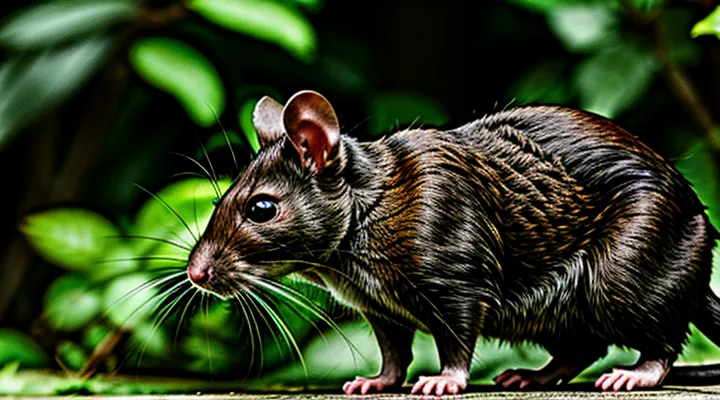
Understanding Normal Rat Breathing
What Does Healthy Breathing Look Like?
Normal Respiratory Rate
Rats typically exhibit a resting respiratory rate of 70–115 breaths per minute. This range reflects efficient gas exchange under normal metabolic demands. Deviations above the upper limit often signal distress, hypoxia, or pain, while rates below the lower limit may indicate sedation or severe respiratory depression.
When rats resort to lateral or side breathing, the normal rate provides a baseline for identifying abnormal patterns. An elevated rate combined with visible side movements suggests increased effort to overcome airway obstruction, thoracic trauma, or fluid accumulation. Conversely, a normal or reduced rate with side breathing may point to neurological impairment affecting diaphragmatic control.
Preventive measures focus on maintaining the standard respiratory parameters:
- Ensure adequate ambient temperature (20–24 °C) to prevent thermoregulatory stress.
- Provide clean, dust‑free bedding to reduce irritant inhalation.
- Monitor humidity (40–60 %) to avoid mucosal drying.
- Conduct regular health checks for signs of infection, injury, or tumor growth.
- Supply a balanced diet rich in nutrients that support muscular and neural function.
Consistent observation of the typical respiratory rate enables early detection of the physiological triggers behind side breathing and facilitates timely intervention.
Absence of Visible Effort
Rats often exhibit lateral thoracic expansion—visible chest movement on the sides—while their abdominal muscles remain still. This pattern reflects an absence of visible effort because the primary respiratory muscles are the intercostal fibers that pull the rib cage outward without engaging the diaphragm noticeably. The shallow, rapid breaths associated with this mode reduce the need for pronounced torso movement, allowing the animal to maintain a low profile while navigating confined spaces.
Key physiological factors:
- Dominance of intercostal muscle activity over diaphragmatic contraction.
- High metabolic rate requiring frequent, low‑volume breaths.
- Adaptation to burrowing environments where a compact body shape minimizes resistance.
Potential health concerns arise when side breathing becomes excessive, indicating stress, respiratory infection, or obstruction. Prevention strategies focus on maintaining optimal respiratory conditions:
- Provide adequate ventilation to keep ambient humidity between 40‑60 % and temperature around 20‑24 °C.
- Ensure diet rich in omega‑3 fatty acids and vitamin E to support lung tissue integrity.
- Conduct regular health checks for signs of nasal discharge, sneezing, or reduced activity.
- Minimize exposure to dust, ammonia, and strong odors that can irritate airway passages.
By addressing environmental quality and nutritional support, the reliance on subtle side breathing remains a normal, efficient mechanism rather than a symptom of pathology.
Causes of Labored Breathing in Rats
Respiratory Infections
Mycoplasma pulmonis
Mycoplasma pulmonis is a cell‑wall‑deficient bacterium that colonizes the respiratory tract of laboratory and pet rats. Infection induces chronic bronchopneumonia, inflammation of the trachea and bronchi, and accumulation of mucus in the lower airways. The resulting obstruction forces the animal to expand the thoracic cavity laterally, producing the characteristic side‑to‑side breathing motion observed in afflicted rats.
The pathogen spreads through direct contact, aerosolized droplets, and contaminated bedding. Young, immunocompromised, or crowded populations are especially vulnerable. Clinical signs include nasal discharge, audible wheezing, reduced activity, and the noted lateral thoracic movement during respiration. Diagnosis relies on culture of tracheal swabs, polymerase chain reaction detection of Mycoplasma DNA, or serologic testing for specific antibodies.
Effective control combines environmental management and targeted therapy. Recommended measures are:
- Maintain low humidity and good ventilation to limit aerosol persistence.
- Implement strict quarantine for new arrivals; isolate for at least four weeks before integration.
- Use disposable gloves and equipment when handling infected or suspect animals.
- Clean cages weekly with disinfectants proven effective against Mycoplasma (e.g., 2 % sodium hypochlorite).
- Reduce animal density to prevent overcrowding stress.
- Administer appropriate antimicrobials, such as tetracycline or enrofloxacin, following veterinary prescription and sensitivity testing.
Regular health monitoring, prompt treatment of early respiratory signs, and adherence to biosecurity protocols significantly lower the incidence of Mycoplasma pulmonis‑induced side breathing in rat colonies.
Bacterial Infections
Rats often exhibit rapid side‑to‑side breathing when bacterial infections affect the respiratory tract. Pathogenic bacteria such as Streptococcus pneumoniae, Klebsiella pneumoniae, and Pseudomonas aeruginosa colonize the nasal passages, trachea, and lungs, producing toxins and inflammatory exudates that obstruct airflow. The obstruction forces the animal to engage accessory muscles along the thoracic wall, resulting in the characteristic lateral motion.
Infection‑induced inflammation increases mucus production and edema within the bronchial walls, reducing alveolar ventilation. The compromised gas exchange triggers a compensatory increase in respiratory rate, which appears as frequent side breathing. Bacterial proliferation also stimulates cytokine release, leading to fever and systemic stress that further accelerate the breathing pattern.
Prevention focuses on minimizing bacterial load and supporting immune function:
- Maintain cage hygiene: clean bedding, replace water daily, and disinfect surfaces with rodent‑safe agents.
- Provide a balanced diet rich in vitamins A, C, and E to enhance mucosal immunity.
- Limit exposure to overcrowding and stressed environments, which predispose rats to respiratory colonization.
- Implement routine health monitoring: observe nasal discharge, sneezing, and changes in breathing; isolate symptomatic individuals promptly.
- Use veterinarian‑prescribed prophylactic antibiotics only when indicated, to avoid resistance development.
Early detection and strict biosecurity reduce the incidence of bacterial respiratory disease, thereby decreasing the frequency of lateral breathing episodes in laboratory and pet rats.
Viral Infections
Rats frequently display lateral thoracic movements when their respiratory system is compromised. Viral pathogens that infect the respiratory tract are a primary source of this disturbance.
Sendai virus, rat coronavirus, and hantavirus are among the most prevalent agents. These viruses replicate in the airway epithelium, trigger cytokine release, and induce mucosal edema. The resulting reduction in lung compliance forces the animal to engage intercostal and abdominal muscles, producing the characteristic side‑to‑side breathing pattern.
Observable consequences include irregular side breathing, nasal discharge, reduced activity, and progressive weight loss. Early detection relies on visual assessment of breathing mechanics combined with routine health checks.
Prevention measures focus on minimizing exposure and controlling infection risk:
- Implement strict quarantine for new or returning animals.
- Maintain cage sanitation with regular disinfection using agents effective against enveloped viruses.
- Provide adequate ventilation to reduce aerosol concentration.
- Apply approved vaccines where available, following manufacturer dosing schedules.
- Conduct periodic serological screening to identify subclinical infections.
Adhering to these protocols limits viral spread and reduces the incidence of respiratory distress manifested by side breathing in rat colonies.
Environmental Factors
Ammonia Levels
Elevated ammonia concentration in a rat enclosure irritates the nasal mucosa and lower airway, prompting the animal to adopt rapid, shallow breaths through the flanks. Ammonia originates from urine and feces breakdown; without adequate ventilation, levels can exceed the tolerance threshold for rodents, leading to respiratory distress and side‑breathing as a compensatory mechanism.
High ammonia also reduces oxygen uptake efficiency, forcing the rat to increase ventilation frequency to maintain blood gas balance. Persistent exposure may cause chronic inflammation, bronchoconstriction, and reduced lung compliance, reinforcing the pattern of lateral breathing.
Preventive actions:
- Install continuous airflow systems that exchange cage air at least 10 times per hour.
- Use low‑dust, absorbent bedding; replace it daily to limit nitrogenous waste accumulation.
- Incorporate activated charcoal or zeolite filters to adsorb ammonia molecules.
- Conduct weekly ammonia measurements with handheld meters; keep concentrations below 25 ppm.
- Perform routine cage cleaning, removing soiled material and disinfecting surfaces with non‑irritating agents.
Maintaining low ammonia levels eliminates the primary irritant that triggers side breathing, supporting normal respiratory function and overall health in laboratory and pet rats.
Dust and Allergens
Dust particles settle in rodent habitats, creating a persistent aerosol that irritates the nasal passages and lungs. Fine particulate matter triggers reflexive expansion of the intercostal muscles, prompting rats to draw air through the lateral thorax rather than the nostrils. This side‑breathing pattern reduces airflow resistance when the nasal passages are clogged by dust.
Allergenic substances such as mold spores, pollen, and rodent‑derived dander compound the problem. Exposure sensitizes the respiratory mucosa, leading to inflammation, mucus overproduction, and increased airway pressure. The combined effect of irritants and allergens forces the animal to adopt an alternative ventilation route to maintain oxygen intake.
Preventive actions:
- Maintain low humidity to inhibit mold growth.
- Use HEPA‑rated filters in cage ventilation systems.
- Clean enclosures weekly with a damp cloth to remove settled dust.
- Store bedding in sealed containers; choose low‑dust materials.
- Rotate fresh food supplies to minimize fungal contamination.
Humidity
Rats frequently exhale through the lateral thoracic region when ambient humidity rises above their optimal range. High moisture levels increase the density of inhaled air, reducing the efficiency of the diaphragm and forcing the animal to rely on peripheral muscular movements to expel carbon dioxide. This compensatory pattern appears as side breathing and is observable in both laboratory and pet rodents.
Excessive humidity also promotes the growth of mold and bacterial colonies in bedding and enclosure surfaces. Inhalation of spores and endotoxins irritates the respiratory mucosa, triggering inflammation that narrows the nasal passages. The resulting airflow restriction intensifies the need for alternative exhalation routes, reinforcing side breathing episodes.
Preventive measures focus on maintaining stable moisture conditions and minimizing airborne contaminants:
- Keep relative humidity between 40 % and 60 % using hygrometer monitoring and dehumidifier control.
- Provide bedding made of low‑absorbency material; replace it weekly to prevent moisture buildup.
- Ensure proper ventilation; install airflow devices that exchange indoor air without creating drafts.
- Clean enclosure surfaces with a mild, non‑irritating disinfectant to inhibit mold development.
By regulating environmental humidity and reducing respiratory irritants, the incidence of lateral thoracic exhalation in rats can be markedly decreased.
Other Health Issues
Cardiac Problems
Rats that exhibit frequent breathing through the lateral thoracic walls often do so because the heart cannot maintain adequate circulation. When cardiac output declines, blood pools in the pulmonary vessels, increasing pressure on the lungs and forcing the animal to expand the rib cage sideways to draw air. Congestive heart failure, myocardial infarction, and arrhythmias are the primary cardiac conditions that produce this respiratory pattern.
In congestive heart failure, fluid accumulates in the pericardial sac and alveolar spaces, reducing lung compliance and prompting shallow, side‑focused breaths. Myocardial infarction damages contractile tissue, lowers stroke volume, and triggers compensatory rapid respiration that frequently involves the lateral ribs. Arrhythmias disrupt the timing of ventricular contraction, creating intermittent drops in blood flow that the rat compensates for by altering the breathing mechanics.
Early detection of cardiac problems relies on observable signs: irregular heart rhythm, reduced activity, pale mucous membranes, and the described side breathing. Diagnostic tools such as electrocardiography and echocardiography confirm the underlying condition and guide treatment.
Preventive measures focus on maintaining cardiovascular health and minimizing stressors that precipitate cardiac dysfunction:
- Provide a balanced diet low in saturated fats and high in essential nutrients.
- Ensure consistent access to clean water to prevent dehydration, which strains the heart.
- Maintain ambient temperature within the species‑specific comfort range to avoid thermoregulatory stress.
- Conduct regular health screenings, including pulse and respiratory observation, to catch early abnormalities.
- Limit exposure to known cardiotoxic agents, such as certain pesticides and heavy metals.
By addressing these factors, caretakers can reduce the incidence of cardiac disorders that drive lateral breathing in rats and improve overall welfare.
Tumors
Rats that exhibit frequent lateral breathing often have underlying thoracic or abdominal tumors. Neoplastic growths in the lungs, mediastinum, or diaphragm compress normal respiratory pathways, forcing air to enter and exit through the intercostal spaces. Tumors can also obstruct the trachea or bronchi, creating a pressure gradient that favors side‑wall ventilation. In addition, malignant masses may produce pleural effusion, reducing lung compliance and prompting the animal to rely on alternative airflow routes.
Key points regarding tumor‑related side breathing:
- Tumor location determines the pattern of respiratory distortion; dorsal or ventral masses shift airflow toward the lateral ribs.
- Rapid tumor growth increases intrathoracic pressure, accelerating the shift to flank breathing.
- Necrotic tumor tissue can release inflammatory mediators that alter neuromuscular control of the diaphragm, further compromising normal breathing.
Prevention and management focus on early detection and control of neoplastic disease:
- Conduct routine physical examinations, noting any asymmetry or swelling in the thoracic region.
- Implement scheduled imaging (X‑ray or ultrasound) to identify small masses before they impair respiration.
- Maintain a diet low in carcinogenic compounds and high in antioxidants to reduce spontaneous tumor development.
- Apply veterinary-approved chemopreventive agents in high‑risk colonies, following dosage guidelines.
- Isolate and euthanize severely affected individuals to prevent distress and limit disease spread within a breeding population.
By integrating vigilant monitoring with proactive health measures, the incidence of tumor‑induced lateral breathing in rats can be substantially reduced.
Allergic Reactions
Allergic reactions can trigger frequent lateral breathing in rats by irritating the respiratory tract and prompting compensatory airflow through the flanks. Inhaled allergens such as dust, mold spores, and bedding fibers provoke an immune response that releases histamine and other mediators, causing mucosal swelling, increased secretions, and reduced airway patency. The compromised nasal passages force the animal to draw air through the thoracic and abdominal walls, a behavior commonly observed in stressed or diseased rodents.
Primary causes of allergen‑induced side breathing include:
- Contaminated cage substrate containing powdered bedding or cellulose dust.
- Mold growth on food, water bottles, or cage walls in high‑humidity environments.
- Protein‑rich feed items that some rats recognize as allergens.
- Presence of strong fragrances or cleaning agents that irritate the nasal mucosa.
Preventive actions focus on minimizing exposure and supporting respiratory health:
- Replace dusty bedding with low‑dust, paper‑based alternatives.
- Keep humidity below 60 % and clean cages weekly to eliminate mold.
- Provide a balanced diet free of known protein allergens; monitor for adverse reactions after dietary changes.
- Use fragrance‑free cleaning solutions and avoid aerosolized disinfectants.
- Conduct regular veterinary examinations to detect early signs of hypersensitivity and prescribe antihistamines or corticosteroids when necessary.
Implementing these measures reduces allergen load, stabilizes airway function, and diminishes the need for rats to breathe through their sides.
Recognizing Symptoms of Respiratory Distress
Visual Cues
Flank Movement
Flank movement refers to the rhythmic expansion and contraction of the lateral thoracic wall during respiration. In rats, the ribs and intercostal muscles coordinate with the diaphragm to shift air in and out, producing visible side-to-side motion of the body wall.
Side breathing in rats often results from reliance on flank expansion rather than diaphragmatic contraction. When the diaphragm’s activity is limited, the thoracic cavity enlarges laterally, forcing air through the nostrils and mouth while the sides of the body rise and fall. This pattern can be observed as frequent, pronounced flank movement during normal or stressed breathing cycles.
Common factors that increase flank‑dominant respiration include:
- Upper‑respiratory infections that restrict diaphragmatic function.
- Elevated ambient temperature or humidity that impedes efficient heat exchange.
- Poor cage ventilation causing chronic low‑oxygen conditions.
- Excess body weight that limits diaphragm excursion.
- Acute stress or fear responses that trigger rapid, shallow breaths.
Preventive actions focus on reducing the need for lateral breathing:
- Maintain cage temperature between 18 °C and 22 °C and humidity below 60 %.
- Ensure continuous airflow with at least 15 air changes per hour.
- Provide a balanced diet to prevent obesity; monitor body condition regularly.
- Conduct routine health checks for signs of respiratory infection; treat promptly with appropriate antibiotics.
- Minimize stressors such as loud noises, sudden movements, or overcrowding.
By addressing environmental, nutritional, and health variables, the reliance on flank movement for ventilation can be reduced, leading to more normal diaphragmatic breathing patterns in rats.
Open-Mouth Breathing
Open‑mouth breathing in rats occurs when the animal cannot obtain sufficient airflow through the nostrils alone. The condition often accompanies lateral thoracic respiration, a pattern where the ribcage expands outward rather than upward. This combination signals compromised nasal passage clearance or reduced lung capacity.
Common triggers include:
- Nasal obstruction from mucus, debris, or fungal growth.
- Upper respiratory infections that inflame nasal mucosa.
- Dental malocclusion that forces the jaw to remain open.
- Environmental irritants such as dust, ammonia, or strong odors.
- Stress or excessive heat that elevates respiratory demand.
Physiological consequences are measurable. Open‑mouth respiration reduces humidification and filtration of inhaled air, increasing the risk of pulmonary irritation. It also elevates oxygen consumption, potentially leading to hypoxia if the airway remains partially blocked. Chronic exposure can weaken immune response and impair growth rates.
Preventive actions focus on maintaining clear nasal passages and stable environmental conditions:
- Keep housing dry, well‑ventilated, and free of excessive dust.
- Provide regular cleaning to limit ammonia buildup.
- Monitor and treat respiratory infections promptly with appropriate veterinary antibiotics or antifungals.
- Inspect teeth regularly; correct overgrowth to prevent jaw misalignment.
- Ensure ambient temperature stays within the species‑specific comfort range to avoid heat‑induced hyperventilation.
Observing breathing patterns allows early detection. A shift from normal nasal inhalation to frequent side‑ward chest expansion accompanied by open‑mouth airflow warrants veterinary assessment. Timely intervention restores normal respiration and prevents secondary complications.
Nasal Discharge
Nasal discharge in rats often signals respiratory irritation that can trigger side‑to‑side breathing. Excess fluid accumulates in the nasal passages, obstructs normal airflow, and forces the animal to rely on thoracic movements to draw air through less‑congested areas of the lungs. This compensatory pattern appears as frequent lateral breaths.
Common factors producing nasal discharge include:
- Viral or bacterial infections that inflame mucosal membranes.
- Allergic reactions to dust, bedding material, or airborne chemicals.
- Chronic exposure to low humidity or temperature fluctuations, which dries nasal tissues and promotes mucus production.
- Dental issues that affect sinus drainage, leading to persistent runny nose.
Preventive actions focus on maintaining clear nasal passages and reducing irritants:
- Provide a stable environment with humidity levels between 45 % and 55 % and temperature around 20–22 °C.
- Use low‑dust bedding such as paper or aspen shavings; replace it regularly to limit allergen buildup.
- Implement a quarantine protocol for new rodents; conduct health screening before integration.
- Offer a balanced diet rich in vitamin C and omega‑3 fatty acids to support immune function.
- Monitor dental health; schedule veterinary examinations to detect overgrown incisors that may impair sinus drainage.
Addressing nasal discharge promptly reduces the need for abnormal breathing patterns and supports overall respiratory health in rats.
Piloerection
Piloerection, the involuntary erection of hair follicles, occurs when sympathetic nerves stimulate tiny muscles attached to each follicle. In rats, the response often accompanies rapid side‑to‑side breathing, a pattern that emerges under stress, cold exposure, or respiratory distress. The contraction of the arrector pili muscles increases insulation and signals heightened autonomic activity, which can interfere with normal thoracic ventilation and promote lateral expansion of the rib cage.
Key factors that trigger piloerection‑linked side breathing include:
- Sudden temperature drops that activate thermoregulatory pathways.
- Acute stressors such as handling, predator cues, or overcrowding.
- Respiratory infections or airway obstruction that force compensatory breathing motions.
Preventive measures focus on stabilizing the environment and minimizing stressors:
- Maintain ambient temperature within the species‑specific comfort range (20‑24 °C) to reduce thermogenic piloerection.
- Provide enrichment, adequate space, and consistent handling routines to lower sympathetic arousal.
- Monitor health closely; treat infections promptly to prevent chronic respiratory compromise.
By controlling external variables that provoke piloerection, caretakers can reduce the incidence of abnormal lateral respiration and support normal pulmonary function in laboratory and pet rats.
Auditory Cues
Sneezing
Sneezing in rats often signals irritation of the nasal passages, which can interfere with the animal’s characteristic lateral breathing pattern. When a sneeze expels air through the nostrils, the temporary blockage forces the rat to rely more heavily on the thoracic muscles that expand the sides of the rib cage. Repeated sneezing episodes therefore increase the frequency of side‑focused respiration and may indicate underlying health issues that require attention.
Common triggers of sneezing include:
- Dust and fine particulate matter in bedding or enclosure surfaces
- Allergens such as pollen, mold spores, or strong fragrances
- Respiratory pathogens, particularly viral or bacterial infections
- Abrasive feed particles or sudden changes in diet composition
Preventive measures focus on maintaining a clean, stable environment and monitoring the rat’s health status:
- Replace bedding regularly with low‑dust materials; wash enclosure components weekly
- Keep the habitat away from direct sunlight and drafts that can stir up contaminants
- Provide a balanced diet of high‑quality pellets and fresh vegetables, avoiding overly dry or crumbly foods
- Conduct routine health checks, watching for signs of nasal discharge, lethargy, or reduced appetite; seek veterinary evaluation if sneezing persists beyond a few days
By minimizing irritants and promptly addressing infections, caretakers can reduce sneezing frequency, thereby supporting more efficient lateral breathing and overall respiratory health in rats.
Wheezing
Wheezing in rats manifests as a high‑pitched, musical sound during exhalation, indicating turbulent airflow through narrowed respiratory passages. The symptom often accompanies lateral breathing, a behavior where rats expand the intercostal muscles to draw air into the thoracic cavity while the abdomen remains relatively still. This pattern results from reduced airway caliber, which forces air to escape through side openings created by the ribs.
Common triggers of wheezing include:
- Viral or bacterial infections that inflame bronchial walls.
- Allergic reactions to dust, mold, or bedding materials.
- Chronic exposure to cigarette smoke, aerosolized chemicals, or high‑density ammonia.
- Genetic predisposition to respiratory malformations or weakened cartilage.
Each factor narrows the trachea or bronchi, increasing resistance and producing the characteristic whistling noise. Persistent wheezing signals compromised oxygen exchange, which may compel the animal to rely on side‑focused breathing to maintain ventilation.
Prevention focuses on maintaining airway integrity and minimizing irritants:
- Provide low‑dust bedding and regularly clean cages to reduce allergen load.
- Ensure ventilation rates meet or exceed 15 air changes per hour, preventing ammonia buildup.
- Keep rats away from smoke‑filled environments and avoid using strong disinfectants near enclosures.
- Implement routine health checks, vaccinating against common respiratory pathogens and treating infections promptly.
By controlling these variables, the incidence of wheezing decreases, reducing the need for rats to adopt side‑dominant breathing and supporting overall respiratory health.
Hissing
Rats that frequently breathe through their flanks often display hissing as an immediate response to respiratory distress. Hissing signals heightened airway resistance, inflammation, or infection that forces the animal to rely on cutaneous ventilation. The sound originates from rapid airflow through narrowed nasal passages and the mouth, producing a sharp, audible exhalation.
Key physiological mechanisms linking hissing to side breathing include:
- Swelling of nasal mucosa reduces nasal airflow, prompting the rat to expand thoracic muscles and use the abdominal cavity for gas exchange.
- Excessive mucus or pus in the upper respiratory tract creates turbulent airflow, generating audible hissing.
- Pain or stress from respiratory irritation triggers defensive vocalizations, which coincide with altered breathing patterns.
Preventive measures focus on eliminating the underlying triggers of hissing and supporting normal ventilation:
- Maintain low humidity and temperature to discourage bacterial growth.
- Provide a diet rich in vitamin C and antioxidants to strengthen mucosal immunity.
- Regularly clean cages, removing droppings and bedding that harbor pathogens.
- Use veterinary‑approved humidifiers or saline sprays to keep nasal passages moist without excess moisture.
- Monitor for early signs of infection—sneezing, nasal discharge, or persistent hissing—and seek prompt treatment with appropriate antibiotics or anti‑inflammatories.
By addressing the causes of hissing, caretakers can reduce the need for rats to resort to flank respiration, thereby improving overall respiratory health and preventing chronic side‑breathing episodes.
Prevention Strategies
Optimizing Cage Environment
Proper Ventilation
Proper ventilation supplies rats with a steady flow of fresh air, reducing the buildup of carbon dioxide and humidity that can trigger abnormal side‑breathing. Adequate air exchange maintains a stable oxygen concentration, preventing the respiratory stress that forces rodents to rely on auxiliary muscles for inhalation.
Key elements of effective ventilation include:
- Air change rate: Aim for at least 10–15 air changes per hour in cages or enclosures. This rate dilutes contaminants and stabilizes temperature.
- Filtration: Use HEPA or activated‑carbon filters to remove dust, allergens, and volatile compounds that irritate the nasal passages.
- Uniform airflow: Position vents to create a gentle, consistent breeze across all levels of the enclosure, avoiding stagnant zones where carbon dioxide can accumulate.
- Monitoring: Install CO₂ and O₂ sensors to alert caretakers when concentrations deviate from optimal ranges (below 19 % O₂ or above 0.5 % CO₂).
Implementing these measures minimizes the physiological need for rats to breathe laterally, thereby lowering the incidence of side‑breathing episodes. Regular inspection of ventilation components and prompt replacement of filters sustain the protective environment over the long term.
Dust-Free Bedding
Dust‑free bedding eliminates airborne particles that irritate the respiratory tract of rats, reducing the likelihood of lateral breathing. When bedding releases dust, tiny particles enter the nasal passages, trigger inflammation, and force the animal to draw air through the sides of the chest to bypass blocked airways. By selecting materials such as paper‑based, aspen shavings, or coconut fiber with verified low‑dust ratings, owners remove a primary irritant.
Key benefits of dust‑free bedding include:
- Decreased mucosal swelling, allowing normal nasal airflow.
- Lower incidence of chronic bronchitis and pneumonia.
- Improved overall comfort, leading to more stable body temperature regulation.
To implement dust‑free bedding effectively:
- Test a small sample for dust release by shaking it over a white surface; visible particles indicate unsuitable material.
- Replace all existing bedding with the chosen low‑dust product, ensuring the enclosure is fully cleaned to remove residual dust.
- Maintain a weekly spot‑cleaning schedule to prevent accumulation of waste that can become a secondary dust source.
Consistent use of dust‑free bedding directly addresses one of the main physiological triggers of side‑breathing in rats, supporting respiratory health and minimizing the need for medical intervention.
Regular Cleaning
Regular cleaning of the environment where rats are housed directly reduces the accumulation of dust, ammonia, and microbial contaminants that irritate the respiratory system and trigger side‑breathing. Removing droppings, urine stains, and food residues eliminates sources of volatile compounds that increase airway inflammation. Consistent sanitation therefore lowers the frequency of abnormal breathing patterns observed in rodents.
Effective cleaning routine includes:
- Daily removal of waste and uneaten food from cages or enclosures.
- Weekly replacement of bedding with fresh, low‑dust material.
- Bi‑weekly disinfection of surfaces using a rodent‑safe sanitizer, ensuring thorough contact time to eliminate pathogens.
- Monthly deep cleaning of ventilation components, such as filters and fans, to maintain optimal airflow and prevent buildup of irritants.
Implementing these steps sustains air quality, supports normal respiratory function, and serves as a primary preventive measure against the side‑breathing phenomenon in rats.
Appropriate Humidity Control
Maintaining optimal humidity levels reduces the incidence of side‑breathing in rats by preventing respiratory irritation and limiting the growth of mold and dust mites that can obstruct nasal passages. Ideal indoor humidity for pet rodents ranges from 40 % to 60 %; values below this range cause drying of mucous membranes, while higher levels encourage fungal spores and bacterial proliferation.
Effective humidity management includes:
- Using a calibrated hygrometer to monitor ambient moisture daily.
- Deploying a humidifier in dry environments, adjusting output to keep readings within the target range.
- Employing a dehumidifier or ventilation fans in damp areas, especially during seasonal shifts.
- Ensuring cage bedding is low‑dust and changed regularly to avoid moisture accumulation.
- Sealing gaps around the enclosure to prevent external humidity fluctuations.
Consistent application of these measures supports clear airway function, thereby diminishing the need for rats to resort to lateral breathing as a compensatory response.
Nutritional Support
Balanced Diet
Rats that exhibit frequent side breathing often do so because of respiratory irritation or reduced lung capacity. A nutritionally balanced diet directly influences the health of the respiratory system by supporting tissue integrity, immune function, and metabolic stability.
Key dietary elements that affect respiratory health include:
- High‑quality protein sources (e.g., lean meat, eggs, soy) to supply amino acids for muscle and lung tissue repair.
- Adequate omega‑3 fatty acids (fish oil, flaxseed) to reduce inflammatory processes in the airway lining.
- Sufficient vitamins A, C, and E, which act as antioxidants and protect epithelial cells from oxidative damage.
- Minerals such as magnesium and potassium that aid in smooth muscle relaxation and proper nerve transmission.
- Fiber‑rich components (whole grains, vegetables) to maintain gut microbiota, which modulates systemic immunity.
Deficiencies in any of these nutrients can lead to weakened mucosal barriers, increased susceptibility to infections, and heightened mucus production, all of which may trigger side‑breathing episodes. Over‑supplementation of certain minerals, particularly calcium, can disturb the acid‑base balance and impair respiratory efficiency.
Preventive measures focus on providing a well‑rounded diet and monitoring intake:
- Formulate feed mixes that meet the National Research Council recommendations for laboratory rodents.
- Rotate protein sources to avoid monotony and ensure a broad amino acid profile.
- Include a controlled amount of healthy fats, limiting saturated fat to less than 5 % of total calories.
- Supplement with a vitamin‑mineral premix that covers trace elements without exceeding safe upper limits.
- Conduct regular weight and body condition assessments to adjust portions promptly.
Consistent application of these nutritional guidelines reduces the incidence of side breathing, supports overall vitality, and minimizes the need for medical intervention.
Vitamin Supplements
Vitamin supplementation can influence the respiratory condition that causes rats to exhibit frequent lateral breathing. Deficiencies in specific micronutrients weaken the respiratory epithelium, reduce mucociliary clearance, and impair immune defenses, making rats more prone to infections that trigger abnormal breathing patterns.
Key vitamins affecting respiratory health in rats:
- Vitamin A – supports epithelial integrity; deficiency leads to dry mucosa and increased susceptibility to pathogens.
- Vitamin C – antioxidant that protects lung tissue from oxidative stress; supplementation reduces inflammation during respiratory infections.
- Vitamin D – modulates immune response; low levels correlate with higher incidence of respiratory disease.
- Vitamin E – lipid‑soluble antioxidant; helps maintain cell membrane stability in pulmonary cells.
Proper dosing, based on weight and species‑specific requirements, ensures that supplementation addresses deficits without causing hypervitaminosis. Over‑supplementation of fat‑soluble vitamins (A, D, E) may produce toxicity, which can exacerbate respiratory distress.
Practical measures for rat owners:
- Assess dietary intake; commercial rodent feeds often lack adequate levels of the listed vitamins.
- Use veterinary‑approved liquid or powdered supplements to achieve targeted concentrations.
- Monitor clinical signs—nasal discharge, labored breathing, and side‑breathing frequency—to evaluate effectiveness.
- Conduct periodic blood tests for vitamin levels, adjusting the regimen as needed.
Integrating balanced vitamin supplementation into a rat’s care protocol reduces the physiological stress that leads to side breathing, supporting overall respiratory resilience.
Stress Reduction
Enrichment
Enrichment directly influences respiratory health in laboratory and pet rats. Providing a varied environment reduces stress‑induced hyperventilation that often manifests as frequent side breathing. When rats encounter novel objects, tunnels, and foraging opportunities, they exhibit natural exploratory behavior, which stabilizes autonomic function and promotes regular breathing patterns.
Key enrichment components that mitigate side breathing include:
- Structural complexity: multi‑level cages, PVC tubes, and climbing platforms encourage balanced muscle use and prevent shallow chest movements.
- Foraging stimuli: hidden food pellets or shredded paper require sniffing and gentle breathing, fostering diaphragmatic engagement.
- Sensory variation: scented herbs, textured fabrics, and auditory playback maintain alertness without triggering panic responses.
- Social interaction: compatible cage mates allow synchronized breathing rhythms and reduce solitary anxiety.
Implementing these elements consistently lowers the incidence of abnormal respiration. Monitoring cage conditions, rotating enrichment items weekly, and ensuring clean, well‑ventilated housing further support respiratory stability. Regular observation of breathing patterns combined with enriched habitats provides a practical preventive strategy against frequent side breathing in rats.
Social Interaction
Rats often exhibit lateral thoracic ventilation, a pattern in which the rib cage expands more on one side than the other. This asymmetry reflects rapid adjustments of the respiratory musculature to meet immediate oxygen demands.
Social dynamics directly alter the frequency of this side‑dominant breathing. Dominance disputes, sudden introductions of unfamiliar conspecifics, and prolonged crowding generate acute sympathetic activation. The resulting surge in catecholamines accelerates respiratory rate and accentuates unilateral chest expansion.
Primary social triggers include:
- Hierarchical challenges that provoke aggressive posturing.
- Overpopulation that limits personal space and elevates stress hormones.
- Frequent turnover of cage mates, which prevents stable social bonds.
Effective mitigation relies on controlled group composition and environmental enrichment. Recommended actions are:
- Limit group size to 3–5 individuals per 0.5 m² of floor space.
- Maintain consistent social groups for at least four weeks before any re‑housing.
- Provide nesting material, shelters, and chewable objects to disperse attention and reduce confrontations.
- Monitor vocalizations and grooming patterns; abrupt increases signal rising tension and potential respiratory disturbance.
Implementing these measures stabilizes social hierarchies, lowers stress‑induced catecholamine release, and consequently reduces the occurrence of frequent lateral breathing in laboratory and pet rats.
Regular Veterinary Check-ups
Regular veterinary examinations provide the most reliable method for identifying the underlying factors that cause rats to breathe through their sides. Early detection allows timely treatment, reducing the risk of respiratory distress and long‑term health complications.
A typical schedule includes an initial health assessment when the rat reaches two to three months of age, followed by examinations at six‑month intervals. Any appearance of side breathing, nasal discharge, lethargy, or weight loss warrants an immediate appointment.
Key components of each check‑up:
- Comprehensive physical inspection, focusing on chest expansion and breathing patterns.
- Auscultation of lung sounds to reveal wheezes, crackles, or reduced airflow.
- Measurement of body weight and condition score to detect subtle declines.
- Dental examination, as overgrown teeth can affect nasal passages.
- Evaluation of cage hygiene, bedding material, and ventilation, which influence respiratory health.
Detecting infections, allergic reactions, or environmental irritants during these examinations enables targeted interventions such as antimicrobial therapy, allergen removal, or habitat modification. Prompt treatment prevents the progression from occasional side breathing to chronic respiratory disease.
Owners should:
- Arrange the outlined examination schedule with a qualified small‑animal veterinarian.
- Record daily observations of breathing patterns and report any changes promptly.
- Maintain clean, well‑ventilated housing to minimize airborne irritants.
- Provide a balanced diet to support immune function and overall vitality.
Consistent veterinary oversight directly supports the prevention of side‑breathing episodes and promotes long‑term welfare for pet rats.
Treatment Options for Respiratory Issues
Veterinary Consultation
Importance of Early Diagnosis
Early identification of abnormal lateral respiration in rats prevents progression to severe respiratory distress. When a rat repeatedly expands its flank rather than using the thoracic cavity, the underlying pathology—such as pleural effusion, diaphragmatic weakness, or infectious inflammation—may already be advancing. Detecting the pattern promptly enables targeted intervention before systemic compromise occurs.
Prompt diagnosis reduces mortality by allowing:
- Immediate veterinary assessment and imaging to locate the source of fluid accumulation or tissue damage.
- Early administration of antibiotics, diuretics, or supportive oxygen therapy tailored to the specific cause.
- Timely surgical correction of diaphragmatic defects, minimizing tissue loss and recovery time.
Delays increase the risk of hypoxia, organ failure, and irreversible damage to respiratory muscles. In research colonies, undiagnosed cases can spread pathogens, skew experimental results, and inflate animal welfare costs.
Practical steps for early detection include:
- Observe each rat twice daily for flank movement frequency exceeding normal breathing cycles.
- Record respiratory rate and compare with baseline values for the strain and age.
- Palpate the abdomen for fluid accumulation or tenderness during routine handling.
- Conduct periodic thoracic ultrasound or radiography when abnormal patterns emerge.
Implementing these measures ensures that abnormal side breathing is recognized at its onset, facilitating effective treatment and preserving the health of the animal population.
Diagnostic Procedures
Diagnostic evaluation of frequent lateral respiration in rats begins with a systematic physical assessment. The examiner observes respiratory rate, depth, and pattern while handling the animal gently to avoid stress‑induced alteration of breathing. Audible wheezes, crackles, or abnormal thoracic sounds are noted with a stethoscope placed at multiple intercostal spaces.
Imaging follows the initial observation. Standard radiographs in dorsoventral and lateral projections reveal pleural effusion, pneumothorax, or lung hyperinflation. Computed tomography provides three‑dimensional detail of parenchymal lesions, mediastinal masses, and airway obstruction. Ultrasonography detects fluid accumulation in the pleural cavity and assesses diaphragmatic motion.
Laboratory analysis supports the imaging findings. Complete blood counts identify leukocytosis or anemia that suggest infection or chronic disease. Serum biochemistry evaluates electrolyte balance, renal function, and inflammatory markers such as C‑reactive protein. Arterial blood gas measurement quantifies oxygenation, carbon dioxide retention, and acid‑base status, confirming respiratory compromise.
When fluid is present, thoracocentesis yields pleural samples for cytology, bacterial culture, and biochemical profiling. Cytological examination distinguishes between exudate and transudate, while microbial cultures identify bacterial or fungal agents. Biochemical analysis of fluid protein, lactate dehydrogenase, and glucose assists in differentiating infectious, neoplastic, or cardiac origins.
Advanced diagnostics may include bronchoalveolar lavage performed via a small-caliber catheter inserted into the trachea. Lavage fluid undergoes cytological evaluation and polymerase chain reaction testing for viral or atypical pathogens. Endoscopic examination of the airway, though technically demanding, permits direct visualization of mucosal lesions, obstruction, or foreign bodies.
Post‑mortem investigation provides definitive confirmation when live diagnostics are inconclusive. Necropsy dissection examines lung architecture, pleural surfaces, and mediastinal structures. Histopathological staining identifies inflammation, fibrosis, neoplasia, or parasitic infestation, establishing the underlying cause of atypical side breathing.
The diagnostic workflow integrates observation, imaging, laboratory testing, fluid analysis, and, when necessary, invasive procedures. Sequential application of these methods narrows differential diagnoses, guides therapeutic decisions, and informs preventive strategies for respiratory health in laboratory and pet rats.
Medication
Antibiotics
Antibiotics are a primary intervention when bacterial infections compromise the respiratory system of rats, leading to frequent lateral breathing. Pathogens such as Streptococcus spp. and Pasteurella spp. can inflame the bronchial walls, reduce lung compliance, and force the animal to rely on auxiliary muscles along the flanks. Prompt antimicrobial therapy reduces bacterial load, alleviates inflammation, and restores normal ventilation patterns.
Effective antibiotic use requires:
- Identification of the causative organism through culture or PCR.
- Selection of a drug with proven efficacy against the isolate (e.g., enrofloxacin for Gram‑negative infections, amoxicillin‑clavulanate for mixed flora).
- Administration of the correct dose based on body weight and species‑specific pharmacokinetics.
- Completion of the prescribed course to prevent relapse and resistance development.
Overuse or inappropriate selection fosters antimicrobial resistance, diminishing treatment options and potentially worsening respiratory distress. Resistance monitoring, susceptibility testing, and adherence to veterinary guidelines mitigate this risk.
Preventive strategies that reduce the need for antibiotics include:
- Maintaining optimal cage hygiene to limit pathogen exposure.
- Providing balanced nutrition to support immune competence.
- Implementing regular health screenings to detect early signs of infection.
- Reducing stressors such as overcrowding, temperature fluctuations, and abrupt diet changes.
When antibiotics are employed, veterinary oversight ensures that therapy aligns with the underlying cause of side‑dominant breathing and contributes to long‑term respiratory health in rat populations.
Anti-inflammatories
Anti‑inflammatory agents mitigate the irritation of pleural membranes that often triggers the characteristic lateral breathing pattern in laboratory rats. Inflammation of the thoracic cavity reduces lung compliance, prompting rodents to expand the rib cage laterally rather than using the diaphragm efficiently. By suppressing prostaglandin synthesis and stabilizing cellular membranes, anti‑inflammatories restore normal respiratory mechanics.
Common anti‑inflammatory options include:
- Non‑steroidal anti‑inflammatory drugs (NSAIDs) such as meloxicam and carprofen, administered at veterinary‑approved dosages.
- Corticosteroids (e.g., dexamethasone) for acute, severe inflammation, with careful tapering to avoid immunosuppression.
- COX‑2 selective inhibitors (e.g., celecoxib) when gastrointestinal side effects of traditional NSAIDs are a concern.
- Natural agents like omega‑3 fatty acids and curcumin, which modulate inflammatory pathways without major hormonal disruption.
Effective prevention integrates anti‑inflammatory therapy with environmental management. Maintaining low humidity, adequate ventilation, and minimal exposure to irritants reduces baseline inflammation. Regular health monitoring enables early detection of pleural irritation, allowing prompt administration of the appropriate anti‑inflammatory regimen. Together, pharmacologic control and husbandry practices limit the incidence of side‑dominant breathing in rat colonies.
Bronchodilators
Bronchodilators are pharmacological agents that relax smooth muscle in the respiratory tract, increasing airway diameter and facilitating airflow. In rodents, especially those exhibiting frequent lateral breathing, bronchodilators can counteract bronchoconstriction caused by irritants, inflammation, or allergic reactions, thereby reducing the need for abnormal breathing patterns.
The primary mechanisms of action include activation of β2‑adrenergic receptors, inhibition of phosphodiesterase enzymes, and antagonism of muscarinic receptors. β2‑agonists such as albuterol and terbutaline stimulate cyclic AMP production, leading to smooth‑muscle relaxation. Phosphodiesterase inhibitors like theophylline elevate intracellular cyclic AMP by preventing its degradation. Anticholinergics such as ipratropium block acetylcholine‑mediated bronchoconstriction.
When administering bronchodilators to rats, dosage must reflect the animal’s weight and metabolic rate. Typical dosing ranges are:
- Albuterol: 0.5–2 mg/kg, inhalation or nebulization.
- Theophylline: 10–30 mg/kg, oral or intraperitoneal.
- Ipratropium: 0.1–0.5 mg/kg, aerosolized.
Monitoring includes respiratory rate, tidal volume, and signs of distress. Over‑dosage may produce tachycardia, tremor, or central nervous‑system stimulation, necessitating immediate adjustment.
Preventive strategies that incorporate bronchodilators focus on maintaining optimal environmental conditions and minimizing exposure to respiratory irritants:
- Ensure adequate ventilation and low dust levels in housing.
- Implement regular health screenings to detect early airway inflammation.
- Apply prophylactic low‑dose bronchodilator regimens during periods of heightened allergen presence.
- Combine bronchodilators with anti‑inflammatory agents, such as corticosteroids, to address underlying airway swelling.
Effective use of bronchodilators, aligned with proper husbandry, reduces the frequency of side‑derived breathing in rats, supports normal pulmonary function, and contributes to overall animal welfare.
Supportive Care
Nebulization
Rats often exhibit lateral breathing, a sign of compromised airway function caused by irritants, infection, or fluid accumulation in the thoracic cavity. When the normal nasal pathway is obstructed, air moves through the intercostal spaces, producing audible side‑to‑side inhalation.
Nebulization delivers a fine aerosol of therapeutic liquid directly to the respiratory tract. Particle size between 1 µm and 5 µm reaches the lower airways, moistening mucosa and facilitating clearance of secretions.
Applying nebulization to rats addresses the primary drivers of side breathing:
- Dilutes inflammatory mediators, reducing bronchial constriction.
- Hydrates dry mucosal surfaces, preventing crust formation.
- Enhances mucociliary transport, clearing mucus that blocks nasal passages.
- Allows targeted delivery of antimicrobial agents, limiting infection spread.
Practical protocol for rat nebulization:
- Prepare a sterile solution of isotonic saline or a veterinarian‑approved medication.
- Load the solution into a calibrated nebulizer capable of producing 1‑5 µm droplets.
- Place the rat in a transparent chamber that permits observation while restricting escape.
- Operate the nebulizer for 5–10 minutes, monitoring respiration for improvement.
- After treatment, dry the animal gently and return it to its habitat; repeat daily until side breathing ceases.
Regular nebulization, combined with environmental control (dust reduction, proper ventilation) and prompt veterinary assessment, reduces the incidence of abnormal lateral respiration and supports overall pulmonary health in rats.
Oxygen Therapy
Oxygen therapy supplies supplemental oxygen directly to the respiratory system, raising arterial oxygen levels and reducing the work of breathing. In rats that exhibit frequent lateral respiration, low blood‑oxygen saturation often triggers this abnormal pattern as the body attempts to increase gas exchange through accessory muscles.
The underlying mechanisms for side‑breathing include:
- Reduced alveolar ventilation caused by airway obstruction or inflammation.
- Impaired diaphragmatic function due to neuromuscular fatigue.
- Elevated carbon‑dioxide concentrations that stimulate accessory muscle recruitment.
Administering oxygen therapy addresses these mechanisms by:
- Elevating the partial pressure of oxygen in inhaled air, which improves gradient-driven diffusion across the alveolar membrane.
- Decreasing the drive to hyperventilate, allowing the diaphragm to regain its primary role.
- Reducing hypoxic pulmonary vasoconstriction, which stabilizes blood flow and limits the need for compensatory side movements.
Practical implementation for laboratory or veterinary settings involves:
- Placing the animal in a sealed chamber with controlled oxygen concentration (typically 30‑40 %).
- Monitoring pulse oximetry and blood‑gas analysis to maintain target saturation above 95 %.
- Adjusting flow rates to prevent barotrauma while ensuring adequate delivery.
Consistent use of oxygen therapy, combined with monitoring of respiratory patterns, limits the frequency of lateral breathing episodes and supports overall pulmonary health in rats.