
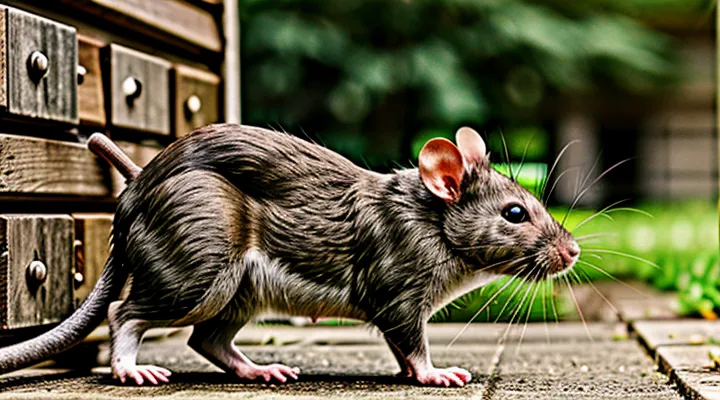
Understanding Rat Aggression
Types of Biting Behavior
Defensive Biting
Defensive biting occurs when a rat perceives an immediate threat and responds with a rapid, forceful bite to protect itself. The behavior is instinctual, not learned, and typically appears during handling, enclosure disturbance, or encounters with unfamiliar predators.
Common triggers for defensive biting include:
- Sudden movements or loud noises near the animal.
- Direct hand contact without prior habituation.
- Confinement in overcrowded or poorly ventilated cages.
- Presence of unfamiliar animals or humans.
- Handling after feeding, when the rat is focused on food.
Before a bite, rats often display warning signals: teeth exposed, rigid body posture, raised fur, and high‑pitched squeaks. Recognizing these cues allows intervention before the bite is delivered.
Effective prevention measures:
- Approach the rat calmly, moving slowly and avoiding abrupt gestures.
- Conduct regular, brief handling sessions to build tolerance.
- Provide ample space, nesting material, and enrichment objects to reduce stress.
- Maintain consistent cage cleaning schedules to limit odor buildup and territorial disputes.
- Use protective gloves or tools when initial capture is necessary, then transition to bare‑hand handling as trust develops.
Understanding defensive biting as a protective response, identifying its precursors, and implementing low‑stress handling protocols substantially reduce the incidence of bites and promote safer human‑rat interactions.
Fear-Based Biting
Rats resort to biting when they perceive an immediate threat. Sudden movements, loud noises, or attempts to restrain the animal trigger a defensive response rooted in fear. The bite serves to create distance and discourage further intrusion.
Typical indicators of fear‑driven aggression include rapid retreat, raised fur, flattened ears, and heightened vigilance. When a rat exhibits these signs, direct contact often escalates to a bite if the perceived danger persists.
Effective mitigation focuses on reducing perceived threats:
- Gradual habituation to handling, beginning with brief, gentle touches and extending duration over days.
- Consistent, low‑volume environment that avoids abrupt sounds or bright lights.
- Use of protective gloves and restraint tools only when necessary, ensuring they do not restrict the rat’s ability to move freely.
- Providing secure hiding places within the cage so the animal can retreat voluntarily, lowering stress levels.
Training sessions should conclude before signs of heightened anxiety appear. Repeated exposure under controlled conditions reshapes the rat’s association between humans and safety, decreasing the likelihood of fear‑based biting.
Territorial Biting
Territorial biting occurs when a rat perceives an intrusion into the area it defends for food, shelter, or breeding. The behavior is triggered by scent marks, sudden movements, or the presence of unfamiliar objects that challenge the established boundaries. Rats establish a hierarchy within a confined space; dominant individuals patrol the perimeter and respond to perceived threats with rapid, focused bites aimed at deterring rivals.
Key factors that intensify territorial aggression include:
- Overcrowding, which compresses personal space and forces frequent encounters.
- Inadequate enrichment, leading to heightened stress and reduced distraction from natural foraging behaviors.
- Frequent handling by multiple people, especially if the rat has not been habituated to diverse scents.
- Introduction of new rats or unfamiliar objects without a gradual acclimation period.
Effective prevention strategies focus on minimizing perceived invasions and reducing stressors:
- Provide ample cage dimensions that allow each rat to maintain a personal zone.
- Use consistent bedding and hideouts to reinforce stable scent markers.
- Introduce new stimuli gradually, allowing the rat to explore at its own pace.
- Limit handling sessions to short, predictable intervals and use a single primary caretaker when possible.
- Rotate enrichment items slowly, ensuring the rat can adjust without feeling its territory is constantly altered.
By maintaining stable environmental conditions and respecting the rat’s natural need to protect its space, owners can significantly lower the incidence of territorial biting.
Play Biting vs. Aggression
Play biting occurs most often in young rats exploring boundaries through gentle mouthing. The bite is brief, pressure is light, and the animal usually continues to engage in other playful activities such as chasing or wrestling. Teeth make brief contact without causing tissue damage, and the rat’s ears and tail remain relaxed.
Aggressive biting is a defensive or territorial response. It is characterized by sustained pressure, deep puncture, vocalizations, and a stiff, upright posture. The rat may display raised fur, a direct stare, and rapid tail thumping. Bites often target vulnerable body parts and may be accompanied by lunging or charging.
Distinguishing the two behaviors relies on observable cues:
- Pressure: light (play) vs. forceful (aggression)
- Duration: seconds (play) vs. prolonged (aggression)
- Body posture: relaxed, tail low (play) vs. rigid, tail erect (aggression)
- Vocalization: soft chirps (play) vs. sharp squeals or growls (aggression)
Preventing misinterpretation and reducing harmful bites involves proactive management:
- Provide ample enrichment (tunnels, chew toys, climbing structures) to channel natural mouthing into safe outlets.
- Conduct regular, gentle handling sessions from an early age to build trust and reduce fear‑based aggression.
- Monitor social dynamics; separate individuals showing persistent dominant aggression from more submissive companions.
- Ensure health checks to rule out pain‑induced aggression, addressing dental issues, injuries, or illness promptly.
- Maintain a stable environment with consistent feeding schedules and minimal stressors such as loud noises or abrupt changes.
Applying these measures clarifies the nature of each bite and minimizes the risk of escalation from playful mouthing to genuine aggression.
Common Causes of Aggression
Pain and Illness
Rats may bite when they experience pain or are afflicted by disease, because discomfort lowers tolerance for handling and provokes defensive aggression.
Physical injury, such as scratches, broken teeth, or internal wounds, triggers heightened sensitivity. A rat that feels pain interprets touch as a threat, responding with a bite to protect the injured area.
Illnesses that affect the nervous system or cause systemic distress also increase biting risk. Conditions such as respiratory infections, parasitic infestations, or neurological disorders produce fever, lethargy, and irritability, which manifest as sudden aggression toward caregivers.
Preventing bites through health management requires proactive steps:
- Conduct regular veterinary examinations to detect pain sources early.
- Monitor weight, grooming behavior, and activity levels for signs of illness.
- Provide a clean cage, proper bedding, and adequate nutrition to reduce stressors.
- Handle rats gently, supporting the body and avoiding pressure on vulnerable regions.
- Treat injuries and infections promptly with appropriate medication.
By addressing pain and disease promptly, caretakers reduce the likelihood of defensive biting and promote a calmer, healthier rodent population.
Hormonal Changes
Hormonal fluctuations directly affect the propensity of rats to bite. Elevated testosterone levels increase territorial and competitive aggression, especially in males during puberty and breeding periods. High cortisol concentrations, often resulting from chronic stress, heighten defensive responses that can culminate in biting. Estradiol peaks in females during estrus may cause irritability and reduced tolerance for handling. Prolactin surges associated with lactation can also modify maternal aggression, occasionally leading to bite incidents.
These hormonal shifts translate into observable bite-related behavior. Rats with increased testosterone display more frequent lunges, rapid nipping, and unwillingness to retreat. Elevated cortisol correlates with heightened startle responses, frequent rear‑end attacks, and reduced habituation to human contact. Estradiol‑linked irritability manifests as sudden snapping when the animal is approached during the fertile window.
Prevention strategies focus on stabilizing hormonal influences and minimizing triggers:
- Maintain consistent lighting cycles to regulate reproductive hormones.
- Provide ample nesting material and shelters to reduce stress‑induced cortisol spikes.
- Implement controlled breeding programs to limit excessive testosterone surges.
- Offer balanced nutrition rich in omega‑3 fatty acids, which can moderate stress hormone levels.
- Monitor female cycles; limit handling during estrus to lower the risk of aggressive bites.
- Use gentle, predictable handling techniques to prevent acute stress responses that elevate cortisol.
By addressing hormonal drivers through environmental management, breeding control, and nutritional support, the incidence of bite‑related aggression can be substantially reduced.
Stress and Anxiety
Stress and anxiety in rats manifest as elevated cortisol, rapid breathing, and hypervigilance. Laboratory observations show that confined environments, unpredictable lighting, and sudden noises raise these physiological markers within minutes.
When rats experience chronic stress or acute anxiety, their defensive threshold lowers, increasing the likelihood of bite attempts. Territorial disputes, handling without habituation, and exposure to unfamiliar scents trigger aggressive responses, especially in individuals lacking social enrichment.
Effective mitigation focuses on environmental stability and gradual desensitization:
- Provide spacious cages with multiple hideaways to reduce perceived threats.
- Maintain consistent light‑dark cycles and minimize abrupt sounds.
- Introduce handling sessions gradually, starting with brief, gentle contact and extending duration over days.
- Supply nesting material and chewable objects to channel exploratory behavior away from aggression.
- Monitor group composition; separate overly dominant individuals to prevent hierarchical stress.
Implementing these measures lowers stress hormones, diminishes anxiety‑driven aggression, and reduces the incidence of biting incidents.
Lack of Socialization
Rats raised without regular interaction with conspecifics or humans often fail to develop normal social cues. Isolation or minimal handling deprives them of opportunities to learn bite inhibition, territorial boundaries, and appropriate responses to stimuli.
When a rat lacks social experience, it perceives unfamiliar contact as a threat. The animal reacts with heightened defensive aggression, which frequently results in biting. The behavior escalates because the rat cannot differentiate between harmless investigation and hostile intrusion.
Preventive measures:
- Introduce gentle handling from a young age, gradually increasing duration and variety of contact.
- Provide group housing when compatible, allowing visual, auditory, and olfactory exchanges among peers.
- Enrich the environment with tunnels, chew toys, and nesting material to stimulate natural social play.
- Conduct brief, regular exposure sessions with humans, using calm voice and slow movements to reduce fear.
- Monitor interactions for signs of stress; separate individuals that display persistent aggression to prevent reinforcement of biting behavior.
Improper Handling
Improper handling directly triggers bite incidents by inducing fear and pain. When a rat perceives a handler’s grip as threatening, its defensive circuitry activates, releasing adrenaline and cortisol, which heighten aggression and reduce tolerance for restraint.
Typical mishandlings include:
- Gripping the tail or limbs with excessive force.
- Applying sudden, unpredictable movements.
- Ignoring vocalizations, teeth‑clenching, or attempts to escape.
- Failing to allow the animal time to acclimate to human presence.
Effective prevention relies on consistent, low‑stress techniques:
- Approach slowly, allowing the rat to see the hand.
- Use both hands: one to support the chest, the other to guide the hindquarters.
- Maintain a firm but gentle grip, avoiding pressure on the tail.
- Keep movements smooth; avoid jerks or rapid direction changes.
- Observe body language continuously; pause if the rat exhibits signs of distress.
- Employ handling tools such as soft cups or tunnels for initial introductions.
- Train all personnel in standardized handling protocols and reinforce compliance through regular assessment.
Adhering to these practices minimizes stress responses, thereby reducing the likelihood of bites.
Resource Guarding
Resource guarding is a specific form of aggression in which a rat protects food, nesting material, or a favored object from other rats or humans. The behavior stems from an evolutionary drive to secure limited supplies, especially when competition is perceived. When a rat perceives a threat to its resource, it may display a bite as a defensive response.
Typical indicators of resource guarding include:
- Rapid, focused staring at the approaching individual.
- Rapid, low‑frequency vocalizations or teeth chattering.
- Lunge or snap toward the intruder while maintaining grip on the item.
- Stiffened body posture and raised fur around the neck and back.
Several factors increase the likelihood of guarding:
- Inadequate food distribution, causing scarcity.
- Overcrowded cage conditions that force multiple rats to share limited nesting material.
- Irregular feeding schedules that create uncertainty about meal timing.
- Prior negative experiences where a rat lost a valued item after human intervention.
Prevention strategies focus on reducing perceived competition and reinforcing non‑aggressive interactions:
- Provide multiple identical food dishes and nesting stations per rat to eliminate direct competition.
- Schedule feedings at consistent intervals, allowing each rat to anticipate access without stress.
- Use transparent, low‑profile containers that enable the rat to see the resource while maintaining a safe distance for handling.
- Conduct brief, calm handling sessions that involve offering a treat without attempting to remove the item, gradually teaching the rat that human contact does not threaten its possessions.
- Implement environmental enrichment that disperses valuable items throughout the cage, decreasing the concentration of guarded resources.
When a bite occurs, immediate response should involve:
- Halting interaction without sudden movements.
- Gently withdrawing the hand while maintaining a calm demeanor.
- Re‑establishing the situation later with a different resource or by providing an additional identical item to reduce the need for competition.
Consistent application of these measures lowers the frequency of resource‑guarding bites and promotes a more cooperative relationship between rats and their caretakers.
Prevention and Management Strategies
Environmental Enrichment
Adequate Cage Size
Adequate cage size directly influences a rat’s stress level and likelihood of aggressive behavior. Overcrowding limits movement, restricts natural foraging, and prevents establishment of personal space, all of which can trigger defensive biting.
A cage that meets the following specifications supports normal activity and reduces aggression:
- Minimum floor area of 2 sq ft per adult rat (approximately 0.19 m²).
- Height of at least 12 in (30 cm) to allow vertical climbing and nesting.
- Multi‑level platforms or hammocks to provide additional territory.
- Secure, well‑ventilated bars spaced no more than ½ in (12 mm) apart to prevent escape while allowing airflow.
Providing enrichment items—such as tunnels, chew blocks, and hideouts—within the allotted space further diminishes tension. Regular monitoring of waste buildup and prompt cleaning prevent odor accumulation, another common stressor.
When cage dimensions fall short of these guidelines, rats may exhibit heightened agitation, leading to bites during handling or interaction with cage mates. Ensuring sufficient space therefore constitutes a core preventive measure against aggression.
Hiding Spots and Tunnels
Rats that have ample hiding spots and complex tunnel networks often feel secure, reducing the likelihood of defensive biting. When a rat perceives an environment as cramped or exposed, stress levels rise, and the animal may resort to aggression to protect itself. Conversely, well‑designed concealment areas allow rats to retreat without confronting humans, decreasing the trigger for a bite response.
Key factors linking concealment structures to aggression:
- Overcrowding in tunnels – limited space forces direct encounters, heightening territorial disputes.
- Insufficient escape routes – lack of alternative paths makes a rat feel trapped, prompting defensive lunges.
- Poorly lit or noisy passages – sensory overload induces anxiety, which can manifest as biting when the rat is startled.
- Irregular tunnel geometry – abrupt dead‑ends create frustration, leading to heightened aggression toward perceived threats.
Preventive measures focus on modifying the environment:
- Provide multiple, spacious tunnels that intersect at gentle angles, allowing effortless avoidance of confrontations.
- Incorporate secluded chambers with soft bedding, giving rats a reliable refuge when disturbed.
- Ensure consistent, low‑level lighting and minimal sudden sounds within the network to maintain calm.
- Regularly inspect and clean tunnels to prevent debris buildup that could obstruct movement and increase stress.
By structuring hiding places and tunnels to meet rats’ natural need for privacy and easy navigation, owners can significantly lower the probability of bite incidents caused by heightened aggression.
Toys and Chews
Providing appropriate toys and chew items addresses the primary drivers of rat aggression—lack of stimulation, frustration, and the instinct to gnaw. When rats have safe outlets for these needs, the likelihood of defensive biting decreases markedly.
A well‑chosen selection of enrichment tools satisfies exploratory behavior and dental health. Effective options include:
- Solid wood blocks or branches free of toxic oils; they encourage natural gnawing and reduce stress.
- Food‑based chew sticks made from unsweetened, low‑fat ingredients; they supply oral stimulation without excess calories.
- Puzzle devices that hide treats; they engage problem‑solving skills and divert attention from potential threats.
- Tubular tunnels and climbing structures; they promote movement and territorial exploration, lowering the chance of territorial disputes that can provoke bites.
Implementing these items follows a simple protocol:
- Introduce one new object at a time; observe the rat’s reaction for signs of acceptance or avoidance.
- Rotate toys weekly to maintain novelty and prevent habituation.
- Ensure all materials are non‑toxic, free of sharp edges, and sized appropriately for the rat’s mouth.
- Clean reusable items regularly to avoid bacterial buildup that could cause discomfort and aggression.
By integrating appropriate toys and chewables into daily care, owners create an environment that fulfills innate behaviors, reduces frustration, and ultimately minimizes the risk of biting incidents.
Socialization and Handling
Early Desensitization
Early desensitization reduces the likelihood that a rat will perceive humans as threats. Repeated, gentle exposure to handling, scent, and environmental cues conditions the animal to associate contact with safety rather than danger.
Effective desensitization follows a structured progression:
- Begin when the rat is a juvenile, ideally within the first two weeks of life. Young rodents display heightened neural plasticity, allowing rapid adaptation to benign stimuli.
- Introduce a soft, clean hand into the cage for brief intervals (5–10 seconds) without attempting to grasp the animal. Observe the rat’s posture; relaxed limbs and continued exploration indicate acceptance.
- Gradually increase contact duration and pressure over successive sessions, extending each exposure by 10–15 seconds.
- Incorporate routine activities such as feeding from the hand, gentle stroking along the back, and brief lifting onto a palm. Consistency—daily sessions at the same time—reinforces the learned safety cue.
- Monitor stress indicators (elevated vocalizations, rapid escape attempts, or excessive grooming). If signs emerge, reduce exposure intensity and resume after a short rest period.
Desensitization mitigates aggression by preventing the development of fear‑based defensive responses. When a rat learns early that human interaction does not result in pain or confinement, the neural pathways governing fight‑or‑flight are less likely to activate during later handling. Consequently, bite incidents decline, and the animal remains more amenable to routine care and veterinary procedures.
Positive Reinforcement Techniques
Positive reinforcement trains rats to associate desired behavior with rewarding outcomes, thereby lowering the likelihood of aggressive bites. When a rat receives a treat, gentle petting, or a safe enclosure after displaying calm or non‑aggressive actions, the brain registers the behavior as beneficial, reducing stress‑induced hostility.
The method works by redirecting the animal’s motivation from defensive reflexes to reward‑driven actions. Repeated pairing of low‑risk interactions with positive stimuli diminishes the neural pathways that trigger bite responses, fostering a stable, cooperative temperament.
- Offer small food rewards immediately after the rat approaches without snarling or snapping.
- Use clicker or verbal cue to mark the exact moment of calm contact, then deliver the reward.
- Gradually increase the duration of handling before rewarding, extending the period of tolerated proximity.
- Incorporate enrichment items (tunnels, chew toys) that the rat can manipulate to earn treats, linking play with positive feedback.
- Record each session’s outcomes to adjust reward size and timing, ensuring the reinforcement remains effective.
Consistent application requires a quiet environment, predictable schedule, and avoidance of sudden movements that could trigger fear. Monitor the rat’s body language; retreat at the first sign of tension to prevent escalation. Over weeks, the animal typically exhibits reduced bite incidents and greater willingness to engage during routine care.
Avoiding Punishment
Rats interpret harsh corrective actions as threats, which heighten stress hormones and trigger defensive biting. Physical reprimands, loud scolding, or sudden removal of food create an environment where the animal anticipates harm, reinforcing aggressive responses. Consistent avoidance of punishment reduces fear conditioning, allowing rats to remain calm during handling and routine care.
Effective methods to prevent punitive interactions include:
- Gradual habituation: introduce handling slowly, allowing the rat to explore the hand or cage without pressure.
- Positive reinforcement: reward calm behavior with treats or gentle petting, establishing a clear link between cooperation and benefit.
- Predictable routines: schedule feeding, cleaning, and interaction at consistent times to eliminate surprise.
- Environmental enrichment: provide nesting material, tunnels, and chewable objects to lower baseline stress levels.
- Minimal restraint: use low‑stress capture techniques such as a soft cup or tunnel, avoiding tight grips that signal danger.
By eliminating aversive stimuli and replacing them with structured, rewarding experiences, caretakers diminish the likelihood of bite incidents and promote a stable, cooperative relationship with their rodents.
Health and Veterinary Care
Regular Health Checks
Regular health examinations are essential for managing aggression in pet and laboratory rats. Routine veterinary visits allow early detection of illnesses that can trigger defensive biting, such as dental disease, respiratory infections, or systemic pain. Early intervention reduces stress‑induced hostility and improves overall welfare.
Key components of a comprehensive health check include:
- Physical inspection of skin, fur, and eyes for lesions, parasites, or discharge.
- Oral assessment for overgrown incisors, malocclusion, or oral ulcers.
- Respiratory evaluation through auscultation and observation of breathing patterns.
- Weight measurement and body condition scoring to identify malnutrition or obesity.
- Behavioral observation for signs of anxiety, hyperactivity, or avoidance.
Scheduling examinations every three to six months aligns with the rapid life cycle of rodents and ensures timely treatment. Owners should record any changes in appetite, grooming habits, or social interactions and report them promptly to a veterinarian. Consistent monitoring, combined with proper nutrition and environmental enrichment, diminishes the likelihood of defensive biting and promotes a calmer, healthier rat population.
Addressing Pain or Illness
Rats experiencing pain or disease often exhibit heightened aggression, which can manifest as biting. Discomfort from injuries, dental problems, or internal infections triggers defensive behavior, especially when the animal perceives a threat to its weakened state. Recognizing the link between health issues and hostility allows caretakers to intervene before bites occur.
Effective measures focus on diagnosing and alleviating the underlying condition:
- Conduct regular health inspections to identify wounds, abscesses, or abnormal behavior.
- Provide a balanced diet rich in nutrients that support dental health and immune function.
- Ensure a clean environment to minimize exposure to pathogens and reduce stressors.
- Offer appropriate enrichment items that allow natural chewing activity, preventing overgrowth of incisors.
- Administer veterinary treatment promptly for diagnosed illnesses or chronic pain.
By maintaining optimal physical condition and monitoring for signs of distress, the propensity for rats to bite can be substantially reduced, promoting safer interactions and improved welfare.
Spaying and Neutering Considerations
Spaying or neutering rats reduces hormonal drives that can trigger territorial and dominance behaviors. Lower testosterone and estrogen levels diminish the likelihood of aggressive displays, including biting, especially when rats are housed together or encounter unfamiliar individuals.
Key factors to evaluate before sterilization:
- Age: optimal window is 8‑12 weeks, when surgical risk is minimal and hormonal influence is still developing.
- Health status: confirm absence of respiratory infection, dental overgrowth, or severe obesity, which can increase anesthesia complications.
- Species and strain: some laboratory strains exhibit heightened aggression after gonad removal; consult strain‑specific guidelines.
- Social dynamics: evaluate hierarchy; removing a dominant individual’s hormones may destabilize the group, requiring gradual re‑integration.
- Post‑operative care: provide analgesia, a warm recovery area, and monitor for wound infection to prevent stress‑induced aggression.
When performed correctly, sterilization contributes to a calmer colony and reduces bite incidents, complementing environmental enrichment and proper handling practices.
Managing Aggressive Rats
Identifying Triggers
Rats exhibit aggressive bites when specific stimuli activate their defensive circuitry. Recognizing these stimuli enables effective management and reduces the likelihood of injury.
Common triggers include:
- Perceived threats such as sudden movements, loud noises, or unfamiliar objects.
- Competition for limited resources, especially food, water, or nesting sites.
- Handling errors, including restraining the animal too tightly or approaching from behind.
- Health issues like pain, illness, or injury, which lower tolerance for external contact.
- Environmental stressors such as overcrowding, inadequate ventilation, or extreme temperatures.
Mitigation requires eliminating or mitigating each trigger. Secure food supplies to prevent competition, maintain stable temperature and humidity, and provide ample space for nesting. When handling rats, approach calmly, support the body fully, and avoid restraining limbs. Regular health checks identify pain or disease that could provoke aggression. By systematically addressing these factors, caretakers can minimize biting incidents and promote safer interactions.
Gradual Introduction to New Rats
Introducing a new rat to an established group requires a systematic, low‑stress protocol to prevent aggressive behavior and biting. The process relies on sensory familiarization, controlled physical contact, and ongoing observation.
- Quarantine the newcomer for 7–10 days in a separate cage. Provide identical bedding, food, and enrichment to match the resident environment. This period allows health screening and scent acclimation.
- Exchange bedding or nest material between cages twice daily. The mutual odor exposure reduces territorial defensiveness when the animals eventually meet.
- Initiate visual contact through a solid barrier (e.g., a wire mesh divider). Keep sessions short, beginning with 5 minutes and extending to 30 minutes as tolerance increases. Monitor body language for signs of threat, such as raised fur or lunging.
- Permit limited tactile interaction by placing a neutral object (e.g., a cardboard tube) that both rats can explore simultaneously through the barrier. This encourages shared use of space without direct contact.
- After consistent calm visual sessions, remove the divider for a supervised, brief encounter in a neutral arena. Limit the encounter to 10 minutes, intervene at the first indication of aggression, and separate the rats immediately.
- Gradually extend joint time in the neutral arena, progressing to integration within the main cage once both individuals display relaxed postures, grooming, and shared feeding.
Continuous monitoring during each stage is essential. Record any bite marks, vocalizations, or avoidance behaviors. If aggression persists, revert to the previous step and extend its duration before attempting advancement.
A disciplined, stepwise introduction minimizes stress, curtails territorial disputes, and significantly lowers the likelihood of biting incidents.
Professional Guidance
Professional guidance on rodent aggression focuses on accurate assessment, targeted intervention, and continuous monitoring. Veterinarians and certified pest‑control specialists recommend beginning with a thorough health evaluation to rule out pain, illness, or nutritional deficiencies that can trigger biting. Laboratory tests, dental examinations, and behavioral observations provide the data needed to differentiate fear‑driven aggression from territorial or dominance‑related attacks.
Key actions for owners and facility managers include:
- Identify stressors such as overcrowding, sudden environmental changes, or exposure to predators; modify housing conditions to maintain stable temperature, proper ventilation, and adequate space per animal.
- Implement a consistent handling protocol: approach calmly, use gentle restraint techniques, and limit handling sessions to brief, predictable intervals to reduce fear responses.
- Apply enrichment devices—chewing toys, nesting material, foraging puzzles—to satisfy natural instincts and lower frustration levels.
- Administer veterinary‑approved analgesics or anti‑anxiety medications when medical assessment indicates chronic pain or heightened stress; follow dosage guidelines precisely.
- Record incidents of biting, noting time, location, and preceding events; analyze patterns to adjust management practices promptly.
Continual education of staff reinforces proper techniques and ensures early detection of escalating aggression. Regular training sessions, competency assessments, and access to up‑to‑date scientific literature maintain a high standard of care, ultimately decreasing bite incidents and safeguarding both humans and rats.