
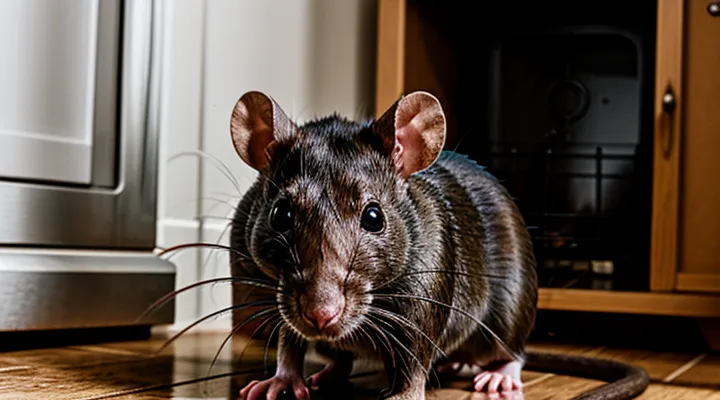
Understanding the Rat Problem
Common Entry Points for Rodents
Cracks in Foundations and Walls
Cracks in foundations and walls create direct pathways for rats to infiltrate residential structures. These openings bypass typical barriers, allowing rodents to move from soil or adjacent buildings into living spaces.
Structural movement, moisture intrusion, and poor construction practices generate such fissures. Settlement of the building foundation, temperature fluctuations, and inadequate drainage cause concrete to expand, contract, and eventually split. Water penetration weakens mortar and brick, accelerating the formation of gaps large enough for a rat’s body to pass.
Rats exploit any opening exceeding approximately 1 cm in diameter. Even hairline fractures serve as entry points when combined with the animal’s ability to gnaw and enlarge gaps. Once inside, rats establish burrows, deposit droppings, and create further damage by chewing on wiring, insulation, and structural components.
Effective mitigation focuses on detection, repair, and preventive design:
- Conduct a thorough visual inspection of all exterior walls, foundation slabs, and basement surfaces; note any visible fissures, displaced bricks, or deteriorated mortar.
- Seal identified cracks with appropriate materials: epoxy injection for concrete, hydraulic cement for masonry, and expanding foam for small gaps around utility penetrations.
- Install a continuous waterproofing membrane and ensure proper site grading to divert water away from the foundation, reducing moisture‑induced cracking.
- Apply metal or concrete flashing around vulnerable joints, such as where pipes enter walls, to eliminate rodent‑sized gaps.
- Schedule periodic maintenance checks, especially after extreme weather events, to address new or expanding fissures promptly.
By eliminating structural openings, homeowners remove the primary access routes that enable rat incursions, thereby reducing the likelihood of infestation and associated health risks.
Gaps Around Pipes and Wires
Rats exploit any opening that provides access to food, water, or shelter. Gaps surrounding plumbing, electrical conduits, and ventilation ducts create direct pathways from the exterior to interior spaces. These voids often result from poorly fitted pipe sleeves, aging insulation, or renovations that leave unfinished cutouts.
Typical characteristics of such openings include:
- Diameter larger than ¼ inch, allowing a rat to squeeze through.
- Presence of dust, debris, or gnaw marks indicating recent activity.
- Proximity to water sources, such as sinks, bathtubs, or utility lines.
Inspection should focus on the perimeter of all penetrations. Use a flashlight and a flexible inspection mirror to view concealed areas behind walls and under floors. Document any gaps, noting size and material composition.
Effective sealing methods involve:
- Selecting a durable filler—steel wool, copper mesh, or expanding polyurethane foam—compatible with the surrounding material.
- Packing the filler tightly into the opening to eliminate voids.
- Applying a cement-based sealant or metal flashing over the packed material to provide a permanent barrier.
- Re‑checking the sealed area after a week to ensure no new openings have formed.
Regular maintenance, such as tightening pipe clamps and replacing deteriorated insulation, prevents the re‑creation of entry points. By systematically identifying and sealing gaps around pipes and wires, homeowners remove a primary conduit for rodent intrusion and reduce the likelihood of infestation.
Unsealed Vents and Chimneys
Unsealed vents and chimneys create direct pathways for rats to infiltrate residential structures. Gaps around vent covers, roof penetrations, and chimney flues often exceed the 2‑inch diameter that rats can squeeze through, allowing them to move from the exterior to interior spaces with minimal resistance. Once inside, rats exploit the warmth, shelter, and access to food sources that homes provide.
Rats are attracted to these openings for several reasons:
- The temperature gradient between the cool outdoors and the heated interior encourages movement toward warmth.
- Moisture accumulation in vent ducts and chimney crowns offers a reliable water source.
- Structural voids adjacent to vents serve as nesting sites protected from predators.
Preventive actions focus on eliminating entry points and reducing habitat suitability:
- Inspect all vent covers, roof flashings, and chimney crowns for cracks, gaps, or damaged sealant.
- Install metal mesh or stainless‑steel screens with openings no larger than ¼ inch over vents and chimney openings.
- Apply high‑temperature silicone or expanding foam sealant to fill gaps around vent ducts, pipe penetrations, and chimney flues.
- Ensure chimney caps are securely attached and feature a rat‑proof lattice.
- Conduct periodic visual checks, especially after severe weather, to verify that seals remain intact.
By maintaining a sealed envelope around vents and chimneys, homeowners remove the primary access routes that enable rats to enter, thereby reducing the likelihood of infestation.
Open Doors and Windows
Open doors and windows create direct pathways for rats to move from exterior environments into interior spaces. Unsecured entries allow rodents to exploit gaps as small as ¼ inch, enabling them to slip through cracks around frames, hinges, or sliding mechanisms. When doors are left ajar for ventilation or convenience, the pressure differential between indoor and outdoor air can draw rats toward the opening, increasing the likelihood of intrusion.
Rats are attracted to buildings where food, water, and shelter are readily available. An open doorway that leads to a kitchen, pantry, or garbage area presents an immediate source of nourishment. Similarly, windows left open without screens expose interior walls and eaves to rodent activity, especially during cooler months when rats seek warm nesting sites.
Preventive actions focus on eliminating uncontrolled access:
- Install self‑closing hinges on exterior doors and ensure they latch securely each time they are used.
- Fit door sweeps or weatherstripping to seal the gap between the door bottom and the floor.
- Use fine‑mesh screens on all windows; replace torn sections promptly.
- Equip sliding doors with brush seals or rollers that block gaps along the track.
- Keep doors and windows closed when the building is unoccupied for extended periods.
Regular inspection of door and window frames for signs of wear, rust, or damage helps identify potential entry points before rats can exploit them. Maintaining these barriers reduces the probability of rodent presence and supports broader efforts to control infestations.
Why Rats Are Attracted to Homes
Availability of Food Sources
Rats enter homes primarily when food is easily accessible. They locate and exploit any source that provides calories, moisture, or shelter, using their keen sense of smell and nocturnal activity patterns.
Common household food sources include:
- Uncovered pantry items such as grains, cereals, and dried fruits.
- Pet food left in bowls overnight.
- Fruit and vegetable scraps in kitchen bins.
- Spilled grains, nuts, or candy on countertops and floors.
- Food residues in garbage cans without tight lids.
Reducing these attractants requires systematic control:
- Store dry goods in sealed, rodent‑proof containers.
- Remove pet food after each feeding session; keep bowls on elevated platforms.
- Clean kitchen surfaces after meals; sweep crumbs and wipe spills immediately.
- Use trash cans with secure, snap‑fit lids; empty them regularly.
- Inspect and seal gaps around cabinets, walls, and plumbing where food particles might accumulate.
By eliminating readily available nourishment, the incentive for rats to infiltrate a dwelling diminishes significantly, supporting long‑term prevention efforts.
Presence of Water
Rats are drawn to any reliable water source inside a dwelling. Leaking pipes, dripping faucets, and malfunctioning appliances create moist environments that satisfy their physiological need for hydration. Condensation on cold surfaces, such as windowsills and pipes, can accumulate enough liquid to support rat activity, especially during dry seasons when external water is scarce. Open containers of pet water, uncovered fish tanks, and standing water in plant saucers also provide easy access.
Moisture in walls and insulation, caused by roof leaks or inadequate ventilation, encourages rat nesting. Damp basements, crawl spaces, and laundry rooms often harbor hidden water pockets that remain unnoticed until rat signs appear. Persistent humidity lowers the barrier for rats to explore and establish colonies, increasing the likelihood of damage and disease transmission.
Preventive actions focus on eliminating water availability:
- Repair all leaks in plumbing, roofing, and appliances promptly.
- Install drip‑catching devices on faucets and regularly inspect for drips.
- Use tight‑fitting lids on pet water bowls; refill only as needed.
- Remove standing water from plant trays, replace with moisture‑absorbing mats.
- Ensure proper ventilation in basements, attics, and crawl spaces to reduce condensation.
- Seal cracks and gaps around pipes and fixtures to block entry points.
By systematically removing these water sources, the attractiveness of a residence to rats diminishes, reducing the risk of infestation.
Shelter from Predators and Weather
Rats seek refuge when external threats limit their ability to survive. Predators such as cats, birds of prey, snakes and feral dogs reduce the safety of outdoor habitats, driving rodents toward structures that impede access for these hunters. Indoor environments provide physical barriers that block visual and scent cues, allowing rats to move with reduced risk of detection.
Weather extremes also compel rats to relocate. Cold temperatures increase metabolic demands, while heat spikes cause dehydration. Rain, snow and high humidity create damp conditions that can flood burrows and diminish food storage. A building offers insulated spaces, stable microclimates and dry areas that satisfy these physiological needs.
When outdoor shelters become untenable, rats exploit structural vulnerabilities. Cracks in foundations, gaps around pipes, unsealed doors and attic openings serve as entry routes. Once inside, they can establish nests in wall voids, basements or storage rooms, where predator presence is minimal and climate control is maintained.
Preventive actions focus on eliminating both entry points and attractive shelter conditions:
- Inspect and seal cracks, gaps around utility penetrations and door thresholds.
- Install metal flashing or concrete sealant around vents, chimneys and foundation joints.
- Maintain indoor humidity below 50 % and ensure proper ventilation in crawl spaces.
- Store food in airtight containers and remove waste promptly to reduce attractants.
- Trim vegetation and remove debris near the building to limit external nesting sites.
By removing the incentives of safety and comfort, homeowners reduce the likelihood that rats will view the residence as a viable alternative to their natural habitat.
Warmth and Breeding Opportunities
Rats seek indoor environments that provide stable warmth and conditions conducive to rapid reproduction. Consistent temperature reduces the energy rats must expend to maintain body heat, allowing more resources to be allocated to breeding. Buildings with inadequate insulation or exposed heating ducts create micro‑climates where ambient temperatures remain above the outdoor average, especially during colder months. These zones attract rats looking for shelter and accelerate gestation cycles.
Breeding opportunities flourish where shelters, food, and moisture coexist. Untidy storage areas, piles of cardboard, and concealed corners serve as nesting sites. Access to unsecured food sources—pet food, pantry items, or spilled crumbs—supports larger litters and multiple breeding cycles per year. High humidity in basements or crawl spaces softens building materials, facilitating nest construction and promoting parasite survival, which further enhances rat population growth.
Preventive actions focus on eliminating warmth pockets and disrupting breeding habitats:
- Seal gaps around pipes, vents, and foundation cracks to block heat leakage.
- Insulate walls and ducts to maintain uniform interior temperatures.
- Remove clutter, store items in sealed containers, and regularly clean storage spaces.
- Store food in airtight containers; promptly clean spills and waste.
- Reduce indoor humidity with dehumidifiers or proper ventilation.
- Inspect and repair roof or wall leaks that create damp conditions.
- Install traps or bait stations near identified nesting zones, monitoring activity regularly.
By controlling temperature stability and removing factors that support nesting and nutrition, the likelihood of rat intrusion declines markedly.
Identifying a Rat Infestation
Signs of Rat Presence
Droppings and Urine Smells
Rats leave droppings and urine as primary evidence of their presence. Fresh droppings are dark, shiny, and about the size of a grain of rice; older ones become gray and crumbly. Urine produces a sharp, ammonia‑like odor that intensifies in confined spaces such as attics, basements, and wall voids. Both waste products contain pathogens—hantavirus, salmonella, leptospirosis—and can contaminate food, surfaces, and ventilation systems.
Identifying the problem early reduces health risks and structural damage. Look for droppings along walls, behind appliances, and in hidden corners. Use a flashlight to examine dark areas; a strong, sour smell often indicates active urination sites. Wear gloves and a mask when handling waste to avoid inhalation of aerosolized particles.
Preventive actions focus on eliminating conditions that encourage rats to deposit waste indoors:
- Seal cracks, gaps, and openings larger than ¼ inch with steel wool, caulk, or metal flashing.
- Store food in airtight containers; remove crumbs and spills promptly.
- Keep garbage in sealed bins and dispose of it regularly.
- Reduce clutter and eliminate nesting materials such as paper, fabric, and insulation.
- Install traps or bait stations near identified droppings and urine spots, following local regulations.
Routine inspection and prompt sanitation of contaminated areas, combined with exclusion measures, effectively curb rat waste accumulation and the associated odor problem.
Gnaw Marks on Structures and Food Packaging
Rats leave distinctive gnaw marks on wood, plastic, metal and cardboard. The bite pattern is uniform, with teeth spacing about 6‑8 mm and a clean, shallow groove that deepens with repeated chewing. Such damage appears on structural beams, baseboards, and door frames, indicating that rodents are using these elements for movement, nesting or escape routes.
These marks also appear on food packaging. Sealed bags, cardboard boxes and plastic containers show perforations or frayed edges where rats have forced entry. The presence of gnaw‑through packaging signals a direct threat to stored food, increasing the risk of contamination and loss.
Preventive actions focus on eliminating access and reducing attraction:
- Seal all exterior gaps larger than ¼ inch with steel wool, cement or metal flashing.
- Install metal or concrete barriers around utility lines, vents and pipe openings.
- Store food in rodent‑proof containers made of thick glass or heavy‑wall plastic.
- Remove debris, firewood and clutter near the foundation to deny chewing material.
Regular inspection of structural components and food storage areas helps detect gnaw marks early. Prompt repair of damaged sections and immediate removal of compromised food items interrupt rat activity before infestations become severe.
Scratching and Squeaking Noises
Rats produce persistent scratching and high‑pitched squeaking that often serve as the first audible clue of an intrusion. These sounds originate from gnawing on structural components, nesting material, and food supplies, as well as from communication between individuals during foraging or territorial disputes. Recognizing the pattern—intermittent, rapid scratches in walls, ceilings, or floor joists, followed by brief, sharp squeaks—helps differentiate rodent activity from other household noises such as plumbing or HVAC systems.
The presence of these noises indicates several underlying conditions:
- Easy access points: gaps around pipes, vents, or foundation cracks permit entry.
- Abundant shelter: insulation, stored boxes, or clutter provide hidden nests.
- Available food sources: unsecured pantry items, pet feed, or garbage attract foraging.
- Warm microclimates: heated spaces and concealed voids sustain rodent populations.
Preventive measures focus on eliminating the factors that generate the noises:
- Seal all openings larger than a quarter inch with steel wool, metal flashing, or cement‑based sealants.
- Remove clutter and store items in sealed containers to deny nesting sites.
- Store food in airtight containers; clean spills promptly and secure trash bins with tight lids.
- Install rodent‑proof screens on vents and chimneys; maintain exterior drainage to keep foundations dry.
- Conduct regular inspections of structural cavities, listening for abnormal scratching or squeaking; address any signs immediately with traps or professional extermination.
By treating scratching and squeaking as diagnostic signals, homeowners can intervene before rat populations establish, reducing damage to property and health risks associated with infestation.
Sightings of Live or Dead Rats
Observing a live rat inside a residence signals an active infestation. The animal’s presence confirms that entry points—such as gaps around pipes, cracks in foundations, or unsealed doors—are currently functional. Immediate inspection of these vulnerabilities is required to stop further ingress.
Finding a dead rat provides different information. Decomposition releases odor that can attract additional rodents, while the carcass itself may indicate a failed control measure or a trapped individual. Prompt removal and thorough cleaning prevent secondary health risks and discourage other pests from exploring the same area.
Key observations that help assess the situation include:
- Fresh droppings near food storage, cabinets, or along walls
- Gnawed materials, including wiring, insulation, or wood
- Grease or urine stains on surfaces, especially in concealed locations
- Tracks or footprints in dusty corners, attics, or basements
Each sign points to specific entry routes and feeding zones. Addressing them through sealing openings, eliminating food sources, and maintaining sanitation reduces the likelihood of future sightings and supports long‑term rodent management.
Rat Nests
Rats construct nests to shelter themselves, rear offspring, and store food. Nests are typically composed of shredded paper, fabric, insulation, dried plant material, or any soft debris that can be compacted into a secure mass. The structure provides warmth, protection from predators, and a stable environment for breeding.
Common locations for rat nests inside residential buildings include:
- Attic spaces, especially where insulation is loose or damaged.
- Wall cavities behind baseboards, cabinets, or drywall.
- Under floorboards and in crawl spaces with accumulated debris.
- Garages or storage rooms where cardboard boxes, clothing, or pet bedding are left undisturbed.
Signs that a nest is present involve:
- Accumulations of dark, greasy material resembling shredded paper or fabric.
- Small piles of droppings surrounding a central mass.
- Gnaw marks on nearby structures, indicating attempts to enlarge entry points.
- A distinct, musky odor that intensifies with the presence of urine and feces.
Preventing nest formation requires eliminating both shelter and food sources. Seal cracks, gaps, and openings larger than a quarter inch to block entry. Remove clutter, store items in sealed containers, and keep insulation intact. Regularly inspect attics, walls, and crawl spaces for signs of activity, and promptly repair any damage. If a nest is discovered, use traps or professional extermination methods to remove the occupants, then disinfect the area and replace compromised materials to discourage re‑infestation.
Prevention Strategies
Sealing Entry Points
Inspecting and Repairing Exterior
Rats gain entry through weaknesses in a building’s outer shell. Regular examination of the exterior reveals openings that attract rodents and provides the basis for effective repair.
Inspect the perimeter for cracks in foundations, gaps around pipes, and deteriorating siding. Pay special attention to areas where utility lines penetrate walls; seal any space larger than a quarter‑inch. Examine roof edges, eaves, and soffits for missing or damaged flashing, and replace compromised sections. Verify that vent covers, chimney caps, and attic access points are intact and securely fastened. Trim vegetation that contacts the structure, as vines and branches create bridges to the roof and conceal entry points.
Repair actions include:
- Filling foundation cracks with hydraulic cement or epoxy sealant.
- Installing steel wool or copper mesh before applying caulk to block rodent passage.
- Replacing broken flashing, securing soffit boards, and installing metal mesh over vent openings.
- Reinforcing door and window frames with weather‑stripping and pest‑proof hardware.
- Applying a continuous perimeter barrier of concrete or metal flashing where the foundation meets the soil.
Complete the inspection at least twice a year, before winter and after heavy rains, to catch new damage promptly. Consistent exterior maintenance eliminates the primary pathways rats use to infiltrate homes, reducing the likelihood of infestation.
Installing Mesh on Vents
Rats often enter homes through ventilation openings that lack proper barriers. Installing mesh on vents creates a physical obstruction that prevents rodents from slipping into interior spaces while preserving airflow.
Select a mesh material that resists corrosion and gnawing, such as stainless‑steel or heavy‑gauge galvanized steel. The mesh should have openings no larger than ¼ inch to block even juvenile rats. Cut the mesh to match the vent dimensions, allowing a small overlap on all sides for secure attachment.
Secure the mesh using stainless‑steel screws or self‑drilling rivets. Fasten the fasteners at intervals of 2–3 inches to avoid gaps. Apply a weather‑resistant sealant around the perimeter to eliminate potential entry points caused by gaps or rust.
Installation checklist
- Measure vent opening accurately.
- Choose mesh with ≤¼ inch openings, corrosion‑resistant material.
- Cut mesh with an allowance of 1–2 inches on each side.
- Align mesh flush with vent frame.
- Fasten with stainless‑steel screws or rivets every 2–3 inches.
- Seal edges with exterior‑grade silicone sealant.
Regular inspection of the mesh ensures that damage or corrosion does not compromise its effectiveness. Replace any compromised sections promptly to maintain a continuous barrier against rodent intrusion.
Using Door Sweeps and Window Screens
Rats enter homes through gaps around doors and windows, exploiting even small openings to gain access to food, shelter, and warmth. Sealing these entry points with door sweeps and window screens directly blocks the most common pathways.
Door sweeps attach to the bottom edge of exterior doors, extending a flexible barrier that contacts the threshold. The barrier must be made of durable material such as silicone or rubber and should reach the floor without leaving a gap larger than ¼ inch. Proper installation involves removing the existing door shoe, measuring the door width, cutting the sweep to length, and securing it with screws or adhesive according to the manufacturer’s instructions. Regular inspection for wear, tears, or detachment prevents loss of effectiveness.
Window screens serve the same purpose for openings that open outward or slide. Screens should be constructed of heavy‑gauge mesh (minimum 1 mm) to resist chewing. Installation steps include:
- Measuring the frame opening accurately.
- Cutting the mesh with a slight overlap beyond the frame.
- Attaching the mesh using a spline tool or reinforced staples.
- Ensuring the screen sits flush against the frame to eliminate gaps.
Both door sweeps and window screens require periodic maintenance. Replace damaged sweeps, reseal edges where the seal deteriorates, and repair any torn screen sections promptly. By eliminating the physical routes rats use to infiltrate, these barriers reduce the likelihood of infestation without reliance on chemical controls.
Eliminating Attractants
Proper Food Storage
Improperly stored food creates a reliable scent source that draws rats into residential spaces. Loose packaging, exposed crumbs, and containers without tight seals provide both nutrition and a navigational cue, encouraging rodents to explore and establish nests.
Effective food storage requires the following measures:
- Seal all dry goods in airtight containers made of metal, heavy‑duty plastic, or glass.
- Transfer bulk items into smaller, resealable packages after each use.
- Store pet food in the same manner; keep it off the floor and away from walls.
- Place perishable items in refrigerated or frozen units promptly; discard expired products.
- Clean spills immediately; sweep and vacuum regularly to remove residual particles.
Routine inspection supports these practices. Check containers for cracks, verify seals remain intact, and rotate stock to prevent spoilage. Maintain a schedule for cleaning pantry shelves, discarding waste, and emptying garbage bins with tight‑fitting lids.
By eliminating accessible food sources, households reduce the primary incentive for rats to enter, thereby lowering the likelihood of infestation.
Managing Waste and Rubbish
Improper handling of household waste creates a reliable food source for rodents, encouraging them to enter living spaces. Food residues, uncovered containers, and accumulated garbage provide the scent cues and nutritional support that rats need to establish a presence inside a home.
- Store trash in containers with tight‑fitting lids; replace damaged seals promptly.
- Remove waste from the interior as soon as it accumulates; empty bins daily in high‑usage areas such as kitchens and bathrooms.
- Keep outdoor bins at least two meters from the building foundation and elevate them on platforms or pallets to prevent direct ground contact.
- Clean spills and crumbs immediately; wipe down countertops, floors, and appliance surfaces after each use.
- Separate recyclable materials from organic waste; avoid mixing food scraps with paper or plastic that can mask odors.
- Conduct regular inspections of waste storage areas for torn bags, torn liners, or pest activity; repair or replace compromised items without delay.
Consistent application of these practices removes the primary attractant for rats, reducing the likelihood of infestation and supporting broader pest‑control measures.
Addressing Leaks and Moisture
Rats are drawn to environments where water is readily available. Leaking pipes, roof defects, and damp basements create moisture sources that support the insects and food supplies rats need to survive. Persistent wet spots also degrade building materials, forming tunnels and hiding places that facilitate rodent movement.
Identifying and eliminating moisture problems reduces the attractiveness of a home to rats. Effective measures include:
- Inspecting all plumbing fixtures, joints, and under‑sink connections for drips; tightening or replacing faulty components immediately.
- Sealing roof cracks, flashing gaps, and exterior wall penetrations with appropriate waterproofing compounds.
- Installing and maintaining proper drainage around the foundation to prevent water pooling near the structure.
- Using a hygrometer to monitor indoor humidity; keeping relative humidity below 50 % by employing dehumidifiers in high‑moisture areas.
- Ensuring adequate ventilation in bathrooms, kitchens, and basements to disperse excess steam and condensation.
Prompt repair of leaks and control of indoor moisture deprives rats of essential resources, thereby lowering the likelihood of infestation. Regular maintenance checks and swift corrective actions form a core component of any comprehensive rodent‑prevention strategy.
Removing Outdoor Debris
Rats enter homes when they find shelter, food, and easy travel routes outdoors. Accumulated debris—leaf piles, wood shavings, broken pallets, and garden waste—creates hidden habitats that protect rodents from predators and weather. By eliminating these refuges, property owners reduce the likelihood that rats will establish a base near the house, thereby cutting off the first step in an invasion.
Key actions for effective debris removal:
- Collect and dispose of leaf litter, grass clippings, and fallen branches at least weekly during the growing season.
- Store firewood off the ground on a raised platform, keeping a minimum clearance of 18 inches from walls.
- Discard broken pallets, cardboard boxes, and other cardboard products promptly; recycle or shred them to prevent nesting.
- Trim vegetation that contacts the building, maintaining a gap of at least two feet between shrubs and the exterior wall.
- Clear gutters and downspouts of organic matter to avoid moisture‑rich environments that attract rodents.
Regularly scheduled cleanup deprives rats of concealed entry points and food caches, forcing them to seek alternative, less suitable habitats. Maintaining a debris‑free perimeter therefore forms a practical barrier against rodent intrusion, complementing interior sanitation and structural sealing measures.
Landscaping and Yard Maintenance
Trimming Vegetation
Trimming vegetation around a residence directly reduces the likelihood of rodent intrusion. Overgrown shrubs, vines, and tall grass create continuous cover from the street to the building, allowing rats to move unseen and to nest close to structural openings. By cutting back these plants, the visual barrier disappears, forcing rodents to expose themselves to predators and to seek alternative routes that are less favorable for entry.
Maintaining a clear perimeter also eliminates food sources that thrive in dense foliage. Fruit‑bearing trees, garden beds, and compost piles become less accessible when surrounding vegetation is kept short and tidy. This limits the attraction of rats to the property and reduces the incentive to explore potential entry points.
Practical steps for effective vegetation management:
- Cut shrubs and hedges to a height no greater than 12 inches above ground level.
- Remove vines that climb walls, eaves, or utility lines.
- Trim branches that overhang windows, doors, and roof eaves.
- Keep lawn grass at a maximum of 3 inches; mow regularly.
- Dispose of cuttings and leaf litter promptly to prevent shelter buildup.
Implementing these measures creates a hostile environment for rodents, discouraging them from approaching the house and decreasing the probability of interior infestation. Regular inspection and maintenance sustain the protective effect over time.
Storing Firewood Away from the House
Firewood left near a dwelling provides shelter, warmth, and a food source for rodents. The stacked timber creates dark crevices where rats can nest, while moisture retained in wood attracts insects that serve as additional prey. Proximity to the house shortens the distance rats must travel to enter, increasing the likelihood of indoor infestation.
To minimize this risk, store firewood according to the following guidelines:
- Position the pile at least 10 feet (3 m) from the building’s exterior walls.
- Elevate wood on a raised platform or pallets, keeping the bottom at least 6 inches (15 cm) above ground level.
- Arrange stacks in a single, stable formation to reduce gaps and prevent collapse.
- Cover the top with a waterproof tarp; leave the sides open for air circulation to discourage moisture accumulation.
- Use a metal or concrete barrier between the wood and any vegetation, eliminating hidden routes for rodents.
Regularly inspect the storage area for signs of gnawing, droppings, or burrows. Prompt removal of compromised logs and immediate repair of any damage to the barrier sustain the protective effect and reduce the chance of rats entering the home.
Professional Pest Control
When to Call an Exterminator
Rats can cause structural damage, contaminate food, and transmit disease. Homeowners should not wait for an infestation to become severe before seeking professional help. Call an exterminator under the following conditions:
- Evidence of active nesting, such as shredded material, droppings, or gnawed items, within walls, attics, or crawl spaces.
- Persistent gnawing noises at night, indicating a breeding population.
- Visible rats inside the home, especially if they appear in multiple rooms.
- Signs of damage to electrical wiring, insulation, or plumbing that could lead to fire or water leaks.
- Repeated failures of DIY traps or bait stations after several attempts.
- Presence of children, elderly residents, or pets, increasing health risks from rat-borne pathogens.
If any of these indicators appear, professional intervention is essential to assess the extent of the problem, implement a targeted eradication plan, and advise on long‑term exclusion measures. Delaying treatment can amplify damage and raise costs, making early contact with a qualified pest‑control service the most effective response.
Long-Term Monitoring and Maintenance
Effective long‑term monitoring and maintenance are essential components of any strategy to keep rodents out of residential spaces. Continuous observation identifies early signs of activity, allowing prompt intervention before infestations develop. Regular inspection of entry points, food storage areas, and waste disposal sites provides the data needed to adjust preventive measures.
Key elements of a sustainable monitoring program include:
- Scheduled visual checks of foundations, walls, and roof eaves at least quarterly.
- Installation of motion‑activated cameras or infrared sensors in high‑risk zones.
- Use of non‑toxic tracking powders or dusts along suspected pathways.
- Documentation of findings in a centralized log to track trends over months and years.
Maintenance actions derived from monitoring data focus on sealing access and eliminating attractants. Seal cracks and gaps with steel wool and silicone caulk; replace damaged weatherstripping; install door sweeps on all exterior doors. Keep storage containers airtight, rotate pantry stock regularly, and dispose of garbage in sealed bins with lids that close tightly.
A cyclical process—inspect, record, repair, and reassess—ensures that any new vulnerabilities are addressed promptly. By adhering to this routine, homeowners reduce the likelihood of rat ingress, sustain a hygienic environment, and avoid costly emergency pest control interventions.