
Psychological Perspectives on Dream Symbols
Archetypal Meanings and Collective Unconscious
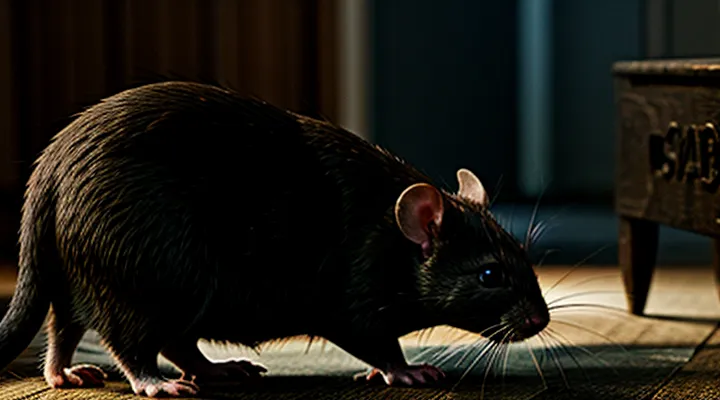
Rats appearing in nocturnal visions signal an archetypal image rooted in the collective unconscious. The animal embodies survival instincts, resourcefulness, and the threat of infestation, projecting these primal concerns onto the dreaming mind.
The archetype of the rat conveys several distinct meanings:
- Persistence of hidden problems that require attention.
- Fear of disease, decay, or moral corruption.
- Adaptability and cunning in adverse circumstances.
- Connection to the underworld, representing subconscious material that surfaces during sleep.
These motifs arise from a shared symbolic reservoir that transcends individual experience. Across cultures, rats have been associated with plague, trickery, and treasure, indicating a universal pattern that the psyche draws upon when constructing dream narratives. The collective unconscious supplies a common language of symbols, allowing similar imagery to emerge in disparate individuals.
Interpretive guidance for rat dreams includes:
- Identify areas of life where neglected issues may be proliferating.
- Examine personal attitudes toward cleanliness, order, and control.
- Consider whether the dream urges strategic adaptation to a challenging environment.
- Reflect on any recent exposure to information or environments that feel “dirty” or morally ambiguous.
Understanding these archetypal signals equips the dreamer to translate the nocturnal message into actionable insight.
Personal Associations and Life Experiences
Dreams featuring rats often mirror the dreamer’s own memories, habits, and emotional patterns. When a person has encountered rats in childhood—whether through a frightening incident, a recurring presence in a household, or a story that left a vivid imprint—those experiences become neural templates that the sleeping brain may retrieve. The intensity of the original encounter, whether terror, curiosity, or disgust, shapes the emotional tone of the dream, turning the animal into a symbolic conduit for unresolved feelings.
Professional observations reveal several personal factors that repeatedly surface in rat‑related nocturnal imagery:
- Direct contact with rodents, such as caring for pet rats or dealing with infestations, creates concrete sensory references that the mind can repurpose.
- Exposure to media portrayals—films, books, or news reports that depict rats as carriers of disease or symbols of decay—adds cultural layers to the individual’s internal narrative.
- Situations involving secrecy, loss, or contamination, for example, hidden debts, concealed emotions, or unhealthy environments, often trigger rat symbolism because the animal is commonly linked to hidden or unwanted elements.
- Childhood anxieties about cleanliness, hygiene, or safety, especially when reinforced by parental warnings or school lessons, embed a long‑term association that resurfaces during sleep.
These associations are not random; they reflect the brain’s method of categorizing and processing personal data. The emotional charge attached to each memory determines whether the rat appears as a menacing presence, a neutral figure, or even a surprisingly benign companion in the dreamscape. By tracing the origin of such imagery—identifying past encounters, relevant media, or recurring life stressors—individuals can clarify why the animal emerges in their sleep and what underlying concerns it may be signaling.
Common Interpretations of Rat Dreams
Feelings of Betrayal or Deception
Dreams featuring rats often signal subconscious alerts to betrayal or deception. The animal’s reputation for stealth and gnawing behavior translates into a metaphor for hidden agendas that threaten personal trust. When a rat appears, the mind may be processing recent experiences where confidence was undermined, such as a colleague’s undisclosed motives or a partner’s broken promises.
Psychological frameworks associate rodent imagery with the intrusion of unwanted thoughts. The dreamer’s emotional response—fear, disgust, or anger—mirrors the intensity of perceived treachery. Recognizing this link enables the individual to identify specific relationships or situations that require reassessment.
Cultural narratives reinforce the association. Folklore frequently casts rats as carriers of secrets or agents of sabotage. This collective symbolism amplifies the personal meaning, reinforcing the interpretation that the dream warns of concealed danger.
Practical steps for interpretation:
- Record the dream details immediately upon waking.
- Note any real‑world incidents of deceit that occurred recently.
- Reflect on the emotional tone of the dream; stronger negative feelings suggest a more urgent warning.
- Consider confronting the source of mistrust or establishing boundaries to mitigate the underlying anxiety.
Issues of Filth, Disease, or Decay
Rats in nocturnal imagery often signal concerns about contamination, illness, or deterioration. Their presence draws attention to environments or habits that feel unclean, suggesting the subconscious is processing anxieties about hygiene and health. When a dream features a rat scurrying through trash, the mind may be flagging perceived threats to bodily integrity or the stability of personal spaces.
Key associations include:
- Filth: Visuals of rats amid waste or dirty surfaces mirror worries about physical or moral impurity.
- Disease: Rodent carriers of pathogens translate into fears of infection, vulnerability, or compromised immunity.
- Decay: Scenes of rats gnawing on rot or spoiled material reflect apprehension about decline, whether of relationships, projects, or personal vitality.
The symbolic function operates as a warning system, urging the dreamer to examine neglected areas, address health precautions, and restore order to deteriorating aspects of life. Ignoring such messages may perpetuate the underlying stress that manifests as recurring rat imagery.
Overwhelming Problems or Stress
Rats appearing in dreams frequently signal the presence of overwhelming problems or intense stress. The subconscious mind selects the animal because it evokes feelings of disgust, urgency, and loss of control, which mirror the emotional tone of the dreamer’s waking challenges.
When anxiety dominates daily life, the brain translates that tension into vivid symbols. Rats, as carriers of disease and pests that multiply quickly, become a metaphor for issues that feel unmanageable and spread rapidly. This conversion allows the mind to process threat without confronting the exact source directly.
Typical situations in which rat imagery emerges include:
- Persistent workload that exceeds capacity.
- Financial obligations that grow unchecked.
- Interpersonal conflicts that feel invasive.
- Health concerns that evoke fear of contamination.
The appearance of rats often coincides with physiological markers of stress, such as elevated heart rate, shallow breathing, and heightened alertness. Recognizing the pattern can prompt immediate action: prioritizing tasks, seeking financial advice, establishing clear boundaries in relationships, or consulting a healthcare professional.
Addressing the underlying stress reduces the frequency of rat‑laden dreams. Strategies such as structured time management, regular physical exercise, mindfulness meditation, and professional counseling have proven effective in lowering anxiety levels and diminishing distressing dream content.
Feelings of Being Trapped or Cornered
Rats in dreams often signal a subconscious perception of confinement. When the animal appears, the mind may be highlighting situations where escape feels impossible, such as restrictive relationships, demanding work environments, or personal habits that limit freedom. This symbolism connects the rat’s instinct to hide and scuttle with the dreamer’s sensation of being cornered.
Typical emotional responses linked to this imagery include:
- Acute anxiety about limited options
- Persistent frustration from repeated dead‑ends
- Fear of being observed or judged while trying to flee
- Resentment toward forces that restrict movement
The intensity of these feelings can be measured by the rat’s behavior in the dream. Aggressive pursuit suggests heightened panic, while passive observation may indicate resignation. Recognizing the pattern helps identify specific areas where the dreamer feels trapped and provides a basis for targeted coping strategies, such as redefining boundaries or seeking alternative pathways.
Resourcefulness and Survival Instincts
Rats appearing in nocturnal visions often signal the dreamer’s innate capacity to adapt and persist when circumstances are hostile. The animal’s reputation for exploiting marginal resources translates into a symbolic reminder of personal ingenuity. When a dream presents a rat scrounging for food, it mirrors the mind’s ability to locate opportunities hidden in scarcity. This image encourages the individual to recognize overlooked options and to employ unconventional methods for problem‑solving.
The creature’s heightened vigilance and rapid response to danger embody primal survival instincts. A rat’s swift retreat from predators, its keen sense of smell, and its propensity to multiply under pressure reflect an instinctual drive to protect oneself and ensure continuity. In a dream, these traits can indicate an underlying alertness to threats, either external or internal, prompting the dreamer to evaluate protective strategies and boundary‑setting behaviors.
Typical dream scenarios that illustrate these themes include:
- A rat navigating a cluttered basement, suggesting the need to sift through mental debris for useful insights.
- A swarm of rats escaping a collapsing structure, highlighting urgency in confronting imminent challenges.
- A lone rat hoarding food in a hidden niche, representing the accumulation of resources for future security.
Interpreting such imagery directs attention to the balance between creative resource management and instinctive self‑preservation, urging the dreamer to harness both qualities for effective navigation of real‑world adversity.
Hidden Aspects of the Self
Dreams featuring rats often serve as mirrors of concealed facets of one’s personality. The presence of these small mammals signals instinctual drives, suppressed anxieties, and unresolved conflicts that remain outside conscious awareness. When the mind projects a rat into the nocturnal narrative, it does not merely recount a random image; it packages symbolic material that the psyche has hidden for preservation or avoidance.
The hidden self‑aspects revealed through rat imagery include:
- Survival instincts that have been muted by social conditioning, such as the urge to protect resources or assert boundaries.
- Feelings of contamination or moral impurity, reflecting inner judgments about actions deemed unacceptable.
- Unacknowledged aggressiveness, manifesting as a defensive posture against perceived threats.
- Loneliness or alienation, expressed through the rat’s reputation as an outsider, highlighting a disconnect between the individual and community.
- Adaptability and resilience, underscoring the capacity to thrive in adverse conditions that the conscious self may overlook.
Interpreting these symbols requires confronting the underlying emotions they encode. By tracing the rat’s role in the dream, one can retrieve suppressed material, integrate it into the conscious narrative, and achieve a more complete self‑understanding. This process transforms a seemingly unsettling nocturnal episode into a diagnostic tool for personal growth.
Cultural and Historical Contexts of Rat Symbolism
Eastern Symbolism and Superstition
Rats in nocturnal visions are frequently linked to Eastern cultural symbolism, where the animal occupies a complex position within myth, astrology, and folk belief. In Chinese tradition, the rat represents the first earthly sign of the zodiac, embodying adaptability, resourcefulness, and the potential for material success. Dreaming of a rat therefore signals an imminent opportunity for financial gain or a need to employ clever strategies to overcome obstacles.
In Hindu folklore, rats serve as the sacred vehicle of the deity Ganesha, illustrating the removal of impediments and the pursuit of knowledge. A rat appearing in a dream may denote the removal of barriers to personal growth or an invitation to seek deeper understanding through disciplined study.
Buddhist teachings associate rats with the concept of desire and attachment, warning that unchecked cravings can lead to suffering. A dream featuring rats can function as a cautionary image, urging the dreamer to examine hidden cravings that undermine ethical conduct.
Common interpretations derived from these traditions include:
- Prosperity and cleverness: signals a period where ingenuity will produce material benefits.
- Spiritual guidance: indicates divine assistance in navigating challenges, especially when linked to Ganesha.
- Warning of excess: highlights subconscious awareness of greed or unhealthy attachments.
Superstitious practices across East Asia reinforce these meanings. For example, the presence of a rat in a dream may prompt the use of protective amulets inscribed with the character for “wealth,” while some rural customs advise the placement of rice grains at night to attract positive rat symbolism and repel misfortune.
Overall, the rat’s appearance in dreams functions as a cultural mirror, reflecting the dreamer’s relationship with adaptability, wealth, spiritual support, and the management of desire. Interpretation relies on the specific context of the vision—such as the rat’s behavior, environment, and interaction with the dreamer—to determine whether the image conveys encouragement, guidance, or caution.
Western Folklore and Mythology
Rats have long symbolized hidden danger and cunning in Western mythic narratives, and their presence in sleep visions often reflects these associations. In medieval bestiaries, the rat embodies disease and decay, suggesting that a dream featuring the creature may warn of underlying health concerns or moral corruption. Celtic legends describe the rat as a messenger of the Otherworld, a conduit for secrets that the conscious mind suppresses; a nocturnal encounter can therefore indicate the emergence of concealed knowledge.
Greek mythology links rodents to the god Hermes, who carries the caduceus—a staff entwined with two serpents—signifying commerce and communication. When a rat appears in a dream, the symbolism may point to negotiations, trade, or the need for diplomatic skill. Roman folklore, drawing from the same tradition, treats the rat as a guardian of grain stores; a dream of a rat prowling among stored food can signal vigilance over personal resources.
Common motifs across Western folklore include:
- Rats scurrying through abandoned houses, representing neglected aspects of the psyche.
- Rats gnawing at ropes or chains, symbolizing the erosion of restraints or obligations.
- Rats gathering in groups, indicating the influence of collective pressures or gossip.
These recurring images suggest that the dreamer's subconscious draws on culturally embedded narratives to process anxiety, ambition, or the revelation of hidden truths. Interpreting the rat through the lens of Western mythic tradition therefore offers a framework for understanding the emotional and practical implications of such nocturnal imagery.
Modern Interpretations in Popular Culture
Rats recurring in dream narratives are often re‑imagined by contemporary media as symbols of subversion, survival, or hidden knowledge. Filmmakers portray them as ominous messengers in horror‑thrillers, while comic‑book creators employ rat motifs to illustrate anti‑heroic resilience. Musicians reference nocturnal rodent encounters to evoke gritty urban realism, and video‑game designers embed rat‑themed quests to challenge players with moral ambiguity.
- Horror cinema (e.g., The Rats remake, The Babadook subplot) depicts rats as harbingers of unseen threats, reinforcing a dream‑like dread.
- Television series such as Stranger Things use rat imagery to signal parallel dimensions, aligning with subconscious fears.
- Rap lyrics by artists like Kendrick Lamar and Cardi B invoke rat dreams to discuss betrayal and street survival.
- Indie video games (Inside, Little Nightmares) feature rat characters navigating labyrinthine environments, mirroring the confusion of dreamscapes.
- Graphic novels (Maus reinterpretation, Rats of NIMH spin‑off) employ rat protagonists to explore identity and oppression, echoing the psyche’s processing of anxiety.
Social‑media platforms amplify these interpretations through memes that juxtapose rat dream anecdotes with punchy captions, turning personal subconscious experiences into collective cultural commentary. The convergence of film, music, interactive media, and online discourse demonstrates how modern storytellers repurpose the rat figure to articulate contemporary anxieties and aspirations that surface during sleep.
Practical Approaches to Analyzing Rat Dreams
Journaling and Dream Recall
Journaling serves as the most reliable method for preserving dream content, including recurring images of rats. By recording dreams immediately after waking, memory traces remain vivid, allowing analysts to track patterns, emotional tone, and symbolic associations. Consistent documentation creates a database from which the significance of rodent motifs can be extracted through comparative analysis.
Effective dream recall depends on several disciplined practices:
- Keep a notebook and pen within arm’s reach of the bed; write the first impressions without editing.
- Capture sensory details—sounds, smells, textures—and the emotional response triggered by the rat imagery.
- Note the time of awakening; early morning recollections tend to retain more clarity.
- Review entries weekly, marking recurring themes, variations in rat behavior, and contextual life events.
The collected material provides concrete evidence for interpreting rat symbolism. Analysts can differentiate between literal anxieties (e.g., fear of infestation) and archetypal representations (e.g., hidden threats, survival instincts). By cross‑referencing journal entries with psychological frameworks, the underlying message of the rat appears more precisely, facilitating targeted personal insight and therapeutic strategies.
Reflecting on Waking Life Connections
Rats that surface in nocturnal imagery often echo concrete aspects of daily existence. Researchers link these symbols to recent encounters with rodents, exposure to unsanitary settings, or subconscious processing of survival instincts. The dream narrative translates tangible stressors—such as overcrowded living conditions or competitive work environments—into the archetype of a rat, which embodies adaptability and resourcefulness.
The mind frequently repurposes waking‑life stimuli to construct dream scenes. When individuals notice rodents in kitchens, hear reports of pest infestations, or recall childhood incidents involving mice, those memories become raw material for nocturnal storytelling. Emotional responses tied to these experiences—disgust, fear, curiosity—shape the rat’s role within the dream, transforming a simple animal into a carrier of deeper meaning.
Common waking‑life triggers that manifest as rats in dreams include:
- Recent exposure to actual rodents in residential or occupational spaces.
- Persistent concerns about hygiene, contamination, or disease.
- Situations demanding quick adaptation, such as rapid changes in job responsibilities or social circles.
- Memories of childhood interactions with small animals that left a lasting impression.
- Subconscious evaluation of competitive dynamics, where the rat symbolizes a rival or opportunist.
By tracing these connections, individuals can decode the symbolic language of their dreams, revealing how everyday pressures and experiences are repackaged during sleep. This reflective analysis offers a practical framework for interpreting rat imagery without reliance on abstract speculation.
Seeking Professional Dream Analysis
Dreams featuring rats often signal underlying anxieties, unresolved conflicts, or hidden aspects of personal behavior. Interpreting such imagery requires expertise in symbolic language, cultural associations, and psychological theory; only a trained analyst can integrate these elements into a coherent meaning.
Professional dream analysts employ established frameworks—Freudian, Jungian, or cognitive‑behavioral models—to map rat symbols onto specific emotional patterns. They assess recurring motifs, emotional tone, and life circumstances, producing interpretations that connect the dream content with conscious concerns and potential behavioral adjustments.
Steps to obtain qualified analysis:
- Verify credentials: look for psychologists, licensed therapists, or certified dream consultants with documented training in symbolic interpretation.
- Review experience: prioritize practitioners who specialize in nocturnal imagery or have published case studies involving rodent symbols.
- Request a consultation outline: ensure the session includes discussion of dream context, personal history, and a written report of findings.
- Confirm confidentiality and ethical standards: professional codes protect client privacy and ensure unbiased interpretation.