
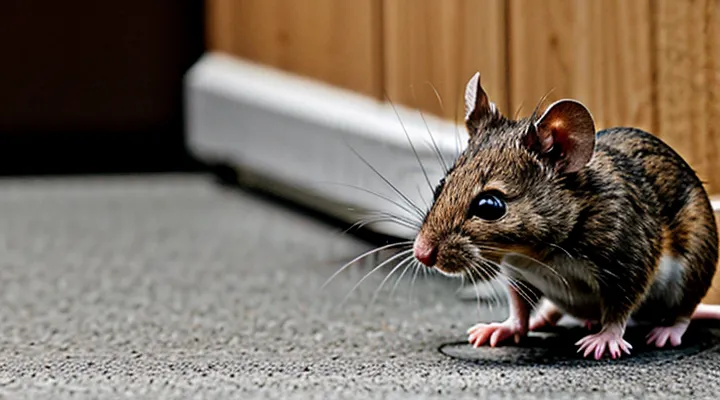
Understanding «Tonic Immobility» in Mice
What is «Tonic Immobility»?
Defining the «Playing Dead» Phenomenon
The phenomenon known as thanatosis, or feigning death, describes a deliberate cessation of movement and apparent lifelessness that mice adopt when confronted with a predator or other acute threat. This response involves immediate suppression of locomotor activity, adoption of a rigid or limp posture, and cessation of vocalizations. The animal’s eyes may remain open, but the overall presentation mimics a dead organism, reducing the likelihood of predation.
Key characteristics of mouse thanatosis include:
- Rapid onset, typically within seconds of a startling stimulus.
- Muscular tone reduction, leading to a limp or collapsed body.
- Absence of breathing sounds and minimal respiratory effort.
- Maintenance of vital functions at a subdued level to preserve survivability.
Physiological mechanisms underpinning the behavior involve activation of the sympathetic nervous system, a surge in catecholamines, and modulation of brainstem circuits that inhibit motor output while preserving autonomic control. The resulting deceleration of heart rate and respiration conserves energy and reinforces the visual cue of death.
Observations across laboratory and field studies reveal that the propensity for thanatosis varies among mouse strains and correlates with predator type. Species exposed to avian predators, which rely on movement detection, exhibit a higher frequency of the response than those primarily threatened by mammalian hunters that detect scent and heat.
In summary, mouse thanatosis constitutes a tightly regulated defensive strategy that combines behavioral arrest with specific physiological adjustments to deter predation through the illusion of mortality.
Physiological Characteristics of Tonic Immobility
Mice exhibit tonic immobility (TI) as an involuntary defensive response that mimics death. The syndrome is triggered by intense predatory pressure and involves a rapid shift in autonomic and neuroendocrine activity.
During TI, cardiac output declines markedly; heart rate drops from typical 600 bpm to 300–350 bpm within seconds. Respiratory rhythm slows, tidal volume decreases, and oxygen consumption falls, creating a hypometabolic state that reduces detectable movement and scent emission.
Neurochemical alterations accompany the motor inhibition. Plasma corticosterone rises sharply, indicating activation of the hypothalamic‑pituitary‑adrenal axis. Simultaneously, elevated endogenous opioids and increased GABAergic transmission in the midbrain periaqueductal gray suppress motor circuits, reinforcing the immobile posture.
Key physiological markers of TI in mice include:
- Bradycardia and reduced stroke volume
- Hypoventilation with lowered tidal frequency
- Elevated corticosterone and dopamine turnover
- Enhanced GABA‑A receptor activity in brainstem nuclei
These coordinated changes produce a brief, reversible state of apparent death that deters predators by masking the prey’s vitality.
The Adaptive Significance of Feigning Death
Deterrent to Predators
Reducing Predatory Interest
Mice that exhibit tonic immobility do so primarily to diminish the likelihood of being recognized as viable prey. By remaining motionless, they remove the visual cues that trigger a predator’s attack reflex, thereby lowering the predator’s motivation to continue the pursuit.
The strategy works through several interconnected effects:
- Visual suppression: Stillness eliminates the rapid movements that attract attention, making the mouse less conspicuous against the substrate.
- Sensory confusion: Many predators rely on motion detection; a motionless body can be interpreted as inanimate material, reducing sensory drive.
- Energetic cost avoidance: Predators often expend energy only when a target shows active resistance; a dead‑like posture signals low reward, prompting the predator to abandon the encounter.
Experimental observations confirm that predators such as owls and snakes disengage more frequently when prey adopt tonic immobility compared with when they continue to struggle. This disengagement directly translates into higher survival rates for mice that successfully feign death.
Facilitating Escape Opportunities
Mice employ tonic immobility not merely to deter predators but to create conditions that increase the likelihood of a successful retreat. By remaining motionless, they exploit predator sensory biases, reduce the immediate threat, and position themselves for a rapid departure once the predator’s focus wanes.
Key ways the behavior enhances escape opportunities include:
- Disruption of predator attention: Immobility triggers a pause in the predator’s attack sequence, allowing the mouse to assess the environment and identify exit routes.
- Reduction of sensory cues: Absence of movement and vocalization lowers detection by visual and auditory predators, decreasing the chance of continued pursuit.
- Delayed predator response: Many predators exhibit hesitation when prey appears dead, providing a temporal window for the mouse to initiate flight.
- Strategic repositioning: While appearing inert, the mouse can subtly adjust its body orientation toward an opening, ready to bolt the moment the predator disengages.
- Exploitation of predator satiation: A predator that has captured apparently lifeless prey may abandon the kill to seek additional food, leaving the mouse free to escape.
The combination of sensory manipulation, temporal delay, and opportunistic movement makes feigned death an effective component of the mouse’s broader defensive repertoire.
Evolutionary Drivers
Natural Selection and Survival Rates
Mice that feign death increase their chances of escaping predation, a trait shaped by natural selection. Individuals that remain motionless when threatened are less likely to be recognized as prey, reducing the probability of attack. Survivors reproduce, passing the propensity for tonic immobility to offspring, thereby elevating the frequency of the behavior in the population.
The survival advantage can be quantified by comparing mortality rates of mice that exhibit tonic immobility with those that flee. Studies show:
- Predators that rely on movement cues abandon attacks on motionless prey in 45‑60 % of encounters.
- Populations with a higher incidence of death‑playing behavior experience a 12‑18 % increase in annual survival compared with populations lacking the trait.
- Offspring of individuals that successfully employed tonic immobility inherit heightened sensitivity to threat cues, leading to earlier expression of the response.
Selection pressure favors alleles that enhance the latency and duration of immobility. Genetic analyses reveal correlations between specific neurochemical pathways and the intensity of the death‑feigning response, indicating heritable components subject to evolutionary reinforcement.
Overall, the death‑playing response functions as a defensive adaptation that directly improves individual survival rates, thereby driving its propagation through successive generations under natural selection.
The Role of Genetic Predisposition
Mice that exhibit tonic immobility do so under the influence of inherited traits that affect neural circuitry and hormonal regulation. Specific alleles of the Htr2c gene, which encodes a serotonin receptor, have been linked to heightened propensity for thanatosis. Laboratory strains carrying the Htr2c variant display longer immobility periods when confronted with predators, indicating a direct genetic contribution.
Epigenetic modifications further shape this behavior. DNA methylation patterns in the Nr3c1 locus, responsible for glucocorticoid receptor expression, differ between individuals that readily enter immobility and those that do not. Reduced methylation correlates with increased receptor density, amplifying stress‑induced signaling pathways that trigger the death‑feigning response.
The interaction between genetic predisposition and environmental exposure creates a spectrum of defensive strategies:
- Presence of high‑risk alleles → early onset of tonic immobility.
- Absence of such alleles but exposure to predator cues → learned augmentation of the response.
- Mixed genotype with variable epigenetic marks → intermediate immobility duration.
Selective breeding experiments confirm that the trait is heritable across generations. Offspring of mice with prolonged immobility inherit the same phenotype at a rate exceeding Mendelian expectations, underscoring the role of polygenic inheritance. Consequently, genetic predisposition constitutes a foundational element in the evolution of death‑feigning as a survival tactic among rodents.
Mechanisms Behind the Behavior
Neurological Pathways Involved
Brain Regions and Neurotransmitters
Mice exhibit tonic immobility when confronted with a predator, a response orchestrated by specific neural circuits. The periaqueductal gray (PAG) integrates sensory threat signals and initiates motor suppression. The amygdala processes the emotional valence of danger and relays information to the PAG, while the hypothalamus modulates autonomic output essential for the freeze state. The medial prefrontal cortex exerts top‑down control, adjusting the likelihood of immobility based on prior experience. The dorsal raphe nucleus contributes to the regulation of serotonin release, influencing the threshold for entering the defensive posture.
Key brain structures involved include:
- Periaqueductal gray (ventrolateral and dorsolateral subdivisions)
- Basolateral amygdala
- Central amygdala
- Lateral hypothalamus
- Medial prefrontal cortex (prelimbic and infralimbic areas)
- Dorsal raphe nucleus
Neurotransmitter systems shape the intensity and duration of the behavior. Elevated serotonin levels in the raphe and amygdala reduce the propensity for escape, favoring immobility. GABAergic inhibition within the PAG and amygdala suppresses motor output, while glutamatergic excitation from the sensory thalamus activates the circuit. Norepinephrine release from the locus coeruleus heightens arousal, modulating the decision to remain still or flee. Dopamine signaling in the prefrontal cortex adjusts risk assessment, and endocannabinoid signaling fine‑tunes synaptic plasticity within the network.
Experimental manipulation of these regions and transmitters demonstrates causality. Lesions of the ventrolateral PAG diminish immobility, whereas pharmacological enhancement of GABA receptors in the PAG prolongs the response. Selective serotonin reuptake inhibition increases the frequency of tonic immobility, while antagonism of α2‑adrenergic receptors reduces it. These findings confirm that a distributed neural ensemble, regulated by balanced excitatory and inhibitory neurotransmission, underlies the death‑feigning strategy in mice.
The Stress Response System
Mice sometimes enter a state of tonic immobility when faced with a predator. This behavior, often called thanatosis, relies on rapid activation of the stress response system.
The stress response system comprises the hypothalamic‑pituitary‑adrenal (HPA) axis and the sympathetic nervous system. Threat detection triggers the hypothalamus to release corticotropin‑releasing hormone, which stimulates the pituitary to secrete adrenocorticotropic hormone. The adrenal cortex then releases glucocorticoids, while the adrenal medulla secretes catecholamines such as adrenaline and noradrenaline. These hormones prepare the animal for immediate action.
In the case of tonic immobility, the surge of catecholamines produces a paradoxical effect:
- Increased muscle tension in the forelimbs and hindlimbs
- Suppression of locomotor circuits in the brainstem
- Enhanced sensory processing of predator cues
- Shift from escape to freeze‑type motor output
The resulting motor pattern reduces movement to a minimum, making the mouse appear lifeless. Predators that rely on motion detection may lose interest, and the sudden cessation of activity can trigger a hesitation response.
Empirical observations indicate higher survival rates for individuals that quickly adopt immobility. The physiological cascade described above provides the neural and hormonal substrate that transforms a threat signal into a defensive “playing dead” response.
Hormonal Influences
Cortisol and Adrenaline Levels
Mice that exhibit tonic immobility display rapid activation of the hypothalamic‑pituitary‑adrenal axis. Within seconds of a predator encounter, adrenal medulla secretes adrenaline, raising heart rate and redirecting blood flow to skeletal muscles. Simultaneously, the adrenal cortex releases cortisol, sustaining the stress response and modulating metabolic pathways that support prolonged immobility.
Elevated adrenaline levels trigger sympathetic nervous system activity, producing a freeze response that reduces movement cues detectable by predators. Cortisol maintains this state by suppressing inflammation and preventing premature arousal, allowing the mouse to remain motionless for extended periods. The combined hormonal surge creates a physiological environment conducive to death feigning as an anti‑predator strategy.
Key physiological effects:
- Adrenaline surge: increased cardiac output, enhanced peripheral vasoconstriction, heightened sensory alertness.
- Cortisol elevation: suppression of the immune response, stabilization of blood glucose, inhibition of premature motor activation.
- Interaction: adrenaline initiates the immediate freeze; cortisol sustains the immobility, preventing reflexive escape attempts that could betray the deceptive posture.
Impact on Duration and Intensity
Mice often enter a state of tonic immobility when threatened. This response determines how long the animal remains motionless and how intensely it suppresses physiological activity. The duration of immobility can range from a few seconds to several minutes, depending on predator type, proximity, and prior exposure to danger. Intensity, measured by heart‑rate reduction and muscular rigidity, escalates with higher perceived risk.
- Immediate predator contact: short, low‑intensity immobility; rapid resumption of movement once threat recedes.
- Visual detection of predator at a distance: longer immobility, deeper physiological suppression, enhancing the illusion of death.
- Repeated encounters: habituation may shorten both duration and intensity, reducing effectiveness of the tactic.
Environmental factors also modulate the response. Cold temperatures amplify metabolic slowdown, extending the period of immobility. High ambient noise can trigger a more pronounced shutdown, increasing physiological intensity. Conversely, bright illumination may shorten the episode as visual cues facilitate quicker assessment of danger.
The overall impact on survival hinges on the balance between duration and intensity. Prolonged, highly suppressed states deter predators that rely on movement cues, while overly brief or weak responses may fail to convince a predator to lose interest. Adjustments in these parameters reflect adaptive fine‑tuning of the dead‑feigning strategy across mouse populations.
Environmental and Contextual Factors
Types of Threats
Predator Species and Mouse Responses
Mice encounter a wide range of predators, each prompting distinct defensive behaviors. Carnivorous mammals such as foxes, ferrets, and domestic cats rely on swift pursuit and biting; when confronted, mice often adopt a rapid escape or, if capture occurs, enter tonic immobility—a state of motionlessness that reduces the predator’s incentive to continue the attack. Reptilian predators, including snakes and monitor lizards, use constriction or envenomation; mice respond by remaining limp, a tactic that can interfere with the predator’s sensory cues and delay ingestion. Avian hunters like hawks and owls depend on visual detection and talon strikes; a motionless mouse may be less conspicuous against the ground, decreasing the likelihood of being seized. Invertebrate threats, such as predatory beetles and spiders, employ grasping appendages; feigning death can cause the predator to release its grip, as many arthropods prefer live prey.
Typical mouse responses to predator contact include:
- Tonic immobility: a brief, involuntary paralysis that mimics death.
- Reduced movement: minimal respiratory and muscular activity to lower detection.
- Flattened posture: body pressed against substrate to blend with surroundings.
- Delayed feeding: predators may abandon immobilized prey if it appears unsuitable.
These behaviors are not uniform across all mouse populations; variation correlates with predator prevalence in a given habitat. Species exposed to high levels of avian predation exhibit longer immobility periods, whereas those facing mammalian hunters display quicker transitions from escape to tonic immobility. The adaptive value lies in exploiting predator preferences for active, struggling prey, thereby increasing the chance of release and survival.
Threat Proximity and Duration
Mice resort to thanatosis when a predator’s presence reaches a critical distance that eliminates the chance of escape. Immediate tactile or olfactory cues from a close‑range attacker trigger rapid onset of immobility, whereas distant signals seldom elicit the response. The threshold for activation varies among species and is calibrated to the sensory acuity of the individual.
The length of the threat determines the duration of the feigned death. Brief encounters—such as a passing bird—produce a short, reversible freeze that typically lasts a few seconds. Continuous predation pressure, for example a stalking cat, can extend immobility for several minutes, allowing the mouse to conserve energy while the predator loses interest. Prolonged stillness also reduces metabolic demand and limits the release of stress hormones, improving survival odds during extended assaults.
Key relationships between threat characteristics and thanatosis:
- Proximity: activation threshold decreases as distance shortens; tactile contact overrides other cues.
- Duration: short threats → brief freeze; sustained threats → extended immobility.
- Intensity: higher predator activity level correlates with longer feigning periods.
- Species variation: some rodents exhibit faster recovery, others maintain immobility longer, reflecting ecological pressures.
Individual Mouse Variation
Age and Experience
Mice employ tonic immobility, a sudden cessation of movement, when confronted with a predator. The likelihood and duration of this response change markedly with the animal’s developmental stage.
Juvenile mice, typically under four weeks old, exhibit the highest incidence of immediate immobility. Their nervous systems are still maturing, and the reflexive shutdown provides a rapid, low‑cost escape from predation. In contrast, adult mice (older than eight weeks) display a reduced frequency of the behavior, often opting for active evasion such as fleeing or aggressive biting.
Repeated exposure to threatening stimuli modifies the response. Mice that have survived previous predator encounters or have been conditioned through laboratory stress protocols tend to:
- Initiate immobility more selectively, reserving it for high‑intensity threats.
- Shorten the duration of the freeze, transitioning quickly to escape when possible.
- Exhibit lower physiological stress markers during the episode, indicating habituation.
The interaction of age and experience produces a nuanced pattern. Older mice with extensive predator experience rarely employ tonic immobility, relying instead on learned evasive tactics. Younger mice lacking such experience default to the reflex, but as they age and accumulate encounters, the behavior diminishes. Consequently, both chronological development and experiential learning shape the strategic use of playing dead as a defensive mechanism in mice.
Genetic Predisposition and Personality
Mice exhibit tonic immobility—temporary paralysis that mimics death—when threatened. This response reduces predation risk by exploiting predator hesitation toward motionless prey.
Genetic studies reveal a heritable component to tonic immobility. Selective breeding experiments produce lines with markedly higher or lower immobility frequencies, indicating polygenic inheritance. Genome‑wide association analyses identify loci related to stress‑axis regulation, neurotransmitter signaling, and muscular control. Mutations in genes such as Nr3c1 (glucocorticoid receptor) and Serotonin transporter (SLC6A4) correlate with increased propensity for feigning death.
Personality traits modulate the expression of this defensive tactic. Individual mice classified as “shy” or “low‑exploratory” display longer immobility durations than “bold” counterparts. Behavioral assays measuring open‑field activity, novel‑object exploration, and risk‑assessment consistently predict tonic immobility intensity. The interaction between genotype and temperament determines the likelihood that an animal will employ death‑feigning under duress.
Key points from empirical research:
- Heritability estimates for tonic immobility range from 0.30 to 0.45 in laboratory populations.
- Knock‑out models lacking functional Nr3c1 exhibit reduced immobility, confirming a causal genetic link.
- Correlation coefficients between open‑field anxiety scores and immobility duration exceed 0.60 in several strains.
- Cross‑fostering experiments show that offspring retain parental immobility patterns despite altered rearing environments, underscoring genetic influence over early experience.
These findings demonstrate that both inherited genetic factors and stable personality dimensions shape the death‑feigning defense in mice, providing a mechanistic framework for variability in anti‑predator behavior.
Research and Future Directions
Scientific Studies on Tonic Immobility
Experimental Methodologies
Experimental investigations of death‑feigning in rodents rely on standardized behavioral protocols that isolate tonic immobility from other escape responses. Researchers begin by selecting adult laboratory mice of known strain, ensuring homogenous genetic background and health status. Animals are acclimated to a controlled environment (temperature 22 ± 1 °C, 12 h light/dark cycle) for at least one week before testing, reducing stress‑induced variability.
The core assay places a mouse in a shallow arena where a simulated predator stimulus is introduced. Common stimuli include:
- A model predator (e.g., ferret head) presented within 5 cm of the mouse.
- A sudden auditory cue (high‑frequency tone) paired with a visual flash.
- Direct tactile stimulation using a soft brush to mimic predator grasp.
Researchers record the latency to enter immobility, total duration of the motionless state, and frequency of spontaneous recovery. High‑speed video (≥250 fps) captures subtle postural changes; automated tracking software extracts body angle, center‑of‑mass displacement, and respiration rate. Simultaneous electromyography (EMG) of forelimb muscles confirms the absence of voluntary contractions during the immobile phase.
Physiological correlates are assessed through non‑invasive techniques. Infrared thermography monitors peripheral temperature decline, indicating autonomic suppression. Blood samples collected immediately after the trial quantify corticosterone and catecholamine levels, providing a hormonal profile of the stress response. In selected studies, telemetry implants record heart rate variability, offering real‑time autonomic data throughout the episode.
Control groups undergo identical handling without predator cues, establishing baseline immobility rates. Randomized block designs assign mice to experimental or control conditions, while investigators remain blind to treatment allocation during data analysis. Statistical comparisons employ mixed‑effects models that account for repeated measures and individual variability.
Validation of the methodology includes inter‑observer reliability testing for ethogram scoring, calibration of video tracking against manual measurements, and replication across independent laboratories. These rigorous procedures generate reproducible datasets that elucidate the neural circuits and adaptive value of death‑feigning behavior in mice.
Key Findings and Insights
Mice resort to death feigning when confronted with predators that rely on movement cues, effectively reducing attack likelihood. Laboratory observations confirm that the response is triggered by tactile stimulation of the whiskers and rapid compression of the thorax, which activates a neural circuit involving the periaqueductal gray and the dorsal raphe nucleus.
- Immediate immobilization lasts 30 seconds to several minutes, depending on threat intensity.
- Heart rate drops by 20–30 % within the first ten seconds, indicating autonomic suppression.
- Cortisol levels remain unchanged, suggesting the behavior is not stress‑related but a preprogrammed defensive sequence.
- Juvenile mice display the response less frequently, implying developmental acquisition through experience.
- Predators such as barn owls and feral cats show a measurable decline in strike success when prey adopts this posture.
The combination of rapid motor inhibition, physiological down‑regulation, and predator perception manipulation constitutes an adaptive survival strategy. Evidence points to genetic regulation of the underlying circuitry, offering a target for future research on mammalian anti‑predator tactics.
Implications for Conservation
Understanding Wildlife Behavior
Mice often employ death feigning as an immediate response to predation threats. This tactic reduces the likelihood of attack by exploiting predators’ instinct to avoid carrion or by causing hesitation that allows the mouse to escape.
Key biological drivers of this behavior include:
- Sudden immobility that mimics a dead organism, triggering predator aversion to non‑moving prey.
- Release of stress hormones that suppress muscular activity, prolonging the apparent lifeless state.
- Evolutionary selection favoring individuals that survive encounters through rapid behavioral arrest.
The response is triggered by sensory cues such as rapid movement, shadows, or tactile pressure. Neural pathways involving the amygdala and brainstem coordinate the rapid switch from escape to tonic immobility. Recovery typically occurs within seconds to minutes, after which the mouse resumes normal activity.
Studying this phenomenon contributes to broader comprehension of animal defensive strategies. Comparative analysis shows similar death‑feigning tactics in insects, amphibians, and certain reptiles, indicating convergent evolution across taxa. Insights gained inform predator‑prey dynamics models and aid in the design of humane pest‑control methods that consider innate animal responses.
Stress Responses in Captive Animals
Mice that exhibit tonic immobility when threatened illustrate a defensive strategy that can be amplified by chronic stress in captivity. Elevated glucocorticoid levels, heightened heart rate, and altered locomotor patterns are common physiological markers of stress in laboratory rodents. These markers correlate with increased propensity to adopt immobility as an avoidance response.
Key stressors in captive environments include:
- Overcrowding, which restricts personal space and triggers social tension.
- Inconsistent lighting cycles, disrupting circadian rhythms and hormone secretion.
- Repetitive handling, leading to habituation loss and heightened vigilance.
- Poor enrichment, limiting opportunities for natural foraging and nesting behaviors.
When these factors persist, the autonomic nervous system shifts toward sympathetic dominance. The resulting state predisposes mice to freeze or feign death rather than initiate escape, because the immobility response conserves energy and reduces detection by predators, even when the threat is a human handler.
Research protocols that monitor cortisol, catecholamine spikes, and behavioral latency provide quantitative insight into how captivity‑induced stress shapes defensive immobility. Adjusting housing density, implementing variable light schedules, and enriching cages with nesting material reliably lower stress biomarkers and diminish the frequency of tonic immobility episodes.
Understanding the link between captive stress and feigned death informs welfare guidelines and improves the validity of experimental data that depend on naturalistic defensive behaviors.