
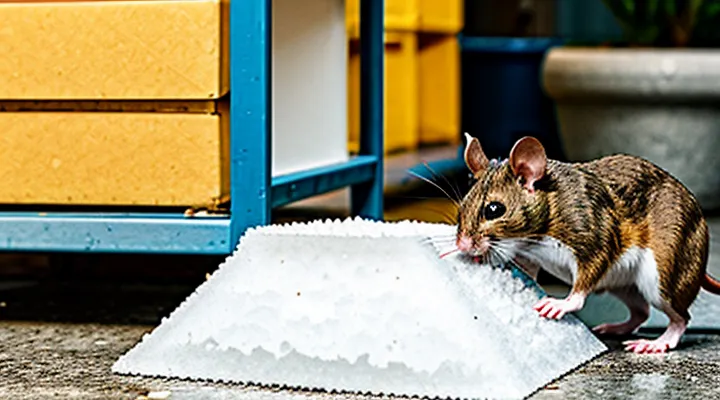
Understanding Mouse Chewing Behavior
The Innate Need to Chew
Rodent Dentition and Growth
Rodents possess a pair of incisors in each jaw that grow continuously throughout life. The enamel on the front surface is exceptionally hard, while the dentin behind it is softer, creating a self‑sharpening edge when the teeth are worn against each other. This dental architecture obliges mice to engage in persistent gnawing to prevent overgrowth that would impair feeding and locomotion.
The growth rate of mouse incisors exceeds several millimeters per week, demanding regular abrasion. Molars, although not continuously erupting, also experience wear and require occasional polishing through mastication of hard substances. Failure to achieve sufficient wear leads to malocclusion, reduced food intake, and increased mortality.
Polystyrene offers a combination of hardness and low nutritional value that satisfies the mechanical requirements of dental wear without providing calories. Mice select it because:
- The material’s rigidity produces effective abrasion of both incisors and molars.
- Its lightweight structure allows easy manipulation and repeated chewing cycles.
- Lack of digestible nutrients forces the animal to continue gnawing to obtain sufficient tactile stimulation.
Understanding the relationship between dental physiology and material selection clarifies why mice routinely chew synthetic polymers such as polystyrene. The behavior directly reflects the necessity to maintain functional dentition in a species whose teeth never cease to develop.
Instinctual Exploration and Gnawing
Mice possess a strong drive to explore novel objects through oral investigation. Polystyrene, with its lightweight and easily manipulable form, triggers this exploratory impulse. The material’s texture offers resistance that satisfies the tactile feedback mice seek when assessing unfamiliar surfaces.
Gnawing is an innate behavior that maintains dental health and provides sensory stimulation. Polystyrene’s pliability allows incisors to make continuous contact, delivering the necessary mechanical feedback. This interaction prevents overgrowth of teeth while reinforcing neural pathways linked to foraging and object assessment.
Key aspects of instinctual exploration and gnawing that lead mice to engage with polystyrene include:
- Sensory curiosity – tactile and auditory cues generated by chewing reinforce the animal’s assessment of the object’s properties.
- Dental maintenance – constant gnawing wears down continuously growing incisors, preserving functional bite force.
- Environmental interaction – manipulation of lightweight materials expands the mouse’s spatial understanding of its habitat.
Collectively, these innate mechanisms explain the frequent occurrence of polystyrene chewing in laboratory and home environments.
Why Polystyrene Becomes a Target
Material Properties and Accessibility
Ease of Manipulation
Polystyrene presents a combination of physical traits that simplify handling for rodents. Its low density reduces the effort required to lift or reposition pieces, allowing mice to move material with minimal muscular strain. The material’s semi‑rigid structure yields a predictable resistance when gnawed, enabling precise bite control and rapid shaping of tunnels or nests.
Key characteristics that enhance manipulability include:
- Lightweight composition – facilitates transport across small distances without excessive energy expenditure.
- Smooth surface – reduces friction, allowing easy grasp with forepaws and rapid repositioning.
- Consistent hardness – offers uniform feedback during chewing, supporting fine motor adjustments.
- Thermal stability – maintains structural integrity across typical laboratory temperatures, preventing deformation that could impede manipulation.
These attributes collectively lower the physical barrier to using polystyrene as a building substrate, explaining why mice preferentially select it when constructing burrows or shelters.
Availability in Human Environments
Mice encounter polystyrene most often in residential and commercial settings where the material is used for packaging, insulation, and disposable food containers. The prevalence of these items creates a constant, low‑cost source of chewable substrate within the mouse’s habitat.
- Food‑related waste (e.g., take‑away containers) often contains residual odors that attract rodents, prompting exploratory gnawing.
- Insulation panels installed in walls or attics provide concealed surfaces that mice can access without human detection.
- Lightweight packaging materials are easily displaced, allowing mice to transport pieces to nests for structural reinforcement.
The accessibility of polystyrene reduces the energetic expenditure required to locate suitable chewing material. When alternative fibrous or wooden substrates are scarce, mice shift to the readily available synthetic polymer to maintain dental health and satisfy innate gnawing drives. The environmental ubiquity of polystyrene thus directly supports the observed chewing behavior.
Behavioral Drivers for Polystyrene Chewing
Seeking Novelty and Enrichment
Mice interact with polystyrene primarily because the material offers a novel tactile stimulus that differs from the textures of bedding, food, or cage accessories. The unfamiliar hardness and smoothness create a sensory contrast that triggers exploratory behavior, a natural drive to investigate new objects within their environment.
- Chewing provides immediate feedback, confirming the object’s physical properties.
- The act of gnawing generates vibrations that reinforce the perception of novelty.
- Altering the shape of the material satisfies the mouse’s need for environmental manipulation.
These actions also serve enrichment purposes. By breaking down an inert substrate, mice generate a temporary alteration in their surroundings, preventing monotony and promoting mental stimulation. The resulting fragments can be incorporated into nest-building or used as a temporary foraging challenge, further extending the enrichment value of the encounter.
Stress, Boredom, and Displacement Behavior
Research on laboratory rodents consistently links the consumption of synthetic materials, such as polystyrene, to three primary behavioral drivers: elevated stress levels, insufficient environmental enrichment, and displacement activities.
- Stress – Corticotropin‑releasing hormone spikes trigger oral exploration as a coping mechanism. Mice exposed to unpredictable lighting, handling, or crowding exhibit increased gnawing on inert objects, including foam plastics, to mitigate physiological arousal.
- Boredom – Absence of novel stimuli reduces exploratory behavior, prompting repetitive chewing. When cage complexity is limited, mice redirect foraging instincts toward readily available substrates, regardless of nutritional value.
- Displacement behavior – Conflict between competing motivations (e.g., hunger versus fear) generates stereotyped actions. Chewing serves as a non‑functional outlet that alleviates tension without addressing the underlying need.
Empirical observations demonstrate that enrichment interventions—nesting material, tunnels, and rotating objects—significantly lower the frequency of polystyrene gnawing. Likewise, minimizing stressors through consistent lighting cycles and gentle handling reduces oral displacement. Implementing these strategies addresses the root causes identified above, thereby curbing unnecessary material consumption.
Nesting Material Collection
Mice gather nesting material to construct insulated chambers that protect offspring from temperature fluctuations and predation. When conventional fibers are scarce, they turn to readily available synthetic substrates, including polystyrene, because the material can be broken down into fine strands that integrate with natural fibers.
The decision to gnaw on polystyrene stems from several behavioral drivers:
- Material availability – laboratory and household environments often contain loose polystyrene pieces that are easily accessed.
- Texture preference – the smooth, pliable surface allows mice to shape the material with minimal effort.
- Thermal properties – polystyrene’s low thermal conductivity enhances the nest’s insulating capacity.
- Odor masking – synthetic polymers emit few scents, reducing detection by predators and conspecifics.
During nest construction, mice exhibit a sequence of actions: selection, gnawing, shredding, and placement. Each step reflects an instinctual need to maximize structural stability while minimizing exposure. Polystyrene satisfies these requirements when natural options are limited, explaining its frequent inclusion in rodent nests observed in controlled settings.
Potential Consequences of Polystyrene Ingestion
Health Risks to Mice
Digestive Blockages
Mice frequently gnaw on polystyrene because its texture mimics natural nesting material and its low density makes it easy to manipulate. When fragments are swallowed, they often pass unchanged through the esophagus and stomach, entering the small intestine as indigestible particles.
Indigestible fragments can accumulate in the gastrointestinal tract, creating physical obstructions. Blockages typically form at narrow points such as the pyloric sphincter, the ileocecal valve, or the colon’s distal segment. The material’s rigidity prevents peristaltic waves from moving it forward, leading to a buildup that impedes the flow of digesta.
Obstruction disrupts nutrient absorption, causes dilation of upstream intestinal loops, and may precipitate ischemia of the intestinal wall. Prolonged pressure can compromise mucosal integrity, increasing the risk of bacterial translocation and systemic infection.
Observable indicators of a blockage include:
- Rapid weight loss despite adequate food intake
- Abdominal distension visible or palpable through the fur
- Reduced or absent fecal output
- Lethargy and diminished grooming behavior
Timely intervention reduces mortality. Strategies for prevention involve:
- Removing polystyrene objects from cages and laboratory environments.
- Providing alternative chewing substrates such as wood blocks or cellulose strips.
- Monitoring feed consumption and body condition to detect early signs of gastrointestinal distress.
Understanding the link between polystyrene ingestion and mechanical obstruction informs husbandry practices and experimental design, minimizing health complications in rodent populations.
Exposure to Toxins
Mice frequently gnaw polystyrene when their environment contains chemical contaminants that interfere with normal sensory processing. Volatile organic compounds (VOCs) released from degraded plastics, residual monomers such as styrene, and plasticizers like phthalates can be absorbed through the respiratory tract or skin. These substances bind to olfactory receptors, altering signal transduction and prompting exploratory chewing as a compensatory response.
Key toxic agents influencing this behavior include:
- Styrene monomer, which disrupts neurotransmitter balance and heightens oral activity.
- Phthalate esters, which impair gustatory perception and increase tactile investigation.
- Heavy metals leached from contaminated packaging, which provoke stress‑induced oral stereotypies.
The resulting chewing serves both as a means of exposure mitigation and as a maladaptive coping mechanism. By breaking down the polymer, mice reduce surface area, potentially decreasing inhalation of airborne toxins. However, ingestion of fragmented material introduces additional hazards, such as gastrointestinal obstruction and systemic absorption of embedded chemicals. Understanding this link informs laboratory housing standards and pest‑management strategies, emphasizing the need for toxin‑free enclosure materials.
Damage to Property
Insulation Degradation
Mice gnaw polystyrene primarily to maintain tooth length, acquire nesting material, and explore novel textures. These actions directly compromise the integrity of building insulation, which relies on uninterrupted foam layers to resist heat flow. When rodents remove sections of foam, gaps appear, allowing convective currents and conductive bridges that raise energy consumption and reduce comfort levels.
Key consequences of insulation loss include:
- Increased thermal transmittance, measurable as higher U‑values.
- Elevated heating and cooling loads, leading to higher utility bills.
- Accelerated moisture infiltration, fostering mold growth and structural decay.
- Reduced acoustic dampening, amplifying ambient noise within occupied spaces.
The behavioral drive to chew creates a feedback loop: damaged insulation becomes easier to access, inviting further gnawing and accelerating degradation. Mitigation requires material formulations that resist rodent penetration and regular inspection of foam barriers in vulnerable installations.
Structural Weaknesses
Mice target polystyrene because its physical composition offers minimal resistance to gnawing. The material’s cellular lattice consists of thin walls that fracture under low bite forces, allowing incisors to break pieces with a single chew. Its low density means the structure does not provide the feedback of a solid substrate, encouraging repeated biting as the animal seeks tactile satisfaction.
Key structural characteristics that facilitate this behavior include:
- Thin polymer walls – collapse easily, creating a “soft” feel.
- Brittle fracture pattern – produces clean, sharp shards that mice can manipulate.
- Low tensile strength – requires little force to separate layers.
- Porous architecture – permits airflow, reducing acoustic resistance and making the material less intimidating to explore.
These weaknesses combine to produce a material that mice can efficiently process, reinforcing the habit of chewing polystyrene when it is available in their environment.
Prevention and Mitigation Strategies
Environmental Modifications
Rodent-Proofing Techniques
Mice gnaw polystyrene because the material satisfies their instinctual need to wear down continuously growing incisors and provides a source of tactile stimulation. When this behavior occurs in storage areas or laboratories, it compromises equipment, contaminates samples, and creates fire hazards. Effective rodent-proofing therefore focuses on eliminating access, reducing attraction, and disrupting chewing opportunities.
- Seal all openings larger than ¼ inch with steel wool, copper mesh, or concrete; mice can squeeze through much smaller gaps.
- Install heavy-duty door sweeps and weather stripping on entry points to block ingress.
- Apply metal flashing around vent ducts, utility penetrations, and pipe sleeves; plastic or rubber sleeves are easily chewed.
- Use chew‑resistant materials such as stainless steel or hardened aluminum for shelving, bins, and storage containers.
- Place snap‑type traps or electronic monitoring devices in identified activity zones; immediate capture reduces population pressure.
- Deploy low‑odor, non‑food bait stations containing anticoagulant or bromadiolone formulations; positioning near chew sites maximizes exposure.
- Maintain a clean environment: remove food debris, discard cardboard packaging, and keep waste in sealed metal containers to eliminate secondary incentives.
Additional measures include regular inspection of structural joints, periodic replacement of compromised sealing materials, and documentation of infestation patterns to adjust preventive actions. Combining physical barriers with strategic trapping and sanitation creates a comprehensive defense against mice that would otherwise target polystyrene components.
Alternative Gnawing Materials
Mice gnaw to maintain incisor length and to explore their environment; these drives lead them to bite synthetic polymers such as polystyrene. Providing suitable substitutes can redirect this behavior, reduce material damage, and support humane handling.
- Untreated hardwood blocks (e.g., oak, maple) – dense, durable, low toxicity.
- Cardboard tubes – soft enough for quick wear, readily available.
- Compressed agricultural residues (corn cobs, wheat straw) – fibrous, biodegradable.
- Hemp twine – high tensile strength, natural scent that attracts rodents.
- Biodegradable PLA sheets – polymeric, mimics plastic texture without persistent waste.
- Mineral wool pads – abrasive surface satisfies the need for hard material without ingestion risk.
Selection criteria focus on texture similarity to polystyrene, hardness sufficient to stimulate incisors, non‑toxicity, and ease of replacement. Materials must withstand repeated gnawing while avoiding sharp fragments that could cause injury.
Implementing these alternatives in laboratory cages, pet enclosures, and storage areas reduces reliance on polystyrene, limits environmental impact, and aligns with welfare standards for rodent populations.
Pest Management Approaches
Trapping and Exclusion
Mice gnaw on polystyrene when the material satisfies their need for tactile stimulation, nesting substrate, or a source of loose fibers. Controlling this behavior depends on two complementary strategies: trapping to reduce the current population and exclusion to prevent re‑entry.
Effective trapping requires selection of a device that matches the environment and target species. Snap traps provide rapid mortality; live‑catch traps allow relocation if humane release is preferred; electronic traps deliver instantaneous shock. Placement near walls, behind appliances, and along known runways maximizes capture rates. Bait should be attractive, such as peanut butter, dried fruit, or grain, and must be refreshed regularly to maintain potency. Traps should be checked daily, and captured individuals removed promptly to avoid scent accumulation that can deter further activity.
Exclusion eliminates access points that enable mice to reach polystyrene sources. The process includes:
- Inspecting interior and exterior walls, foundations, and utility penetrations for gaps larger than ¼ inch.
- Sealing openings with steel wool, copper mesh, or expanding foam designed for pest control; avoid flexible caulks that rodents can bite through.
- Installing door sweeps and weatherstripping on exterior doors and windows.
- Repairing damaged screens, vents, and chimney caps with metal mesh of ¼ inch or smaller aperture.
- Maintaining vegetation clearance around the building to reduce shelter for foraging rodents.
Regular monitoring of sealed areas and prompt repair of new breaches sustain the barrier’s effectiveness. Combining systematic trapping with rigorous exclusion creates a durable solution that reduces the incidence of polystyrene chewing and limits future infestations.
Professional Intervention
Mice gnaw polystyrene because the material satisfies their innate need to wear down continuously growing incisors, provides a light, easily manipulated substrate for nest construction, and can alleviate stress caused by confined or overcrowded environments. The behavior persists when alternative gnawing objects are scarce, when the colony experiences temperature fluctuations, or when the population density exceeds the carrying capacity of the habitat.
Professional intervention begins with a systematic assessment that identifies entry points, food sources, and environmental conditions encouraging the habit. Inspectors document the extent of gnawing damage, map nesting sites, and measure ambient temperature and humidity to determine risk factors. Data collection supports a targeted response rather than generic measures.
Effective control measures include:
- Sealing gaps larger than ¼ inch with steel wool, cement, or metal flashing to prevent ingress.
- Removing or replacing polystyrene items with chew‑resistant alternatives such as metal or hard‑plastic containers.
- Implementing a regular cleaning schedule that eliminates food residues and reduces attractants.
- Deploying snap traps or live‑capture devices in identified activity zones, positioned perpendicular to walls to align with mice travel routes.
- Applying rodenticide baits in tamper‑proof stations only where non‑target exposure is impossible, following integrated pest management guidelines.
- Conducting follow‑up inspections at two‑week intervals to verify reduction in gnawing incidents and adjust barriers as needed.
Training personnel in proper identification of gnawing signs and in the maintenance of exclusion methods sustains long‑term mitigation. Documentation of each intervention, including dates, materials used, and observed outcomes, creates a reference framework for future pest‑management planning.