
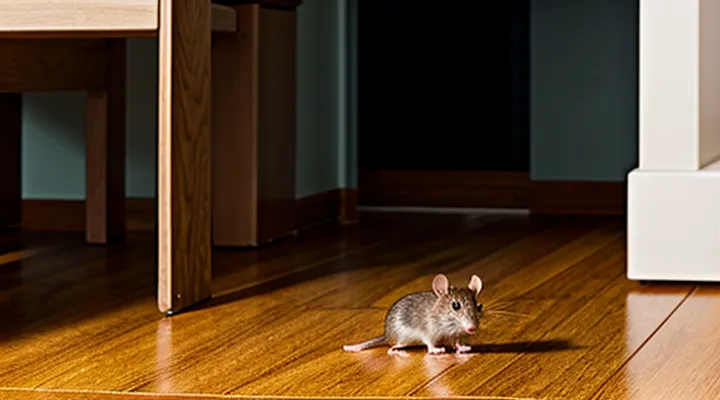
Understanding Mouse Behavior
Why Mice Seek Shelter Indoors
«Food Sources»
Mice are drawn to apartments primarily by accessible nutrition. When food is left unsecured, it creates a reliable supply that supports population growth and encourages repeated visits.
- Dry goods such as cereal, rice, pasta, and flour stored in open containers
- Pet food left in bowls or cabinets, especially high‑protein kibble
- Processed snacks, chips, and candy that generate crumbs on countertops and floors
- Fresh produce, fruit, and vegetables that decay or spill, producing soft tissue
- Garbage bags or recycling bins containing food residues, especially if not sealed
- Small insects or larvae that appear in pantry items, providing an additional protein source
These items offer high caloric content and are easy for mice to transport to hidden nesting sites. Reducing exposure involves sealing containers with airtight lids, promptly disposing of waste in sealed bins, cleaning surfaces after meals, and storing pet food in metal or heavy‑duty plastic containers. Consistent implementation of these measures limits the nutritional incentive for mice to enter and remain in residential units.
«Warmth and Protection»
Mice seek environments that provide stable temperature and shelter from predators. Residential interiors offer both, making them attractive when outdoor conditions become harsh.
The heat retained by walls, insulation, and stored food creates a microclimate that exceeds ambient outdoor temperatures. Mice exploit this warmth to reduce metabolic expenditure and maintain optimal body function.
Protection from natural enemies drives mice toward concealed spaces within an apartment. Typical refuges include:
- Wall voids and crawl spaces
- Under floorboards or cabinets
- Behind appliances and stored goods
These locations conceal movement, limit exposure to cats, birds, and other predators, and allow quick access to food sources.
When outdoor weather fluctuates or when seasonal temperatures drop, the contrast between external cold and interior warmth intensifies the incentive for rodents to infiltrate dwellings. The combination of thermal comfort and safe hideouts explains the frequent appearance of mice in residential settings.
«Breeding Grounds»
Mice establish colonies in apartments when conditions satisfy their basic survival needs. Food residues, accessible water, and concealed shelter create an environment where reproduction can proceed unchecked. Structural gaps—cracks, vent openings, and unsealed doors—allow individuals to enter, while interior clutter provides nesting material and protection from predators.
Key factors that convert a living space into a breeding ground include:
- Accumulated crumbs, improperly stored pantry items, and pet food left out overnight.
- Leaky pipes, dripping faucets, or condensation that supplies continuous moisture.
- Openings larger than ¼ inch in walls, floors, or foundation that serve as entry points.
- Piles of newspapers, cardboard boxes, or clothing that offer secluded nesting sites.
- Lack of regular cleaning routines that permit debris and food buildup.
Addressing each element—sealing openings, eliminating food sources, fixing water leaks, and reducing clutter—disrupts the reproductive cycle and prevents mouse populations from establishing a foothold in residential units.
Common Entry Points
«Cracks and Gaps»
Cracks in foundation walls, floor joists, and exterior siding create direct pathways for rodents. Even hairline fissures permit entry because mice can compress their bodies to pass through openings as small as ¼ inch. Structural movement, temperature fluctuations, and settling increase the size of these gaps over time, continuously expanding access points.
Gaps around utility penetrations function similarly. Openings for pipes, cables, and vents often lack proper sealing, leaving unfilled spaces that serve as conduits. Improperly installed or deteriorated caulking around windows, doors, and baseboards further compromises the building envelope, allowing mice to navigate interior spaces with minimal resistance.
Typical locations where mice exploit structural weaknesses include:
- Foundation cracks and mortar joints
- Gaps around plumbing stacks and vent pipes
- Unsealed openings around electrical conduit
- Spaces beneath appliances that sit on the floor
- Gaps between wall studs and drywall where insulation is missing
- Openings around HVAC ducts and exhaust fans
Addressing these vulnerabilities requires sealing with durable materials such as steel wool, expanding foam, or cement-based mortar, followed by regular inspection to detect new or expanding fissures. Prompt remediation eliminates the primary routes mice use to infiltrate residential apartments.
«Pipes and Utilities»
Mice often infiltrate residential units by exploiting the network of pipes and utility installations that connect the building’s interior to external sources. Gaps around water supply lines, sewer stacks, and drainage pipes create unobstructed pathways from basements, crawl spaces, or exterior walls directly into living areas. Moisture that accumulates inside pipe insulation or behind poorly sealed joints provides a reliable water source, while the voids within utility chases serve as safe nesting sites protected from predators and human activity.
Key utility features that attract rodents include:
- Unsealed gaps around cold‑water and hot‑water lines entering the apartment.
- Openings in sewer and vent stacks that connect to the building’s waste system.
- HVAC ductwork and ventilation shafts lacking mesh screens.
- Electrical conduit sleeves and cable entries with inadequate weather‑proofing.
- Loose pipe insulation that creates concealed cavities.
Effective mitigation requires eliminating entry points and reducing habitat suitability. Install steel wool or copper mesh in all pipe penetrations, apply silicone‑based sealant to joints, and replace damaged insulation with rodent‑resistant material. Conduct periodic inspections of utility corridors, repair cracks in foundation walls, and maintain low humidity levels to deter water‑seeking behavior. Consistent implementation of these measures reduces the likelihood that mice will use the building’s plumbing and utility infrastructure as a conduit into the apartment.
«Openings in Foundations»
Openings in building foundations provide direct pathways for rodents to infiltrate residential units. Cracks, gaps around utility penetrations, and unsealed expansion joints create voids that connect the soil environment with interior spaces. When these breaches exceed a few millimeters, mice can squeeze through and establish nests within walls, ceilings, or floor cavities.
Typical sources of foundation openings include:
- Settlement cracks caused by uneven soil moisture.
- Poorly fitted pipe sleeves or conduit sleeves lacking sealant.
- Unfinished or damaged sill plates where the wall meets the slab.
- Gaps surrounding vent stacks, drainage pipes, and crawl‑space access doors.
Repair measures focus on eliminating these passages. Filling cracks with hydraulic cement, installing stainless‑steel mesh around utility openings, and applying continuous silicone or polyurethane sealants to perimeter joints restore a continuous barrier. Regular inspection of the foundation perimeter, especially after heavy rain or ground movement, ensures that new openings are detected before they become entry points for mice.
Preventing Mouse Infestations
Sealing Entry Points
«Exterior Repairs»
Exterior repairs directly influence the likelihood of rodents entering a dwelling. Structural gaps, deteriorated siding, and compromised roof elements create pathways that mice exploit to gain access to interior spaces. Addressing these vulnerabilities removes the primary routes used for infiltration.
- Seal cracks around foundations, utility penetrations, and window frames with durable caulk or expanding foam.
- Install weather‑stripping on doors and repair damaged thresholds to block entry points.
- Repair or replace damaged siding, soffits, and fascia to eliminate gaps along the building envelope.
- Inspect and repair roof vents, chimney crowns, and attic access panels, ensuring they are fitted with metal mesh or tight-fitting covers.
- Maintain exterior lighting and trim vegetation to reduce shelter opportunities near the building’s perimeter.
Consistent execution of these repairs reduces the availability of shelter and food sources outside the apartment, thereby decreasing the pressure for mice to seek refuge inside. Routine inspections and prompt remediation of exterior damage constitute an effective strategy for controlling rodent intrusion.
«Interior Patching»
Mice gain access to living spaces through gaps, cracks, and unsealed openings in walls, floors, and ceilings. Unpatched holes in drywall, baseboards, or around utility penetrations create direct pathways for rodents. Addressing these vulnerabilities with proper interior patching eliminates the primary entry points and reduces the likelihood of infestation.
Effective interior patching requires materials and techniques that restore structural integrity while resisting chewing. Use high‑density spackling or cement‑based filler for small cracks, and apply steel‑reinforced mesh for larger gaps. Seal joints with silicone or acrylic caulk that remains flexible, preventing mice from exploiting movement in the building envelope. After curing, sand the surface smooth and repaint to maintain a consistent barrier.
Key steps for a rodent‑proof interior patch:
- Identify all openings larger than ¼ inch, including those around pipes, vents, and electrical boxes.
- Clean debris from each opening to ensure adhesion.
- Fill gaps with appropriate filler (spackling, epoxy, or expanding foam) and embed mesh where needed.
- Apply a durable sealant over the repaired area, allowing full cure time.
- Inspect finished patches regularly for signs of wear or new damage.
Consistent implementation of these measures creates a sealed interior that deprives mice of easy entry, directly addressing the underlying cause of their presence in apartments.
Eliminating Attractants
«Food Storage Practices»
Proper food storage directly influences mouse activity in residential units. When food is left exposed, scent trails guide rodents to a reliable energy source, encouraging them to establish foraging routes within walls and cabinets.
Key practices that limit attraction include:
- Using airtight containers made of metal or heavy‑wall plastic for all dry goods, cereals, and pet food.
- Storing perishable items in the refrigerator or freezer promptly after purchase.
- Keeping countertops, tables, and floor surfaces free of crumbs by wiping them after each meal.
- Disposing of waste in sealed bags and removing trash from the apartment daily.
Consistent cleaning of appliance interiors—microwave, oven, and pantry shelves—removes residual odors that can lure mice. Regular inspection of storage areas for torn packaging or spills allows immediate correction before rodents detect a food source.
Implementing these measures reduces the nutritional incentives that drive mouse incursions, thereby decreasing the likelihood of infestations within the living space.
«Waste Management»
Improper handling of food scraps and garbage creates a reliable food source for rodents, making waste management a central factor in mouse infestations within residential units.
Food residues left in unsealed containers, crumbs on countertops, and overflowing trash bins provide continuous nourishment. Mice locate these resources through scent trails and quickly establish pathways between the waste area and nesting sites. When waste is not removed promptly, the odor intensity increases, attracting additional individuals and encouraging colony growth.
Effective waste control measures include:
- Storing all food in airtight containers made of metal or heavy‑walled plastic.
- Disposing of trash daily in bins equipped with tight‑fitting lids.
- Cleaning kitchen surfaces after each meal to eliminate crumbs and spills.
- Using sealed recycling containers and separating organic waste from regular trash.
- Inspecting and sealing gaps around pipes, vents, and cabinets that could serve as entry points.
Neglecting these practices allows waste to accumulate, sustaining mouse populations and facilitating their spread throughout the apartment. Consistent, disciplined waste management reduces food availability, limits attraction, and diminishes the likelihood of rodent presence.
«Clutter Reduction»
Clutter creates hiding places, nesting sites, and easy pathways for rodents. When items are stacked on the floor or stored in inaccessible corners, they provide shelter and conceal food residues that attract mice. Eliminating unnecessary objects reduces the number of potential habitats and limits the opportunities for infestation.
Practical steps to minimize clutter include:
- Store food in sealed containers and keep pantry shelves orderly.
- Remove cardboard boxes, paper piles, and unused fabrics from living areas.
- Keep storage units, closets, and under‑furniture spaces tidy, using stackable bins with tight‑fitting lids.
- Dispose of garbage regularly and use bins with secure covers.
A systematic approach to organization also simplifies cleaning, making it easier to detect and eliminate droppings or gnaw marks before they become a larger problem. By maintaining a streamlined environment, residents decrease the attractiveness of the apartment to mice and improve overall hygiene.
Deterrent Methods
«Natural Repellents»
Mice enter apartments seeking shelter, food, and water. Cracks in walls, gaps around pipes, and unsecured trash provide easy access. Once inside, they exploit hidden pathways and cluttered storage areas.
Natural repellents offer a chemical‑free alternative to conventional traps and poisons. Their effectiveness depends on proper placement and consistent renewal.
- Peppermint oil: Concentrated oil applied to cotton balls placed near entry points creates an odor mice avoid. Reapply weekly to maintain potency.
- Clove oil: Similar to peppermint, clove oil masks scent trails. Use a few drops on cloth strips positioned along baseboards.
- Ammonia: A small open container of ammonia emits a strong vapor that deters rodents. Replace the container every 48 hours to prevent odor loss.
- Dryer sheets: The scented fabric, when left in cabinets or drawers, discourages nesting. Replace monthly.
- Ultrasonic devices: Emit high‑frequency sound beyond human hearing. Position units in rooms where activity is observed; power sources must remain uninterrupted.
Successful implementation requires sealing all potential ingress points, removing food residues, and rotating repellents to prevent habituation. Combining multiple natural agents enhances coverage and reduces the likelihood of mouse establishment.
«Ultrasonic Devices»
Ultrasonic emitters generate high‑frequency sound waves that are inaudible to humans but distress rodents. The devices operate by producing a continuous or pulsed signal within the 20–70 kHz range, causing auditory overload in mice and prompting them to vacate the area.
Effectiveness depends on several factors:
- Placement: units must be positioned where sound can travel unobstructed, avoiding walls, furniture, and insulation that absorb frequencies.
- Coverage area: each emitter typically protects a 100‑square‑foot zone; larger apartments require multiple devices with overlapping fields.
- Power source: battery‑operated models maintain functionality during outages, while plug‑in units provide constant output.
- Species sensitivity: mice respond to frequencies above 30 kHz, whereas other pests may require different ranges.
Limitations include:
- Diminished impact when mice become habituated to the sound, reducing deterrence over time.
- Inability to affect rodents hidden within walls or deep nesting sites, where sound attenuation occurs.
- Potential interference with pets that can hear ultrasonic frequencies, such as some rodents and small mammals.
When selecting an ultrasonic solution, verify the manufacturer’s specifications for frequency range, coverage, and warranty. Combine emitters with proper sanitation, sealing of entry points, and regular inspection to achieve sustained reduction of rodent activity in residential spaces.