
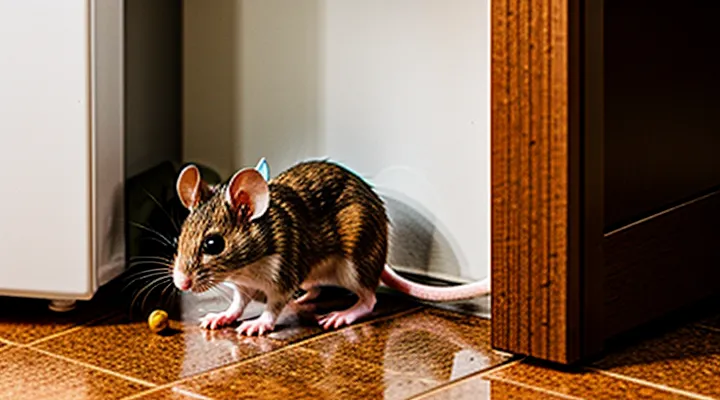
The Lure of Warmth and Shelter
Seeking Refuge from the Elements
Protection from Cold
Rodents seek refuge in residential units when outdoor temperatures drop below comfortable levels. Gaps around windows, doors, and utility penetrations allow cold air to enter, creating drafts that reduce interior warmth and push mice to look for insulated spaces. Unsealed cracks in walls and floors provide access points to heated rooms, where the animals find both shelter and a stable temperature.
Insufficient insulation in ceilings, attics, and exterior walls contributes to temperature fluctuations that encourage infestation. When building envelopes fail to retain heat, occupants often increase heating, inadvertently making interior spaces more attractive to rodents. The combination of easy entry and a reliable warm environment drives the presence of mice in apartments during colder months.
- Seal all exterior openings with steel wool, caulk, or metal flashing.
- Install weatherstripping on doors and windows to eliminate drafts.
- Insulate attic floors, walls, and crawl spaces to maintain consistent interior temperatures.
- Repair damaged screens and vents, ensuring they are fitted with fine mesh.
- Maintain indoor humidity at moderate levels to discourage nesting material buildup.
Implementing these measures reduces the thermal incentive for rodents and limits their ability to penetrate living spaces.
Escape from Predators
Mice seek apartments because these environments provide effective refuge from natural predators. Urban structures limit access for birds of prey, snakes, and larger mammals, creating a safe zone where small rodents can move without constant threat.
The architectural features that aid escape include:
- Narrow gaps and cracks that allow entry but restrict larger animals.
- Elevated ceilings and concealed spaces behind walls that conceal movement.
- Limited visual exposure due to low lighting and cluttered interiors.
Behavioral adaptations complement physical shelter. Mice exhibit rapid sprinting, erratic zig‑zag patterns, and the ability to squeeze through openings as small as 0.25 inch, reducing the chance of capture. Their nocturnal activity aligns with reduced predator presence in human‑occupied buildings.
Food availability further reinforces occupancy. Waste, pantry items, and pet food supply energy without exposing mice to open‑air foraging, eliminating the need to leave the protected environment. Consequently, the combination of structural protection, innate escape tactics, and accessible nutrition makes apartments a preferred habitat for mice seeking to avoid predation.
Abundant Hiding Spots
Cracks and Crevices
Mice exploit any opening that connects the exterior to interior spaces. Cracks in foundation walls, gaps around utility penetrations, and narrow crevices between floorboards create continuous pathways. These openings often measure only a few millimeters, yet they accommodate the flexible bodies of rodents, allowing entry without detection.
Structural movement, settlement, and aging materials generate new fissures over time. Poorly sealed window frames, deteriorated caulking, and unfilled gaps around pipes further enlarge the network of routes. Even minor imperfections in drywall or baseboard joints serve as staging points for foraging and nesting.
Identifying vulnerable points requires systematic inspection:
- Visual examination of foundation and exterior walls for hairline splits.
- Probing around plumbing, electrical, and HVAC penetrations with a thin rod or flashlight.
- Tactile assessment of floor seams, baseboard edges, and cabinet backs.
- Use of infrared cameras to reveal hidden gaps behind insulation.
Mitigation involves sealing all discovered openings with durable materials such as steel wool, caulk, or expanding foam, followed by a rigid barrier like metal flashing or cement mortar. Regular maintenance—reapplying sealants after renovations or after seasonal temperature shifts—prevents re‑formation of cracks.
By eliminating these concealed passages, the likelihood of rodent incursion into residential units declines markedly, reducing the need for reactive pest control measures.
Clutter and Storage Areas
Clutter creates hiding places where mice can nest, move, and store food. Piles of newspapers, cardboard boxes, and unused clothing block sightlines, reducing the likelihood that residents notice rodent activity. When storage areas are packed to capacity, ventilation is limited, and moisture can accumulate, fostering conditions that support mouse survival.
Key ways clutter contributes to infestations:
- Unsealed containers and loose items expose food residues that attract rodents.
- Stacked boxes and piles provide insulated cavities that shield mice from predators and temperature fluctuations.
- Disorganized storage hampers regular cleaning, allowing droppings and urine to go undetected.
- Overfilled closets and pantries limit airflow, creating humid microenvironments favorable to mouse breeding.
Reducing the amount of stored material, using airtight containers, and maintaining clear pathways through storage spaces diminish the attractiveness of an apartment to mice and simplify early detection of any intrusion.
The Allure of Food and Water
Readily Available Food Sources
Unsealed Food Containers
Unsealed food containers emit odors that travel through walls, vents, and gaps, signaling a reliable food source to rodents. Open packaging also allows direct entry, eliminating the need for mice to gnaw through barriers.
- Odor diffusion from exposed crumbs and liquids creates a scent gradient that guides mice into living spaces.
- Loose packaging provides immediate access, reducing the time and effort required for foraging.
- Residual moisture in unsealed containers supports bacterial growth, increasing the nutritional value of the area.
- Spilled contents attract insects, which in turn become secondary prey for mice, reinforcing their presence.
- Contamination from mouse droppings spreads to other foods, amplifying the attractant effect.
Securing food in airtight containers removes the scent cues and physical entry points that encourage mouse activity. Consistent use of sealed storage eliminates a primary driver of rodent infestation in apartments.
Crumbs and Spills
Mice are attracted to food residues that remain after daily activities. Tiny particles of bread, cereal, or snack packaging settle on countertops, floors, and behind appliances. These fragments provide a reliable energy source, allowing rodents to survive on minimal intake. The presence of such debris eliminates the need for mice to search beyond the dwelling, encouraging permanent habitation.
Spilled liquids create a moist environment that supports bacterial growth, which in turn produces odors detectable by rodents. Sweet beverages, fruit juices, and sugary coffee remnants leave sticky residues that cling to surfaces. Mice exploit these micro‑habitats for both hydration and additional nutrition, reinforcing their preference for occupied units.
Key food remnants that sustain mouse populations include:
- Crumbs from baked goods and processed snacks
- Powdered sugar or flour dust on kitchen surfaces
- Grease splatters from cooking oil or butter
- Sugary drink stains on countertops or cabinets
- Pet food particles scattered near feeding areas
Eliminating these attractants requires systematic cleaning: sweep and vacuum daily, wipe surfaces with a detergent that removes residues, and store food in sealed containers. Promptly addressing spills prevents the formation of micro‑environments that support mouse activity, reducing the likelihood that rodents will establish a foothold in an apartment.
Pet Food Left Out
Leaving pet food exposed creates a strong attractant for mice in residential units. The odor of protein and fat signals an easy food source, while the physical presence of crumbs offers immediate nutrition. Mice can locate the scent from a distance, enter through small openings, and quickly establish a foraging route.
Unsecured food supplies encourage repeated visits, leading to increased rodent traffic, gnawing damage to structures, and the spread of pathogens. The presence of pet food also supports larger populations, making eradication more difficult once an infestation takes hold.
Effective control relies on eliminating the attractant:
- Store dry and wet food in airtight, rodent‑proof containers.
- Remove leftovers and clean feeding areas after each meal.
- Feed pets at scheduled times and retrieve uneaten portions promptly.
- Inspect storage areas for cracks or gaps and seal any entry points.
By restricting access to pet nutrition, the likelihood of mice establishing a foothold in an apartment diminishes markedly.
Accessible Water Sources
Leaky Pipes and Faucets
Leaking pipes and faucets create a reliable water source that attracts mice to residential units. Continuous moisture lowers the humidity barrier that normally deters rodents, allowing them to survive without seeking food elsewhere. The presence of water also softens building materials, making it easier for mice to gnaw through insulation, drywall, or wood to reach interior spaces.
A persistent leak produces additional problems that facilitate mouse entry:
- Damp insulation expands, creating gaps that serve as entry points.
- Corroded pipe joints weaken structural integrity, forming cracks large enough for rodents.
- Stagnant water accumulates in concealed areas, providing a habitat for insects, which in turn become a food supply for mice.
Repairing leaks promptly eliminates the water incentive, restores material strength, and reduces the likelihood of rodent infestation. Regular inspection of plumbing fixtures, prompt replacement of worn seals, and maintenance of drainage systems are essential preventive measures.
Pet Water Bowls
Pet water bowls provide a reliable water source for animals, but unattended containers also supply moisture that draws rodents into living spaces. When a bowl is left uncovered or not emptied regularly, the liquid evaporates slowly, creating a humid micro‑environment that mice find attractive. The scent of water, combined with any food residue on the bowl’s rim, signals an easy feeding site, encouraging mice to explore apartments in search of sustenance.
Stagnant water encourages bacterial growth, producing odors that further entice rodents. Leaking bowls can wet surrounding flooring, increasing humidity levels that facilitate rodent activity. In multi‑unit buildings, a single neglected bowl can affect neighboring apartments, spreading the problem beyond the immediate household.
Effective management reduces the likelihood that water dishes become rodent magnets:
- Use bowls with tight‑fitting lids or silicone covers that limit exposure.
- Empty and rinse containers daily; dry the interior before refilling.
- Position bowls on elevated, non‑absorbent surfaces to prevent spills from seeping into flooring.
- Inspect for cracks or leaks; replace damaged bowls promptly.
- Choose materials resistant to chewing, such as stainless steel, to deter damage by gnawing rodents.
Maintaining clean, sealed water supplies eliminates a key attractant, decreasing the overall incidence of rodent sightings within apartments.
Condensation
Condensation creates persistent damp spots on walls, ceilings, and floors. Moisture attracts insects and mold, which become a reliable food source for rodents. When mice discover these resources, they establish foraging routes that lead directly into living spaces.
Damp environments also compromise building materials. Wet insulation loses structural integrity, forming gaps and voids that mice exploit for nesting. The presence of softened wood, warped drywall, or loosened plaster provides easy entry points and hidden chambers.
Key ways condensation contributes to rodent intrusion:
- Moisture‑rich surfaces support fungal growth, offering supplemental nutrition.
- Water accumulation softens structural components, creating openings for entry.
- Persistent humidity raises indoor temperature, creating a comfortable microclimate for breeding.
- Leaking pipes or poorly sealed windows produce condensation that drips onto cabinets and pantry shelves, contaminating stored food.
Addressing condensation—through proper ventilation, sealing leaks, and maintaining stable indoor humidity—removes the conditions that encourage mice to settle in apartments.
Entry Points and Proliferation
Common Entry Points
Gaps Under Doors
Mice commonly infiltrate apartments through the narrow openings that exist beneath interior doors. These gaps, often measuring between ¼ and ½ inch, provide a direct pathway from hallways, utility rooms, or adjacent units to living spaces. Because mice can compress their bodies to pass through openings as small as ¼ inch, even a modest clearance under a door is sufficient for entry.
The most significant factors that increase the risk of mouse intrusion via door gaps are:
- Inadequate door sweeps or worn weather‑stripping.
- Uneven flooring that creates larger clearances at one side of the door.
- Absence of a threshold or a low‑lying threshold that fails to block vertical movement.
- Gaps left after renovations or after the removal of temporary barriers.
Effective mitigation requires sealing the openings with durable, rodent‑proof materials. Recommended solutions include:
- Install a metal or heavy‑duty rubber door sweep that extends at least ¾ inch beyond the door edge.
- Attach a stainless‑steel threshold that overlaps the door bottom and rests securely on the floor.
- Apply high‑density silicone caulk around the perimeter of the sweep and threshold to eliminate residual cracks.
- Use hardware cloth (¼‑inch mesh) to cover larger gaps, securing it with stainless‑steel staples.
- Perform regular inspections after cleaning or moving furniture to verify that sweeps remain intact and that no new gaps have formed.
Maintenance practices that sustain a barrier against rodents involve:
- Checking sweeps quarterly for wear or displacement.
- Re‑caulking any gaps that develop after flooring adjustments.
- Ensuring that doors close fully without obstruction, which prevents mice from exploiting partially opened doors.
By systematically addressing the clearances beneath doors, occupants reduce the primary conduit through which mice gain access to apartment interiors, thereby limiting the likelihood of infestation.
Holes in Walls and Foundations
Structural openings in walls and foundations create direct pathways for rodents to enter residential units. Mice exploit any breach that connects interior spaces with exterior environments, allowing movement between the building envelope and surrounding areas.
Common locations for such openings include:
- Gaps around utility pipes and cables
- Unsealed conduit penetrations for electrical wiring
- Cracks in concrete slabs or foundation walls
- Openings around window frames, door thresholds, and vent grilles
These defects arise from construction tolerances, material degradation, and settlement shifts. Over time, moisture intrusion, soil pressure, and temperature fluctuations enlarge fissures, increasing accessibility for small mammals.
Effective mitigation requires systematic inspection and sealing. Recommended actions are:
- Apply steel wool or copper mesh to fill gaps larger than ¼ inch.
- Coat filled areas with silicone or polyurethane caulk to create an airtight barrier.
- Install metal flashing around pipe entries and secure with cement mortar.
- Repair foundation cracks using hydraulic cement that expands upon curing.
- Verify integrity of vent covers and replace damaged screens with reinforced metal.
Regular maintenance schedules that include visual surveys of wall and foundation interfaces reduce the likelihood of mouse intrusion. Prompt repair of identified breaches eliminates the primary conduit for rodent entry.
Unscreened Vents and Drains
Unscreened vents and drains provide direct pathways for rodents to enter living spaces. Gaps around ductwork, bathroom exhausts, and floor drains often lack protective mesh, allowing mice to move from building cavities into apartments without obstruction.
- Open vent openings connect attic or crawl‑space habitats to interior rooms.
- Floor‑level drains that discharge directly to sewage lines can be climbed by mice seeking water and shelter.
- Roof vents without screens expose the interior to external rodent activity during inclement weather.
These access points bypass typical pest‑proofing measures such as door sweeps and window screens. Once inside, mice exploit the same routes to travel between units, facilitating rapid population growth throughout a building.
Mitigation requires installing metal or stainless‑steel mesh over all vent openings, sealing gaps with fire‑rated caulk, and fitting drain covers that meet local building codes. Regular inspection of vent and drain assemblies ensures that damage or wear does not re‑establish entry routes.
Rapid Reproduction Rate
Short Gestation Period
Mice reproduce quickly because their gestation lasts only about 19–21 days. A female can become pregnant again within 24 hours after giving birth, allowing multiple litters each month. Each litter typically contains 5–8 offspring, and the newborns reach independence in roughly three weeks.
These reproductive characteristics enable mouse populations to expand rapidly in residential buildings. Food residues, hidden storage spaces, and minimal disturbance provide ideal conditions for successive generations. Consequently, a single pair can generate hundreds of individuals within a year, creating persistent infestations in apartments.
Large Litter Sizes
Mice reproduce rapidly; a single female can produce 5‑7 offspring per litter, and may breed every 3‑4 weeks when food and shelter are plentiful. This reproductive capacity generates a steady influx of individuals in any environment that offers adequate nutrition and hiding places.
In apartment buildings, the combination of accessible food waste, structural gaps, and relatively stable temperatures eliminates many natural constraints on population growth. The result is a continuous turnover of new mice that quickly replace any individuals removed by control measures.
Key effects of large litters in residential units:
- Rapid escalation of infestation levels after a single breeding event.
- Increased competition for limited resources, prompting mice to explore adjacent apartments.
- Higher likelihood of disease transmission due to dense populations.
Understanding the magnitude of reproductive output is essential for developing effective management strategies that address the root cause of mouse presence in multi‑unit dwellings.
Early Sexual Maturity
Early sexual maturity is a primary driver of mouse infestations in residential units. Laboratory and field studies show that house mice (Mus musculus) reach reproductive capability at 5–6 weeks of age. After this point, females can produce a litter every three weeks, with an average of six to eight pups per litter. The short gestation period (approximately 19–21 days) and the ability to become pregnant again within 24 hours of giving birth create exponential growth under favorable conditions.
Rapid population expansion intensifies the likelihood that mice will be encountered in apartments. The following factors amplify this effect:
- Abundant food sources such as stored grains, pantry items, and waste.
- Warm, stable indoor temperatures that eliminate seasonal breeding restrictions.
- Numerous concealment opportunities in wall voids, insulation, and clutter.
- Limited predation pressure inside human dwellings.
Each of these elements reduces mortality rates and extends the breeding window, allowing a single pair of early‑maturing mice to generate hundreds of offspring within a year. Consequently, the presence of young, sexually mature individuals accelerates the transition from a sporadic sighting to a persistent infestation, explaining the prevalence of rodents in multi‑unit housing.
Signs of Infestation and Prevention
Recognizing the Signs
Droppings and Urine Trails
Droppings and urine trails provide the most reliable evidence of a rodent presence inside a dwelling. Fresh feces appear as small, dark, rice‑shaped pellets, usually found along walls, behind appliances, or in concealed corners. Urine leaves a faint, oily residue that may be visible under ultraviolet light; it also emits a characteristic ammonia odor that intensifies in poorly ventilated spaces. Both substances contain pathogens such as hantavirus, salmonella, and leptospira, creating direct health hazards for occupants.
Key implications of these signs include:
- Confirmation of active infestation, prompting immediate pest‑control measures.
- Identification of travel routes; mice follow the same paths for foraging and nesting, allowing targeted sealing of entry points.
- Assessment of contamination level; extensive droppings and urine indicate a larger population and higher disease risk.
- Guidance for sanitation; thorough cleaning with disinfectants eliminates attractants that could otherwise sustain the problem.
Addressing droppings and urine trails early reduces the likelihood of a full‑scale infestation and protects resident health.
Gnaw Marks
Gnaw marks serve as direct evidence of rodent activity within residential units. The distinctive V‑shaped or parallel grooves left on wood, plastic, and wiring indicate that mice are actively chewing to maintain tooth length and to explore potential entry points.
Mice create these marks for three practical reasons:
- Dental maintenance – continuous incisor growth requires regular abrasion.
- Access creation – chewing enlarges gaps in walls, floors, and furniture, allowing movement between rooms.
- Food acquisition – gnawed packaging reveals stored provisions.
The presence of gnaw marks often precedes larger infestations. When mice enlarge a minor crack, they enable additional individuals to enter, increasing population density and the likelihood of contamination. Consequently, early detection of gnawing reduces the risk of structural damage and disease transmission.
Effective response includes:
- Inspect baseboards, cabinets, and appliance cords for fresh grooves.
- Seal identified openings with steel wool and caulk to prevent further enlargement.
- Replace damaged wiring or plastic components to eliminate feeding sites.
- Implement a regular monitoring schedule to catch new gnaw marks before they expand.
Prompt attention to gnaw marks interrupts the cycle of entry, sustenance, and reproduction, limiting the overall presence of rodents in the dwelling.
Scurrying Noises
Scurrying noises are a primary indicator of rodent activity within residential units. The sounds arise when mice move along concealed pathways such as wall cavities, ceiling joists, and behind appliances. Because mice are nocturnal, the noises are most intense after dark, often heard during quiet evening hours when ambient sounds diminish.
Typical characteristics of the noise include rapid, intermittent rustling, light tapping against hard surfaces, and faint squeaks as the animals navigate tight spaces. The pattern of the sound—short bursts followed by brief pauses—correlates with the animal’s foraging behavior: searching for food, returning to a nest, or escaping perceived threats.
Key observations that help distinguish mouse scurrying from other household sounds:
- Location: walls, attic, under sinks, and behind refrigerators.
- Timing: late evening to early morning, especially between 10 p.m. and 4 a.m.
- Frequency: multiple short bursts per minute, increasing when food sources are nearby.
- Intensity: louder when mice travel on exposed surfaces such as metal ducts or plastic conduits.
Identifying these acoustic cues enables prompt assessment of infestation severity and informs targeted control measures.
Effective Prevention Strategies
Sealing Entry Points
Mice infiltrate residential units primarily through gaps that connect the interior to the building’s exterior. Effective prevention begins with identifying and sealing these openings.
Inspect walls, floors, and ceilings for cracks larger than a quarter‑inch. Examine around utility penetrations—pipes, cables, and vents—and check the perimeter of doors and windows for gaps. Pay special attention to the foundation, especially where the building meets the ground, as rodents exploit even small fissures.
Choose durable, rodent‑resistant materials. Expandable polyurethane foam works for irregular gaps, while steel wool combined with caulk blocks larger holes. Cement mortar or concrete patch fills foundation cracks. For door sweeps, install metal or rubber strips that contact the floor when the door closes.
Apply the following procedure:
- Clean the area to remove debris and dust.
- Insert steel wool into the gap, compressing it firmly.
- Cover the steel wool with spray‑foam sealant; allow the foam to expand and cure.
- Trim excess foam flush with the surface.
- For larger openings, cut a piece of metal flashing or hardware cloth, secure it with screws, then seal edges with silicone caulk.
After sealing, monitor for signs of activity—droppings, gnaw marks, or fresh gnaw holes. Re‑inspect periodically, especially after renovations or seasonal temperature changes, to maintain a barrier that denies rodents access to the apartment.
Maintaining Cleanliness
Mice are attracted to food residues, water sources, and shelter opportunities that arise from inadequate housekeeping. When crumbs, spilled liquids, or improperly stored provisions remain accessible, rodents can locate and exploit these resources, establishing a foothold in the dwelling.
Effective sanitation reduces the likelihood of infestation by eliminating the incentives that draw mice indoors. Key practices include:
- Storing all food in sealed containers made of glass, metal, or heavy‑duty plastic.
- Discarding waste in trash cans equipped with tight‑fitting lids and emptying them regularly.
- Cleaning countertops, floors, and appliance surfaces after each meal to remove crumbs and spills.
- Sweeping or vacuuming beneath cabinets, appliances, and furniture where debris can accumulate.
- Promptly repairing leaks and drying damp areas to deny mice a water supply.
Consistent implementation of these measures creates an environment that offers no readily available nourishment or moisture, thereby discouraging mouse entry and limiting the potential for population growth.
Proper Food Storage
Proper food storage directly influences mouse activity in residential units. Food left uncovered, stored in soft packaging, or kept in damp areas provides a reliable nutrient source that encourages rodents to enter apartments and remain there.
Mice locate food through scent and tactile cues. When crumbs accumulate on countertops, spills linger in cabinets, or bulk items sit in unsealed containers, the environment signals abundant sustenance. This signal overrides natural wariness, prompting mice to breach entry points and establish colonies.
- Store dry goods in airtight, rigid containers made of glass, metal, or heavy‑wall plastic.
- Place perishable items in the refrigerator or freezer promptly; discard expired products.
- Clean surfaces after each meal; vacuum or sweep to remove residual particles.
- Keep pantry shelves organized; avoid overfilling and ensure containers sit on stable bases.
- Inspect and rotate stock regularly; discard any product showing signs of spoilage or infestation.
Consistent implementation of these practices eliminates easy food access, reducing the incentive for rodents to occupy living spaces.