
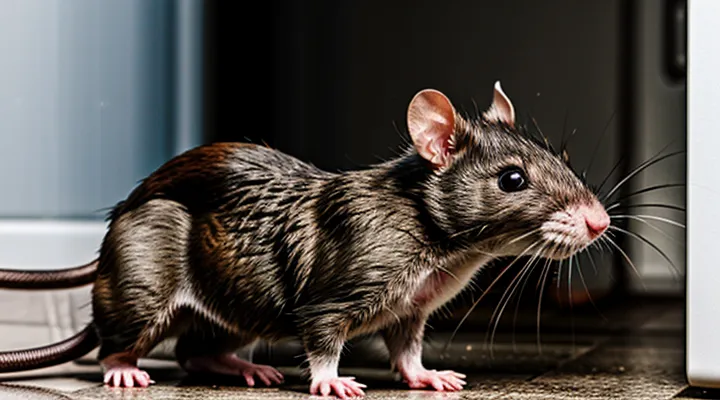
Common Parasitic Infestations
Mites
Pet rats frequently develop skin irritation because of ectoparasitic mites. These tiny arthropods attach to fur, skin, or ear canals, provoking inflammatory responses that manifest as itching.
Common mite species include:
- Fur mites (Myobia musculi) that reside on hair shafts and cause localized hair loss and scabbing.
- Ear mites (Psoroptes spp.) that inhabit the external auditory canal, producing intense scratching and ear debris.
- Cheyletiella mites, often termed “walking dandruff,” which spread across the coat and generate a fine, flaky appearance.
Typical clinical signs are persistent scratching, bald patches, crusted lesions, reddened skin, and ear irritation. In severe infestations, secondary bacterial infections may develop, worsening the animal’s condition.
Diagnosis relies on direct observation and microscopic analysis. Veterinarians collect skin scrapings, hair plucks, or ear swabs and examine them under a microscope to confirm mite presence. Laboratory identification distinguishes mite species, guiding targeted therapy.
Treatment protocols comprise:
- Topical acaricides (e.g., selamectin, ivermectin) applied to the skin or ears according to veterinary dosage.
- Oral anti‑parasitic medications when systemic control is required.
- Thorough cleaning of cages, bedding, and accessories with hot water or appropriate disinfectants to eradicate environmental stages.
- Re‑treatment after two weeks to eliminate newly hatched mites.
Preventive measures reduce recurrence risk:
- Maintain strict hygiene, replacing bedding regularly and sanitizing enclosures.
- Quarantine newly acquired rats for at least four weeks, monitoring for skin abnormalities.
- Conduct routine health examinations, allowing early detection of ectoparasites.
Effective mite management eliminates the source of itching, restores coat health, and promotes overall well‑being in pet rats.
Lice
Lice are external parasites that attach to the fur and skin of pet rats, feeding on blood and tissue fluids. Their mouthparts irritate the epidermis, producing a persistent scratching response.
Two species commonly affect laboratory and domestic rats: the fur‑lice Polyplax serrata and the body‑lice Pediculus rattae. Both complete their life cycle on the host, progressing from egg to nymph to adult within a period of 10–14 days. Rapid reproduction creates a heavy infestation in a short time.
Visible signs include:
- Redness and inflammation along the dorsal line
- Small, mobile specks moving through the coat
- Excessive grooming that may result in hair loss
- Scabs or crusted lesions near the ears and tail base
Diagnosis relies on direct observation of adult lice or nymphs using a fine‑toothed comb, followed by microscopic confirmation. Skin scrapings may reveal attached specimens and secondary bacterial infection.
Effective treatment options:
- Topical insecticidal sprays containing pyrethrins or permethrin, applied to the entire coat and allowed to dry before the rat is returned to its enclosure
- Systemic ivermectin administered at a dosage of 0.2 mg/kg, repeated after 7 days to cover the life cycle
- Environmental decontamination, including washing bedding at 60 °C and treating cages with a diluted disinfectant
Prevention strategies:
- Regular grooming and inspection of the coat, especially after contact with other rodents
- Quarantining new animals for at least 30 days and treating any detected ectoparasites before integration
- Maintaining a clean cage environment, replacing bedding weekly and cleaning accessories with an appropriate antiseptic
Addressing lice promptly eliminates the source of itchiness and reduces the risk of secondary skin infections.
Fleas
Fleas constitute a common external parasite capable of triggering intense pruritus in domesticated rats. Adult fleas attach to the host’s skin, insert mouthparts, and ingest blood, producing irritation that manifests as scratching, hair loss, and redness.
Typical species affecting rats include the oriental rat flea (Xenopsylla cheopis) and the cat flea (Ctenocephalides felis). Both species thrive in environments with high humidity and abundant bedding material, completing their life cycle within weeks.
Observable signs of infestation comprise:
- Frequent scratching or grooming
- Small dark specks in bedding or on the fur
- Red, inflamed skin patches
- Presence of flea larvae or cocoons in the cage substrate
Effective control relies on an integrated approach:
- Thoroughly clean and disinfect the cage, replacing all soft bedding.
- Apply a veterinarian‑approved topical or oral ectoparasiticide following the recommended dosage schedule.
- Maintain low humidity and regular vacuuming of the surrounding area to disrupt the flea life cycle.
- Conduct routine health checks to detect early infestation and prevent secondary infections.
Environmental Factors Contributing to Itching
Allergens in Bedding
Pet rats frequently develop skin irritation because the material used for their bedding can contain substances that provoke allergic reactions.
Wood‑based shavings, especially those from pine or cedar, release aromatic oils such as phenols that irritate the respiratory tract and skin. Dust‑laden cellulose fibers provide a breeding ground for dust mites, whose fecal proteins act as potent allergens. Moisture accumulation encourages mold growth; spores and mycotoxins trigger inflammatory responses on the skin. Synthetic fibers may shed fine particles that embed in fur, aggravating the epidermis.
Allergic mechanisms involve the rat’s immune system recognizing foreign proteins or volatile compounds as threats. Histamine release follows, leading to redness, scratching, and secondary infections if the skin barrier is compromised.
Mitigation strategies focus on selecting bedding with minimal dust, low volatile organic compounds, and resistance to mold. Recommended options include:
- Paper‑based pulp bedding, compressed and pre‑cut.
- Hemp fiber, naturally low‑dust and absorbent.
- Aspen shavings, free of resinous oils.
- Recycled cotton, washed to remove residual chemicals.
Regular replacement of bedding, weekly cleaning of the enclosure, and maintaining humidity below 60 % further reduce allergen load. Monitoring the rat’s skin condition after any bedding change provides immediate feedback on the effectiveness of the selected material.
Poor Cage Hygiene
Pet rats develop skin irritation primarily when their living environment lacks proper sanitation. Accumulated urine, feces, and leftover food create a breeding ground for mites, bacteria, and fungi. These organisms irritate the skin, leading to scratching, hair loss, and secondary infections.
Unsanitary conditions also promote the growth of mold spores on bedding and cage surfaces. Inhalation or contact with mold aggravates dermal sensitivity, exacerbating itchiness. Persistent exposure to waste products can alter the natural pH of the rat’s skin, weakening its protective barrier.
Effective hygiene practices prevent these problems:
- Remove soiled bedding and replace with fresh material at least twice weekly.
- Clean the cage with mild, unscented disinfectant; rinse thoroughly to avoid chemical residue.
- Wash food bowls, water bottles, and toys daily.
- Inspect the cage for signs of mold or droppings after each cleaning session.
- Provide adequate ventilation to reduce humidity and discourage mite proliferation.
Consistent implementation of these measures eliminates the primary sources of skin irritation, ensuring a comfortable, itch‑free environment for the pet rat.
Dry Air Conditions
Dry air reduces the moisture content of a rat’s skin and fur, leading to irritation and a heightened perception of itch. Low humidity accelerates the evaporation of natural oils that protect the epidermis, causing micro‑abrasions and increased sensitivity to environmental allergens. The resulting dryness can trigger a reflexive scratching response, which may further damage the skin barrier.
Key effects of low‑humidity environments on pet rats include:
- Diminished lipid layer on the coat, increasing friction and discomfort.
- Elevated risk of dermatitis due to compromised barrier function.
- Amplified response to dust, pollen, and other airborne irritants.
Mitigation strategies focus on restoring optimal humidity and supporting skin health. Maintain indoor relative humidity between 45 % and 55 % using a humidifier, especially during winter heating periods. Provide a water‑rich diet with fresh vegetables and occasional skin‑soothing supplements such as omega‑3 fatty acids. Regularly mist the cage bedding with distilled water, ensuring the substrate remains damp but not saturated. Monitor the rat’s coat for signs of dryness and adjust environmental controls promptly to prevent chronic itch.
Dietary Influences on Skin Health
Nutritional Deficiencies
Pet rats develop skin irritation when their diet lacks essential nutrients that maintain skin integrity and immune function. Deficiencies compromise the protective barrier, leading to dryness, redness, and heightened sensitivity to environmental allergens.
Common nutritional gaps associated with pruritus include:
- Vitamin E insufficiency, which reduces antioxidant protection and impairs cell membrane stability.
- Omega‑3 fatty acid shortage, resulting in altered inflammatory responses and weakened dermal hydration.
- Zinc deficiency, affecting keratinocyte proliferation and wound healing.
- Vitamin A deficiency, causing epithelial thinning and increased susceptibility to infection.
- Biotin (vitamin B7) shortfall, linked to poor coat quality and skin scaling.
Correcting these deficits through balanced commercial rat pellets, supplemented fresh vegetables, and targeted micronutrient additives restores skin health and alleviates itching. Regular monitoring of dietary composition prevents recurrence and supports overall wellbeing.
Food Allergies or Sensitivities
Pet rats can develop pruritus as a direct response to dietary allergens or sensitivities. When the immune system identifies a protein or additive as harmful, it releases histamine and other mediators that trigger skin inflammation, leading to scratching and hair loss.
Common food-related triggers include:
- Protein sources such as soy, wheat gluten, and dairy products
- Artificial colors, flavors, and preservatives
- Certain grain-based pellets containing corn or barley
- High‑fat treats that may irritate the gastrointestinal tract, indirectly affecting the skin
Identifying the offending ingredient requires systematic elimination. Begin with a hypoallergenic base diet, observe symptom changes for two weeks, then reintroduce single ingredients sequentially. Persistent itching after dietary modification suggests alternative causes, such as ectoparasites or environmental irritants, and warrants veterinary evaluation.
Dermatological Conditions and Diseases
Bacterial Skin Infections
Pet rats frequently develop skin irritation when bacterial infections invade the epidermis or underlying tissue. Pathogenic bacteria colonize wounds, abrasions, or moist environments, provoking inflammation, pruritus, and secondary lesions.
Common bacterial agents include:
- Staphylococcus aureus – produces toxins that damage skin cells and elicit intense itching.
- Streptococcus pyogenes – spreads rapidly through skin breaches, causing erythema and discomfort.
- Pseudomonas aeruginosa – thrives in humid bedding, leading to moist dermatitis and persistent pruritus.
- Klebsiella spp. – associated with opportunistic infections in immunocompromised rodents.
Clinical signs often consist of localized redness, papules, crusting, and hair loss accompanied by frequent scratching or grooming. Diagnosis relies on veterinary examination, culture of swab samples, and sensitivity testing to identify the causative organism and guide antimicrobial selection.
Effective management requires targeted antibiotic therapy based on culture results, thorough cleaning of affected areas, and environmental sanitation to eliminate bacterial reservoirs. Preventive measures include regular cage cleaning, dry bedding, prompt treatment of wounds, and routine health monitoring to reduce the risk of bacterial skin infections that provoke itchiness in pet rats.
Fungal Infections
Fungal infections are a frequent source of pruritus in domesticated rats. Dermatophytes, particularly «Trichophyton mentagrophytes» and «Microsporum canis», invade the keratinized layers of skin, producing inflammation and intense scratching.
Typical clinical signs include:
- Red, moist patches on the ears, face, or abdomen
- Scaly lesions with hair loss
- Crust formation around the nose and muzzle
- Secondary bacterial infection secondary to self‑trauma
Diagnosis relies on direct microscopic examination of skin scrapings, culture on Sabouraud agar, and, when necessary, histopathology. Rapid identification permits targeted therapy and reduces the risk of transmission to humans and other cage mates.
Therapeutic measures consist of:
- Topical antifungal agents such as miconazole or terbinafine cream applied twice daily for 2–4 weeks
- Systemic treatment with itraconazole or fluconazole for severe or widespread disease
- Cleaning and disinfecting the habitat with a 1 % chlorhexidine solution to eliminate environmental spores
Preventive strategies emphasize:
- Maintaining low humidity (below 60 %) and adequate ventilation
- Providing clean, dry bedding and regular cage sanitation
- Conducting routine health checks for early detection of skin abnormalities
- Isolating newly introduced rats for at least 30 days and screening for fungal pathogens
Effective management of fungal skin infections eliminates itch, improves welfare, and safeguards both the animal and its human caretakers.
Tumors and Cysts
Pet rats may develop skin irritation when internal growths such as tumors or cysts affect surrounding tissues. These lesions can produce localized inflammation, leading to pruritus that the animal attempts to alleviate by scratching or grooming.
Tumors originating from skin, subcutaneous tissue, or internal organs can exert pressure on nerve endings, triggering sensory signals interpreted as itch. Malignant or benign masses may release cytokines and histamine, compounds that amplify inflammatory responses and intensify discomfort.
Cysts, typically fluid‑filled sacs, often arise from blocked sebaceous glands or hair follicles. When a cyst enlarges, it stretches the dermis, irritating cutaneous nerves. Secondary infection of a cyst introduces bacterial toxins, further aggravating the itch cycle.
Key clinical indicators associated with growth‑related pruritus include:
- Persistent scratching localized to a specific area
- Visible swelling, a firm nodule, or a raised lump under the skin
- Redness or ulceration surrounding the lesion
- Changes in grooming behavior, such as excessive licking of the affected region
- Reduced activity or weight loss if the underlying condition progresses
Diagnostic evaluation should involve a thorough physical examination, followed by imaging (radiography or ultrasound) to assess lesion size and depth. Fine‑needle aspiration or biopsy provides cytological confirmation, distinguishing between neoplastic and cystic processes.
Management strategies depend on the diagnosis. Surgical excision removes most accessible tumors and cysts, often relieving itch immediately. In cases where surgery is contraindicated, targeted chemotherapy or cyst drainage may reduce lesion size and associated irritation. Post‑operative care includes analgesics and anti‑inflammatory medication to control residual pruritus.
Monitoring for recurrence is essential; regular veterinary check‑ups enable early detection of new growths, preventing chronic itch and preserving the animal’s welfare.
Behavioral Reasons for Itching
Stress-Related Overgrooming
Pet rats may develop skin irritation when they engage in excessive grooming driven by chronic stress. Stress activates the hypothalamic‑pituitary‑adrenal axis, releasing cortisol that can alter skin barrier function and increase sensitivity to minor irritants. The resulting self‑scratching or gnawing removes protective fur and exposes raw skin, producing the characteristic itch.
Typical indicators of stress‑induced overgrooming include:
- Localized hair loss, often in patches behind the ears, on the neck, or around the tail base
- Red, inflamed skin with visible scratches or scabs
- Repetitive grooming motions that persist despite the absence of external parasites
- Behavioral signs such as reduced exploration, abnormal vocalizations, or heightened alertness
Common stressors that trigger this behavior are:
- Inadequate environmental enrichment, leading to boredom
- Frequent handling by unfamiliar people or abrupt changes in routine
- Overcrowding or competition for resources within a cage
- Exposure to loud noises, strong odors, or sudden temperature fluctuations
Management strategies focus on reducing the underlying stress and supporting skin recovery:
- Enrich the habitat with tunnels, chew toys, and climbing structures to encourage natural foraging and exploration.
- Establish a consistent daily schedule for feeding, cleaning, and gentle handling to create predictability.
- Maintain optimal cage conditions: temperature between 18‑24 °C, low humidity, and minimal drafts.
- Perform regular health checks to rule out ectoparasites, fungal infections, or allergic reactions that could exacerbate irritation.
- Apply a veterinarian‑approved topical emollient or barrier ointment to damaged areas, following the recommended frequency.
«Chronic stress can manifest as compulsive grooming, turning a normal self‑maintenance activity into a source of dermatitis». Addressing environmental and social factors, combined with targeted dermatological care, typically restores healthy coat condition and alleviates itchiness in affected rats.
Boredom and Anxiety
Pet rats experiencing chronic itch often exhibit underlying psychological stress. Boredom creates a void of stimulation, prompting excessive self‑grooming. Repeated chewing of fur and skin compromises the protective barrier, generating localized irritation that manifests as itchiness.
Anxiety elevates corticosterone levels, weakening epidermal integrity and increasing sensitivity to minor irritants. Heightened arousal also intensifies scratching behavior, which further damages the cuticle and accelerates the cycle of discomfort.
Key behavioral indicators of stress‑related itch include:
- Persistent licking or nibbling of a specific area
- Rapid, repetitive grooming beyond normal maintenance
- Visible reddening or raw spots after prolonged scratching
- Decreased activity in enriched environments, suggesting chronic boredom
Mitigation strategies focus on environmental enrichment and anxiety reduction. Introducing varied toys, tunnels, and regular handling sessions lowers boredom‑driven over‑grooming. Consistent routine, gentle social interaction, and, when necessary, veterinary‑prescribed anxiolytics stabilize hormonal responses, preserving skin health and reducing itch.
When to Seek Veterinary Care
Signs Indicating a Need for Professional Help
Pet rats may develop itching for various reasons, including parasites, allergies, or skin infections. When the condition progresses beyond mild discomfort, professional veterinary evaluation becomes essential.
- Persistent scratching or self‑inflicted wounds that fail to heal within a few days.
- Visible skin lesions such as redness, swelling, scabs, or hair loss.
- Excessive fur loss or thinning patches, especially around the ears, face, or tail.
- Unusual odor emanating from the coat or bedding, indicating possible infection.
- Lethargy, reduced appetite, or weight loss accompanying skin problems.
- Presence of visible parasites (e.g., mites, fleas) or discharge from the eyes or nose.
«Persistent or worsening dermatological symptoms warrant immediate veterinary assessment». Prompt consultation ensures accurate diagnosis, appropriate treatment, and reduces the risk of complications that could jeopardize the animal’s health.
Diagnostic Procedures
Diagnosing pruritus in a domesticated rat requires a systematic approach to identify dermatological, infectious, parasitic, or systemic causes.
A thorough physical examination assesses coat condition, skin lesions, and the presence of ectoparasites. Microscopic examination of skin scrapings detects mites, lice, or fungal elements. Culturing skin swabs on selective media determines bacterial or fungal infection. Blood sampling evaluates complete blood count and serum chemistry, revealing eosinophilia, anemia, or organ dysfunction that may contribute to itching.
Allergy testing, including intradermal injections of common rodent allergens or serum IgE measurement, identifies hypersensitivity reactions. Radiographic or ultrasonographic imaging is reserved for cases where internal neoplasia or organ enlargement is suspected.
When results indicate a specific pathogen, targeted antimicrobial or antiparasitic therapy follows established veterinary guidelines. Absence of identifiable agents prompts consideration of environmental irritants, dietary factors, or idiopathic dermatologic conditions, with management adjusted accordingly.
Treatment Options
Itching in a domesticated rat often signals dermatological or parasitic problems that require prompt intervention. Effective management begins with accurate diagnosis, followed by targeted therapeutic measures.
Common treatment strategies include:
- Topical antiseptic ointments to reduce secondary bacterial infection.
- Prescription‑strength antiparasitic creams or liquids for mites, lice, or fleas.
- Oral antihistamines administered under veterinary guidance to alleviate allergic reactions.
- Systemic antibiotics when bacterial dermatitis is confirmed by culture.
- Regular bathing with a mild, rodent‑safe shampoo to remove irritants and maintain coat health.
- Environmental modifications, such as cleaning bedding, sanitizing cages, and controlling humidity, to prevent re‑infestation.
Veterinary evaluation remains essential to determine the underlying cause and to select the appropriate medication dosage and duration. Monitoring the rat’s response and adjusting treatment promptly ensures rapid relief and minimizes the risk of chronic skin conditions.