
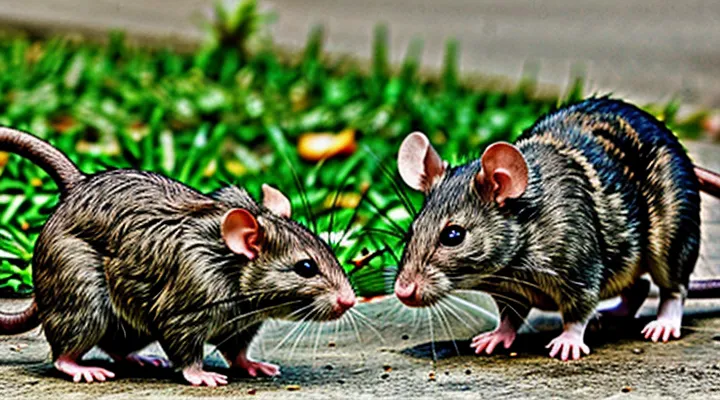
Understanding Rat Behavior
The Instinct to Eat
Rats possess a hard‑wired drive to acquire nutrients, regulated by hypothalamic nuclei that integrate hormonal signals (leptin, ghrelin) and peripheral feedback from the gastrointestinal tract. Sensory inputs—taste, smell, texture—trigger neural pathways that initiate mastication and swallowing, ensuring survival under normal conditions.
When a rat declines offered food, the underlying instinct to eat is overridden by physiological or environmental cues. Common mechanisms include:
- Illness or pain – inflammation releases cytokines that suppress appetite; dental injury impedes chewing.
- Stress response – activation of the hypothalamic‑pituitary‑adrenal axis elevates corticosterone, reducing feeding motivation.
- Conditioned taste aversion – association of a specific flavor with nausea (e.g., after poisoning) leads to avoidance of that food.
- Metabolic imbalance – hyperglycemia or electrolyte disturbances can signal satiety despite caloric deficit.
- Environmental factors – extreme temperature, overcrowding, or poor ventilation increase energy expenditure and alter feeding patterns.
Neurochemical shifts accompany each factor, modulating the activity of orexigenic neurons (NPY/AgRP) and anorexigenic neurons (POMC). When the balance tips toward inhibition, the instinctual urge to eat is temporarily suppressed, resulting in refusal of food.
Factors Influencing Food Acceptance
Olfactory Cues
Rats rely heavily on smell to assess the safety and nutritional value of potential meals. When volatile compounds in food signal contamination, predator presence, or unfamiliarity, the animal often rejects the item before ingestion.
Olfactory receptors in the nasal epithelium bind specific odorants. Binding triggers signals that travel via the olfactory bulb to the amygdala and hypothalamus, regions that integrate threat assessment and feeding drive. Activation of these pathways can suppress appetite even if the food is otherwise palatable.
Key olfactory factors that trigger refusal include:
- Predator-derived volatiles such as fox urine or feline pheromones; detection elicits a fear response that overrides hunger.
- Decomposition markers like putrescine, cadaverine, or sulfide gases; these indicate spoilage and are linked to avoidance behaviors.
- Novel or chemically altered scents resulting from preservatives or synthetic flavorings; unfamiliar odors reduce exploratory feeding.
- Stress-related conspecific cues (e.g., alarm pheromones released by distressed rats); these convey environmental danger and suppress feeding.
Experimental evidence shows that blocking olfactory input with zinc sulfate or lesioning the olfactory bulb restores food acceptance in situations where normal rats would refuse. Conversely, presenting a neutral food item with added predator odor reduces consumption by up to 80 % within minutes.
Understanding the olfactory mechanisms behind food rejection informs laboratory housing practices, pest management, and the design of rodent diets that avoid inadvertent aversive cues.
Taste Perception
Taste perception in rats relies on a set of specialized gustatory receptors located on the tongue, palate, and epiglottis. Each receptor cell expresses proteins that bind specific chemical groups, generating electrical signals transmitted via the facial, glossopharyngeal, and vagus nerves to the brainstem.
When a compound activates bitter‑sensing receptors, the resulting neural signal is interpreted as aversive. Rats rapidly reject food containing high concentrations of alkaloids, terpenes, or other bitter substances. This immediate response prevents ingestion of potentially toxic material.
The signal reaches the nucleus of the solitary tract, then projects to the parabrachial nucleus and the gustatory cortex. Parallel pathways convey the information to the amygdala and hypothalamus, where affective and motivational components are integrated. Elevated activity in these regions correlates with reduced feeding behavior.
Factors that can cause a rat to refuse food through altered taste perception include:
- Elevated levels of bitter compounds that exceed detection thresholds.
- Genetic variations reducing sensitivity to sweet or umami stimuli, shifting preference away from nutritionally valuable foods.
- Prior exposure to a toxin paired with a specific flavor, producing a conditioned taste aversion.
- Inflammatory changes in the oral cavity that diminish receptor function, leading to ambiguous taste signals.
- Pharmacological agents that block or desensitize taste receptors, masking palatability cues.
Texture Preferences
Rats rely on tactile cues to evaluate edible material. The whisker‑rich snout and oral mechanoreceptors detect surface hardness, granularity, and moisture. When these cues diverge from the animal’s learned preferences, ingestion may cease.
Research shows that laboratory rats preferentially select soft, pliable pellets over coarse, dry crumbs. In a two‑choice test, subjects consumed 78 % more of a moist mash than of a brittle wafer, despite identical caloric content. The preference persisted after repeated exposure, indicating a stable sensory bias rather than transient hunger.
Key factors influencing texture acceptance include:
- Hardness: Excessive firmness triggers a bite‑force response that exceeds the rat’s comfortable range, leading to rejection.
- Granularity: Large particles create uneven pressure on the palate, causing discomfort and reduced chewing efficiency.
- Moisture level: Low water activity results in a dry mouthfeel, while moderate moisture enhances lubrication and palatability.
- Temperature: Cold, rigid foods are less attractive than warm, supple items, reflecting the rat’s thermosensory integration.
Neurophysiological data link these behaviors to the trigeminal system, which transmits tactile information to the somatosensory cortex. Activation patterns differ markedly between preferred soft textures and avoided hard textures, confirming a direct sensory basis for food selection.
Practical implications for rodent husbandry and experimental design are clear. Providing diet items that match the species’ texture preferences minimizes refusal rates, stabilizes intake, and reduces stress‑related variables in behavioral studies. Adjusting pellet composition, adding moisture, or offering finely ground alternatives can mitigate texture‑driven avoidance.
Common Reasons for Food Refusal
Health-Related Issues
Illness and Pain
Rats that stop eating often do so because of physiological distress. Illness and pain disrupt normal feeding patterns by altering appetite signals, impairing digestive function, and prompting avoidance of activity that could worsen discomfort.
Common medical conditions that cause anorexia in rats include:
- Gastrointestinal infections (e.g., Salmonella, Clostridium spp.) that produce nausea, abdominal cramping, and diarrhea.
- Respiratory diseases (e.g., Mycoplasma pulmonis, viral pneumonia) that create fever and reduced oxygen intake, lowering hunger.
- Metabolic disorders such as diabetes mellitus, renal failure, or hepatic insufficiency, which generate toxin buildup and systemic weakness.
- Dental problems, including overgrown incisors or periodontal disease, which generate oral pain during mastication.
- Musculoskeletal injuries or arthritis that limit movement, making the effort to locate and consume food painful.
Pain receptors in the gastrointestinal tract and oral cavity send signals to the hypothalamus, suppressing the release of orexigenic neuropeptides. Simultaneously, inflammatory cytokines (IL‑1β, TNF‑α) act on the brain’s feeding centers, further decreasing desire to eat. When these pathways are activated, the animal conserves energy by reducing food intake, a protective response that can become maladaptive if the underlying cause remains untreated.
Early detection relies on observing weight loss, reduced grooming, lethargy, and changes in stool consistency. Veterinary assessment should include physical examination, complete blood count, serum chemistry, and imaging when indicated. Prompt treatment of infection, pain management with appropriate analgesics, and correction of metabolic imbalances restore normal feeding behavior and prevent secondary complications such as cachexia.
Dental Problems
Rats rely on continuously growing incisors to gnaw and process food. When tooth length exceeds normal limits, the animal may be unable to bite effectively, leading to refusal of meals.
Typical dental disorders that cause loss of appetite include:
- Overgrown incisors (malocclusion) that prevent proper closure of the jaws.
- Dental abscesses or pulp infections that produce pain during chewing.
- Periodontal disease causing inflammation of the gums and tooth loss.
- Trauma or fractures that impair bite mechanics.
Symptoms often appear as reduced food intake, drooling, weight loss, and visible changes in tooth shape. Examination of the oral cavity, radiographs, and assessment of chewing behavior confirm the diagnosis.
Treatment involves trimming overgrown teeth, draining or removing abscesses, administering appropriate antibiotics, and providing softened diets during recovery. Regular dental checks prevent recurrence and maintain normal feeding behavior.
Stress and Anxiety
Rats exposed to chronic stressors frequently exhibit reduced food intake, a behavior commonly interpreted as stress‑induced anorexia. Elevated corticosterone levels, triggered by activation of the hypothalamic‑pituitary‑adrenal (HPA) axis, suppress appetite‑stimulating neuropeptide Y (NPY) pathways while enhancing the release of corticotropin‑releasing factor (CRF), a potent appetite inhibitor. Simultaneously, anxiety‑related circuits in the amygdala modulate feeding centers, producing avoidance of food sources even when energy demands are high.
Key physiological responses linking stress and anxiety to food refusal include:
- Increased plasma corticosterone, diminishing gastric motility and delaying satiety signaling.
- Up‑regulation of CRF receptors in the brainstem, directly reducing feeding drive.
- Suppression of NPY and agouti‑related peptide (AgRP) expression, lowering hunger cues.
- Heightened activity of the ventral tegmental area, shifting reward valuation away from nutritional intake toward threat assessment.
Experimental data demonstrate that rats subjected to unpredictable mild stressors—such as intermittent light exposure or brief handling—show a rapid decline in daily chow consumption, often persisting beyond the stress period. Pharmacological blockade of CRF receptors or administration of anxiolytic agents restores normal feeding patterns, confirming the causal role of stress‑related neurochemical changes. Consequently, stress and anxiety constitute primary drivers of food refusal in rodent models, with implications for interpreting behavioral outcomes in biomedical research.
Environmental Factors
Unfamiliarity with Food
Rats often decline novel food items because the sensory profile does not match their established expectations. When an unfamiliar odor or texture is detected, the animal’s olfactory and gustatory systems trigger a cautious response, reducing the likelihood of ingestion. This behavior protects against potential toxins and supports survival in environments where food sources vary.
Key mechanisms underlying refusal of new food:
- Sensory mismatch – unfamiliar scent or taste fails to activate learned neural pathways associated with safe nutrition.
- Risk assessment – heightened vigilance prompts the rat to observe the food before approaching, delaying or preventing consumption.
- Previous experience – if past encounters with unknown foods resulted in adverse effects, the animal develops a generalized avoidance pattern.
- Social cues – lack of conspecific interaction with the item removes a source of reassurance, reinforcing hesitation.
Laboratory observations confirm that repeated exposure to a novel food, paired with positive reinforcement, gradually diminishes avoidance. Without such conditioning, the default response remains refusal, reflecting an innate bias toward familiar sustenance.
Presence of Predators
Rats detect predator presence through scent, sound, and movement, then modify feeding behavior to minimize exposure. When cues indicate a threat, individuals prioritize safety over energy intake, often abandoning accessible food sources.
The response involves rapid activation of the sympathetic nervous system, release of catecholamines, and heightened vigilance. These physiological changes suppress appetite, increase locomotor activity, and reduce time spent near potential food.
Typical predator cues that trigger food refusal include:
- Fecal or urine marks from carnivores
- Vocalizations or rustling associated with predators
- Visual silhouettes or rapid movements nearby
- Direct contact with predator tracks or hides
Repeated exposure to such cues can lead to long‑term changes in foraging patterns, with rats selecting locations that offer concealment and reduced predator detection.
Contamination or Spoilage
Rats reject food when it shows signs of contamination or spoilage. Their olfactory and gustatory systems detect volatile compounds produced by bacterial degradation, fungal growth, or chemical pollutants. When these cues exceed physiological thresholds, intake stops to avoid ingesting toxins.
Common indicators of unsafe food for rodents include:
- Sour or putrid odor indicating bacterial fermentation.
- Visible mold colonies, especially green or black varieties that generate mycotoxins.
- Slimy texture caused by proteolytic breakdown.
- Discoloration or browning that reflects oxidative rancidity.
- Presence of chemicals such as pesticides, cleaning agents, or heavy metals.
The underlying mechanisms involve:
- Microbial metabolites – compounds like histamine, cadaverine, and indole trigger aversive taste receptors.
- Mycotoxins – aflatoxin and ochratoxin bind to neural receptors, producing immediate rejection.
- Lipid oxidation – peroxides and aldehydes create off‑flavors that rats perceive as harmful.
- Chemical residues – irritants activate trigeminal nerve endings, prompting avoidance.
If a rat repeatedly refuses a particular batch of food, the most probable cause is one or more of these contamination factors. Removing the offending source and providing fresh, uncontaminated feed restores normal consumption patterns.
Social Dynamics
Dominance Hierarchies
Rats organize themselves into linear or nested dominance structures that dictate access to limited resources. When a food source is introduced, higher‑ranking individuals typically claim the most favorable positions, while lower‑ranking members may be displaced or experience heightened stress. This social pressure can lead to temporary refusal of the offered food.
Dominant control is exercised through:
- Physical displacement of subordinates from the feeding area.
- Aggressive signaling that signals ownership of the resource.
- Elevated corticosterone levels in suppressed rats, which suppress appetite.
Subordinate rats often exhibit:
- Delayed approach to the food dish.
- Reduced consumption when the dominant individual is present.
- Increased latency to resume eating after the dominant leaves the vicinity.
Understanding these dynamics informs experimental design and animal welfare. Providing multiple feeding stations, separating individuals by rank, or timing food delivery to periods of reduced dominance activity can mitigate food refusal linked to hierarchical stress.
Group Foraging Habits
Rats that reject offered food often do so because the behavior of their peers influences individual choices. In groups, foraging decisions are shaped by social hierarchy, information sharing, and risk assessment, which can lead a subordinate or cautious individual to decline a novel or contested item.
Key mechanisms linking group foraging to food refusal include:
- Dominance pressure: dominant rats secure preferred resources, leaving lower‑ranking members with limited access and prompting avoidance of contested foods.
- Social learning: observers adopt the eating habits of experienced conspecifics; if peers reject a particular item, newcomers are likely to follow suit.
- Disease avoidance: communal grooming and close contact increase pathogen transmission; rats may collectively shun foods associated with illness cues.
- Competition intensity: high density elevates competition, causing individuals to prioritize safety over immediate intake and to reject uncertain food sources.
- Environmental cues: scent marks left by group members convey information about food safety; negative markers trigger refusal.
Understanding these dynamics clarifies why a rat might turn away from a presented morsel. The decision reflects an adaptive response to the social context rather than a simple lack of appetite, highlighting the importance of collective foraging patterns in shaping individual feeding behavior.
Introduction of New Rats
Introducing unfamiliar rats into an established colony creates a disruption that can trigger a sudden decline in food intake. New individuals often bring unknown scents, altered hierarchy dynamics, and unfamiliar social cues, each of which can provoke stress responses in resident rats. The stress response activates the hypothalamic‑pituitary‑adrenal axis, releasing cortisol and catecholamines that suppress appetite and modify gastrointestinal motility.
Key factors that contribute to reduced feeding after a new rat joins the group include:
- Territorial re‑establishment – dominant rats may assert control over feeding stations, limiting access for newcomers and causing hesitation in all members.
- Scent confusion – exposure to unfamiliar pheromones can impair the recognition of safe food sources, prompting avoidance.
- Social instability – frequent aggressive encounters raise vigilance levels, diverting focus from foraging to self‑preservation.
Effective mitigation relies on controlled integration procedures:
- Quarantine period – isolate new rats for 7‑10 days to monitor health and reduce immediate scent exchange.
- Gradual exposure – place partitioned cages side‑by‑side, allowing visual and olfactory acclimation without direct contact.
- Multiple feeding locations – distribute identical food dishes throughout the enclosure to prevent monopolization and encourage exploration.
- Environmental enrichment – provide nesting material and hiding spots to lower overall stress and promote natural foraging behavior.
Implementing these steps restores normal feeding patterns promptly, preventing prolonged nutritional deficits and supporting colony stability.
Interpreting Rat Food Refusal
Behavioral Observations
Changes in Activity Level
When a rat stops eating, its pattern of movement often shifts noticeably. A decline in locomotor activity, such as reduced exploration of the cage and fewer bouts of climbing, commonly signals discomfort or metabolic distress. Conversely, sudden bursts of frantic pacing or repetitive stereotypic circling may indicate anxiety or neurological irritation that interferes with normal feeding behavior.
Monitoring activity provides a practical indicator of underlying problems. Typical observations include:
- Persistent immobility or prolonged resting periods.
- Decreased grooming and reduced interaction with enrichment items.
- Irregular, high‑frequency pacing along the cage walls.
- Repetitive head‑shaking or compulsive gnawing without food intake.
These behavioral changes, recorded alongside body weight and clinical signs, help differentiate between physiological illness, pain, stress, or neurological dysfunction as the drivers of food refusal. Early detection of altered activity levels enables timely intervention and improves the likelihood of restoring normal intake.
Other Symptoms of Distress
When a rodent declines to eat, distress often manifests through additional observable changes. These alterations provide essential clues for diagnosing underlying problems and guiding intervention.
- Reduced grooming or excessive self‑cleaning, indicating discomfort or pain.
- Lethargy, prolonged periods of inactivity, or reluctance to explore the enclosure.
- Hunched posture, flattened ears, or a tucked tail, reflecting anxiety or illness.
- Vocalizations such as high‑pitched squeaks when approached, suggesting heightened stress.
- Abnormal excretory patterns, including diarrhea, frequent urination, or the presence of blood in stool.
- Aggressive or defensive behavior toward handlers, a sign of heightened irritability.
- Weight loss measured over consecutive days, confirming inadequate nutrient intake.
Monitoring these signs alongside food refusal enables a comprehensive assessment of the animal’s health status and informs timely veterinary care.
Interaction with Environment
Rats assess food through continuous interaction with their surroundings. Visual, olfactory, and tactile signals inform decisions about edibility; unfamiliar colors, strong odors, or textures can trigger avoidance. When environmental cues suggest contamination—such as the presence of chemical residues, spoiled matter, or predator scents—rats often reject the offering to reduce exposure to harmful agents.
Key environmental factors influencing refusal include:
- Presence of toxic substances (pesticides, heavy metals, cleaning agents) detected by chemosensory receptors.
- Altered habitat conditions (excessive noise, lighting changes, unfamiliar nesting sites) that elevate stress hormones and suppress appetite.
- Competition with conspecifics, where dominant individuals monopolize resources, leaving subordinates to decline available food.
- Seasonal shifts that modify metabolic needs, prompting selective intake aligned with energy requirements.
These interactions illustrate a rat’s adaptive strategy: by integrating sensory data, physiological state, and social context, the animal prioritizes survival over immediate consumption.
When to Seek Professional Advice
Persistent Refusal
Rats may repeatedly reject offered food despite hunger, a behavior known as persistent refusal. This pattern often signals underlying physiological or environmental disturbances rather than simple preference.
Common drivers of continuous food avoidance include:
- Gastrointestinal distress (ulcers, infections, inflammation) that creates aversion to ingestion.
- Neurological impairment (damage to olfactory or gustatory pathways) reducing the ability to recognize edible cues.
- Metabolic disorders such as hypoglycemia or hyperthyroidism, which alter appetite regulation.
- Exposure to toxic substances or contaminated feed, leading to learned avoidance.
- Stressful housing conditions (overcrowding, loud noises, inadequate nesting material) that suppress feeding drive.
When persistent refusal is observed, immediate assessment should focus on health examinations, environmental audits, and feed quality checks. Corrective actions—medical treatment, enrichment improvements, or diet replacement—typically restore normal consumption within a short period.
Rapid Weight Loss
Rapid weight loss in laboratory or pet rats often signals an underlying health issue that can lead to food aversion. When a rat loses body mass quickly, the physiological stress disrupts normal appetite regulation, prompting the animal to reject food even when it is readily available.
Possible causes of abrupt weight decline include:
- Infectious diseases such as bacterial sepsis or viral infections that increase metabolic demand and cause gastrointestinal discomfort.
- Metabolic disorders like hyperthyroidism or uncontrolled diabetes, which accelerate energy expenditure and diminish hunger signals.
- Organ dysfunction particularly hepatic or renal failure, resulting in toxin accumulation that suppresses feeding behavior.
- Pain or injury affecting the oral cavity, teeth, or gastrointestinal tract, making ingestion physically unpleasant.
- Environmental stressors including extreme temperatures, overcrowding, or sudden changes in lighting that elevate cortisol levels and suppress appetite.
Physiological consequences of rapid weight loss reinforce food refusal. Depletion of adipose reserves reduces leptin production, altering hypothalamic pathways that normally stimulate feeding. Concurrent muscle catabolism releases nitrogenous waste, potentially leading to uremia, which further diminishes desire to eat. Dehydration, common in fast‑losing rats, concentrates blood solutes, creating a sensation of fullness that discourages food intake.
Management requires immediate identification of the underlying factor. Diagnostic steps typically involve:
- Physical examination for signs of trauma, dental problems, or external parasites.
- Blood panel assessing glucose, thyroid hormones, liver enzymes, and renal markers.
- Imaging (radiography or ultrasound) to detect internal organ pathology.
- Microbial cultures when infection is suspected.
Therapeutic interventions focus on stabilizing body weight: provision of high‑calorie, easily digestible formulas; analgesics for pain; antimicrobial agents for infection; and environmental modifications to reduce stress. Monitoring weight daily ensures that the rat’s nutritional status improves, thereby restoring normal feeding behavior.
Signs of Injury
Rats that stop eating often exhibit physical signs indicating injury. Recognizing these indicators allows caretakers to intervene promptly and prevent further health decline.
- Visible wounds, swelling, or bruising on limbs, tail, or torso.
- Limping or favoring one leg, accompanied by reduced movement.
- Reluctance to climb or explore, suggesting pain when bearing weight.
- Abnormal posture, such as a hunched back or tucked abdomen.
- Excessive grooming of a specific area, which may mask underlying trauma.
- Bleeding from the mouth, nose, or ears, pointing to internal or facial injury.
- Rapid breathing or shallow breaths, reflecting discomfort or shock.
Additional observations support the assessment of injury‑related anorexia. A rat that isolates itself, shows reduced activity, or displays signs of distress when handled is likely experiencing pain. Palpation of the body for tenderness, combined with monitoring of weight loss, provides objective data for diagnosis. Immediate veterinary evaluation is warranted when any of these signs appear, as untreated injuries can quickly lead to severe metabolic disturbances and mortality.