
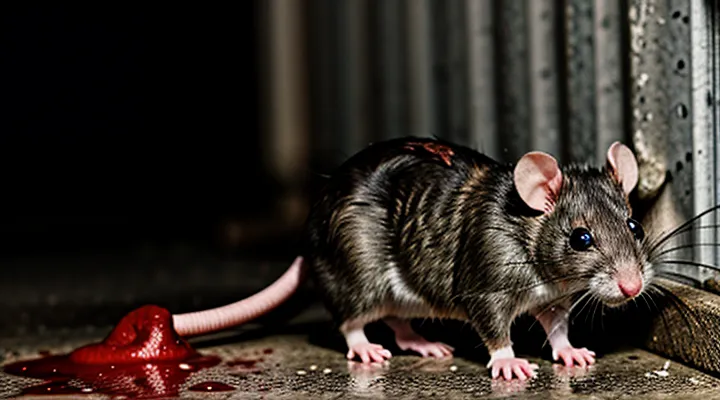
Understanding the Phenomenon: Porphyrin and Its Appearance
What is Porphyrin?
Composition and Normal Function
The rat eye consists of a transparent cornea, a fibrous sclera, a thin conjunctival membrane, and a vascularized uveal tract (iris, ciliary body, choroid). The conjunctiva and sclera contain a dense capillary network that supplies oxygen and nutrients to peripheral ocular tissues. The iris houses arterial and venous channels that regulate blood flow to the posterior segment. The choroid, the most vascular layer, delivers blood to the retina and maintains thermal stability.
Normal ocular function relies on these structures to protect the globe, focus light, and sustain retinal metabolism. The cornea provides a refractive surface while remaining avascular to preserve clarity. The sclera offers structural support and anchors extraocular muscles. The conjunctiva produces mucus and tears, facilitating lubrication and barrier protection. The uveal vasculature maintains intraocular pressure, supplies the retina, and removes metabolic waste.
Key components of the ocular blood supply:
- Central retinal artery: enters the optic nerve, branches within the retina.
- Ciliary arteries: feed the iris and ciliary body, support aqueous humor production.
- Choroidal vessels: form a dense plexus beneath the retina, deliver nutrients.
- Conjunctival capillaries: line the outer eye surface, contribute to tear film stability.
Under physiological conditions, blood remains confined to these vessels. Disruption of vascular integrity, such as trauma or hypertension, can cause blood to appear in the conjunctival sac or tear film, manifesting as ocular hemorrhage.
Production in Rodents
Rats occasionally present with blood leaking from the ocular surface, a condition identified as ocular hemorrhage. The phenomenon is relevant to biomedical research because it may indicate underlying systemic or localized pathology that can confound experimental outcomes.
Rodent ocular tissues depend on continuous vascular production. Angiogenic signaling drives formation of retinal and choroidal vessels, while hematopoietic activity supplies red blood cells, platelets, and clotting factors. The balance between vascular growth and hemostatic capacity determines the integrity of ocular microcirculation.
Typical triggers of ocular hemorrhage include:
- Mechanical injury to the eye or surrounding facial structures
- Bacterial or viral infection causing inflammation of ocular vessels
- Neoplastic growth disrupting normal vasculature
- Hypertensive episodes increasing capillary pressure
- Coagulation deficiencies reducing clot formation
In rats, hematopoietic organs such as the bone marrow generate blood components at a rapid rate. Elevated platelet turnover or abnormal platelet function can impair clot formation at the site of microvascular rupture, facilitating blood escape into the eye. Similarly, excessive erythropoiesis may raise blood viscosity, promoting capillary stress and leakage.
Recognizing the production dynamics that predispose rats to ocular bleeding enables researchers to adjust husbandry, select appropriate strains, and implement preventive monitoring. Early detection of ocular hemorrhage reduces the risk of misinterpreting experimental data and improves animal welfare.
Why Porphyrin Might Appear Red
Distinguishing Porphyrin from Blood
Rats may appear to have ocular bleeding when they excrete porphyrin, a pigment that stains tear ducts red. Correct identification prevents unnecessary alarm and guides appropriate care.
Porphyrin differs from true hemoglobin blood in several observable characteristics:
- Color: Porphyrin presents as a deep orange‑red hue that darkens to brown as it dries; fresh blood is bright scarlet and retains a glossy sheen.
- Viscosity: Porphyrin secretions are watery, coating the fur and surrounding skin; blood is thicker, clots, and forms discrete droplets.
- Location: Porphyrin originates from the Harderian gland, emerging from the medial canthus and often spreading across the face; hemorrhage typically appears as a localized pool within the conjunctiva or sclera.
- Reaction to pressure: Gentle pressure on the eye or surrounding tissue will not increase porphyrin flow, whereas active bleeding may intensify with manipulation.
- Odor: Porphyrin has a faint, musky smell; blood carries a metallic scent due to iron.
- Microscopic examination: Under a light microscope, porphyrin lacks erythrocytes and shows crystalline aggregates; blood contains red blood cells with characteristic biconcave shape.
When evaluating a rat with red ocular discharge, apply these criteria before concluding that a hemorrhagic event has occurred. Accurate distinction informs whether the animal requires medical intervention for trauma or merely environmental and health adjustments to reduce stress‑induced porphyrin secretion.
Factors Influencing Porphyrin Coloration
Rats commonly excrete porphyrins from the Harderian gland, a secretory tissue located behind the eye. Porphyrins contain a reddish pigment that can be mistaken for blood when they appear on the ocular surface. The intensity and hue of this secretion depend on several variables.
- Hormonal status: Elevated corticosterone levels increase glandular activity, leading to greater pigment release.
- Nutritional balance: Deficiencies in vitamin A or essential fatty acids reduce tear film stability, causing the gland to overproduce porphyrins.
- Environmental stressors: High ambient temperature, low humidity, and exposure to bright light stimulate reflex tearing, which mixes with porphyrin output.
- Infection or injury: Bacterial colonization of the ocular region or trauma to the surrounding tissue provokes inflammatory responses that amplify pigment secretion.
- Genetic predisposition: Certain strains exhibit naturally higher Harderian gland mass, resulting in baseline elevated porphyrin levels.
These factors interact, producing a spectrum of coloration from pale pink to deep red. When a rat displays a conspicuous red discharge from the eye, the underlying cause is often a combination of heightened gland activity and one or more of the listed influences rather than actual hemorrhage. Recognizing the determinants of porphyrin coloration helps differentiate normal physiological secretion from pathological bleeding.
Common Causes of Ocular Discharge in Rats
Stress and Environmental Factors
Overcrowding and Poor Sanitation
Rats that display blood leaking from the eye often suffer from underlying health problems triggered by their living conditions. Overcrowding and inadequate hygiene create environments where injuries and infections arise rapidly, directly affecting ocular tissues.
High population density increases competition for space, food, and nesting material. Frequent physical contact leads to scratches, bites, and abrasions near the face. Repeated trauma to the orbital region can rupture small blood vessels, producing visible bleeding.
Unsanitary conditions promote the growth of bacteria, fungi, and parasites. Pathogens such as Staphylococcus spp. and Pseudomonas spp. colonize the skin and mucous membranes, causing conjunctivitis, keratitis, and ulceration. Inflammatory responses weaken vessel walls, making them prone to rupture. Parasites like mites or lice may infest the periocular area, further irritating tissues and inducing hemorrhage.
Key mechanisms linking crowding and poor sanitation to ocular bleeding:
- Mechanical injury from fights or accidental rubbing against cage bars.
- Rapid spread of infectious agents due to close contact.
- Persistent irritation from waste buildup, leading to chronic inflammation.
- Compromised immune function caused by stress, reducing the rat’s ability to control infections.
Eliminating excess density and maintaining clean bedding, water, and food sources reduces trauma and pathogen load, thereby decreasing the incidence of eye bleeding in laboratory or pet rats.
Changes in Routine and Social Dynamics
Rats that develop hemorrhage around the eye often experience disruptions in daily patterns and alterations in group structure. Sudden modifications to feeding schedules, lighting cycles, or handling frequency increase cortisol levels, which can raise systemic blood pressure and weaken vascular integrity in delicate ocular tissues. Inconsistent cage cleaning or the introduction of unfamiliar objects creates environmental stress that predisposes the animal to accidental self‑injury or heightened sensitivity to minor abrasions.
Shifts in social hierarchy exert comparable pressure. When dominant individuals are removed or new rats are introduced, subordinate members may experience increased aggression, leading to bite wounds or scratches near the orbit. Overcrowding reduces available retreat space, prompting frequent clashes and repeated trauma to the eye region. Isolation removes social buffering, causing chronic stress that compromises immune function and delays wound healing, allowing minor injuries to progress to visible bleeding.
Key factors linking routine and social changes to ocular hemorrhage:
- Irregular feeding or water access → metabolic stress, vascular fragility.
- Variable light exposure → circadian disruption, hormonal imbalance.
- Frequent handling or cage rearrangement → heightened arousal, accidental eye contact.
- Introduction or removal of dominant rats → escalated fighting, direct orbital trauma.
- Overcrowded housing → increased competition, repeated minor injuries.
- Prolonged solitary housing → chronic stress, impaired tissue repair.
Addressing these variables by stabilizing schedules, maintaining consistent lighting, limiting unnecessary cage disturbances, and monitoring group composition reduces the incidence of eye bleeding. Consistent routine and balanced social environment support vascular health and minimize trauma, directly influencing the likelihood of ocular hemorrhage in laboratory and pet rats.
Illnesses and Infections
Upper Respiratory Infections (URIs)
Rats that exhibit blood discharge from the eye often suffer from severe inflammation of the upper respiratory tract. Viral or bacterial agents infect the nasal passages and sinuses, producing edema that extends to the nasolacrimal duct. Pressure buildup forces blood‑tinged fluid into the conjunctival sac, resulting in visible bleeding.
Key aspects of upper respiratory infections in rodents include:
- Rapid onset of nasal discharge, sneezing, and labored breathing.
- Swelling of the nasal turbinates and obstruction of the lacrimal drainage system.
- Hemorrhagic conjunctivitis caused by rupture of fragile capillaries under increased pressure.
- Fever, lethargy, and reduced food intake as systemic signs.
Diagnosis relies on clinical observation, otoscopic examination, and laboratory identification of pathogens from nasal swabs. Imaging may reveal sinus involvement and ductal blockage.
Effective management combines antimicrobial therapy targeted to the identified organism, anti‑inflammatory medication to reduce mucosal swelling, and supportive care such as humidified environments and fluid supplementation. Early intervention prevents progression to chronic sinusitis and minimizes the risk of irreversible ocular damage.
Symptoms Beyond Ocular Discharge
Rats that exhibit blood leaking from the eye often show additional clinical signs that help identify the underlying problem. Systemic manifestations may include lethargy, reduced appetite, and weight loss, indicating that the condition is not confined to the ocular region. Respiratory changes such as rapid breathing or nasal discharge suggest involvement of the upper airway or a systemic infection. Dermatological observations can reveal crusted lesions, alopecia, or ulcerated skin, pointing to a possible infectious or immune-mediated process.
Neurological disturbances frequently accompany ocular hemorrhage. Signs encompass tremors, unsteady gait, or head tilting, which may reflect central nervous system involvement or toxin exposure. Behavioral alterations, including aggression or excessive grooming of the affected eye, often accompany discomfort and can exacerbate tissue damage.
A concise list of common accompanying symptoms:
- Lethargy and decreased activity
- Anorexia and progressive weight loss
- Nasal or oral discharge
- Skin lesions, crusting, or hair loss
- Rapid or labored breathing
- Tremors, ataxia, or head tilt
- Increased grooming or self‑mutilation of the eye
These findings, when evaluated together, guide veterinarians toward differential diagnoses such as bacterial or viral infections, trauma, systemic coagulopathies, or toxic exposures, and inform appropriate diagnostic testing and treatment plans.
Impact on Tear Ducts
Ocular bleeding in rats directly interferes with the lacrimal apparatus. Blood entering the conjunctival sac can block the puncta, reducing tear outflow and causing excessive tearing on the opposite side of the eye. Accumulated fluid increases intra‑orbital pressure, which may stretch the canaliculi and impair their contractile function.
The presence of blood also alters the composition of tears. Hemoglobin and plasma proteins dilute the normal electrolyte balance, diminishing antimicrobial activity and raising the risk of secondary infection. Irritation of the lacrimal gland can suppress secretion, leading to dry‑eye conditions that further compromise corneal health.
Key consequences for the tear‑duct system include:
- Obstruction of punctal openings, limiting drainage.
- Mechanical distortion of canaliculi, affecting peristalsis.
- Altered tear chemistry, reducing protective factors.
- Decreased glandular output, promoting ocular surface desiccation.
- Elevated susceptibility to bacterial colonization.
These effects collectively exacerbate ocular pathology, prolong healing, and may serve as diagnostic indicators of underlying trauma or vascular disorders in laboratory rodents.
Eye Injuries and Irritations
Rats may exhibit blood-tinged discharge from the ocular region when the eye experiences trauma or irritation. Recognizing the underlying cause is essential for effective intervention.
Common sources of ocular injury include:
- Mechanical trauma from cage equipment, bedding, or handling
- Self‑inflicted scratches during aggressive grooming
- Penetrating foreign bodies such as dust or bedding fibers
- Bite wounds from conspecifics or predators
Irritative conditions that can produce hemorrhagic discharge are:
- Chemical exposure to cleaning agents, aerosols, or pesticides
- Bacterial, viral, or fungal infections affecting the conjunctiva or cornea
- Allergic reactions to food, bedding, or environmental allergens
- Chronic dry eye leading to epithelial breakdown and micro‑bleeding
Typical clinical signs:
- Redness and swelling of the eyelids and peri‑ocular tissue
- Blood‑stained tear fluid or crusted discharge
- Photophobia, reduced activity, or altered feeding behavior
- Visible corneal lesions or ulcerations upon examination
Diagnostic approach:
- Direct visual inspection with magnification
- Fluorescein staining to identify corneal defects
- Cytology or culture of discharge for infectious agents
- Radiography or ultrasound if deeper orbital involvement is suspected
Therapeutic measures:
- Gentle flushing of the ocular surface with sterile saline
- Topical broad‑spectrum antibiotic ointment applied twice daily
- Non‑steroidal anti‑inflammatory eye drops to reduce swelling
- Systemic analgesics for pain control when needed
- Monitoring for resolution; repeat examination if hemorrhage persists beyond 48 hours
Preventive strategies:
- Use chew‑resistant cage accessories and low‑dust bedding
- Implement gentle handling techniques to avoid accidental trauma
- Maintain strict hygiene; clean cages with rodent‑safe disinfectants
- Provide adequate ventilation and humidity to reduce irritant exposure
- Conduct regular health checks to detect early signs of ocular distress.
Scratches and Foreign Objects
Rats that present with blood leaking from the eye frequently suffer from external trauma to the ocular surface. Direct contact with sharp objects or abrasive surfaces can breach the delicate conjunctival and corneal tissues, leading to immediate hemorrhage.
Common sources of scratches include:
- Cage bars or wire mesh that are improperly spaced.
- Grooming tools or handling equipment with rough edges.
- Aggressive interactions with conspecifics that result in bite‑induced lacerations.
When a scratch penetrates the conjunctiva, capillary vessels rupture, releasing blood that may pool in the anterior chamber or drip onto the eyelid margin. The bleeding is often accompanied by localized swelling, redness, and aversion to light.
Foreign bodies such as dust particles, hair fragments, or small pieces of bedding can become lodged in the tear film or embed in the corneal epithelium. Their presence irritates the ocular surface, provoking inflammation and vascular leakage. If the object is sharp, it can create a micro‑tear that quickly progresses to a bleeding episode.
Typical foreign‑object scenarios involve:
- Accidental entry of bedding fibers during cage cleaning.
- Inhaled particulate matter from dusty environments.
- Fragments of plastic or glass introduced during experimental procedures.
Both scratches and embedded debris compromise the integrity of ocular tissues, disrupt normal tear dynamics, and trigger bleeding. Prompt examination with a slit‑lamp or magnifying lens allows identification of the offending agent. Removal of the irritant and application of topical antibiotics or anti‑inflammatory drops reduce the risk of infection and promote healing. In severe cases, suturing of corneal lacerations may be required to restore structural stability and prevent recurrent hemorrhage.
Allergic Reactions
Rats can develop ocular hemorrhage when an allergic response triggers inflammation of the conjunctival and scleral vessels. Histamine release during an IgE‑mediated reaction increases vascular permeability, allowing blood to leak into the peri‑ocular tissues. Mast cell degranulation also produces prostaglandins and leukotrienes, which further dilate capillaries and compromise vessel integrity.
Key mechanisms linking allergy to eye bleeding include:
- Histamine‑induced vasodilation – expands vessel diameter, reduces wall tension, and promotes leakage.
- Proteolytic enzyme activation – enzymes such as tryptase degrade extracellular matrix, weakening vessel support.
- Cytokine‑driven inflammation – interleukin‑4 and interleukin‑13 recruit eosinophils that release toxic granules, damaging endothelial cells.
- Elevated systemic IgE levels – sustain chronic hypersensitivity, maintaining a state of heightened vascular fragility.
Experimental models demonstrate that exposure to common rodent allergens (e.g., dust mite protein, pollen extracts) can reproduce these effects within 24–48 hours. Antihistamine treatment or mast‑cell stabilizers reduce the incidence of ocular bleeding, confirming the causal relationship.
In practice, observing blood discharge from a rat’s eye should prompt assessment for allergic exposure, thorough examination of the ocular surface, and consideration of anti‑allergic therapy to prevent recurrence.
Nutritional Deficiencies
Vitamin A Deficiency
Vitamin A deficiency disrupts the integrity of ocular tissues, making blood leakage from the eye a common manifestation in laboratory rats. The nutrient is essential for the maintenance of the conjunctival epithelium, retinal photoreceptors, and the vascular basement membrane. When intake falls below physiological levels, epithelial keratinization intensifies, goblet‑cell loss reduces mucous protection, and the underlying capillaries become fragile.
The weakened capillary walls rupture under normal intra‑ocular pressure, allowing blood to escape through the conjunctiva or cornea. Simultaneous loss of mucopolysaccharides impairs tear film stability, further exposing vessels to mechanical stress. The result is observable hemorrhage that may appear as a stream of blood from the ocular surface.
Typical findings in affected rats include:
- Conjunctival hyperemia and ulceration
- Corneal opacity with hemorrhagic spots
- Retinal degeneration and neovascularization
- Reduced tear production and dry eye signs
These symptoms often emerge within weeks of a diet lacking retinol or β‑carotene. Replenishing vitamin A restores epithelial differentiation, stabilizes vascular structures, and halts bleeding. Consequently, ocular hemorrhage in rats serves as a reliable indicator of inadequate vitamin A status and underscores the nutrient’s critical role in eye health.
Other Dietary Imbalances
Rats that present ocular hemorrhage often suffer from nutritional deficiencies that extend beyond vitamin A insufficiency. Several dietary imbalances can compromise vascular integrity in the eye and precipitate bleeding.
- Excessive sodium chloride – High salt intake elevates systemic blood pressure, strains retinal vessels, and may cause rupture in delicate ocular capillaries.
- Insufficient omega‑3 fatty acids – Deficiency reduces anti‑inflammatory mediators, destabilizes endothelial cell membranes, and heightens susceptibility to microvascular leakage.
- Imbalanced calcium‑phosphorus ratio – Over‑supplemented calcium coupled with low phosphorus impairs bone remodeling and weakens vascular walls, including those of the ocular conjunctiva.
- Copper overload – Elevated copper interferes with collagen cross‑linking, leading to fragile connective tissue and potential hemorrhage in the eye.
- Protein malnutrition – Inadequate essential amino acids limit synthesis of plasma proteins such as albumin, decreasing oncotic pressure and promoting fluid extravasation into ocular tissues.
Correcting these imbalances requires balanced formulations that meet established rodent nutritional standards. Monitoring electrolyte levels, essential fatty acid profiles, trace mineral concentrations, and protein quality can prevent the vascular fragility that results in eye bleeding.
When to Seek Veterinary Attention
Recognizing Concerning Symptoms
Persistent or Excessive Discharge
Persistent or excessive ocular discharge in rats frequently signals an underlying condition that can lead to hemorrhage around the eye. The presence of mucus, serous fluid, or blood indicates irritation, infection, or damage to ocular structures and should prompt immediate veterinary assessment.
Typical causes include:
- Bacterial or fungal keratitis producing purulent exudate that may progress to ulceration and bleeding.
- Viral conjunctivitis, especially adenovirus, generating serous discharge and capillary rupture.
- Traumatic injury to the cornea or sclera, resulting in tear film breakdown and blood leakage.
- Neoplastic growths such as ocular melanomas, which disrupt vascular integrity.
- Systemic disorders like coagulopathies or hypertension, causing spontaneous hemorrhage accompanied by discharge.
Diagnostic protocol starts with a thorough physical examination, followed by slit‑lamp evaluation of the eye, fluorescein staining to detect corneal defects, and cytological analysis of the discharge. Microbial cultures identify infectious agents, while blood work assesses clotting status and systemic disease.
Treatment strategies depend on the identified cause. Antimicrobial eye drops or ointments address bacterial infections; antiviral agents are employed for viral conjunctivitis. Surgical debridement or excision is required for neoplastic lesions. Supportive care, including analgesics and anti‑inflammatory medication, reduces discomfort and limits further vascular damage. In cases of coagulopathy, corrective therapy restores normal clotting function.
Prompt identification and targeted intervention reduce the risk of irreversible ocular damage and stop the progression of blood loss from the eye.
Changes in Eye Appearance
Rats that display blood emanating from the ocular region often show distinct alterations in the visual characteristics of the eye. These modifications serve as visible indicators of underlying pathology and can be grouped into several categories.
- Red or pink discoloration of the sclera, suggesting hemorrhage or vascular rupture.
- Swelling of the eyelid or peri‑ocular tissues, reflecting inflammation or trauma.
- Presence of clear, mucoid, or purulent discharge, indicating infection or ulceration.
- Darkening or blackening of the cornea, signifying necrosis or severe tissue damage.
- Asymmetry between the eyes, such as one eye appearing smaller or deviated, pointing to orbital pressure or tumor growth.
Each change corresponds to specific mechanisms. Hemorrhage typically results from ruptured conjunctival vessels due to blunt force or sudden pressure spikes. Inflammatory swelling arises from immune responses to bacterial invasion or allergic reactions. Discharge composition reveals the type of pathogen or the degree of tissue breakdown. Corneal opacity often follows exposure to toxins or prolonged ischemia. Structural asymmetry may be caused by space‑occupying lesions compressing ocular muscles.
Accurate assessment of these visual signs enables rapid diagnosis, guides therapeutic decisions, and improves the likelihood of successful intervention.
Behavioral Changes and Other Illness Signs
Rats that develop ocular hemorrhage frequently show alterations in routine behavior and additional clinical indicators that point to underlying pathology. Reduced locomotion, hesitancy to explore, and diminished nesting activity suggest discomfort or neurological compromise. Decreased food and water intake, alongside irregular grooming patterns, reflect systemic stress or pain. Social withdrawal, such as avoidance of cage mates or reduced vocalizations, may accompany visual impairment. Respiratory irregularities, including tachypnea or audible wheezing, often coexist with ocular bleeding caused by vascular or infectious disease. Abnormal posture—hunched back, uneven gait, or head tilt—signals vestibular or central nervous system involvement. Skin changes, such as pallor, cyanosis, or petechiae on extremities, indicate circulatory disturbances. Laboratory findings typically reveal anemia, elevated inflammatory markers, or abnormal coagulation profiles, confirming that eye bleeding rarely occurs in isolation.
Diagnostic Procedures
Physical Examination
Physical examination of a rat presenting with ocular hemorrhage focuses on systematic observation, palpation, and documentation. The examiner first assesses the animal’s posture, gait, and overall demeanor to identify signs of systemic distress. Next, the eyes are inspected under adequate illumination; attention is given to the presence, location, and volume of blood, the condition of the cornea, conjunctiva, and sclera, and any discharge or swelling.
Key steps include:
- Visual inspection of both eyes for asymmetry, bruising, or exophthalmos.
- Gentle palpation of the orbital region to detect tenderness, masses, or fluid accumulation.
- Evaluation of pupil size, shape, and reactivity to light, noting any anisocoria or delayed response.
- Examination of the nasal and oral cavities for associated trauma or infection that could contribute to ocular bleeding.
- Assessment of the surrounding fur and skin for abrasions, lacerations, or signs of self‑inflicted injury.
Findings are recorded with precise measurements (e.g., hemorrhage diameter in millimeters) and compared to baseline data for the species. Abnormalities such as elevated intra‑orbital pressure, ruptured vessels, or foreign bodies guide further diagnostic steps, including imaging or laboratory analysis. The physical exam thus provides essential information for determining the underlying cause of the rat’s eye bleeding and directing appropriate treatment.
Laboratory Tests
Laboratory evaluation is essential for identifying the etiology of ocular hemorrhage in a rat. Blood collected from the affected eye, peripheral veins, or cardiac puncture provides material for hematologic and biochemical analysis. Complete blood count reveals anemia, leukocytosis, or thrombocytopenia that may indicate systemic infection, inflammatory disease, or coagulopathy. Serum chemistry profiles detect renal or hepatic dysfunction, electrolyte disturbances, and metabolic abnormalities that could compromise vascular integrity.
Microbiological testing determines the presence of bacterial, viral, or fungal pathogens. Cultures from ocular exudate, blood, and tissue samples should be incubated on selective media, and polymerase chain reaction assays target common rodent pathogens such as Clostridium spp., Streptococcus spp., and herpesvirus. Serologic panels identify antibodies against agents known to cause vasculitis or hemorrhagic syndromes.
Pathology and imaging complement laboratory data. Histopathologic examination of ocular tissue, spleen, liver, and kidney evaluates vasculitis, neoplasia, or traumatic lesions. Immunohistochemistry distinguishes immune-mediated vasculitis from infectious infiltrates. Radiography or ultrasound assesses orbital bone integrity and detects foreign bodies or tumors that may precipitate bleeding.
Key laboratory tests
- Complete blood count with differential
- Serum biochemistry panel (ALT, AST, BUN, creatinine, electrolytes)
- Coagulation profile (PT, aPTT, fibrinogen)
- Blood culture and sensitivity
- PCR panels for rodent-specific pathogens
- Serology for viral and bacterial antibodies
- Histopathology with immunohistochemistry of ocular and systemic tissues
Interpretation of these results, combined with clinical observation, directs appropriate therapeutic intervention and informs preventive measures for colony health.
Treatment Options
Addressing Underlying Conditions
Rats that exhibit ocular hemorrhage often have systemic or local pathologies that require immediate attention. Identifying the root cause is essential for effective intervention and for preventing recurrence.
Common underlying conditions include:
- Trauma to the orbital region or head
- Hypertensive crises leading to retinal vessel rupture
- Coagulopathies such as disseminated intravascular coagulation or vitamin K deficiency
- Infectious agents (e.g., Streptococcus spp., Bordetella bronchiseptica) that produce vasculitis
- Neoplastic growths invading ocular tissues
- Severe metabolic disturbances, notably hypoglycemia or hyperthermia
Diagnostic protocol should comprise:
- Physical examination focusing on facial symmetry, nasal discharge, and gait abnormalities
- Blood panel assessing complete blood count, coagulation times, and electrolyte balance
- Imaging—radiography or computed tomography—to detect fractures, masses, or intracranial pressure changes
- Microbiological cultures when infection is suspected
Therapeutic measures target the primary disorder:
- Stabilize blood pressure with appropriate antihypertensives
- Administer vitamin K or plasma transfusions for clotting deficits
- Initiate broad-spectrum antibiotics pending culture results
- Apply analgesics and anti‑inflammatory drugs to reduce tissue swelling
- Surgically remove tumors or repair traumatic injuries when indicated
Monitoring includes daily ocular inspection, repeat blood work, and adjustment of treatment based on response. Early detection of the underlying pathology markedly improves prognosis and reduces the likelihood of future ocular bleeding episodes.
Supportive Care and Medications
Rats presenting with ocular hemorrhage require immediate stabilization and targeted therapy to prevent secondary damage and promote recovery. Fluid replacement using isotonic crystalloids maintains circulatory volume and supports perfusion of the injured eye. Analgesics such as buprenorphine or meloxicam reduce pain, limiting stress‑induced hypertension that could exacerbate bleeding. Broad‑spectrum antibiotics (e.g., enrofloxacin) administered systemically or as ophthalmic drops prevent bacterial invasion when the corneal surface is compromised. Anti‑inflammatory agents, including corticosteroid eye drops (e.g., prednisolone acetate) or non‑steroidal systemic medication, diminish edema and limit further vascular leakage. Ophthalmic lubricants and sterile saline irrigation keep the ocular surface moist, facilitating epithelial healing and protecting against desiccation.
- Buprenorphine: 0.05 mg/kg subcutaneously every 8–12 hours.
- Meloxicam: 1–2 mg/kg orally or subcutaneously once daily.
- Enrofloxacin ophthalmic solution: one drop in the affected eye every 4 hours.
- Prednisolone acetate 1 % eye drops: one drop every 6 hours, tapering over 7–10 days.
- Artificial tears or hyaluronic acid gel: applied every 2–3 hours to maintain moisture.
Continuous assessment of visual function, intra‑ocular pressure, and systemic signs guides adjustments in therapy. Hematocrit and coagulation profiles should be monitored to detect underlying coagulopathies. If bleeding persists despite medical management, surgical intervention to repair damaged vessels may become necessary. Prompt, comprehensive supportive care combined with appropriate pharmacologic agents maximizes the likelihood of functional ocular recovery in affected rodents.
Prevention and Care
Maintaining a Healthy Environment
Proper Cage Hygiene
Proper cage hygiene directly influences a rat’s ocular health. Accumulated waste, damp bedding, and contaminated food or water create an environment where bacteria and parasites thrive. These pathogens can infect the conjunctiva, cornea, or inner eye structures, leading to inflammation, ulceration, and, in severe cases, bleeding from the eye.
Key hygiene practices include:
- Clean the cage at least once daily; remove soiled bedding, droppings, and uneaten food.
- Replace all bedding material weekly with a dry, absorbent substrate.
- Wash food dishes and water bottles with hot, soapy water; rinse thoroughly before refilling.
- Disinfect the entire cage and accessories weekly using a rodent‑safe solution (e.g., diluted bleach at 1:32 ratio, followed by a complete rinse).
- Inspect the cage for signs of mold, mildew, or condensation; correct ventilation problems immediately.
Signs that hygiene deficiencies are affecting eye health:
- Redness, swelling, or discharge around the eye.
- Crusty or sticky material adhering to the fur near the face.
- Visible blood spots or hemorrhage on the sclera or eyelid.
Preventative steps:
- Maintain a strict cleaning schedule to keep moisture and waste levels low.
- Monitor humidity; keep it between 40‑60 % to discourage fungal growth.
- Separate sick animals promptly to limit pathogen spread.
- Provide fresh, high‑quality food and water to reduce gastrointestinal contamination that can migrate to the eyes.
Consistent implementation of these measures reduces the risk of ocular infections and the associated bleeding that may otherwise appear in rats.
Optimal Temperature and Humidity
Optimal temperature for laboratory rats ranges from 20 °C to 26 °C (68 °F–79 °F). Within this interval, thermoregulatory stress diminishes, preserving vascular integrity in delicate tissues such as the ocular conjunctiva. Temperatures above 26 °C increase metabolic rate, elevate blood pressure, and predispose capillaries to rupture, which can manifest as hemorrhage from the eye. Temperatures below 20 °C trigger peripheral vasoconstriction, raise systemic resistance, and similarly heighten the risk of microvascular damage.
Relative humidity should be maintained between 40 % and 60 %. Humidity levels under 40 % cause mucosal drying, reducing tear film stability and exposing conjunctival vessels to mechanical irritation. Humidity above 60 % encourages fungal growth and respiratory irritation, leading to sneezing or rubbing that may traumatize ocular vessels. Both extremes contribute to conditions that trigger eye bleeding.
Key environmental parameters:
- Temperature: 20 °C–26 °C
- Relative humidity: 40 %–60 %
- Daily monitoring: record values at least twice per day
- Adjustments: use calibrated thermostats and humidifiers/dehumidifiers
- Validation: confirm stable readings for a minimum of 48 hours before experimental procedures
Maintaining these conditions reduces physiological stress, limits capillary fragility, and lowers the incidence of spontaneous ocular hemorrhage in rats.
Balanced Nutrition
High-Quality Diet
A nutritious regimen directly influences vascular integrity in rodents, reducing the likelihood of hemorrhage around the eye. Adequate protein, balanced fatty acids, and essential micronutrients support endothelial stability, preventing capillary rupture that can manifest as ocular bleeding.
Key elements of an optimal rat diet include:
- Animal‑derived protein sources delivering all essential amino acids.
- Omega‑3 and omega‑6 fatty acids in a 1:4 ratio to maintain membrane fluidity.
- Vitamin C and vitamin K to facilitate collagen synthesis and clotting mechanisms.
- Trace minerals such as zinc, copper, and iron, which participate in enzymatic pathways that reinforce blood vessel walls.
- Adequate hydration to preserve blood volume and pressure.
Deficiencies in any of these components weaken capillary walls, increase fragility, and predispose rats to spontaneous bleeding in delicate regions like the ocular conjunctiva. Conversely, a diet meeting these specifications promotes robust vasculature, minimizing the risk of eye‑related hemorrhagic events.
Supplementation if Necessary
Rats that exhibit ocular hemorrhage may suffer from nutritional deficits that impair vascular integrity, coagulation, or tissue repair. When laboratory analysis or clinical observation identifies deficiencies, targeted supplementation can support recovery and reduce recurrence.
Supplementation is indicated when:
- serum vitamin C falls below 10 mg/L,
- prothrombin time exceeds normal reference values,
- calcium or magnesium concentrations are sub‑normal,
- omega‑3 fatty‑acid ratios are imbalanced.
Recommended supplements and typical dosages for an adult laboratory rat (250 g body weight) include:
- Vitamin C – 25 mg/kg body weight, administered orally once daily.
- Vitamin K1 (phylloquinone) – 0.5 mg/kg body weight, mixed into feed every other day.
- Calcium carbonate – 100 mg/kg body weight, incorporated into drinking water.
- Magnesium gluconate – 50 mg/kg body weight, provided in gel diet.
- EPA/DHA concentrate – 10 mg/kg body weight, delivered via oral gavage.
Dosage adjustments should follow repeat blood work performed one week after initiation. If parameters improve, maintain current regimen for two additional weeks before tapering. Persistent abnormalities warrant veterinary reassessment and possible investigation of underlying pathology beyond nutritional causes.
Regular Health Checks
Daily Observation
Daily work in a laboratory often includes visual checks of rodent health. Technicians routinely scan cages and notice a rat with blood leaking from the ocular region. The appearance of such fluid signals an acute problem that requires immediate documentation and assessment.
Typical reasons for ocular bleeding in rats include:
- Physical injury to the eye or surrounding tissue
- Severe conjunctival or corneal infection
- Elevated systemic blood pressure causing vessel rupture
- Neoplastic growth within the orbit
- Coagulopathy or anticoagulant exposure
Observation records should capture the time of onset, the amount and color of the discharge, any accompanying signs such as lethargy or respiratory distress, and recent handling events. Photographs taken under consistent lighting improve diagnostic accuracy and enable comparison across days.
When a case is identified, the standard response involves isolating the animal, consulting a veterinary professional, and initiating appropriate treatment—often topical antimicrobial agents, systemic antibiotics, or analgesics, depending on the underlying cause. Continuous monitoring tracks the progression of the hemorrhage and the effectiveness of interventions, ensuring that any worsening condition triggers rapid escalation.
Consistent daily surveillance of rodent colonies reduces the likelihood that ocular bleeding progresses unnoticed, supports animal welfare, and maintains the integrity of experimental data.
Routine Veterinary Visits
Blood emerging from a rat’s eye often signals underlying trauma, infection, or vascular disorder. Routine veterinary examinations provide the earliest opportunity to identify such problems before they become severe. During a standard check‑up, the veterinarian performs a systematic ocular assessment, evaluates overall health, and records any abnormal signs.
Key components of a regular visit include:
- Visual inspection of the eye surface for redness, discharge, or hemorrhage.
- Use of a slit‑lamp or otoscope to examine the cornea, iris, and retina for lesions or inflammation.
- Measurement of intra‑ocular pressure to detect glaucoma, which can cause bleeding.
- Assessment of the rat’s systemic condition, including weight, coat quality, and behavior, to uncover diseases that may affect the eye.
- Collection of a small blood sample if infection or clotting disorders are suspected.
Veterinarians typically schedule examinations every three to six months for healthy adult rats, and more frequently for animals with a history of ocular issues. Early detection during these appointments enables prompt treatment—such as antimicrobial therapy, anti‑inflammatory medication, or surgical intervention—reducing the risk of permanent damage and preventing blood loss from the eye. Regular monitoring also educates owners on proper cage hygiene, diet, and handling practices that minimize injury and infection.