
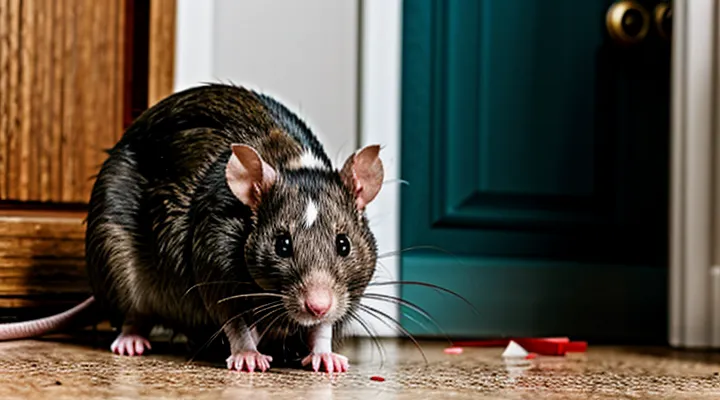
Porphyrin: The «Red Tears» Misconception
What is Porphyrin?
Porphyrins are tetrapyrrolic macrocycles that serve as essential precursors for heme, chlorophyll, and various cytochromes. In mammals, the biosynthetic pathway begins with the condensation of δ‑aminolevulinic acid into porphobilinogen, proceeds through several intermediates, and culminates in protoporphyrin IX, which incorporates iron to form heme. Heme functions as the oxygen‑binding component of hemoglobin and as a cofactor for numerous enzymatic reactions.
Rodents excrete porphyrins in tears, urine, and nasal secretions. The pigment appears reddish‑brown, often mistaken for blood when it stains fur or cage bedding. Porphyrin secretion increases under stress, illness, or environmental irritants, because the lacrimal and nasal glands release the pigment as part of the animal’s physiological response. Consequently, a pet rat that displays a red discharge from the nostrils may be exhibiting elevated porphyrin rather than hemorrhage.
Key characteristics of porphyrin relevant to nasal discharge:
- Color: reddish‑brown, distinct from the bright red of oxygenated blood.
- Solubility: water‑soluble, allowing easy diffusion into mucus and tears.
- Origin: produced in the liver and transported to exocrine glands.
- Triggers: stress, infection, respiratory irritation, and poor husbandry.
When a rat’s nasal discharge contains porphyrin, the underlying cause typically involves irritation of the nasal mucosa or systemic stress rather than vascular injury. Veterinary assessment should differentiate between true epistaxis—characterized by fresh, bright red fluid and possible clot formation—and porphyrin staining, which lacks coagulation and may be accompanied by other signs such as excessive tear staining or urine discoloration. Accurate identification guides appropriate treatment, ranging from environmental enrichment and stress reduction to antimicrobial therapy for respiratory infections.
Why is it Mistaken for Blood?
Domestic rats commonly exhibit a reddish nasal discharge that observers interpret as bleeding. The coloration arises from several physiological and pathological sources that mimic blood.
- Pigmented mucus: Nasal secretions contain hemoglobin‑derived pigments when minor capillary irritation occurs, producing a pink‑to‑rust hue without actual hemorrhage.
- Inflammatory exudate: Sinus infections or allergic reactions increase vascular permeability, allowing plasma proteins and small amounts of red blood cells to leak into mucus, creating a blood‑like appearance.
- Dietary pigments: Certain foods (e.g., beetroot, red vegetables) can stain nasal secretions, especially when the animal consumes them shortly before observation.
- Mechanical trauma: Scratches inside the nasal cavity from aggressive grooming or cage fixtures may cause superficial epithelial damage, releasing minute blood traces that quickly mix with mucus, giving the impression of continuous bleeding.
These factors generate a fluid that resembles blood visually but differs in composition. Laboratory analysis typically reveals a predominance of mucus, inflammatory cells, and only trace erythrocytes, confirming that the apparent bleeding is largely a misinterpretation of discolored nasal discharge.
Factors Affecting Porphyrin Production
Porphyrins are pigmented compounds secreted by the Harderian gland and nasal epithelium of rats. When production increases, the reddish secretions can be mistaken for blood, explaining the appearance of nasal bleeding in pet rats.
Key factors that modify porphyrin output include:
- Genetic background – certain strains possess mutations that elevate basal porphyrin synthesis.
- Hormonal fluctuations – elevated glucocorticoids and catecholamines stimulate glandular activity.
- Acute stress – handling, transport, or environmental disturbances trigger rapid secretion spikes.
- Nutritional status – deficiencies in vitamin B6, iron, or amino acids impair heme synthesis pathways, leading to compensatory porphyrin accumulation.
- Infectious agents – respiratory viruses or bacterial infections inflame nasal mucosa, increasing glandular output.
- Ambient temperature and humidity – low humidity and cold air desiccate nasal passages, prompting excess secretion.
- Age – older rats exhibit reduced clearance efficiency, allowing porphyrins to build up.
- Sex – males often produce higher levels due to androgen influence on glandular tissue.
- Photoperiod – prolonged darkness can alter melatonin levels, indirectly affecting porphyrin metabolism.
Understanding these variables helps differentiate true hemorrhage from porphyrin‑rich discharge and guides appropriate veterinary assessment.
Common Causes of Nasal Bleeding in Rats
Respiratory Infections
Respiratory infections are a frequent cause of nasal bleeding in pet rats. Bacterial agents such as Streptococcus pneumoniae, Klebsiella pneumoniae, and Pseudomonas aeruginosa invade the nasal mucosa, produce inflammation, and damage capillaries, leading to epistaxis. Viral pathogens, notably Sendai virus and rat coronavirus, trigger mucosal edema and necrosis, which can also result in blood discharge from the nostrils. Mycoplasma species and fungal organisms like Aspergillus may contribute to chronic rhinitis that predisposes to occasional hemorrhage.
Typical clinical signs accompanying nasal bleeding include sneezing, nasal discharge (clear, purulent, or bloody), labored breathing, reduced appetite, and lethargy. Severe cases may present with weight loss and secondary pneumonia. Physical examination often reveals inflamed nasal turbinates, crusted blood, and audible wheezes.
Diagnostic steps consist of:
- Visual assessment of nasal cavity and discharge characteristics.
- Radiography or computed tomography to detect sinus involvement or lung lesions.
- Collection of nasal swabs for bacterial culture, viral PCR, and fungal microscopy.
- Hematology and serum biochemistry to identify systemic infection or inflammation.
Effective treatment requires targeted antimicrobial therapy based on culture and sensitivity results. Empirical regimens may start with a broad‑spectrum fluoroquinolone combined with a macrolide, then adjust according to laboratory findings. Antiviral agents are limited; supportive care includes humidified air, nasal saline rinses, and analgesics to reduce discomfort. Antifungal drugs such as itraconazole are indicated when fungal infection is confirmed.
Prevention focuses on environmental hygiene and quarantine procedures. Key measures include:
- Maintaining cage temperature between 20–24 °C and humidity below 60 %.
- Providing clean bedding, avoiding dusty materials, and cleaning cages weekly.
- Limiting exposure to new animals without a health‑screening period of at least 30 days.
- Implementing regular health checks to detect early signs of respiratory distress.
Prompt identification of the infectious agent and immediate initiation of appropriate therapy markedly improve outcomes and reduce the likelihood of recurrent nasal bleeding in domestic rats.
Mycoplasma Pulmonis
Mycoplasma pulmonis is a cell‑wall‑deficient bacterium that colonizes the respiratory tract of rats. Its attachment to ciliated epithelium disrupts mucociliary clearance, allowing secondary bacterial invasion and inflammation. The resulting bronchopneumonia frequently extends to the nasal passages, where fragile capillaries rupture and produce epistaxis.
Typical clinical manifestations include:
- Persistent nasal discharge, often serosanguinous
- Sneezing and audible wheezing
- Labored breathing, especially during exertion
- Weight loss and reduced activity in chronic cases
Diagnosis relies on:
- Nasal swab culture on specialized mycoplasma media
- PCR amplification of the 16S rRNA gene specific to M. pulmonis
- Radiographic evidence of consolidations in the lung fields
Effective management combines:
- Administration of macrolide antibiotics (e.g., tylosin or azithromycin) at dosages proven to suppress mycoplasmal growth
- Supportive care such as humidified environments and nutritional supplementation
- Isolation of affected individuals to limit aerosol transmission
Prevention strategies focus on biosecurity:
- Quarantine of new arrivals for at least four weeks with serial PCR testing
- Regular cleaning of cages and equipment to reduce environmental load
- Avoidance of stressors that compromise immune function, such as overcrowding and abrupt diet changes
Understanding the pathogenic role of Mycoplasma pulmonis clarifies why domestic rats may present with nosebleeds, guiding both veterinary intervention and husbandry practices.
Other Bacterial and Viral Infections
When a pet rat presents with epistaxis, the clinician must consider infectious agents beyond the most common respiratory pathogens. Bacterial and viral infections can damage the nasal mucosa, induce inflammation, and precipitate bleeding.
Bacterial agents known to cause nasal hemorrhage in rats
- Streptococcus pneumoniae: colonizes the upper airway, produces purulent exudate that erodes capillaries.
- Mycoplasma pulmonis: adheres to respiratory epithelium, triggers chronic inflammation and occasional mucosal ulceration.
- Pasteurella multocida: multiplies in nasal passages, releases toxins that compromise vascular integrity.
- Bartonella spp.: infects endothelial cells, leading to vasculitis and intermittent bleeding.
- Clostridium perfringens: rare but capable of producing necrotizing lesions in the nasal cavity.
Viral pathogens associated with nosebleeds
- Rat coronavirus (RCV): causes proliferative respiratory disease, severe epithelial hyperplasia predisposes to vessel rupture.
- Sendai virus: induces necrotizing rhinitis, often accompanied by hemorrhagic discharge.
- Rat adenovirus: produces ulcerative lesions in the nasal mucosa, resulting in occasional bleeding.
- Hantavirus (e.g., Seoul virus): systemic infection may involve vascular leakage, including the nasal tract.
Accurate diagnosis relies on targeted sampling. Nasal swabs or lavage fluid should be cultured for aerobic and anaerobic bacteria, while polymerase chain reaction assays detect viral genomes. Histopathology of biopsy specimens confirms mucosal damage and identifies specific pathogens.
Therapeutic measures focus on antimicrobial agents selected according to culture and sensitivity results. Broad‑spectrum antibiotics such as enrofloxacin or doxycycline are common initial choices pending laboratory data. Supportive care includes humidified environments, nasal decongestants, and fluid therapy to maintain mucosal perfusion. Antiviral options are limited; however, interferon‑alpha has shown efficacy against certain rat viruses in experimental settings.
Prompt identification of the underlying infectious cause reduces morbidity and prevents recurrence of nasal bleeding in domestic rats.
Trauma or Injury
Nasal bleeding in a pet rat frequently signals recent trauma. Direct impact to the head or snout can rupture delicate blood vessels, producing visible discharge from the nostrils.
Common sources of injury include:
- Accidental falls from elevated surfaces
- Strikes against cage bars or accessories
- Bites or scratches from other rodents
- Rough handling during cleaning or transport
- Exposure to sharp objects or toys
Accompanying signs often consist of sneezing, agitation, swelling around the nasal bridge, and occasional blood‑tinged mucus. Rapid breathing or lethargy may indicate more severe damage or internal bleeding.
Initial assessment should involve:
- Gentle visual inspection of the nostrils for active bleeding or clots.
- Light palpation of the facial bones to detect tenderness or fractures.
- Observation for neurological deficits such as loss of balance.
- Referral for radiography or CT imaging if skull injury is suspected.
Treatment priorities are:
- Apply a sterile, absorbent pad to the nostrils to control hemorrhage.
- Keep the animal warm and quiet to reduce stress.
- Administer a veterinarian‑prescribed topical vasoconstrictor if appropriate.
- Seek professional care for wound cleaning, suturing, or surgical intervention when bleeding persists beyond a few minutes.
Preventive actions reduce the likelihood of nasal trauma:
- Secure cages with smooth, rounded bars and avoid gaps that allow falls.
- Use chew‑safe enrichment items made of soft, non‑sharp materials.
- Handle rats gently, supporting the body and avoiding pressure on the head.
- Inspect the environment regularly for hazards such as loose wires or broken accessories.
Head Injuries
Nasal bleeding in a pet rat often indicates trauma to the skull. When the cranium sustains impact, blood vessels in the nasal cavity or surrounding sinuses can rupture, allowing blood to exit through the nostrils. The thin bone separating the brain from the nasal passages makes this pathway particularly vulnerable.
Typical mechanisms that produce head trauma in domestic rats include:
- Falls from cages, elevated surfaces, or climbing structures.
- Accidental strikes from objects such as doors, lids, or handling equipment.
- Bites or scratches from conspecifics during aggressive encounters.
Clinical signs accompanying epistaxis suggest serious injury. Observe for:
- Visible blood from one or both nostrils.
- Disorientation, loss of balance, or unsteady gait.
- Swelling or bruising around the eyes or forehead.
- Changes in breathing pattern or reduced responsiveness.
Immediate veterinary assessment is essential. Diagnostic imaging, such as radiography or CT scanning, confirms fractures or intracranial hemorrhage. Prompt treatment may involve stabilization of the airway, control of bleeding, analgesia, and, when necessary, surgical intervention to repair skull damage. Delayed care increases the risk of infection, neurological deficits, and mortality.
Foreign Objects in Nasal Passages
Foreign bodies lodged in a rat’s nasal passages frequently provoke epistaxis. The delicate vasculature lining the nostrils can be ruptured when an object penetrates or scrapes the mucosa, leading to visible bleeding.
Common culprits include:
- Small pieces of bedding or straw
- Food fragments such as seeds or corn kernels
- Plastic fragments from cages or toys
- Hairballs or fur clumps
- Inhaled dust or grit
When a rat inhales one of these items, the foreign material may become trapped in the nasal turbinates or sinuses. Mechanical irritation induces inflammation, edema, and eventual rupture of capillaries. The resulting blood may appear as a thin stream or occasional drops from the nostrils.
Clinical signs accompany the trauma:
- Persistent nosebleed or intermittent spotting
- Sneezing or nasal discharge
- Pawing at the face or head shaking
- Reduced appetite due to discomfort
- Signs of respiratory distress if obstruction worsens
Veterinary evaluation involves visual inspection, otoscopic examination, and possibly radiography or endoscopy to locate the object. Removal techniques range from gentle flushing with sterile saline to specialized forceps or endoscopic tools, depending on size and depth.
Preventive measures reduce risk:
- Use low‑dust, non‑fibrous bedding
- Provide chewable toys made of safe, non‑splintering material
- Maintain clean cage environment to limit stray debris
- Monitor feeding areas to prevent large food particles from becoming airborne
Prompt identification and extraction of nasal foreign bodies minimize tissue damage and prevent secondary infections, thereby restoring normal breathing and eliminating bleeding.
Tumors and Growths
Nasal bleeding in pet rats may result from neoplastic lesions within the nasal cavity or adjacent structures. Tumors can erode blood vessels, disrupt normal tissue architecture, and provoke hemorrhage.
Common neoplasms affecting the rat’s upper respiratory tract include:
- Nasopharyngeal adenocarcinoma – malignant glandular growth that infiltrates mucosa, often ulcerates, leading to persistent epistaxis.
- Fibrosarcoma – spindle‑cell tumor arising from connective tissue; aggressive invasion can compromise arterial branches.
- Lymphoma – hematopoietic malignancy that may involve nasal turbinates, causing friable tissue and bleeding.
- Osteosarcoma of the nasal bone – bone‑forming tumor that weakens skeletal support, resulting in vessel rupture.
Benign growths can also produce bleeding, particularly when they enlarge enough to cause mechanical irritation:
- Nasal polyps – inflammatory outpouchings that become vascularized; trauma or secondary infection may trigger hemorrhage.
- Papillomas – epithelial proliferations that may ulcerate under minor trauma, releasing blood.
Diagnostic evaluation should include:
- Physical examination of the nasal passages for visible masses.
- Imaging (radiography, CT) to assess lesion size, location, and bone involvement.
- Biopsy or fine‑needle aspiration for histopathological confirmation.
Treatment options depend on tumor type and stage. Surgical excision offers curative potential for localized benign lesions and some malignant tumors. Radiation therapy and chemotherapy are indicated for invasive or metastatic disease. Palliative care, including nasal packing and topical hemostatic agents, may be necessary when curative measures are not feasible.
Early recognition of neoplastic causes of nasal bleeding improves prognosis by allowing timely intervention before extensive tissue destruction occurs.
Benign Nasal Polyps
Benign nasal polyps are non‑cancerous growths arising from the mucosal lining of the nasal cavity. In pet rats, these lesions can irritate delicate blood vessels, leading to occasional epistaxis. The polyps develop when chronic inflammation or allergic reactions cause the mucosa to swell and form soft, gelatinous masses. Because rat nasal passages are narrow, even small polyps may obstruct airflow and create turbulent flow that stresses capillaries.
Typical characteristics of benign polyps in rodents include:
- Smooth, pale tissue protruding from the nostril or visible during a veterinary examination.
- Absence of malignant cells on cytological analysis.
- Lack of aggressive invasion into surrounding bone or cartilage.
When polyps are present, the most common clinical signs are:
- Intermittent nasal discharge, sometimes tinged with blood.
- Sneezing or audible snorting due to airflow obstruction.
- Reduced appetite if the animal experiences difficulty breathing.
Diagnosis relies on visual inspection, endoscopic examination, and histopathology to confirm the non‑malignant nature of the tissue. Imaging such as micro‑CT can assess the extent of blockage and rule out bony involvement.
Management strategies focus on removal of the growth and mitigation of underlying inflammation:
- Surgical excision under anesthesia eliminates the source of irritation.
- Post‑operative anti‑inflammatory medication reduces recurrence risk.
- Environmental controls, including dust‑free bedding and avoidance of airborne irritants, help prevent chronic inflammation.
Prognosis after complete removal is excellent; recurrence rates remain low when inflammatory triggers are controlled. Regular veterinary check‑ups enable early detection of new polyps before they cause significant bleeding.
Malignant Tumors
Nasal bleeding in a pet rat often signals severe pathology; malignant neoplasms represent a critical consideration.
Common cancerous growths affecting the nasal region or adjacent structures include:
- Nasal adenocarcinoma, arising from glandular epithelium within the nasal passages.
- Squamous cell carcinoma, developing from the mucosal lining.
- Lymphoma, infiltrating nasal tissues and surrounding lymph nodes.
- Metastatic sarcoma, spreading from distant primary sites.
Typical clinical manifestations accompanying epistaxis are:
- Persistent unilateral or bilateral discharge.
- Swelling of the nasal bridge or facial deformity.
- Weight loss and reduced activity.
- Labored breathing or audible wheezing.
Diagnostic workflow begins with a thorough physical examination, followed by rhinoscopic inspection to visualize lesions. Imaging studies—computed tomography or radiography—define tumor extent and detect bone involvement. Fine‑needle aspiration or biopsy provides cytological and histopathological confirmation.
Therapeutic strategies depend on tumor type and stage. Surgical resection offers curative potential for localized masses; radiation therapy serves as an adjunct or alternative when complete excision is infeasible. Chemotherapeutic protocols, often employing agents such as cyclophosphamide or doxorubicin, address systemic disease. Palliative measures, including nasal packing and analgesia, alleviate discomfort in advanced cases.
Prognosis varies widely. Early‑stage adenocarcinoma or lymphoma may achieve remission with aggressive treatment, whereas extensive squamous cell carcinoma or metastatic sarcoma carries a guarded outlook. Continuous monitoring and timely intervention remain essential for optimal outcomes.
Coagulation Disorders
Nasal bleeding in a pet rat often signals a disturbance in the clotting system. When blood exits the nostrils without external trauma, clinicians should consider coagulation disorders as a primary differential.
Coagulation disorders encompass deficiencies of clotting factors, platelet dysfunction, and excessive fibrinolysis. Deficiencies impair the conversion of fibrinogen to fibrin, preventing stable clot formation. Platelet abnormalities reduce primary hemostasis, while heightened fibrinolytic activity dissolves clots prematurely.
Common causes of coagulopathy in rats include:
- Vitamin K deficiency, often resulting from inadequate diet or ingestion of anticoagulant rodenticides.
- Hepatic insufficiency, which diminishes synthesis of clotting proteins.
- Viral infections such as Sendai virus, known to suppress platelet production.
- Inherited factor deficiencies, rare but documented in laboratory colonies.
- Exposure to anticoagulant medications, either therapeutic or accidental.
Diagnostic evaluation should begin with a thorough physical examination, followed by laboratory tests: complete blood count with platelet count, prothrombin time (PT), activated partial thromboplastin time (aPTT), and serum vitamin K levels. Imaging may be warranted to rule out nasal tumors or trauma.
Treatment protocols focus on restoring hemostasis and addressing the underlying cause. Administration of vitamin K1 (phytonadione) corrects rodenticide‑induced deficiencies. Fresh frozen plasma or clotting factor concentrates provide immediate clotting factor replacement. Antifibrinolytic agents, such as tranexamic acid, can curb excessive clot breakdown. Supportive care—fluid therapy, oxygen supplementation, and wound management—stabilizes the patient while definitive therapy takes effect.
Vitamin K Deficiency
Vitamin K deficiency impairs synthesis of clotting factors II, VII, IX and X, leading to prolonged bleeding times. In pet rats, inadequate dietary vitamin K can precipitate spontaneous epistaxis, as the fragile nasal mucosa lacks sufficient hemostatic support.
Typical manifestations of this deficiency include:
- Nasal discharge tinged with fresh blood
- Prolonged bleeding from minor cuts or tail‑tip injuries
- Petechiae on the skin and mucous membranes
- Weakness or lethargy due to hidden internal hemorrhage
Causes of insufficient vitamin K in rats are:
- Diet lacking green leafy material, sprouts or fortified rodent chow
- Chronic antibiotic therapy that disrupts intestinal bacterial synthesis of the vitamin
- Malabsorption syndromes such as inflammatory bowel disease or pancreatic insufficiency
Diagnostic approach:
- Perform a complete blood count; expect normal red cell count with prolonged prothrombin time
- Measure serum vitamin K levels if available
- Rule out other coagulopathies through factor assays and liver function tests
Therapeutic measures:
- Administer phytonadione (vitamin K1) intramuscularly at 2–5 mg/kg, repeat after 24 hours until bleeding stops
- Transition to a diet enriched with fresh vegetables (e.g., kale, broccoli) or commercial feed containing 0.5 mg/kg vitamin K
- If antibiotics are necessary, choose agents with minimal impact on gut flora or supplement with probiotic strains that produce vitamin K
Preventive strategy focuses on balanced nutrition, regular monitoring of clotting parameters in at‑risk individuals, and minimizing prolonged broad‑spectrum antibiotic courses. Prompt correction of vitamin K deficiency eliminates the underlying coagulopathy and resolves nasal bleeding in domestic rats.
Genetic Bleeding Disorders
When a pet rat presents with epistaxis, hereditary coagulopathies must be considered alongside trauma, infection, and environmental irritants. Genetic bleeding disorders compromise clot formation, allowing even minor mucosal injury to produce visible nasal hemorrhage.
Common inherited disorders affecting laboratory and pet rodents include:
- Von Willebrand disease – deficiency or dysfunction of von Willebrand factor; prolongs platelet adhesion; autosomal recessive.
- Hemophilia A – lack of factor VIII; severe prolongation of the intrinsic clotting cascade; X‑linked recessive.
- Hemophilia B – deficiency of factor IX; similar clinical picture to hemophilia A; X‑linked recessive.
- Platelet function defects – mutations in genes regulating glycoprotein receptors; result in impaired aggregation; variable inheritance.
- Combined factor deficiencies – simultaneous reductions in multiple clotting proteins; often polygenic.
Inheritance patterns follow classic Mendelian rules. Autosomal recessive traits appear only in homozygous individuals, while X‑linked recessive conditions affect males more frequently but can be transmitted by carrier females. Breeding strategies that avoid pairing carriers reduce disease incidence.
Diagnostic work‑up begins with a complete blood count and coagulation profile (PT, aPTT, thrombin time). Specific assays for von Willebrand factor activity and factor VIII/IX levels confirm the disorder. Genetic testing, when available, identifies carrier status and guides breeding decisions.
Management focuses on controlling bleeding and correcting the deficiency. Desmopressin (DDAVP) raises von Willebrand factor levels in mild cases; plasma or factor concentrates replace missing proteins in severe hemophilia. Antifibrinolytic agents (e.g., tranexamic acid) support clot stability. Environmental modifications—humidified housing, avoidance of nose‑poking toys—reduce mucosal trauma.
Understanding the hereditary basis of bleeding in rats clarifies the origin of nasal hemorrhage and informs both clinical intervention and responsible breeding practices.
Environmental Factors
Nasal bleeding in a pet rat often reflects conditions within its immediate environment.
Dry air reduces moisture on the nasal mucosa, causing fragile vessels to rupture. Low humidity levels in heated rooms, especially during winter, accelerate this effect. Maintaining relative humidity between 45 % and 55 % helps preserve mucosal integrity.
Temperature fluctuations create stress on the respiratory lining. Sudden shifts from warm to cold air, or exposure to drafts, can provoke inflammation and bleed. Consistent ambient temperature, ideally 68–75 °F (20–24 °C), minimizes risk.
Airborne irritants directly damage nasal tissue. Dust from wood shavings, straw, or paper bedding, as well as pollen, aerosolized cleaning agents, and scented products, irritate the mucosa. Switching to low‑dust bedding such as paper pulp or aspen, and using unscented, mild cleaners, reduces exposure.
Chemical pollutants from nearby smoking, incense, or poorly ventilated kitchens introduce toxic compounds that compromise nasal vessels. Providing a well‑ventilated cage away from smoke sources lowers inhalation of harmful particles.
Cage hygiene influences bacterial and fungal load. Accumulated waste and mold growth create a moist environment that promotes infection, which can manifest as nasal hemorrhage. Daily spot cleaning, weekly full cage changes, and regular inspection for mold prevent microbial overgrowth.
Physical hazards in the enclosure contribute to trauma. Sharp edges on cage bars, loose wire, or heavy objects that rats can knock into their faces cause direct injury. Ensuring smooth cage interiors and secure placement of accessories eliminates accidental damage.
Summary of preventive measures:
- Keep humidity at 45‑55 % with a humidifier or water dish.
- Stabilize temperature, avoid drafts.
- Use low‑dust, non‑aromatic bedding.
- Apply unscented, mild cleaning agents; avoid smoke and incense.
- Clean cage daily, replace substrate weekly.
- Inspect cage for sharp objects, secure accessories.
Addressing these environmental variables reduces the likelihood of nasal bleeding and supports overall respiratory health in domestic rats.
Irritants and Allergens
Nasal bleeding in a pet rat often results from exposure to substances that irritate the delicate mucous membranes of the nasal passages. Irritants can provoke inflammation, increase vascular fragility, and trigger spontaneous hemorrhage.
Common irritants and allergens include:
- Dust from bedding materials such as wood shavings, especially aromatic varieties like cedar or pine.
- Strong fragrances from cleaning agents, air fresheners, or scented litter.
- Chemical residues on food, including pesticides, herbicides, or improperly washed produce.
- Smoke from tobacco, incense, or candles.
- Abrasive particles in chew toys made from low‑quality plastic or untreated wood.
Allergic reactions may manifest as sneezing, nasal discharge, and occasional bleeding. Typical allergens are:
- Mold spores that develop in damp bedding or food storage containers.
- Feather or fur proteins from other household pets.
- Certain protein sources in commercial rat diets, especially when the formulation changes abruptly.
Preventive measures focus on eliminating these triggers: select dust‑free bedding (paper or aspen), use unscented cleaning solutions, keep the enclosure dry, and introduce new foods gradually. If nasal bleeding persists despite environmental control, veterinary evaluation is essential to rule out underlying coagulopathies or nasal tumors.
Poor Air Quality
Nasal bleeding in a pet rat often signals irritation of the delicate nasal mucosa. Poor air quality introduces airborne particles and gases that directly contact the respiratory tract, weakening blood vessels and triggering hemorrhage.
Contaminants most likely to provoke this response include:
- Dust from bedding, feed, or surrounding carpet.
- Volatile organic compounds (VOCs) released by cleaning agents, paints, or scented products.
- Ammonia generated by urine accumulation in cages lacking proper ventilation.
- Smoke from cigarettes, incense, or cooking appliances.
These agents irritate the nasal epithelium, cause inflammation, and increase capillary fragility. Continuous exposure accelerates mucosal edema, leading to rupture of small vessels and visible blood discharge from the nostrils.
Mitigation measures:
- Replace dusty bedding with low‑track, paper‑based alternatives.
- Ensure cage placement in a well‑ventilated area, away from direct drafts or exhaust fans.
- Maintain a cleaning schedule that removes urine promptly and uses non‑chemical, low‑VOC cleaners.
- Eliminate indoor smoking and limit use of incense or scented candles near the animal’s habitat.
Monitoring indoor air quality with a portable sensor can confirm that particulate levels remain below thresholds known to cause respiratory irritation in rodents. Prompt correction of identified pollutants reduces the risk of recurring nasal bleeding and supports overall health.
When to Seek Veterinary Attention
Signs of Severe Bleeding
Nasal bleeding in a pet rat often signals a serious hemorrhagic condition. Recognizing the accompanying symptoms can guide urgent veterinary intervention.
- Accelerated heart rhythm (tachycardia)
- Mucous membranes that appear white, gray, or bluish rather than pink
- Marked weakness, inability to stand, or sudden collapse
- Lethargy and reduced responsiveness to stimuli
- Decreased food and water intake, rapid weight loss
- Additional external bleeding (from gums, eyes, or wounds)
- Blood‑tinged urine or feces, indicating internal bleeding
Other observable cues include rapid breathing, cold extremities, and a noticeable drop in body temperature. Presence of two or more of these signs alongside nasal hemorrhage warrants immediate veterinary assessment, as delayed treatment can lead to shock or death.
Accompanying Symptoms
Nasal bleeding in a pet rat is rarely an isolated sign. Observe the animal for additional manifestations that often indicate the underlying problem.
Respiratory changes may include rapid or labored breathing, audible wheezing, and frequent sneezing. Mucous or purulent discharge from the nostrils or eyes suggests infection or inflammation. Visible swelling around the snout or facial bones points to trauma or tumor growth. Reduced activity, reluctance to explore, and prolonged periods of rest signal systemic distress. Weight loss, diminished food intake, and a rough coat reflect chronic illness or metabolic imbalance. Blood in the mouth, on the fur around the nose, or in the stool indicates internal bleeding or coagulopathy. Unusual vocalizations, such as high‑pitched squeaks, may accompany pain or airway obstruction.
When several of these signs appear together, they reinforce the likelihood of a serious condition and warrant immediate veterinary evaluation. Early detection of accompanying symptoms improves diagnostic accuracy and treatment outcomes.
Lethargy and Weakness
Nasal bleeding in a pet rat frequently coincides with reduced activity and diminished strength, signaling that the problem extends beyond a localized injury. Lethargy and weakness suggest systemic compromise, which may arise from several underlying conditions.
- Severe upper‑respiratory infection (e.g., Mycoplasma pulmonis) that damages nasal mucosa and impairs oxygen exchange.
- Traumatic injury to the nasal cavity or skull, producing hemorrhage and shock.
- Neoplastic growths in the nasal passages or surrounding tissues, causing chronic bleeding and cachexia.
- Coagulopathies such as vitamin K deficiency, liver disease, or inherited clotting disorders, leading to uncontrolled bleeding and fatigue.
- Parasitic infestations (e.g., nasal mites) that irritate mucosa and provoke anemia.
A systematic evaluation begins with a thorough physical exam, focusing on respiratory rate, mucous membrane color, and body condition. Hematologic testing should include a complete blood count and coagulation profile to detect anemia, infection, or clotting defects. Radiographic or CT imaging of the skull provides information on fractures, masses, or sinus involvement. Nasal swabs for bacterial culture and sensitivity guide antimicrobial therapy when infection is suspected.
Treatment targets the primary cause while supporting the animal’s general health. Antibiotics are indicated for bacterial pneumonia; analgesics and anti‑inflammatories relieve pain and swelling. Surgical intervention may be required for trauma or tumor removal. Vitamin K supplementation corrects coagulopathy, and fluid therapy restores circulatory volume in cases of hemorrhagic shock. Monitoring weight, activity level, and nasal discharge ensures that recovery progresses and that secondary complications are identified promptly.
Difficulty Breathing
Domestic rats that exhibit nasal bleeding often show concurrent respiratory distress. The presence of blood in the nasal passages can obstruct airflow, leading to rapid, shallow breaths and open‑mouth respiration. Recognizing difficulty breathing as a primary symptom guides immediate assessment and treatment.
Common underlying conditions that produce both epistaxis and impaired ventilation include:
- Upper respiratory infection (viral or bacterial) causing inflamed nasal mucosa and congestion.
- Nasal trauma from cage injuries or fighting, resulting in torn vessels and swelling.
- Neoplastic growths within the nasal cavity or sinuses that obstruct passages and erode blood vessels.
- Coagulopathies such as vitamin K deficiency or liver disease, which predispose to spontaneous bleeding and reduce oxygen exchange.
- Dental malocclusion leading to maxillary sinusitis, producing discharge and restricted airflow.
- Foreign bodies lodged in the nasal passages, provoking irritation, bleeding, and blockage.
Clinical observation should focus on breathing rate, effort, and sound. Indicators of compromised respiration are:
- Increased respiratory frequency (>120 breaths per minute).
- Audible wheezing or crackles during inhalation.
- Visible flaring of nostrils and mouth.
- Cyanotic coloration of the tongue or extremities.
Diagnostic protocol typically involves:
- Physical examination of the head and thorax.
- Rhinoscopic inspection to locate bleeding sources.
- Radiographic imaging to reveal masses, fractures, or fluid accumulation.
- Complete blood count and coagulation profile to detect infection or clotting disorders.
- Microbial culture of nasal discharge for targeted antimicrobial therapy.
Therapeutic measures aim to alleviate airway obstruction and address the root cause:
- Supplemental oxygen delivered via a small chamber or mask.
- Intravenous fluids to maintain hydration and support circulation.
- Broad‑spectrum antibiotics pending culture results for bacterial infections.
- Anti‑inflammatory agents to reduce mucosal swelling.
- Surgical removal of tumors or foreign objects when indicated.
- Vitamin K supplementation or plasma transfusion for coagulopathies.
Prompt intervention that restores unobstructed breathing reduces the risk of hypoxia and improves survival prospects for affected rats. Continuous monitoring of respiratory parameters is essential throughout treatment.
Changes in Appetite or Behavior
Nasal bleeding in a pet rat often signals an internal problem that can alter feeding patterns and daily activity. When a rat experiences a nosebleed, the underlying cause—such as respiratory infection, trauma, or clotting disorder—may disrupt normal appetite and behavior, providing clues for diagnosis.
Common changes include:
- Decreased food intake or selective eating of soft foods.
- Reluctance to explore the cage, reduced climbing, or avoidance of exercise wheels.
- Increased grooming of the snout or facial area, sometimes accompanied by visible blood stains.
- Frequent lethargy, prolonged resting periods, or sleeping in unusual locations.
- Irritability when handled, flinching or sudden retreat from human contact.
These observations should be recorded and reported to a veterinarian promptly. Consistent monitoring of eating habits and activity levels helps differentiate a temporary reaction from a progressive condition that requires medical intervention.
Diagnostic Procedures
Physical Examination
A rat that exhibits nasal bleeding requires a systematic physical assessment to identify the source and severity of the hemorrhage. The examiner should first ensure the animal is restrained safely to prevent stress‑induced vasoconstriction, which can mask clinical signs.
Observation of the external nares should note the color, volume, and timing of the discharge. Continuous flow suggests arterial involvement, while intermittent spotting may indicate minor mucosal irritation. Inspect the surrounding fur for evidence of self‑trauma or scratching.
Palpation of the nasal bridge and facial bones detects swelling, crepitus, or tenderness that could signify fracture, tumor, or abscess. Gentle pressure over the nasal septum helps assess mucosal integrity without causing additional bleeding.
A thorough oral cavity examination includes:
- Visual inspection of the palate, teeth, and gingiva for ulceration or foreign bodies.
- Use of a small otoscope to view the nasal passages for lesions, clots, or obstruction.
- Gentle flushing with sterile saline to clear debris and evaluate bleeding patterns.
Auscultation of the thorax and heart rules out systemic causes such as coagulopathy or hypertension that may manifest as epistaxis. Record respiratory rate and effort; labored breathing may accompany severe nasal hemorrhage.
Neurological evaluation involves checking the rat’s reflexes, gait, and response to tactile stimuli. Abnormalities may point to intracranial pathology or severe infection.
Vital signs—temperature, pulse, and mucous membrane color—provide baseline data for monitoring. Pale or cyanotic membranes indicate significant blood loss.
If any abnormal findings emerge, immediate diagnostic imaging (radiography or CT) and laboratory testing (CBC, coagulation panel) are warranted to confirm underlying disease processes. The physical examination thus establishes a foundation for targeted treatment and prognosis.
Imaging Techniques
Imaging is essential for diagnosing the source of nasal hemorrhage in pet rats. Radiographs can identify fractures, foreign bodies, or tumor masses within the nasal cavity. Lateral and dorsoventral views reveal bony disruptions and soft‑tissue opacity, guiding further evaluation.
Computed tomography delivers high‑resolution cross‑sections of the nasal passages. It distinguishes inflammatory polyps, neoplastic growths, and vascular malformations with three‑dimensional detail. Contrast‑enhanced scans highlight active bleeding sites and assess surrounding structures.
Magnetic resonance imaging provides superior soft‑tissue contrast, useful for detecting sinusitis, abscess formation, or metastatic lesions. Diffusion‑weighted sequences can differentiate purulent material from tumor tissue. Ultrasound, though limited by bone, may visualize superficial nasal masses and guide fine‑needle aspiration.
Common imaging modalities for nasal bleeding in domestic rats
- Plain radiography: quick, inexpensive, detects skeletal abnormalities.
- Computed tomography (CT): detailed bone and soft‑tissue mapping, ideal for surgical planning.
- Magnetic resonance imaging (MRI): excellent soft‑tissue resolution, assesses inflammatory and neoplastic processes.
- Endoscopic examination: direct visualization, enables biopsy and therapeutic intervention.
- Ultrasound: evaluates accessible external lesions, assists in fluid aspiration.
X-rays
X‑ray imaging provides the most direct assessment of structural abnormalities that can cause nasal hemorrhage in a pet rat. Radiographs reveal bone integrity, sinus contents, and soft‑tissue masses that are not visible during a routine physical exam.
A standard diagnostic approach includes:
- Lateral skull view to evaluate nasal cavity thickness, septal deviation, and possible fractures.
- Ventral‑posterior‑oblique view to detect foreign bodies, tumors, or dental root invasion.
- High‑resolution digital radiography for detailed assessment of the ethmoidal and maxillary sinuses.
Interpretation focuses on three common sources of bleeding:
- Traumatic injury – Fractured nasal bones or displaced maxillary molars appear as discontinuities or misaligned radiodensities.
- Neoplastic growth – Rounded radiopaque masses, often with irregular borders, indicate adenocarcinoma or lymphoma within the nasal passage.
- Infectious or inflammatory disease – Increased opacity of sinus air spaces, accompanied by fluid levels, suggests sinusitis or abscess formation.
When radiographs identify a suspect lesion, further imaging such as computed tomography may be warranted for three‑dimensional localization. Prompt identification of the underlying cause enables targeted treatment, whether surgical repair, chemotherapy, or antimicrobial therapy, and reduces the risk of recurrent nasal bleeding.
CT Scans
CT imaging provides a definitive method for evaluating unexplained nasal bleeding in pet rats. By acquiring cross‑sectional images, CT distinguishes soft‑tissue swelling, bone fractures, and vascular lesions that may be invisible on plain radiographs. The high spatial resolution reveals:
- Nasal cavity opacities indicating hemorrhage or inflammatory exudate.
- Disruption of the nasal septum or ethmoid bones suggesting trauma.
- Vascular malformations or neoplastic masses that can cause persistent epistaxis.
Scanning protocols typically employ a low‑dose, high‑resolution setting suitable for small mammals. Anesthesia is required to prevent motion artifacts; a short‑acting inhalant agent is preferred to maintain stable respiratory parameters. Contrast enhancement, administered intravenously, highlights vascular structures and differentiates active bleeding from surrounding tissue.
Interpretation focuses on asymmetry of the turbinates, presence of fluid‑filled cavities, and any erosive changes to the skull base. Findings guide subsequent interventions, such as surgical debridement, embolization, or targeted medical therapy. In cases where CT fails to identify a source, further evaluation with endoscopic examination or histopathology may be warranted.
Overall, CT scans serve as a critical diagnostic tool for pinpointing the anatomical origin of nasal hemorrhage in domestic rats, enabling precise treatment planning and improving prognostic assessment.
Blood Tests
Nasal bleeding in a pet rat signals an underlying health problem that requires laboratory evaluation. Blood analysis provides objective data to identify infections, coagulopathies, organ dysfunction, or neoplastic processes that may cause vascular rupture in the nasal cavity.
Commonly ordered panels include:
- Complete blood count (CBC) – evaluates red and white cell numbers, hemoglobin concentration, and platelet count; anemia, leukocytosis, or thrombocytopenia can indicate systemic disease or bleeding disorders.
- Serum biochemistry – measures liver enzymes, kidney markers, electrolytes, and glucose; abnormalities suggest organ failure that may predispose to hemorrhage.
- Coagulation profile – prothrombin time (PT) and activated partial thromboplastin time (aPTT) assess clotting factor function; prolonged values point to clotting deficiencies.
- Infectious disease serology – tests for pathogens such as Mycoplasma, Streptococcus, or viral agents known to affect rodents; positive results guide antimicrobial therapy.
- Cytology or culture of nasal discharge – microscopic examination and bacterial growth identification help confirm local infection as a source of bleeding.
Sample collection must be performed with aseptic technique to avoid iatrogenic injury. Venipuncture from the lateral tail vein or saphenous vein yields sufficient volume for most assays. Proper labeling and prompt transport to the laboratory preserve sample integrity.
Interpretation of results should integrate clinical signs, physical examination, and imaging findings. For example, a low platelet count combined with prolonged clotting times confirms a hemorrhagic diathesis, while elevated liver enzymes with normal coagulation suggest hepatic disease as a secondary factor. Targeted treatment follows the diagnostic conclusion, reducing the risk of recurrent nasal hemorrhage.
Nasal Swabs or Biopsies
Nasal swabs and biopsies provide direct access to the mucosal surface and underlying tissues of a pet rat that is experiencing epistaxis.
A swab collects epithelial cells, mucus, and potential pathogens for microscopic examination, culture, or PCR. The procedure involves gently inserting a sterile, flexible tip into the nostril, rotating for 2–3 seconds, and withdrawing without causing trauma. Samples should be placed in transport medium and processed within 24 hours to preserve nucleic acids and bacterial viability.
Biopsy obtains a small tissue fragment from the nasal septum or turbinates, allowing histopathological assessment of inflammation, neoplasia, or vascular lesions. The technique requires anesthesia, aseptic preparation, and a calibrated biopsy forceps or punch. Tissue is fixed in formalin, embedded, and stained with hematoxylin‑eosin or special stains as indicated.
Key considerations:
- Indications – persistent bleeding, unexplained discharge, suspicion of infection, tumor, or ulceration.
- Advantages – precise identification of etiologic agents, differentiation between inflammatory and neoplastic processes, guidance for targeted therapy.
- Limitations – risk of iatrogenic hemorrhage, stress to the animal, need for skilled personnel.
- Post‑procedure care – monitor for continued bleeding, provide analgesia, maintain humidified environment to support mucosal healing.
When evaluating nasal hemorrhage in a domestic rat, swabs and biopsies together supply the essential diagnostic data required to determine the underlying cause and to formulate an effective treatment plan.
Treatment Options
Antibiotics for Infections
Nasal bleeding in a pet rat often signals a bacterial infection of the upper respiratory tract. Common pathogens include Streptococcus pneumoniae, Klebsiella spp., and Pseudomonas spp., which can erode nasal mucosa and cause hemorrhage.
Antibiotic therapy aims to eliminate the bacterial load, reduce inflammation, and prevent systemic spread. Effective treatment requires an agent with activity against the identified or suspected organisms, appropriate penetration into nasal tissues, and a dosage regimen safe for small mammals.
Key factors for selecting an antibiotic:
- Spectrum covering gram‑positive and gram‑negative bacteria typical of rodent respiratory infections
- Availability of a formulation suitable for oral or subcutaneous administration
- Dosage calculated on a per‑kilogram basis, respecting the rat’s metabolic rate
- Treatment duration of 7–10 days, unless culture results dictate a longer course
Common choices include enrofloxacin, doxycycline, and trimethoprim‑sulfamethoxazole, each providing reliable tissue concentrations when dosed correctly. Sensitivity testing, when feasible, refines selection and minimizes resistance development.
Monitoring involves daily assessment of nasal discharge, bleeding frequency, and overall activity. Persistence of symptoms after the prescribed course warrants re‑evaluation, possible culture, and adjustment of antimicrobial strategy.
Pain Management
A domestic rat presenting with epistaxis is likely experiencing acute discomfort and tissue irritation. Immediate pain mitigation reduces stress‑induced physiological changes that can worsen bleeding and impede recovery.
Pain assessment in rodents relies on observable behaviors: reduced grooming, altered posture, vocalization, and decreased locomotion. Scoring systems such as the Rat Grimace Scale quantify facial expressions (orbital tightening, nose/cheek flattening) to guide analgesic decisions.
Pharmacologic options include:
- Non‑steroidal anti‑inflammatory drugs (NSAIDs) – meloxicam 1 mg/kg subcutaneously every 24 h; carprofen 5 mg/kg orally every 12 h. Both provide anti‑inflammatory and mild analgesic effects.
- Opioids – buprenorphine 0.05 mg/kg subcutaneously every 8–12 h; fentanyl transdermal patches delivering 0.018 mg/kg/day for continuous relief. Opioids address moderate to severe pain but require monitoring for respiratory depression.
- Local anesthetics – lidocaine 2 % nasal drops (0.1 ml per nostril) applied once, followed by repeat dosing every 30 min if needed. Direct application numbs mucosal tissue and limits systemic exposure.
Adjunctive measures support pharmacologic therapy:
- Gentle handling and minimal restraint lower stress hormones.
- Warm, humidified environment maintains mucosal moisture and reduces irritation.
- Soft bedding and easy access to food and water prevent additional strain on the nasal passages.
Analgesic regimen should commence before invasive procedures, continue for at least 48 h after bleeding subsides, and be adjusted according to behavioral pain scores. Regular monitoring of vital signs, appetite, and bleeding frequency ensures effective pain control while detecting adverse drug reactions.
Surgery for Tumors or Obstructions
Nasal bleeding in a pet rat often signals a mass or blockage that compromises the delicate vessels of the nasal cavity. When medical therapy fails to control hemorrhage, surgical removal of the offending tissue becomes necessary.
Surgical intervention requires precise planning and execution:
- Pre‑operative imaging (CT or radiography) to locate the lesion and assess vascular involvement.
- General anesthesia with inhalant agents, maintaining body temperature and oxygenation.
- Access through a dorsal or lateral approach, depending on tumor position, using microsurgical instruments.
- Complete excision of the tumor or removal of obstructive material, preserving surrounding mucosa when possible.
- Hemostasis achieved with cautery or topical agents; nasal packing applied only if bleeding persists.
- Post‑operative monitoring for respiratory distress, infection, and recurrence, with analgesia and antibiotics as indicated.
Successful outcomes depend on accurate diagnosis, meticulous technique, and diligent aftercare, reducing the risk of recurrent epistaxis and improving the animal’s quality of life.
Supportive Care
A pet rat that is bleeding from the nostrils requires prompt supportive measures to stabilize condition and prevent secondary complications.
- Place the animal in a quiet, temperature‑controlled area; maintain ambient temperature between 20‑24 °C to avoid hypothermia.
- Provide a clean, dry surface; remove bedding that may absorb blood and cause irritation.
- Offer fresh water in a shallow dish; if the rat refuses, administer sterile saline subcutaneously at 1 ml per 100 g body weight.
- Supply soft, high‑calorie food such as mashed banana or commercial rodent formula to sustain energy while swallowing may be uncomfortable.
- Apply gentle pressure to the nostril with sterile gauze for 1–2 minutes; avoid excessive force that could damage nasal tissue.
- Increase cage humidity modestly (40–50 %) using a small humidifier or a dampened towel placed out of reach; moisture helps keep nasal membranes supple.
- Observe respiratory rate, blood loss, and behavior every 2–4 hours; record weight daily to detect anemia or dehydration.
If bleeding persists beyond 15 minutes, if the rat shows signs of weakness, rapid breathing, or pale mucous membranes, immediate veterinary evaluation is required. Veterinary care may include diagnostic imaging, blood work, and targeted treatment such as cauterization or medication.
Fluid Therapy
Nasal hemorrhage in pet rats often signals systemic compromise, dehydration, or coagulopathy. Immediate assessment should include visual inspection of the nostrils, evaluation of mucous membrane color, and measurement of capillary refill time. If the animal displays signs of hypovolemia—tachycardia, weak pulses, or prolonged refill—fluid therapy becomes essential to restore circulatory volume and support hemostasis.
Fluid therapy aims to replace lost plasma, maintain perfusion of vital organs, and provide a substrate for clot formation. Selection of the appropriate fluid depends on the severity of blood loss, underlying disease, and the rat’s size (average adult weight 250–300 g). Commonly used crystalloids include:
- Lactated Ringer’s solution – isotonic, provides electrolytes and a mild buffer; suitable for moderate blood loss.
- 0.9 % Sodium chloride – isotonic, simple electrolyte replacement; indicated when rapid volume expansion is required.
- 5 % Dextrose in water (D5W) – hypotonic, adds free water and energy; used after initial crystalloid bolus to prevent hypoglycemia.
Administration routes are limited to intraperitoneal (IP) or subcutaneous (SC) injection due to the rat’s small size. IP delivery allows larger volumes (10–20 ml/kg) with rapid absorption, while SC injection is safer for smaller boluses (5–10 ml/kg) and minimizes risk of peritonitis. Typical dosing for a 300‑g rat:
- Initial bolus: 10 ml/kg of Lactated Ringer’s IP (≈3 ml total). Observe for improvement in pulse quality and mucous membrane color within 5–10 minutes.
- Maintenance: 5 ml/kg SC of 0.9 % NaCl every 12 hours, adjusted based on ongoing losses and urine output.
- Supplemental dextrose: 2 ml of D5W IP if blood glucose falls below 70 mg/dL.
Monitoring includes serial weight checks, urine specific gravity, and repeat blood work (hematocrit, clotting times) to gauge response. Over‑hydration may precipitate pulmonary edema; therefore, fluid volume should be tapered once hemodynamic stability returns and nasal bleeding ceases.
In conjunction with fluid replacement, local measures—application of gentle pressure to the nostrils and topical vasoconstrictors—assist in controlling the bleed. Addressing the root cause—such as infection, trauma, or neoplasia—remains critical; fluid therapy supports the animal while definitive treatment is pursued.
Nutritional Support
Nasal bleeding in a pet rat often signals systemic problems, and inadequate nutrition is a common contributor. Deficiencies weaken capillary walls, impair clotting, and predispose the animal to spontaneous hemorrhage.
Key nutrients affecting vascular integrity and hemostasis include:
- Vitamin C – supports collagen synthesis, stabilizes vessel walls.
- Vitamin K – activates clotting factors, reduces bleeding duration.
- Protein – provides amino acids for tissue repair and blood component production.
- Essential fatty acids – maintain membrane fluidity, prevent fragility.
- Calcium and zinc – participate in coagulation cascade and mucosal health.
A balanced diet should consist of high‑quality commercial rat pellets as the primary source, supplemented with:
- Fresh leafy greens (e.g., kale, spinach) for vitamins and minerals.
- Small portions of fruit (e.g., apple, berries) for additional vitamin C.
- Occasional boiled egg or lean meat for protein enrichment.
- A calibrated multivitamin/mineral supplement if the diet lacks variety.
Regular observation of bleeding episodes, weight, and coat condition guides dietary adjustments. Persistent or worsening hemorrhage warrants veterinary assessment to rule out infections, trauma, or coagulopathies that may require medical intervention beyond nutritional correction.
Prevention and Home Care
Maintaining a Clean Environment
Nasal bleeding in a pet rat often signals underlying health issues that can be traced to the animal’s surroundings. Irritating particles, bacterial growth, and excessive humidity create conditions that damage delicate nasal membranes, leading to hemorrhage.
Unsanitary cages harbor dust, mold spores, and waste‑derived pathogens. These contaminants irritate the respiratory tract, weaken mucosal tissue, and increase the likelihood of spontaneous bleeding. Additionally, sharp bedding fragments or cluttered enclosures can cause accidental trauma to the nose.
Maintaining a clean environment reduces these risks:
- Clean the cage at least twice weekly, removing soiled bedding and droppings.
- Use low‑dust, absorbent bedding such as paper or aspen shavings; avoid cedar or pine.
- Provide fresh water daily; replace water bottles or bowls to prevent bacterial colonization.
- Ensure adequate ventilation to keep humidity below 60 % and to disperse airborne irritants.
- Disinfect accessories (toys, tunnels, feeding dishes) with a rodent‑safe solution weekly.
- Perform regular visual inspections for signs of mold, damp spots, or debris buildup.
Consistent hygiene, combined with prompt veterinary assessment when nosebleeds appear, supports respiratory health and minimizes the chance of bleeding episodes.
Nutritional Diet
Nasal bleeding in pet rats often signals an underlying health problem, and diet quality can be a decisive factor. Inadequate nutrition weakens capillary integrity, impairs clotting mechanisms, and predisposes the animal to mucosal irritation. Addressing these issues requires a diet that supplies essential nutrients in appropriate proportions.
Key nutritional components for preventing nosebleeds include:
- Protein: High‑quality, animal‑based proteins (e.g., cooked chicken, eggs, commercial rat pellets with ≥20 % protein) provide amino acids necessary for tissue repair and blood vessel strength.
- Vitamin C: Although rats synthesize this vitamin, additional sources such as fresh bell peppers or fortified pellets support collagen formation, reinforcing vascular walls.
- Vitamin K: Crucial for clotting factor synthesis; leafy greens (kale, spinach) and liver supplements ensure adequate intake.
- Calcium and phosphorus: Balanced ratios (approximately 1:1) maintain bone health and prevent abnormal calcium deposition in nasal tissues.
- Omega‑3 fatty acids: Fish oil or flaxseed oil reduce inflammation, decreasing the likelihood of mucosal irritation that can trigger bleeding.
- Water: Constant access to clean, fresh water maintains mucosal hydration, preventing drying and cracking of nasal passages.
A typical daily feeding regimen might consist of:
- Commercial rat pellets meeting the protein, vitamin, and mineral specifications above.
- Small portions of fresh vegetables (one‑third of the diet) to supply vitamins C and K.
- Occasional protein treats (e.g., boiled egg, cooked lean meat) for supplemental amino acids.
- A measured dose of fish oil (approximately 0.1 ml per 100 g body weight) to deliver omega‑3s.
- Unlimited fresh water.
Monitoring the rat’s weight, coat condition, and activity level provides immediate feedback on dietary adequacy. Sudden weight loss, dull fur, or lethargy suggest nutritional deficiencies that may exacerbate nasal bleeding. Adjusting the diet promptly can reduce the frequency of hemorrhagic episodes and support overall vascular health.
Stress Reduction
Nasal hemorrhage in a pet rat often results from elevated blood pressure caused by acute stress. When a rat experiences fright, handling discomfort, or environmental disturbances, sympathetic activation constricts nasal vessels, making them prone to rupture. Reducing stress therefore directly lowers the risk of bleeding episodes.
Effective stress‑reduction measures include:
- Providing a quiet enclosure with consistent lighting and temperature.
- Limiting handling to short, gentle sessions; avoid sudden movements.
- Offering enrichment items such as chew sticks, tunnels, and nesting material to encourage natural behaviors.
- Maintaining a regular feeding schedule and avoiding abrupt diet changes.
- Monitoring for signs of illness; treat underlying infections or dental problems promptly, as pain can amplify stress responses.
Implementing these practices stabilizes cardiovascular function, diminishes vascular fragility, and creates an environment where nasal bleeding is unlikely. Regular observation of the rat’s behavior and condition ensures that stressors are identified early and mitigated before they trigger hemorrhagic events.
Regular Health Checks
Regular health examinations are essential for detecting the underlying reasons behind nasal bleeding in pet rats. Veterinarians assess the animal’s overall condition, focusing on areas that commonly contribute to epistaxis.
During a check‑up, the practitioner will:
- Inspect the nasal passages for trauma, foreign bodies, or ulceration.
- Perform a complete blood count to identify anemia, clotting disorders, or infections.
- Evaluate the respiratory system with auscultation and, if needed, radiography to reveal tumors, pneumonia, or sinus disease.
- Review the rat’s environment, diet, and husbandry practices to rule out irritants, nutritional deficiencies, or exposure to toxins.
- Test for parasites and viral agents such as rat coronavirus that can cause vascular inflammation.
Routine monitoring allows early intervention, reducing the likelihood of severe bleeding episodes. Early detection of systemic illnesses, dental overgrowth, or environmental hazards enables targeted treatment—antibiotics, surgical removal of lesions, dietary adjustments, or environmental modifications—before the condition escalates. Consistent veterinary visits therefore serve as a proactive strategy for maintaining the health of domestic rats and preventing nosebleeds.