
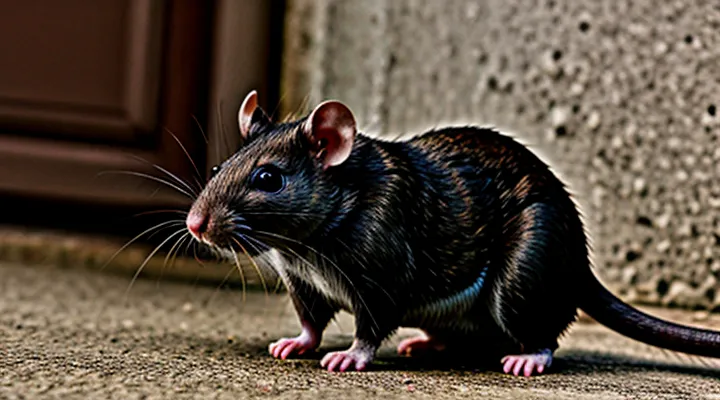
Understanding Melanin Production
Albinism and Its Role
Albinism is a genetic condition that eliminates melanin production in the skin, hair, and eyes of rodents. In albino rats, the lack of pigment in the iris allows light to pass through the retinal blood vessels, producing a vivid red or pink appearance. This ocular phenotype results from the same deficiency that creates the characteristic white fur.
Key characteristics of albinism in rats include:
- Absence of melanin in the iris, cornea, and retinal pigment epithelium.
- Visible blood vessels behind the transparent iris, creating a reddish hue.
- Increased sensitivity to bright light due to reduced ocular protection.
- Higher susceptibility to certain health issues, such as skin lesions and visual impairments.
The red eye presentation is not exclusive to albinism; other conditions, such as ocular inflammation or vascular abnormalities, may also cause discoloration. However, in the majority of cases where rats display red eyes, albinism is the primary genetic factor responsible.
Why Red Eyes Appear
Pigmentation and Light Reflection
Rats display a red eye appearance when the iris lacks sufficient pigment to mask the underlying vasculature. Melanin, the primary ocular pigment, absorbs and scatters incoming light; low melanin concentrations leave blood vessels visible, producing a reddish hue. This condition is common in albino rodents, where genetic mutations inhibit melanin synthesis throughout the body, including the eyes.
Light entering an unpigmented eye is reflected off the retinal blood vessels and the choroid layer. The reflected light exits the pupil, creating the characteristic red glow observed under illumination. The process can be summarized as follows:
- Minimal melanin in the iris → reduced light absorption.
- Light reaches retinal and choroidal blood vessels.
- Vessels reflect light back through the pupil.
- Observer perceives a red coloration.
Additional factors influencing the phenomenon include:
- Genetic albinism – complete absence of melanin.
- Partial hypopigmentation – reduced melanin levels, producing a lighter eye color that may appear red under certain lighting.
- Ocular health issues – cataracts or retinal degeneration can alter light transmission, sometimes enhancing the red effect.
Understanding the interplay between pigmentation and light reflection clarifies why some rats exhibit red eyes while others maintain darker ocular tones.
The Effect of Blood Vessels
Rats occasionally exhibit a pronounced red hue around the eyes because the blood vessels beneath the thin outer eye tissue become visible. The conjunctival membrane and the scleral surface contain a dense network of capillaries that supply oxygen and nutrients to ocular structures. When these vessels expand or become more translucent, the underlying blood imparts a reddish coloration that can be observed without magnification.
Several physiological and pathological conditions alter vessel appearance:
- Vasodilation caused by stress, heat, or excitement increases blood flow, enlarging capillary diameter.
- Inflammatory responses to infection or irritants swell the conjunctiva, reducing tissue opacity.
- Trauma to the eye or surrounding tissue ruptures small vessels, exposing blood directly.
- Anemia reduces the overall blood volume, prompting compensatory vessel dilation to maintain ocular perfusion.
The resulting red eye effect serves as a visual indicator of underlying health status. Persistent redness may signal chronic inflammation, respiratory infection, or systemic disease, prompting veterinary assessment. Temporary redness linked to acute stress or environmental factors typically resolves as vascular tone normalizes.
Health Considerations for Red-Eyed Rats
Potential Vision Impairment
Rats that develop conspicuous blood‑colored sclerae may be exhibiting early signs of ocular pathology that compromises visual function. Redness often results from vascular congestion, inflammation, or hemorrhage within the eye, conditions that frequently accompany deteriorating vision.
Common ocular disorders associated with red eyes include:
- Conjunctival hyperemia caused by irritation or infection.
- Corneal ulceration leading to neovascularization.
- Retinal degeneration producing subretinal hemorrhage.
- Cataract formation with associated inflammatory response.
- Glaucoma-induced optic nerve swelling and vascular leakage.
Behavioral indicators of impaired sight accompany the physical signs. Affected rodents display reduced exploratory activity, increased reliance on whisker tactile cues, and difficulty navigating obstacles. Pupillary reflexes become sluggish or absent, and the visual placing response diminishes.
Veterinary assessment employs direct ophthalmoscopy, slit‑lamp examination, and electroretinography to quantify retinal function. These diagnostics differentiate between reversible inflammation and irreversible degeneration, guiding treatment choices.
Therapeutic strategies focus on addressing underlying inflammation, correcting infections, and managing intra‑ocular pressure. Environmental adjustments—enhanced lighting, simplified cage layouts, and tactile markers—mitigate the impact of visual loss on welfare.
Increased Sensitivity to Light
Rats that display red eyes often suffer from heightened light sensitivity, a condition that triggers vascular dilation in the conjunctiva and sclera. Photophobia causes the ocular blood vessels to expand, allowing more blood to flow near the surface and giving the eye a reddish appearance.
Increased light sensitivity can result from several factors:
- Damage to retinal photoreceptors, reducing the eye’s ability to filter bright light.
- Inflammation of the cornea or conjunctiva, which lowers the threshold for light discomfort.
- Genetic predisposition that amplifies neural responses to illumination.
- Exposure to intense or flickering artificial lighting in laboratory or urban environments.
When light reaches the eye, the overstimulated retinal ganglion cells send excessive signals to the brain, prompting the autonomic nervous system to increase blood flow to the ocular tissues. The resulting hyperemia is visible as a red hue around the pupil. In severe cases, the condition may progress to ulceration or infection if the rat continues to rub its eyes against cages or bedding.
Management focuses on reducing ambient illumination, providing shaded areas, and monitoring for concurrent ocular infections. Veterinary assessment may include slit‑lamp examination to identify underlying inflammation and prescribe anti‑inflammatory drops if needed. By mitigating photic stress, the redness diminishes, confirming the direct link between light sensitivity and the observed ocular discoloration.
Common Misconceptions About Red-Eyed Rats
Dispelling Myths About Aggression
Rats may develop bloodshot eyes when the delicate vessels in the sclera become visible due to irritation, infection, or environmental stressors. Observers frequently link this appearance to heightened aggression, yet scientific observation shows no causal relationship between ocular redness and hostile behavior.
Common misconceptions:
- Red eyes indicate a rat is ready to attack.
- Visible blood vessels are a direct response to a threat.
- All rats with pink or scarlet eyes display dominant behavior.
Evidence contradicts these beliefs. Studies of laboratory colonies reveal that ocular redness appears in individuals suffering from conjunctivitis, allergic reactions, or exposure to dust, regardless of their social rank. Behavioral assays demonstrate that rats with clear, bright eyes engage in the same dominance contests as those with reddened eyes. Moreover, veterinary examinations confirm that the condition resolves with proper hygiene and medical treatment, without altering aggression levels.
Understanding the physiological basis of eye coloration prevents misinterpretation of harmless symptoms as warning signs. Accurate assessment relies on observing actual conduct—such as bite frequency, territorial marking, and response to intruders—rather than superficial visual cues.
Debunking Health Myths
Rats may develop red or bloodshot eyes for several physiological reasons, yet popular beliefs often misinterpret the sign. The most common misconception is that red eyes automatically indicate a serious infection. In reality, ocular redness frequently results from minor irritation, such as dust exposure or a brief increase in blood flow during excitement, and does not necessarily signal disease.
Another myth suggests that red eyes are a reliable indicator of poor diet. While nutritional deficiencies can affect overall health, they rarely manifest as isolated ocular redness. Specific deficiencies, such as vitamin A shortage, typically produce more severe symptoms like corneal ulceration or night blindness, not merely a pinkish hue around the iris.
A third false belief links red eyes to genetic abnormalities in all laboratory strains. Genetic predisposition can influence eye pigmentation, but most standard strains possess normal vascular structures that respond to environmental stimuli. Redness appears transiently and resolves without intervention in healthy individuals.
Key facts to consider:
- Redness often stems from vasodilation triggered by stress, temperature changes, or physical activity.
- Persistent, severe redness accompanied by discharge, swelling, or vision impairment warrants veterinary assessment.
- Proper cage hygiene, adequate ventilation, and routine health monitoring reduce the likelihood of irritant‑related eye redness.
Understanding the distinction between normal physiological responses and genuine pathology prevents unnecessary alarm and promotes accurate care for rodent populations.