
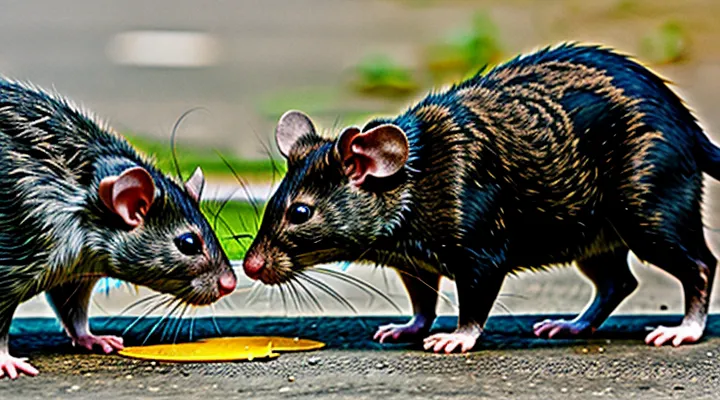
Understanding Rat Snorting: What it Means
The Mechanics of Rat Breathing
Rats inhale through a highly specialized nasal cavity that maximizes air filtration and humidification. The external nares lead to a complex network of turbinate bones covered with mucosa, creating turbulent flow that traps particles and regulates temperature before air reaches the nasopharynx.
The primary driver of ventilation is the diaphragm, a thin sheet of muscle separating the thoracic and abdominal cavities. Contraction expands the thoracic volume, reducing intrapulmonary pressure and drawing air inward. Simultaneous activation of external intercostal muscles lifts the rib cage, further increasing lung capacity. Exhalation relies on passive elastic recoil of lung tissue and active contraction of internal intercostal and abdominal muscles, which compress the thoracic cavity and expel air.
Key structural elements governing rat respiration:
- Nasal turbinates: increase surface area, promote turbulent airflow, and condition inhaled air.
- Diaphragm: primary inspiratory muscle, provides the greatest change in thoracic volume.
- Intercostal muscles: external fibers assist inspiration; internal fibers facilitate forced expiration.
- Abdominal musculature: contributes to rapid, forceful exhalation during vocalizations or defensive snorts.
Air passes from the nasal passages into the larynx, through the trachea, and into a pair of lobulated lungs. Each lung contains numerous alveolar sacs surrounded by a dense capillary network, enabling efficient gas exchange. Oxygen diffuses across the alveolar membrane into the bloodstream, while carbon dioxide follows the reverse gradient toward the airway for removal.
The rhythmic contraction‑relaxation cycle, coordinated by the brainstem respiratory centers, maintains a typical rat breathing rate of 70–150 breaths per minute. This high frequency supports the animal’s elevated metabolic demand and allows rapid adjustments in response to environmental stressors, including the production of characteristic snorting sounds.
Common Sounds Rats Make
Chirps and Squeaks
Rats produce chirps and squeaks as discrete vocal signals that often accompany rapid nasal expulsions. Chirps are brief, high‑frequency sounds emitted during exploratory behavior or when a rat encounters a novel stimulus. Squeaks are longer, lower‑frequency calls that occur during social interactions such as mounting, play fighting, or when an individual experiences mild stress. Both types of vocalizations can be triggered by the same physiological mechanisms that generate snorting, namely sudden bursts of airflow through the nasal passages combined with laryngeal muscle activation.
- Chirps: indicate curiosity, serve to alert nearby conspecifics of a new object, facilitate coordinated exploration.
- Squeaks: signal agitation, establish dominance hierarchies, function in brief warning exchanges.
- Snorting bursts: often precede or follow chirps and squeaks, reflecting a shared respiratory pattern that modulates airflow for sound production.
Neurological studies show that the auditory cortex processes these sounds differently from the acoustic signature of a snort, suggesting that rats can distinguish between pure respiratory noise and intentional vocalizations. Behavioral experiments demonstrate that rats respond more quickly to chirps when navigating mazes, while squeaks elicit immediate cessation of movement in peer animals, reinforcing the communicative purpose of each sound.
Bruxing and Chattering
Rats emit short, sharp nasal sounds that often accompany two distinct oral behaviors: bruxing and chattering. Both actions produce audible vibrations that can be confused with snorting, yet each serves a specific physiological and communicative function.
Bruxing describes the rhythmic grinding of the incisors. The motion generates low‑frequency vibrations transmitted through the skull, which are perceived by conspecifics as a sign of agitation or territorial assertion. Laboratory observations link bruxing to heightened cortisol levels, indicating a stress‑related component. Additionally, the activity stimulates the mandibular muscles, maintaining dental health in continuously growing teeth.
Chattering involves rapid, intermittent clacking of the incisors. The pattern creates high‑frequency acoustic pulses that travel through the surrounding air and the animal’s vibrissae. Researchers associate chattering with social signaling, particularly during courtship displays and hierarchical challenges. The behavior also appears during exploratory phases, suggesting a role in environmental assessment.
The coexistence of bruxing, chattering, and nasal snorts reflects a multimodal communication system:
- Stress response: bruxing and snort‑like bursts signal imminent threat or discomfort.
- Social interaction: chattering conveys dominance or readiness to mate, often paired with brief snorts to reinforce the message.
- Physiological maintenance: bruxing protects dental integrity while producing incidental snort sounds.
Understanding these behaviors clarifies that rat snorts are not isolated events but components of a broader acoustic repertoire that includes bruxing and chattering.
Snorting and Sneezing
Rats produce audible snorts as a reflexive response to irritants that enter the nasal passages. The sound originates from rapid expulsion of air through partially closed nostrils, generating a short, sharp vibration of the nasal tissues. This action clears debris and prevents obstruction of airflow, preserving the animal’s ability to detect scent cues essential for foraging and predator avoidance.
Sneezing in rats follows a similar physiological pathway but differs in intensity and trigger threshold. A sneeze involves a coordinated contraction of the diaphragm, intercostal muscles, and facial muscles, resulting in a forceful discharge of air that ejects larger particles or microbial agents. The sneeze reflex activates when sensory receptors in the nasal mucosa detect a stimulus exceeding a specific irritant concentration.
Common stimuli that provoke snorting or sneezing include:
- Dust particles or fur fragments
- Volatile chemicals such as ammonia or menthol
- Pathogenic microorganisms
- Sudden changes in temperature or humidity
Research indicates that frequent snorting may signal chronic exposure to low‑level irritants, while occasional sneezes often correlate with acute environmental changes. Monitoring these behaviors provides insight into the health status of laboratory colonies and can inform adjustments to housing conditions to reduce respiratory stress.
Reasons Behind Rat Snorting
Respiratory Issues
Mycoplasma pulmonis and Other Infections
Mycoplasma pulmonis infects the respiratory tract of rats, colonizing the nasal passages, trachea, and lungs. The organism adheres to epithelial cells, induces inflammation, and produces mucus that obstructs airflow. The resulting turbulence creates audible snorting during respiration. Laboratory colonies frequently exhibit this sign, which correlates with serological detection of the pathogen and histopathological evidence of bronchopneumonia.
Other microbial agents can provoke comparable nasal sounds in rats:
- Pasteurella pneumotropica – Gram‑negative bacillus that causes rhinitis and bronchitis.
- Streptococcus pneumoniae – Gram‑positive cocci associated with acute pneumonia and nasal discharge.
- Sendai virus – Paramyxovirus producing interstitial pneumonia and pronounced nasal breathing.
- Mycoplasma pulmonis‑like organisms (e.g., Mycoplasma orale) – Contribute to mixed infections that exacerbate snorting.
Recognition of these agents is essential for accurate diagnosis and targeted treatment, as each pathogen requires specific antimicrobial or supportive strategies.
Allergies and Irritants
Rats emit snorting noises when the nasal passages encounter substances that trigger inflammation or blockage. Allergens such as dust mites, pollen, mold spores, and certain food proteins provoke an immune response that releases histamine, causing mucosal swelling and excess mucus. The resulting pressure stimulates rapid inhalation attempts that sound like snorts.
Common irritants include:
- Ammonia from urine accumulations
- Strong cleaning agents or solvents
- Perfumes and scented bedding
- Smoke or particulate matter from heating devices
These agents irritate the respiratory epithelium, leading to reflexive snorting aimed at clearing the airway. Repeated exposure can progress to chronic rhinitis, reduced airflow, and heightened susceptibility to bacterial infections.
Mitigation strategies focus on environmental control: maintain low humidity, replace soiled bedding weekly, use unscented food and litter, ensure adequate ventilation, and limit the use of aerosolized chemicals. Monitoring a rat’s snorting frequency helps identify early respiratory distress and guides timely veterinary intervention.
Environmental Factors Affecting Breathing
Rats emit audible snorts when respiratory passages encounter resistance or irritation. Environmental conditions that modify air quality or airway temperature directly influence this behavior.
- Elevated ambient temperature reduces mucosal humidity, causing airway drying and increased airflow turbulence.
- Low relative humidity similarly dries nasal epithelium, prompting reflexive snorting to clear debris.
- High concentrations of airborne particulates (e.g., dust, pollen) lodge in nasal turbinates, triggering rapid expulsion movements.
- Ammonia and other volatile compounds, common in poorly ventilated enclosures, irritate mucosal receptors and provoke snort-like exhalations.
- Inadequate ventilation leads to accumulation of carbon dioxide and odors, altering breathing patterns and increasing snort frequency.
- Overcrowding raises stress levels and accelerates respiration, magnifying the impact of any irritant present.
Temperature fluctuations, humidity shifts, pollutant load, chemical irritants, ventilation quality, and population density together shape the respiratory environment of rats. When any factor exceeds physiological tolerance, the animal resorts to snorting as a protective mechanism to maintain airway patency.
Behavioral Explanations
Communication and Social Cues
Rats produce short, forceful exhalations through the nostrils that function as acoustic signals within their social networks. The sound, often accompanied by rapid whisker twitching and tail elevation, conveys immediate information about the emitter’s internal state and intent.
The primary communicative functions of this nasal emission include:
- Aggression and territorial defense – sharp snorts appear during confrontations, warning rivals of readiness to fight.
- Dominance assertion – dominant individuals emit repetitive snorts while moving through a group, reinforcing hierarchical status.
- Alarm response – sudden, high‑frequency snorts accompany escape behavior, alerting conspecifics to threats.
- Mating interest – males increase snort frequency during courtship bouts, signaling vigor to potential mates.
- Stress relief – isolated individuals produce low‑intensity snorts when confined, indicating heightened arousal.
Acoustic analysis shows that snort duration and pitch vary with emotional intensity; louder, higher‑pitched bursts correspond to heightened arousal, while softer, lower‑pitched sounds accompany mild discomfort. Observational studies confirm that receivers adjust behavior—retreating, submitting, or approaching—based on the specific snort pattern, demonstrating the signal’s effectiveness as a rapid, non‑visual cue.
Together, the auditory component, synchronized body language, and context‑dependent modulation make rat snorting a versatile element of their communication repertoire, enabling precise regulation of group dynamics without reliance on visual signals.
Stress or Discomfort
Rats emit short, sharp snorts when they encounter conditions that threaten their homeostasis. The sound functions as an immediate physiological response to heightened arousal, signaling that the animal perceives a negative stimulus. Elevated cortisol, increased heart rate, and rapid breathing often accompany the vocalization, confirming that the animal is experiencing stress.
Typical situations that provoke snorting include:
- Confinement in a space that limits movement or visual access to escape routes.
- Exposure to unfamiliar odors, loud noises, or sudden light changes.
- Physical irritation such as rough handling, injuries, or the presence of aggressive conspecifics.
In each case, the snort serves as a warning to the rat’s nervous system, prompting avoidance behaviors, heightened vigilance, or escape attempts. Recognizing this vocal cue allows researchers and caretakers to identify and mitigate sources of discomfort, thereby improving welfare outcomes.
Play and Excitement
Rats emit short, sharp snorts during moments of heightened activity, particularly when engaging in play. The sound accompanies rapid lung expansion and a brief closure of the nasal passages, producing a distinctive audible burst. This physiological response synchronizes with the animal’s increased heart rate and adrenaline surge, reinforcing social signals that indicate vigor and enthusiasm.
Key aspects of the snorting‑play connection include:
- Rapid, irregular movements such as chasing, wrestling, or tunnel exploration.
- Elevated respiratory rate that forces air through partially obstructed nostrils.
- Vocalization that alerts nearby conspecifics to an ongoing playful episode.
- Reinforcement of social hierarchy by demonstrating stamina and confidence.
The combination of physical exertion and emotional arousal creates a feedback loop: excitement drives snorting, and the audible cue amplifies group engagement, encouraging further interactive behavior.
Distinguishing Between Normal and Concerning Snorting
When to Observe
Observing rat snorting requires attention to specific periods when the behavior is most likely to occur.
During the active phase of the animal, usually the dark cycle in a controlled environment, rats exhibit heightened exploratory and social interactions. Snorting often accompanies these activities, making the night hours the prime window for reliable detection.
In laboratory settings, snorting spikes after the introduction of novel odors, food items, or conspecifics. Schedule observations shortly after such stimuli are presented, typically within the first five to ten minutes, to capture the initial respiratory response.
When monitoring for health‑related snorting, such as signs of respiratory distress, conduct regular checks at consistent intervals throughout the day. A practical routine includes:
- Morning health assessment before feeding.
- Mid‑day check after cage cleaning.
- Evening review during the active period.
These timed observations increase the likelihood of distinguishing normal exploratory snorts from pathological sounds.
For field studies, align observation periods with peak foraging times, often at dusk, and repeat across several days to account for individual variability. Consistent timing, synchronized with the rats’ natural activity patterns, provides the most accurate data on snorting behavior.
When to Seek Veterinary Advice
Rats emit snorting sounds for various physiological reasons, but sudden or persistent noises can signal underlying problems that require professional evaluation.
Key indicators that veterinary care is necessary include:
- Rapid, labored breathing or audible wheezing.
- Nasal discharge that is thick, colored, or foul‑smelling.
- Repeated sneezing accompanied by nasal bleeding.
- Visible swelling or lumps around the nose, eyes, or throat.
- Loss of appetite, weight loss, or lethargy coinciding with the snorting episodes.
When any of these signs appear, contact a qualified veterinarian promptly. The clinician will perform a physical examination, assess respiratory function, and may request imaging or laboratory tests to determine the cause—such as infection, dental disease, foreign bodies, or systemic illness. Early intervention improves outcomes and reduces the risk of complications.
Owners should keep a record of the frequency, intensity, and context of the snorting episodes, as this information assists the veterinarian in formulating an accurate diagnosis and treatment plan.
Preventing and Addressing Rat Snorting
Maintaining Optimal Cage Environment
Dust-Free Bedding Options
Snorting in rats frequently indicates irritation of the nasal passages caused by inhaled particles. Bedding that releases dust contributes directly to this symptom, making the choice of substrate a critical factor in respiratory health.
Effective dust‑free bedding must meet three criteria: minimal particulate release, high absorbency, and non‑toxic composition. Materials that meet these standards reduce airborne debris, limit moisture buildup, and prevent ingestion of harmful substances.
- Paper‑based bedding (e.g., shredded paper or processed cellulose) – virtually dust‑free, excellent absorbency, easy to replace.
- Hemp bedding – low dust, natural fibers, moderate odor control, suitable for chewing.
- Coconut fiber (coir) – minimal dust, good moisture wicking, biodegradable.
- Aspen shavings – low dust compared with pine, neutral scent, safe for gnawing.
- Specialty synthetic pads – engineered for dust suppression, reusable, high durability.
When selecting a substrate, prioritize products labeled “dust‑free” or “low‑dust.” Perform a visual inspection: no visible powder or fine particles should be present. Replace bedding regularly to maintain dryness and prevent mold growth, which can also provoke snorting. Monitor the rat’s behavior after a bedding change; a reduction in nasal sounds confirms the effectiveness of the dust‑free option.
Proper Ventilation
Rats emit snorting sounds when the respiratory system encounters restricted airflow or irritants; the symptom frequently indicates a ventilation problem in the enclosure.
Proper ventilation supplies a steady influx of clean air, removes excess carbon dioxide, and controls temperature and humidity. An exchange rate of at least 15 – 20 air changes per hour prevents the buildup of stale air that can trigger nasal congestion and audible breathing. Filtration devices that capture dust, mold spores, and ammonia reduce mucosal irritation, thereby decreasing the likelihood of snort-like vocalizations.
Insufficient airflow raises ambient humidity, fostering bacterial growth that irritates nasal passages. Elevated temperatures increase metabolic demand, forcing rats to breathe faster and produce audible exhalations. Maintaining a stable environment through regulated ventilation mitigates these physiological stressors.
- Install an exhaust fan calibrated for the enclosure volume to achieve the recommended air‑change rate.
- Use activated‑carbon or HEPA filters to remove airborne contaminants.
- Monitor temperature (18 – 24 °C) and relative humidity (40 % – 60 %).
- Conduct weekly measurements of carbon dioxide and ammonia levels; adjust airflow if concentrations exceed 0.5 % CO₂ or 25 ppm NH₃.
- Ensure openings are protected against drafts that could cause sudden temperature drops.
Implementing these measures creates an air quality that supports normal respiratory function, reducing the occurrence of snorting in laboratory or pet rats.
Avoiding Harsh Cleaners
Rats emit short, forceful nasal sounds when their respiratory passages encounter irritants. Harsh cleaning agents release volatile compounds that can inflame the delicate mucosa of a rodent’s nose and lungs, prompting the characteristic snort. Reducing exposure to these chemicals minimizes respiratory distress and supports overall health.
- Choose enzymatic or plant‑based cleaners instead of bleach, ammonia, or phenol solutions.
- Dilute any necessary chemical cleaners to the lowest effective concentration.
- Apply cleaning products in well‑ventilated areas; keep cages and feeding stations away from active fumes.
- Rinse surfaces thoroughly with water after disinfection to remove residue.
- Store chemicals in sealed containers, out of reach of pets, to prevent accidental inhalation.
Implementing milder agents and proper ventilation directly lowers the frequency of nasal irritation, thereby decreasing the occurrence of snorting behavior in laboratory and domestic rats.
Dietary Considerations
Impact of Nutrition on Respiratory Health
Nutrition directly influences the structure and function of the respiratory system in rodents. Adequate protein supplies amino acids required for the synthesis of alveolar surfactant, which reduces surface tension and maintains airway patency. Deficiencies in essential fatty acids alter the composition of phospholipid membranes, compromising mucosal integrity and increasing susceptibility to irritation that can trigger nasal expulsion events.
Vitamins A, C, and E serve as antioxidants that protect airway epithelium from oxidative damage caused by inhaled particulates. Vitamin A deficiency leads to squamous metaplasia of the respiratory mucosa, reducing ciliary activity and impairing clearance of mucus and debris. Vitamin C supports collagen formation, preserving the elasticity of bronchial walls, while vitamin E stabilizes cell membranes against lipid peroxidation.
Minerals contribute to respiratory health through specific mechanisms:
- Zinc: cofactor for enzymes that repair DNA damage in airway cells.
- Magnesium: relaxes smooth muscle, preventing bronchoconstriction.
- Selenium: enhances glutathione peroxidase activity, limiting inflammatory responses.
Dietary fiber modulates the gut microbiota, which in turn influences systemic inflammation and immune signaling pathways affecting the lungs. High‑fiber regimens reduce pro‑inflammatory cytokine levels, decreasing airway hyper‑responsiveness.
When rodents consume diets lacking these nutrients, the respiratory epithelium becomes fragile, mucus viscosity rises, and ciliary clearance slows. The resulting congestion and irritation often manifest as audible nasal expulsions, commonly observed as “snorting” behavior. Conversely, balanced nutrition restores mucosal resilience, normalizes airflow, and diminishes the frequency of such respiratory sounds.
Regular Health Checks
Early Detection of Respiratory Problems
Rats emit short, audible nasal bursts when airway resistance increases. The sound reflects changes in airflow that precede overt respiratory distress, making it a reliable indicator of emerging pulmonary issues. Researchers have documented a consistent correlation between the frequency of these bursts and the onset of bronchoconstriction, alveolar inflammation, or pathogen colonization.
Early detection relies on quantifying snort patterns. Objective measures include:
- Burst rate per minute; a rise above baseline signals heightened resistance.
- Amplitude variation; diminished intensity suggests partial obstruction.
- Temporal clustering; multiple bursts within a short interval often precede coughing or lethargy.
Continuous acoustic monitoring in laboratory colonies enables prompt intervention. Automated algorithms can flag abnormal snort signatures, prompting veterinary assessment before clinical symptoms manifest. Timely treatment—such as bronchodilator administration or antimicrobial therapy—reduces morbidity and improves survival rates.
Integrating snort analysis with physiological data (respiratory rate, oxygen saturation) creates a multidimensional early-warning system. This approach transforms a simple behavioral cue into a diagnostic tool, facilitating proactive management of respiratory health in rodent populations.
Veterinary Interventions and Treatments
Snorting in rats commonly signals upper‑respiratory irritation, infection, or obstruction. The audible exhalation may accompany nasal discharge, wheezing, or reduced activity, indicating that prompt veterinary assessment is required.
Diagnosis begins with a physical examination focused on the nasal passages, oral cavity, and thorax. Auscultation identifies abnormal breath sounds; rhinoscopy or endoscopy visualizes mucosal lesions. Laboratory analysis of nasal swabs or blood samples detects bacterial, viral, or fungal agents. Radiography or computed tomography evaluates sinus involvement and rule out foreign bodies.
Therapeutic measures include:
- Antimicrobial agents selected on culture results; broad‑spectrum antibiotics (e.g., enrofloxacin, amoxicillin‑clavulanate) used empirically for bacterial rhinitis.
- Antifungal drugs (e.g., itraconazole) for confirmed mycotic infections.
- Anti‑inflammatory medication (e.g., meloxicam) to reduce mucosal swelling.
- Nebulized saline or bronchodilator solutions to clear nasal passages and improve airflow.
- Analgesics for pain associated with sinusitis or trauma.
Supportive care reinforces medical treatment. Maintain ambient humidity at 50‑60 % to ease mucosal drying. Provide soft, nutrient‑dense food to prevent weight loss. Monitor temperature and hydration; subcutaneous fluids address dehydration. Isolate affected individuals to limit pathogen spread.
Prevention relies on strict husbandry. Clean cages weekly with disinfectant solutions proven safe for rodents. Replace bedding regularly to avoid dust accumulation. Ensure ventilation eliminates ammonia buildup. Implement quarantine for new or returning rats before integration with established colonies. Vaccination protocols, where available, reduce incidence of viral respiratory diseases.