
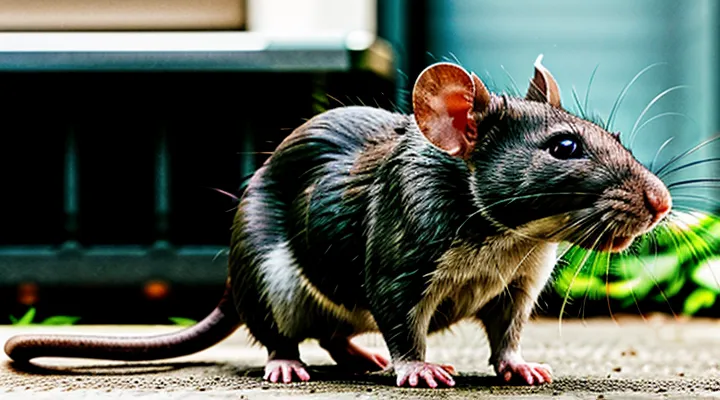
Understanding Rat Behavior
Natural Instincts and Communication
The Role of Nipping in Rat Colonies
Rats bite infrequently, and most incidents arise from brief nipping rather than sustained attacks. Nipping functions as a low‑intensity signal within colonies, conveying information about dominance, territorial boundaries, and immediate threats. When a subordinate encounters the scent or presence of a higher‑ranking individual, a quick bite can prompt retreat without escalating to a fight that would endanger both parties.
Key purposes of nipping include:
- Establishing hierarchical rank: a brief bite reinforces the aggressor’s status, deterring challenges from lower‑ranking members.
- Defining personal space: individuals use nipping to mark the limits of their nest or feeding area, reducing overlap and competition.
- Communicating stress or discomfort: sudden changes in environment, handling, or overcrowding trigger nipping as an alert to conspecifics that conditions are unfavorable.
- Facilitating learning: juveniles observe and experience nipping, acquiring cues about acceptable behavior and social cues within the group.
Physiologically, a nipping bite delivers a small amount of saliva containing pheromones that convey the aggressor’s hormonal state. Recipients detect these chemical signals, adjusting their behavior to avoid further conflict. The brief nature of the bite limits tissue damage, preserving colony cohesion while allowing rapid transmission of social information.
In captive settings, reducing nipping incidents involves maintaining appropriate space, providing environmental enrichment, and minimizing handling stress. Consistent monitoring of social dynamics helps identify individuals that repeatedly initiate nipping, allowing targeted interventions such as re‑grouping or environmental adjustments.
Understanding Rat Body Language
Rats communicate aggression, fear, and curiosity through distinct physical cues. Recognizing these signals reduces the likelihood of a bite.
- Tail erect, stiff, or rapidly flicking indicates alarm or defensive readiness.
- Ears flattened against the head signal discomfort or threat perception.
- Whiskers drawn forward and tightly packed suggest heightened alertness.
- A crouched body with back legs poised for sudden movement reflects a preparation to strike.
- High‑pitched squeaks or chattering accompany escalating tension, while low growls precede imminent aggression.
When a rat displays multiple cues simultaneously—especially tail rigidity, ear flattening, and forward‑projected whiskers—the probability of a bite rises sharply. Conversely, relaxed posture, loose whiskers, and slow tail movements correspond to a calm state, reducing bite risk.
To prevent bites, observe the animal before handling. Approach only after the tail relaxes and ears return to a neutral position. Avoid sudden motions that could trigger defensive body language. If warning signs appear, pause, give the rat space, and allow it to re‑establish a relaxed posture before resuming interaction.
Fear and Self-Preservation
Reactions to Perceived Threats
Rats bite primarily when they interpret a stimulus as a direct threat. The decision to bite emerges from a rapid assessment of risk, followed by an instinctive defensive response. This behavior protects the animal from injury and preserves its survival chances.
Key factors that trigger a perceived danger include:
- Sudden movements or vibrations near the rat’s nest or feeding area.
- Bright, unexpected light flashes that disrupt the animal’s visual field.
- Physical contact that restricts mobility, such as being grasped or trapped.
- Presence of predators, including larger mammals, birds, or humans displaying aggressive posture.
- Chemical cues indicating the scent of a predator or a conspecific in distress.
When any of these cues are detected, the rat’s nervous system activates the sympathetic branch, releasing catecholamines that heighten alertness. Muscles contract, the jaw muscles engage, and a bite is delivered to neutralize the perceived aggressor. The bite is typically brief, targeting sensitive regions such as fingers or hands, which maximizes pain and discourages further intrusion.
Repeated exposure to the same threat can condition rats to exhibit anticipatory aggression. Learning mechanisms reinforce the bite response, allowing the animal to preemptively strike before contact occurs. This adaptive strategy reduces the likelihood of being caught off‑guard in future encounters.
Startle Reflex and Defense Mechanisms
Rats bite when a sudden stimulus activates their innate startle reflex, a rapid neuromuscular response designed to protect against perceived threats. The reflex begins with sensory receptors detecting abrupt movement, vibration, or pressure, then transmits signals to the brainstem, which triggers an immediate defensive action. If escape is impossible, the response escalates to a bite, delivering a quick, painful deterrent.
Defense mechanisms employed by rats include:
- Immediate bite to neutralize the source of threat
- Sharp squeal or chirp warning conspecifics
- Rapid sprint away from the danger zone
- Defensive posture—raised fur, flattened ears, and bared teeth
The probability of a bite rises when rats are confined, handled roughly, or exposed to unfamiliar odors. Prior trauma or chronic stress lowers the threshold for the startle reflex, making aggressive defense more likely. Understanding these physiological and behavioral triggers clarifies why rats occasionally bite and informs safer interaction practices.
Common Reasons for Rat Bites
Pain or Injury
Bites Caused by Discomfort
Rats bite when they experience physical or psychological discomfort. Pain from injury, illness, or dental problems triggers a defensive response that can include a quick, forceful nip.
Common sources of discomfort include:
- Tight or improperly sized cages that restrict movement.
- Rough handling that squeezes or pins the animal.
- Sudden changes in temperature, lighting, or noise levels.
- Presence of parasites, skin irritations, or internal infections.
The bite serves as an immediate warning signal. When a rat perceives a threat to its well‑being, it releases a brief burst of teeth contact to discourage further provocation. This reaction is instinctive, not predatory, and often occurs before the animal can flee.
Preventive measures focus on minimizing stressors:
- Provide ample space and regular cleaning to avoid overcrowding and odor buildup.
- Handle rats gently, supporting the body and avoiding restraint of the neck or tail.
- Maintain stable environmental conditions, including consistent temperature and low noise.
- Monitor health regularly, treating injuries, dental issues, and parasites promptly.
By addressing the underlying discomfort, owners reduce the likelihood of defensive bites and promote a calmer, healthier rodent.
Aggression Due to Illness
Rats may bite when illness triggers aggression. Infections such as bacterial sepsis, viral encephalitis, or parasitic infestations can produce pain and systemic discomfort, prompting defensive attacks. Dental disease, including overgrown incisors or abscesses, generates chronic oral pain that lowers tolerance for handling and increases the likelihood of a bite. Neurological disorders, for example, rabies or rodent-specific encephalopathies, alter behavior by impairing impulse control and heightening irritability. Stress‑induced immunosuppression may exacerbate underlying conditions, creating a feedback loop where the animal becomes more prone to aggressive responses.
Typical indicators of illness‑related aggression include:
- Sudden change in temperament, especially increased wariness or hostility.
- Visible signs of distress such as lethargy, weight loss, or discharge from the eyes, nose, or mouth.
- Abnormal grooming, self‑mutilation, or excessive scratching.
- Unexplained swelling or lesions near the jaw or facial area.
Preventive measures focus on health monitoring and environment management. Regular veterinary examinations detect dental problems and infections before they influence behavior. Maintaining a clean cage, providing appropriate enrichment, and minimizing handling stress reduce the incidence of disease‑driven aggression. If a rat exhibits sudden biting, isolate the individual, assess for clinical signs, and seek professional veterinary care promptly to address the underlying health issue.
Stress and Overstimulation
Environmental Factors
Rats bite primarily when environmental conditions increase stress, threaten survival, or limit access to resources. Overcrowding forces frequent close contact, elevating competition for food and shelter; the resulting tension triggers defensive aggression. Poor sanitation creates scarcity of clean water and safe nesting sites, prompting rats to explore unfamiliar areas and encounter humans more often.
Key environmental triggers include:
- Limited food supply – sudden reduction or irregular distribution of food encourages foraging near human activity, raising the likelihood of bite incidents.
- Temperature extremes – heat stress or cold exposure drives rats to seek refuge in buildings, where they may feel cornered.
- Disturbance of habitat – construction, pest control measures, or relocation disrupt established routes, causing rats to react defensively to perceived threats.
- Presence of predators or rivals – exposure to cats, dogs, or other rodents heightens alertness and aggression, which can be directed at humans handling the animals.
When these factors converge, rats perceive humans as obstacles or sources of food, and a bite becomes a rapid response to protect themselves. Mitigating environmental stressors—maintaining consistent food availability, ensuring adequate shelter, controlling temperature, and minimizing habitat disruption—reduces the frequency of rat bites.
Handling-Related Stress
Rats bite primarily when they perceive a threat during handling. The stress caused by improper grip, sudden movements, or unfamiliar environments triggers a defensive response. Elevated cortisol levels increase agitation, reducing tolerance for contact and prompting a bite as a protective reflex.
Typical stressors include:
- Grasping too tightly or near the tail, which restricts airflow and induces panic.
- Rapid or jerky motions that mimic predator attacks.
- Handling in noisy, brightly lit, or cluttered areas that overwhelm sensory processing.
- Lack of habituation to human touch, especially in newly acquired or wild‑caught individuals.
Mitigation strategies focus on minimizing perceived danger:
- Approach the rat calmly, allowing it to sniff the hand before contact.
- Use a gentle, supportive grip around the torso, avoiding the tail and limbs.
- Conduct handling sessions in a quiet, dimly lit space with minimal distractions.
- Gradually increase handling duration over several days to build trust.
- Observe body language—flattened ears, rapid whisker movement, or stiff posture signal rising stress and should prompt immediate release.
By reducing handling‑related stress, the incidence of bites declines sharply, reflecting the animal’s improved confidence and comfort during human interaction.
Resource Guarding
Protecting Food or Territory
Rats bite primarily when they perceive a threat to their food supplies or to the area they consider their domain. Their natural instinct to guard resources triggers aggressive behavior that can result in a bite.
-
Food protection: Rats store and hoard food. If a human or another animal approaches a stash, the rat may interpret the intrusion as theft and respond with a bite to deter the competitor. The reaction is strongest when the food source is scarce or when the rat has invested significant effort in gathering it.
-
Territorial defense: Rats establish a home range that includes nesting sites, pathways, and foraging zones. Intrusion into this space—whether by pets, humans, or other rodents—activates a defensive response. Biting serves to reinforce boundaries and discourage repeated incursions.
Both motivations are rooted in survival. The bite is a rapid, low‑risk method to protect essential resources and maintain the rat’s spatial dominance. Reducing access to stored food and limiting opportunities for rats to claim a territory can lower the frequency of such incidents.
Maternal Aggression
Maternal aggression is a defensive response exhibited by lactating female rats to protect their offspring. The behavior emerges shortly after parturition and intensifies during the first two weeks of nursing.
Hormonal changes drive the response. Elevated prolactin sustains milk production and enhances vigilance. Increased estrogen and oxytocin levels modulate neural circuits that prioritize pup safety over external stimuli. These endocrine shifts amplify the perception of threat and lower the threshold for defensive actions.
External conditions can trigger aggression.
- Presence of unfamiliar humans or animals near the nest.
- Sudden noises or vibrations that may signal predator activity.
- Handling of pups or the dam without prior habituation.
- Overcrowding or inadequate nesting material that increases stress.
When the dam interprets an intrusion as a danger to her litter, she may deliver swift bites to the perceived offender. Biting serves as an immediate deterrent, reducing the likelihood of continued disturbance. The frequency of such incidents correlates with the intensity of maternal hormones and the proximity of the threat to the nest.
Preventing Rat Bites
Proper Handling Techniques
Approaching a Rat Safely
Rats bite mainly when they perceive a threat, experience sudden movement, or sense a predator’s proximity. Approaching a rat with controlled behavior lowers the chance of triggering a defensive response.
- Move slowly, avoiding abrupt gestures that could startle the animal.
- Keep your body at a lower level than the rat; crouching reduces the impression of dominance.
- Maintain a neutral gaze; direct eye contact can be interpreted as aggression.
- Use thick gloves or a tool such as a small cage or trap to handle the rat without direct skin contact.
- Allow the rat to sniff your hand or the instrument before attempting any interaction; this gives the animal time to assess safety.
- Do not corner the rat; ensure an escape route remains open to prevent panic.
- Speak in a calm, soft tone; loud sounds increase stress levels.
If the rat shows signs of agitation—raised fur, rapid breathing, or aggressive lunging—immediately cease contact and retreat. Following these guidelines minimizes risk of bite while facilitating a safe, controlled encounter.
Recognizing Warning Signs
Rats may bite when they perceive a threat, experience pain, or feel territorial pressure. Recognizing the precursors to such behavior reduces the risk of injury and facilitates humane management.
Typical indicators include:
- Sudden stiffening of the body and raised fur along the spine.
- Direct, unblinking stare accompanied by rapid, shallow breathing.
- Quick, darting movements toward a perceived intruder, often accompanied by a high‑pitched squeak.
- Aggressive tail flicking or whipping, which signals readiness to strike.
- Persistent scratching or biting of cages, walls, or handling equipment, suggesting heightened stress.
When these signs appear, immediate actions—such as withdrawing hands, providing escape routes, and minimizing loud noises—prevent escalation. Consistent observation of these cues enables caretakers to anticipate biting episodes and implement preventive measures effectively.
Creating a Safe Environment
Appropriate Cage Setup
An inadequate cage environment creates stress that frequently triggers bite incidents in rats. Properly designed enclosures provide space, security, and stimulation, thereby lowering the likelihood of aggressive responses.
- Minimum floor area: at least 2 sq ft per rat; larger spaces reduce territorial disputes.
- Vertical enrichment: multiple climbing levels, ramps, and platforms encourage natural foraging behavior.
- Concealed zones: dense hideouts made from untreated wood or cardboard allow retreat during discomfort.
- Bedding: absorbent, dust‑free material changed regularly prevents irritation and odor buildup.
- Feeding stations: separate food and water dispensers placed away from nesting areas avoid competition.
- Cleaning routine: daily spot cleaning with a full deep clean weekly eliminates waste accumulation that can provoke aggression.
Each element addresses a specific stressor. Sufficient space prevents crowding; vertical structures satisfy instinctual exploration; hideouts give rats control over exposure; clean, low‑dust bedding reduces respiratory irritation that can increase irritability; distinct feeding locations eliminate resource guarding; and consistent hygiene removes pathogens that may heighten defensive behavior. Collectively, an appropriate cage setup creates a stable, low‑stress habitat, markedly decreasing the frequency of biting episodes.
Reducing Stressors
Rats bite primarily when they perceive a threat or experience discomfort. Eliminating sources of tension can markedly lower the frequency of aggressive encounters.
Typical stressors include:
- Overcrowding in cages or enclosures
- Inconsistent feeding schedules
- Sudden noises, vibrations, or bright lights
- Lack of hiding places or nesting material
- Handling by unfamiliar individuals
Mitigation strategies:
- Maintain a population density that allows each animal at least 0.5 square foot of floor space.
- Provide a regular feeding routine with fresh food and water available at all times.
- Shield the habitat from abrupt auditory or visual disturbances; use sound‑absorbing covers and dim lighting where appropriate.
- Install tunnels, tubes, and soft bedding to create secure refuges.
- Acclimate rats gradually to human contact, using calm, consistent handling techniques.
By systematically addressing these variables, caretakers create an environment where rats feel secure, reducing the instinct to bite when approached.
Training and Socialization
Building Trust with Your Rat
Rats bite when they feel threatened, insecure, or uncertain about the handler. Establishing a reliable, low‑stress relationship reduces the likelihood of such reactions.
- Approach the cage calmly; sudden movements trigger alarm.
- Offer treats from the hand to associate your presence with positive outcomes.
- Handle the rat daily for short periods, gradually extending duration as comfort increases.
- Respect signals of discomfort—flattened ears, stiff posture, rapid breathing—and pause interaction.
- Keep the environment stable: consistent lighting, temperature, and cage layout prevent anxiety.
- Use a gentle, supportive grip that supports the body without restricting movement; avoid squeezing or restraining.
Consistent application of these practices creates a predictable routine, enabling the rat to perceive the caregiver as a safe source of resources rather than a threat. Over time, reduced fear translates into fewer defensive bites and a more cooperative companion.
Addressing Aggressive Tendencies
Rats bite when they perceive a threat, experience pain, or lack proper socialization. Aggressive behavior often stems from territorial instincts, competition for resources, or stress caused by confinement. Recognizing the triggers enables effective intervention.
Key factors that increase aggression include:
- Inadequate space, leading to crowding and competition.
- Insufficient hiding places, forcing constant exposure.
- Sudden handling or unfamiliar objects that provoke fear.
- Illness or injury, which may cause defensive biting.
Addressing these tendencies requires consistent environmental and handling practices:
- Provide a cage size that allows each rat at least 0.5 square feet of floor area.
- Install multiple shelters, tunnels, and nesting material to reduce exposure.
- Introduce handling gradually, using calm movements and offering treats to create positive associations.
- Conduct regular health checks; treat injuries or illnesses promptly to prevent defensive reactions.
Training sessions should focus on gentle restraint, using a two‑hand technique that supports the body without restricting breathing. Reward calm behavior with food or tactile praise. Over time, rats learn that human contact is safe, decreasing the likelihood of bite incidents.