
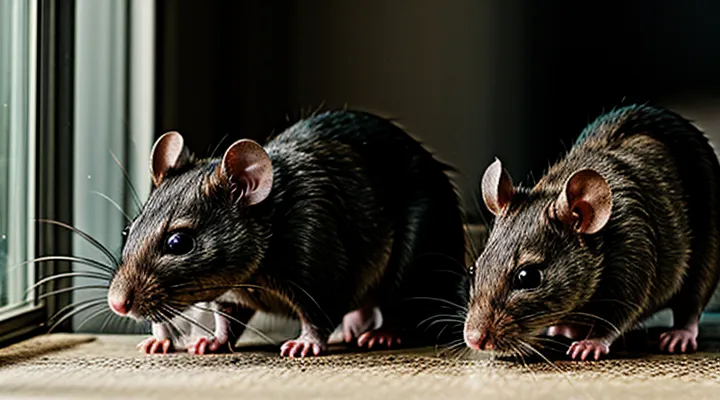
Understanding the Brief Lifespan of the Rat
Average Lifespan Metrics
Rats live considerably fewer years than most mammals, a fact reflected in precise lifespan statistics. Laboratory strains of the Norway rat (Rattus norvegicus) reach an average of 2 – 3 years under controlled conditions, with occasional individuals surviving up to 4 years. In contrast, wild populations experience harsher pressures; typical longevity falls to 10 – 18 months, and few exceed 2 years. The following metrics summarize current observations:
- Lab Norway rat (standard strain): mean lifespan 2.5 years; median 2.2 years; maximum recorded 4.0 years.
- Lab Sprague‑Dawley rat: mean lifespan 2.0 years; median 1.8 years; maximum 3.5 years.
- Wild Norway rat: mean lifespan 0.9 years; median 0.8 years; maximum 2.0 years.
- Wild roof rat (Rattus rattus): mean lifespan 1.1 years; median 1.0 years; maximum 2.5 years.
Environmental variables dominate these figures. Access to nutrition, absence of predators, and reduced pathogen load extend laboratory lifespans, while exposure to disease, competition, and seasonal stress truncate wild lifespans. Genetic background also contributes; selective breeding for research purposes yields strains with slightly longer longevity than their wild counterparts. The concise data underscore that the brevity of rat life cycles results from a combination of intrinsic biological rates and extrinsic ecological pressures.
Factors Influencing Individual Rat Longevity
Differences Between Laboratory and Wild Rats
Laboratory rats and wild rats differ in genetics, environment, nutrition, disease exposure, and mortality factors, all of which influence the brief lifespan typical of the species.
Genetic selection in laboratory strains emphasizes uniformity, rapid growth, and reproductive efficiency. Wild populations maintain greater genetic diversity, which can confer resilience to environmental stress but also includes alleles linked to slower development and higher susceptibility to disease.
Environmental conditions diverge sharply. Laboratory animals live in controlled temperature, humidity, and lighting, with minimal physical hazards. Wild rats face fluctuating climates, limited shelter, and exposure to predators, leading to frequent injuries and heightened stress.
Nutritional regimes contrast markedly. Laboratory diets provide balanced macronutrients, vitamins, and minerals in consistent quantities, eliminating malnutrition. Wild rats rely on opportunistic foraging, resulting in variable intake, occasional deficiencies, and occasional toxin ingestion.
Disease dynamics differ. Inbred laboratory colonies are monitored for specific pathogens and often receive prophylactic treatments, reducing infection rates. Wild rats encounter a broad spectrum of parasites, bacteria, and viruses, contributing to higher morbidity and mortality.
Mortality sources are distinct. Laboratory rats primarily die from age‑related organ decline or experimental interventions. Wild rats succumb to predation, accidental trauma, extreme weather, and disease outbreaks, which truncate the average lifespan more severely.
Collectively, these disparities explain why the average lifespan of free‑living rats is markedly shorter than that of their laboratory counterparts, despite the species’ inherent biological limits.
The Role of Diet and Environment
Rats typically live only one to three years, a limit that reflects the combined impact of their nutritional intake and surrounding conditions.
Dietary factors that shorten rat lifespan include:
- High‑energy, low‑fiber chow that accelerates metabolism and increases oxidative stress.
- Excessive protein or fat content that overloads hepatic processing and promotes obesity‑related disorders.
- Presence of contaminants such as mycotoxins, heavy metals, or pesticide residues, which damage cellular structures and impair immune function.
- Inadequate micronutrient balance, leading to deficiencies in vitamins E and C that reduce antioxidant defenses.
Environmental influences that contribute to reduced longevity are:
- Overcrowded housing, which elevates aggression, chronic stress hormones, and susceptibility to respiratory infections.
- Ambient temperatures outside the optimal 20‑26 °C range, causing thermoregulatory strain and heightened metabolic demand.
- Irregular light‑dark cycles that disrupt circadian rhythms, impairing hormone regulation and DNA repair mechanisms.
- Exposure to pathogens in unsanitary bedding or water supplies, increasing the incidence of gastrointestinal and respiratory diseases.
The interaction between nutrition and habitat intensifies physiological wear. Caloric excess combined with heat stress amplifies free‑radical production, while micronutrient scarcity under crowded conditions weakens immune surveillance. Consequently, the convergence of suboptimal diet and adverse environmental parameters accelerates cellular aging, disease onset, and ultimately the brief lifespan observed in laboratory and wild rat populations.
The Evolutionary Trade-Off: Living Fast
High Predation Pressure
Necessity of Rapid Sexual Maturity
Rats live only a few years, so natural selection favors individuals that can reproduce before death. Early sexual maturity shortens the interval between birth and the first litter, allowing a generation to contribute to the gene pool despite high mortality.
Rapid sexual maturity arises from several pressures:
- High predation and accidental death reduce average lifespan, making delayed reproduction disadvantageous.
- Pathogen exposure accelerates mortality, favoring individuals that reach fertility quickly.
- Limited resources increase competition, so early breeders secure mates and territories before rivals dominate.
- Fast growth rates allocate energy to gonadal development rather than prolonged somatic maintenance.
The physiological outcome is accelerated puberty, early onset of estrus in females, and prompt spermatogenesis in males. These traits enable rats to produce multiple litters within a brief adult phase, compensating for frequent losses and maintaining population size.
Consequently, the necessity of rapid sexual maturity directly supports the species’ strategy of surviving with a short lifespan. By reproducing early and often, rats offset individual mortality and ensure continuous propagation.
The Need for Frequent Reproduction
Rats survive only a few years, a fact that drives a reproductive strategy focused on speed and quantity. Short life expectancy limits the period during which an individual can contribute offspring, so natural selection favors individuals that reproduce early and often.
Early sexual maturity allows a rat to begin producing litters within two months of birth. This timing ensures that each generation can replace itself before most individuals die. Rapid gestation—approximately three weeks—followed by large litters (typically six to twelve pups) maximizes the number of descendants produced in a brief lifespan.
Key factors that sustain frequent breeding:
- High predation and environmental hazards that reduce adult survival.
- Intense competition for limited resources, prompting swift population turnover.
- Genetic pressure to spread advantageous traits before individuals succumb to disease or injury.
The combination of early maturity, short gestation, and large litter size creates a life-history pattern where reproducing frequently is essential for species persistence despite the limited longevity of each rat.
The «R-Selection» Survival Strategy
Prioritizing Progeny Count over Individual Endurance
Rats allocate biological resources to maximize reproductive output rather than to extend individual survival. Energy invested in rapid maturation, frequent estrous cycles, and large litter sizes reduces the allocation available for cellular maintenance, DNA repair, and immune function. Consequently, physiological systems deteriorate earlier, leading to brief adult phases.
Key mechanisms that link high progeny production to reduced longevity include:
- Accelerated growth hormones that trigger early sexual maturity but also increase oxidative stress.
- Elevated metabolic rates required for sustained breeding activity, resulting in faster accumulation of cellular damage.
- Suppressed somatic maintenance pathways, such as reduced activity of longevity‑associated genes (e.g., sirtuins) during periods of intense reproduction.
- Hormonal shifts favoring gonadal development over somatic tissue repair, shortening the functional lifespan of organs.
Natural selection favors these traits because each generation can generate numerous offspring before mortality, ensuring gene propagation despite the species’ overall short adult lifespan.
Comparison to «K-Selection» Species
Rats mature quickly, reproduce prolifically, and typically die within one to two years. Their life-history strategy aligns with r‑selection, which favors high fecundity, early sexual maturity, and minimal parental investment. In contrast, K‑selected species such as elephants, whales, and many large mammals exhibit long lifespans, delayed reproduction, and low offspring numbers, reflecting a strategy that maximizes competitive ability in stable environments.
Key differences between the two strategies:
- Reproductive output: Rats produce dozens of offspring per litter and multiple litters annually; K‑selected species often have a single offspring every few years.
- Growth rate: Rats reach sexual maturity within weeks; K‑selected organisms may require several years to become reproductively viable.
- Mortality pattern: Rat populations experience high juvenile and adult mortality, with most individuals dying young; K‑selected populations display low mortality until old age, when death becomes more probable.
- Resource use: Rats exploit abundant, unpredictable resources, tolerating rapid environmental fluctuations; K‑selected species depend on stable, limited resources, investing heavily in offspring survival.
The contrast illustrates why rats cannot achieve the longevity characteristic of K‑selected organisms: their evolutionary niche rewards speed and quantity over longevity and competitive dominance.
Biological and Metabolic Constraints
The Rate of Living Theory
Elevated Basal Metabolic Rate
Rats typically survive only two to three years, considerably less than many mammals of comparable size. A primary physiological factor is their elevated basal metabolic rate (BMR), the energy expended to maintain basic cellular functions while at rest.
An increased BMR accelerates the consumption of oxygen and nutrients, which raises the production of reactive oxygen species (ROS). Excess ROS inflict damage on DNA, proteins, and lipids, overwhelming repair mechanisms and hastening cellular senescence.
Key consequences of a high BMR include:
- Faster turnover of mitochondria, leading to accumulation of dysfunctional organelles.
- Elevated oxidative stress, shortening telomeres and impairing genome stability.
- Greater caloric demand, prompting frequent feeding and exposure to dietary toxins.
- Intensified protein synthesis and degradation cycles, increasing the likelihood of misfolded proteins.
These physiological stresses compress the window for tissue maintenance and regeneration, thereby limiting overall longevity. The combination of rapid energy turnover and associated cellular wear explains why rats experience a comparatively brief lifespan.
Acceleration of Organ System Function
Rats mature rapidly, reaching reproductive age within weeks. This accelerated development is mirrored in the function of their organ systems, which operate at higher metabolic rates than those of longer‑lived mammals. Elevated basal metabolism increases oxygen consumption, generates more reactive oxygen species, and accelerates cellular turnover. Consequently, tissues experience faster wear, DNA damage accumulates more quickly, and repair mechanisms become overwhelmed.
Key organ systems illustrate this pattern:
- Cardiovascular system: Heart rate exceeds 300 beats per minute; cardiac output adapts to sustain high energy demand, but chronic tachycardia promotes myocardial stress and early fibrosis.
- Respiratory system: Ventilation frequency rises to match oxygen needs; constant high tidal flow exposes alveolar epithelium to oxidative injury, reducing pulmonary elasticity over time.
- Renal system: Glomerular filtration rate is proportionally high, facilitating rapid waste clearance; however, sustained hyperfiltration leads to glomerular sclerosis and declining renal function in mid‑life.
- Endocrine system: Growth hormone and insulin‑like growth factor levels peak early, driving swift somatic growth; prolonged exposure accelerates cellular senescence and diminishes insulin sensitivity.
The cumulative effect of these accelerated processes shortens the functional lifespan of each organ, ultimately limiting overall longevity. Reducing organ system tempo—through caloric restriction, genetic manipulation of growth pathways, or pharmacological agents that dampen metabolic intensity—has been shown to extend rat lifespan, confirming the direct link between organ acceleration and brief life expectancy.
Cellular Aging and Oxidative Stress
Accumulation of Free Radicals
Rats experience rapid age‑related decline because oxidative damage accumulates faster than in longer‑lived species. Reactive oxygen species generated during normal metabolism attack cellular macromolecules; insufficient antioxidant defenses allow these free radicals to persist, causing progressive dysfunction.
Key consequences of free‑radical buildup include:
- Lipid peroxidation of membranes, compromising cell integrity and signaling.
- Oxidation of DNA bases, leading to mutations and impaired replication.
- Modification of proteins, reducing enzymatic activity and promoting aggregation.
- Mitochondrial membrane damage, decreasing ATP production and increasing further ROS generation.
These processes accelerate tissue degeneration, impair organ function, and ultimately reduce the lifespan of laboratory rodents.
Mitochondrial Efficiency and Damage
Mitochondria generate the bulk of cellular ATP through oxidative phosphorylation. In rats, the high basal metabolic rate demands rapid ATP turnover, placing continuous stress on the organelle’s inner membrane and its protein complexes.
With advancing age, mitochondrial coupling efficiency declines. Proton leakage across the inner membrane rises, reducing the proportion of substrate oxidation that is converted into usable energy. The resulting drop in ATP availability forces cells to rely on anaerobic pathways, which produce less ATP per glucose molecule and generate additional metabolic by‑products.
Simultaneously, the electron transport chain releases reactive oxygen species (ROS). In rats, ROS production outpaces antioxidant defenses, leading to:
- Oxidation of cardiolipin and other phospholipids in the inner membrane
- Carbonylation of respiratory‑chain proteins, impairing electron transfer
- Mutations in mitochondrial DNA that compromise the synthesis of essential subunits
These alterations produce a feedback loop: damaged components generate more ROS, which in turn cause further molecular injury. Over time, the cumulative loss of mitochondrial function diminishes cellular energy budgets, impairs tissue repair, and accelerates organ failure. The resultant physiological decline accounts for the brief lifespan observed in laboratory rats.
Genetic Predisposition to Short-Term Health
Telomere Dynamics and Replication Limits
Telomeres, the repetitive DNA caps at chromosome ends, protect genomic integrity during cell division. In rats, each mitotic event shortens telomeric repeats unless telomerase replenishes them. Although rodents exhibit higher basal telomerase activity than many mammals, the enzyme does not fully offset replication‑associated loss, leading to progressive telomere erosion.
When telomeres reach a critical length, DNA damage responses trigger permanent cell‑cycle arrest, known as replicative senescence. This Hayflick limit restricts the proliferative capacity of somatic cells, curtails tissue regeneration, and accelerates organismal aging. In rats, the threshold for senescence is reached earlier than in longer‑lived species, contributing to their comparatively brief lifespan.
Additional factors intersect with telomere dynamics:
- Oxidative stress accelerates telomere shortening by damaging guanine‑rich sequences.
- Stem‑cell niches exhibit limited telomerase up‑regulation, reducing renewal potential.
- Telomere‑associated protein complex alterations destabilize chromosome ends, amplifying senescence signals.
Collectively, incomplete telomere maintenance and the finite replication capacity of somatic cells impose a hard biological ceiling on rat longevity.
Susceptibility to Specific Diseases
Rats experience a markedly brief lifespan, largely because they are highly vulnerable to a range of pathogens that accelerate mortality. Their physiological makeup predisposes them to rapid disease progression, limiting the window for reproductive success and ecological impact.
Key diseases that disproportionately affect rats include:
- Salmonella enterica – induces severe gastroenteritis, leading to dehydration and systemic infection within days.
- Leptospira interrogans – causes leptospirosis, damaging kidneys and liver, often resulting in fatal organ failure.
- Hantavirus – triggers hemorrhagic fever with pulmonary syndrome; the immune response in rats is insufficient to control viral replication.
- Yersinia pestis – the bacterium responsible for plague; rats serve as reservoir hosts, but infection quickly overwhelms their immune defenses.
- Rat coronavirus (RCV) – produces enteric disease, compromising nutrient absorption and weakening overall health.
These pathogens exploit specific weaknesses in the rat immune system. Limited adaptive immunity, reduced antibody diversity, and a high basal metabolic rate create an environment where infections spread swiftly and resolve poorly. Consequently, disease susceptibility constitutes a primary factor in the short lifespan observed across rodent populations.
Comparative Analysis of Rodent Longevity
The Correlation Between Body Size and Lifespan
Rats live only two to three years, a duration that aligns with the general pattern observed across mammals: smaller body size corresponds to shorter lifespan. Comparative data illustrate this inverse relationship: laboratory mice survive approximately 2 years, rabbits reach 10–12 years, domestic dogs average 10–13 years, horses 25–30 years, and elephants 60–70 years. The trend persists despite differences in habitat, diet, and phylogeny, indicating a fundamental biological link.
Higher mass‑specific metabolic rates characterize diminutive species. Elevated respiration per gram accelerates the production of reactive oxygen species, intensifies cellular damage, and shortens the functional period of tissues. Rapid cell turnover in small mammals also accelerates telomere shortening, further limiting organismal longevity. These physiological pressures create a ceiling on the maximum attainable lifespan for small-bodied animals.
Rats exemplify the size‑lifespan correlation. Their metabolic rate exceeds that of larger rodents, driving swift growth, early reproductive maturity, and accelerated senescence. Consequently, the brief life expectancy of rats reflects the same mechanisms that constrain all small mammals.
Key factors connecting body size to lifespan:
- Mass‑specific metabolic intensity
- Rate of oxidative stress accumulation
- Speed of cellular turnover and telomere erosion
- Age at sexual maturity
Understanding these elements clarifies why rats, as one of the smallest mammals studied intensively, exhibit markedly brief lifespans.
Exceptional Cases: Examining Long-Lived Rodents
Insights from the Naked Mole Rat
Rats typically live only two to three years, a lifespan considerably shorter than that of many mammals. Research on the naked mole‑rat, a rodent that regularly reaches three decades, provides concrete mechanisms that contrast sharply with the biology of common rats.
- Naked mole‑rats maintain exceptionally stable DNA, repairing breaks within hours; laboratory rats exhibit slower repair, leading to accumulated mutations.
- Protein turnover in naked mole‑rats exceeds that of rats by 30 % on average, preventing misfolded proteins from accumulating and triggering cellular senescence.
- The species possesses a unique low‑oxygen tolerance, mediated by elevated levels of the transcription factor HIF‑1α, which allows sustained metabolism without oxidative damage. Rats lack this adaptation, resulting in higher oxidative stress.
- Social structure in naked mole‑rats reduces predation and competition, lowering chronic stress hormones that accelerate aging in solitary rats.
Metabolic rate offers another explanatory factor. Naked mole‑rats display a reduced basal metabolic rate, consuming less energy per gram of tissue. Rats, by contrast, have a higher metabolic demand, generating more reactive oxygen species that damage cellular components.
Hormonal regulation also diverges. Naked mole‑rats produce elevated levels of the longevity‑associated hormone IGF‑1 binding protein‑3, which dampens growth‑factor signaling linked to aging. Rats maintain higher circulating IGF‑1, promoting rapid growth at the expense of cellular maintenance.
Collectively, the naked mole‑rat’s robust DNA repair, efficient protein turnover, metabolic restraint, and hormonal profile illustrate physiological strategies that extend life. These strategies highlight why ordinary rats, lacking such mechanisms, experience markedly abbreviated lifespans.
Genetic Divergence and Longevity Mechanisms
Rats exhibit markedly brief lifespans compared with many mammals, a pattern rooted in genetic divergence that shapes cellular maintenance, metabolic regulation, and stress response. Comparative genomics reveal accelerated evolution in genes governing telomere dynamics, DNA repair, and mitochondrial function. Variants that favor rapid growth and high reproductive output often compromise long‑term genomic stability, resulting in earlier onset of senescence.
Key longevity pathways altered in rodents include:
- Insulin/IGF‑1 signaling: Mutations reduce feedback inhibition, enhancing anabolic processes but accelerating cellular aging.
- mTOR activity: Up‑regulated mTOR promotes protein synthesis and growth; chronic activation suppresses autophagy, leading to accumulation of damaged organelles.
- Sirtuin expression: Lowered SIRT1 and SIRT3 levels diminish deacetylation of stress‑responsive proteins, weakening resistance to oxidative damage.
- p53 network: Allelic variations shift the balance toward apoptosis over DNA repair, truncating cell survival under genotoxic stress.
These genetic shifts generate a physiological profile characterized by high metabolic rate, elevated reactive oxygen species production, and limited capacity for cellular renewal. Consequently, the intrinsic lifespan ceiling for rats remains low, reflecting an evolutionary trade‑off that privileges rapid maturation and fecundity over longevity.