
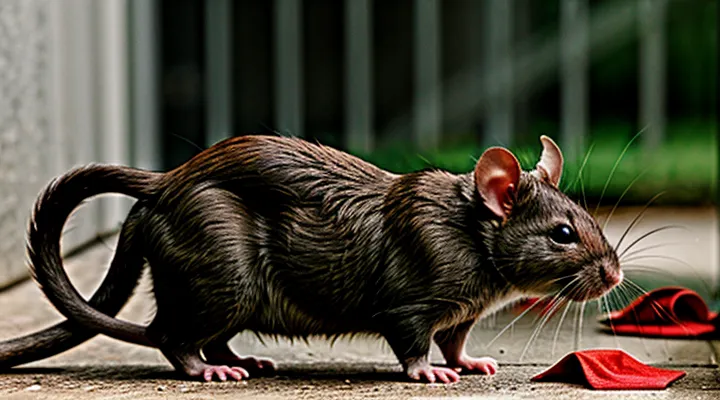
Understanding Epistaxis in Rats
What is Epistaxis?
Anatomy of the Rat Nasal Cavity
The rat nasal cavity consists of a complex arrangement of bony, cartilaginous, and soft‑tissue structures that support respiration, olfaction, and thermoregulation. The external nares open into a short vestibule lined with stratified squamous epithelium, which transitions to respiratory epithelium in the nasal passage. This passage is divided by the nasal septum into left and right chambers, each containing three pairs of turbinates—dorsal, middle, and ventral—that increase surface area for air filtration and humidification.
Blood is supplied primarily by branches of the internal carotid artery, including the rostral and caudal ethmoidal arteries, which form a dense capillary network within the mucosal layer of the turbinates. Venous drainage follows the corresponding veins into the petrosal sinus. The rich vascularization makes the mucosa vulnerable to rupture under traumatic or pathological conditions, contributing to epistaxis.
Mucosal glands secrete mucus that traps particles, while the olfactory epithelium, located on the dorsal roof of the nasal cavity, contains sensory neurons that project to the olfactory bulb. Innervation from the trigeminal nerve provides sensory feedback and regulates vascular tone.
The nasal cavity communicates posteriorly with the nasopharynx through the choanae and laterally with the paranasal sinuses—maxillary, frontal, and sphenoidal—via narrow ducts. These sinuses contain thin mucosal linings and additional vascular plexuses.
Key anatomical features influencing nose bleeding in rats:
- Turbinate mucosa with high capillary density
- Septal vessels prone to shear stress
- Thin bony partitions separating sinuses
- Direct connection to the nasopharyngeal airway
Understanding this anatomy clarifies the physiological pathways that can be disrupted, leading to hemorrhage from the nasal passages.
Symptoms Beyond Visible Bleeding
Rats that experience nasal hemorrhage often present additional clinical signs that reveal the underlying pathology. Recognizing these manifestations enables timely intervention and improves prognosis.
- Clear or mucopurulent nasal discharge, indicating irritation, infection, or tumor infiltration.
- Frequent sneezing or nasal rubbing, reflecting mucosal inflammation or obstruction.
- Swelling or edema of the facial region, suggesting trauma or neoplastic growth.
- Crusting or scabbing around the nostrils, a consequence of repeated bleeding.
- Pale mucous membranes, rapid heart rate, or reduced activity, signs of anemia and systemic compromise.
- Weight loss, decreased grooming, or lethargy, evidence of chronic disease or pain.
- Labored breathing, wheezing, or audible stridor, indicating airway obstruction or pulmonary involvement.
- Ocular discharge or conjunctival redness, often associated with sinus infection spreading to the eyes.
Each symptom narrows the differential diagnosis. Purulent discharge and sneezing typically accompany bacterial sinusitis; facial swelling and crusting frequently accompany neoplastic lesions; anemia and lethargy suggest severe blood loss or systemic coagulopathy. Respiratory distress may point to obstruction from a mass or severe inflammation.
Veterinary assessment should include physical examination, complete blood count, radiography or CT imaging, and nasal cytology. Early detection of these ancillary signs guides diagnostic testing, informs treatment choices, and reduces the risk of fatal complications.
Common Causes of Rat Nose Bleeding
Environmental Factors
Low Humidity
Low ambient humidity dries the nasal mucosa of rats, reducing the moisture that normally protects delicate blood vessels. When the mucosal surface loses water, epithelial cells become less flexible and more prone to cracking under normal respiratory movements.
Dry mucosa leads to:
- Increased fragility of capillaries in the nasal septum.
- Elevated surface tension that draws fluid away from the epithelium, creating micro‑tears.
- Impaired mucus production, which removes protective secretions and leaves exposed tissue.
The combination of fragile vessels and micro‑injuries allows blood to escape into the nasal cavity, manifesting as epistaxis. Chronic exposure to arid conditions can exacerbate the problem, causing repeated bleeding episodes and potentially secondary infections. Maintaining relative humidity within the optimal range for laboratory rodents (40‑60 %) helps preserve mucosal integrity and prevents nosebleeds linked to dehydration of nasal tissues.
Irritants and Allergens
Rats experience nasal hemorrhage when the delicate mucosal lining is exposed to substances that irritate or trigger immune reactions. Direct contact with airborne particles, chemical vapors, or dust can damage blood vessels, leading to bleeding. Common irritants include:
- Ammonia from bedding or waste accumulation
- Strong cleaning agents such as bleach or phenol
- Smoke and particulate matter from combustion sources
Allergens provoke inflammation that compromises vascular integrity. Frequent allergens in laboratory and pet environments are:
- Mold spores growing in damp bedding or enclosure corners
- Rodent feed contaminants, especially grain dust and protein additives
- Pollen or plant material introduced through fresh vegetables
When irritants or allergens persist, they cause chronic inflammation, edema, and fragile capillaries, which readily rupture during normal grooming or sneezing. Preventive measures focus on maintaining low humidity, providing dust‑free bedding, using non‑irritating cleaning products, and regularly inspecting feed for spoilage. Immediate intervention involves gentle nasal cleaning, cessation of the offending agent, and veterinary assessment to rule out underlying coagulopathies or infections.
Temperature Extremes
Temperature extremes impose physiological stress that can trigger nasal hemorrhage in rats. Sudden shifts between hot and cold environments disrupt vascular regulation in the nasal mucosa, creating conditions favorable for bleeding.
Cold exposure induces peripheral vasoconstriction, reducing blood flow to the nasal epithelium. Rewarming causes rapid vasodilation, generating shear forces that rupture fragile capillaries. The resulting micro‑injuries manifest as epistaxis.
Heat exposure accelerates evaporative loss, leading to mucosal dehydration. Dehydrated tissue becomes brittle, and elevated core temperature raises cardiac output, increasing perfusion pressure in nasal vessels. Combined, these factors promote rupture of superficial vessels.
Experimental studies report a direct correlation between ambient temperature fluctuations and the frequency of nosebleeds in laboratory rats. Animals housed at temperatures below 10 °C or above 30 °C exhibit a higher incidence of nasal bleeding compared with those maintained at a stable, moderate temperature.
Mitigation strategies include:
- Maintaining a constant housing temperature within the species‑specific thermoneutral zone (approximately 22–26 °C).
- Providing supplemental humidity to counteract mucosal drying during warm periods.
- Gradually acclimating rats to temperature changes rather than imposing abrupt shifts.
Adhering to these practices reduces vascular stress in the nasal cavity and lowers the risk of hemorrhagic episodes.
Health-Related Issues
Respiratory Infections
Respiratory infections are a primary factor behind the appearance of epistaxis in rats. Pathogens invade the nasal passages and lower airways, causing inflammation that damages the delicate mucosal vessels. The resulting hemorrhage manifests as nosebleeds.
Common infectious agents include:
- Streptococcus pneumoniae – induces purulent rhinitis and compromises capillary integrity.
- Mycoplasma pulmonis – produces chronic bronchopneumonia with secondary nasal mucosal erosion.
- Bordetella bronchiseptica – triggers severe rhinitis, edema, and vessel rupture.
- Pseudomonas aeruginosa – colonizes damaged tissue, releasing toxins that weaken vascular walls.
Inflammatory processes increase vascular permeability, promote edema, and lead to micro‑tear formation. Persistent coughing or sneezing associated with infection raises intranasal pressure, further stressing fragile vessels. Secondary bacterial colonization often follows viral or mycoplasmal infection, accelerating tissue breakdown and bleeding.
Effective management requires:
- Accurate identification of the causative organism via culture or PCR.
- Targeted antimicrobial therapy based on susceptibility testing.
- Supportive care—humidified environment, nasal saline irrigation, and monitoring for anemia.
Early detection of respiratory infection signs reduces the likelihood of severe epistaxis and improves overall health outcomes for laboratory and pet rats.
Tumors and Polyps
Tumor formation within the nasal cavity is a direct source of bleeding in laboratory rats. Malignant neoplasms, such as olfactory neuroblastoma and squamous cell carcinoma, invade vascular structures, disrupt the mucosal lining, and produce persistent hemorrhage. Benign growths, including nasal polyps and fibroadenomas, can enlarge enough to compress capillaries, leading to episodic blood loss. Cellular proliferation often induces inflammation, which further weakens vessel integrity.
Key tumor and polyp types associated with rat epistaxis include:
- Olfactory neuroblastoma – aggressive, originates from olfactory epithelium, frequently erodes bone and vessels.
- Squamous cell carcinoma – arises in nasal epithelium, forms ulcerated masses that bleed.
- Nasal polyp – mucosal overgrowth, may become vascularized and rupture.
- Fibroadenoma – stromal proliferation, can obstruct nasal passages and cause pressure necrosis.
Diagnostic evaluation relies on imaging (micro‑CT or MRI) to identify mass location, followed by histopathological confirmation. Treatment options range from surgical excision of accessible lesions to radiation therapy for infiltrative malignancies. Early identification of tumor‑related bleeding improves outcome and reduces mortality in affected colonies.
Dental Problems
Nasal hemorrhage in rats frequently originates from dental disorders. The continuously growing incisors require constant wear; when the bite is misaligned, the teeth can extend into surrounding tissues.
Overgrown incisors may press against the nasal cavity, eroding the delicate mucosa and blood vessels. The resulting trauma produces visible bleeding from the nostrils. Tooth fractures expose pulp tissue, creating infection that spreads to the nasal passages and induces hemorrhage.
Common dental conditions associated with nose bleeding include:
- Malocclusion leading to incisor overgrowth
- Incisor fractures exposing pulp
- Periodontal abscesses extending into the nasal cavity
- Osteomyelitis of the maxilla affecting nasal structures
Rats displaying unilateral or bilateral epistaxis often exhibit signs of oral discomfort: reduced grooming, altered chewing behavior, and visible tooth overgrowth. Palpation of the incisors, visual inspection of the oral cavity, and radiographic imaging confirm the diagnosis.
Effective management involves trimming overgrown teeth to restore proper occlusion, treating infections with appropriate antibiotics, and addressing underlying causes such as improper diet or cage design. Regular dental monitoring prevents recurrence of nasal bleeding and promotes overall health.
Blood Clotting Disorders
Rats that present with epistaxis frequently have underlying hemostatic abnormalities. Disruption of the clotting cascade or platelet function reduces the ability to form stable clots, allowing blood to escape from the delicate nasal mucosa.
Common blood‑clotting disorders observed in laboratory and wild rats include:
- Deficiency of clotting factors VIII or IX, analogous to hemophilia A and B.
- Defective von Willebrand factor, impairing platelet adhesion.
- Platelet aggregation defects caused by genetic mutations or exposure to toxicants.
- Vitamin K deficiency, leading to reduced synthesis of factors II, VII, IX, and X.
- Chronic liver disease, which diminishes production of clotting proteins.
- Ingestion of anticoagulant rodenticides, which directly inhibit factor Xa or thrombin.
Diagnostic evaluation should comprise complete blood count, platelet function assays, prothrombin time, activated partial thromboplastin time, and measurement of specific factor activities. Histopathology of nasal tissue can reveal vascular fragility or inflammatory changes that exacerbate bleeding.
Therapeutic measures focus on correcting the specific coagulopathy. Replacement therapy with plasma or factor concentrates restores deficient proteins. Vitamin K supplementation reverses dietary or metabolic deficits. Antifibrinolytic agents, such as tranexamic acid, can stabilize clots in cases of hyperfibrinolysis. When rodenticide exposure is identified, administration of vitamin K1 and supportive care halt progression of hemorrhage.
Effective management of rat epistaxis requires prompt identification of the underlying clotting disorder, targeted correction of the defect, and monitoring of hemostatic parameters to prevent recurrence.
Hypertension
Hypertension raises systemic arterial pressure, directly affecting the delicate capillaries of the nasal mucosa in rats. Elevated pressure expands the lumen of these vessels, thins the vessel wall, and increases shear stress. When the stress exceeds the tensile strength of the endothelial lining, rupture occurs, producing epistaxis.
Experimental data show that rats with induced hypertension develop spontaneous nasal bleeding more frequently than normotensive controls. The relationship is supported by several physiological changes:
- Vascular remodeling: Hypertensive rats exhibit hypertrophy of smooth‑muscle cells and reduced elastin in nasal arterioles, weakening structural integrity.
- Endothelial dysfunction: High pressure impairs nitric‑oxide production, leading to vasoconstriction and increased susceptibility to rupture.
- Platelet aggregation abnormalities: Hypertension alters platelet activation thresholds, delaying clot formation at the site of vessel injury.
- Inflammatory mediators: Elevated angiotensin II levels promote inflammation, further compromising vessel stability.
Management of hypertension in laboratory rats—through angiotensin‑converting enzyme inhibitors, calcium‑channel blockers, or dietary sodium reduction—consistently lowers the incidence of nasal hemorrhage. Monitoring systolic blood pressure and adjusting therapeutic regimens are therefore essential for preventing epistaxis in hypertensive rodent models.
Trauma and Injury
Self-Inflicted Injuries
Rats frequently cause nasal bleeding through direct trauma that originates from their own actions. When a rodent repeatedly scratches or rubs its snout against cage bars, bedding, or objects, the delicate mucosal vessels can rupture. Aggressive grooming, especially in stressed individuals, often involves vigorous nose‑to‑paw contact that damages the nasal epithelium. Injuries inflicted during fights with conspecifics may involve self‑directed bites or scratches as the animal attempts to defend its face, leading to localized hemorrhage.
Common self‑inflicted mechanisms include:
- Repetitive nose‑picking with forepaws, resulting in abrasion of the nasal lining.
- Excessive scratching of the snout against rough surfaces, producing micro‑tears.
- Forceful grooming motions that press the nose against teeth or hard objects.
- Self‑biting during confrontations, where the animal bites its own nasal bridge while repelling an opponent.
Underlying factors that increase the likelihood of such behavior are chronic stress, overcrowding, and inadequate enrichment. Dental overgrowth can alter the alignment of incisors, causing the teeth to press against the nasal cavity during normal chewing, which may unintentionally breach the mucosa. Nutritional deficiencies that weaken vascular integrity also predispose the tissue to bleed when subjected to minor mechanical insult.
Preventive measures focus on minimizing opportunities for self‑trauma: providing smooth, appropriately sized bars; ensuring sufficient nesting material; reducing social tension through proper group composition; and monitoring dental health to correct malocclusion. Regular observation allows early detection of self‑inflicted nasal lesions before they progress to significant hemorrhage.
Cagemate Aggression
Cage‑mate aggression is a frequent trigger of nasal hemorrhage in laboratory and pet rats. Physical confrontations often involve biting, wrestling, and forced dominance displays that can damage the delicate nasal mucosa. Repeated trauma to the nasal septum leads to capillary rupture, resulting in visible bleeding from the nostrils.
Aggressive interactions typically produce the following observable signs:
- Frequent fighting bouts, especially after introduction of a new individual.
- Persistent scratching or rubbing of the nose and surrounding fur.
- Blood stains on bedding, food dishes, or the animal’s whiskers.
- Reduced grooming or reluctance to eat, indicating discomfort.
Environmental and management factors that exacerbate aggression include overcrowding, lack of enrichment, and insufficient hiding spaces. Maintaining a cage density of no more than two rats per 0.5 ft², providing multiple shelters, and rotating toys reduce competition for resources and lower stress levels.
Intervention strategies focus on preventing injury and controlling bleeding:
- Separate aggressive individuals promptly to stop ongoing trauma.
- Conduct a health assessment to rule out underlying coagulopathies or infections that could worsen bleeding.
- Re‑introduce compatible pairs after a quarantine period, using neutral territory and gradual visual contact.
- Apply a sterile, non‑adhesive dressing to the nostril if bleeding persists, and monitor for signs of anemia.
By addressing the root causes of social conflict and ensuring appropriate housing conditions, the incidence of nosebleeds related to cage‑mate aggression can be significantly reduced.
Accidental Falls
Accidental falls are a frequent source of nasal hemorrhage in laboratory and pet rats. When a rat lands on a hard surface, the impact can fracture the delicate nasal bones or rupture the mucosal blood vessels that line the nasal cavity. The resulting bleeding may appear as fresh blood at the nostrils or as a dark crusted discharge after the animal has groomed the area.
The physiological mechanism involves rapid pressure changes within the nasal passages. A sudden deceleration forces the skull to shift, stretching or tearing the thin capillaries that supply the nasal mucosa. Because rats have a high metabolic rate and a thin epithelial layer, even minor trauma can produce visible bleeding.
Key factors that increase the likelihood of fall‑related nosebleeds include:
- Inadequate cage flooring that provides little traction.
- Elevated platforms or ramps without protective barriers.
- Presence of obstacles that encourage climbing and jumping.
- Age‑related bone fragility in older or genetically predisposed individuals.
Clinical signs to monitor are:
- Blood staining on the fur around the nose.
- Frequent nose rubbing or scratching.
- Nasal discharge that changes from clear to sanguineous.
- Signs of anemia such as lethargy or reduced appetite.
Management protocols consist of immediate hemostasis, gentle cleaning of the nasal area, and observation for recurrence. Applying a sterile, absorbent pad to the nostrils for a few minutes can control active bleeding. If hemorrhage persists beyond ten minutes, veterinary intervention is required to assess potential fractures or deeper vascular injury.
Preventive measures focus on environmental modification. Installing non‑slip surfaces, reducing the height of elevated structures, and ensuring that all climbing apparatuses are stable can significantly lower the incidence of accidental falls. Regular health checks allow early detection of subtle nasal irritation before it progresses to overt bleeding.
When to Seek Veterinary Care
Signs Indicating Urgency
Excessive Bleeding
Excessive bleeding is a primary factor behind nasal hemorrhage in laboratory and pet rats. When the vascular network within the nasal mucosa is compromised, blood loss can exceed normal capillary leakage, leading to visible discharge from the nostrils.
The condition arises from several mechanisms:
- Trauma to the delicate nasal epithelium, often caused by aggressive grooming, cage mate fighting, or accidental injury.
- Coagulopathy induced by disease states such as rodent viral infections, hepatic dysfunction, or exposure to anticoagulant rodenticides.
- Inflammatory disorders that erode mucosal integrity, including chronic sinusitis and allergic rhinitis.
- Genetic predispositions that affect platelet function or clotting factor synthesis.
Clinical signs accompany the bleeding episode:
- Persistent bright red fluid from one or both nostrils.
- Pale mucous membranes indicating systemic blood loss.
- Lethargy, reduced food intake, or weight loss as secondary effects.
- Elevated heart rate and respiratory effort in severe cases.
If unchecked, excessive nasal hemorrhage can precipitate hypovolemic shock, organ failure, and death. Immediate intervention includes:
- Applying gentle pressure with a sterile gauze pad to the nostrils for several minutes.
- Administering topical vasoconstrictors (e.g., oxymetazoline) under veterinary supervision.
- Providing intravenous fluids to maintain circulatory volume.
- Initiating clotting factor replacement or vitamin K therapy when coagulopathy is identified.
Preventive measures focus on minimizing risk factors:
- Maintaining clean, low-stress housing environments to reduce aggression and injury.
- Avoiding exposure to anticoagulant substances in feed or bedding.
- Conducting regular health screenings for infectious agents and hepatic disease.
- Monitoring breeding colonies for hereditary clotting disorders.
Understanding the role of excessive bleeding clarifies why rats develop nasal hemorrhage and guides effective clinical management.
Difficulty Breathing
Difficulty breathing frequently precedes nasal hemorrhage in rats. When airway obstruction or respiratory distress occurs, increased intrathoracic pressure forces blood from fragile capillaries in the nasal mucosa. The pressure surge during forced inhalation ruptures these vessels, resulting in observable epistaxis.
Common respiratory stressors that elevate intranasal pressure include:
- Upper‑respiratory infections that cause congestion and coughing.
- Allergic reactions leading to mucosal swelling and obstruction.
- Environmental irritants such as dust, ammonia, or strong odors.
- Physical trauma to the chest or neck that impairs normal breathing mechanics.
In addition to visible bleeding, affected rats display rapid, shallow breaths, audible wheezing, and occasional open‑mouth respiration. Palpation of the nasal bridge may reveal tenderness, while auscultation of the thorax often shows reduced airflow.
Diagnostic evaluation should combine a thorough physical exam with radiographic or computed‑tomography imaging to identify underlying pulmonary or sinus pathology. Hematologic analysis helps detect coagulopathies that exacerbate bleeding.
Therapeutic measures focus on restoring adequate ventilation and stabilizing the nasal mucosa:
- Eliminate irritants and improve cage ventilation to lower ambient stress.
- Administer humidified oxygen to reduce mucosal dryness.
- Treat infections with appropriate antibiotics or antifungals.
- Use antihistamines or corticosteroids for allergic inflammation.
- Apply topical hemostatic agents only after confirming the source of bleeding.
Prompt correction of respiratory difficulty reduces intranasal pressure spikes, thereby preventing recurrent nosebleeds in rats.
Lethargy and Weakness
Rats that experience nasal hemorrhage often display reduced activity and diminished strength. Lethargy signals that the animal is conserving energy, frequently because blood loss interferes with oxygen transport and tissue perfusion. Weakness manifests as difficulty climbing, reluctance to explore, and a tendency to remain motionless for extended periods.
Key physiological mechanisms linking nasal bleeding to these signs include:
- Decreased red blood cell count, leading to anemia and lower oxygen delivery.
- Loss of plasma volume, causing reduced blood pressure and impaired circulation.
- Stress‑induced release of catecholamines, which can depress muscular coordination.
When lethargy and weakness accompany nosebleeds, immediate veterinary assessment is essential to identify underlying causes such as trauma, coagulopathy, infection, or neoplasia and to initiate appropriate treatment.
Diagnostic Procedures
Physical Examination
Physical examination is the primary method for identifying the source and severity of nasal hemorrhage in laboratory rats. The clinician begins with a gentle restraint, allowing clear visualization of the nasal region while minimizing stress‑induced vasoconstriction.
External inspection includes:
- Observation of blood flow from each nostril, noting unilateral or bilateral discharge.
- Assessment of nasal mucosa color, swelling, or ulceration.
- Detection of crusts, foreign material, or trauma marks on the external nares.
Palpation follows, using a fine, lubricated probe to evaluate:
- Mucosal integrity and tenderness.
- Presence of masses or edema within the nasal cavity.
- Resistance to gentle pressure, which may indicate vascular lesions or tumor growth.
If external findings are inconclusive, the examiner proceeds to a trans‑nasal otoscopic or endoscopic survey. This step reveals:
- Internal bleeding sites, such as septal vessels or turbinates.
- Inflammatory changes, discharge type, and potential infectious agents.
- Structural abnormalities like septal deviation or perforation.
Laboratory rats exhibiting persistent epistaxis require documentation of:
- Frequency and volume of bleeding episodes.
- Correlation with recent handling, environmental humidity, or dietary factors.
- Any concurrent signs of systemic disease, including anemia or coagulopathy.
The collected data guide subsequent diagnostic interventions, including hematologic testing, imaging, or histopathologic sampling, and form the basis for targeted therapeutic strategies.
Imaging Techniques («X-rays», «CT scans»)
Rats that exhibit epistaxis require rapid identification of underlying lesions to guide treatment. Conventional radiography supplies a quick overview of bony structures within the nasal cavity. Lateral and dorsoventral projections reveal gross fractures, foreign bodies, and extensive mineralization. Radiographs lack soft‑tissue discrimination, limiting detection of mucosal inflammation, neoplastic infiltration, or small vascular malformations.
Computed tomography delivers high‑resolution cross‑sectional images of both bone and soft tissue. Multiplanar reconstructions delineate sinus walls, turbinates, and the nasopharyngeal space. Contrast‑enhanced scans highlight vascular anomalies and differentiate tumor tissue from inflammatory edema. Three‑dimensional volume rendering assists in surgical planning by visualizing complex anatomical relationships.
Key considerations for imaging epistaxis in rats:
- X‑ray: rapid, low cost, sufficient for overt skeletal damage; limited soft‑tissue detail.
- CT: superior spatial resolution, comprehensive assessment of bone and soft tissue; higher expense and need for anesthesia.
- Both modalities: provide baseline data for longitudinal monitoring of disease progression or therapeutic response.
Blood Tests
Nose bleeding in rats signals underlying physiological disturbances that can be identified through targeted blood analyses.
Complete blood count (CBC) provides the first line of assessment. Elevated white‑blood‑cell numbers suggest infection or inflammation, while reduced platelet counts (thrombocytopenia) point to impaired clotting mechanisms. Hemoglobin concentration and hematocrit values reveal anemia, a common accompaniment of chronic hemorrhage.
Coagulation profiles clarify clotting efficiency. Prothrombin time (PT) and activated partial thromboplastin time (aPTT) measure extrinsic and intrinsic pathways; prolonged results indicate deficiencies in clotting factors or the presence of anticoagulant substances. Fibrinogen concentration further distinguishes consumptive coagulopathies from primary platelet disorders.
Biochemical panels detect organ dysfunction that may precipitate epistaxis. Elevated serum creatinine and blood‑urea nitrogen levels identify renal impairment, a condition linked to hypertension and vascular fragility. Liver enzymes (ALT, AST, ALP) assess hepatic health, as liver disease can disrupt synthesis of clotting proteins.
Serum electrolytes and blood‑gas analysis uncover systemic imbalances. Hyponatremia or hyperkalemia may reflect adrenal insufficiency, while altered pH and partial pressures highlight respiratory or metabolic disturbances that influence vascular tone.
When CBC, coagulation studies, biochemical markers, and electrolyte panels converge, they delineate the most probable causes of nasal hemorrhage—infectious inflammation, coagulopathy, organ failure, or metabolic dysregulation. Prompt interpretation guides therapeutic decisions, such as antimicrobial therapy, plasma transfusion, or correction of electrolyte abnormalities, thereby reducing recurrence of nose bleeding in affected rats.
Prevention and Management
Optimizing the Environment
Humidity Control
Proper humidity management is essential for preventing nasal hemorrhage in laboratory and pet rats. Dry air desiccates the delicate nasal epithelium, making capillaries fragile and prone to rupture. Maintaining relative humidity between 45 % and 55 % preserves mucosal moisture, reduces epithelial cracking, and mitigates the risk of epistaxis.
Key practices for humidity control:
- Install a calibrated hygrometer in each enclosure; record readings at least twice daily.
- Use a humidifier in low‑humidity climates; adjust output to keep levels within the target range.
- Deploy a dehumidifier or increase ventilation when humidity exceeds 60 %; excess moisture promotes fungal growth and respiratory irritation.
- Select bedding materials with low water retention; replace soiled bedding promptly to avoid localized humidity spikes.
- Monitor ambient temperature, as warmer air holds more moisture; adjust heating to prevent inadvertent humidity fluctuations.
Failure to regulate humidity can compound other stressors, such as poor ventilation or abrupt temperature changes, amplifying the likelihood of nasal bleeding. Consistent measurement and corrective actions create a stable microenvironment that supports vascular integrity and overall rat health.
Air Filtration
Rats may experience epistaxis when exposed to airborne irritants, pathogens, or toxic gases that damage the delicate vasculature of the nasal mucosa. Inadequate air quality introduces fine particles, ammonia from waste, and volatile organic compounds that provoke inflammation, ulceration, and hemorrhage.
Air filtration directly mitigates these risk factors. By removing suspended solids, reducing gaseous contaminants, and limiting microbial load, filtration lowers the incidence of mucosal injury. Consistent filtration also stabilizes humidity, preventing the drying of nasal passages that predisposes vessels to rupture.
Effective filtration strategies include:
- HEPA filters to capture particles ≥0.3 µm with 99.97 % efficiency.
- Activated‑carbon media to adsorb ammonia, phenols, and other volatile compounds.
- Ultraviolet germicidal irradiation to inactivate bacteria, fungi, and viruses.
- Routine filter replacement and system cleaning to maintain performance.
Implementing these measures creates a controlled environment that reduces nasal irritation and the likelihood of hemorrhage in laboratory or captive rat populations.
Safe Caging
Safe caging directly influences the incidence of epistaxis in laboratory and pet rats. Improper cage design creates environmental stressors that damage the delicate nasal mucosa, leading to bleeding. Implementing the following measures reduces the risk:
- Provide ample ventilation while avoiding drafts that dry the nasal passages.
- Use solid, non‑porous flooring material; replace wire mesh floors, which cause abrasions, with polished plastic or stainless‑steel surfaces.
- Maintain humidity between 40 % and 60 % to keep mucosal membranes moist.
- Ensure cage dimensions allow unrestricted movement; overcrowding elevates aggression and self‑injury.
- Install enrichment items that are easy to clean and free of sharp edges, preventing accidental trauma.
- Conduct weekly inspections for signs of wear, broken components, or contamination that could irritate the nose.
Regular cleaning with mild, non‑irritating disinfectants eliminates dust and ammonia buildup, both known irritants of nasal tissue. Replace bedding with low‑dust, absorbent material such as paper or aspen chips; avoid cedar or pine, which release volatile compounds that dry mucosal surfaces.
Monitoring cage temperature is essential; extreme heat or cold stresses the respiratory tract and predisposes rats to bleeding. Maintain ambient temperature within the species’ optimal range (18 °C–24 °C).
By adhering to these standards, caretakers create a stable, low‑stress environment that minimizes nasal irritation and the occurrence of nose bleeding in rats.
Dietary Considerations
Hydration
Adequate fluid intake is essential for maintaining the integrity of the nasal mucosa in rats. Dehydration reduces the moisture content of the epithelial lining, causing cells to become less pliable and more prone to micro‑tears. When these micro‑tears occur, blood vessels near the surface may rupture, resulting in epistaxis.
Reduced plasma volume associated with insufficient water consumption elevates blood viscosity. Higher viscosity impairs capillary perfusion and increases shear stress on fragile nasal vessels, further contributing to bleeding episodes.
Experimental observations confirm that rats with limited access to water exhibit a higher incidence of nosebleeds compared to those with unrestricted hydration. Histological analyses reveal thinning of the mucosal layer and disruption of tight junctions in dehydrated subjects.
Preventive measures focus on maintaining optimal hydration:
- Provide fresh water daily; replace at least once every 24 hours.
- Use water bottles with low resistance to encourage regular drinking.
- Monitor daily water intake; a drop of more than 10 % from baseline warrants investigation.
- Maintain ambient humidity between 45 % and 60 % to reduce evaporative loss from the nasal passages.
- Supplement diet with moisture‑rich foods, such as fresh produce, when appropriate.
Consistent implementation of these practices minimizes mucosal dryness, stabilizes blood viscosity, and substantially lowers the risk of nasal hemorrhage in laboratory and pet rats.
Nutritional Balance
Nasal hemorrhage in laboratory and pet rats often signals an underlying dietary deficiency or excess. Adequate nutritional balance maintains the integrity of the fragile capillaries within the nasal mucosa; imbalance disrupts this stability and precipitates bleeding.
Key dietary factors influencing nose bleeding include:
- Vitamin C deficiency – insufficient ascorbic acid weakens collagen synthesis, leading to fragile blood vessels.
- Vitamin K shortage – impairs clotting factor production, prolonging bleeding once it starts.
- Excess sodium – raises blood pressure, increasing stress on nasal vessels.
- Low protein intake – reduces tissue repair capacity, delaying mucosal healing.
- Inadequate calcium and magnesium – disturb vascular tone regulation, contributing to spontaneous rupture.
Correcting these issues requires a diet that meets established rodent nutritional standards. Commercial rodent chow formulated to provide balanced levels of vitamins, minerals, protein, and electrolytes typically prevents hemorrhagic episodes. When supplemental feeding is necessary, ensure:
- Vitamin C at 0.2 mg/g of feed.
- Vitamin K at 0.5 mg/kg of diet.
- Sodium not exceeding 0.2 % of total weight.
- Protein constituting 18–20 % of caloric content.
- Calcium‑magnesium ratio close to 2:1.
Monitoring body weight, coat condition, and activity levels offers early detection of nutritional deficits. Prompt dietary adjustment restores vascular health and eliminates recurrent epistaxis in affected rats.
Regular Health Checks
Early Detection of Illness
Nose bleeding in rats often signals underlying health problems. Early detection of such conditions relies on systematic observation and rapid diagnostic response.
Routine visual checks identify epistaxis, discharge, or changes in grooming behavior. Immediate documentation of bleeding frequency, duration, and accompanying signs provides data for pattern analysis.
Laboratory evaluation includes:
- Complete blood count to reveal anemia, infection, or clotting disorders.
- Serum chemistry for liver and kidney function markers.
- Coagulation profile to assess platelet count and clotting factor activity.
- Imaging (radiography or ultrasound) to detect nasal cavity lesions or tumors.
Environmental monitoring reduces false positives. Maintaining optimal humidity, temperature, and cage hygiene prevents irritant‑induced bleeding, allowing clinicians to attribute hemorrhage to pathology rather than stress.
When epistaxis appears, prompt isolation of the affected animal limits disease spread. Veterinary intervention should follow a predefined protocol: stabilize hemostasis, collect samples, and initiate targeted therapy based on test results.
Implementing a structured health‑surveillance program shortens the interval between symptom onset and treatment, improving survival rates and preventing progression to severe systemic disease.
Proactive Dental Care
Proactive dental care directly influences the frequency of nasal hemorrhage in rats. Overgrown incisors can press against the nasal cavity, damaging delicate mucosal vessels and triggering bleeding. Maintaining appropriate tooth length eliminates this mechanical irritation.
Effective dental management includes:
- Weekly visual inspection of incisors for uneven growth or sharp edges.
- Gentle trimming of excess enamel using a rodent‑specific dental file or rotary tool, performed under mild sedation to reduce stress.
- Provision of coarse‑textured bedding and chewable objects (e.g., untreated wood blocks, mineral sticks) to encourage natural wear.
- Diet enriched with high‑fiber pellets that promote continuous gnawing and balanced wear patterns.
- Periodic veterinary evaluation, including radiographic assessment of root development and sinus health.
Consistent implementation of these practices lowers the incidence of epistaxis, supports respiratory integrity, and contributes to overall physiological stability in laboratory and pet rat populations.