
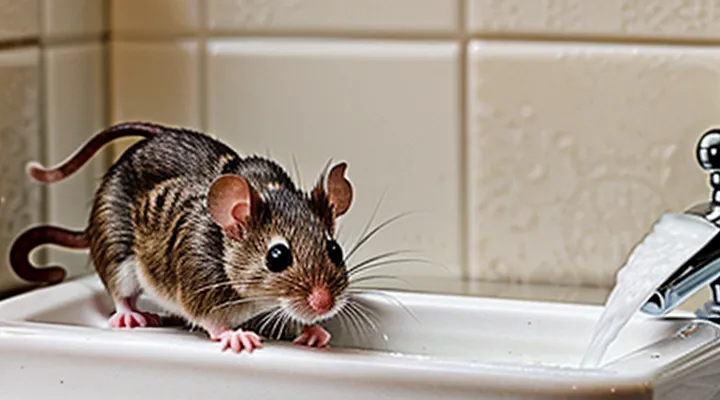
The Curious Case of Rodents and Cleansing Bars
Understanding Mouse Behavior
Dietary Habits of Mice
Mice are opportunistic omnivores that consume a wide range of organic matter. Their natural diet includes seeds, grains, nuts, fruits, and plant material, supplemented by insects, carrion, and occasional human‑derived waste. This flexibility allows mice to exploit transient food sources in domestic and wild environments.
Nutrient‑driven curiosity explains occasional ingestion of soap. Soap contains fatty acids and salts that resemble the lipid and mineral composition of preferred foods. When conventional supplies become scarce or when mice experience a deficiency in sodium or certain fatty acids, the chemical cues in soap can trigger foraging behavior. The texture and scent of soap also stimulate tactile and olfactory exploration, leading to accidental consumption.
Typical dietary components can be listed as follows:
- Cereals (wheat, barley, oats)
- Legume seeds (beans, peas)
- Nuts and kernels (sunflower, peanut)
- Fresh fruit and vegetable matter
- Invertebrates (beetles, larvae)
- Protein‑rich animal waste
Understanding these habits clarifies why mice sometimes ingest soap. The behavior reflects an adaptive response to nutrient gaps and sensory attraction rather than a preference for cleaning agents. Preventive measures focus on limiting access to soap and maintaining balanced food availability to reduce the likelihood of such incidents.
Exploratory Nature and Neophobia
Mice sometimes sample non‑nutritive objects such as soap. This behavior stems from the interaction of two innate processes: exploratory drive and neophobia.
Exploratory drive compels rodents to investigate unfamiliar stimuli. Olfactory and tactile cues trigger sampling actions that allow the animal to evaluate potential food sources, assess texture, and detect chemical properties. Sampling is rapid and often involves brief oral contact, which can include substances that do not belong to the diet.
Neophobia represents a cautious response to novelty. When an object is perceived as unfamiliar, the animal hesitates or avoids ingestion to protect against toxins. The intensity of neophobic avoidance varies among individuals and can be modulated by environmental conditions such as stress, hunger, or previous exposure to similar scents.
The decision to bite soap results from a balance between curiosity and caution. Strong fragrance or slippery texture may be mistaken for food cues, prompting exploratory sampling despite neophobic inhibition. Individuals with lower neophobia thresholds, or those experiencing heightened hunger, are more likely to test the substance. Conversely, high neophobia can prevent contact altogether.
Occasional soap ingestion may cause mild gastrointestinal irritation but rarely leads to severe outcomes. Recognizing the roles of exploration and neophobia informs pest‑control strategies, for example, by designing baits that exploit curiosity while avoiding strong aversive signals.
Factors influencing soap consumption
- Intensity of exploratory drive (age, sex, metabolic state)
- Level of neophobic inhibition (genetic predisposition, prior exposure)
- Sensory similarity of soap to edible items (scent, texture)
- Environmental stressors that lower caution thresholds
Understanding how these mechanisms interact clarifies why mice occasionally sample soap and supports more effective management practices.
Sense of Smell and Taste in Rodents
Rodents depend on chemosensation to locate and evaluate edible items. The olfactory epitheli line contains millions of receptors that detect volatile molecules at concentrations far below human thresholds. This system guides foraging, predator avoidance, and social interaction.
Taste buds on the tongue and palate register five primary modalities: sweet, salty, sour, bitter, and umami. Mice exhibit heightened sensitivity to sweet and fatty cues, while bitter compounds elicit rapid aversion. Gustatory signals integrate with olfactory input to form a unified assessment of potential food.
Soap formulations often include fatty‑acid salts, aromatic fragrance agents, and mild sweeteners. These substances emit volatile profiles that overlap with natural food odors, such as animal fats or fruit extracts. When a mouse encounters soap, the olfactory receptors may interpret the scent as a nutrient source, while the gustatory system registers a mildly sweet or salty taste, reducing the typical rejection response.
Key sensory characteristics influencing soap ingestion:
- High density of olfactory receptors enables detection of low‑level surfactant vapors.
- Broad tuning of taste receptors allows weak sweet or salty signals to be perceived.
- Neural convergence of smell and taste pathways produces a composite perception that can mimic food cues.
The occasional consumption of soap by mice therefore reflects a misinterpretation of chemical signals rather than a deliberate dietary choice. Chemosensory overlap between soap components and natural food cues drives the behavior, illustrating the precision and limits of rodent sensory discrimination.
Why Soap Attracts Mice
Nutritional Misinterpretations
Presence of Fats and Oils
Mice are attracted to soap primarily because many soaps contain fats and oils that resemble the lipid content of natural food sources. The triglyceride molecules in these products provide a familiar energy source, prompting rodents to sample the material when other options are scarce.
- Soap formulations often include animal or vegetable fats that emit a scent similar to meat or seeds.
- The oily texture facilitates mastication, allowing mice to extract calories with minimal effort.
- Lipid‑rich residues left on surfaces create a detectable trail, guiding rodents to the source.
The presence of these lipids also masks the bitter or alkaline components of soap, reducing aversion and increasing the likelihood of ingestion. Consequently, the fatty and oily constituents directly influence the occasional consumption of soap by mice.
Scent of Edible Components
Mice are attracted to soap when its volatile profile mimics that of edible substances. Many soaps contain fatty acids, glycerides, and sugars that release odors similar to meat, nuts, or fruit. These compounds activate the same olfactory receptors that guide rodents toward food sources.
- Lauric and stearic acids: emit a buttery, animal‑fat scent.
- Glycerol: produces a sweet, moist aroma.
- Fragrance additives (e.g., citrus, vanilla): generate fruit‑like volatiles.
- Residual starch or honey in specialty soaps: add carbohydrate notes.
The mouse olfactory system detects these cues at low concentrations, prompting exploratory chewing. When the scent matches known nutritional signals, the animal initiates ingestion even if the substrate is chemically unsuitable. Consequently, the presence of food‑like odorants in soap explains the occasional consumption behavior.
Accidental Ingestion
Mice encounter soap primarily when it is left uncovered in kitchens, bathrooms, or storage areas. Their natural foraging behavior leads them to explore any accessible material that resembles food in texture or scent. When a bar or liquid soap is within reach, a mouse may bite or lick it unintentionally while searching for insects, grease, or crumbs.
Key factors contributing to accidental ingestion
- Moisture: Damp environments increase the likelihood that soap becomes soft enough for a mouse to manipulate.
- Odor: Certain scented soaps emit volatile compounds that attract rodents, mistaking them for food cues.
- Visibility: Transparent or light‑colored soap may blend with other debris, making it less noticeable to the animal.
- Placement: Soap placed on low surfaces, near open containers, or in cluttered areas provides easy access.
Physiological effects of ingesting soap vary with the product’s composition. Detergent surfactants can irritate the gastrointestinal lining, causing vomiting, diarrhea, or reduced nutrient absorption. Alkali components may alter stomach pH, potentially disrupting normal digestive processes. In severe cases, prolonged exposure can lead to dehydration and electrolyte imbalance.
Preventive measures focus on eliminating exposure opportunities. Store soap in sealed cabinets, keep countertops clear of food residues, and use dispenser pumps that limit free‑standing soap. Regular inspections of rodent‑prone zones help identify and remove unsecured soap sources before mice can encounter them.
Understanding that mice ingest soap only when it becomes an accidental food source clarifies the underlying cause and informs effective control strategies.
Non-Nutritional Motivations
Curiosity and Exploration
Mice encounter soap while exploring confined spaces such as kitchens, bathrooms, or storage areas. Their innate drive to investigate unfamiliar objects leads them to gnaw on any material that presents a novel texture or scent. Soap, with its slippery surface and strong fragrance, becomes a target for tactile and olfactory assessment.
The behavior serves several functions:
- Sensory testing – whiskers and paws detect hardness, moisture, and chemical residues, providing data about the environment.
- Risk assessment – chewing reveals whether the substance is edible, toxic, or merely inert.
- Territorial mapping – leaving bite marks spreads scent cues that help mice delineate safe routes and potential food sources.
Neurological studies show that rodent exploratory circuits activate when novel stimuli appear, prompting rapid sampling through oral manipulation. This response occurs even when the object lacks nutritional value, because the brain prioritizes information gathering over immediate caloric gain.
Consequently, occasional ingestion of soap reflects a broader pattern of curiosity‑driven exploration, rather than a dietary preference. The act supplies sensory feedback that informs future foraging decisions and habitat selection.
Seeking Moisture or Novelty
Mice sometimes gnaw on soap because the material can supply moisture when other sources are scarce. The solid bar retains water within its matrix, releasing droplets as the animal chews. This behavior aligns with the rodent’s innate drive to maintain hydration, especially in dry environments or during periods of limited access to free water.
In addition to hydration, the act reflects a search for novel stimuli. Soap presents an unusual combination of texture, scent, and chemical composition that differs from typical food items. Mice explore new objects to assess potential nutritional value or to satisfy curiosity, a pattern documented in laboratory observations of exploratory feeding.
Key factors influencing this behavior include:
- Moisture content: residual water in the soap provides a direct source of fluid.
- Sodium and minerals: trace salts may trigger gustatory receptors that respond to electrolytes.
- Texture and softness: the pliable surface encourages gnawing, satisfying the need for dental wear.
- Odor cues: aromatic compounds can attract rodents seeking diverse olfactory experiences.
- Environmental stress: limited water availability heightens the likelihood of ingesting non‑food substances.
Understanding these motives clarifies why occasional soap consumption occurs without implying a dietary preference for the product. The behavior results from a combination of physiological necessity and exploratory instinct.
Availability and Accessibility
Mice encounter soap when it is left within reach of their foraging routes. Commercial bars, liquid dispensers, or detergent packets placed on low shelves, countertops, or in uncovered containers become part of the rodent’s accessible environment. Poorly sealed packaging allows scent diffusion, attracting mice that rely on olfactory cues to locate potential food sources.
Key factors influencing availability:
- Placement on the floor or near wall junctures where mice travel.
- Storage in containers without tight-fitting lids or tamper‑proof seals.
- Residual moisture on surfaces that softens soap, making it easier to gnaw.
Accessibility depends on the physical characteristics of the rodent and the environment:
- Small entry points (1‑2 cm) in cabinets or pantry doors permit entry to areas where soap is stored.
- Elevated or recessed soap dishes that lack protective barriers enable mice to climb and reach the product.
- Presence of crumbs, food debris, or other attractants near soap increases the likelihood of exploratory chewing, which can lead to ingestion.
Reducing both availability and accessibility requires securing soap in airtight, mouse‑proof containers, positioning it above rodent pathways, and maintaining a clean perimeter free of food residues that might draw rodents toward the product.
Potential Dangers and Solutions
Health Risks for Mice
Toxic Components in Soap
Mice that gnaw on soap are exposed to chemicals intended for human use, not for consumption. These substances can cause immediate and delayed physiological harm.
- Sodium hydroxide (lye) – strong alkali that raises pH, leading to tissue corrosion and severe burns in the oral cavity and digestive tract.
- Anionic surfactants (e.g., sodium lauryl sulfate, sodium laureth sulfate) – disrupt cell membranes, provoke irritation, and may impair nutrient absorption.
- Fragrance compounds – contain volatile organic chemicals such as limonene and linalool, which can be toxic to the nervous system at high doses.
- Preservatives – parabens, formaldehyde‑releasing agents, and methylisothiazolinone act as antimicrobial agents but can trigger liver stress and allergic reactions.
- Synthetic dyes – azo and other colorants may metabolize into carcinogenic amines.
- Antibacterial additives (e.g., triclosan) – interfere with endocrine function and can accumulate in tissue over repeated exposure.
Ingestion of these components produces mucosal erosion, gastrointestinal inflammation, and systemic toxicity. Alkali burns damage the esophagus and stomach lining, while surfactants and preservatives can compromise gut integrity and provoke hepatic strain. Neurotoxic fragrance agents and endocrine‑disrupting additives may affect behavior and reproductive health. Continuous exposure increases the risk of organ failure and mortality. Preventing access to soap eliminates these hazards for rodent populations.
Digestive Upset and Blockages
Mice sometimes ingest soap when it is accessible in kitchens, pantries, or laboratory environments. The attraction may stem from the scent of fats or the texture that mimics natural food sources.
Soap contains surfactants that disrupt lipid membranes and alkaline compounds that irritate the gastrointestinal lining. Once inside the stomach, the alkaline pH can neutralize stomach acid, impairing the normal digestive environment. The surfactants reduce the surface tension of intestinal fluids, leading to excessive motility and cramping.
Typical signs of gastrointestinal disturbance include:
- Rapid, watery feces
- Reduced food intake
- Abdominal swelling
- Lethargy or tremors
When larger pieces of soap are swallowed, they may solidify as they cool, forming a mass that resists passage through the intestines. Obstruction manifests as:
- Persistent abdominal distension
- Lack of fecal output
- Vomiting of undigested material
- Progressive weakness
Early intervention with gastric lavage or neutralizing agents can mitigate irritation, while surgical removal may be required for confirmed blockages. Monitoring for the outlined symptoms enables prompt treatment and reduces mortality risk.
Preventing Soap Ingestion
Proper Storage Techniques
Mice are attracted to soft, scented objects that retain moisture. When soap is left uncovered or stored in damp conditions, it becomes a viable food source for rodents seeking both texture and scent. Proper storage eliminates the opportunity for such behavior and protects both the product and the environment.
- Keep soap in airtight containers made of metal or heavy‑wall plastic; seal lids tightly after each use.
- Store containers in cool, dry areas away from direct sources of water, such as sinks or leaky pipes.
- Position storage units on shelves rather than on the floor; rodents rarely climb smooth, elevated surfaces.
- Use sealed, resealable bags for bulk soap, removing excess air before sealing to reduce humidity inside the package.
- Inspect storage locations regularly for signs of gnaw marks, droppings, or moisture buildup; replace compromised containers immediately.
Implementing these measures reduces the likelihood that rodents will encounter accessible soap, thereby preventing the occasional ingestion of the product by mice.
Alternative Rodent Deterrents
Mice are attracted to soap because its scent mimics certain pheromones and its texture resembles edible material. When rodents ingest soap, they experience gastrointestinal distress, which can be leveraged as a control method. However, reliance on soap alone poses health risks to pets and humans and may not deter all individuals. Exploring additional deterrents expands the toolkit for managing infestations while reducing collateral exposure.
Physical barriers prevent entry and limit access to food sources. Sealing cracks, installing door sweeps, and using metal mesh around vents create an environment where mice cannot navigate. Maintaining a clean interior eliminates crumbs and spills that otherwise draw rodents toward scented products.
Chemical and natural repellents offer non-lethal alternatives.
- Ultrasonic emitters generate frequencies uncomfortable to rodents; placement near nesting sites disrupts activity.
- Peppermint oil, applied on cotton balls or diluted spray, creates an aroma rodents avoid; reapplication required every few days.
- Capsaicin-based powders, derived from hot peppers, irritate mucous membranes when contacted, discouraging movement across treated surfaces.
Biological controls target populations directly. Barn owls and feral cats, when present in appropriate settings, reduce mouse numbers through predation. Professional placement of live traps enables capture and relocation, eliminating pests without chemical exposure.
Combining these strategies—exclusion, repellents, and biological agents—provides a comprehensive approach that minimizes reliance on soap consumption as a deterrent and addresses the underlying reasons mice are drawn to scented substances.
Professional Pest Control Considerations
Mice sometimes ingest soap when it is accessible in kitchens, bathrooms, or storage areas. This behavior signals a breach in sanitation and provides a diagnostic clue for pest‑control professionals assessing infestation severity.
Accessible soap indicates insufficient food‑source control, moisture attraction, or structural gaps that allow rodents to explore treated surfaces. Identifying the specific locations where soap is left uncovered helps prioritize intervention zones and reduces the likelihood of repeated ingestion incidents.
- Conduct a thorough inspection of all rooms where soap is stored or used; note any signs of gnawing or residue.
- Implement exclusion measures: seal gaps around plumbing, cabinets, and utility penetrations with steel wool, caulk, or metal flashing.
- Enhance sanitation: keep soap containers closed, store in sealed containers, and remove standing water that may attract rodents.
- Apply integrated pest‑management (IPM) tactics: combine low‑toxicity baits, snap traps, and, where legally permissible, targeted rodenticides placed away from human contact points.
- Establish a monitoring schedule: place non‑baited tracking stations near suspected entry points to verify activity levels and adjust control measures accordingly.
Document findings, actions taken, and follow‑up results in a detailed report. Clear communication with property owners about proper soap storage and moisture control prevents recurrence and supports long‑term rodent management.