
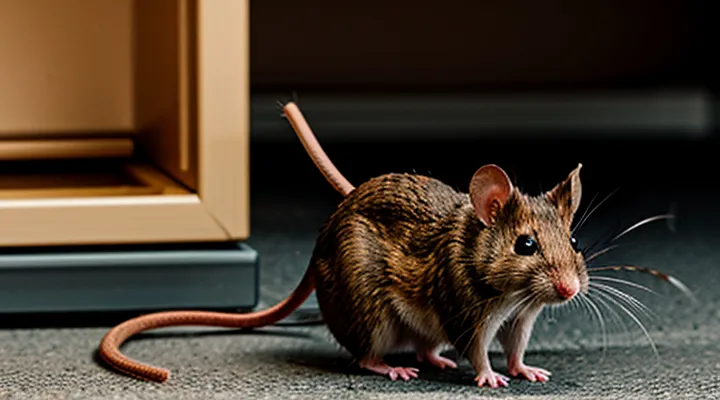
The Instinctive Drive to Gnaw
Constant Growth of Incisors
Mice possess continuously growing incisors that extend throughout their lives. Each incisor contains a self‑renewing enamel layer at the front and a softer dentin core behind it. As dentin wears away from regular use, the enamel remains intact, forcing the tooth to elongate to maintain functional length. This growth pattern creates a persistent need to file down the teeth, otherwise the incisors would overgrow, impair chewing and cause injury.
The relentless extension of the incisors drives gnawing behavior. When a mouse encounters a hard, fibrous material such as an electrical cable, the act of biting reduces the tooth’s length and sharpens its edge. The material’s composition—typically plastic insulation surrounding metal conductors—offers sufficient resistance to stimulate the grinding motion without excessive damage to the tooth. Consequently, the mouse repeatedly bites the same segment until the wire’s protective layer is breached.
Key factors linking incisor growth to cable damage:
- Continuous eruption: Teeth push outward at a steady rate of 0.1–0.2 mm per day, creating a constant pressure to chew.
- Wear‑induced sharpening: Contact with tough substrates removes worn dentin, sharpening the incisors and encouraging further gnawing.
- Dental health maintenance: Regular abrasion prevents malocclusion, a condition that can lead to starvation or infection.
- Material suitability: Plastic insulation provides a surface that mimics natural gnawing targets like wood or seed husks, satisfying the mouse’s need to file its teeth.
Understanding that the perpetual growth of mouse incisors necessitates frequent abrasion clarifies why electrical wiring is a frequent target in residential and industrial settings. Preventive measures must address the underlying dental requirement rather than merely blocking access to cables.
Natural Abrasive Behavior
Mice possess an innate gnawing instinct that serves several physiological functions. The incisors grow continuously; regular abrasion prevents overgrowth and maintains sharpness. This behavior extends to any material offering suitable resistance, including synthetic polymers found in electrical cables.
Key aspects of the natural abrasive habit include:
- Incisor maintenance: Constant wear balances dental elongation, preventing malocclusion.
- Exploratory testing: Rodents assess texture and firmness to gauge suitability for nesting or food storage.
- Energetic expenditure: Gnawing provides muscular activity that contributes to thermoregulation.
When a mouse encounters a wire, the outer sheath presents a combination of pliable insulation and a firm core. The animal applies repetitive biting motions, generating friction that wears away the protective layer. Once the insulation is breached, the underlying metal conducts heat, reinforcing the chewing stimulus and accelerating damage.
Environmental factors amplify this tendency. Low‑nutrient diets increase the need for oral stimulation, while cramped habitats elevate stress, prompting more frequent gnawing. Infrastructural designs that expose unsecured cabling create direct pathways for these natural behaviors to intersect with human technology.
Mitigation strategies rely on disrupting the abrasive feedback loop. Options include:
- Encasement in metal conduit: Hard surfaces resist rodent teeth, eliminating the friction cue.
- Use of chew‑deterrent compounds: Bitter or toxic additives discourage bite initiation.
- Elimination of food sources: Reducing accessible crumbs diminishes exploratory gnawing.
Understanding the biological drive behind rodent abrasion clarifies why electrical wiring becomes a frequent target and informs effective preventative measures.
Identifying the Attractive Qualities of Wires
Texture and Material Composition
Mice select cables based on the tactile qualities of the outer sheath and the underlying conductors. Rough, fibrous, or loosely bonded insulation provides a surface that rodents can grasp with their incisors, while smooth, tightly extruded jackets resist initial bite attempts.
- Polyvinyl chloride (PVC) – soft, pliable, easy to tear; low tensile strength encourages gnawing.
- Polyethylene (PE) – semi‑rigid, exhibits micro‑abrasions that stimulate chewing.
- Rubber compounds – elastic, yields under pressure, allowing teeth to penetrate with minimal effort.
- Metal conductors (copper, aluminum) – hard, but exposed when insulation is breached; high nutritional value of metal ions attracts gnawers.
The sensory receptors in a mouse’s palate respond to texture variations. Coarse or uneven surfaces generate feedback that triggers the gnawing reflex, whereas uniformly smooth coatings reduce stimulus. Material composition influences durability; polymers with low melt points soften under body heat, making them more susceptible to bite‑induced deformation.
When the protective layer fails, the exposed metal conducts heat away from the bite site, creating a cooling sensation that reinforces chewing behavior. Consequently, cables combining soft, easily torn insulation with metal cores present an optimal target for rodent damage.
Location and Accessibility
Mice encounter electrical cables most often in areas where insulation provides a concealed pathway: behind walls, under flooring, within ceiling joists, and inside appliance housings. These locations shield wires from visual detection, allowing rodents to explore without disturbance. The material composition of insulation—typically foam, rubber, or plastic—offers a texture that rodents can gnaw without immediate resistance, increasing the likelihood of contact.
Accessibility is determined by gaps, openings, and structural defects. Common entry points include:
- Unsealed holes around pipe penetrations, conduit fittings, or HVAC ducts.
- Cracks in drywall, baseboards, or foundation walls.
- Openings left by damaged or missing vent covers and cable trays.
When such vulnerabilities exist, mice can reach cables directly from the floor or from elevated positions using their climbing ability. The proximity of food sources, water, and nesting material further concentrates activity near these entry points, creating a predictable pattern of wire exposure. Reducing visible gaps and reinforcing insulation barriers limits the opportunities for rodents to access and damage electrical conductors.
The Dangers of Rodent Infestations
Fire Hazards and Electrical Short Circuits
Mice gnawing on insulated cables removes protective layers, exposing conductive cores to air and surrounding materials. The exposed conductors can generate sparks when they contact each other or a grounded surface, creating a direct fire source. Heat buildup at the damaged site may ignite nearby combustibles, especially in confined spaces such as walls or attics.
When insulation is breached, electrical resistance increases at the point of contact. Elevated resistance causes localized overheating, which can melt surrounding insulation and trigger a short circuit. A short circuit forces excessive current through the circuit, potentially blowing fuses, tripping breakers, or damaging connected equipment. Repeated incidents degrade system reliability and increase maintenance costs.
Key risks associated with rodent‑induced wiring damage include:
- Uncontrolled fire ignition within structural cavities
- Electrical system shutdowns caused by protective device activation
- Damage to appliances and electronic devices from voltage spikes
- Increased insurance premiums due to heightened fire probability
Mitigation strategies focus on preventing access and detecting damage early:
- Seal entry points with steel mesh or concrete to block rodents.
- Install conduit or armored cable in vulnerable areas.
- Apply rodent‑resistant coating to exposed wiring.
- Conduct regular visual inspections and infrared scans for hot spots.
- Use tamper‑proof circuit breakers with built‑in fault detection.
Implementing these measures reduces the likelihood of fire and electrical failures caused by rodent activity, preserving safety and system integrity.
Data Loss and Equipment Damage
Mice gnaw wiring because their incisors grow continuously and the act of chewing maintains proper length. The material of most cables—plastic coating, rubber insulation, and exposed metal—provides a texture that satisfies this need.
When a rodent severs a data cable, the connection between devices collapses instantly. The result is loss of unsaved information, interruption of data streams, and potential corruption of files that were being written at the moment of failure.
Physical damage caused by chewing includes:
- Exposed conductors that short circuit, leading to power loss or fire hazards.
- Damaged connectors that prevent proper signal transmission, reducing network reliability.
- Compromised shielding that increases electromagnetic interference, degrading performance of nearby equipment.
Each of these outcomes can force shutdowns, require costly repairs, and expose organizations to operational downtime and financial loss. Implementing rodent-resistant cable covers, sealing entry points, and maintaining a clean environment reduces the likelihood of such incidents.
Health Risks Associated with Rodent Presence
Mice that gnaw electrical cables bring a range of health hazards to occupants of affected buildings. Their constant contact with wiring creates pathways for pathogens, allergens, and physical injuries.
- Bacterial and viral diseases spread through saliva, urine, and droppings; common agents include hantavirus, salmonella, and leptospira.
- Allergic reactions arise from inhalation of rodent hair, dander, and urine particles, triggering asthma attacks and rhinitis.
- Chemical contamination occurs when rodents chew insulation, releasing toxic compounds that can be absorbed through skin or inhaled.
- Fire incidents caused by damaged wiring generate smoke and heat injuries, compounding respiratory risk.
Rodent saliva contains enzymes that soften insulation, facilitating bite penetration. Urine and feces left on or near cables contaminate surfaces, creating persistent exposure zones. Heat generated by short circuits ignites surrounding material, producing particulate matter that aggravates lung conditions.
Preventive actions—sealing entry points, maintaining sanitation, and installing rodent‑proof conduit—reduce direct contact with wiring and limit the associated health threats. Continuous monitoring of electrical systems detects early damage, preventing escalation to fire or widespread contamination.
Preventing Wire Chewing
Rodent-Proofing Your Home
Mice gnaw electrical cables because the material supplies the protein they need for enamel growth and the heat from current creates a pleasant sensation. This behavior creates fire hazards, service interruptions, and costly repairs.
Effective rodent-proofing requires eliminating entry points, removing attractants, and protecting vulnerable components.
- Seal cracks and gaps larger than ¼ inch with steel wool, copper mesh, or silicone caulk.
- Install door sweeps and weather stripping on all exterior doors.
- Trim vegetation and store firewood at least 18 inches away from the foundation.
- Keep food, crumbs, and pet feed in sealed containers.
Protect wiring by encasing it in conduit or metal sleeves, especially in basements, crawl spaces, and attics. Use rodent-resistant materials such as stainless‑steel mesh, aluminum flashing, or rigid plastic conduit.
Regular inspection complements preventive measures. Check for gnaw marks, droppings, or nesting material near cables; repair damage promptly and replace compromised sections with hardened protection. Consistent maintenance reduces the likelihood of rodents accessing and damaging electrical systems.
Deterrents and Repellents
Rodents gnaw electrical cables to maintain tooth length, creating fire hazards and equipment failure. Effective deterrents and repellents interrupt this behavior by altering the environment, delivering unpleasant sensations, or presenting alternative food sources.
Physical barriers prevent access. Options include:
- Stainless‑steel mesh or conduit sleeves covering exposed wires.
- Copper‑bonded cable wraps that resist chewing.
- Foam or silicone insulation with a bitter additive.
Chemical repellents exploit rodents’ sensitivity to taste and smell. Proven formulations contain:
- Capsaicin extracts that cause oral irritation.
- Ammonia or vinegar vapors that create an aversive odor.
- Commercial rodent‑specific sprays based on essential oils such as peppermint or eucalyptus.
Electronic devices emit high‑frequency sound or ultrasonic waves that rodents find uncomfortable. Successful models feature adjustable frequencies and timers to avoid habituation.
Habitat modification reduces attraction. Strategies involve:
- Sealing entry points around walls, floors, and utility penetrations.
- Removing food debris, storing waste in sealed containers, and maintaining clean storage areas.
- Installing motion‑activated lights or vibration pads near susceptible wiring.
Regular inspection complements preventive measures. Visual checks for chew marks, droppings, or gnaw‑scented insulation allow early intervention before damage escalates. Combining physical, chemical, and environmental tactics yields the highest success rate in protecting wiring from rodent interference.
Professional Pest Control Solutions
Mice gnaw electrical cables to maintain the length of their continuously growing incisors; the soft polymer coating, heat emission, and occasional food residue create a tempting target. When rodents breach insulation, the resulting damage can trigger short circuits, fire hazards, and costly equipment downtime.
Professional pest‑management services address this problem through a systematic approach:
- Site assessment – technicians identify entry points, nesting sites, and vulnerable wiring configurations.
- Structural exclusion – sealing gaps, installing wire mesh, and reinforcing conduit pathways prevent further intrusion.
- Targeted trapping – humane snap or electronic devices are placed in high‑activity zones to reduce population density quickly.
- Rodent‑specific baiting – EPA‑registered anticoagulant or non‑anticoagulant baits are applied according to integrated‑pest‑management (IPM) guidelines, ensuring efficacy while minimizing non‑target exposure.
- Cable protection – commercial-grade conduit, steel‑braided sleeves, or rodent‑resistant cable sheathing are installed around critical lines.
- Ongoing monitoring – electronic sensors and periodic inspections verify that control measures remain effective and detect early signs of re‑infestation.
Engaging certified pest‑control professionals delivers measurable risk reduction, compliance with safety regulations, and preservation of electrical infrastructure without resorting to ad‑hoc DIY remedies.