
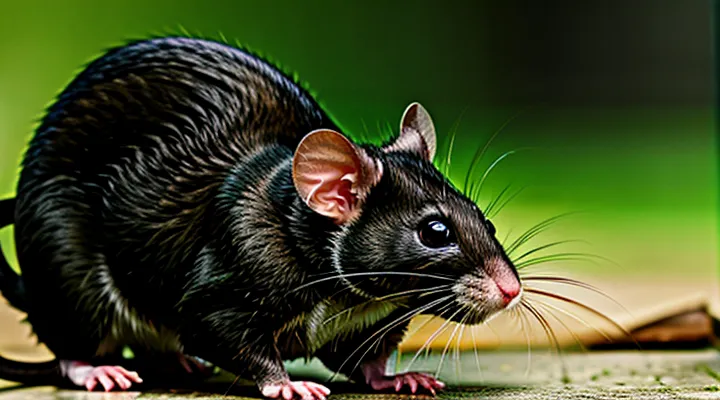
Understanding Rat Odor
Natural Rat Scents
Pheromones and Communication
Rats use a complex array of chemical signals to convey reproductive status, territorial boundaries, and social hierarchy. Specialized glands release volatile compounds that travel through the air and are detected by the vomeronasal organ of conspecifics. These pheromones trigger innate behavioral responses without requiring learning.
Key functions of rat pheromones include:
- Marking of nesting sites to deter intruders and attract mates.
- Indicating estrus in females, prompting male courtship behavior.
- Signaling dominance or submission during group interactions.
The distinctive odor associated with ornamental pet rats often results from elevated secretion of these compounds. Breeding for aesthetic traits can intensify gland activity, increasing the concentration of scent molecules on fur and in urine. Consequently, the pleasant appearance of such rats is frequently accompanied by a stronger chemical signature detectable by humans.
Urine Marking Behavior
Urine marking is the primary mechanism by which domesticated rats communicate territory, reproductive status, and social hierarchy. The scent produced during marking contains volatile compounds such as ammonia, urea, and pheromonal proteins, which readily disperse in the environment and create the characteristic odor associated with pet rats.
Key aspects of urine marking behavior:
- Frequency – Adult rats deposit urine multiple times per hour, especially when encountering unfamiliar conspecifics or novel objects.
- Location preference – Marks are concentrated near entry points, feeding stations, and elevated surfaces, reinforcing territorial boundaries.
- Sex differences – Males exhibit higher marking rates and larger volume per event, driven by testosterone‑mediated aggression and mating incentives.
- Stress response – Elevated cortisol levels trigger increased marking, resulting in intensified odor during handling or environmental changes.
Understanding these patterns clarifies why pet rats often emit a strong smell. The repeated release of nitrogen‑rich urine saturates bedding and enclosure surfaces, allowing odor molecules to persist despite routine cleaning. Effective odor management therefore requires frequent removal of soiled material, regular enclosure sanitization, and provision of ample space to reduce territorial marking intensity.
Factors Influencing Rat Smell
Diet and Environment
Diet directly impacts the scent profile of show rats. High‑protein pellets that contain animal‑derived ingredients release volatile compounds during digestion, which are excreted through urine and feces. Grain‑based or low‑fat feeds produce fewer odor‑causing metabolites. Adding fresh vegetables reduces nitrogenous waste, lowering ammonia levels in the cage. Excessive treats rich in fats or sugars increase gut bacteria that generate foul‑smelling gases.
Environmental conditions amplify or mitigate odor. Poor ventilation traps ammonia, intensifying the smell. Regular cleaning removes urine crystals and fecal buildup, preventing bacterial proliferation. Bedding material influences absorption; cellulose‑based substrates hold moisture, while mineral or paper bedding dries quickly, limiting odor retention. Temperature and humidity affect bacterial growth; maintaining moderate levels (20‑22 °C, 40‑50 % RH) slows microbial activity.
Key practices for odor control:
- Feed a balanced, low‑fat diet with fresh produce.
- Limit sugary or fatty treats to occasional rewards.
- Clean cages weekly; spot‑clean daily to remove waste.
- Use low‑dust, high‑absorbency bedding.
- Ensure adequate airflow with cage fans or open‑area placement.
- Monitor humidity and temperature, adjusting as needed.
Health and Hygiene
Fancy rats frequently produce noticeable odors that directly reflect their physiological condition and living environment. The scent originates from a combination of metabolic waste, bacterial growth, and skin secretions, all of which are influenced by diet, grooming, and cage hygiene.
Key contributors to odor include:
- Protein‑rich or sugary diets – excess protein or fermentable carbohydrates promote intestinal gas and fecal odor.
- Inadequate bedding – damp, low‑absorbency substrates retain urine and feces, fostering bacterial proliferation.
- Insufficient grooming – rats that cannot reach all body areas accumulate skin oils and debris, which decompose into malodorous compounds.
- Urinary tract or respiratory infections – pathogens release volatile compounds that intensify smell.
- Poor ventilation – stagnant air prevents dispersal of odor‑bearing molecules.
Effective hygiene measures:
- Provide a high‑quality, low‑moisture bedding such as paper or aspen shavings; replace it daily.
- Offer a balanced diet with limited sugary treats; incorporate fresh vegetables for fiber.
- Clean the cage weekly with a mild, non‑toxic disinfectant; scrub all surfaces to remove biofilm.
- Supply a sand bath or grooming station to support self‑cleaning behavior.
- Monitor water intake and urine output; abnormal frequency or discoloration warrants veterinary evaluation.
- Ensure cage placement in a well‑ventilated area, avoiding direct drafts that stress the animals.
Regular health checks are essential. Observe coat condition, nasal discharge, and changes in fecal consistency. Prompt veterinary assessment of persistent or worsening odor can identify underlying infections, dental disease, or metabolic disorders, allowing corrective treatment and restoration of a neutral environment.
Addressing Odor Concerns
Maintaining a Clean Environment
Cage Cleaning Protocols
Regular removal of waste, food remnants, and soiled bedding is the most effective method for preventing unpleasant odors in the habitats of pet rats. Accumulated urine and feces release volatile compounds that quickly become noticeable in confined spaces; thorough cleaning eliminates the source before it can intensify.
A reliable cleaning routine includes the following steps:
- Empty the cage completely; discard all bedding, nesting material, and uneaten food.
- Rinse the interior with warm water to dissolve residue.
- Apply a laboratory‑grade, non‑toxic disinfectant (e.g., a diluted hydrogen peroxide solution) and scrub all surfaces, paying special attention to corners, water bottles, and food dishes.
- Rinse again with clean water to remove any chemical trace.
- Dry the cage thoroughly; moisture encourages bacterial growth, which contributes to odor.
- Replace with fresh, absorbent bedding such as paper‑based or kiln‑dried wood shavings; avoid scented products that may irritate the animals.
- Re‑introduce food, water, and enrichment items only after the cage is completely dry.
Cleaning frequency should match the size of the enclosure and the number of occupants. A minimum of once every 48 hours is recommended for a single pair of rats; larger groups require daily cleaning. Spot‑cleaning—removing soiled spots and wet waste—should be performed at least twice daily to reduce the buildup of odor‑producing compounds.
Ventilation complements the cleaning protocol. Position cages away from direct drafts but ensure adequate air exchange; a low‑speed fan can circulate fresh air without creating stress. Proper airflow disperses any residual smells and reduces humidity, further inhibiting bacterial proliferation.
Implementing these procedures consistently eliminates the primary contributors to the distinctive scent associated with fancy rats, maintaining a healthier environment for both the animals and their caregivers.
Bedding Choices
Bedding material directly influences the odor level of pet rats. Organic fibers such as aspen shavings absorb moisture and urine, limiting bacterial growth that produces foul smells. In contrast, pine or cedar bedding releases volatile oils that irritate the respiratory tract and accelerate the breakdown of waste, increasing odor intensity.
Effective bedding strategies include:
- Using low‑dust, absorbent wood shavings (aspen, hemp, paper pulp).
- Replacing soiled bedding at least twice weekly to prevent ammonia buildup.
- Adding a thin layer of recycled paper pellets for extra moisture control.
- Avoiding scented or aromatic substrates that conceal waste but encourage bacterial proliferation.
Choosing the right substrate reduces the need for frequent cage cleaning, lowers ammonia concentrations, and minimizes the characteristic odor associated with fancy rats.
Rat Grooming and Health
Regular Health Checks
Regular health examinations are essential for identifying the underlying causes of unpleasant odors in show-quality rats. Persistent smell often signals dental disease, skin infections, or metabolic disorders that are not visible without systematic assessment.
A comprehensive check should include:
- Dental inspection: examine incisors for overgrowth, malocclusion, or plaque buildup.
- Skin and fur review: look for wounds, parasites, or fungal growth that can produce odor.
- Respiratory evaluation: listen for discharge or labored breathing that may indicate sinus infection.
- Weight and body condition measurement: sudden changes can reflect gastrointestinal issues or hormonal imbalance.
- Laboratory testing: urinalysis and blood work to detect kidney dysfunction, liver disease, or endocrine disorders.
Early detection through these steps enables prompt treatment, reduces odor, and supports the animal’s overall well‑being. Routine scheduling—monthly for young rats, quarterly for adults—maintains vigilance and prevents minor problems from escalating into chronic smell issues.
Diet Modifications
Diet directly influences the odor emitted by pet rats; adjusting nutrition can markedly lessen unpleasant smells. High‑protein meals, strong‑smelling cheeses, sugary snacks, and excessive dairy generate volatile nitrogenous compounds that intensify scent.
Effective dietary changes include:
- Increase soluble fiber (e.g., pumpkin, oat bran) to promote healthy gut flora.
- Reduce animal‑based protein to the minimum required for growth and maintenance.
- Substitute high‑fat treats with low‑fat, low‑sugar alternatives such as fresh vegetables and small fruit portions.
- Provide constant access to clean, fresh water to aid digestion and dilute waste.
Fiber‑rich foods accelerate intestinal transit, limiting the time bacteria have to produce foul‑smelling metabolites. Lower protein intake curtails the formation of ammonia and other odorous gases. Consistent hydration supports renal clearance, further decreasing scent intensity.
Implement modifications gradually over two weeks to avoid stress and monitor body condition; maintain cage cleanliness and replace bedding regularly to reinforce odor reduction.
Debunking Myths About Rat Smell
Pet rats often emit a musky odor that many owners attribute to poor hygiene or inherent filthiness. Scientific evidence shows that the scent originates from specific biological sources, not from neglect.
- Sebaceous secretions: Rats possess scent glands near the base of the tail that release fatty acids. These compounds evaporate at room temperature, creating a characteristic smell. The glands function in communication, not in waste accumulation.
- Urine concentration: Domesticated rats produce highly concentrated urine because of their efficient kidneys. When urine dries, it leaves crystalline deposits that release volatile nitrogenous compounds, contributing to the overall aroma. Regular cage cleaning reduces residue but does not eliminate the natural odor.
- Dietary influence: High-protein or strong-flavored foods increase the production of metabolic by‑products excreted in urine and feces. Changing to a balanced, low‑odor diet can lessen the intensity of the scent without removing the underlying biological processes.
Myths that blame the smell solely on dirty cages or lack of bathing are inaccurate. Rats groom themselves extensively; external cleaning does not affect the internal secretions that generate the odor. Moreover, the notion that all rat breeds smell equally ignores genetic variation: some strains have reduced gland activity, resulting in milder aromas.
Effective odor management combines frequent substrate replacement, proper ventilation, and diet adjustment. These measures address the true sources of the smell while preserving the animal’s natural physiology.