
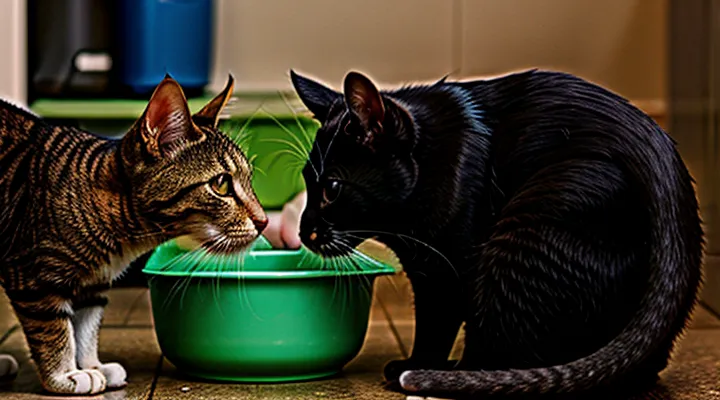
Evolution of Feline Hunting Behavior
From Wild Hunter to Domestic Companion
Cats descend from solitary hunters that relied on quick kills of small vertebrates. Domestication reduced the necessity to secure daily meals, yet the predatory circuitry remains active. The shift from wilderness to household reshapes how felines interact with potential prey, including rodents.
The reluctance to consume rats stems from several behavioral factors:
- Risk assessment: Rats possess defensive capabilities—sharp teeth, strong jaws, and aggressive counter‑attacks—that increase injury probability for a cat. Cats instinctively evaluate prey size and defensive potential before engagement.
- Energetic calculus: Capturing a rat demands more effort than the caloric return, especially when alternative food sources are readily available in a domestic setting.
- Learned avoidance: Repeated exposure to rats that escape or retaliate reinforces avoidance through negative reinforcement, diminishing the drive to kill and eat.
- Health considerations: Rats can carry pathogens and parasites. Evolutionary pressure favors avoidance of disease‑laden prey when safer nutrition is accessible.
- Social conditioning: Human owners often discourage cat‑rat confrontations, reinforcing the behavior through correction or reward for non‑aggressive responses.
These mechanisms combine to produce a consistent pattern: domestic cats may chase or bat at rats, but they seldom complete the predation sequence to ingestion. Understanding this pattern helps owners manage rodent issues without expecting cats to serve as reliable pest control agents.
Impact of Domestication on Instincts
Domestication has reshaped feline predatory patterns, reducing reliance on hunting for survival. Over generations, cats have adapted to human‑provided food, which diminishes the drive to pursue larger, riskier prey such as rats. The caloric reward from household meals outweighs the energetic cost and potential injury associated with catching a rat, leading to a behavioral shift toward selective feeding.
Genetic selection for sociability and reduced aggression reinforces this shift. Domestic cats exhibit lower cortisol responses when encountering unfamiliar animals, decreasing the urgency to neutralize perceived threats. Consequently, the instinct to kill for territorial defense weakens, and rats are more likely to be ignored or tolerated.
Key effects of domestication on feline instincts:
- Decreased hunting motivation for large rodents
- Enhanced preference for readily available, low‑effort food sources
- Attenuated stress response to potential prey, reducing aggressive pursuit
- Greater tolerance of cohabiting species, diminishing predator‑prey dynamics
These changes explain why many pet cats show little interest in rat predation despite ancestral capabilities.
Dietary Preferences and Availability of Food Sources
The Role of Processed Cat Food
Processed cat food shapes feline hunting patterns by providing a reliable source of nutrition, reducing the need to seek out live prey such as rats. Regular meals eliminate hunger-driven impulses, which are a primary motivator for predatory behavior. When cats receive balanced nutrients in a predictable format, the physiological drive to capture rodents diminishes.
The composition of commercial diets also influences sensory perception. Flavor enhancers and textures designed for domestic consumption differ markedly from the taste and tactile cues associated with raw prey. This disparity lowers the appeal of rats, whose scent and flesh do not match the palatable profiles found in kibble or canned meals.
Key effects of processed food on rat‑avoidance behavior include:
- Consistent caloric intake eliminating energy deficits that would trigger hunting.
- Reduced exposure to rodent‑specific odors during feeding, diminishing olfactory attraction.
- Conditioning through repeated positive reinforcement of food bowls, which supplants the reward system linked to live capture.
Overall, the availability of nutritionally complete, convenient cat food restructures the incentive hierarchy that would otherwise encourage rats as a food source.
Abundance of Alternative Prey
Domestic cats encounter a wide spectrum of small animals in most environments. Rodents such as rats are present, yet cats frequently ignore them when other prey are readily available. This behavior stems from the energetic efficiency of hunting species that are easier to capture, smaller, and more abundant.
- Mice, voles, and shrews constitute the majority of prey items recorded in feline diet analyses. Their high population density reduces search time and increases successful kill rates.
- Insectivorous insects, birds, and amphibians appear regularly in stomach contents, reflecting opportunistic foraging on readily encountered organisms.
- Urban and suburban settings provide abundant artificial food sources, including pet food and discarded waste, further diminishing the incentive to pursue larger, riskier targets.
The presence of plentiful, low‑risk prey lowers the marginal benefit of expending energy on a rat, which requires greater strength, stealth, and potential exposure to injury. Consequently, cats prioritize prey that maximizes caloric return while minimizing effort and danger.
Size and Danger Perception
Rats as Formidable Opponents
Rats present several challenges that deter domestic cats from viewing them as viable prey. Their size often exceeds that of typical rodent targets, requiring greater strength and coordination to subdue. Muscular forelimbs and powerful jaws enable rapid defensive strikes, which can inflict serious injury on a cat unprepared for resistance.
Key defensive traits of rats include:
- Aggressive bite force capable of penetrating feline skin.
- Sharp incisors that can sever tendons or cause deep wounds.
- Highly developed whisker system that detects approaching predators with millimeter precision.
- Strong, agile bodies that can escape through narrow openings and execute sudden, erratic movements.
Cats rely on stealth and quick kills when hunting small, defenseless prey. Confrontations with rats demand prolonged engagement, increasing the risk of counter‑attacks. Moreover, many rats carry pathogens such as leptospira and hantavirus, which can be transmitted through bites or scratches, adding a health hazard to the physical threat.
Consequently, the combination of formidable physical defenses, unpredictable behavior, and disease risk leads cats to avoid rats in favor of smaller, less dangerous targets.
Risk-Benefit Analysis in Hunting
Cats evaluate potential prey through a risk‑benefit calculus that determines whether an encounter is worth the effort. When a small mammal such as a rat presents itself, the feline must weigh the nutritional payoff against the likelihood of injury, disease transmission, and energy loss.
Risks include
- Bacterial or parasitic infection from bite wounds or contaminated fur.
- Defensive aggression from the rat, which can inflict scratches or bites that impair hunting efficiency.
- High handling time relative to the caloric value of the prey, reducing overall foraging success.
Benefits consist of
- Protein and fat content that contribute to daily energy requirements.
- Opportunity to practice predatory skills, reinforcing motor patterns.
- Potential reduction of competition for other, more accessible food sources.
When the probability of harm exceeds the expected nutritional gain, the net utility of hunting a rat becomes negative. Consequently, domestic and wild felines often bypass rats in favor of prey that offers a more favorable risk‑benefit profile, such as birds or smaller, less defended rodents. This analytical framework explains the observed avoidance behavior without invoking instinctual bias alone.
Olfactory and Taste Aversions
Unpleasant Odors Associated with Rats
Rats emit a suite of volatile compounds that cats find repulsive. The primary contributors are ammonia‑rich urine, fecal by‑products, and secretions from the anal glands. These chemicals signal disease risk and unclean environments, triggering aversion in feline predators.
- Ammonia creates a sharp, irritating smell that irritates the cat’s nasal epithelium.
- Sulfur‑containing compounds produce a putrid odor associated with decay.
- Fatty acid derivatives give a rancid scent linked to bacterial growth.
Cats rely on olfactory cues to assess prey safety. When a rat’s scent profile includes these unpleasant odors, the cat’s instinctive response is avoidance rather than pursuit. The sensory warning outweighs the nutritional incentive, leading felines to prioritize alternative, odor‑neutral prey.
In addition, the strong odor masks the rat’s natural scent, making it harder for cats to detect movement and locate the animal. This sensory interference reduces hunting efficiency and discourages engagement. Consequently, the odor profile of rats constitutes a significant behavioral deterrent for domestic and wild cats.
Learned Aversions from Negative Experiences
Cats often stop pursuing rats after a single unpleasant encounter. A bite, a scratch, or a sudden retaliation can create a strong negative memory that the animal associates with the prey species. This association triggers avoidance behavior the next time a rat appears.
Typical sources of learned aversion include:
- Physical injury – a rat’s defensive strike can cause pain, prompting the cat to remember the risk.
- Illness transmission – exposure to parasites or pathogens from a rat can make the cat feel sick, reinforcing the idea that rats are dangerous.
- Unpredictable movements – rapid, erratic darts make rats appear more threatening than typical prey, leading the cat to label them as hazardous.
- Observational learning – kittens watching adult cats reject rats adopt the same avoidance without direct experience.
The cat’s brain encodes these experiences through the amygdala and hippocampus, linking the sensory cues of rats (smell, sound, sight) with the adverse outcome. When similar cues arise, the neural circuitry initiates a fear‑based response, suppressing the hunting drive. Consequently, the cat’s diet shifts toward safer, more predictable prey, and rats become a category of animals that the cat deliberately ignores.
The «Play Hunting» Hypothesis
Engaging in Play Without Consuming Prey
Cats often capture rats and then enter a prolonged interaction that resembles play rather than immediate consumption. This pattern reflects a distinct phase in the feline hunting sequence, where the predator tests, manipulates, and exhausts the prey before deciding whether to eat.
- Risk assessment: Rats possess strong defensive capabilities; prolonged biting can cause injury. Cats pause to evaluate the threat, using play‑like movements to tire the rodent without exposing themselves to bites.
- Motor refinement: Repetitive pouncing, batting, and wrestling sharpen coordination. The activity mirrors practice drills observed in domestic cats, reinforcing predatory skills without the metabolic cost of digestion.
- Sensory feedback: Tactile and auditory cues during the chase provide information about prey vitality. Cats adjust grip and force based on these signals, a process that appears as playful manipulation.
- Learned restraint: Kittens raised by mothers that retrieve but do not consume certain prey develop a habit of releasing captured animals after a brief bout of activity. The behavior persists into adulthood as a learned protocol.
- Nutritional sufficiency: Domestic cats receive regular meals; the energetic benefit of eating a rat diminishes. The predatory act fulfills instinctual drives, while the lack of hunger reduces the impetus to kill for food.
- Social signaling: In multi‑cat environments, staged play with captured prey can serve as a display of competence, establishing hierarchy without the complications of sharing a carcass.
The combination of safety considerations, skill development, sensory evaluation, learned patterns, and reduced nutritional need explains why felines often engage in extended play with rats rather than immediate consumption.
The Thrill of the Chase Versus the Kill
Cats pursue rats with intense focus, driven by instinctual predatory sequences. The pursuit activates sensory pathways that reward speed, precision, and territorial assertion. Once the rat is immobilized, the cat’s response diverges from typical carnivorous consumption.
- The chase satisfies the cat’s need to practice stalking, pouncing, and reflex coordination, reinforcing neural circuits essential for hunting success.
- The kill provides immediate feedback—muscle contraction, tactile sensation of prey’s resistance—confirming the cat’s dominance over a potential threat.
- Consumption involves a separate set of motivations: hunger, nutritional assessment, and risk evaluation. Rats often present disease risk, unpredictable defensive behavior, and size that exceeds the cat’s comfortable handling range.
Because the reward from the chase and the kill outweighs the benefits of eating a hazardous rodent, domestic and feral cats frequently release or abandon captured rats. This behavior reflects an evolutionary balance: the cat preserves its hunting proficiency while minimizing exposure to pathogens and injury.
Social Learning and Environmental Influences
Observing Other Cats’ Behaviors
Observing the behavior of other cats offers direct evidence for the reluctance of felines to attack rats. In multi‑cat households and feral colonies, individuals repeatedly display avoidance when a rat appears, even when food is scarce. This pattern emerges across ages, breeds, and environments, indicating a consistent response rather than an isolated anomaly.
Typical reactions include rapid retreat, low‑profile crouching, and heightened ear positioning toward the rodent. Adult cats emit short, sharp vocalizations that signal alarm to nearby kittens. Kittens, in turn, cease any tentative pouncing and follow the adult’s withdrawal route. The repetition of these actions creates a social template that discourages rat predation.
Key observable cues that signal rat aversion:
- Ears flattened against the head
- Tail flicking with intermittent pauses
- Body lowered to the ground, weight shifted backward
- Brief, high‑frequency chirps or hisses
- Immediate movement away from the rodent’s location
These cues correspond to underlying risk assessment mechanisms. Rats present a larger, potentially aggressive prey, capable of delivering bites that transmit disease or cause injury. The energetic cost of subduing a rat outweighs the nutritional gain for a domestic cat, especially when alternative prey are available. Social learning amplifies this cost‑benefit analysis: kittens internalize adult avoidance, reducing the likelihood of future attempts.
Systematic observation of conspecific behavior therefore clarifies why cats seldom consume rats. By documenting consistent avoidance signals and the transmission of these patterns within cat groups, researchers can attribute feline disinterest in rats to a combination of innate risk perception and learned social cues. This evidence supports the broader conclusion that cat‑rat interactions are dominated by avoidance rather than predation.
Human Intervention and Deterrence
Human actions shape feline interactions with rodents by limiting opportunities and creating aversive conditions. Regular feeding reduces the nutritional drive that might otherwise motivate a cat to pursue a rat. When food is abundant, the risk of injury or disease from a larger prey item outweighs any potential benefit.
Deterrence tactics employed by owners and pest‑control professionals include:
- Physical barriers such as sealed entry points, wire mesh, and closed compost containers that prevent rats from entering a cat’s territory.
- Chemical repellents containing predator scents or citrus oils applied to surfaces where rats travel, causing avoidance behavior.
- Ultrasonic devices emitting frequencies uncomfortable for rodents but inaudible to cats, discouraging rat presence without affecting the cat.
- Traps and bait stations placed out of the cat’s reach, removing rats from the environment while protecting the cat from accidental injury.
- Behavioral conditioning, where owners reward cats for ignoring rats or for using designated play toys that simulate hunting, redirecting predatory instincts toward safe objects.
Legal frameworks in many regions restrict the use of lethal methods that could harm domestic cats, prompting reliance on non‑lethal deterrents. Consequently, the combination of abundant food, environmental modifications, and targeted repellents diminishes the likelihood that a cat will engage with a rat, reinforcing the observed avoidance pattern.
Individual Cat Personalities and Experiences
Variation in Prey Drive Among Cats
Cats exhibit a wide range of prey drive, the instinctual motivation to hunt and kill. This variability determines whether a cat perceives a rat as worth pursuing.
Genetic background influences prey drive. Breeds such as Bengal, Maine Coon, and Savannah retain strong hunting instincts, while some domestic shorthair lines display reduced predatory behavior. Gene variants linked to dopamine regulation correlate with heightened aggression toward small mammals.
Early socialization shapes response to rodents. Kittens exposed to live prey or simulated hunting play develop sharper reflexes and stronger chase responses. Those raised exclusively indoors, with limited stimulus, often lack the motor patterns required to capture agile rats.
Individual temperament contributes additional differentiation. Cats with high arousal thresholds may ignore a rat’s movements, whereas low‑threshold individuals react to subtle cues and initiate pursuit. Personality assessments reveal consistent patterns across unrelated cats.
Environmental factors modify prey drive expression. Abundant food supply reduces incentive to hunt; conversely, scarcity can amplify predatory attempts. Habitat complexity, such as access to vertical space and hiding spots, enhances a cat’s confidence in stalking.
Key determinants of prey drive variation:
- Breed‑specific genetics
- Early exposure to moving prey
- Personality traits (arousal threshold)
- Food availability
- Habitat structure
Understanding these elements clarifies why many cats refrain from attacking rats despite sharing a carnivorous lineage.
Past Encounters and Their Impact
Cats that have previously confronted rats often develop a pronounced aversion. Early encounters that ended in bites or scratches create a memory of risk, prompting the animal to avoid similar prey. The physiological stress response triggered by a rat’s defensive claws and teeth reinforces this avoidance, making future pursuit unlikely.
Mother cats demonstrate selective predation by rejecting rats in front of their kittens. Observing this behavior, young felines internalize the pattern, associating rats with unsuitable food. The transmission of this bias occurs without explicit training; it follows the natural social learning mechanisms observed in felid litters.
Repeated exposure to the erratic, rapid movements of rats generates heightened vigilance. Cats that have experienced sudden lunges or rapid retreats display increased alertness and reduced willingness to engage, as the cost of failed capture outweighs the energetic gain of a successful hunt.
These historical interactions shape three measurable outcomes:
- Decreased initiation of chase sequences toward rats.
- Elevated stress hormone levels when rats are present.
- Preference for alternative prey that presents lower injury risk.
Collectively, past rat encounters establish a behavioral framework that discourages cats from treating rats as viable food sources.