
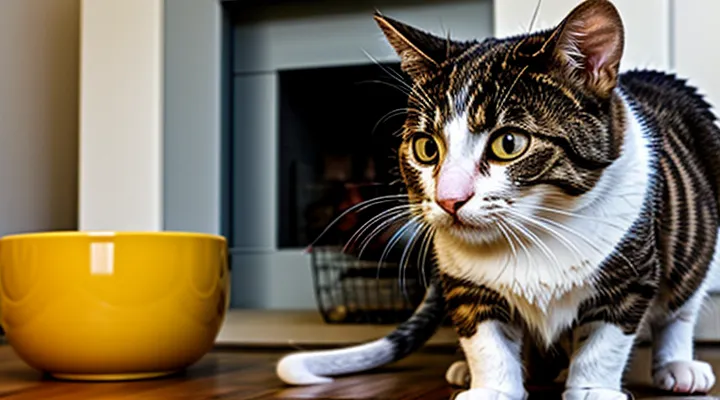
The Hunter's Instinct: Understanding Feline Behavior
Ancestral Roots and Predatory Drive
Wild Origins and Survival Skills
Domestic cats retain hunting instincts forged in the wild, where capturing small vertebrates ensured survival. Their ancestors, Felis silvestris, relied on swift pursuit, stealth, and precise bite to immobilize prey. These skills persist in modern pets, prompting them to seize mice and bring the catch into the human environment.
- Stalk and ambush: Cats use low‑profile movement and acute hearing to locate rodents hidden in cluttered spaces.
- Rapid pounce: Muscular hind limbs generate explosive force, allowing a sudden leap that shortens the distance to the target.
- Bite control: A bite to the neck severs the spinal cord, delivering a quick kill and preventing escape.
- Carrying behavior: The forepaws can grip the prey’s body, while the mouth secures the neck, enabling transport over short distances.
These behaviors reflect an evolutionary program designed for solitary hunters that must provide for themselves without external assistance. When a cat presents a mouse indoors, it demonstrates the continuation of this program, translating ancient survival tactics into a domestic setting. The act also serves as a practical rehearsal of hunting proficiency, reinforcing neural pathways essential for predatory competence.
The Thrill of the Chase
Cats retain a predatory drive that activates when a mouse appears. The sudden movement triggers a rapid visual‑motor response, releasing adrenaline and dopamine that produce a short, intense pleasure spike. This physiological reaction fuels the pursuit and motivates the animal to complete the capture.
The chase serves several functional purposes. It sharpens reflexes, reinforces the neural pathways that coordinate stalking, pouncing, and biting, and maintains muscle tone. For indoor felines, the activity compensates for the lack of natural hunting opportunities, preventing the development of stereotypic behaviors that can arise from boredom.
When a cat delivers a mouse to the home, the act reflects more than mere transport. It signals successful completion of a high‑reward sequence and may act as a teaching moment for offspring, demonstrating the steps required to subdue prey. The presence of the captured animal also reinforces the cat’s status within the household hierarchy.
Key aspects of the chase that influence this behavior include:
- Rapid visual detection of erratic motion
- Immediate activation of the sympathetic nervous system
- Release of neurotransmitters that reinforce the action loop
- Physical exertion that satisfies muscular and coordination needs
- Social signaling to conspecifics and human caretakers
These elements combine to make the pursuit a central component of feline motivation, explaining why many cats bring mice into the house despite the absence of a nutritional requirement. The thrill of the chase, therefore, underlies the observed behavior and provides both physiological satisfaction and behavioral reinforcement.
Behavioral Explanations for Bringing Prey Indoors
The «Teaching» Hypothesis
Kitten Training in the Wild
Cats often transport captured rodents into domestic spaces because early hunting experiences shape instinctual behavior. In natural habitats, kittens acquire predatory skills through exposure to live prey, social learning, and environmental challenges. This formative period determines how adult felines perceive and manage captured animals.
Training in the wild proceeds through distinct phases:
- Observation: Mother cat demonstrates stalking, pouncing, and killing techniques while kittens watch.
- Practice: Kittens engage with moving objects, gradually progressing to live insects, then small mammals.
- Feedback: Successful captures reinforce behavior; failed attempts prompt corrective adjustments from the mother.
- Territorial integration: Young cats learn to bring prey back to the den, reinforcing the den’s status as a resource hub.
These stages produce a strong association between hunting success and delivering prey to a safe location. When domestic cats retain this association, they instinctively bring mice into the house, interpreting the home as an extension of the den.
Owners can influence this instinct by replicating key elements of wild training:
- Provide interactive toys that mimic prey movement to satisfy stalking and pouncing drives.
- Introduce puzzle feeders that require problem‑solving similar to hunting challenges.
- Allow supervised outdoor excursions where cats can encounter natural prey under controlled conditions.
- Reward calm retrieval of toys to reinforce the behavior of bringing items back to the owner rather than the cat’s private space.
By aligning domestic enrichment with the natural learning process, owners can redirect the instinct to deliver prey, reducing the frequency of live rodents appearing indoors while preserving the cat’s predatory competence.
Applying to Human «Kittens»
Cats bring captured rodents into the home to demonstrate hunting competence, secure food for offspring, and reinforce social bonds. When humans raise kittens, these motivations translate into practical guidelines for effective care.
The instinct to provide prey reflects a feline’s drive to protect and nurture. Human caretakers can mimic this protective behavior by offering consistent, high‑quality nutrition and safe environments. Regular feeding schedules, balanced diets, and secure sleeping areas satisfy the same biological need for reliable resources.
Training and social interaction benefit from the same communication function that rodents serve in feline groups. Engaging kittens with interactive play, gentle handling, and exposure to varied stimuli builds confidence and reduces aggression. Structured play sessions using toys that imitate prey movements satisfy hunting urges while strengthening the human‑cat relationship.
Key actions for caregivers:
- Supply fresh, nutritionally complete food at predictable intervals.
- Provide enclosed, comfortable resting spots free from hazards.
- Conduct daily play that replicates chase and capture motions.
- Introduce mild challenges (e.g., puzzle feeders) to encourage problem‑solving.
- Monitor health indicators—weight, coat condition, behavior—to adjust care promptly.
By aligning human practices with the underlying reasons cats bring prey indoors, caretakers foster healthier development, stronger attachment, and reduced stress in kittens. The result is a more adaptable, well‑socialized cat that retains its natural instincts while thriving under human supervision.
The «Gift-Giving» Theory
Sharing the Spoils
Cats that bring dead or injured rodents into a home are displaying a behavior rooted in instinct and social communication. The act is not random; it reflects a deliberate decision to transfer a captured prey from the hunting ground to a familiar environment where the cat feels secure.
- The cat may be offering the catch to its human companions as a form of exchange, expecting food or attention in return.
- The gesture can serve as a teaching tool for younger cats, demonstrating hunting techniques and prey handling.
- Delivering the mouse to the household reinforces the cat’s status as a provider, strengthening its bond with the human group.
- The act may also function as a status signal, indicating the cat’s competence and access to resources.
In domesticated settings, the behavior often persists because the cat’s natural drive to share remains, even when the human does not require the prey. The cat interprets the household as part of its territory, and presenting the spoil aligns with its instinct to distribute resources within that territory.
Understanding this pattern helps owners interpret the cat’s motives correctly and respond in a way that respects the animal’s evolutionary heritage while maintaining a harmonious coexistence.
A Sign of Affection and Trust
Cats that drop captured rodents at a doorway are communicating a specific social message. The act signals that the owner is trusted enough to receive a valuable resource, reflecting an instinctual exchange normally reserved for members of a feline group.
The behavior rests on three interrelated mechanisms:
- Resource sharing – In wild colonies, a cat that provides food to another reinforces bonds and secures reciprocal assistance. Domestic cats transpose this pattern onto human companions.
- Status demonstration – Presenting a mouse confirms hunting competence. By offering the prey, the cat affirms its role as protector and provider, encouraging positive reinforcement from the owner.
- Emotional connection – The cat perceives the human as part of its social network. Delivering a catch expresses affection, akin to a gesture of goodwill in feline communication.
Consequences for the household are predictable. Owners receive tangible evidence of the cat’s engagement, which often strengthens the animal‑human relationship and promotes further interaction. The cat’s confidence grows as the owner consistently accepts the offering, reinforcing the trust loop.
Understanding this dynamic clarifies that the mouse delivery is not random mischief but a deliberate signal of bond and reliance.
The «Safe Haven» Concept
Protecting the Catch
Cats that transport prey into the home often act to preserve the animal until they can consume it or display it. The preservation instinct serves two functions: preventing decay and maintaining the prey’s visibility for social signaling. When a cat catches a mouse, it typically secures the body by gripping with its jaws or paws, reducing the chance of escape or damage.
Common techniques cats employ to protect the catch include:
- Covering with paws or tail – creates a barrier against air exposure and other pets.
- Holding in the mouth with minimal chewing – keeps the mouse intact while allowing the cat to carry it.
- Placing the prey in a hidden location – such as under furniture or inside a box, where it remains out of reach of scavengers.
- Transporting to a safe surface – often a flat, warm area where the cat can monitor the mouse without interference.
These behaviors reflect an instinctual need to control the status of the prey, ensuring it remains usable for later consumption or for presenting to humans as a demonstration of hunting proficiency.
A Secure Dining Area
Cats that capture rodents often deposit them in the household for reasons tied to instinct, territory, and resource management. When a cat brings a mouse into a living space, the presence of a vulnerable food‑preparation zone becomes a direct concern. The act of delivering prey signals the need for a protected area where meals are prepared, served, and stored without exposure to potential contaminants.
A secure dining area must isolate food surfaces from animal activity. This isolation prevents bacterial transfer from the mouse’s fur, saliva, and excrement, which can compromise human health. It also eliminates the risk that a cat, motivated by hunting behavior, might place prey near dishes, tempting accidental ingestion.
Key measures to establish such protection include:
- Installing a dedicated, closed‑door kitchen or pantry that restricts animal entry.
- Using sealed containers for all food items and leftovers.
- Maintaining a clear perimeter around tables and counters, free of pet access.
- Regularly cleaning surfaces with approved disinfectants after any animal contact.
Implementing these controls preserves the integrity of meals and reduces the likelihood that feline hunting behavior will affect domestic nutrition. The result is a dining environment that remains safe despite the natural tendencies of household cats.
The «Unfinished Business» Scenario
Distractions and Interruption
Cats that capture rodents and deposit them inside the home often do so while their owners are preoccupied or away. A distracted caretaker may miss subtle signals that a cat is hunting, such as increased activity at night or a sudden focus on a specific area. When human attention is divided, the cat receives no immediate correction or redirection, reinforcing the behavior of presenting prey as a substitute for interaction.
The delivery of a mouse creates an abrupt interruption in household routines. The sudden appearance of a dead animal demands immediate cleaning, generates noise, and may provoke anxiety in other residents. This interruption can cascade into additional tasks: disposing of the carcass, sanitizing surfaces, and monitoring the cat for possible injuries. Each response diverts time and resources from planned activities.
Mitigation measures focus on reducing both human distraction and the resulting interruptions:
- Establish consistent feeding times to satisfy the cat’s nutritional needs and lessen hunting motivation.
- Provide regular play sessions that mimic predatory behavior, channeling the cat’s instinct into safe outlets.
- Keep doors and windows secured to limit access to outdoor rodents, decreasing the likelihood of capture.
- Monitor the cat’s activity during periods of low human presence and intervene promptly if hunting behavior escalates.
By addressing the dual impact of owner distraction and the ensuing household disruption, the frequency of indoor rodent deliveries can be significantly lowered.
Bringing Prey for Later Consumption
Cats often capture live prey and transport it away from the hunting site before eating. This pattern reflects an instinctive strategy that maximizes nutritional gain while reducing competition and risk of injury. By holding the mouse in a safe location, the cat can assess the catch, remove excess fur or organs, and consume the most valuable parts at a controlled pace.
The behavior serves several functional purposes:
- Preservation of energy: Immediate consumption may expose the cat to defensive bites; delaying eating allows the prey to tire.
- Protection from scavengers: Storing the catch in a secluded spot reduces the chance that other animals will steal it.
- Skill reinforcement: Repeated capture and transport reinforce the motor patterns required for successful hunting.
- Resource allocation: A stored kill can be eaten later when food availability declines, ensuring a reserve.
Evolutionary pressure favored cats that could secure a reliable food source without exposing themselves to unnecessary danger. Domestic felines retain this trait despite regular feeding, because the underlying neural circuitry remains active. Consequently, owners often find dead or alive mice presented on sofas, beds, or doorways as a direct expression of this deep‑rooted predatory instinct.
The Significance of This Behavior for Pet Owners
Implications for Cat-Human Bonding
Understanding Feline Communication
Cats use a repertoire of signals to convey status, territory, and hunting success. When a cat captures a mouse and transports it indoors, the behavior functions as a communicative act toward humans and other felines. The act demonstrates proficiency in prey acquisition, reinforces the cat’s position as a provider, and triggers specific responses from household members.
Key elements of feline communication involved in this scenario include:
- Body posture: A lowered back, ears flattened, and a stiff tail signal focus on prey and readiness to defend the catch.
- Vocalizations: Short, sharp chirps or trills accompany the presentation of the mouse, directing attention and inviting interaction.
- Scent marking: The cat’s paws and saliva deposit pheromones on the rodent, extending the animal’s territorial scent into the domestic space.
- Gift presentation: Dropping the mouse at a person’s feet or in a familiar spot serves as a deliberate offering, prompting care or praise.
Research links these signals to evolutionary pressures that favored cats who could effectively share resources with conspecifics and human caretakers. The behavior reinforces the social bond, encourages feeding or reward, and reduces the likelihood of the cat being denied future hunting opportunities.
Understanding these communication pathways clarifies why the delivery of mice occurs repeatedly. The cat’s gesture is not random; it is a structured message that aligns hunting instinct with social interaction within the home environment.
Reinforcing the Bond
Cats often present captured rodents as a form of communication with their human companions. The act signals that the animal perceives the household as a shared hunting ground and trusts the owner enough to share its prize. This exchange creates a tangible link between predator and caretaker, confirming the cat’s role within the family hierarchy.
When a cat delivers a mouse, the owner typically responds with attention, praise, or a reward. Such reactions reinforce the cat’s behavior through positive feedback, encouraging future deliveries. The cycle establishes a predictable pattern: the cat hunts, the owner acknowledges, the cat repeats. This predictability strengthens mutual confidence and deepens the relational bond.
Practical ways to use this behavior to reinforce the connection include:
- Offering a small treat immediately after the cat presents a catch, linking the gesture to a pleasant outcome.
- Providing gentle verbal affirmation, such as a calm “good job,” which validates the cat’s effort.
- Engaging in brief play with the mouse (or a safe substitute) before disposal, turning the event into a shared activity.
- Ensuring the cat’s hunting instincts are satisfied through regular interactive toys, reducing the need for real prey while preserving the communication channel.
By consistently acknowledging the cat’s offering, owners transform a natural predatory act into a structured interaction that affirms trust, clarifies roles, and sustains a strong, enduring partnership.
Managing the Situation
Prevention Strategies
Cats often present captured rodents to their owners as a natural expression of hunting instinct. When this behavior becomes undesirable, owners can implement several practical measures to reduce its occurrence.
- Limit outdoor excursions by keeping cats indoors or supervising their time outside with a leash or enclosed patio.
- Provide consistent, nutritionally balanced meals to diminish the drive to seek additional food sources.
- Enrich the indoor environment with interactive toys, climbing structures, and scheduled play sessions to satisfy predatory urges.
- Reduce rodent populations through sealed food storage, regular trash removal, and professional pest‑management services.
- Employ positive reinforcement training to discourage the transport of prey, rewarding the cat for leaving captured animals untouched.
- Apply safe deterrents, such as citrus‑scented sprays or motion‑activated devices, near entry points where cats typically bring in rodents.
Combining these strategies creates a controlled setting that respects feline instincts while preventing unwanted deliveries.
Dealing with the Aftermath
Cats that deliver rodents into the home create a set of practical challenges that require immediate and systematic response. The first priority is to protect human health and other pets. Remove the animal using gloves or a tool that prevents direct contact, then place it in a sealed container for humane disposal or release, depending on local regulations. Disinfect the area where the mouse was found with a solution containing at least 70 % alcohol or a diluted bleach mixture (1 part bleach to 9 parts water) to eliminate pathogens such as Salmonella or hantavirus.
The next step addresses potential damage to household items. Inspect furniture, carpets, and food storage for bite marks or droppings. Vacuum thoroughly, then wash any fabric that may have been contaminated. Store dry goods in airtight containers to prevent further infestation. If the cat shows a pattern of hunting indoor rodents, consult a veterinarian to rule out nutritional deficiencies, stress, or medical conditions that may drive predatory behavior.
Practical actions can be summarized as follows:
- Wear protective gloves; isolate the mouse in a sealed bag.
- Dispose of the carcass according to local wildlife guidelines or release it far from the residence.
- Clean the incident site with an appropriate disinfectant; allow the surface to remain wet for the recommended contact time.
- Vacuum and launder any textiles that may have been exposed.
- Store food securely; inspect for signs of gnawing or contamination.
- Schedule a veterinary check‑up to evaluate the cat’s diet and behavior.
- Implement environmental enrichment (e.g., interactive toys, regular play sessions) to reduce the drive to bring prey indoors.
Beyond Mice: Other Prey and Objects
Birds and Small Animals
Cats that capture and deposit rodents often demonstrate similar behavior toward other prey such as birds and diminutive mammals. The underlying mechanisms are rooted in instinctual hunting patterns, environmental cues, and social signaling.
The presence of birds and small animals influences feline predatory habits in several ways. First, visual motion triggers the cat’s optic flow response, prompting a chase regardless of the animal’s size. Second, the scent of these creatures activates the olfactory pathways that drive hunting motivation. Third, the act of presenting captured prey to household members serves as a communication tool, reinforcing the cat’s role as a provider and reinforcing territorial dominance.
Key factors linking avian and rodent captures include:
- Prey availability: Increased populations of sparrows, finches, or field mice raise encounter rates, leading to more frequent hunting episodes.
- Learning and reinforcement: Successful kills of birds or small mammals reinforce the cat’s hunting technique, making subsequent captures more likely.
- Territorial display: Delivering any captured creature to a human or a favored resting spot signals control over the immediate environment.
- Nutritional supplementation: Small vertebrates contribute protein and micronutrients, complementing the cat’s regular diet.
Understanding these dynamics clarifies why felines extend the same behavior observed with mice to birds and other tiny animals, reflecting a consistent predatory strategy shaped by instinct, environmental opportunity, and social communication.
Toys and Other Brought Items
Cats often present captured prey alongside objects they treat as toys, reflecting instinctual hunting behavior and a desire to share resources with humans. When a cat drags a mouse into the home, it may also deposit items such as small balls, feathered ribbons, or shredded fabrics. These additional items serve several functions: they provide tactile stimulation, reinforce the cat’s perception of the mouse as a valuable catch, and help the animal practice handling skills learned during play.
Typical non‑prey objects found alongside rodents include:
- Soft fabric scraps or socks, which mimic the texture of fur.
- Lightweight plastic toys, offering a contrasting weight that tests grip strength.
- Feathers or string fragments, stimulating predatory chase responses.
- Small wooden or cardboard pieces, allowing the cat to practice precise bite control.
The presence of such items can influence the owner’s interpretation of the cat’s behavior. Recognizing that the cat is not merely delivering a meal but also showcasing learned handling techniques can guide appropriate responses, such as providing designated play objects to satisfy the same instincts without encouraging the transport of live prey.
Understanding the dual role of prey and play items clarifies the broader significance of the cat’s deliveries. It demonstrates that the act is not solely a food‑sharing gesture but also an expression of the animal’s need for tactile feedback, skill reinforcement, and social interaction with its human companions. Supplying a variety of safe, cat‑appropriate toys may reduce the frequency of unwanted mouse deliveries while preserving the cat’s natural hunting expression.
Scientific Perspectives and Research
Ethological Studies on Feline Predation
Ethological investigations into feline predation reveal a consistent pattern: domestic cats capture small vertebrates and subsequently transport them to human dwellings. Field observations and laboratory experiments demonstrate that this behavior persists across breeds, ages, and environments, indicating a deep‑rooted predatory instinct inherited from wild ancestors.
Key drivers identified by research include:
- Hunting drive – activation of the predatory sequence (stalk, pounce, kill) triggered by movement and scent cues.
- Maternal provisioning – females with offspring display increased prey delivery, suggesting an instinct to teach hunting skills.
- Social signaling – presentation of captured rodents to household members functions as a communication of competence and status within the cat’s social group.
- Resource caching – temporary storage of prey in a safe location before consumption, often observed when immediate feeding is inhibited.
The significance of this conduct extends beyond individual cats. Owners interpret prey delivery as a gesture of affection or a warning, influencing human‑cat interactions and management practices. Evolutionary analyses link the behavior to survival strategies that enhanced offspring training and territory defense, reinforcing the adaptive value of predation even in a domestic setting.
Debunking Common Myths
Cats often transport captured mice into the home, prompting many misconceptions. Clarifying these myths helps owners interpret feline behavior accurately.
Common myths and factual corrections:
-
Myth: The cat is bragging or showing off its hunting skill.
Fact: Cats lack self‑awareness to boast; the act stems from instinctual drive to secure food for the family or future scarcity. -
Myth: The mouse is a gift for the owner.
Fact: Domestic cats rarely consider humans as recipients; the behavior originates from a wild‑type instinct to provision a den, not from a desire to please people. -
Myth: Bringing a mouse indicates the cat is hungry.
Fact: Cats may be satiated yet still carry prey; the behavior persists even when food is abundant, reflecting a predatory sequence rather than immediate nutritional need. -
Myth: All cats exhibit this behavior equally.
Fact: Frequency varies with breed, individual temperament, and exposure to live prey; some indoor‑only cats rarely engage in the practice. -
Myth: The cat’s action harms the household’s pest control efforts.
Fact: While a single mouse may reduce a minor infestation, the primary impact lies in reinforcing the cat’s hunting pattern, which can increase overall predation activity.
Understanding these points eliminates romanticized interpretations and aligns expectations with the biological motivations behind feline prey transport.