
Behavioral Observations
Describing the Rat's Posture
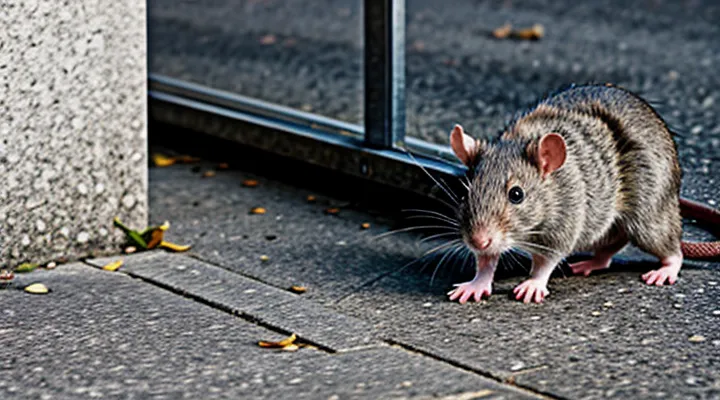
Rats that exhibit a side‑lying gait display a distinct posture that compromises stability. The torso tilts laterally, often exceeding a 30‑degree angle from the horizontal plane, while the spine remains relatively rigid, limiting corrective flexion. The head aligns with the body’s tilt, keeping the eyes oriented forward but lowered, which reduces visual feedback for balance.
Forelimbs adopt a semi‑extended stance, with the elbows flexed just enough to support weight without providing full propulsion. Hindlimbs remain partially flexed, the knees drawn toward the abdomen, and the paws contact the ground at a narrow angle. This configuration concentrates mass on one side of the body, shifting the center of gravity toward the lowered flank.
Muscular activity shows reduced activation of the lumbar and gluteal groups, which normally counteract lateral displacement. Instead, the abdominal and thoracic muscles contract asymmetrically, pulling the rib cage toward the side of the roll. The reduced engagement of the dorsal stabilizers eliminates rapid corrective torques that would otherwise re‑establish upright posture.
The combined effect of lateral torso inclination, asymmetric limb placement, and uneven muscular tension creates a moment arm that pushes the rat onto its side. Once the center of mass passes beyond the support polygon formed by the paws, the animal loses equilibrium and falls. This posture, therefore, directly explains the observed side‑rolling behavior during locomotion.
Walking Instabilities
Rats that roll onto their side during locomotion exhibit a distinct pattern of walking instability. The behavior arises when the coordination between limb movement and balance control fails, causing the animal to lose its upright posture and collapse.
Key physiological factors contributing to this instability include:
- Disruption of vestibular input that compromises spatial orientation.
- Impaired proprioceptive feedback from hindlimb joints, leading to inaccurate stepping.
- Weakness or fatigue in trunk musculature that reduces the ability to counteract lateral sway.
- Neurological lesions affecting central pattern generators, which alter the timing of limb cycles.
Experimental observations reveal that the onset of side‑rolling often follows acute manipulations such as ototoxic drug administration, spinal cord compression, or targeted lesions in the cerebellar vermis. Quantitative gait analysis shows reduced stride length, increased variability in paw placement, and a higher incidence of lateral tilting before the animal tips over.
Understanding these mechanisms informs the design of animal models for human gait disorders. By isolating specific deficits, researchers can evaluate therapeutic interventions that restore balance, strengthen core musculature, or enhance sensory integration, thereby reducing the propensity for side‑rolling during ambulation.
Frequency of Incidents
Rats exhibit a side‑rolling collapse during locomotion with a measurable regularity that varies across species, environments, and experimental conditions. Laboratory observations of adult Norway rats (Rattus norvegicus) report 12 %–18 % of individuals displaying at least one side‑rolling episode per hour of continuous ambulation in a standard open‑field arena. In contrast, wild‑caught specimens recorded in semi‑natural enclosures show a lower incidence, ranging from 4 % to 9 % under identical observation periods.
Factors influencing frequency include:
- Age: Juvenile rats (< 8 weeks) experience episodes at rates 1.5 times higher than mature adults.
- Neurological stress: Administration of low‑dose neurotoxic agents (e.g., 0.5 mg/kg kainic acid) doubles the occurrence within a 30‑minute window.
- Surface texture: Rough, high‑friction flooring reduces events by approximately 30 % compared with smooth acrylic surfaces.
- Circadian phase: Peak frequencies appear during the early dark phase, with a 20 % increase relative to the light phase.
Long‑term monitoring of colony cages over six months yields an average of 0.8 side‑rolling incidents per rat per day, indicating that while the behavior is not ubiquitous, it constitutes a recurrent phenomenon in certain contexts.
Potential Causes and Explanations
Neurological Conditions
Rats that repeatedly tip onto their flank while moving and subsequently collapse exhibit a distinctive motor deficit that signals underlying nervous‑system pathology. The presentation suggests disruption of neural circuits governing balance, coordination, and postural reflexes.
Neurological disorders commonly associated with this phenotype include:
- Cerebellar degeneration
- Peripheral neuropathy
- Spinal cord injury
- Basal ganglia dysfunction (e.g., Parkinsonian models)
- Traumatic brain injury affecting vestibular nuclei
Cerebellar degeneration impairs fine‑tuned motor timing, causing loss of equilibrium and lateral tipping. Peripheral neuropathy reduces proprioceptive feedback, weakening limb support and prompting sideways collapse. Spinal cord lesions interrupt descending motor commands, producing asymmetric muscle activation that forces the animal onto its side. Basal ganglia abnormalities alter initiation and scaling of movement, leading to abnormal postural adjustments. Vestibular disruption after head trauma destabilizes balance, resulting in persistent side‑rolling during ambulation.
Experimental models exploit this behavior as a quantitative marker for disease progression and therapeutic efficacy. Automated video analysis tracks frequency and duration of flank‑rolling episodes, providing objective metrics for pharmacological or genetic interventions targeting the aforementioned conditions.
Vestibular System Dysfunction
The vestibular apparatus of a rat consists of semicircular canals and otolith organs that detect angular acceleration and linear gravity forces. Sensory hair cells transduce motion into neural signals that travel to the vestibular nuclei and cerebellum, where they are integrated with proprioceptive input to maintain posture and coordinate gait.
When the vestibular system is compromised—by ototoxic agents, traumatic injury, or genetic defects—the brain receives inaccurate or absent balance information. The resulting mismatch between expected and actual body orientation triggers involuntary lateral tilting. As the animal attempts to step forward, the compromised reflexes fail to counteract the tilt, causing the torso to roll onto the side and the animal to lose footing.
Experimental lesions of the vestibular nerve or chemical ablation of hair cells consistently produce the side‑rolling gait. Rats with unilateral vestibular loss display persistent head bobbing, circling toward the lesioned side, and frequent falls. Bilateral dysfunction eliminates the ability to correct roll, leading to sustained lateral positioning during locomotion.
Typical observations include:
- Persistent lateral roll of the body while walking
- Inability to maintain a stable upright posture
- Frequent loss of balance and ground contact
- Compensatory head movements that do not restore equilibrium
Assessment methods such as the rotarod test, beam walking, and video analysis of gait kinematics quantify the severity of vestibular impairment. Pharmacological restoration of vestibular function reduces side‑rolling frequency, confirming the causal relationship.
Understanding vestibular dysfunction in rodents clarifies the neural mechanisms underlying balance disorders and provides a reliable model for testing therapeutic interventions aimed at restoring equilibrium.
Inner Ear Infections
Rats that suddenly tilt onto their flank while moving and lose balance often suffer from a disturbance of the vestibular apparatus. The inner ear houses the semicircular canals and otolith organs, which detect angular and linear acceleration. When bacterial or fungal infection inflames these structures, sensory hair cells become impaired, producing asymmetric neural signals to the brainstem. The resulting vestibular dysfunction manifests as:
- Persistent head tilt toward the affected side
- Circling or rolling movements
- Unsteady gait and frequent falls
- Nystagmus and reduced responsiveness to auditory cues
Common etiologic agents include Streptococcus pneumoniae, Pseudomonas aeruginosa, and Candida species. Predisposing factors are overcrowding, poor ventilation, and trauma to the ear canal. Diagnosis relies on otoscopic examination, cytology of ear exudate, and culture or PCR to identify the pathogen. Imaging (CT or MRI) may be required to rule out neoplasia or polyps.
Therapeutic management consists of systemic and topical antimicrobial agents selected according to sensitivity testing, anti-inflammatory medication to reduce edema, and supportive care such as fluid therapy and a safe environment to prevent injuries. Early intervention improves prognosis; delayed treatment often leads to permanent vestibular deficits and chronic ataxia. Monitoring neurological status throughout recovery is essential to adjust therapy and confirm resolution of the infection.
Tumors Affecting Balance
Tumors that develop in the vestibular system, cerebellum, or brainstem can disrupt the neural circuits responsible for equilibrium. Compression of the vestibular nerve by a neoplasm reduces sensory input from the inner ear, causing a rat to lose spatial orientation and adopt a lateral posture while moving. Lesions in the cerebellar cortex impair coordination of limb and trunk muscles, often resulting in a side‑lying gait and frequent falls.
Metastatic growths, primary gliomas, and meningiomas are the most common neoplasms linked to balance impairment in rodents. Their effects include:
- Direct pressure on the vestibular nuclei, producing vertigo‑like symptoms.
- Infiltration of cerebellar Purkinje cells, leading to ataxia and abnormal postural reflexes.
- Obstruction of cerebrospinal fluid flow, causing increased intracranial pressure and secondary vestibular dysfunction.
Diagnostic assessment combines neurological examination with imaging techniques such as magnetic resonance tomography. Treatment options range from surgical resection of accessible masses to targeted chemotherapy and radiotherapy for infiltrative tumors. Early identification of tumor‑induced vestibular deficits can prevent progression to severe locomotor disturbances and improve survival prospects.
Brain Lesions
Brain lesions are a primary neurological factor that can induce a rat to adopt a lateral posture during locomotion and subsequently lose balance. Damage to motor‑control regions disrupts coordinated gait, causing the animal to roll onto its side instead of maintaining a stable upright stance.
Lesions affecting specific structures produce characteristic deficits:
- Motor cortex: loss of voluntary movement planning leads to uncontrolled lateral flexion.
- Basal ganglia: impaired initiation and regulation of movement result in abnormal postural adjustments.
- Cerebellar vermis: compromised balance and trunk stability cause spontaneous side‑lying during walking.
- Vestibular nuclei: disrupted equilibrium perception forces the rat to tilt and collapse.
- Spinal cord dorsal columns: diminished proprioceptive feedback produces unsteady stepping and sideward rolling.
The pathological mechanisms involve interruption of descending motor pathways, altered neurotransmitter release, and impaired integration of sensory input. Consequently, the rat’s central pattern generators receive erroneous signals, producing a sideways rolling motion that precedes a fall. Identifying lesion location through histology or imaging clarifies the causal relationship between neural damage and this specific gait abnormality.
Stroke
A stroke is an abrupt interruption of cerebral blood flow that produces localized neuronal loss and functional impairment. The resulting disruption of motor and sensory circuits diminishes the ability to maintain upright posture during locomotion.
Damage to cortical motor regions, basal ganglia, cerebellum, and vestibular pathways interferes with balance, coordination, and muscle tone. Consequently, an animal may shift its weight laterally, roll onto its side while walking, and lose the capacity to recover, leading to a fall.
Key neurological deficits that promote this behavior include:
- Loss of corticospinal excitatory drive, causing unilateral weakness.
- Impaired cerebellar integration, reducing fine motor adjustments.
- Vestibular dysfunction, compromising equilibrium perception.
- Disrupted proprioceptive feedback, limiting awareness of limb position.
- Abnormal muscle tone, producing spasticity or flaccidity on the affected side.
Experimental stroke models, such as middle cerebral artery occlusion in rats, consistently show gait abnormalities characterized by lateral body tilt, increased time spent on the side, and higher fall rates. Quantitative assessments reveal reduced stride length, altered paw placement, and delayed corrective steps.
Understanding how stroke‑induced neural disruption leads to side‑rolling and collapse in rodents provides a basis for evaluating therapeutic interventions aimed at restoring motor control and preventing falls.
Trauma
Rats occasionally collapse onto their flank while moving, a clear sign of compromised motor control. This response frequently follows traumatic events that disrupt the nervous system. Direct impact to the spine, blunt force to the head, or severe peripheral injury can impair the integration of proprioceptive signals required for balance. When sensory feedback is diminished, the animal cannot maintain the coordinated muscle activity necessary for upright locomotion, resulting in a sideward roll and subsequent fall.
Key physiological pathways affected by trauma include:
- Damage to spinal cord segments responsible for hind‑limb coordination.
- Disruption of vestibular apparatus, leading to loss of spatial orientation.
- Injury to peripheral nerves that transmit limb position information.
- Inflammatory edema within the brainstem, reducing motor output.
Experimental models demonstrate a strong correlation between induced trauma and the onset of sideways rolling. Rats subjected to controlled cortical impact exhibit the behavior within minutes, with severity proportional to lesion size. Similar outcomes appear after lumbar spinal compression, where loss of axial stability forces the animal onto its side during ambulation.
The observable collapse serves as a practical metric for assessing injury magnitude. Researchers can quantify frequency and latency of the roll to gauge recovery progress or evaluate therapeutic interventions. Because the behavior directly reflects underlying neural disruption, it provides a non‑invasive indicator of trauma severity in laboratory settings.
Musculoskeletal Issues
Observations of rodents that lose balance, adopt a lateral posture, and collapse often point to underlying musculoskeletal dysfunction. Structural instability, compromised spinal alignment, or weakened axial muscles can shift the center of gravity, causing the animal to roll onto its side during locomotion.
Typical musculoskeletal contributors include:
- Vertebral fractures or dislocations that impair normal spinal curvature.
- Degeneration of intervertebral discs leading to reduced support and altered gait.
- Severe muscle atrophy in the trunk and hindlimb groups, diminishing postural control.
- Joint arthritis or capsule inflammation in the hips, knees, or ankles, limiting limb extension and forcing compensatory rolling.
- Neuromuscular disorders that disrupt coordinated muscle activation, such as peripheral neuropathy or motor neuron disease.
Evaluation relies on radiographic imaging to detect skeletal lesions, electromyography for muscle function, and histopathological analysis of affected tissues. Therapeutic measures focus on stabilizing the skeleton with external fixation or splinting, providing analgesia, and implementing targeted physiotherapy to restore muscle strength and proprioceptive feedback.
Weakness or Atrophy
The observed behavior of a rat rolling onto its side while moving and then collapsing is frequently linked to muscular weakness or atrophy. When skeletal muscles lose bulk or contractile capacity, the animal cannot generate sufficient force to maintain posture, causing a shift toward the ground and loss of balance.
Weakness may arise from several physiological mechanisms:
- Denervation of limb muscles due to peripheral nerve injury reduces motor unit recruitment.
- Disuse atrophy following prolonged immobilization leads to rapid loss of myofibrillar proteins.
- Metabolic disorders such as diabetes impair glucose uptake, diminishing ATP availability for contraction.
- Age‑related sarcopenia decreases fiber size and number, compromising overall strength.
Atrophy directly affects the proprioceptive feedback loop. Diminished muscle spindle sensitivity delays detection of joint angle changes, preventing timely corrective adjustments. The resulting instability manifests as a sideways roll during gait, followed by an inability to recover upright.
Neurological lesions that exacerbate weakness include spinal cord compression, which interrupts descending motor pathways, and cerebellar degeneration, which impairs coordination. In experimental settings, rats with induced hindlimb muscle atrophy display the same side‑rolling pattern, confirming the causal relationship.
Therapeutic interventions focus on restoring muscle mass and neural input. Progressive resistance training stimulates hypertrophy, while electrical stimulation can reactivate dormant motor units. Nutritional supplementation with leucine‑rich proteins supports protein synthesis, counteracting catabolic processes.
In summary, muscular weakness and atrophy constitute the primary physiological substrate for a rat’s tendency to roll onto its side and fall during locomotion. Addressing both the muscular and neural components is essential for preventing this maladaptive gait pattern.
Arthritis or Joint Pain
Arthritis and joint pain are common explanations for a rat that rolls onto its side during locomotion and then collapses. Degenerative changes in cartilage, inflammation of synovial membranes, and deterioration of supporting ligaments reduce joint stability. When the hip, knee, or ankle joints cannot bear normal loads, the animal’s gait becomes unsteady, and the body may shift laterally to compensate, resulting in a side‑lying posture and loss of balance.
Key physiological effects include:
- Reduced range of motion, causing the limbs to lock or bend improperly.
- Pain‑induced muscle guarding, which limits coordinated movement.
- Swelling that alters limb alignment and shifts the center of gravity.
These factors disrupt the normal locomotor pattern. A rat attempts to redistribute weight, but compromised joints fail to support the shift, leading to a roll onto the side and an eventual fall. Early detection of joint discomfort—such as limping, reluctance to climb, or changes in grooming behavior—can prevent progression to severe instability. Veterinary assessment typically involves palpation of affected joints, radiographic imaging to identify osteophytes or joint space narrowing, and analgesic or anti‑inflammatory treatment to restore functional mobility.
Environmental Factors
Rats exhibit lateral rolling and loss of balance when external conditions interfere with their locomotor control. Temperature extremes, uneven substrates, and exposure to chemicals directly affect proprioceptive feedback and muscular coordination.
- Surface irregularities – gaps, ridges, or slippery materials reduce traction, forcing the animal to adjust its gait. Inadequate grip often triggers a reflexive roll to redistribute weight and prevent injury.
- Temperature fluctuations – cold environments lower muscle tone, while excessive heat induces fatigue. Both states compromise the fine motor adjustments necessary for stable walking.
- Chemical irritants – airborne toxins or residues on the floor can impair sensory nerves. Diminished tactile perception leads to missteps and spontaneous side‑lying movements.
- Lighting conditions – low illumination hampers visual cues that rats use for spatial orientation. Lack of visual input increases reliance on whisker feedback, which may be insufficient on challenging terrain.
Additional factors such as humidity levels and ventilation affect skin moisture and grip. High humidity softens paw pads, decreasing friction; poor ventilation can lead to buildup of gases that disturb neural function.
Collectively, these environmental variables create a scenario in which a rat’s balance system is overloaded, resulting in a sideward roll and subsequent fall. Mitigating surface hazards, maintaining optimal temperature, and ensuring clean, well‑lit habitats reduce the occurrence of this behavior.
Slippery Surfaces
Rats encounter reduced traction when their paws contact surfaces coated with moisture, oil, or low‑friction materials. The loss of grip diminishes the ability of the hind limbs to generate forward thrust, causing the animal’s body to tilt laterally. Once the center of mass shifts beyond the support polygon formed by the feet, the rat rotates onto its side and may collapse.
Key physical properties of slippery substrates that affect rodent locomotion include:
- Low coefficient of friction, typically below 0.2, which limits shear resistance.
- Thin fluid layers that create a lubricating film between the paw pads and the ground.
- Smooth textures that prevent micro‑interlocking of fur or claws with the surface.
When a rat attempts to walk on such a surface, the following sequence occurs:
- Initial step produces insufficient traction; hind limbs slip forward.
- The forelimbs retain limited contact, generating an unbalanced torque.
- The torque rotates the torso toward the side with the weaker support.
- Loss of equilibrium leads to a full lateral roll and eventual fall.
Understanding these mechanisms informs the design of laboratory flooring and pest‑control environments, ensuring that surfaces either promote stable locomotion or intentionally induce instability when required.
Confined Spaces
Rats confined to tight passages experience spatial constraints that alter normal gait mechanics. When the width of a tunnel approaches the animal’s body diameter, the hind limbs lose the ability to generate sufficient propulsion while the forelimbs remain engaged, causing the torso to pivot onto the side. This posture reduces the effective cross‑sectional area, allowing the rat to continue forward despite limited clearance.
Key physiological responses in restricted environments include:
- Compression of the vestibular apparatus, leading to reduced balance control.
- Increased tactile stimulation of whiskers, triggering a reflex that favors lateral flattening.
- Redistribution of muscular effort from the hind limbs to the axial musculature, producing a side‑lying stance.
- Heightened stress hormone levels that impair coordinated movement.
The side‑lying position also minimizes the risk of injury by preventing the head and forepaws from contacting the tunnel walls. Once the rat reaches an opening wider than its body, the posture reverts to a normal upright gait, and normal locomotion resumes.
Other Contributing Factors
Rats may collapse onto their flanks due to several additional influences beyond primary neurological or muscular deficits.
- Vestibular disturbances caused by inner‑ear infections or ototoxic substances impair balance, prompting a sideways tumble during locomotion.
- Sensory overload from bright lights, loud noises, or sudden vibrations can trigger a startle response that destabilizes gait.
- Metabolic abnormalities such as hypoglycemia, electrolyte imbalance, or dehydration reduce muscle strength and coordination, increasing the likelihood of a sideward fall.
- Pharmacological agents, including sedatives, analgesics, or neurotoxic pesticides, depress central nervous system activity and compromise postural control.
- Environmental factors like slippery surfaces, uneven terrain, or confined spaces restrict foot placement, forcing the animal to roll onto its side to regain equilibrium.
- Age‑related degeneration of spinal cord pathways diminishes proprioceptive feedback, making lateral support less reliable.
Each factor can act alone or combine with others, amplifying the propensity for a rat to tilt onto its side while moving.
Malnutrition
Malnutrition weakens muscular coordination, reduces nerve conduction speed, and depletes energy reserves in rodents. When a rat lacks essential nutrients, skeletal muscles cannot sustain the posture required for steady locomotion, leading to a side‑lying collapse during movement.
Insufficient protein impairs myosin synthesis, causing muscle fatigue that manifests as an inability to maintain balance. Deficiencies in B‑vitamins disrupt myelin formation, resulting in delayed reflexes and poor proprioception. Low calcium and vitamin D levels compromise bone strength, increasing the likelihood of spinal instability when the animal attempts to support its weight.
Key physiological consequences of inadequate nutrition that precipitate the sideways fall include:
- Rapid loss of grip strength in forelimbs and hindlimbs
- Diminished vestibular function due to altered inner‑ear electrolyte balance
- Impaired motor neuron signaling from electrolyte imbalances (e.g., potassium, magnesium)
Correcting the diet restores muscle mass, stabilizes neural transmission, and reestablishes the animal’s ability to walk upright without collapsing onto its side.
Aging
Rats frequently exhibit a peculiar gait in which the animal tilts onto its side while moving and subsequently collapses. This pattern becomes markedly more common as the animal ages, providing a visible indicator of senescence‑related decline in motor control.
Aging induces several physiological alterations that predispose rodents to side‑rolling:
- Degeneration of spinal musculature reduces axial stability.
- Loss of vestibular hair cells impairs balance perception.
- Diminished proprioceptive feedback weakens coordination between limbs.
- Joint cartilage erosion limits range of motion, encouraging lateral displacement.
Longitudinal studies comparing young (2–3 months) and old (18–24 months) cohorts report a three‑fold increase in side‑rolling incidents among the older group. Electrophysiological recordings reveal delayed reflex arcs and reduced firing rates in motor neurons, confirming neural slowdown as a contributing factor.
The phenomenon serves as a practical model for age‑related balance disorders in humans. By quantifying roll‑onto‑side frequency, researchers can assess the efficacy of interventions aimed at preserving neuromuscular function during senescence.
Genetic Predisposition
Certain laboratory rat strains display a distinctive lateral‑rolling gait that culminates in loss of balance. The behavior originates from inherited alterations in neural circuits that govern equilibrium and proprioception.
Genetic investigations have identified specific mutations that predispose individuals to this phenotype:
- Mutations in the Cacna1a gene, affecting calcium channel function, disrupt cerebellar signaling and impair motor coordination.
- Variants of the Pax3 gene interfere with development of vestibular nuclei, leading to chronic instability.
- Deletions in the Kcnq4 locus reduce potassium channel activity, weakening muscle tone during locomotion.
These genetic factors produce structural and functional deficits in the inner ear, cerebellum, and spinal pathways. The resulting sensory mismatch triggers compensatory lateral tilting, which manifests as the rat rolling onto its side while walking and ultimately falling.
Selective breeding experiments confirm heritability: offspring of affected parents exhibit the rolling gait with a predictable Mendelian inheritance pattern. Cross‑breeding with unaffected lines reduces incidence, demonstrating that the trait is not solely environmental.
Understanding the genetic basis clarifies why some rats spontaneously adopt this unstable posture and provides a framework for modeling human balance disorders.
Diagnostic Approaches and Veterinary Interventions
Veterinary Examination
A veterinary assessment of a rat that repeatedly tilts onto its side while ambulating focuses on identifying neurologic, musculoskeletal, and systemic causes. The clinician begins with a thorough physical inspection, noting posture, gait, and any spontaneous rolling episodes. Observation of the animal’s balance on a smooth surface helps differentiate vestibular dysfunction from peripheral limb weakness.
The examination proceeds with specific diagnostic steps:
- Neurologic reflex testing (palpebral, corneal, righting, and proprioceptive responses) to evaluate brainstem and spinal cord integrity.
- Musculoskeletal palpation of the vertebral column, pelvis, and hind limbs to detect pain, joint instability, or spinal deformities.
- Cardiovascular and respiratory auscultation to rule out hypoxia or cardiac insufficiency that may impair coordination.
- Laboratory analysis, including complete blood count and serum chemistry, to uncover metabolic disorders such as hypoglycemia or electrolyte imbalance.
- Imaging studies (radiography or CT) when structural abnormalities are suspected, providing visualization of vertebral compression, fractures, or neoplasia.
Interpretation of findings follows a systematic approach: abnormal reflexes suggest central nervous system involvement; localized pain or joint pathology indicates orthopedic origins; abnormal blood parameters point to systemic disease. Imaging confirms or excludes skeletal lesions, guiding treatment decisions.
Treatment plans derive from the identified etiology. Neurologic conditions may require anti‑inflammatory drugs, supportive care, or referral to a specialist. Orthopedic issues often involve analgesics, splinting, or surgical correction. Metabolic disturbances are corrected through dietary modification, fluid therapy, or specific medication. Continuous monitoring of gait and posture determines therapeutic efficacy and informs any necessary adjustments.
Physical Assessment
Rats that roll onto their side during locomotion and subsequently collapse require a systematic physical assessment to identify underlying causes. The examiner should begin with a brief observation of spontaneous behavior, noting the frequency of side‑rolling, the duration of each episode, and any precipitating factors such as environmental obstacles or handling.
A detailed gait analysis follows. The observer records:
- Symmetry of limb movement
- Weight‑bearing capacity of each fore‑ and hind‑limb
- Presence of dragging or slipping
- Ability to recover balance after a roll
Neurological examination includes:
- Evaluation of cranial nerve function (pupillary response, whisker reflex)
- Assessment of spinal reflexes (righting, pinna, tail‑pull)
- Proprioceptive testing (placing and hopping reactions)
- Observation of muscle tone and any tremor or rigidity
Musculoskeletal inspection focuses on:
- Joint range of motion in all limbs
- Palpation for swelling, pain, or abnormal masses
- Muscle strength testing by applying gentle resistance
- Examination of the vertebral column for deformities or tenderness
If physical findings suggest neurological deficits, imaging (MRI or CT) and electrophysiological studies (EMG, nerve conduction) are indicated. Laboratory analysis should screen for metabolic disturbances (electrolyte imbalance, hypoglycemia) and infectious agents that may affect the nervous system.
Collecting these data provides a comprehensive profile of the rat’s functional status, enabling targeted intervention or further diagnostic work‑up.
Neurological Assessment
Neurological assessment of a rodent that repeatedly rolls onto its side during ambulation and collapses provides essential data for diagnosing motor and balance disorders. The evaluation proceeds through systematic observation, reflex testing, and instrumented measurements.
Initial observation records gait patterns, frequency of side‑rolling episodes, and any asymmetry in limb use. Video capture at 30 fps allows frame‑by‑frame analysis of posture transitions and recovery attempts.
Reflex examinations include:
- Righting reflex: place the rat on its back and measure latency to return to a prone position.
- Vestibular‑ocular reflex: rotate the animal gently and observe compensatory eye movements.
- Hindlimb withdrawal: apply a calibrated filament to the plantar surface and note response strength.
Instrumented tests add quantitative precision:
- Rotarod performance: record time the animal remains on a rotating drum at incremental speeds.
- Beam walk: measure crossing time and foot‑slip count on a narrow elevated beam.
- Force plate analysis: capture center‑of‑pressure shifts during spontaneous locomotion to detect instability.
Interpretation compares results against established normative ranges for the species and strain. Prolonged righting latency, reduced rotarod endurance, and increased foot‑slip frequency indicate cerebellar or vestibular dysfunction. Absent or diminished reflexes suggest peripheral neuropathy or spinal cord involvement. Correlating these findings with histopathology or imaging clarifies the underlying pathology responsible for the side‑rolling behavior.
Diagnostic Tests
Diagnostic evaluation of the rolling‑to‑side gait and collapse in laboratory rats focuses on identifying neuromuscular, vestibular, and orthopedic dysfunctions. The clinician begins with a thorough physical examination, noting gait symmetry, limb strength, proprioceptive responses, and any signs of pain or joint instability. Baseline observations are recorded to compare subsequent test outcomes.
- Neurological assessment: Reflex testing (blink, paw withdrawal, righting reflex) and electromyography (EMG) to detect peripheral nerve lesions or central motor pathway impairment. Brain and spinal cord imaging (MRI or CT) reveals structural abnormalities such as lesions, tumors, or demyelination.
- Vestibular function: Rotarod performance, balance beam trials, and vestibular evoked potentials assess inner‑ear integrity and cerebellar coordination. Video‑based motion analysis quantifies sway, roll frequency, and recovery time after perturbation.
- Musculoskeletal imaging: High‑resolution radiography and micro‑CT evaluate bone fractures, osteoarthritis, or dysplasia. Ultrasound of soft tissues identifies tendon tears, muscle atrophy, or inflammatory changes.
- Laboratory diagnostics: Complete blood count and serum chemistry detect metabolic disturbances (electrolyte imbalance, hypo‑ or hyper‑calcemia) that can affect muscle excitability. Serum creatine kinase levels monitor muscle damage.
- Genetic screening: PCR or whole‑genome sequencing identifies mutations linked to neurodegenerative or musculoskeletal disorders known to produce abnormal locomotion.
Integration of these diagnostic modalities enables precise determination of the underlying cause of the rat’s side‑rolling gait and collapse, guiding targeted therapeutic interventions.
Imaging Techniques «X-rays, MRI, CT scans»
Imaging the locomotor abnormality in rodents provides direct evidence of musculoskeletal and neural defects that cause a rat to roll onto its side while ambulating and subsequently lose balance. High‑resolution X‑ray radiography captures skeletal alignment and joint articulation in real time, allowing measurement of limb angles, vertebral curvature, and any acute displacements that precede the rollover event. Because X‑rays expose the animal to ionizing radiation, repeated scans are limited to short‑term investigations.
Magnetic resonance imaging (MRI) supplies soft‑tissue contrast without radiation, revealing muscle atrophy, spinal cord lesions, and peripheral nerve pathology that may impair postural control. Functional MRI sequences can monitor changes in brain activity associated with gait initiation and balance regulation, linking central dysfunction to the observed rolling behavior. MRI protocols require anesthesia, which can alter natural locomotion; however, advanced awake‑imaging setups mitigate this limitation.
Computed tomography (CT) combines X‑ray acquisition with three‑dimensional reconstruction, delivering volumetric data on bone density, fractures, and abnormal ossification that could destabilize the gait cycle. Contrast‑enhanced CT angiography visualizes vascular compromise in the hindlimb, a factor that may precipitate sudden collapse. CT scans are faster than MRI, facilitating dynamic studies synchronized with video tracking of the animal’s movement.
Collectively, X‑ray, MRI, and CT provide complementary perspectives: skeletal geometry, soft‑tissue integrity, and volumetric anatomy. Integrating these modalities with quantitative gait analysis yields a comprehensive diagnostic framework for the side‑rolling and falling phenomenon in rats.
Blood Work and Urinalysis
Blood analysis provides objective data on systemic conditions that can impair motor coordination in rodents. Complete blood count evaluates anemia, leukocytosis, or eosinophilia, each suggesting hemorrhage, infection, or allergic reaction that might weaken musculature or disrupt proprioception. Serum chemistry screens electrolytes, glucose, renal and hepatic markers; hypo‑ or hyper‑natremia, hypoglycemia, elevated creatinine, or transaminases point to metabolic derangements or organ failure that can precipitate loss of balance. Thyroid hormone levels, when measured, reveal hypothyroidism, a known cause of neuromuscular weakness.
Urinalysis complements blood work by detecting renal dysfunction, dehydration, or toxin exposure. Specific gravity indicates concentration ability; low values suggest polyuria and electrolyte loss, both capable of destabilizing gait. Presence of protein, glucose, or ketones flags glomerular disease, diabetes, or ketoacidosis, conditions that can produce weakness and ataxia. Microscopic sediment identifies casts, crystals, or parasites, providing clues to infection or metabolic disorders that may affect neural pathways.
Interpreting these laboratory findings together clarifies whether the observed sideways rolling and collapse stem from:
- Infectious processes (elevated white cells, urinary bacteria)
- Metabolic imbalances (electrolyte disturbances, abnormal glucose)
- Organ failure (renal markers, hepatic enzymes)
- Neurological impairment secondary to systemic disease (combined abnormalities)
Targeted treatment—fluid therapy, antimicrobial agents, electrolyte correction, or endocrine supplementation—relies on the specific abnormalities identified. Regular monitoring of blood and urine parameters ensures therapeutic efficacy and prevents recurrence of the gait disturbance.
Treatment Options
Rats that repeatedly tip onto their side while moving often suffer from neurological, musculoskeletal, or vestibular disorders. Effective management requires a systematic approach that addresses the underlying cause and supports functional recovery.
A veterinarian should first conduct a thorough examination, including neurologic testing, imaging, and laboratory analysis, to identify conditions such as spinal cord compression, peripheral neuropathy, inner‑ear infection, or metabolic imbalance. Once a diagnosis is established, treatment options can be tailored accordingly.
- Pharmacologic therapy: anti‑inflammatory drugs, analgesics, or antibiotics may be prescribed to reduce pain, control infection, or modulate immune responses. In cases of seizure activity, antiepileptic medication is indicated.
- Physical rehabilitation: assisted walking, balance exercises, and targeted muscle strengthening improve coordination and prevent secondary injuries. Hydrotherapy and low‑impact treadmill work are useful for maintaining joint mobility.
- Environmental modification: soft bedding, non‑slippery flooring, and obstacle‑free enclosures minimize the risk of falls. Elevating food and water sources reduces the need for awkward postures.
- Nutritional support: balanced diets enriched with vitamins B12 and E, omega‑3 fatty acids, and antioxidants aid nerve regeneration and muscle health. Supplementation may be necessary for malnourished individuals.
- Surgical intervention: decompressive surgery, tumor removal, or corrective spinal procedures are considered when structural lesions cause persistent instability. Post‑operative care includes analgesia and controlled physiotherapy.
- Monitoring and follow‑up: regular reassessment of gait, weight, and neurological status ensures timely adjustment of therapies and detects complications early.
Combining diagnostic precision with targeted medical, rehabilitative, and environmental strategies yields the highest probability of restoring stable locomotion and preventing recurrent side‑rolling incidents.
Medication «Anti-inflammatories, antibiotics»
Rats that suddenly tilt onto their flank during locomotion often exhibit underlying musculoskeletal or infectious problems. Inflammation of joints, muscles, or surrounding tissues can impair balance and generate painful reflexes that cause the animal to collapse sideways. Bacterial infections of the spine, limbs, or soft tissue may produce similar instability through pain, swelling, or neurological compromise.
Anti‑inflammatory agents reduce edema and nociceptive signaling, thereby restoring a more normal gait. Commonly used compounds include non‑steroidal anti‑inflammatory drugs (NSAIDs) such as meloxicam, carprofen, and ibuprofen. These drugs act by inhibiting cyclo‑oxygenase enzymes, decreasing prostaglandin synthesis, and alleviating pain‑induced motor deficits. Proper dosing—typically 1–2 mg/kg for meloxicam, administered subcutaneously every 24 hours—maintains therapeutic plasma concentrations without excessive gastrointestinal toxicity.
Antibiotics address bacterial etiologies that may trigger or exacerbate the rolling behavior. Broad‑spectrum agents such as enrofloxacin, ampicillin, or doxycycline are employed based on culture results or suspected pathogens. Effective regimens often involve 10–20 mg/kg of enrofloxacin administered intraperitoneally twice daily for 5–7 days, ensuring adequate tissue penetration while minimizing resistance development.
Key considerations when prescribing these medications:
- Verify the presence of infection before initiating antibiotics; indiscriminate use promotes resistance.
- Monitor renal and hepatic function; both NSAIDs and certain antibiotics can impair organ clearance.
- Observe for gastrointestinal ulceration, especially with prolonged NSAID therapy.
- Adjust doses for young, aged, or compromised rats, as metabolic rates differ markedly.
- Re‑evaluate gait after 24–48 hours of treatment; improvement suggests the underlying cause was pharmacologically responsive.
When anti‑inflammatory treatment alone fails to correct the abnormal posture, combine it with targeted antibiotics if infection is suspected. Successful resolution of the side‑rolling gait typically correlates with reduced pain, diminished swelling, and eradication of pathogenic organisms. Continuous assessment ensures optimal recovery and prevents recurrence.
Physical Therapy
Physical therapy evaluates the motor and balance impairments that cause a laboratory rat to tip onto its side while moving and subsequently collapse. Assessment focuses on gait symmetry, limb strength, proprioceptive feedback, and vestibular function. Clinicians use high‑resolution video analysis and force‑plate data to identify deficits in coordination and postural control.
Intervention strategies target the identified weaknesses:
- Strengthening exercises for hindlimb extensors and flexors, performed on a treadmill with adjustable incline.
- Proprioceptive training using textured platforms and uneven surfaces to stimulate sensory pathways.
- Vestibular habituation protocols that involve gradual exposure to rotational and linear accelerations.
- Neuromuscular re‑education through targeted cueing and rhythmic cueing to improve timing of muscle activation.
Outcome measures include stride length, swing‑to‑stance ratio, and the frequency of side‑rolling episodes. Repeated testing after each therapy cycle quantifies functional improvement and guides progression of the program.
Dietary Changes
Rats that unexpectedly tip onto their side while moving often exhibit signs of neurological impairment linked to recent dietary alterations. Sudden increases in dietary fat, especially from saturated sources, can disrupt membrane fluidity in neurons, leading to impaired balance and coordination. Parallel reductions in essential amino acids limit neurotransmitter synthesis, further compromising motor control.
Key dietary factors that may precipitate this behavior include:
- Elevated cholesterol or trans‑fat intake, which interferes with synaptic transmission.
- Deficiency of vitamin B12, thiamine, or folate, resulting in peripheral neuropathy.
- Excessive simple sugars causing rapid fluctuations in blood glucose, destabilizing central nervous system function.
- Introduction of novel protein sources containing neurotoxic amino acid analogues, such as β‑alanine in high‑dose supplements.
- Inadequate mineral balance, particularly low magnesium or calcium, which weakens neuromuscular signaling.
Corrective measures focus on restoring nutrient equilibrium. Replace high‑fat components with lean protein and complex carbohydrates, ensure daily provision of B‑vitamin complex, and supplement with balanced electrolytes. Monitoring feed composition for contaminants and maintaining consistent dietary regimens reduce the likelihood of balance‑related incidents. Continuous observation after dietary adjustment confirms the efficacy of these interventions.
Surgical Interventions
Rats that repeatedly shift onto a lateral position during locomotion and subsequently lose balance often exhibit underlying neurological or vestibular pathology. Surgical correction targets the root cause, typically lesions in the brainstem, cerebellum, or inner ear structures that disrupt postural control.
Procedures commonly employed include:
- Cerebellar lesion excision – removal of compressive masses or focal infarcts identified by MRI; restores coordination by eliminating direct mechanical interference.
- Brainstem decompression – craniectomy or duraplasty to relieve edema or tumor pressure; reduces aberrant signaling that prompts abnormal rolling.
- Labyrinthectomy – ablation of damaged vestibular end organs when unilateral dysfunction persists despite pharmacologic therapy; stabilizes gait by eliminating conflicting vestibular input.
- Neurostimulation implantation – placement of electrodes in the vestibulospinal pathway; modulates neural activity to re‑establish normal postural reflexes.
- Spinal cord tether release – detethering procedures for congenital adhesions that limit spinal flexibility; improves proprioceptive feedback during movement.
Pre‑operative assessment requires high‑resolution imaging, electrophysiological mapping, and comprehensive behavioral testing to confirm the lesion’s contribution to the side‑rolling gait. Intra‑operative navigation systems enhance precision, minimizing collateral damage to surrounding tissue. Post‑operative care involves intensive monitoring of motor function, analgesia, and gradual re‑introduction to enriched environments to promote neuroplastic recovery.
Outcome metrics focus on the frequency of lateral rolling episodes, gait symmetry indices, and electrophysiological normalization. Successful intervention typically yields a marked reduction in side‑lying incidents and restores stable ambulation, confirming the efficacy of targeted surgical strategies for this specific locomotor disorder.
Care and Management for Affected Rats
Creating a Safe Environment
Creating a safe environment reduces the likelihood that a rat will lose balance and roll onto its side while moving. Stable surfaces, adequate lighting, and minimized obstacles prevent the animal from encountering sudden changes in terrain that trigger a reflexive roll.
Solid flooring made of non‑slippery material eliminates unexpected loss of traction. Textured panels, rubberized mats, or fine‑grain wood provide reliable grip for the rat’s paws. Ensure that all sections of the enclosure are level; any incline greater than five degrees should be avoided.
Consistent illumination eliminates shadows that can confuse the rat’s visual system. Bright, evenly distributed light sources reduce the need for rapid head movements that destabilize posture. Avoid flickering or strobe lighting, which can induce disorientation.
Clutter removal is essential. Remove loose bedding, stray wires, and protruding objects that may catch a hind foot. Position enrichment items—tunnels, wheels, chew blocks—away from edges and elevate them on stable platforms.
Regular inspection maintains safety standards. Conduct weekly checks for wear, cracks, or softened material. Replace compromised components immediately.
Key actions for a secure habitat
- Install non‑slippery flooring with uniform texture.
- Keep all surfaces level; limit slopes to a gentle gradient.
- Provide steady, bright lighting without flicker.
- Eliminate loose items and sharp protrusions.
- Perform weekly inspections and replace damaged parts.
By applying these measures, the rat’s locomotion remains controlled, and the risk of side‑rolling incidents diminishes markedly.
Modifying Cages
Rats that tumble onto their sides while moving often do so because the cage environment fails to provide stable footing and adequate space for natural locomotion. Narrow walkways, slippery flooring, and obstructive objects force the animal to negotiate sharp angles, compromising balance and increasing the likelihood of a side‑roll.
- Install a solid, non‑slip floor composed of textured plastic or fine‑grade wire mesh; this prevents foot slippage and supports even weight distribution.
- Expand horizontal pathways to at least twice the animal’s length, eliminating tight turns that trigger abrupt directional changes.
- Remove protruding accessories that create uneven surfaces; replace them with low‑profile enrichment items secured to the cage walls.
- Add vertical climbing structures with broad rungs spaced no more than 2 cm apart, allowing the rat to ascend without overreaching.
- Ensure adequate lighting to reduce shadows that can confuse depth perception during navigation.
These adjustments create a uniform, spacious arena that aligns with the rat’s natural gait, reducing the incidence of lateral rolls and falls while promoting healthier, more confident movement.
Providing Soft Bedding
Soft bedding reduces the likelihood that a rat will lose balance and tumble onto its side while moving. The material cushions the animal’s paws, absorbs impact, and stabilizes the surface, which together lower the risk of sudden drops.
- Use cellulose or paper-based substrates that provide a uniform, pliable layer.
- Ensure a depth of at least two inches to maintain consistent cushioning across the cage floor.
- Replace soiled bedding regularly to preserve its compressibility and prevent hard spots.
A well‑maintained, soft substrate also supports joint health by minimizing repetitive stress during normal locomotion. When the floor offers gentle resistance, the rat’s hind limbs maintain proper alignment, decreasing the chance of side‑rolling incidents that can lead to injury.
In addition to physical benefits, soft bedding encourages natural digging and nesting behaviors, promoting overall welfare without compromising safety. Selecting appropriate bedding and maintaining its quality directly addresses the problem of rats rolling onto their sides while walking.
Supportive Care
Observing a rodent that repeatedly tips onto its side during locomotion signals a neurological or musculoskeletal disturbance that requires immediate supportive measures. The caretaker should first ensure a safe environment: remove sharp objects, provide a low‑profile cage floor, and install soft bedding to prevent secondary injuries from falls.
Stabilization steps include:
- Gently reposition the animal onto all fours, supporting the torso to avoid stress on the spine.
- Keep the rat in a quiet, temperature‑controlled area to reduce metabolic demands.
- Offer hydration via a calibrated syringe, delivering isotonic solution in small volumes every 15–30 minutes.
- Provide easily accessible, high‑calorie food such as softened pellets or nutritionally balanced gel blocks to counteract potential anorexia.
Continuous monitoring is essential. Record respiratory rate, heart rhythm, and limb reflexes at ten‑minute intervals. Any deterioration—marked by decreased consciousness, irregular breathing, or loss of pedal withdrawal—should prompt veterinary consultation without delay.
Long‑term supportive care focuses on supportive therapies that maintain physiological stability while underlying pathology is investigated:
- Administer analgesics or anti‑inflammatory agents according to veterinary dosage guidelines to reduce discomfort that may exacerbate motor deficits.
- Implement passive range‑of‑motion exercises for hind limbs twice daily to preserve joint flexibility and prevent contracture.
- Ensure ambient humidity and air quality are optimal to minimize respiratory stress, especially if the animal exhibits signs of dysautonomia.
Documentation of all interventions, dosages, and observed responses creates a reliable data set for diagnostic work‑up, including imaging or electrophysiological testing. Structured supportive care, executed promptly and consistently, maximizes the likelihood of recovery or, at minimum, preserves quality of life during further evaluation.
Assisting with Feeding and Drinking
Rats that frequently roll onto their side while moving often experience difficulty reaching food and water. Impaired balance can prevent the animal from standing long enough to grasp a pellet or sip from a bottle, leading to weight loss and dehydration.
To maintain adequate nutrition and hydration, caregivers should modify the feeding environment and employ targeted assistance:
- Place low‑profile, shallow dishes within easy reach of the animal’s torso. Flat trays reduce the need for the rat to lift its head while on its side.
- Use high‑calorie gel or soft mash that can be licked from a surface without requiring precise paw placement.
- Install a gravity‑fed water dispenser with a wide spout, allowing liquid to flow continuously onto a platform the rat can rest on.
- Provide a stable, textured surface (e.g., silicone mat) near the feeding area to improve traction and prevent further rolling.
- Offer small, frequent meals throughout the day to compensate for reduced intake during each feeding session.
- Observe the rat during each feeding episode; if the animal cannot maintain a stable position, gently support its torso with a soft hand or a padded sleeve while it consumes.
Monitoring body condition and urine output remains essential. Any signs of rapid weight decline or persistent dehydration require veterinary evaluation, as underlying neurological or musculoskeletal disorders may be contributing to the rolling behavior.
Monitoring for Secondary Issues
Observing a rat that repeatedly rolls onto its side during locomotion and then collapses demands systematic surveillance for accompanying problems. Immediate attention should focus on signs that extend beyond the primary motor disturbance, because secondary complications often influence prognosis and experimental outcomes.
Key secondary issues to monitor include:
- Neurological deficits such as tremor, ataxia, or loss of righting reflex.
- Musculoskeletal injuries, notably joint dislocation, fractures, or soft‑tissue strain.
- Vestibular dysfunction evidenced by circling, head tilt, or abnormal balance tests.
- Metabolic disturbances, including hypoglycemia or electrolyte imbalance, detectable through blood sampling.
- Pain responses, observable as altered grooming, reduced food intake, or vocalization.
- Stress markers, for instance elevated corticosterone levels or changes in heart rate variability.
Effective monitoring combines continuous video recording with periodic physical examinations. Video analysis quantifies the frequency and duration of side‑rolling episodes, while timed reflex tests assess neurological integrity. Blood draws and urine analysis provide biochemical data on metabolic status. Radiographic imaging confirms skeletal damage, and pressure‑sensitive platforms capture gait alterations.
Documenting each parameter at consistent intervals creates a comprehensive profile of the rat’s condition. The resulting dataset enables differentiation between primary motor impairment and secondary pathology, supports timely intervention, and ensures reliable interpretation of experimental findings.
Prognosis and Quality of Life Considerations
The observation of a rat rolling onto its side during locomotion and subsequently falling signals a neurological or vestibular disturbance. Accurate prognosis depends on identifying the underlying cause, assessing lesion severity, and evaluating the animal’s age and overall health.
Key prognostic determinants include:
- Etiology (traumatic brain injury, inner‑ear infection, degenerative disease)
- Extent of motor dysfunction (partial vs complete loss of balance)
- Time elapsed before treatment initiation
- Presence of systemic illness (e.g., renal failure, metabolic imbalance)
Recovery trajectories vary. Early intervention with anti‑inflammatory agents, antibiotics, or neuroprotective drugs can lead to partial or full restoration of gait within weeks. Persistent deficits often result in chronic ataxia, reduced mobility, and increased susceptibility to secondary injuries. Untreated severe cases may progress to fatal outcomes within days to months.
Quality‑of‑life considerations focus on maintaining essential behaviors and minimizing stress:
- Ensure easy access to food and water through low‑profile containers.
- Provide soft bedding and ramps to reduce the risk of falls.
- Implement regular physiotherapy sessions to preserve muscle tone and coordination.
- Monitor for signs of pain or discomfort; administer analgesics as indicated.
- Preserve social interaction by housing compatible conspecifics, if stability permits.
Overall, prognosis ranges from complete recovery to chronic impairment, dictated by cause, treatment speed, and supportive care. Optimizing environmental conditions and providing targeted medical management substantially improve the animal’s functional capacity and welfare.