
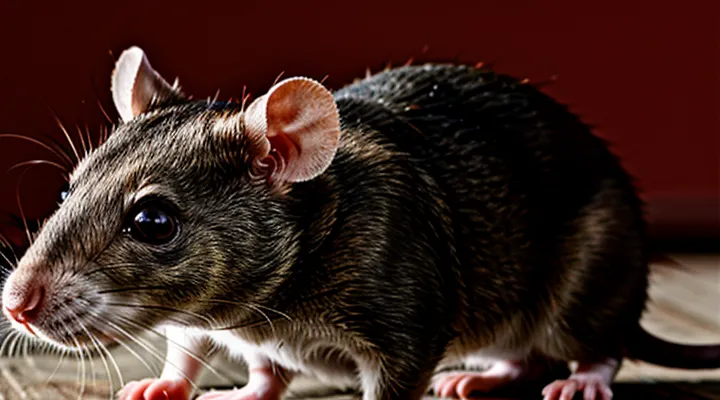
What is Porphyrin?
Porphyrin Composition
Porphyrins are tetrapyrrole macrocycles formed by four pyrrole units linked through methine (=CH‑) bridges; the resulting 16‑membered ring can coordinate a metal ion such as iron, magnesium or zinc. The basic formula of a free‑base porphyrin is C₂₀H₁₄N₄, and additional side‑chains (carboxyl, methyl, propionic groups) generate the diverse series of uroporphyrins, coproporphyrins and protoporphyrins found in mammals.
In rats, porphyrin pigments are secreted by the Harderian gland and the nasal mucosa. The secretions appear reddish‑orange, often leading observers to assume hemorrhage from the eyes or nares. The coloration results from the intrinsic chromophore of the porphyrin ring, not from hemoglobin.
Typical porphyrins identified in rodent ocular and nasal fluids include:
- Uroporphyrin I (C₂₄H₂₄N₄O₈)
- Uroporphyrin III (C₂₄H₂₄N₄O₈)
- Coproporphyrin III (C₂₈H₃₀N₄O₆)
- Protoporphyrin IX (C₃₄H₃₂N₄O₄)
These compounds are water‑soluble, fluoresce under ultraviolet light, and are eliminated via tears, nasal discharge and urine. Elevated excretion occurs when hepatic clearance is compromised, when oxidative stress damages the heme biosynthetic pathway, or during severe infection. Under such conditions the volume of porphyrin‑rich secretion can increase dramatically, producing a discharge that mimics blood loss from the eyes or nose.
Therefore, the presence of porphyrin pigments explains the reddish fluid commonly observed in rats and differentiates true hemorrhage from pigment excretion. Recognizing the chemical composition of the discharge prevents misdiagnosis and directs attention to underlying metabolic or pathological disturbances.
Normal Porphyrin Production
Normal porphyrin production occurs in the Harderian gland of rodents. The gland secretes porphyrins onto the ocular surface and into the nasal passages as part of the tear fluid. Porphyrins are pigmented molecules that give a reddish‑brown coloration to secretions; when they accumulate on the fur around the eyes or nose, the stain can be mistaken for blood.
The biosynthetic pathway proceeds through several enzymatic steps:
- δ‑Aminolevulinic acid (ALA) synthesis from glycine and succinyl‑CoA.
- Formation of porphobilinogen, then hydroxymethylbilane.
- Cyclization to uroporphyrinogen III, followed by decarboxylation to coproporphyrinogen III.
- Final conversion to protoporphyrin IX, the primary pigment excreted by the Harderian gland.
Regulation of the pathway relies on feedback inhibition by heme, which suppresses ALA‑synthetase activity. Under normal conditions, enzyme activity remains low, producing a steady, low‑level output of porphyrins. Stress, infection, or liver dysfunction can elevate enzyme activity, increasing pigment secretion and intensifying the reddish stain.
Distinguishing normal porphyrin secretion from true hemorrhage requires observation of the following characteristics:
- Fluid is clear, not clotted, and spreads uniformly over the fur.
- Stain persists after gentle cleaning, whereas blood typically washes away.
- No accompanying signs of trauma, such as swelling or bruising.
Understanding that the reddish discoloration often results from routine porphyrin excretion prevents misdiagnosis of bleeding disorders in laboratory rats.
Common Causes of Porphyrin Overproduction
Stress-Related Factors
Rats subjected to acute or chronic stress often exhibit elevated plasma catecholamines and glucocorticoids. These hormones increase systemic vascular resistance and raise arterial blood pressure, which can exceed the tensile strength of the thin capillaries surrounding the nasal cavity and orbital region. The resulting microvascular rupture produces visible hemorrhage from the eyes and nostrils.
Common stressors that predispose laboratory or pet rats to such bleeding include:
- Sudden environmental temperature shifts
- Overcrowded housing or inadequate ventilation
- Repeated handling or restraint without acclimation
- Exposure to loud noises or predator cues
- Nutritional deficiencies that impair coagulation
Each factor amplifies sympathetic output, promotes vasoconstriction, and may disturb platelet function. Persistent activation of the hypothalamic‑pituitary‑adrenal axis can also suppress clotting factor synthesis, further compromising hemostasis.
In addition to hemodynamic effects, stress can aggravate underlying conditions such as nasal infections or sinusitis. Inflammatory mediators from these pathologies weaken vessel walls, making them more susceptible to rupture under pressure spikes induced by stress.
Mitigating stress through stable housing conditions, gradual habituation to handling, and environmental enrichment reduces the likelihood of ocular and nasal bleeding by maintaining normal circulatory dynamics and preserving coagulation integrity.
Environmental Stressors
Environmental stressors can precipitate hemorrhage from the ocular and nasal cavities of laboratory rats. Rapid shifts in ambient temperature compromise vascular integrity, leading to capillary rupture in the conjunctival and nasal mucosa. Low humidity desiccates mucosal surfaces, increasing fragility and susceptibility to bleeding. Exposure to airborne contaminants such as ammonia, formaldehyde, or particulate matter irritates respiratory epithelium, provoking inflammation and vascular leakage.
Additional stressors include:
- Overcrowding, which elevates aggression and physical trauma to the face.
- Chronic noise, triggering sympathetic activation that raises blood pressure and stresses fragile vessels.
- Repeated handling or restraint, producing acute stress responses that increase systemic vascular pressure.
- Poor ventilation, resulting in accumulation of irritant gases and elevated carbon dioxide levels, which impair mucosal health.
These factors act synergistically; a single extreme condition may be insufficient, but combined stressors frequently result in visible blood discharge from the eyes and nose. Mitigation requires strict environmental control, regular monitoring of temperature, humidity, air quality, and population density, as well as minimizing handling stress to preserve mucosal integrity.
Social Stressors
Rats may exhibit hemorrhagic discharge from the eyes and nose when social stressors compromise the integrity of mucosal vessels. Aggressive encounters within a dominance hierarchy generate acute spikes in catecholamines and cortisol, which elevate blood pressure and increase capillary fragility. Subordinate individuals subjected to repeated bites or forced displacement often develop lesions in the nasal cavity and periorbital region, leading to visible bleeding.
Overcrowding intensifies competition for resources, reduces retreat space, and amplifies auditory and olfactory cues of threat. The resulting chronic activation of the hypothalamic‑pituitary‑adrenal axis suppresses epithelial turnover and impairs clotting factor synthesis, creating a predisposition to spontaneous mucosal rupture.
Key social stressors include:
- Persistent hierarchical confrontations
- Limited nesting material and hiding spots
- High animal density relative to cage size
- Absence of environmental enrichment that mitigates aggression
- Inconsistent handling schedules that disrupt social stability
Physiological consequences extend beyond visible bleeding. Elevated glucocorticoids diminish immune surveillance, allowing opportunistic infections to erode vascular walls. Simultaneous respiratory irritation from dust or ammonia further weakens nasal epithelium, compounding the risk of hemorrhage.
Mitigation strategies focus on stabilizing social structure and improving housing conditions. Implementing group compositions that respect natural hierarchies, providing ample shelters, maintaining low stocking densities, and enriching cages with chewable and exploratory objects reduce aggressive interactions. Regular monitoring of cortisol levels and nasal/ocular health enables early detection of stress‑related pathology, preventing progression to severe bleeding.
Illness and Disease
Rats that exhibit bleeding from the eyes and nasal passages are typically suffering from an underlying pathological condition. The most common causes include:
- Traumatic injury – blunt force or bite wounds can rupture blood vessels in the orbital and nasal regions.
- Infectious diseases – bacterial infections such as Streptococcus spp., Pasteurella spp., and Mycoplasma pulmonis can produce severe inflammation and capillary damage. Viral agents, notably rat coronavirus, may induce hemorrhagic rhinitis and conjunctivitis.
- Coagulopathies – deficiencies in clotting factors, liver dysfunction, or exposure to anticoagulant rodenticides impair hemostasis, leading to spontaneous bleeding.
- Neoplastic processes – malignant tumors of the nasal cavity or orbital structures erode vasculature, resulting in persistent hemorrhage.
- Metabolic disorders – vitamin C deficiency and severe hypertension weaken vessel walls and predispose to rupture.
- Environmental toxins – inhalation of irritants or ingestion of chemicals that damage mucosal linings can cause acute bleeding.
Clinical evaluation should begin with a thorough physical examination, focusing on nasal discharge, ocular swelling, and signs of systemic illness. Laboratory diagnostics include complete blood count, coagulation profile, liver enzyme panel, and microbiological cultures of nasal swabs. Imaging—radiography or computed tomography—identifies structural lesions or masses.
Therapeutic measures depend on the identified etiology:
- Trauma – wound cleaning, analgesia, and, if needed, surgical repair.
- Infections – targeted antimicrobial therapy based on culture sensitivity; supportive care with fluids and anti‑inflammatory agents.
- Coagulopathies – administration of vitamin K, plasma transfusions, or specific antidotes for anticoagulant poisoning.
- Neoplasia – surgical excision, radiation, or chemotherapy as indicated.
- Metabolic disorders – supplementation of deficient nutrients and antihypertensive medication.
- Toxin exposure – removal from the source, decontamination, and symptomatic treatment.
Prompt identification of the underlying disease improves prognosis and reduces the risk of recurrent ocular and nasal hemorrhage in affected rodents.
Respiratory Infections
Respiratory infections are a frequent cause of hemorrhage from the nasal cavity and ocular region in laboratory and pet rats. Inflammatory damage to the mucosal lining of the nasal passages and the conjunctival vessels allows blood to escape, producing visible discharge from the eyes and nose.
Common agents include:
- Mycoplasma pulmonis – adheres to respiratory epithelium, induces chronic rhinitis and otitis media, often leading to epistaxis and conjunctival hemorrhage.
- Streptococcus pneumoniae – invades alveolar spaces, produces purulent exudate, and can extend to the nasopharynx, causing bleeding.
- Bordetella bronchiseptica – triggers bronchopneumonia, secondary inflammation of nasal mucosa, and occasional ocular bleeding.
- Pseudomonas aeruginosa – opportunistic in immunocompromised rats, results in severe necrosis of nasal and ocular tissues.
Pathophysiology involves bacterial adhesion, toxin release, and host immune response. Cytokine-mediated vasodilation increases vessel permeability; bacterial enzymes degrade extracellular matrix, weakening vessel walls. The combined effect creates a direct route for blood to exit the compromised tissues.
Clinical evaluation requires:
- Visual inspection of nasal and ocular discharge for color, consistency, and presence of blood.
- Palpation of the skull to detect sinus tenderness.
- Radiographic or CT imaging to assess sinus opacification and pulmonary involvement.
- Microbiological sampling of nasal swabs or conjunctival exudate for culture and sensitivity testing.
Therapeutic protocol emphasizes targeted antimicrobial therapy based on susceptibility results, supportive care with fluid therapy, and anti-inflammatory medication to reduce edema. In severe cases, nasal decongestants and ocular lubricants protect the cornea from drying.
Preventive measures focus on environmental control: maintain low humidity, provide clean bedding, and ensure adequate ventilation to limit aerosol transmission. Routine health monitoring, quarantine of new arrivals, and vaccination where available reduce outbreak risk.
Prompt identification of respiratory infection and immediate treatment limit vascular damage, preventing persistent bleeding from the eyes and nose in affected rats.
Eye Infections and Injuries
Rats that exhibit blood originating from the eyes often suffer from ocular infections or trauma that breach the delicate vessels of the conjunctiva, cornea, or sclera. Inflammation caused by bacterial or fungal agents can erode tissue, leading to hemorrhage that may drain through the nasolacrimal duct and appear as nasal discharge. Viral agents, such as murine adenovirus, produce conjunctivitis with severe hyperemia and occasional bleeding.
Common ocular conditions associated with bleeding include:
- Bacterial conjunctivitis with ulcerative lesions
- Keratitis progressing to corneal ulceration
- Scleral or retinal hemorrhage secondary to systemic coagulopathy
- Traumatic perforation from cage bars or handling equipment
Injuries that directly damage the eye structure also generate blood that can flow into the nasal passages:
- Penetrating wounds from sharp objects
- Blunt force causing orbital fracture or hemorrhagic edema
- Foreign bodies lodged in the cornea or conjunctiva, provoking vascular rupture
Nasal bleeding may accompany eye hemorrhage when the nasolacrimal system is compromised. Chronic sinusitis, nasal tumors, or severe rhinitis can obstruct drainage, forcing blood from the ocular region into the nasal cavity. Additionally, systemic disorders such as hypertension or platelet dysfunction produce simultaneous ocular and nasal hemorrhage without localized infection.
Prompt veterinary assessment is essential. Diagnostic steps typically involve slit‑lamp examination, ocular swabs for microbial culture, and blood work to identify coagulopathies. Treatment protocols combine topical antimicrobials, anti‑inflammatory agents, and, when necessary, surgical repair of structural damage. Early intervention reduces the risk of vision loss and prevents secondary respiratory complications from contaminated nasal discharge.
Dental Problems
Dental disease is a frequent cause of ocular and nasal hemorrhage in rats. Overgrown incisors, malocclusion, and periodontal infection create pressure on surrounding tissues, allowing blood to escape through the nasal passages and the thin orbital membranes.
Typical dental conditions that produce this symptom include:
- Incisor overgrowth that contacts the nasal cavity or orbital bone, causing direct trauma.
- Malocclusion leading to abnormal chewing forces, resulting in microfractures of the maxillary bone and subsequent bleeding.
- Periodontal abscesses that extend into the sinus or orbital region, rupturing small vessels.
- Tooth root infections that spread through the facial fascial planes, reaching the nasal or ocular vasculature.
Affected rats often display discharge from the eyes or nose, swelling around the cheekbones, and reduced food intake. Palpation of the incisors, radiographic imaging, and examination of the oral cavity confirm the diagnosis. Treatment involves trimming or filing overgrown teeth, correcting bite alignment, and administering appropriate antibiotics to resolve infection. Prompt dental care reduces the risk of recurrent bleeding and prevents secondary complications such as respiratory distress or vision loss.
Nutritional Deficiencies
Rats that exhibit bleeding from the eyes and nasal passages often suffer from specific nutritional shortages. Deficiencies weaken vascular integrity, impair clotting mechanisms, and damage mucosal linings, creating conditions for spontaneous hemorrhage.
Key nutrients whose lack can produce ocular and nasal bleeding include:
- Vitamin C: insufficient intake reduces collagen synthesis, leading to fragile capillaries.
- Vitamin K: inadequate levels impair synthesis of clotting factors, prolonging bleeding time.
- Vitamin B12 and folate: deficits disrupt red blood cell formation, causing anemia and vessel rupture.
- Iron: low stores diminish hemoglobin concentration, increasing fragility of blood vessels.
- Essential fatty acids (omega‑3, omega‑6): scarcity compromises cell membrane stability, predisposing to leakage.
Additional contributors:
- Protein malnutrition: limits production of plasma proteins essential for maintaining oncotic pressure, promoting edema and vessel rupture.
- Trace minerals (zinc, copper): inadequate amounts impair wound healing and enzymatic processes that protect vascular walls.
Corrective measures focus on balanced diets that meet species‑specific requirements for these nutrients, regular monitoring of feed composition, and supplementation when deficiencies are identified. Prompt dietary adjustment typically halts bleeding and restores normal vascular function.
Allergies and Irritants
Allergic reactions and exposure to irritants can trigger bleeding from a rat’s eyes and nose. Histamine and other mediators released during an allergic response increase vascular permeability in the nasal mucosa and conjunctival vessels. The resulting leakage may appear as blood-tinged discharge from both sites.
Key mechanisms include:
- Vasodilation that expands capillary networks in the nasal and ocular tissues.
- Disruption of endothelial integrity, allowing red blood cells to escape into secretions.
- Inflammatory edema that compresses fragile vessels, promoting rupture.
Common allergens and irritants responsible for such hemorrhagic signs are:
- Dust and wood shavings containing mold spores.
- Strong fragrances, essential oils, or cleaning agents.
- Pesticides, rodenticide residues, and industrial chemicals.
- Environmental pollutants such as ammonia from urine buildup.
When evaluating a rat with ocular or nasal bleeding, consider:
- Presence of swelling, redness, or watery discharge.
- Behavioral changes indicating discomfort or respiratory distress.
- Laboratory analysis of blood or mucosal swabs for eosinophil count and allergen-specific antibodies.
- Exclusion of traumatic injury or infectious disease through necropsy or imaging.
Effective management consists of eliminating the offending agent, administering antihistamines or corticosteroids to reduce inflammation, and providing supportive care such as humidified air and gentle cleaning of the affected areas. Monitoring for recurrence ensures that the underlying allergen or irritant has been fully addressed.
Differentiating Porphyrin from Actual Blood
Visual Characteristics of Porphyrin
Porphyrins are reddish‑brown pigments secreted by the Harderian gland and nasal mucosa of rodents. When expelled, they appear as dark drops that may be mistaken for blood because the hue closely matches fresh hemorrhage.
Key visual traits of porphyrin secretions include:
- Color: deep reddish‑brown to maroon, often darker than typical hemoglobin stains.
- Transparency: semi‑opaque, allowing underlying tissue to be partially visible.
- Viscosity: thin, watery flow that spreads quickly across fur or skin.
- Fluorescence: bright orange‑red glow under ultraviolet light, a property absent in genuine blood.
- Drying pattern: forms a crusty residue that retains its color after evaporation, unlike hemoglobin which darkens to black.
These characteristics enable reliable differentiation between porphyrin exudate and true ocular or nasal bleeding in laboratory and veterinary assessments.
Visual Characteristics of Blood
Blood observed around a rat’s eyes and nose provides immediate diagnostic clues. The hue ranges from bright scarlet to deep maroon, reflecting oxygen saturation and the time elapsed since vessel rupture. Fresh arterial leakage appears vivid red, while venous or capillary discharge adopts a darker tone as deoxygenated hemoglobin accumulates.
Viscosity distinguishes fluid loss from clot formation. Thin, watery streams suggest active bleeding, whereas gelatinous strands indicate early coagulation. The presence of fibrinous clots can be identified by opaque, whitish‑gray masses intermingled with red fluid.
Distribution patterns reveal the source and severity of hemorrhage. Localized droplets confined to the peri‑ocular area imply a minor ocular vessel breach. Extensive pooling that spreads across the nasal bridge and surrounding fur points to a larger vascular network involvement, possibly including the nasal mucosa or sinus cavities.
A concise checklist of visual attributes:
- Color: bright red (arterial) vs. dark red/maroon (venous)
- Consistency: watery vs. gelatinous/clotted
- Quantity: isolated droplets vs. diffuse pooling
- Location: periorbital only vs. combined ocular‑nasal spread
These characteristics, when evaluated together, allow rapid assessment of the underlying cause, such as trauma, hypertension, coagulopathy, or infectious inflammation, and guide immediate veterinary intervention.
When to Seek Veterinary Care
Signs of Serious Illness
Rats that exhibit blood emanating from the eyes or nasal passages often display additional clinical indicators that signal a severe underlying condition. Recognizing these signs enables prompt veterinary intervention and improves the likelihood of recovery.
Observable markers of critical illness include:
- Profound lethargy or inability to move normally
- Marked reduction in food and water intake
- Rapid or labored breathing, sometimes accompanied by audible wheezes
- Purulent or bloody discharge from the mouth, eyes, or nostrils beyond the primary hemorrhage
- Unexplained weight loss over a short period
- Swelling or tenderness of facial structures, especially around the sinuses
Accompanying physiological changes may involve elevated heart rate, pale or mottled mucous membranes, and abnormal gait or loss of coordination. Laboratory analysis frequently reveals anemia, altered clotting times, or elevated white‑blood‑cell counts, corroborating the presence of infection, trauma, or neoplastic disease.
When these manifestations appear together with ocular or nasal bleeding, they constitute a diagnostic cluster that warrants immediate diagnostic imaging, blood work, and targeted therapy. Delayed treatment increases the risk of systemic collapse and mortality.
Importance of Professional Diagnosis
Rats that present with hemorrhage from the eyes and nasal passages often suffer from underlying pathologies that require precise identification. Misinterpretation of these signs can lead to inappropriate interventions, worsening the animal’s condition and compromising research integrity.
Professional veterinary assessment provides:
- Accurate differentiation between trauma, infection, neoplasia, and systemic coagulopathies.
- Laboratory confirmation of pathogens or blood‑clotting abnormalities.
- Targeted therapeutic recommendations based on species‑specific pharmacology.
- Documentation that supports ethical justification for humane endpoints.
Without expert evaluation, observers may attribute bleeding to minor injuries or environmental factors, overlooking serious disease processes. Veterinary expertise ensures that treatment decisions are evidence‑based, reduces the risk of unnecessary suffering, and maintains the reliability of experimental outcomes.
Preventive Measures and Rat Health Management
Optimal Housing Conditions
Optimal housing directly influences the incidence of ocular and nasal hemorrhage in laboratory rats. Inadequate environmental conditions create stress, mucosal irritation, and trauma that manifest as blood discharge from the eyes and nose.
Key elements of an optimal cage environment:
- Minimum floor space of 0.06 m² per animal, allowing free movement and reducing aggression.
- Soft, absorbent bedding changed at least twice weekly to prevent moisture buildup and skin irritation.
- Relative humidity maintained between 30 % and 60 % to avoid drying of mucous membranes and excessive condensation.
- Temperature controlled at 20 °C ± 2 °C with a stable 12‑hour light/dark cycle, minimizing physiological stress.
- Adequate ventilation delivering 10–15 air changes per hour, preventing accumulation of ammonia and airborne irritants.
- Enrichment items (nesting material, tunnels, chew blocks) rotated regularly to promote natural behavior and reduce stereotypies.
- Clean water supplied via lick bottles or sipper tubes, inspected daily for contamination.
Routine health surveillance should include visual inspection of the eyes and nasal area during daily checks. Any presence of blood warrants immediate evaluation of cage conditions, including bedding saturation, cage mate aggression, and air quality. Adjustments to the listed parameters often resolve the underlying cause without pharmacological intervention.
Balanced Diet and Nutrition
A rat exhibiting bleeding from the eyes and nasal passages often signals underlying physiological stress. Insufficient intake of nutrients that support vascular integrity can predispose to capillary rupture and impaired clotting. A diet that supplies adequate amounts of vitamin K, vitamin C, high‑quality protein, and essential minerals maintains the structural strength of blood vessels and the efficiency of the coagulation cascade.
Key dietary components for preventing hemorrhagic signs include:
- Vitamin K 1 and K 2 – co‑factors in the synthesis of clotting factors II, VII, IX, and X.
- Vitamin C – collagen synthesis enhancer, stabilizes capillary walls.
- Complete proteins – provide amino acids such as lysine and proline required for tissue repair.
- Iron and copper – essential for hemoglobin formation and enzymatic reactions in clotting pathways.
- Omega‑3 fatty acids – modulate inflammation, reduce endothelial damage.
Feeding regimens that rotate fresh vegetables, fortified rodent chow, and occasional protein sources (e.g., boiled egg, lean meat) ensure a balanced nutrient profile. Monitoring body condition scores and adjusting portions based on growth stage prevents malnutrition‑related bleeding. Regular health checks should accompany dietary management to detect early signs of vascular compromise.
Regular Health Checks
Regular health examinations are essential for early detection of conditions that cause ocular or nasal hemorrhage in laboratory rats. Systematic observation of behavior, appetite, and grooming patterns can reveal discomfort before visible bleeding appears.
Physical assessment should include:
- Inspection of the eyes and nasal passages for discoloration, discharge, or swelling.
- Palpation of the head and facial region to detect tenderness or masses.
- Measurement of body weight and comparison with baseline records.
- Evaluation of respiratory rate and rhythm for signs of distress.
Laboratory analysis complements the visual exam. Blood samples taken during routine checks enable identification of clotting disorders, infections, or systemic disease that may lead to bleeding. Urinalysis and fecal examinations help rule out parasitic infestations that can damage mucosal vessels.
Imaging techniques such as radiography or micro‑CT, performed at scheduled intervals, provide insight into skeletal or sinus abnormalities that could precipitate hemorrhage. When abnormalities are found, targeted diagnostics—culture, PCR, or histopathology—should follow promptly.
Documentation of each health check creates a longitudinal record, allowing researchers to correlate emerging symptoms with environmental factors, diet, or experimental interventions. Maintaining this record ensures that any episode of eye or nose bleeding is addressed with appropriate veterinary care and, when necessary, adjustments to husbandry protocols.
Stress Reduction Techniques
Stress in laboratory rodents can elevate blood pressure, compromise vascular integrity, and increase the likelihood of hemorrhage from the ocular and nasal cavities. Reducing physiological stress directly lowers the risk of such bleeding events by stabilizing circulatory function and supporting immune competence.
Effective stress mitigation for rats includes:
- Providing nesting material and tunnels to satisfy natural burrowing behavior.
- Maintaining a consistent light‑dark cycle with dim, indirect lighting during the dark phase.
- Limiting sudden noises and vibrations; using acoustic dampening and gentle handling techniques.
- Group housing compatible individuals to promote social interaction, unless aggression is observed.
- Implementing predictable feeding schedules and offering varied, nutritionally balanced diets.
- Applying positive reinforcement training to acclimate animals to handling and experimental procedures.
Monitoring cortisol levels, heart rate, and behavioral indicators such as grooming frequency helps verify that stress reduction measures are achieving the intended physiological stability, thereby decreasing the incidence of ocular and nasal hemorrhage.