
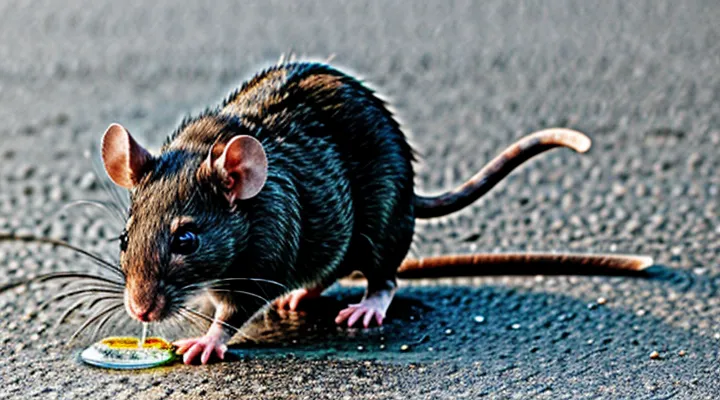
Understanding Normal Rat Water Consumption
Rats typically consume 10–30 ml of water per 100 g of body weight each day. Consumption varies with age, sex, strain, ambient temperature, and diet composition. Laboratory‑bred adults on standard chow average about 15 ml/100 g, while juveniles may reach 20 ml/100 g due to higher metabolic rates. Elevated ambient temperature (above 25 °C) can increase intake by 20–30 % as thermoregulation demands additional fluid loss.
Key determinants of baseline drinking behavior include:
- Dietary moisture content: Dry pelleted diets provoke higher water intake than moist or gelled feeds.
- Salt and protein levels: Elevated NaCl or protein elevate osmotic load, prompting increased fluid consumption.
- Health status: Early signs of renal dysfunction, respiratory infection, or endocrine disorders manifest as subtle shifts in daily volume.
- Environmental humidity: Low relative humidity accelerates evaporative loss, modestly raising water demand.
Accurate assessment requires measuring water bottle weight before and after a 24‑hour period, correcting for spillage, and normalizing to body mass. Repeated measurements across several days establish a reliable baseline, against which abnormal elevations can be compared.
Common Physiological Reasons for Increased Thirst
Diet and Nutrition Factors
High-Sodium Diet
A high‑sodium diet increases plasma osmolality, prompting the rat’s osmoregulatory centers to trigger thirst. Sodium accumulation raises the concentration of extracellular fluid, reducing water availability for cellular processes; the body compensates by stimulating drinking behavior to restore isotonic balance.
Key physiological effects of excess sodium include:
- Activation of angiotensin‑II pathways, which enhance thirst signals.
- Elevation of aldosterone secretion, leading to renal sodium retention and a subsequent need for dilution.
- Increased urine osmolarity, causing a net loss of water and reinforcing fluid intake.
Experimental data show that rats receiving diets containing 2–4 % NaCl exhibit daily water consumption 1.5–2 times higher than control groups fed standard chow. The correlation persists across strains, indicating that sodium‑induced hypernatremia is a primary driver of polydipsia in laboratory rodents.
Dry Food Intake
Rats that consume primarily dry food often increase their water intake to compensate for the low moisture content of their diet. The absence of sufficient liquid in the feed creates a physiological demand for additional water to maintain hydration and support metabolic processes.
- Dry pellets typically contain less than 10 % moisture, requiring rats to drink more to achieve the water balance needed for digestion.
- Elevated salt levels in some dry formulations raise plasma osmolality, triggering thirst mechanisms.
- High dietary fiber, common in grain‑based dry foods, absorbs water in the gastrointestinal tract, reducing the amount available for absorption and prompting increased drinking.
- Nutrient density in dry diets can accelerate metabolic rate, generating more waste products that the kidneys must excrete, which in turn elevates fluid turnover.
Consequently, the quantity and composition of dry food directly influence the volume of water a rat will consume. Adjusting moisture content, reducing sodium, or supplementing with occasional moist feed can moderate excessive drinking behavior.
Environmental Influences
Temperature and Humidity
Rats increase fluid intake when ambient temperature rises. Higher heat elevates metabolic rate, prompting greater evaporative loss through respiration and skin. To compensate, rats drink more water to maintain blood volume and tissue hydration.
Humidity influences the same process through its effect on evaporative cooling. In low‑humidity environments, water evaporates rapidly from the respiratory tract, intensifying dehydration risk and stimulating thirst. Conversely, high humidity reduces evaporative loss, but may still raise water consumption if combined with elevated temperature, because the body relies on sweating and panting mechanisms that become less efficient.
Key factors related to temperature and humidity:
- Ambient temperature above the thermoneutral zone (approximately 28‑30 °C for laboratory rats) triggers a measurable rise in daily water intake.
- Relative humidity below 40 % accelerates respiratory water loss, leading to increased drinking.
- Combined high temperature and low humidity produce the greatest thirst response, often exceeding normal intake by 30‑50 %.
- Persistent exposure to extreme heat or dry air can cause chronic polydipsia, which may mask underlying health issues if not monitored.
Activity Levels
Rats that engage in frequent locomotion, exploratory behavior, or intense grooming generate higher metabolic heat and respiratory water loss, which directly raises their fluid requirements. Elevated muscular activity accelerates aerobic metabolism, producing excess carbon dioxide that must be expelled through humidified exhalation, further depleting body water stores.
Key physiological responses to increased activity include:
- Accelerated heart rate and cardiac output, delivering more blood to active tissues and enhancing peripheral cooling through sweating‑like mechanisms in the skin and respiratory tract.
- Greater renal filtration rate, prompting the kidneys to excrete more dilute urine to maintain osmotic balance.
- Enhanced thirst signaling via hypothalamic osmoreceptors that detect rising plasma osmolarity and trigger drinking behavior.
Empirical studies demonstrate a proportional relationship between activity intensity and daily water intake. In controlled environments, rats housed with running wheels or exposed to novel objects consume 15‑30 % more water than sedentary counterparts, even when ambient temperature remains constant. When activity is restricted, water consumption declines proportionally, confirming that locomotor demand is a primary driver of excessive drinking in these rodents.
Potential Health-Related Causes
Kidney Disease
Chronic Kidney Disease (CKD)
Chronic kidney disease disrupts the kidney’s ability to concentrate urine, resulting in a persistent increase in fluid consumption. Damage to nephrons reduces glomerular filtration rate, elevating plasma osmolality and stimulating thirst centers in the brain. In laboratory rats, this physiological imbalance manifests as marked polydipsia, often misinterpreted as a primary behavioral trait.
The condition promotes excessive drinking through several mechanisms:
- Impaired tubular reabsorption lowers urine osmolar concentration, forcing the animal to replace lost water.
- Accumulation of uremic toxins activates osmoreceptors, generating a stronger drive to ingest fluids.
- Disrupted hormonal regulation, particularly reduced vasopressin responsiveness, diminishes antidiuretic effects.
- Metabolic acidosis associated with renal failure triggers compensatory water intake to aid buffering.
Monitoring CKD in experimental rodents requires attention to specific indicators: elevated serum creatinine and blood urea nitrogen, reduced urine specific gravity, and consistent daily water intake exceeding baseline values. Histological examination frequently reveals glomerulosclerosis and interstitial fibrosis, confirming chronic damage.
When evaluating reasons for heightened water consumption in rats, chronic kidney disease should be considered a primary physiological factor, distinct from environmental or dietary influences. Accurate identification of CKD‑related polydipsia improves experimental interpretation and guides appropriate therapeutic interventions.
Acute Kidney Injury (AKI)
Excessive water consumption in rats often signals a physiological disturbance; acute kidney injury (AKI) is a frequent underlying factor.
AKI describes a rapid reduction in renal filtration capacity, manifested by decreased glomerular filtration rate, accumulation of nitrogenous waste, and disruption of electrolyte balance. The kidneys lose the ability to concentrate urine, causing an increase in plasma osmolality that directly stimulates thirst mechanisms.
The pathophysiological cascade linking AKI to polydipsia includes:
- Impaired tubular reabsorption of water and sodium, leading to isotonic fluid loss.
- Elevated serum creatinine and blood urea nitrogen, indicating reduced clearance.
- Hyperosmolar plasma that activates hypothalamic thirst centers.
Experimental observations supporting AKI as the cause of heightened water intake typically show:
- Serum creatinine >1.5 mg/dL.
- Blood urea nitrogen >30 mg/dL.
- Urine output that is either oliguria with low specific gravity or non‑oliguric polyuria with dilute urine.
- Histological evidence of tubular necrosis or interstitial inflammation.
Distinguishing AKI‑induced polydipsia from other causes (e.g., diabetes insipidus, hyperglycemia) requires concurrent measurement of electrolytes, osmolality, and renal biomarkers. Confirmation of renal impairment directs appropriate interventions, such as fluid management and nephroprotective agents, to mitigate further kidney damage and normalize water intake.
Diabetes Mellitus
Symptoms of Diabetes in Rats
Increased water intake in rats often signals metabolic disturbances, notably diabetes mellitus. Elevated blood glucose impairs renal reabsorption, leading to excessive urine output and consequent thirst. Recognizing diabetic manifestations enables early intervention.
- Polyuria: large volumes of dilute urine, detectable by wet bedding or frequent cage cleaning.
- Polydipsia: constant drinking, observable as frequent visits to water bottles.
- Polyphagia: heightened food consumption without corresponding weight gain.
- Weight loss: progressive reduction in body mass despite increased appetite.
- Lethargy: reduced locomotor activity and diminished response to stimuli.
- Hyperglycemia: blood glucose levels above normal range, measurable via glucometer.
- Cataracts: clouding of the lens, visible upon ocular examination in advanced cases.
These signs collectively explain why a rat may exhibit marked drinking behavior and guide diagnostic assessment.
Diagnosis and Management
Rats that exhibit marked polydipsia require systematic evaluation to identify underlying pathology and to implement appropriate therapeutic measures.
Initial assessment should include a detailed record of water intake, diet, housing conditions, and recent environmental changes. Physical examination must note body condition, skin turgor, mucous membrane color, and signs of respiratory, gastrointestinal, or neurologic disturbance. Baseline laboratory work‑up consists of complete blood count, serum biochemistry (including glucose, electrolytes, renal and hepatic markers), urinalysis with specific gravity, and, when indicated, plasma osmolality. Radiographic or ultrasonographic imaging of the thorax and abdomen assists in detecting organ enlargement, masses, or fluid accumulation.
Common etiologies of excessive water consumption in rats are:
- Diabetes mellitus: hyperglycemia with glucosuria drives osmotic diuresis.
- Diabetes insipidus: central or nephrogenic failure to concentrate urine leads to dilute urine output.
- Renal insufficiency: impaired glomerular filtration reduces concentrating ability.
- Hyperthyroidism: metabolic acceleration increases fluid turnover.
- Chronic infection or inflammation: cytokine‑mediated fever and metabolic stress elevate thirst.
- Environmental stressors: high ambient temperature, low humidity, or inadequate bedding moisture control.
- Pharmacologic agents: diuretics or corticosteroids provoke polyuria.
Management proceeds from addressing the primary cause to supporting hydration and electrolyte balance. For metabolic disorders, insulin therapy normalizes glucose levels in diabetes mellitus, while desmopressin administration corrects central diabetes insipidus; nephrogenic forms respond to dietary sodium restriction and thiazide diuretics. Renal compromise benefits from low‑protein diets, careful fluid regulation, and avoidance of nephrotoxic substances. Hyperthyroid rats require antithyroid medication or surgical thyroidectomy, accompanied by monitoring of cardiac function. Infectious processes demand appropriate antimicrobial therapy based on culture results and supportive care, including temperature control and nutritional support. Environmental modifications—optimizing cage temperature, providing fresh water sources, and using absorbent bedding—reduce stress‑induced polydipsia.
Regular monitoring of water intake, body weight, and laboratory parameters guides therapeutic adjustments and confirms resolution of the abnormal drinking behavior.
Urinary Tract Infections (UTIs)
Signs of a UTI
Excessive water consumption in rats often signals an underlying urinary tract infection. Recognizing the clinical manifestations of this condition enables timely intervention.
- Increased frequency of urination, sometimes accompanied by small volumes
- Presence of blood or a pink tint in the urine
- Straining or vocalization during voiding
- Strong, foul odor emanating from the urine
- Lethargy or reduced activity levels
- Decreased appetite and weight loss
- Irritation around the genital area, including swelling or discharge
- Changes in grooming behavior, such as excessive licking of the perineal region
These indicators, observed together or individually, suggest that a rat’s heightened thirst may be driven by infection of the urinary tract rather than normal physiological demand. Prompt veterinary assessment and appropriate antimicrobial therapy are essential to restore hydration balance and prevent complications.
Treatment Options
Rats that exhibit excessive water consumption require targeted therapeutic interventions based on the underlying cause. Effective management begins with a thorough diagnostic work‑up, including clinical examination, laboratory testing, and imaging where appropriate.
- Fluid restriction and monitoring – Adjust daily water availability to a measured volume while observing hydration status; suitable for mild, transient polydipsia without metabolic disturbance.
- Electrolyte correction – Administer isotonic solutions or oral electrolyte supplements to address hyponatremia, hypernatremia, or potassium imbalances identified in serum analyses.
- Pharmacologic therapy – Use diuretics (e.g., furosemide) for renal overload, antidiuretic hormone analogs (e.g., desmopressin) for diabetes insipidus, or insulin therapy for uncontrolled diabetes mellitus; dosage must follow veterinary guidelines.
- Dietary modification – Provide low‑salt, low‑protein feed to reduce renal load; incorporate moisture‑rich foods to lessen free‑water intake when appropriate.
- Treatment of infection or inflammation – Apply antibiotics, antiparasitics, or anti‑inflammatory agents when bacterial, parasitic, or inflammatory conditions are confirmed as the source of polyuria.
- Surgical intervention – Consider adrenalectomy for hyperaldosteronism or removal of obstructive urinary tract lesions when imaging reveals structural abnormalities.
Regular re‑evaluation of water intake, body weight, and laboratory parameters ensures that therapeutic adjustments are made promptly. Successful outcomes depend on aligning treatment choice with the specific pathophysiological mechanism driving the rat’s increased thirst.
Other Medical Conditions
Tumors and Cysts
Excessive water intake in rats can result from pathological growths that disrupt normal fluid balance. Tumors that produce hormones such as antidiuretic hormone (ADH) antagonists or vasoactive substances may impair renal concentration ability, leading to persistent thirst. Similarly, neoplasms affecting the hypothalamus or pituitary gland can alter the regulation of thirst centers, causing the animal to seek water continuously.
Cysts located near the urinary tract or within the kidneys may obstruct urine flow or reduce reabsorption efficiency. The resulting loss of concentrated urine triggers compensatory drinking behavior. In addition, cystic lesions that compress surrounding blood vessels can induce localized ischemia, prompting the release of inflammatory mediators that stimulate thirst.
Key mechanisms linking growths to increased water consumption:
- Hormonal imbalance (e.g., reduced ADH activity)
- Direct interference with hypothalamic thirst circuitry
- Mechanical obstruction of urinary pathways
- Impaired renal concentrating ability due to parenchymal compression
- Inflammatory mediator release affecting osmoregulation
Recognition of these mechanisms assists in diagnosing underlying neoplastic or cystic conditions when rats display abnormal drinking patterns.
Hormonal Imbalances
Rats that exhibit excessive water consumption often present a physiological state known as polydipsia, which frequently reflects disturbances in endocrine regulation. Hormonal control of fluid balance involves several key secretions; when their levels deviate from normal ranges, thirst mechanisms become overactivated.
- Antidiuretic hormone (ADH) deficiency or resistance reduces renal water reabsorption, prompting large volumes of water intake to compensate for diuresis.
- Hyperaldosteronism increases sodium retention, elevates plasma osmolality, and stimulates thirst.
- Elevated cortisol, as seen in Cushing‑like states, interferes with ADH action and raises urinary output, leading to compensatory drinking.
- Hyperthyroidism accelerates metabolic rate, raises basal heat production, and enhances evaporative loss, which can trigger increased fluid consumption.
- Parathyroid hormone excess raises serum calcium, causing polyuria and subsequent polydipsia.
Specific endocrine disorders that manifest with these hormonal imbalances include central and nephrogenic diabetes insipidus (ADH pathway), primary hyperaldosteronism, adrenal hyperplasia, and thyroid hyperfunction. Each condition disrupts the homeostatic set‑point for plasma osmolality, driving the animal to ingest water beyond normal requirements.
Diagnostic evaluation begins with quantifying daily water intake and urine output, followed by serum assays for ADH, aldosterone, cortisol, thyroid hormones, and calcium. Water deprivation tests and osmolarity measurements help differentiate between renal and central causes.
Therapeutic interventions target the underlying hormonal defect: desmopressin for ADH deficiency, mineralocorticoid antagonists for aldosterone excess, antithyroid drugs for hyperthyroidism, and glucocorticoid modulators for cortisol‑related disturbances. Adjusting environmental temperature and humidity reduces evaporative losses, supporting the pharmacologic strategy.
Accurate identification of hormonal imbalance is essential for resolving abnormal drinking behavior and restoring fluid equilibrium in laboratory rats.
When to Seek Veterinary Attention
Identifying Red Flag Symptoms
Excessive water intake in rats can signal underlying health problems. Recognizing red‑flag symptoms allows timely intervention and prevents progression to severe disease.
- Sudden increase in drinking volume exceeding 10 ml per 100 g body weight per day
- Weight loss greater than 5 % within a week despite adequate food availability
- Lethargy or reduced activity levels
- Abnormal urination patterns, such as polyuria or presence of blood in urine
- Respiratory distress, including rapid or labored breathing
- Ocular or nasal discharge, especially if thick or purulent
- Persistent diarrhea or loose stools
- Unexplained fever measured above normal rodent body temperature (≈38 °C)
Each symptom reflects a specific physiological disturbance. Rapidly rising fluid consumption combined with weight loss often indicates renal failure or uncontrolled diabetes mellitus. Polyuria and hematuria point to urinary tract infection or kidney damage. Respiratory signs suggest systemic infection or metabolic acidosis. Digestive abnormalities may accompany gastrointestinal disease or toxin exposure. Fever confirms an inflammatory or infectious process.
When any of these indicators appear, immediate veterinary assessment is required. Diagnostic steps typically include blood glucose testing, renal function panels, urinalysis, and imaging studies. Early detection and treatment improve prognosis and reduce mortality risk.
Importance of Prompt Diagnosis
Rats that suddenly increase water intake often signal serious physiological disturbances. Immediate identification of the underlying cause prevents the condition from worsening and allows targeted therapeutic intervention.
Prompt diagnosis provides several concrete benefits:
- Early treatment reduces tissue damage and mortality risk.
- Rapid identification of infectious agents limits transmission to other animals.
- Timely clarification of metabolic imbalances enables precise dietary adjustments.
- Quick determination of toxic exposure guides appropriate decontamination measures.
Effective assessment relies on systematic observation, laboratory analysis of blood and urine, and, when necessary, imaging studies. Conducting these procedures without delay eliminates uncertainty and directs resources toward the most relevant interventions.
Overall, swift recognition of the factors behind excessive water consumption shortens the disease course, preserves animal welfare, and improves the reliability of experimental data derived from rodent models.