
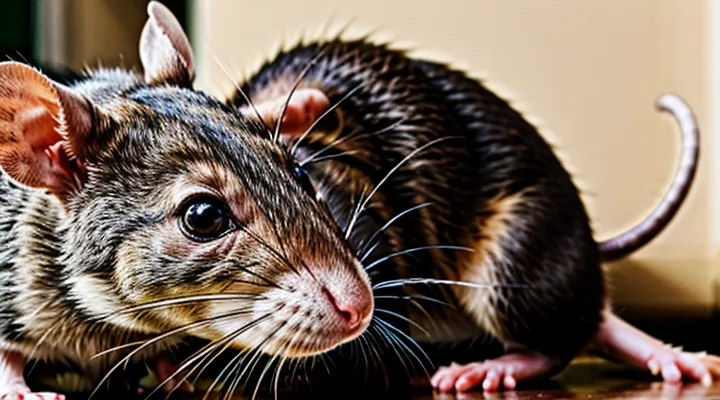
Understanding Normal Rat Breathing
Normal rat respiration occurs at a rapid, regular cadence. In adult laboratory rats the average rate ranges from 70 to 115 breaths per minute while at rest, with slight increases during handling or mild activity. The inhalation–exhalation cycle remains symmetrical, and no pauses or irregular intervals appear in a healthy animal.
Audible breath sounds are minimal. A quiet, steady flow of air produces faint, high‑frequency rustling that is detectable only with a stethoscope placed over the thorax. Mouth breathing is rare; the nasal passages dominate airflow, and any low‑frequency wheeze or crackle suggests pathology.
Indicators of normal breathing include:
- Respiratory rate within the 70‑115 bpm range at rest.
- Consistent rhythm without abrupt accelerations or decelerations.
- Absence of audible stridor, wheezing, or rattling.
- Clear nasal passages, no discharge or swelling.
- Stable thoracic movement, symmetrical expansion on both sides.
Physiological variables modulate the baseline. Ambient temperature influences metabolic demand; cooler environments may reduce the rate by a few breaths per minute, while warmer conditions elevate it. Light exercise, grooming, or brief stressors produce transient spikes that return to baseline within seconds. These fluctuations remain within the established range and do not generate abnormal sounds.
Understanding these normative parameters provides a reference point for assessing labored breathing and vocalizations. Deviations from the described rate, rhythm, or sound pattern signal respiratory distress and warrant further investigation.
Recognizing Abnormal Breathing in Rats
Signs of Respiratory Distress
Noisy Breathing Sounds
Noisy breathing in rats indicates obstruction or turbulence within the upper or lower airways. The sounds range from soft wheezes to harsh rattles and often accompany increased respiratory effort.
Typical causes include:
- Upper‑respiratory infections (e.g., Mycoplasma pulmonis, Streptococcus spp.) that produce mucosal swelling and secretions.
- Nasal or sinus congestion caused by allergic reactions or environmental irritants such as dust, ammonia, or strong scents.
- Dental malocclusion that forces the jaw forward, narrowing the nasal passages.
- Cardiovascular disease leading to pulmonary edema and fluid accumulation.
- Stress‑induced hyperventilation triggered by handling, temperature extremes, or sudden environmental changes.
- Foreign bodies or tumors lodged in the nasal cavity or trachea.
Assessment should focus on:
- Observing respiratory rate, depth, and pattern.
- Listening for specific acoustic characteristics (high‑pitched wheeze vs. low‑frequency rattle).
- Inspecting nasal discharge, eye swelling, and oral health.
- Conducting radiography or endoscopy if obstruction is suspected.
- Performing hematology and culture when infection is probable.
Recommendations for owners and caretakers:
- Seek veterinary evaluation immediately if noise persists for more than 24 hours or is accompanied by lethargy, weight loss, or cyanosis.
- Maintain cage humidity at 50–60 % to ease mucosal irritation; a low‑output humidifier or dampened gauze can achieve this.
- Replace bedding with low‑dust, absorbent material; clean cages daily to reduce ammonia levels below 20 ppm.
- Provide a balanced diet rich in vitamin C and calcium to support immune function and dental health; monitor for overgrowth and trim teeth as needed.
- Administer prescribed antibiotics, anti‑inflammatories, or bronchodilators strictly according to veterinary instructions.
- Limit exposure to strong odors, smoke, and sudden temperature fluctuations.
Prompt identification of the underlying condition and adherence to these measures markedly improve respiratory outcomes and reduce the likelihood of chronic noisy breathing.
Visible Effort in Breathing
Visible effort in a rat’s breathing manifests as pronounced chest rise, rapid abdominal movement, and audible wheezing or gasping. The pattern signals that the animal must recruit additional muscular activity to move air through compromised pathways.
Physiological triggers include:
- Upper‑airway blockage from mucus, foreign particles, or swelling.
- Pulmonary inflammation or infection that reduces alveolar compliance.
- Cardiac overload causing pulmonary congestion and reduced oxygen exchange.
- Acute stress or temperature extremes that elevate metabolic demand.
- Neuromuscular dysfunction impairing diaphragmatic coordination.
When airflow becomes turbulent, the rat often produces high‑pitched squeaks, rasping tones, or prolonged hisses. The sounds result from rapid air passage through narrowed passages and from the activation of vocal cords under strain.
Recommendations for handling a rat that displays labored breathing:
- Observe the animal continuously; note frequency of breaths, chest excursion, and any associated vocalizations.
- Maintain ambient temperature between 20 °C and 24 °C and ensure low humidity to reduce respiratory stress.
- Provide fresh, dust‑free bedding and eliminate strong odors that may irritate the airway.
- Conduct a veterinary examination promptly; diagnostics may include thoracic radiography, auscultation, and complete blood count.
- Administer prescribed antibiotics, anti‑inflammatories, or bronchodilators as directed.
- Offer supplemental oxygen or a warm, humidified environment if hypoxia is suspected.
- Reduce handling stress; limit noise and sudden movements during recovery.
Implementing these measures can alleviate the visible effort in breathing, diminish associated sounds, and improve overall health outcomes for the rat.
Other Accompanying Symptoms
Rats experiencing labored breathing and vocalizations often display additional clinical signs that help identify the underlying problem. Recognizing these accompanying symptoms enables timely intervention and improves the likelihood of recovery.
Common co‑occurring signs include:
- Nasal discharge, clear or purulent, indicating upper airway irritation or infection.
- Ocular discharge or conjunctival redness, suggesting systemic involvement or allergic response.
- Lethargy or reduced activity, reflecting decreased oxygen intake and overall weakness.
- Loss of appetite and weight loss, resulting from metabolic stress and discomfort.
- Elevated heart rate (tachycardia) detectable by palpation or auscultation, a compensatory response to hypoxia.
- Skin pallor or cyanosis, especially around the extremities, denoting insufficient oxygenation.
- Diarrhea or abnormal stool consistency, which may accompany gastrointestinal infections that also affect respiration.
In some cases, rats develop neurological manifestations such as tremors, ataxia, or seizures. These symptoms often correlate with severe hypoxemia or neurotoxic agents affecting the central nervous system.
Observation of any combination of the above signs should prompt a thorough physical examination, diagnostic testing (radiography, blood gas analysis, microbiological cultures), and immediate veterinary care. Early detection of these ancillary manifestations reduces the risk of progression to respiratory failure.
Common Causes of Hard Breathing and Sounds
Respiratory Infections
Mycoplasmosis
Mycoplasma pulmonis infection, commonly called mycoplasmosis, is a frequent respiratory disease in laboratory and pet rats. The organism adheres to the respiratory epithelium, causing inflammation, mucus accumulation, and loss of ciliary function. The resulting airway obstruction forces the animal to increase inspiratory effort, producing rapid, shallow breaths and audible wheezes or chirps.
Inflammatory exudate thickens the tracheal and bronchial walls, reducing lumen diameter. The compromised airflow generates turbulent sounds that rats emit when trying to clear the obstruction. Concurrent fever and discomfort amplify vocalizations, especially during handling or agitation.
Diagnosis relies on clinical observation of labored respiration and sounds, followed by confirmatory tests such as PCR of nasal swabs, culture of lung tissue, or serology for specific antibodies. Radiographs may reveal interstitial infiltrates, but definitive identification requires microbiological methods.
Treatment includes administration of tetracycline-class antibiotics (e.g., doxycycline) at 5 mg/kg orally twice daily for 7‑10 days. Supportive care comprises humidified environment, occasional nebulization with saline, and nutritional supplementation to counteract reduced intake. Severe cases may need injectable fluoroquinolones and close monitoring of respiratory rate.
Prevention emphasizes strict biosecurity: quarantine new arrivals for at least three weeks, maintain cage sanitation, and avoid overcrowding. Regular health screening of colonies detects asymptomatic carriers, allowing early intervention and limiting spread within the population.
Bacterial Infections
Bacterial infections of the respiratory tract are a common trigger for labored breathing and audible vocalizations in rats. Pathogens such as Streptococcus pneumoniae, Klebsiella pneumoniae, and Pseudomonas aeruginosa colonize the nasal passages, trachea, or lungs, leading to inflammation, edema, and impaired gas exchange. The resulting hypoxia stimulates increased respiratory effort, while irritation of the laryngeal muscles produces characteristic squeaks or chirps.
Typical clinical signs include:
- Rapid, shallow respiration
- Open‑mouth breathing
- Audible wheezing or chirping
- Nasal discharge, often purulent
- Reduced activity and appetite
Diagnosis relies on:
- Physical examination of respiratory pattern and auscultation
- Collection of nasal or tracheal swabs for culture
- Radiographic imaging to identify pulmonary infiltrates
- Hematologic analysis showing elevated white‑blood cell count
Effective management consists of:
- Prompt antimicrobial therapy based on culture sensitivity; broad‑spectrum agents (e.g., enrofloxacin, doxycycline) may be initiated empirically.
- Supportive care: supplemental oxygen, humidified environment, and fluid therapy to maintain hydration.
- Monitoring of respiratory rate and temperature at least twice daily to assess response.
Preventive measures include:
- Regular cage cleaning and disinfection to reduce bacterial load.
- Quarantine of new arrivals for a minimum of two weeks with health screening.
- Adequate ventilation and temperature control to avoid stress‑induced immunosuppression.
- Routine health checks and vaccination where applicable.
Addressing bacterial respiratory disease promptly restores normal breathing patterns and eliminates the distress signals that rats emit when struggling for air.
Viral Infections
Viral pathogens can impair the respiratory system of rats, leading to increased effort during breathing and the production of audible sounds. Common agents include Sendai virus, rat coronavirus, and hantavirus, each targeting airway epithelium, alveolar cells, or the central nervous system. Infection triggers inflammation, edema, and mucus accumulation, which narrow air passages and reduce gas exchange efficiency. Neurological involvement may alter the control of vocal cords, causing atypical squeaks or whines during distress.
Clinical signs often appear within 2–5 days after exposure: rapid, shallow breaths; open‑mouth respiration; audible wheezing; and intermittent vocalizations. Laboratory confirmation relies on polymerase chain reaction, serology, or viral culture from nasal swabs, lung tissue, or brain samples. Differential diagnosis should exclude bacterial pneumonia, parasitic infestations, and environmental irritants.
Management focuses on reducing viral load, supporting respiration, and preventing spread. Recommended actions include:
- Isolation of affected individuals in a well‑ventilated enclosure.
- Administration of antiviral agents approved for rodent use, following dosage guidelines.
- Supplemental oxygen delivered via a low‑flow mask or chamber.
- Hydration support with sterile saline to counteract fever‑induced dehydration.
- Environmental sanitation: disinfect cages, equipment, and bedding with a virucidal solution (e.g., 10 % bleach) after each use.
Preventive measures involve routine health screening of breeding colonies, strict quarantine of new arrivals, and vaccination where commercially available. Maintaining optimal humidity (45–55 %) and temperature (20–22 °C) reduces stress‑related susceptibility to respiratory viruses. Regular monitoring of respiratory rate and vocal behavior enables early detection and intervention.
Environmental Factors
Ammonia Build-up
Ammonia accumulation in a rat’s environment directly irritates the respiratory tract, leading to rapid, shallow breathing and audible distress calls. High concentrations result from the breakdown of urine and feces, especially in poorly ventilated cages. The gas dissolves in the mucous membranes, causing inflammation, bronchoconstriction, and reduced oxygen exchange. As the airway resistance rises, the animal compensates with increased effort, which manifests as hard breaths and squeaks.
Typical signs of excess ammonia include:
- Nasal discharge or crusting
- Redness of the eyes and nasal passages
- Coughing or choking sounds
- Reduced activity and appetite
When these symptoms appear, immediate action is required to lower gas levels and prevent chronic lung damage.
Recommendations for controlling ammonia:
- Clean cages daily, removing soiled bedding and waste.
- Use absorbent, low‑dust bedding materials that limit urine volatilization.
- Provide at least 15 air changes per hour through filtered ventilation.
- Monitor ammonia with portable detectors; maintain concentrations below 25 ppm.
- Replace water bottles and food dishes regularly to prevent spill‑related humidity.
- Consider adding activated charcoal or zeolite filters to the ventilation system for additional gas capture.
Implementing these measures reduces respiratory irritation, stabilizes breathing patterns, and eliminates the distress vocalizations associated with ammonia exposure.
Dust and Allergens
Dust and allergens present in a rat’s environment irritate the nasal passages and lower airways. Fine particles trigger inflammation, swelling, and excess mucus production, which increase airflow resistance. The rat compensates by breathing more forcefully, producing audible wheezes or rapid snorts.
Allergen exposure can also stimulate immune responses that lead to bronchoconstriction. Histamine release narrows the bronchi, forcing the animal to use greater muscular effort to move air. The resulting sounds often accompany labored inhalation and exhalation.
Key factors that exacerbate respiratory distress from dust and allergens include:
- Accumulation of bedding material, feed spillage, and cage debris.
- Inadequate ventilation that allows particulate concentration to rise.
- Presence of mold spores, pollen, or pet dander in the enclosure.
Recommendations to reduce respiratory strain:
- Replace bedding with low‑dust, hypoallergenic substrates; change it weekly.
- Clean cages daily, removing food remnants and droppings.
- Install a filtered air system or increase airflow to dilute airborne particles.
- Monitor humidity; maintain 40‑60 % to prevent mold growth.
- Conduct periodic health checks for signs of chronic irritation, such as persistent wheezing or nasal discharge.
Implementing these measures lowers particulate load, minimizes immune activation, and helps the rat maintain normal breathing patterns without excessive noise.
Poor Ventilation
Poor ventilation creates an environment where oxygen concentration drops while carbon dioxide and volatile compounds rise. The resulting hypoxic and hypercapnic conditions force a rat to increase respiratory effort and emit audible distress signals.
- Low oxygen levels reduce the partial pressure gradient across alveolar membranes, diminishing gas exchange efficiency.
- Elevated carbon dioxide stimulates chemoreceptors, triggering rapid, shallow breaths and audible wheezing.
- Accumulated ammonia, dust, and bedding particles irritate airways, causing cough-like sounds and increased effort.
- Stagnant air promotes the growth of mold and pathogens, further compromising respiratory function.
To mitigate these effects, adopt the following measures:
- Install exhaust fans that achieve at least 10 air changes per hour in cages and housing rooms.
- Use filtered fresh-air intakes positioned away from waste disposal areas.
- Monitor oxygen and carbon dioxide levels with calibrated sensors; maintain O₂ ≥ 19 % and CO₂ ≤ 0.5 %.
- Replace bedding regularly and choose low-dust, low-ammonia substrates.
- Perform routine cleaning of ventilation ducts to prevent buildup of contaminants.
Implementing these controls restores adequate airflow, stabilizes gas concentrations, and reduces the incidence of labored breathing and vocalizations in rats.
Other Medical Conditions
Heart Problems
Rats with cardiac disease often exhibit rapid, labored breathing and audible respiratory noises. The relationship between heart dysfunction and respiratory distress stems from impaired circulation, fluid accumulation in the lungs, and heightened effort to maintain oxygen delivery.
Common cardiac conditions that produce these signs include:
- Congestive heart failure, leading to pulmonary edema and reduced lung compliance.
- Valvular insufficiency, causing volume overload and increased pulmonary pressure.
- Myocarditis, resulting in diminished contractility and compensatory tachypnea.
Pathophysiology involves elevated left‑atrial pressure, transudation of fluid into alveolar spaces, and activation of chemoreceptors that drive ventilation. The combined effect produces audible wheezes, crackles, or rasping sounds during exhalation.
Diagnostic indicators:
- Persistent tachypnea (respiratory rate > 120 breaths per minute).
- Audible lung sounds detected by stethoscope.
- Reduced peripheral perfusion and cyanotic mucous membranes.
- Radiographic evidence of pulmonary infiltrates.
Recommendations for managing heart‑related respiratory distress in rats:
- Prompt veterinary examination, including echocardiography and thoracic radiography.
- Administration of diuretics (e.g., furosemide) to reduce pulmonary fluid.
- Use of ACE inhibitors or angiotensin receptor blockers to lower cardiac afterload.
- Environmental control: maintain ambient temperature, minimize stress, and provide low‑density bedding to ease breathing.
- Monitor weight, respiratory rate, and activity levels daily; adjust treatment based on clinical response.
Effective intervention relies on early detection, accurate diagnosis, and targeted pharmacologic therapy combined with supportive care.
Tumors and Cysts
Tumors and cysts within the thoracic cavity, nasal passages, or laryngeal structures can obstruct airflow, elevate respiratory effort, and trigger audible distress signals in rats. Malignant growths compress the trachea or bronchi, reducing lumen diameter and forcing the animal to increase inspiratory pressure. Benign cystic formations may fill the nasopharynx or middle ear, generating abnormal sounds during respiration and vocalization. Both conditions often coexist with inflammation, edema, and secondary infection, further aggravating breathing difficulty.
Clinical evaluation should consist of:
- Physical examination focusing on thoracic symmetry, auscultation for abnormal breath sounds, and palpation of cervical masses.
- Imaging studies (radiography, CT, or ultrasound) to identify the size, location, and nature of the lesion.
- Cytological or histopathological sampling to differentiate neoplastic from cystic tissue.
Management recommendations include:
- Surgical excision of accessible tumors or cysts, combined with perioperative analgesia and antimicrobial prophylaxis.
- Radiation therapy or chemotherapy for malignant neoplasms unamenable to surgery.
- Aspiration or drainage of cystic fluid when immediate decompression is required, followed by sclerotherapy to prevent recurrence.
- Supportive care: supplemental oxygen, humidified environment, and bronchodilators to ease airway resistance.
Prognosis correlates with lesion type, size, and metastasis status. Early detection through routine health checks markedly improves outcome and reduces the incidence of chronic labored breathing and vocal distress in affected rodents.
Trauma
Rats experience rapid, labored breathing and audible vocalizations when they undergo physical or psychological trauma. Injuries to the thoracic cavity, bruising of respiratory muscles, or severe stress activate the sympathetic nervous system, causing increased heart rate, bronchodilation, and heightened airway resistance. Elevated cortisol and adrenaline levels amplify respiratory drive, while pain signals from damaged tissues trigger distress calls that serve as an alarm to conspecifics.
Key mechanisms include:
- Direct damage to lung tissue or rib cage, limiting expansion and forcing shallow, fast breaths.
- Acute stress response, which raises metabolic demand and forces the animal to inhale more frequently.
- Neurological activation of the laryngeal muscles, producing high‑frequency sounds associated with discomfort.
Effective management focuses on preventing trauma and addressing its consequences promptly:
- Employ gentle handling techniques; avoid squeezing, abrupt movements, or rough contact.
- Provide a stable, low‑noise environment to reduce psychological stressors.
- Inspect cages regularly for sharp objects, broken equipment, or overcrowding that could cause injuries.
- If trauma is suspected, conduct a thorough physical examination, including respiratory assessment and imaging when necessary.
- Administer analgesics and anti‑inflammatory agents under veterinary supervision to alleviate pain and reduce sympathetic activation.
- Monitor breathing patterns and vocalizations for at least 24 hours after an incident; intervene immediately if signs of respiratory distress worsen.
By minimizing exposure to harmful stimuli and delivering timely medical care, the incidence of hard breathing and distress vocalizations linked to trauma can be substantially reduced.
Obesity
Obesity in rats results from chronic excess caloric intake combined with limited physical activity, leading to substantial accumulation of adipose tissue around the thorax and abdomen. The additional mass compresses the rib cage, diminishes lung expansion, and raises the effort required to inhale and exhale. As a consequence, rats with elevated body weight frequently exhibit rapid, shallow breathing and produce audible wheezes or squeaks during exertion.
The mechanical restriction imposed by fat deposits reduces lung compliance and elevates airway resistance. Elevated metabolic demand aggravates the respiratory load, prompting the animal to vocalize when oxygen supply cannot meet tissue needs. These sounds serve as a physiological signal of distress and are often misinterpreted as behavioral anomalies rather than a direct outcome of excessive weight.
Recommendations for managing obesity‑related respiratory distress in rats
- Implement a calibrated feeding schedule that supplies calories matched to the animal’s basal metabolic rate.
- Provide high‑fiber, low‑energy diet formulations to promote satiety while limiting caloric density.
- Ensure cage environments allow for regular locomotor activity; include running wheels, tunnels, and climbing structures.
- Conduct weekly body‑weight assessments; intervene when weight exceeds strain‑specific thresholds.
- Schedule periodic veterinary examinations to evaluate pulmonary function and adjust care protocols accordingly.
- Adjust ambient temperature and humidity to reduce additional respiratory strain.
Adhering to these measures reduces adipose accumulation, improves thoracic mechanics, and mitigates the hard breathing and sound production associated with rat obesity.
When to Seek Veterinary Care
Urgent Symptoms
A rat that suddenly breathes rapidly, exhibits open‑mouth inhalations, or emits high‑pitched squeaks may be experiencing a critical health event. Immediate recognition of accompanying signs is essential for timely intervention.
- Collapse or inability to right itself
- Cyanotic or pale mucous membranes, especially around the nose and gums
- Excessive salivation or frothy discharge from the mouth
- Uncontrolled shaking or tremors of the limbs
- Sudden loss of coordination, stumbling, or falling repeatedly
- Profuse sweating of the foot pads, indicating hyperthermia
- Rapid heart rate detectable by palpation of the femoral pulse
When any of these symptoms appear alongside labored breathing and vocalizations, veterinary assessment must occur within minutes. Delay increases the risk of irreversible organ damage or death. Immediate actions include isolating the animal in a quiet, temperature‑controlled environment, minimizing stressors, and contacting a qualified veterinarian or animal‑care specialist without hesitation.
Less Severe, but Concerning Symptoms
Rats that exhibit increased breathing effort and vocalizations often show milder signs that nevertheless indicate a developing problem. Recognizing these indications allows owners to intervene before the condition escalates.
Typical less severe but concerning signs include:
- Intermittent wheezing heard during quiet moments
- Soft clicking or chirping noises, especially when the animal is at rest
- Occasional nasal discharge that is clear or slightly cloudy
- Slight reduction in activity levels, such as spending more time in the corner of the cage
- Minor weight loss measured over a week or two
- Occasional snorting when the rat changes posture
These manifestations suggest early respiratory infection, allergic response to bedding or dust, mild upper‑airway irritation, or dental malocclusion that affects airflow. Even when the animal does not appear distressed, the presence of any listed symptom signals that the underlying cause is progressing.
Recommendations for managing these early warnings are:
- Keep the enclosure well ventilated; replace bedding with low‑dust material.
- Maintain ambient humidity between 45–55 % to ease mucosal dryness.
- Clean the cage daily to remove urine crystals and food residue that can become aerosolized.
- Observe the rat for a period of 48–72 hours; if symptoms persist or worsen, arrange a veterinary examination.
- Provide fresh water and a balanced diet rich in vitamin C to support immune function.
Prompt attention to these subtle indicators reduces the risk of severe respiratory compromise and promotes faster recovery.
Diagnostic Procedures at the Vet
Physical Examination
A thorough physical examination is essential when a rat exhibits labored breathing and audible vocalizations. The clinician should begin with a systematic observation of the animal’s posture, coat condition, and behavior. Any signs of distress, such as hunched posture, piloerection, or reduced activity, warrant immediate attention.
The respiratory assessment must include the following steps:
- Inspection – watch for flaring nostrils, abdominal movement, and the rate of breaths per minute. Normal rates range from 70 to 200 breaths per minute; values outside this range indicate pathology.
- Palpation – gently feel the thorax for asymmetry, tenderness, or masses. Assess the temperature of the ventral surface; a cold abdomen may suggest circulatory compromise.
- Auscultation – place a pediatric stethoscope on the left and right thoracic windows. Listen for wheezes, crackles, or diminished breath sounds, which point to airway obstruction, fluid accumulation, or pulmonary consolidation.
- Mucous membrane evaluation – examine the color of the gums and tongue. Pale or cyanotic membranes signal hypoxia; bright red membranes may indicate hypercapnia.
- Pulse and heart rate – locate the femoral pulse, record beats per minute, and compare with normal rat values (250–500 bpm). Tachycardia often accompanies respiratory stress.
If the examination reveals abnormal findings, the following recommendations apply:
- Environmental control – ensure adequate ventilation, maintain temperature between 20–24 °C, and reduce humidity to prevent respiratory irritation.
- Humidified oxygen therapy – deliver 30–40 % oxygen via a small chamber for 15–30 minutes; monitor improvement in respiratory rate and mucous membrane color.
- Pharmacologic intervention – administer a bronchodilator (e.g., nebulized albuterol) for wheezing, or a broad‑spectrum antibiotic if bacterial pneumonia is suspected.
- Fluid support – provide subcutaneous isotonic saline (10 ml/kg) to address dehydration and improve mucosal perfusion.
- Diagnostic follow‑up – perform radiography or ultrasound of the thorax to identify underlying lesions such as tumors, abscesses, or pleural effusion.
Document all findings, interventions, and the rat’s response. Re‑evaluate the respiratory parameters at 30‑minute intervals until stabilization is achieved. Continuous monitoring is critical to prevent progression to respiratory failure.
Imaging Techniques
X-rays
X‑ray imaging provides direct visualization of the thoracic cavity, allowing rapid identification of structural abnormalities that can cause lab rats to exhibit labored breathing and audible vocalizations. Radiographs reveal pulmonary infiltrates, pleural effusion, bronchial obstruction, and cardiac enlargement, each of which may trigger increased respiratory effort and sounds. By comparing lateral and dorsoventral views, clinicians can distinguish between alveolar consolidation and interstitial patterns, thereby narrowing differential diagnoses such as bacterial pneumonia, viral infection, or heart failure.
When employing radiography for small rodents, follow these procedural standards:
- Anesthetize with a short‑acting agent to eliminate motion artifacts while preserving respiratory drive.
- Position the animal on a low‑profile radiolucent platform; use a 0.5 mm copper filter to reduce scatter.
- Acquire images at 30–40 kVp and 0.5–1 mAs, adjusting exposure to achieve optimal contrast without over‑exposure.
- Include a calibrated ruler in the field to permit measurement of cardiac silhouette and lung field dimensions.
- Review images immediately on a high‑resolution monitor; assess for asymmetry, air‑filled tracheal deviation, and vascular enlargement.
Interpretation guidelines:
- Uniform increased opacity across lung fields suggests alveolar filling; consider bacterial pneumonia or edema.
- Focal radiolucent zones indicate atelectasis or bullae; investigate obstruction or trauma.
- Enlarged cardiac silhouette with concurrent pulmonary congestion points to cardiac insufficiency.
- Presence of air‑fluid levels within the thorax signals pleural effusion or pneumothorax.
Safety considerations:
- Shield personnel with lead aprons and use a collimated beam to minimize scatter.
- Limit cumulative exposure for the animal; repeat imaging only when clinical status changes or therapeutic response must be evaluated.
Integrating X‑ray findings with clinical observation, auscultation, and laboratory data yields a comprehensive assessment, enabling targeted interventions such as antimicrobial therapy, diuretics, or environmental modifications to alleviate respiratory distress and reduce abnormal vocalizations.
Ultrasound
Ultrasound offers a non‑invasive method to assess respiratory mechanics and vocal tract activity in laboratory rats that exhibit labored breathing and audible sounds. By transmitting high‑frequency sound waves through thoracic and neck tissues, the technique generates real‑time images of lung aeration, diaphragm motion, and airway obstruction. These data help differentiate between physiological vocalizations, such as distress calls, and pathological breathing patterns caused by infection, inflammation, or environmental stressors.
Diagnostic applications include:
- B‑mode imaging to visualize pleural effusion, atelectasis, or consolidation that may force the animal to increase inspiratory effort.
- Doppler assessment of blood flow in pulmonary vessels to detect hypertension or embolism that can elevate respiratory workload.
- M‑mode recording of diaphragm displacement to quantify contractile amplitude and identify fatigue.
Therapeutic ultrasound can modulate tissue properties, potentially relieving airway constriction. Low‑intensity pulsed ultrasound has been shown to reduce inflammatory edema in the upper respiratory tract, thereby decreasing resistance and normalizing vocal output. Continuous low‑frequency ultrasound may stimulate mucociliary clearance, improving airway patency.
Recommendations for researchers handling rats with pronounced breathing effort and sound production:
- Perform a baseline thoracic ultrasound before initiating experimental procedures to establish normal respiratory parameters.
- Repeat imaging at the first sign of increased respiratory rate or audible distress to detect early pathological changes.
- If ultrasound reveals fluid accumulation or airway narrowing, apply low‑intensity pulsed ultrasound (0.5 W/cm², 1 MHz, 5 min) to the affected region, monitoring response with real‑time imaging.
- Maintain ambient temperature and humidity within optimal ranges to prevent secondary respiratory stress that could confound ultrasound findings.
- Document all ultrasound measurements alongside behavioral observations to correlate acoustic emissions with physiological status.
By integrating ultrasound diagnostics and targeted acoustic therapy, investigators can identify the underlying causes of abnormal breathing and vocalization in rats and implement evidence‑based interventions that improve animal welfare and experimental reliability.
Laboratory Tests
Swabs and Cultures
When a laboratory rat exhibits labored breathing and audible vocalizations, prompt microbiological evaluation can clarify infectious contributors. Swab collection provides the first line of evidence by obtaining material from the upper and lower respiratory tract without excessive trauma.
- Choose sterile, flocked swabs sized for rodent nares or trachea.
- Restrain the animal gently, insert the swab a few millimeters into the nostril, rotate for 2‑3 seconds, then withdraw.
- For lower‑airway sampling, perform a brief tracheal lavage with a sterile saline flush, then capture the expelled fluid on a swab.
- Place each swab in a transport medium designed for aerobic, anaerobic, and fungal organisms; label with species, date, and site.
Culturing the specimens follows a standardized protocol. Inoculate swabs onto selective and non‑selective agar plates (e.g., blood agar, MacConkey, Sabouraud) and incubate at 35‑37 °C for 24‑48 hours under aerobic conditions; include an anaerobic chamber for obligate anaerobes. Observe colony morphology, hemolysis, and pigment production. Perform Gram staining and biochemical panels, or employ MALDI‑TOF mass spectrometry for rapid species identification. For viral or atypical bacterial agents, extract nucleic acids from the swab and apply PCR assays targeting common respiratory pathogens such as Mycoplasma pulmonis, Pasteurella multocida, and rodent coronavirus.
Positive culture results guide differential diagnosis. Pure growth of P. multocida or M. pulmonis often explains wheezing and stridor, while mixed flora may indicate secondary bacterial invasion after viral infection. Fungal colonies such as Aspergillus suggest opportunistic disease in immunocompromised individuals. Negative cultures do not exclude non‑infectious causes; however, they narrow therapeutic focus.
Recommendations for practitioners:
- Perform swabbing at the first sign of respiratory distress; delay reduces the likelihood of isolating the primary pathogen.
- Maintain aseptic technique throughout sampling to prevent contamination that could obscure results.
- Submit specimens to a certified microbiology laboratory within 2 hours; if transport is delayed, refrigerate at 4 °C but not beyond 24 hours.
- Interpret culture data in conjunction with clinical signs, radiography, and complete blood counts to formulate an appropriate antimicrobial or antifungal regimen.
- Re‑sample after treatment initiation only if clinical improvement stalls, to assess therapeutic efficacy and detect resistant organisms.
Accurate swab collection and culture interpretation constitute essential steps in diagnosing the underlying cause of respiratory effort and sound production in rats, enabling targeted interventions and improved animal welfare.
Blood Tests
Blood analysis provides objective data for evaluating a rat that exhibits increased respiratory effort and vocalizations. Laboratory results help differentiate infectious, metabolic, cardiovascular, and toxic causes that may not be evident from observation alone.
Key parameters include:
- Complete blood count (CBC) with differential: detects leukocytosis, neutrophilia, lymphopenia, anemia, or thrombocytopenia, indicating infection, inflammation, or hemorrhage.
- Arterial blood gas (ABG) panel: measures pH, partial pressures of oxygen (pO₂) and carbon dioxide (pCO₂), and bicarbonate, revealing hypoxemia, hypercapnia, or metabolic acidosis that can drive rapid breathing.
- Serum chemistry profile: assesses glucose, electrolytes, renal and hepatic enzymes, and lactate, identifying hypoglycemia, electrolyte imbalance, renal failure, or liver dysfunction that may impair oxygen transport.
- Acute‑phase proteins (e.g., C‑reactive protein, serum amyloid A): quantify systemic inflammatory response.
- Toxicology screen: detects common rodent poisons or drug residues that can cause respiratory distress.
Interpretation guidelines:
- Elevated white‑blood‑cell count with a left shift suggests bacterial infection; consider culture and antimicrobial therapy.
- Low hemoglobin or hematocrit points to anemia, reducing oxygen‑carrying capacity and prompting supplemental oxygen.
- Decreased pH with elevated pCO₂ indicates respiratory acidosis; assess airway patency and consider bronchodilators.
- High lactate and low bicarbonate denote metabolic acidosis, requiring correction of underlying metabolic derangements.
- Abnormal liver enzymes combined with coagulopathy may reflect hepatic insufficiency, warranting supportive care.
Practical recommendations for sampling:
- Use heparinized syringes for ABG collection from the femoral artery; process within five minutes to prevent gas exchange alteration.
- Perform venipuncture from the tail vein for CBC and chemistry; avoid excessive restraint to limit stress‑induced catecholamine spikes.
- Store toxicology specimens at –20 °C if analysis will be delayed.
- Record body temperature, weight, and recent clinical signs alongside each sample to contextualize results.
Integrating blood test findings with clinical observation enables targeted interventions, improves prognosis, and reduces unnecessary treatments for rats exhibiting labored breathing and audible distress.
Treatment Options for Respiratory Issues
Antibiotics and Anti-inflammatories
Antibiotics are indicated when bacterial infection causes the rat’s rapid breathing and audible distress. Empirical therapy should target common respiratory pathogens such as Streptococcus pneumoniae, Klebsiella pneumoniae, and Pseudomonas aeruginosa. Preferred agents include:
- Enrofloxacin 10 mg/kg subcutaneously once daily for 7‑10 days (covers Gram‑negative organisms).
- Amoxicillin‑clavulanate 20 mg/kg orally twice daily for 10 days (effective against Gram‑positive and some Gram‑negative bacteria).
- Trimethoprim‑sulfamethoxazole 30 mg/kg orally twice daily for 7 days (alternative for mixed infections).
Selection must consider susceptibility testing, renal function, and the rat’s age. Overuse can foster resistance; therapy should cease once clinical signs improve and culture results confirm bacterial clearance.
Anti‑inflammatory drugs reduce airway edema and pain that contribute to labored respiration and vocalization. Non‑steroidal anti‑inflammatories (NSAIDs) with proven safety in rodents include:
- Meloxicam 0.2 mg/kg orally or subcutaneously once daily for up to 5 days.
- Carprofen 5 mg/kg orally once daily for a maximum of 3 days.
Corticosteroids are reserved for severe inflammatory airway disease when NSAIDs are insufficient. Dexamethasone 0.5 mg/kg subcutaneously every 24 hours for 2‑3 days can rapidly decrease mucosal swelling, but prolonged use risks immunosuppression and ulceration.
Recommendations for managing a rat with respiratory distress and sounds:
- Perform physical examination and radiography to identify pneumonia, pleuritis, or upper‑airway obstruction.
- Obtain tracheal or nasal swabs for culture before initiating antibiotics whenever possible.
- Begin broad‑spectrum antibiotic therapy promptly if bacterial infection is suspected.
- Administer an NSAID concurrently to control inflammation and discomfort.
- Re‑evaluate after 48 hours; adjust antimicrobial choice based on culture results and clinical response.
- Provide supportive care—humidified environment, warm bedding, and easy access to water.
Timely, targeted antimicrobial treatment combined with appropriate anti‑inflammatory medication alleviates breathing difficulty and reduces the frequency of distress vocalizations in affected rats.
Nebulization and Humidifiers
Rats that exhibit rapid breathing and audible vocalizations often suffer from airway irritation, dehydration, or infection. Moisture‑based therapies can alleviate these symptoms by keeping nasal passages and lungs supple.
Nebulization converts liquid medication or saline into a fine aerosol that reaches the lower respiratory tract. The aerosol deposits uniformly on the mucosa, reduces mucus viscosity, and improves gas exchange. Saline solutions (0.9 % NaCl) are safe for routine use; bronchodilators or antibiotics may be added under veterinary guidance.
Humidifiers increase ambient humidity, preventing drying of the upper airway. Ultrasonic or cool‑mist devices maintain relative humidity between 45 % and 60 % without raising temperature. Consistent humidity reduces sneezing, nasal discharge, and the effort required for each breath.
Practical recommendations:
- Choose a nebulizer with a particle size of 1–5 µm for optimal lower‑airway penetration.
- Administer sessions of 5–10 minutes, twice daily, monitoring the rat for stress signals.
- Place a humidifier at least 30 cm from the cage; avoid direct airflow onto the animal.
- Clean equipment daily to prevent bacterial growth.
- Combine therapy with veterinary‑prescribed medication only when signs persist beyond three days.
Implementing nebulization and controlled humidity supports respiratory comfort, reduces audible distress, and contributes to faster recovery in affected rats.
Oxygen Therapy
Oxygen therapy provides a direct means of alleviating hypoxia in rats that display rapid, shallow breathing and audible distress signals. By increasing the partial pressure of oxygen in the inhaled air, the therapy enhances arterial oxygen saturation, reduces the work of breathing, and can suppress abnormal vocalizations caused by tissue oxygen deficit.
Indications for supplemental oxygen include:
- Persistent tachypnea (>80 breaths per minute) accompanied by audible wheezing or squeaking.
- Blood‑gas analysis showing PaO₂ below 80 mmHg despite ambient air exposure.
- Observable cyanosis of the extremities or mucous membranes.
- Failure of spontaneous respiration to improve after initial environmental adjustments (temperature, humidity).
Delivery methods suitable for small rodents are:
- Closed‑circuit flow‑through chambers delivering 30–40 % O₂ at 0.5 L/min, ensuring uniform exposure while limiting stress.
- Nasal cannulae fitted with low‑volume tubing, providing 40–60 % O₂ at flow rates of 0.2–0.3 L/min; useful for individual monitoring.
- Mask systems with transparent covers allowing visual assessment of respiratory effort; appropriate for short‑term interventions (5–10 minutes).
Monitoring during therapy should focus on:
- Real‑time pulse oximetry or transcutaneous oxygen tension to verify target saturation levels (≥95 %).
- Respiratory rate and pattern observed through video recording to detect improvements or deterioration.
- Heart rate and temperature, as hypothermia can exacerbate respiratory distress.
Potential complications include hyperoxia‑induced oxidative stress, especially when FiO₂ exceeds 80 % for prolonged periods. To mitigate risk, limit high‑concentration exposure to the minimum effective duration and consider antioxidant supplementation (e.g., vitamin E) when extended therapy is unavoidable.
Recommendations for practice:
- Initiate oxygen supplementation promptly when respiratory metrics fall below defined thresholds.
- Maintain FiO₂ between 30 % and 60 % for most cases; adjust upward only if saturation fails to improve.
- Re‑evaluate the need for therapy every 15 minutes, tapering off as normal breathing resumes.
- Document all parameters, including flow rate, FiO₂, and animal response, to guide future interventions and ensure reproducibility.
Surgical Interventions
Surgical measures become necessary when pharmacologic or environmental adjustments do not alleviate excessive respiratory effort and audible distress in laboratory rats. Decision‑making relies on a thorough clinical evaluation, imaging, and laboratory data to identify reversible obstructions, structural defects, or severe inflammatory processes.
- Tracheostomy: creates a direct airway, bypasses upper‑respiratory blockages, and permits mechanical ventilation. Requires sterile technique, precise incision at the cervical trachea, and secure cannula fixation.
- Laryngeal cartilage resection: removes hypertrophic or ossified cartilage that limits airflow, indicated after endoscopic confirmation of stenosis. Procedure includes delicate micro‑dissection to preserve vocal fold function.
- Thoracotomy with lung lobectomy: excises necrotic or tumor‑laden lung tissue causing dyspnea and noisy breathing. Involves rib spreading, vascular control, and airtight closure of the pleural cavity.
- Diaphragmatic repair: addresses herniation or rupture that compromises ventilation. Uses non‑absorbable sutures to re‑approximate muscular fibers and restore diaphragmatic integrity.
Pre‑operative preparation includes fasting for 4–6 hours, administration of analgesics and broad‑spectrum antibiotics, and baseline arterial blood‑gas analysis. Anesthesia protocols favor inhalational agents (isoflurane) combined with analgesic adjuncts to maintain stable respiratory parameters throughout the procedure.
Post‑operative management emphasizes continuous monitoring of respiratory rate, oxygen saturation, and vocalization frequency. Analgesia is maintained with buprenorphine or meloxicam, while humidified oxygen supports airway patency. Wound sites are inspected daily for infection, and sutures are removed after 7–10 days. Rehabilitation includes gentle handling to reduce stress and prevent re‑injury of the surgical site.
Successful surgical intervention reduces respiratory effort, eliminates abnormal sounds, and improves overall welfare when conservative treatments are insufficient.
Preventive Measures and Home Care
Optimizing Cage Environment
Proper Bedding Choices
Proper bedding directly influences a rat’s respiratory comfort and vocal activity. Inhalation of dust, fibers, or volatile compounds can irritate nasal passages, provoke labored breathing, and trigger frequent squeaks or wheezes. Selecting low‑dust, absorbent substrates reduces airway irritation and helps maintain normal breathing patterns.
Recommended bedding materials include:
- Paper‑based products (e.g., shredded paper, cellulose pads) – minimal dust, high absorbency.
- Aspen shavings – low resin content, moderate dust, safe for most rats.
- Hemp bedding – natural fibers, low allergenicity, effective odor control.
- Coconut fiber (coir) – breathable, low particulate release when properly processed.
Materials to avoid:
- Pine or cedar shavings – aromatic oils and high resin levels irritate mucosa.
- Corncob bedding – large particles generate dust, may cause nasal blockage.
- Dusty straw – fine particles remain airborne, increasing respiratory stress.
When introducing new bedding, monitor the rat for changes in breathing effort and vocalization frequency. If signs of distress appear, replace the substrate promptly with a tested low‑dust option. Regular cleaning, at least twice weekly, prevents moisture buildup and bacterial growth, further protecting the respiratory system.
Regular Cleaning and Ventilation
Regular cleaning removes dust, dander, and mold spores that can obstruct a rat’s nasal passages and irritate lung tissue. Accumulated waste or food remnants increase ammonia levels, which provoke respiratory distress and trigger audible wheezing or labored breathing.
Adequate ventilation dilutes airborne contaminants, maintains stable humidity, and supplies fresh oxygen. Stagnant air promotes bacterial growth and elevates carbon dioxide, both of which exacerbate respiratory strain and encourage vocalizations linked to discomfort.
Practical steps
- Sweep cages daily; use a damp cloth to wipe surfaces and remove debris.
- Replace bedding weekly; choose low‑dust, absorbent material.
- Clean water bottles and feeders each 24 hours to prevent biofilm formation.
- Perform a full cage overhaul at least once a month, discarding all substrate and sanitizing with a mild, non‑toxic disinfectant.
- Ensure the enclosure sits in a well‑ventilated area; avoid closed cabinets or cramped shelves.
- Install a small fan or use a room with forced air circulation to keep air moving without creating drafts directly on the animal.
- Monitor humidity; keep it between 40 % and 60 % to prevent excessive drying or condensation.
Consistent hygiene and airflow reduce irritants that cause a rat to breathe heavily and emit distress sounds. Maintaining these conditions supports optimal respiratory health and minimizes the likelihood of chronic breathing problems.
Nutritional Support
Rats experiencing increased respiratory effort and audible vocalizations often show compromised airway function, inflammation, or metabolic imbalance; diet can influence these conditions directly. Adequate nutrition supports immune defenses, reduces oxidative stress, and maintains the integrity of respiratory tissues.
Key nutrients that aid respiratory health include:
- Protein – high‑quality sources (e.g., egg whites, lean meat) supply amino acids for tissue repair and immune antibody production.
- Omega‑3 fatty acids – fish oil or flaxseed oil provide anti‑inflammatory eicosanoids that lessen airway swelling.
- Vitamin A – liver, carrots, or fortified feeds promote epithelial regeneration in the trachea and bronchi.
- Vitamin C and E – antioxidant vitamins protect lung cells from free‑radical damage; citrus, berries, and plant oils are practical sources.
- B‑complex vitamins – particularly B1, B2, and B6 support metabolic pathways that generate energy for respiratory muscles.
- Minerals – zinc and selenium reinforce immune function; magnesium aids smooth‑muscle relaxation in the airway.
Practical feeding adjustments:
- Offer fresh, protein‑rich meals twice daily to ensure constant amino‑acid availability.
- Incorporate a measured amount of fish oil (approximately 0.5 % of total diet weight) to deliver omega‑3s without causing excess fat.
- Provide a small portion of cooked liver or a commercial supplement delivering 5,000 IU of vitamin A per kilogram of feed.
- Add a vitamin C supplement at 200 mg per kilogram of diet; supplement vitamin E at 100 IU per kilogram.
- Include a balanced B‑complex premix at the manufacturer’s recommended dosage.
- Ensure water is clean, warm, and available at all times to prevent dehydration, which can thicken mucus.
Monitoring guidelines:
- Record body weight weekly; a loss exceeding 5 % signals inadequate nutrition or worsening respiratory distress.
- Observe fecal consistency; soft stools may indicate excess fat or intolerance to a new supplement.
- Adjust portion sizes if the rat shows reduced appetite, gradually introducing new ingredients over 48 hours to avoid gastrointestinal upset.
Implementing these nutritional measures can reduce the severity of labored breathing and vocalizations, promote faster recovery, and improve overall respiratory resilience in affected rats.
Stress Reduction
Rats display rapid breathing and audible vocalizations when they experience stress. Elevated respiration rates often accompany high‑frequency squeaks, indicating an activated sympathetic system. Primary stressors include sudden noises, unfamiliar handling, inadequate cage space, and poor ventilation. Illness or pain can amplify these responses, making it difficult to distinguish physiological distress from environmental anxiety.
Reducing stress mitigates hard breathing and excessive sounds. Effective measures are:
- Provide ample space per animal; maintain a minimum of 0.5 sq ft of floor area for each rat.
- Ensure stable temperature (20‑24 °C) and humidity (40‑60 %); avoid drafts and rapid temperature shifts.
- Use soft bedding and hideouts to create secure micro‑habitats.
- Implement a predictable handling schedule; approach calmly and use gentle, low‑stress techniques.
- Limit exposure to loud or abrupt noises; place cages away from high‑traffic zones.
- Conduct regular health examinations to rule out pain‑related causes.
- Enrich environment with chewable objects, tunnels, and climbing structures to promote natural behavior.
Consistent application of these practices lowers sympathetic activation, stabilizes respiratory patterns, and reduces vocal distress signals. Monitoring breathing rate and sound frequency provides immediate feedback on the effectiveness of stress‑reduction strategies.
Regular Health Checks
Regular health examinations are essential for identifying the physiological factors that cause labored breathing and vocalizations in rats. Veterinarians assess respiratory rate, airway patency, and cardiac function, establishing a baseline that highlights deviations indicative of disease.
During each check, practitioners perform the following actions:
- Measure resting and post‑exercise respiratory frequencies.
- Auscultate lung fields for crackles, wheezes, or diminished breath sounds.
- Inspect nasal passages and oral cavity for discharge, swelling, or lesions.
- Evaluate body condition, weight trends, and coat quality, which reflect overall health status.
- Conduct blood work to detect anemia, infection, or metabolic disturbances that may impair oxygen transport.
Scheduling examinations at four‑to‑six‑week intervals for adult rats and more frequently for juveniles or symptomatic individuals increases the likelihood of early intervention. Prompt treatment of identified issues—such as antimicrobial therapy for bacterial pneumonia or environmental modifications to reduce irritants—reduces the severity of respiratory distress and the occurrence of abnormal sounds.
Owners should record breathing patterns, sound characteristics, and any changes in activity level between visits. Providing this information to the veterinarian enables precise correlation between clinical findings and observed symptoms, facilitating targeted recommendations and improving the rat’s quality of life.