
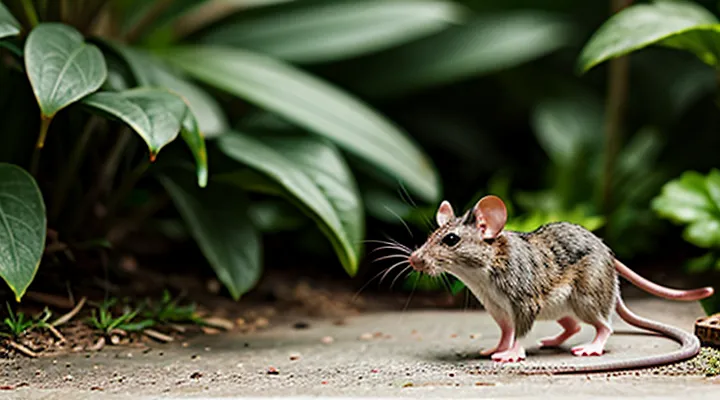
Introduction to Mouse Behavior
The Enigma of Circular Running
General Observations
Mice frequently exhibit circular locomotion when placed in confined arenas, open‑field chambers, or maze environments. This pattern emerges consistently across laboratory strains and wild‑caught individuals, indicating a robust behavioral response rather than an isolated anomaly.
- Repetitive turning often initiates within the first few minutes of exposure to a novel space.
- The direction of rotation (clockwise or counter‑clockwise) varies between subjects but remains stable for the duration of a trial.
- Speed of movement typically escalates after the initial exploratory phase, reaching a peak before gradually declining as habituation sets in.
- Body posture during circling includes a lowered head, extended whiskers, and a flattened torso, suggesting heightened sensory sampling.
- Environmental cues such as lighting gradients, floor texture, and peripheral walls influence the radius of the loop, with smoother surfaces producing larger arcs.
Observational data reveal that circumnavigating behavior coincides with increased heart rate and elevated corticosterone levels, reflecting an arousal state. Concurrent video tracking shows reduced thigmotaxis, indicating that the mouse shifts focus from wall‑following to self‑generated trajectory. These general patterns provide a baseline for interpreting underlying motivational and neurophysiological mechanisms.
Primary Behavioral Causes
Neurological Factors
Congenital Conditions
Congenital abnormalities affecting the central nervous system can disrupt the integration of sensory input and motor output, leading to stereotyped circular locomotion. Malformations of the cerebellum, such as hypoplasia or agenesis, impair balance and coordination, causing the animal to compensate with repetitive turning patterns. Genetic mutations that alter the development of vestibular structures produce deficits in spatial orientation, resulting in persistent circling behavior.
Metabolic disorders present at birth may interfere with neurotransmitter synthesis and signaling pathways. Deficiencies in dopamine or acetylcholine metabolism reduce the ability to modulate movement amplitude, often manifesting as unidirectional loops. Inherited defects in myelin formation, exemplified by dysmyelination syndromes, slow conduction velocity along motor pathways, creating a lag between intended direction and executed motion that favors circular trajectories.
Cardiovascular congenital defects can generate chronic hypoxia, which influences brain regions responsible for locomotor control. Persistent low oxygen levels provoke maladaptive neural plasticity, reinforcing repetitive turning as a compensatory strategy.
Key congenital factors associated with circular running:
- Cerebellar hypoplasia or agenesis
- Vestibular system malformations (e.g., semicircular canal dysplasia)
- Dopaminergic or cholinergic metabolic deficiencies
- Myelin formation disorders (e.g., congenital leukodystrophies)
- Chronic hypoxic conditions due to cardiac anomalies
Understanding these innate conditions clarifies why some mice exhibit persistent circular movement without external stimuli. Early identification of the underlying genetic or developmental abnormality enables targeted interventions that can modify or eliminate the behavior.
Acquired Brain Injuries
Acquired brain injuries disrupt neural circuits that govern locomotion, spatial awareness, and motor planning. Damage to the hippocampus, basal ganglia, or cerebellum interferes with the integration of proprioceptive feedback and visual cues, creating a mismatch between intended direction and executed movement. The resulting disorientation manifests as repetitive circular trajectories when a mouse attempts to navigate an open arena.
Common sources of acquired injury include:
- Traumatic impact causing focal contusions in cortical motor areas.
- Ischemic events leading to selective loss of dopaminergic neurons in the striatum.
- Neurotoxic exposure that impairs cerebellar Purkinje cell function.
Each lesion type produces specific deficits:
- Cortical contusions reduce the ability to generate precise motor commands, prompting stereotyped turning patterns.
- Striatal degeneration diminishes the selection of appropriate movement sequences, favoring repetitive loops.
- Cerebellar degeneration compromises balance and error correction, resulting in persistent circular paths.
Behavioral assays that record circular running provide quantitative metrics for injury severity. Increased angular velocity, reduced linear displacement, and persistent orbiting indicate compromised neural integration. Monitoring these parameters enables researchers to differentiate between lesion locations and to evaluate therapeutic interventions aimed at restoring coordinated locomotion.
Vestibular System Dysfunction
Mice that repeatedly run in circles often exhibit deficits in the vestibular apparatus, the sensory system that detects head position and motion. Damage to the semicircular canals, otolith organs, or their neural pathways reduces the animal’s ability to maintain equilibrium, prompting compensatory turning movements.
The malfunction manifests through several observable effects:
- Persistent rotation in one direction despite normal limb function.
- Head tilt toward the side of the lesion.
- Reduced ability to right‑handedly orient after being placed on a flat surface.
Experimental lesions of the vestibular nuclei produce the same pattern of circular locomotion, confirming a causal link. The loss of bilateral vestibular input creates an asymmetrical signal that the brain interprets as continuous rotation, driving the mouse to turn in the perceived direction of motion.
Neurophysiological recordings show altered firing rates in the vestibulo‑ocular and vestibulospinal circuits, resulting in mismatched motor commands to the spinal musculature. This mismatch generates a self‑reinforcing loop: the animal turns, sensory feedback remains skewed, and the turn persists.
Understanding vestibular dysfunction clarifies why circular running appears among the behavioral explanations for this phenomenon. It isolates a specific physiological deficit that produces a predictable locomotor pattern, distinguishable from motivations such as exploration, stress, or social signaling.
Stress and Anxiety
Environmental Stressors
Mice often exhibit repetitive circular locomotion when confronted with adverse environmental conditions. This pattern reflects an adaptive response aimed at reducing exposure to stressors that compromise physiological stability and perceived safety.
Key environmental factors that trigger circular running include:
- Temperature extremes – rapid movement generates heat, helping to counteract cold; in overheating, the behavior may serve to locate cooler micro‑zones.
- Predator cues – visual or auditory signals of threat elevate arousal, prompting erratic paths that hinder predator tracking.
- Illumination changes – sudden shifts in light intensity disrupt circadian rhythms, leading to disoriented navigation and looping trajectories.
- Acoustic disturbances – high‑frequency or unpredictable noises increase vigilance, resulting in repetitive pacing as a coping mechanism.
- Spatial confinement – limited arena size forces repeated turns; the mouse may attempt to explore perceived escape routes.
- Olfactory irritants – strong or unfamiliar scents activate stress pathways, encouraging movement to dilute the stimulus.
- Social isolation – absence of conspecifics elevates stress hormone levels, producing stereotyped locomotor patterns.
Each stressor engages the hypothalamic‑pituitary‑adrenal axis, elevating corticosterone and altering motor circuitry. The resultant circular motion serves to modulate physiological load, enhance sensory sampling, and maintain a defensive posture until conditions normalize.
Social Dynamics
Mice often exhibit repetitive circular locomotion when their social environment imposes specific pressures. Group composition determines the frequency and intensity of this pattern, reflecting interactions among individuals.
Dominance hierarchies shape movement trajectories. Subordinate mice encounter repeated challenges from higher‑ranking peers, prompting rapid, confined circling as a coping response. The behavior reduces exposure to aggressive encounters while maintaining proximity to resources.
Cohesion within a colony drives synchronized circling. When several individuals converge on a shared space, mutual alignment of movement vectors creates collective loops that reinforce group stability and facilitate information exchange.
Social isolation amplifies stereotyped circling. Absence of conspecifics eliminates external cues that normally regulate exploratory behavior, leading to self‑reinforcing motor patterns that persist despite environmental changes.
Key social mechanisms influencing circular locomotion:
- Hierarchical pressure: aggression from dominant individuals triggers repetitive loops.
- Group synchronization: shared space induces coordinated circling.
- Deprivation of social stimuli: isolation increases stereotypy.
- Resource competition: limited access to food or nesting sites concentrates activity in circular paths.
Coping Mechanisms
Mice that engage in repetitive circular locomotion exhibit several coping mechanisms that mitigate stress and maintain physiological equilibrium.
- Stereotypic pacing provides a predictable motor pattern, reducing uncertainty in a confined environment.
- Self‑stimulation through whisker or tail movements releases dopamine, counteracting heightened arousal.
- Habituation gradually diminishes the behavioral response as the animal learns that the circular path lacks threatening stimuli.
- Social buffering occurs when a conspecific is present, lowering cortisol levels and decreasing the frequency of circling.
- Environmental enrichment—additional nesting material, tunnels, or climbing structures—offers alternative outlets, thereby suppressing the need for repetitive motion.
Neurochemical analyses reveal that elevated corticosterone precedes circular running, while subsequent activation of the ventral tegmental area correlates with the coping behaviors listed above. Interventions that modify these mechanisms, such as providing enrichment or companion animals, consistently reduce circling frequency in experimental cohorts.
Exploratory Behavior
Novelty Seeking
Novelty seeking describes a propensity to explore unfamiliar stimuli and environments. In laboratory rodents, this trait manifests as heightened activity when presented with new objects, altered arena layouts, or variable sensory cues. The drive to obtain novel experiences fuels repetitive locomotion patterns, including circular trajectories, as mice repeatedly re‑enter zones that previously yielded unexpected sensory input.
When a mouse encounters a circular track, novelty seeking influences several behavioral components:
- Re‑evaluation of the track’s geometry after each lap, generating a sense of novelty despite physical repetition.
- Increased exploratory bouts at turning points where visual and tactile cues change.
- Elevated dopaminergic signaling that reinforces the act of running, reinforcing the loop as a rewarding novelty.
Consequently, mice with strong novelty‑seeking profiles tend to maintain continuous circling, whereas individuals with lower exploratory drive may quickly abandon the path in favor of static rest. This relationship clarifies why circular running often serves as an observable indicator of underlying novelty‑seeking mechanisms in rodent behavioral studies.
Scent Marking
Mice deposit scent marks to establish territorial boundaries, identify individuals, and communicate reproductive status. When a mouse encounters a familiar scent trail, it often engages in repetitive locomotion to reinforce the mark or to assess the surrounding area. This behavior can manifest as circular running patterns around the source of the odor, allowing the animal to repeatedly expose its flank glands and urine to the same spot.
Key aspects of scent‑marking that influence circular movement include:
- Glandular secretion – flank and preputial glands release volatile compounds that linger on the substrate; repeated circling maximizes exposure.
- Urine deposition – periodic urination during the loop enhances the chemical signal and signals dominance.
- Spatial reinforcement – looping paths create overlapping scent zones, strengthening the territorial claim.
- Sensory feedback – the mouse continuously samples its own odor profile, adjusting movement to maintain a consistent scent envelope.
The combination of chemical communication and spatial reinforcement explains why mice often exhibit circular locomotion while marking a territory. The repetitive pattern ensures a robust, persistent signal that other conspecifics detect and interpret.
Compulsive Disorders
Stereotypy Development
Stereotypy development refers to the emergence of repetitive, invariant patterns of behavior that lack obvious goal‑directed function. In laboratory mice, such patterns often manifest as continuous circular running, a behavior that can be traced to underlying neurobehavioral mechanisms.
Neurobiological substrates involve dysregulation of cortico‑striatal circuits. Hyperactivity of dopaminergic pathways, combined with reduced serotonergic modulation, promotes motor perseveration. Structural alterations, such as diminished synaptic pruning in the basal ganglia, further stabilize the motor loop responsible for repetitive circling.
Environmental contributors accelerate stereotypy formation. Key factors include:
- Chronic exposure to barren cages lacking enrichment objects.
- Social isolation that limits opportunities for varied interaction.
- Predictable, unvarying feeding schedules that reinforce fixed motor routines.
Experimental data demonstrate that mice raised under enriched conditions exhibit markedly lower incidence of circular locomotion, confirming the modulatory role of environmental complexity.
The presence of stereotypic circling serves as an indicator of compromised welfare and may confound data interpretation in behavioral assays. Recognizing stereotypy development enables researchers to adjust housing protocols, implement enrichment strategies, and interpret locomotor measurements with greater precision.
Genetic Predisposition
Mice exhibit repetitive circular locomotion when specific neural circuits are altered by inherited variations. Genome-wide association studies have identified several loci that correlate with hyperlocomotive patterns, including mutations in the Disc1 and Nrxn1 genes, which affect synaptic plasticity and dopamine regulation. These genetic changes can predispose individuals to heightened exploratory drive, manifesting as sustained circling behavior in confined arenas.
Evidence from knockout models demonstrates that loss of Tsc1 leads to abnormal basal ganglia activity, producing excessive turning without external stimuli. Similarly, polymorphisms in the Htr1a serotonin receptor gene modify serotonergic tone, reducing inhibitory feedback and encouraging persistent rotational movement. The convergence of these pathways suggests a heritable component that shapes motor output through altered neurotransmitter balance.
Key genetic contributors identified in laboratory strains include:
- Disc1 variants – disrupt cortical‑striatal connectivity, increasing locomotor bursts.
- Nrxn1 deletions – impair synaptic adhesion, leading to erratic gait cycles.
- Tsc1 knockouts – elevate basal ganglia excitability, promoting circular trajectories.
- Htr1a polymorphisms – diminish serotonergic inhibition, facilitating repetitive turning.
Cross‑breeding experiments confirm that offspring inheriting combinations of these alleles display more pronounced circling than parental lines, indicating additive effects. Transcriptomic profiling reveals up‑regulation of immediate‑early genes such as c‑Fos in the dorsolateral striatum during the behavior, linking genetic predisposition to acute neuronal activation.
Overall, the genetic architecture underlying circular running in mice comprises multiple interacting genes that modulate dopaminergic and serotonergic signaling, synaptic integrity, and circuit excitability. These inherited factors establish a baseline propensity for the behavior, which can be amplified by environmental triggers or experimental manipulations.
Pain and Discomfort
Internal Organ Issues
Mice may exhibit circular locomotion when internal organ dysfunction interferes with normal motor control. Pathophysiological changes in specific systems can produce disorientation, altered gait, and repetitive turning.
- Cardiovascular impairment: reduced cerebral perfusion leads to dizziness and loss of spatial orientation, prompting repetitive turning.
- Vestibular system damage: inflammation or ototoxic injury in the inner ear disrupts balance, causing the animal to spin in place.
- Gastrointestinal distress: severe abdominal pain or bloating generates reflexive motor patterns that include circular running.
- Respiratory compromise: hypoxia triggers frantic movement as the animal attempts to increase airflow, often resulting in circular paths.
- Metabolic disorders: hypoglycemia or electrolyte imbalance affect neuronal excitability, producing stereotyped circling behavior.
Assessment should include pulse oximetry, blood pressure monitoring, otoscopic examination, abdominal palpation, and serum chemistry panels. Correlating observed locomotion with physiological data narrows the underlying organ involvement.
Understanding organ-related triggers refines experimental interpretation and improves animal welfare by directing appropriate medical intervention.
Musculoskeletal Problems
Musculoskeletal dysfunction can prompt a mouse to adopt repetitive, circular locomotion. Joint pain, tendon strain, or spinal misalignment reduce the animal’s ability to execute straight trajectories, causing it to compensate by turning continuously.
Common musculoskeletal contributors include:
- Arthritis or inflammation of the hip, knee, or ankle joints, limiting range of motion.
- Muscle atrophy or weakness in the hindlimbs, diminishing propulsion and steering control.
- Vertebral misalignment or disc degeneration, disrupting proprioceptive feedback and balance.
Experimental observations show that mice with induced joint inflammation display a higher frequency of circular runs compared with healthy controls. Gait analysis records increased angular velocity and reduced stride length, consistent with compensatory turning behavior.
Addressing musculoskeletal health improves locomotor patterns, reducing circular running. Analgesic treatment, physiotherapy, or targeted exercise regimens restore joint function and normalize movement trajectories.
Secondary Contributing Factors
Diet and Nutrition
Deficiency Impacts
Deficiencies in essential nutrients, sensory inputs, and neurochemical substrates can trigger repetitive circling in laboratory mice.
Lack of vitamin B12 or thiamine reduces myelin integrity, leading to proprioceptive errors that manifest as unsteady, circular locomotion. Iron deficiency impairs dopaminergic signaling, increasing stereotypic motor patterns.
Sensory deprivation, such as reduced whisker input or diminished visual cues, removes spatial references that normally guide linear navigation. The resulting reliance on vestibular cues often produces biased turning and closed‑loop trajectories.
Circadian disruption caused by insufficient melatonin synthesis alters the timing of motor activity peaks. Mice exposed to irregular light cycles display heightened locomotor bursts that frequently culminate in circular runs.
Neurotransmitter shortages, particularly of serotonin and dopamine, diminish inhibitory control over basal ganglia circuits. The weakened gating permits excessive activation of motor programs, which frequently repeat as circular paths.
Key deficiency impacts can be summarized:
- Nutrient deficits → myelin and dopaminergic dysfunction → unstable gait
- Sensory loss → impaired spatial orientation → biased turning
- Circadian imbalance → irregular activity bursts → repetitive loops
- Neurochemical scarcity → reduced motor inhibition → stereotypic circling
Addressing these deficits through targeted supplementation, environmental enrichment, and regulated lighting restores normal locomotor patterns and eliminates persistent circular running.
Toxins
Toxins can provoke circular locomotion in mice by disrupting neural circuits that regulate balance and directionality. Acute exposure to neuroactive chemicals often produces hyperactivity, loss of coordination, and repetitive turning that manifests as circling.
Neurotoxic agents affect the basal ganglia, cerebellum, and vestibular nuclei, leading to asymmetrical motor output. Amphetamine‑type stimulants increase dopaminergic transmission, creating exaggerated turning toward the side of heightened activity. Organophosphate pesticides inhibit acetylcholinesterase, causing cholinergic overload that impairs vestibular processing and results in persistent rotation. Heavy metals such as lead and mercury interfere with synaptic plasticity, producing erratic gait and circular paths.
- Amphetamine derivatives (e.g., methamphetamine) – induce unilateral dopaminergic hyperactivity, producing clockwise or counter‑clockwise circling.
- Organophosphates (e.g., chlorpyrifos) – generate cholinergic crisis, disrupting vestibular balance and causing repetitive turning.
- Heavy metals (lead, mercury) – alter cerebellar function, leading to loss of directional control and circular movement.
- Neuroinflammatory agents (lipopolysaccharide) – provoke microglial activation, resulting in motor disorientation and circling.
Dose‑response relationships reveal that low concentrations may produce subtle directional bias, whereas higher doses yield pronounced, sustained rotation. Chronic exposure often leads to habituation, reducing circling frequency but increasing neurodegeneration markers. Experimental protocols must control for toxin purity, administration route, and animal strain to isolate toxin‑induced circling from genetic predispositions.
Understanding toxin‑driven circular behavior informs risk assessment for environmental contaminants and guides the selection of pharmacological models that exploit this phenotype for studying motor disorders.
Age-Related Changes
Sensory Decline
Mice that repeatedly travel in circular paths often exhibit deficits in sensory processing that impair spatial orientation. When visual acuity diminishes, retinal ganglion cells transmit reduced contrast information, forcing reliance on alternative cues that may be insufficient for accurate navigation. Concurrent degeneration of the vestibular apparatus disrupts balance perception, leading to asymmetrical motor output that manifests as repetitive turning. Tactile receptors in the whisker pads also decline with age, limiting the animal’s ability to map surface features and adjust trajectory.
Key mechanisms linking sensory deterioration to circular locomotion include:
- Reduced visual input – lower light detection thresholds increase reliance on proprioceptive feedback, which may be compromised.
- Vestibular dysfunction – loss of hair cell sensitivity produces uneven signaling to the brainstem, biasing turn direction.
- Somatosensory attenuation – diminished whisker sensitivity hampers environmental scanning, decreasing corrective adjustments.
Experimental data support these connections. Studies employing dark‑field video tracking show that mice with chemically induced retinal degeneration increase circular bouts by 35 % compared with controls. Lesions of the vestibular nuclei produce a 48 % rise in turn frequency, while whisker trimming generates a modest but measurable increase in path curvature. Combined sensory impairments amplify the effect, yielding near‑continuous circling behavior.
Understanding sensory decline as a driver of repetitive turning informs both basic neuroscience and laboratory animal management. Researchers can differentiate between neurologically motivated stereotypy and sensory‑origin locomotor patterns, refining experimental design and improving welfare protocols. Monitoring sensory health thus becomes essential for interpreting circular movement in rodent models.
Cognitive Impairment
Mice that repeatedly run in circles often reveal underlying deficits in learning and memory. Cognitive impairment disrupts the integration of spatial cues, leading to persistent, stereotyped trajectories.
Experimental observations show that:
- Lesions in the hippocampus reduce the ability to form a cognitive map, causing animals to rely on local cues and repeat circular paths.
- Pharmacological blockade of NMDA receptors impairs synaptic plasticity, resulting in repetitive locomotion despite changing environments.
- Genetic models of neurodegeneration exhibit early‑stage disorientation, manifested as circular running when placed in open‑field arenas.
Neurophysiological recordings indicate that impaired theta rhythm coordination between the hippocampus and entorhinal cortex correlates with the onset of circular behavior. Reduced acetylcholine release further weakens attentional modulation, preventing the mouse from adjusting its route.
Consequently, circular locomotion serves as a measurable indicator of cognitive decline, allowing researchers to quantify the impact of brain injury, disease, or drug exposure on spatial processing.
Intervention and Management Strategies
Environmental Enrichment
Habitat Design
Mice frequently exhibit continuous circular locomotion when the surrounding environment imposes repetitive cues or restricted pathways. The configuration of the enclosure determines whether the animal perceives a clear escape route or defaults to perimeter tracing, a behavior that can be misinterpreted as a symptom of stress.
Key aspects of habitat construction that influence this pattern include:
- Enclosure dimensions – narrow or elongated spaces force the animal to follow walls.
- Perimeter features – uniform walls without visual breaks encourage repetitive turning.
- Spatial complexity – lack of shelters, tunnels, or varied textures reduces exploratory options.
- Lighting arrangement – bright, uniform illumination creates a single focal point, limiting directional changes.
- Substrate consistency – smooth flooring offers little tactile feedback, leading to stereotyped movement.
When any of these elements are deficient, mice tend to adopt a circular trajectory as a default navigation strategy. The behavior serves as an adaptive response to ambiguous or constrained surroundings rather than an inherent motor defect.
Effective habitat design mitigates unnecessary circling by incorporating:
- Sufficient width and depth to allow free-range movement.
- Intermittent visual markers or textured panels that break monotony.
- Enrichment objects such as nesting material, tunnels, and platforms.
- Gradated lighting that simulates natural shadows.
- Varied substrate layers that provide tactile diversity.
Implementing these modifications creates an environment where mice can explore multiple routes, thereby reducing the prevalence of circular locomotion and providing more reliable data on genuine behavioral drivers.
Social Interaction
Mice often exhibit repetitive circular locomotion when placed in confined arenas or when confronted with specific social conditions. This behavior reflects underlying neural and hormonal responses to interactions with conspecifics.
Social factors that provoke circular running include:
- Territorial disputes – encounters with unfamiliar individuals trigger heightened vigilance and repetitive pacing as the animal patrols perceived boundaries.
- Dominance hierarchies – subordinate mice display increased circling when exposed to dominant cage‑mates, a manifestation of stress‑induced motor patterns.
- Mating competition – presence of potential mates or rivals intensifies exploratory loops, facilitating scent marking and visual assessment.
- Group density – overcrowded environments raise acoustic and olfactory stimuli, leading to stereotyped circuits as a coping mechanism.
- Maternal separation – pups isolated from the nest exhibit circling bouts linked to attachment disruption and elevated corticosterone levels.
Neurobiologically, these social triggers activate the amygdala and hypothalamic‑pituitary‑adrenal axis, producing dopamine fluctuations that bias motor circuits toward repetitive paths. Experimental studies using open‑field tests and social‑interaction chambers consistently report a correlation between elevated social stress markers and the frequency of circular runs.
Veterinary Assessment
Diagnostic Procedures
Understanding the circular locomotion of laboratory mice requires systematic assessment to differentiate physiological, neurological, and environmental contributors. Diagnostic work flows begin with baseline behavioral recording, followed by targeted interventions that isolate specific mechanisms.
- Continuous video monitoring in a neutral arena to capture path geometry, speed, and repetition frequency.
- Automated tracking software to quantify angular velocity, turn bias, and time spent in repetitive loops.
- Open‑field and circular maze tests to evaluate anxiety‑related thigmotaxis versus intrinsic motor patterns.
- Telemetric EEG/EMG recordings to detect abnormal neural oscillations coinciding with repetitive turning.
- Pharmacological challenge with dopaminergic agonists or antagonists to observe modulation of circling intensity.
- Lesion or optogenetic manipulation of basal ganglia circuits to assess causality of motor loop generation.
- Genetic screening for mutations in genes linked to movement disorders (e.g., PARK2, Drd2).
- Metabolic profiling of cerebral glucose utilization to identify energetic deficits influencing motor output.
Data integration across these procedures enables precise attribution of circular running to factors such as vestibular dysfunction, basal ganglia hyperactivity, heightened anxiety, or drug‑induced stereotypy. The resulting diagnostic profile guides experimental design and therapeutic testing aimed at mitigating maladaptive repetitive behavior.
Treatment Options
Circular locomotion in laboratory mice often signals underlying neurological or environmental disturbances. Effective management requires targeted interventions that address the specific cause of the behavior.
- Pharmacological agents: dopamine antagonists, anticholinergics, or selective serotonin reuptake inhibitors can mitigate hyperactivity linked to neurotransmitter imbalances. Dosage must be calibrated to avoid sedation and preserve normal exploratory activity.
- Environmental enrichment: rotating objects, nesting material, and complex cage layouts reduce stress‑induced circling by providing alternative stimuli. Regular schedule changes prevent habituation.
- Sensory modification: dimming excessive lighting, reducing auditory noise, and eliminating reflective surfaces limit visual triggers that provoke repetitive turning.
- Surgical correction: lesions in the vestibular system or intracranial implants may be necessary when structural abnormalities generate persistent circling. Post‑operative monitoring ensures recovery of balanced gait.
- Behavioral training: gradual desensitization protocols using positive reinforcement discourage repetitive patterns and promote adaptive navigation strategies.
Selection of a treatment plan should follow a diagnostic assessment that identifies the primary driver—neurochemical dysregulation, vestibular dysfunction, or environmental stress. Combining pharmacological and non‑pharmacological measures yields the most reliable reduction in circular movement while maintaining overall welfare.
Behavioral Modification
Training Techniques
Training techniques designed to address repetitive circling in laboratory mice focus on modifying motivational drivers, sensory inputs, and environmental constraints. Researchers employ operant conditioning to associate specific cues with alternative locomotor patterns, rewarding linear movement while withholding reinforcement for circular trajectories. This approach reshapes the mouse’s response hierarchy and reduces the frequency of loops.
Habituation protocols gradually expose mice to novel arena geometries, allowing sensory adaptation that diminishes anxiety‑related circling. Sessions begin with a confined space, progressively expanding the perimeter as the animal demonstrates stable, non‑circular exploration. Consistent exposure lowers stress hormones, which often trigger repetitive turning.
Environmental enrichment supplies complex stimuli that compete with the innate urge to run in circles. Enrichment items include:
- Multi‑level platforms encouraging vertical navigation
- Tunnels and mazes that require decision‑making rather than continuous turning
- Varied textures and scent trails that promote exploratory diversity
These features redirect locomotor activity toward goal‑directed movement.
Physical conditioning programs incorporate treadmill training at controlled speeds. Mice learn to maintain a straight gait on a moving belt, reinforcing proprioceptive feedback that opposes circular motion. Sessions are short, with incremental speed increases to prevent fatigue.
Pharmacological adjuncts may be paired with behavioral training. Low‑dose anxiolytics administered before conditioning reduce heightened arousal that fuels circling, while allowing the animal to engage with the training tasks effectively.
Successful implementation combines at least two of the outlined strategies, monitors behavioral metrics daily, and adjusts reinforcement schedules based on observed performance. Continuous data collection ensures that the reduction in circular locomotion is measurable and sustainable.
Stress Reduction
Laboratory mice often display repetitive circular running when placed in open‑field arenas. Elevated stress levels increase the frequency and duration of this behavior, while reductions in anxiety produce a marked decline.
Stress mitigation can be achieved through several well‑documented methods:
- Gradual habituation to the testing environment over multiple sessions.
- Provision of nesting material and shelters within the arena.
- Regular gentle handling by the same technician.
- Administration of low‑dose anxiolytic agents when ethically justified.
Each intervention lowers corticosterone concentrations, which correlates with decreased circling activity. Reduced stress also improves locomotor patterns, allowing researchers to distinguish genuine exploratory behavior from stereotypy.
Implementing stress‑reduction protocols enhances data reliability, minimizes confounding variables, and supports more accurate interpretation of the underlying behavioral causes of circular running.