
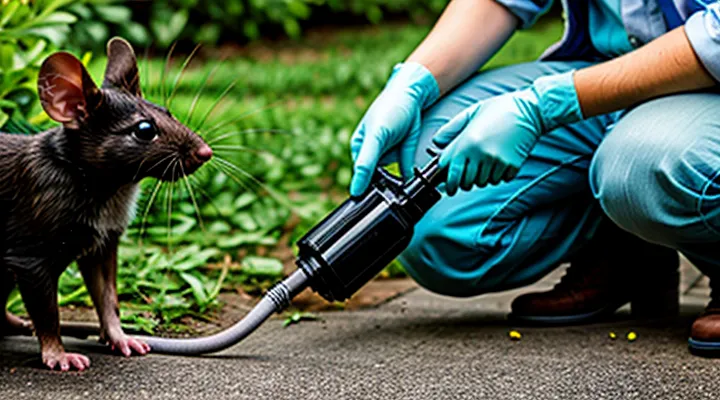
Understanding the Rodent Problem
Why Rats are a Pest
Health Risks Posed by Rats
Rats carry a wide range of pathogens that directly threaten human health. Their saliva, urine, and feces contain bacteria, viruses, and parasites capable of causing severe illness. Direct contact through bites or handling contaminated materials can transmit infections such as rat‑bite fever (Streptobacillus moniliformis) and leptospirosis (Leptospira spp.). Inhalation of aerosolized droppings and urine particles may lead to hantavirus pulmonary syndrome and salmonellosis. Fleas and mites that infest rats serve as vectors for plague (Yersinia pestis) and murine typhus (Rickettsia typhi). Consumption of food contaminated by rodent excreta introduces additional risks, including hepatitis E and hepatitis A viruses.
Key health concerns include:
- Bacterial diseases: leptospirosis, salmonellosis, rat‑bite fever, plague, murine typhus.
- Viral diseases: hantavirus pulmonary syndrome, hepatitis E, hepatitis A.
- Parasitic infections: toxoplasmosis, echinococcosis.
- Allergic reactions: respiratory irritation and asthma exacerbation from rodent allergens.
Transmission pathways are diverse. Ingestion occurs when food or water becomes tainted by droppings. Inhalation happens when dried urine or feces are disturbed, releasing infectious particles. Direct skin breaches enable bacterial entry. Vector‑borne spread relies on ectoparasites moving from rats to humans. Each route increases the probability of outbreaks in residential, commercial, and agricultural settings.
Effective rodent management reduces exposure to these hazards. Prompt removal of infestations, sealing entry points, and maintaining sanitation limit the accumulation of waste that fuels disease transmission. Surveillance for signs of illness among occupants and timely medical evaluation of suspected exposures are essential components of a comprehensive public‑health response.
Economic Damage Caused by Rodents
Rodents generate measurable financial losses across multiple industries. Direct damage includes consumption of crops, chewing of packaging, and destruction of equipment, while indirect damage encompasses contamination, product recalls, and increased insurance premiums.
Key sectors experiencing rodent‑related losses are:
- Agriculture: grain, vegetable, and fruit yields reduced by feeding and burrowing.
- Food processing and storage: spoilage of bulk commodities, damage to conveyor belts and pallets.
- Manufacturing: wiring, insulation, and structural components compromised by gnawing.
- Infrastructure: sewer systems, electrical conduits, and building foundations infiltrated by burrows.
Global estimates attribute annual rodent‑induced losses to billions of dollars. In the United States, agricultural damage alone exceeds $5 billion per year, while worldwide food‑supply contamination adds another $15 billion in waste and remediation costs. Individual facilities report up to 10 % of inventory loss during peak infestation periods.
Secondary expenses arise from health‑related incidents, regulatory fines, and operational downtime. Contaminated products trigger recalls that inflate logistics costs and erode consumer confidence. Compliance with health‑safety standards often requires additional monitoring and documentation, further increasing overhead.
Accurate assessment of these economic impacts informs selection of rat‑control strategies, prioritizing interventions that minimize both immediate damage and long‑term financial risk.
Traditional Pest Control Methods
Chemical Solutions for Rat Eradication
Types of Rodenticides
Rodenticides are chemical agents specifically formulated to control rodent populations. Their classification is based on the biochemical pathway they disrupt, toxicity level, and regulatory status.
- Anticoagulant rodenticides – inhibit vitamin K recycling, leading to fatal hemorrhage. First‑generation compounds (warfarin, chlorophacinone) require multiple feedings; second‑generation agents (bromadiolone, difenacoum, brodifacoum) are effective after a single dose and possess higher potency.
- Bromethalin – a neurotoxic agent that disrupts mitochondrial function, causing cerebral edema and paralysis. Effective in a single ingestion, it is not an anticoagulant and therefore useful where resistance to anticoagulants is documented.
- Cholecalciferol (vitamin D₃) – induces hypercalcemia, resulting in renal failure and cardiac arrhythmia. Its mode of action differs from anticoagulants, providing an alternative for resistant populations.
- Zinc phosphide – reacts with gastric acid to release phosphine gas, a rapidly acting respiratory toxin. Typically employed in outdoor bait stations for large‑scale infestations.
- Phosphodiesterase inhibitors – such as diphacinone, interfere with blood clotting cascades, offering a moderate toxicity profile between first‑ and second‑generation anticoagulants.
Selection of a rodenticide depends on target species, environmental constraints, and regulatory restrictions. Second‑generation anticoagulants are subject to stricter licensing due to secondary poisoning risk, while bromethalin and cholecalciferol may be preferred where non‑target wildlife exposure is a concern. Proper bait placement, dosage control, and monitoring are essential to achieve effective control while minimizing unintended impacts.
Application of Poison Baits
Poison baits remain a primary tool for eliminating rodent populations in residential, commercial, and agricultural settings. Professional exterminators, municipal pest‑control programs, and licensed property owners commonly deploy these products after assessing infestation severity and identifying target species.
Effective bait application follows a systematic process:
- Select a formulation matched to the target species and environment (e.g., anticoagulant blocks for indoor use, bromadiolone pellets for outdoor fields).
- Determine placement density based on infestation level, typically one bait station per 100 sq ft for moderate activity.
- Position stations along established runways, near walls, and in concealed locations to maximize exposure while minimizing non‑target access.
- Secure stations with tamper‑resistant covers, ensuring compliance with local regulations on child‑proofing and wildlife protection.
- Record station locations, bait type, and concentration to facilitate follow‑up inspections and data tracking.
Safety protocols require the use of personal protective equipment during handling, strict adherence to label instructions for dosage, and immediate disposal of unused bait according to hazardous‑waste guidelines. Monitoring involves regular inspection of stations, removal of deceased rodents, and replenishment of bait as needed to maintain lethal concentration.
Regulatory frameworks typically mandate registration of active ingredients, labeling of toxicity levels, and restrictions on placement near food preparation areas. Compliance with these standards reduces the risk of accidental poisoning and supports effective population control.
When applied correctly, poison baits achieve rapid mortality rates, reduce breeding cycles, and complement integrated pest‑management strategies that include sanitation and structural exclusion.
Safety Considerations for Chemical Control
Chemical rodent control demands strict adherence to safety protocols to protect users, non‑target organisms, and the environment. Operators must verify that the product label matches the intended species and exposure scenario before application. Personal protective equipment (PPE) should include chemically resistant gloves, goggles, and respiratory protection appropriate for the formulation’s volatility. Ventilation must be ensured in enclosed spaces, and application areas should be isolated from food preparation zones and animal habitats.
Key safety actions include:
- Conducting a risk assessment that identifies potential exposure routes for humans and wildlife.
- Storing chemicals in locked, well‑ventilated cabinets away from heat sources.
- Keeping spill kits and emergency wash stations readily accessible.
- Recording the date, location, and concentration of each application in a logbook for traceability.
- Disposing of unused product and contaminated containers according to local hazardous waste regulations.
Training programs must cover label interpretation, PPE selection, emergency response, and decontamination procedures. Regular audits of compliance with these measures reduce the likelihood of accidental poisoning and ensure that chemical rodent control remains an effective, controlled component of integrated pest management.
Non-Chemical Approaches
Trapping Techniques
Effective trapping remains a core component of rodent mitigation programs. Selecting the appropriate device depends on infestation level, target species, and operational constraints. Mechanical traps provide immediate capture without chemical exposure, making them suitable for environments where poison use is restricted or undesirable.
- Snap traps: stainless‑steel jaws deliver rapid euthanasia; optimal for single‑catch scenarios and high‑traffic pathways.
- Live‑catch cages: wire mesh enclosures allow relocation; require regular monitoring to prevent stress‑induced mortality.
- Electronic traps: high‑voltage pulses kill instantly; suitable for indoor use where noise and mess must be minimized.
- Multi‑catch traps: hinged doors retain successive captures; ideal for large infestations in warehouses or basements.
- Glue boards: adhesive surfaces immobilize rodents; best reserved for short‑term monitoring due to humane concerns.
Proper deployment enhances efficacy. Position devices perpendicular to walls, with trigger faces oriented toward running routes. Use attractants such as peanut butter, dried fruit, or commercial rodent lures, matching bait to local dietary preferences. Check traps at least twice daily to maintain hygiene and reduce secondary injury. Integrate trapping with habitat modification—seal entry points, eliminate food sources, and control clutter—to sustain long‑term population suppression.
Habitat Modification and Exclusion
Effective rat management begins with altering the environment to make it unsuitable for habitation and preventing entry into structures. Removing food sources, water, and shelter eliminates the primary incentives for rodent colonization. Secure waste containers, clean up spilled grain, and repair leaky pipes to deny rats access to sustenance. Trim vegetation away from building foundations, store firewood off the ground, and eliminate clutter in basements and crawl spaces to reduce hiding places.
Physical barriers reinforce exclusion. Install metal flashing or concrete sealants around utility penetrations, vents, and pipe openings. Fit door sweeps and weather stripping on all exterior doors. Use steel wool or copper mesh to fill gaps around cables and conduit. Replace damaged roofing, soffits, and eaves with rodent‑proof materials. Ensure that all foundation cracks are filled with hydraulic cement or epoxy.
Regular inspection supports long‑term control. Conduct quarterly surveys of potential entry points, noting any new gaps or signs of activity. Document repairs and maintain a log of modifications to track effectiveness. Promptly address any deterioration to prevent re‑infestation.
Key actions for habitat modification and exclusion:
- Eliminate food and water accessibility.
- Declutter and reduce shelter opportunities.
- Seal structural openings with durable, non‑chewable materials.
- Install door and window barriers.
- Perform systematic inspections and maintenance.
Implementing these measures reduces the likelihood that rats will establish a presence, thereby decreasing reliance on chemical poisons and enhancing overall pest management efficacy.
Professional Pest Management
When to Call an Expert
Identifying Severe Infestations
Severe rat infestations demand immediate, data‑driven action. Delayed recognition allows populations to expand beyond manageable limits, increasing health risks and property damage.
Key indicators of a critical outbreak include:
- More than ten active burrows within a 100‑square‑foot area.
- Visible droppings exceeding 100 g per day in a single location.
- Continuous gnaw marks on structural beams, wiring, or food packaging.
- Repeated sightings of multiple rats during daylight hours.
- Persistent odor of urine or feces despite routine cleaning.
Assessment protocols combine visual surveys with systematic trapping. Inspectors record burrow density, droppings weight, and damage extent on standardized forms. Placement of snap or electronic traps at known runways provides quantitative capture rates, which, when exceeding five captures per night, confirm a severe situation.
When documented metrics surpass established thresholds, escalation to rodent poisoning programs becomes justified. Chemical deployment should follow integrated pest management principles, employing anticoagulant baits in tamper‑proof stations positioned near identified activity zones. Continuous monitoring after baiting verifies population decline; a reduction of captures by at least 80 % within two weeks signals successful control.
Benefits of Professional Services
Professional pest‑control firms bring specialized knowledge of rodent toxicology, ensuring that poison applications target rats effectively while minimizing risk to non‑target species. Certified technicians follow regulated dosage guidelines, reducing the chance of over‑application and associated environmental hazards.
Benefits of engaging experts include:
- Accurate identification of rat activity patterns, leading to strategic placement of baits.
- Compliance with local health and safety statutes, protecting property owners from legal exposure.
- Access to commercial‑grade products unavailable to the general public, offering faster knock‑down rates.
- Ongoing monitoring and documentation of infestation levels, supporting evidence‑based decision‑making.
- Prompt response to secondary infestations, preventing resurgence after initial treatment.
Professional services also provide liability coverage for accidental exposure, and they train staff on safe handling procedures, eliminating the need for property owners to acquire specialized training. The combination of expertise, legal compliance, and resource availability delivers a more reliable and efficient solution than DIY attempts.
The Process of Professional Rat Control
Inspection and Assessment
Effective rat control begins with a thorough inspection and assessment. Inspectors must verify the presence of rodents by looking for droppings, gnaw marks, burrows, and tracking powder trails. They should map entry points, food sources, and nesting sites to determine the scope of the infestation. Documentation of findings—photographs, measurements, and timestamps—provides a baseline for evaluating treatment efficacy and for regulatory compliance.
Risk assessment follows the initial survey. Evaluators assign severity levels based on population density, proximity to vulnerable populations (children, pets, food preparation areas), and the potential for disease transmission. They also consider environmental factors such as weather conditions, building materials, and the presence of non‑target species that could be affected by toxic baits.
The assessment informs the selection and placement of rodenticides. Key decisions include:
- Choice of active ingredient (anticoagulant vs. non‑anticoagulant) matched to resistance patterns.
- Bait formulation (gel, block, pellet) appropriate for the identified foraging behavior.
- Placement strategy (near walls, concealed stations, away from non‑target access) derived from the mapped activity zones.
- Dosage and quantity calibrated to the estimated population size and to comply with local pesticide regulations.
Continuous monitoring validates the chosen approach. Inspectors revisit the site at scheduled intervals, record bait consumption, and note any reduction in signs of activity. Adjustments—additional bait stations, alternative toxins, or mechanical controls—are made based on observed outcomes.
A systematic inspection and assessment protocol ensures that rat poisoning is targeted, compliant, and measurable, reducing the likelihood of unnecessary exposure and maximizing eradication efficiency.
Integrated Pest Management (IPM) Strategies
Integrated Pest Management (IPM) provides a systematic framework for reducing rat populations while minimizing reliance on toxic substances. The approach combines accurate monitoring, targeted actions, and continuous evaluation to achieve sustainable control.
- Monitoring and Identification – Deploy snap traps, motion‑activated cameras, or pheromone stations to determine species, activity patterns, and infestation hotspots. Record capture rates and environmental conditions for baseline data.
- Prevention – Seal entry points, store food in rodent‑proof containers, and eliminate standing water. Maintain landscaping to remove shelter and reduce clutter that offers nesting sites.
- Mechanical Control – Use snap traps, electronic devices, or live‑capture cages positioned at identified pathways. Rotate trap types to prevent bait shyness and increase capture efficiency.
- Biological Control – Encourage natural predators such as barn owls, hawks, or feral cats by installing nesting boxes and perches. Introduce rodent‑specific pathogens only when regulatory approval is secured and non‑target impacts are negligible.
- Chemical Control – Apply rodenticides as a last resort, selecting low‑toxicity anticoagulants with bait stations that restrict access to non‑target species. Follow label instructions, rotate active ingredients, and conduct post‑application monitoring.
- Evaluation and Adjustment – Review capture data weekly, compare against predefined thresholds, and modify tactics accordingly. Document all interventions to inform future decision‑making and regulatory compliance.
By integrating these elements, IPM reduces the likelihood of accidental poisoning of non‑target wildlife, limits environmental residues, and maintains long‑term effectiveness against rat infestations.
Humane and Eco-Friendly Alternatives
Biological Control Methods
Biological control offers a non‑chemical alternative for managing rat populations. It relies on living organisms or their by‑products to suppress rodents without the risks associated with toxic baits.
- Natural predators: domestic cats, barn owls, snakes, and certain raptor species hunt rats opportunistically. Installing nesting boxes for owls or encouraging feral predator presence can increase predation pressure in infested areas.
- Pathogenic agents: bacterial strains such as Yersinia pestis derivatives, rodent‑specific viruses, and fungal pathogens like Metarhizium anisopliae infect and kill rats. Formulations are applied to food sources or habitats, delivering mortality while limiting exposure to non‑target species.
- Sterile‑male technique: mass‑rearing of male rats, sterilization through irradiation or genetic editing, and subsequent release into wild populations reduce reproductive output. Repeated releases drive gradual population decline.
Effectiveness depends on species specificity, environmental compatibility, and regulatory approval. Monitoring programs must verify target impact and detect unintended ecological consequences. Integration with habitat modification and sanitation enhances overall success, providing a sustainable component of comprehensive rat management.
Natural Deterrents
Natural deterrents rely on sensory aversion, predator cues, or environmental modification to discourage rodents without chemical toxins. Rats possess acute olfactory and gustatory systems; compounds with strong odors or tastes trigger avoidance behavior. Applying these substances in strategic locations reduces activity and prevents colonization.
Common natural agents include:
- Peppermint oil – saturated cotton balls placed near entry points.
- Cloves or clove oil – scattered in crawl spaces or mixed with water for spraying.
- Cayenne or chili powder – dusted along baseboards and around food storage.
- Garlic or onion extracts – diluted and applied to surfaces where rats travel.
- Predator urine (fox, cat, or ferret) – commercial sprays mimic natural threat signals.
- Strong herbs such as rosemary, thyme, or eucalyptus – fresh bundles or dried sachets positioned in attics and sheds.
Effectiveness depends on regular reapplication, as volatile compounds dissipate within days. Maintaining a clean environment eliminates alternative food sources, enhancing deterrent impact. Sealing gaps, installing mesh screens, and removing clutter complement natural methods by limiting access and hiding places.
Monitoring involves periodic inspection for fresh droppings, gnaw marks, or nesting material. If signs persist despite consistent deterrent use, integrating mechanical traps or professional assessment may be necessary to achieve complete control.
Preventing Future Infestations
Sanitation Practices
Effective rodent control begins with sanitation. Removing food, water, and shelter eliminates the resources rats need to survive, thereby reducing the likelihood of poisoning incidents and secondary health risks.
Key sanitation measures include:
- Secure storage of all food items in sealed containers.
- Immediate cleanup of spills, crumbs, and waste.
- Regular removal of garbage from interior and exterior areas, using tightly fitted lids.
- Elimination of standing water through repair of leaks and proper drainage.
- Maintenance of building envelopes to block entry points, such as gaps around pipes and vents.
Implementing these practices creates an environment where rodents cannot locate sustenance or nesting sites. Consistent execution, combined with monitoring for signs of activity, strengthens overall pest management programs and limits reliance on chemical interventions.
Home Maintenance and Proofing
Effective home maintenance reduces the need for rodent poisons by eliminating entry points and limiting food sources. Sealing gaps in foundations, walls, and rooflines blocks access for rats. Replace damaged weatherstripping around doors and windows, and install metal flashing where wood meets masonry to prevent gnawing. Ensure that all exterior vents are fitted with stainless‑steel mesh screens of at least ¼‑inch opening.
Maintain a clean interior environment. Store dry goods in sealed containers, promptly clean spills, and keep garbage in tightly closed bins. Remove clutter from basements, attics, and crawl spaces, as piles of cardboard, insulation, or debris provide shelter. Regularly inspect and repair leaky pipes, because standing water attracts rodents and supports their nesting.
Landscape management contributes to proofing. Trim tree branches and shrubs away from the building exterior to eliminate bridges for climbing. Keep grass short and remove low‑lying vegetation that can conceal burrows. Position compost piles at least three meters from the house, using a solid lid to prevent rodents from foraging.
A systematic inspection schedule reinforces prevention:
- Quarterly exterior survey for cracks, holes, and damaged screens.
- Monthly interior check of storage areas, pantry, and waste containers.
- Annual review of drainage systems and water accumulation points.
Implementing these measures creates a hostile environment for rats, diminishing reliance on toxic baits and promoting long‑term pest control.