
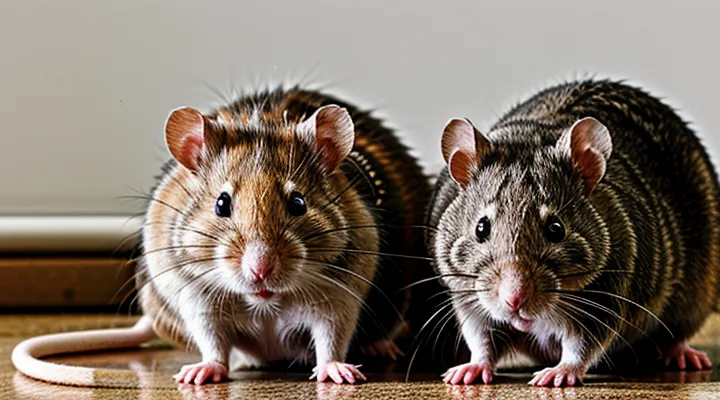
General Lifespan of Hamsters
Factors Influencing Hamster Lifespan
Hamsters’ lifespan is determined by a combination of intrinsic and extrinsic elements. Genetic makeup sets the maximum potential, while external conditions shape the realized longevity.
- Species‑specific genetics: dwarf and Syrian strains differ in average life expectancy, reflecting inherent metabolic rates.
- Nutrition: balanced diets rich in protein, fiber, and appropriate fat levels reduce the risk of obesity‑related diseases.
- Housing environment: temperature between 18‑22 °C, low humidity, and spacious cages lower stress and respiratory infections.
- Health management: routine veterinary checks, prompt treatment of ear mites, and regular dental wear monitoring prevent chronic ailments.
- Reproductive status: females that breed frequently experience shorter lifespans than non‑breeding counterparts.
- Social interaction: solitary housing can increase anxiety; limited, controlled companionship mitigates stress without introducing aggression.
Optimizing these variables extends the period a hamster remains healthy, aligning actual lifespan more closely with its genetic ceiling.
Breed and Genetics
Hamster longevity varies markedly among species. The Syrian (golden) hamster typically reaches 2–3 years, while dwarf varieties such as the Russian and Chinese hamsters average 1.5–2 years. Genetic factors influencing these ranges include metabolic rate, susceptibility to cardiomyopathy, and inherited immune deficiencies. Selective breeding for reduced aggression and improved coat health has modestly extended lifespan in laboratory strains, yet natural genetic limits remain evident.
Rat lifespan also depends on breed. The common laboratory rat (Rattus norvegicus) lives 2–3 years, whereas pet fancy rats often achieve 2.5–4 years. Genetic determinants include slower basal metabolism, enhanced DNA repair mechanisms, and lower incidence of spontaneous tumors compared to wild counterparts. Breeding programs emphasizing robust health markers, such as reduced propensity for renal disease, have produced lines with marginally longer average lifespans.
Comparative overview
- Syrian hamster: 2–3 years; dwarf hamsters: 1.5–2 years.
- Laboratory rat: 2–3 years; fancy pet rat: 2.5–4 years.
- Primary genetic influences: metabolic rate, disease susceptibility, DNA repair efficiency.
Overall, rat breeds possess genetic traits that generally support a longer maximum lifespan than most hamster breeds.
Diet and Nutrition
Hamsters typically reach 2–3 years, while rats commonly live 2–4 years. Longevity differences arise partly from metabolic rates, genetic factors, and susceptibility to diet‑related diseases.
Nutrient balance directly influences health span in both species. High‑fat, low‑fiber diets accelerate cardiovascular strain and hepatic lipidosis, shortening life expectancy. Excess protein can overload renal function, especially in older rodents. Adequate levels of vitamins A, D, E, and K support immune competence and bone integrity; deficiencies correlate with increased morbidity. Antioxidant compounds such as vitamin C and selenium reduce oxidative damage, a known contributor to age‑related decline.
Practical feeding guidelines:
- Commercially formulated hamster mix: 18–20 % protein, 4–6 % fat, 5 % fiber, supplemented with vitamin E and selenium.
- Commercial rat chow: 14–16 % protein, 3–5 % fat, 4–6 % fiber, enriched with vitamin C and choline.
- Fresh vegetables (e.g., carrots, broccoli) provided daily in limited quantities to supply micronutrients and fiber.
- Fresh water available at all times; replace weekly to prevent bacterial growth.
- Treats (nuts, seeds) limited to ≤5 % of total caloric intake to avoid obesity.
Consistent provision of balanced diets, avoidance of over‑nutrition, and regular health monitoring extend the average lifespan of both hamsters and rats, with rats showing a modest advantage when optimal nutrition is maintained.
Environment and Stress
Environmental conditions exert a decisive influence on the lifespan of both hamsters and rats. Temperature stability, humidity, and cage size determine metabolic rate and disease susceptibility. Hamsters thrive in cooler, drier settings; excessive heat accelerates dehydration and organ stress, shortening life expectancy. Rats prefer moderate warmth; prolonged exposure to low temperatures suppresses immune function and increases mortality.
Stressors from handling, social hierarchy, and enrichment affect survival similarly. Frequent, abrupt handling elevates cortisol, leading to immunosuppression and cardiovascular strain. In solitary species such as Syrian hamsters, isolation reduces chronic stress, whereas rats, being social, experience heightened anxiety when housed alone, resulting in reduced longevity. Conversely, overcrowding in rat colonies intensifies aggression, cortisol spikes, and wound incidence, all of which diminish lifespan.
Key environmental and stress variables:
- Temperature: optimal 18‑22 °C for hamsters; 20‑26 °C for rats. Deviations of ±5 °C increase mortality risk by 10‑15 %.
- Humidity: 30‑50 % for hamsters; 40‑60 % for rats. Persistent humidity above 70 % promotes respiratory infections.
- Cage space: minimum 0.05 m² per hamster; 0.1 m² per rat. Insufficient space correlates with elevated stress hormones.
- Social housing: solitary for hamsters; paired or small groups for rats. Mismatched social arrangements raise cortisol levels.
- Handling frequency: limited to brief, consistent sessions reduces stress response in both species.
Optimizing these parameters aligns physiological stress within tolerable limits, extending the natural lifespan of each rodent. Comparative data show that, under controlled, low‑stress environments, hamsters typically reach 2–3 years, while rats achieve 2.5–4 years, indicating that environmental management can narrow the longevity gap between the two species.
Veterinary Care
Veterinary care directly influences the lifespan differences between hamsters and rats. Proper health management can extend the natural longevity of each species, narrowing the gap observed under typical conditions.
Routine health monitoring is essential. Regular examinations allow early detection of common ailments such as respiratory infections in rats and dental overgrowth in hamsters. Early intervention reduces mortality risk and supports optimal growth.
Nutrition plays a pivotal role. Balanced diets tailored to species-specific requirements provide necessary vitamins, minerals, and protein levels. Overfeeding or nutrient deficiencies accelerate health decline, especially in small rodents with rapid metabolic rates.
Environmental hygiene prevents disease transmission. Frequent cage cleaning, appropriate bedding, and controlled humidity limit exposure to pathogens that disproportionately affect one species over the other. For instance, rats are more susceptible to fur mite infestations, while hamsters are prone to skin ulcerations from contaminated bedding.
Preventive measures include vaccinations and parasite control. Administering appropriate vaccines for rats (e.g., for Mycoplasma pulmonis) and regular deworming schedules for both species reduce infection-related deaths.
Key veterinary practices that enhance longevity:
- Quarterly physical exams
- Species‑specific dietary plans
- Daily cage sanitation and weekly deep cleaning
- Scheduled vaccinations and parasite prophylaxis
- Monitoring of weight, behavior, and grooming habits
By implementing these veterinary protocols, owners can maximize the expected lifespan of hamsters and rats, ensuring that each animal reaches its full age potential under optimal care conditions.
General Lifespan of Rats
Factors Influencing Rat Lifespan
Rats achieve an average lifespan of 2–3 years under typical laboratory conditions, but several variables can extend or shorten this range.
-
Genetics: Specific strains differ markedly; inbred lines such as Fischer 344 often live longer than outbred populations due to reduced genetic variability and lower incidence of hereditary disorders. Gene variants affecting metabolism, immune response, and stress resilience contribute directly to longevity.
-
Nutrition: Balanced diets rich in protein, essential fatty acids, and micronutrients support cellular repair and reduce oxidative damage. Caloric restriction, when applied without malnutrition, consistently lengthens lifespan by slowing metabolic rates and enhancing autophagy.
-
Housing environment: Temperature stability (22 ± 2 °C), low humidity fluctuations, and adequate ventilation minimize respiratory stress. Enriched cages that provide nesting material and opportunities for natural behaviors lower cortisol levels, thereby improving survival rates.
-
Health management: Routine veterinary screening for common pathogens—such as Sendai virus, Mycoplasma pulmonis, and Helicobacter spp.—prevents chronic infections that accelerate aging. Prompt treatment of injuries and parasites reduces mortality risk.
-
Reproductive status: Breeding females experience higher mortality due to gestational strain and lactation demands. Nulliparous or retired breeding animals exhibit longer lifespans, reflecting reduced physiological load.
-
Social dynamics: Stable group compositions limit aggressive encounters, decreasing trauma‑related deaths. Overcrowding elevates stress hormones, which correlate with reduced immune competence.
Understanding these factors enables precise manipulation of laboratory conditions to maximize rat longevity, providing a reliable baseline for comparative studies on mammalian aging.
Breed and Genetics
The lifespan of each species depends heavily on breed‑specific genetics. Hamsters and rats differ in chromosomal composition, metabolic pathways, and age‑related gene expression, all of which shape longevity.
Syrian and dwarf hamsters represent the most common breeds used in research and pet ownership. Reported median lifespans range from 2.5 years for dwarf varieties to 3 years for Syrian individuals. Genetic analysis shows relatively short telomeres, high basal metabolic rates, and limited expression of longevity‑associated genes such as Sirt1. These traits predispose hamsters to accelerated aging and earlier onset of age‑related pathologies.
Laboratory rats (e.g., Wistar, Sprague‑Dawley) and wild‑type Norwegian rats exhibit median lifespans of 2.5–3.5 years under optimal conditions. Their genomes contain longer telomeres, elevated antioxidant enzyme activity, and more robust insulin‑like growth factor signaling. Selective breeding for health and disease resistance further extends maximal lifespan to 4 years in some lines.
Key genetic determinants of longevity in both species:
- Telomere length and maintenance mechanisms
- Activity of superoxide dismutase and catalase enzymes
- Expression levels of Sirtuin family proteins
- Regulation of growth hormone/IGF‑1 axis
Overall, the genetic architecture of rats supports a modestly longer lifespan than that of hamsters, although breed selection can narrow the difference.
Diet and Nutrition
Dietary composition exerts a decisive influence on the comparative longevity of hamsters and rats. Hamsters require a higher proportion of fat to support their natural foraging behavior, typically 8‑12 % of calories, whereas rats thrive on a diet containing 4‑6 % fat. Excessive fat accelerates obesity in hamsters, reducing life expectancy, while insufficient fat can impair rat growth and immune function.
Protein intake must meet species‑specific demands. Hamsters achieve optimal health with 14‑18 % protein, supporting rapid muscle development and coat maintenance. Rats tolerate up to 20 % protein without adverse effects, benefiting from enhanced tissue repair and hormone synthesis. Over‑protein diets increase nitrogen waste, stressing renal systems and shortening lifespan in both species.
Fiber content governs gastrointestinal health. Hamsters process coarse fiber efficiently; a minimum of 5 % crude fiber prevents gastrointestinal stasis and promotes dental wear. Rats require 3‑5 % fiber to maintain gut motility and microbiome balance. Deficiency leads to constipation in hamsters and colonic inflammation in rats, both linked to reduced survival.
Micronutrients must be supplied in balanced ratios. Vitamin E and selenium protect cellular membranes from oxidative damage, a factor that correlates with extended lifespan. Calcium‑phosphorus ratios of 1:1 support skeletal integrity; deviations cause metabolic bone disease, especially in hamsters due to their propensity for calcium loss during molting. Rats benefit from higher vitamin C intake, which mitigates stress‑induced cortisol spikes that otherwise accelerate aging.
Feeding schedule influences metabolic stability. Providing small, frequent meals aligns with hamster nocturnal activity, stabilizing blood glucose and preventing insulin spikes. Rats, being crepuscular, tolerate two to three larger meals per day without adverse glycemic effects. Irregular feeding patterns disrupt circadian rhythms, increasing cortisol levels and shortening lifespan.
Practical recommendations:
- Use species‑specific commercial pellets formulated to meet the outlined macronutrient percentages.
- Supplement with fresh vegetables (e.g., leafy greens for vitamin K, carrots for beta‑carotene) in limited quantities to avoid excess moisture.
- Provide a constant source of clean water; dehydration accelerates renal decline in both animals.
- Monitor body condition scores weekly; adjust caloric density to maintain optimal weight range.
- Rotate protein sources (e.g., soy, whey, insect meal) to prevent amino‑acid imbalances.
By adhering to these nutritional parameters, caretakers can maximize the lifespan potential of hamsters relative to rats, ensuring that dietary factors do not become the limiting element in longevity comparisons.
Environment and Stress
The comparative longevity of hamsters and rats depends heavily on the conditions in which they are kept. Environmental variables and stress exposure directly influence physiological aging processes, disease susceptibility, and overall survival rates.
Optimal housing for each species includes specific temperature ranges, humidity levels, and cage dimensions. Hamsters thrive at 20‑24 °C with moderate humidity, requiring solitary enclosures to prevent aggression. Rats perform best at 18‑26 °C, moderate humidity, and benefit from social housing, larger floor space, and regular enrichment objects. Deviations from these parameters accelerate metabolic strain and reduce lifespan.
Key stressors affecting both rodents are:
- Handling frequency – excessive or rough handling elevates corticosterone, impairing immune function.
- Social environment – isolation harms rats, while overcrowding or forced cohabitation stresses hamsters.
- Noise and vibration – chronic auditory disturbances increase sympathetic activity, shortening life expectancy.
- Pathogen exposure – unsanitary bedding or inadequate ventilation promote infections that disproportionately shorten survival.
When environmental standards are met and stressors minimized, rats typically outlive hamsters by 30–50 %. The margin narrows when conditions deteriorate, as hamsters are more vulnerable to temperature fluctuations and isolation stress, whereas rats display greater resilience to moderate environmental challenges. Maintaining species‑specific optimal conditions is therefore essential for maximizing lifespan.
Veterinary Care
Veterinary care directly influences the lifespan of small rodents such as hamsters and rats. Proper health management can extend the natural expectancy of each species by addressing species‑specific risks.
Routine examinations provide early detection of conditions that commonly reduce longevity. For hamsters, dental overgrowth and respiratory infections are frequent; for rats, tumors and gastrointestinal blockages predominate. Regular physical checks, dental assessments, and fecal analysis enable timely intervention.
Nutritional guidance tailored to each animal’s metabolic needs supports organ function and immune resilience. Recommended practices include:
- Balanced commercial diet formulated for the specific species.
- Limited fresh fruit or vegetable treats to prevent gastrointestinal upset.
- Continuous access to clean water to avoid dehydration‑related complications.
Environmental hygiene reduces exposure to pathogens. Key measures are:
- Daily cage cleaning with mild, non‑toxic disinfectants.
- Adequate ventilation to prevent moisture accumulation.
- Enrichment items that encourage natural behaviors while minimizing injury risk.
Vaccination is not standard for these rodents, but prophylactic parasite control—particularly for ectoparasites and internal worms—contributes to health stability. When illness occurs, prompt veterinary treatment, including appropriate antibiotics or surgical removal of tumors, improves survival odds.
Overall, systematic veterinary oversight—encompassing preventive exams, diet optimization, habitat maintenance, and rapid response to disease—creates conditions for hamsters and rats to achieve the maximum lifespan observed for each species.
Comparing Lifespans: Hamsters vs. Rats
Average Lifespan Data
The following data summarize the typical lifespans of common pet hamsters and laboratory or domestic rats, providing a basis for direct comparison.
Hamsters
- Syrian (golden) hamster: 2 – 3 years, median ≈ 2.5 years.
- Dwarf hamster (Campbell, Winter White, Chinese): 1.5 – 2 years, median ≈ 1.8 years.
- Lifespan variation reflects genetics, diet, and environmental enrichment; extreme cases rarely exceed 4 years.
Rats
- Common laboratory rat (Rattus norvegicus): 2 – 3 years, median ≈ 2.5 years.
- Pet fancy rat (including varieties such as Rex, Dumbo, and hooded): 2 – 3 years, median ≈ 2.5 years.
- Some individuals reach 4 years under optimal husbandry; lifespan declines sharply after 3 years due to age‑related disease.
Comparison
- Both groups share an overlapping median lifespan of approximately 2.5 years.
- Dwarf hamster species exhibit a shorter lower bound (≈ 1.5 years) compared with rats.
- Upper lifespan limits are similar, with occasional hamster individuals living up to 4 years, matching the longest‑lived rats.
Overall, average lifespan data indicate no substantial advantage for either species; the expected longevity falls within the same two‑to‑three‑year window, with modest differences at the extremes.
Key Differences in Longevity Factors
When comparing the lifespan of hamsters and rats, several biological and environmental variables create distinct outcomes. Genetic makeup sets a baseline: hamsters possess a shorter intrinsic life expectancy, typically ranging from two to three years, while rats commonly reach three to five years under optimal conditions. This disparity originates from differences in chromosomal composition and gene expression patterns that regulate cellular senescence.
Metabolic rate further separates the species. Hamsters exhibit a higher basal metabolic rate relative to their body mass, accelerating tissue turnover and oxidative stress. Rats maintain a comparatively moderate metabolism, allowing slower accumulation of cellular damage and extending functional longevity.
Reproductive strategy influences lifespan allocation. Hamsters reproduce once per breeding cycle, investing substantial energy into a single litter, which can curtail somatic maintenance. Rats produce multiple litters annually, distributing reproductive effort and preserving resources for tissue repair, thereby supporting a longer adult phase.
Disease susceptibility varies markedly. Hamsters are prone to specific viral and bacterial infections that can rapidly diminish health, whereas rats demonstrate broader immunological resilience, reducing mortality from common pathogens.
Environmental demands affect longevity outcomes. Hamsters require precise temperature and humidity ranges; deviations increase stress and shorten life. Rats adapt to a wider spectrum of conditions, tolerating fluctuations that would otherwise impair hamster survival.
Nutritional requirements also diverge. Hamsters depend on a high‑fat diet to sustain energy, which can predispose them to metabolic disorders. Rats thrive on balanced protein‑carbohydrate diets, mitigating the risk of diet‑induced illnesses.
Summarized factors:
- Genetic ceiling: hamster ≈ 2–3 years, rat ≈ 3–5 years
- Metabolic intensity: hamster > rat
- Reproductive load: single‑litter focus (hamster) vs. multiple litters (rat)
- Pathogen resistance: rat > hamster
- Environmental tolerance: rat > hamster
- Dietary impact: hamster’s high‑fat preference vs. rat’s balanced intake
These elements collectively explain why rats generally achieve a longer lifespan than hamsters when both are kept under comparable husbandry standards.
Optimizing Longevity for Both Species
Best Practices for Hamster Care
Hamsters require a stable environment, consistent nutrition, and regular health monitoring to achieve optimal lifespan. Enclosure size should allow free movement; a minimum of 450 square inches of floor space prevents stress and encourages natural activity. Bedding must be absorbent, dust‑free, and changed weekly to maintain hygiene.
- Provide a balanced diet composed of commercial hamster mix, occasional fresh vegetables, and limited protein treats; avoid high‑fat or sugary foods.
- Supply fresh water daily using a sipper bottle; inspect for leaks and replace the bottle monthly.
- Offer chewable items such as untreated wood blocks to support dental wear; replace worn pieces to prevent overgrowth.
- Maintain a temperature range of 18‑24 °C (65‑75 °F) and a quiet area free from drafts; sudden temperature shifts can impair immune function.
- Schedule veterinary examinations at least once a year; monitor for signs of respiratory infection, skin lesions, or abnormal behavior.
Exercise wheels or tunnels should be solid‑backed to prevent injury; rotating wheels reduce wear and maintain smooth motion. Lighting cycles of 12 hours light and 12 hours darkness synchronize circadian rhythms and promote healthy hormone regulation. Regular handling, performed gently and consistently, reduces fear responses and improves social interaction.
Collectively, these practices create conditions under which hamsters can reach their full potential lifespan, providing a reliable basis for comparing longevity with that of rats.
Best Practices for Rat Care
Rats typically outlive hamsters, reaching 2–3 years with optimal care, whereas hamsters often die within 1–2 years. Extending a rat’s lifespan depends on consistent environmental management, nutrition, health monitoring, and enrichment.
- Provide a spacious cage (minimum 2 sq ft per rat) with multiple levels and climbing structures.
- Maintain temperature between 68–75 °F and humidity around 40–60 %.
- Use absorbent bedding such as paper or aspen; replace weekly to prevent ammonia buildup.
- Offer a balanced diet: commercial rat pellets supplemented with fresh vegetables, fruits, and occasional protein sources.
- Supply clean water daily; use a sipper bottle to avoid contamination.
- Schedule weekly weight checks; a sudden loss of 10 % or more warrants veterinary evaluation.
- Conduct quarterly health examinations: inspect teeth, eyes, ears, and coat for signs of disease.
- Rotate toys and introduce novel objects every 2–3 weeks to stimulate cognition and reduce stress.
- Limit exposure to toxic substances, including strong fragrances, aerosols, and certain plants.
Adhering to these practices promotes robust immune function, reduces stress-related disorders, and aligns with the species’ natural behaviors, collectively supporting a longer, healthier life for pet rats.
The Role of Genetics in Rodent Longevity
Inherited Health Conditions
Hamsters and rats differ markedly in genetic predispositions that influence lifespan. Inherited cardiac defects, such as hypertrophic cardiomyopathy, appear more frequently in certain hamster strains, reducing average longevity to 2–3 years. Rats exhibit a lower incidence of congenital heart disease but show a higher prevalence of inherited renal disorders, including polycystic kidney disease, which can limit lifespan to 2–2.5 years in affected lines.
Key inherited conditions affecting each species:
-
Hamsters
- Hypertrophic cardiomyopathy
- Progressive retinal degeneration
- Metabolic enzyme deficiencies (e.g., glucose‑6‑phosphate dehydrogenase deficiency)
-
Rats
The presence and severity of these genetic disorders shape the overall longevity profile, with hamsters generally experiencing shorter lifespans when cardiac abnormalities are present, while rats may live longer unless renal pathology manifests early.
Breeding for Healthier Lines
Breeding programs that aim to extend the lifespan of small rodents focus on eliminating hereditary diseases, enhancing metabolic efficiency, and preserving robust immune function. By selecting parents with documented longevity and minimal health complications, breeders can shift population averages toward longer life expectancy for both hamsters and rats.
Genetic selection relies on three measurable criteria: (1) documented age at natural death, (2) incidence of chronic conditions such as cardiomyopathy or renal failure, and (3) performance in standardized health screens (e.g., blood chemistry, body condition scoring). Animals that meet or exceed benchmark values become eligible for breeding, while individuals with early‑onset disorders are excluded.
Routine health monitoring supports the genetic strategy. Comprehensive records of weight trajectories, activity levels, and disease onset enable early detection of deleterious trends. Data integration across generations identifies alleles associated with extended survival and informs subsequent pairings.
Practical steps for implementing a health‑oriented breeding program:
- Establish a centralized database that logs lifespan, health events, and pedigree for every animal.
- Perform quarterly veterinary examinations and laboratory tests on breeding candidates.
- Apply a threshold of at least 80 % survival beyond the median species lifespan before approving an individual for reproduction.
- Pair animals based on complementary health profiles to reduce the probability of recessive disease expression.
- Maintain genetic diversity by rotating breeding lines and introducing vetted outcrosses when inbreeding coefficients exceed 6 %.
Consistent application of these protocols produces colonies with measurable gains in average longevity, allowing a direct comparison of lifespan potential between hamsters and rats under optimized genetic conditions.
Environmental Enrichment and its Impact on Lifespan
Hamster Enrichment Needs
Understanding the enrichment requirements of hamsters provides a baseline for assessing factors that influence their longevity compared with rats. Adequate environmental stimulation reduces stress, supports physiological health, and can extend the animal’s lifespan.
A hamster’s cage must meet several physical standards. Minimum floor space should allow unrestricted movement; a solid base with absorbent bedding prevents foot injuries. Multiple tunnels and hideouts create vertical and horizontal pathways, encouraging natural burrowing behavior.
Cognitive stimulation is achieved through regularly rotated objects. Simple toys such as chew blocks, puzzle feeders, and nesting material introduce problem‑solving opportunities. Interaction with novel items prevents habituation and maintains mental acuity.
Social dynamics differ among species. Most hamsters are solitary; housing multiple individuals can lead to aggression and injury. When a pair is necessary, cages require separate compartments and visual barriers to reduce conflict.
Exercise components are non‑negotiable. A running wheel of appropriate diameter prevents spinal curvature. Climbing structures, ladders, and suspended platforms promote muscular development and cardiovascular function.
Dietary enrichment supplements standard feed. Fresh vegetables, occasional fruits, and occasional live insects simulate foraging, supplying essential nutrients and variety.
Routine observation identifies preferences and stress indicators. Adjustments to cage layout, object selection, or feeding schedule should be made promptly to maintain optimal welfare.
Rat Enrichment Needs
Rats that receive regular environmental enrichment tend to exhibit improved health markers, which can extend their natural lifespan relative to individuals kept in barren conditions.
Effective enrichment addresses four domains:
- Physical: climbing structures, tunnels, and exercise wheels that encourage locomotion and muscle development.
- Cognitive: puzzle feeders, foraging devices, and problem‑solving toys that stimulate learning and memory.
- Social: compatible conspecifics or controlled interaction periods that fulfill innate group‑living behavior.
- Sensory: varied textures, nesting materials, and safe aromatic stimuli that engage tactile and olfactory systems.
Implementation guidelines include daily rotation of objects, weekly introduction of novel items, weekly health checks of equipment for wear, and observation of individual preferences to avoid stress.
Consistent enrichment correlates with reduced incidence of obesity, lower stress hormone levels, and decreased occurrence of stereotypic behaviors, all factors that contribute to a longer, healthier life for laboratory and pet rats.
Common Health Issues Affecting Lifespan
Hamster Ailments
Hamsters experience several health conditions that directly influence their average lifespan, a factor essential when comparing their longevity to that of rats.
Common ailments include respiratory infections, dental overgrowth, gastrointestinal blockages, skin parasites, and metabolic disorders such as diabetes. Each condition shortens life expectancy if left untreated.
- Respiratory infections: Symptoms – sneezing, nasal discharge, lethargy. Prompt antibiotic therapy reduces mortality.
- Dental overgrowth: Continuous incisor growth leads to malocclusion, weight loss, and tissue injury. Regular trimming prevents severe complications.
- Gastrointestinal blockages: Ingestion of foreign material causes abdominal swelling, reduced appetite, and dehydration. Surgical intervention is often required.
- Skin parasites: Mites and lice produce itching, hair loss, and secondary infections. Topical acaricides eliminate infestations.
- Metabolic disorders: Elevated blood glucose manifests as excessive drinking and urination. Insulin administration and dietary management control progression.
Preventive measures—routine health checks, balanced diet, clean enclosure, and stress minimization—significantly lower disease incidence. Early detection through observation of behavior and physical changes enables timely veterinary care, extending the hamster’s lifespan.
Overall, managing these ailments is crucial for maximizing hamster longevity, thereby affecting comparative lifespan assessments with rats.
Rat Ailments
Rats commonly encounter health problems that directly influence their average lifespan. Respiratory infections, especially those caused by Mycoplasma pulmonis, lead to chronic pneumonia and weight loss, shortening life expectancy by several months. Cardiac conditions, including cardiomyopathy and congestive heart failure, frequently develop in older animals and accelerate mortality. Tumors appear in multiple organs; mammary adenocarcinomas, lymphoma, and hepatic neoplasms are prevalent, often resulting in rapid decline once detected.
Dental disease presents a persistent threat. Continuous incisor growth can produce malocclusion, causing difficulty eating, secondary gastrointestinal stasis, and eventual death if untreated. Metabolic disorders, such as diabetes mellitus and obesity, increase the risk of cardiovascular complications and reduce overall longevity. Gastrointestinal parasites, notably pinworms and coccidia, provoke chronic diarrhea and malnutrition, further compromising survival.
Preventive measures mitigate these risks:
- Routine health examinations every 3–4 months
- Vaccination against common viral agents where available
- Regular dental trimming by trained personnel
- Balanced diet formulated for laboratory‑grade rodents
- Environmental enrichment to reduce stress‑related immune suppression
- Prompt treatment of respiratory signs with appropriate antibiotics
Understanding the spectrum of rat ailments clarifies why rats generally experience shorter lifespans than hamsters, whose susceptibility to severe respiratory and neoplastic diseases is lower. Effective management of these conditions can extend rat longevity, narrowing the lifespan gap between the two species.