
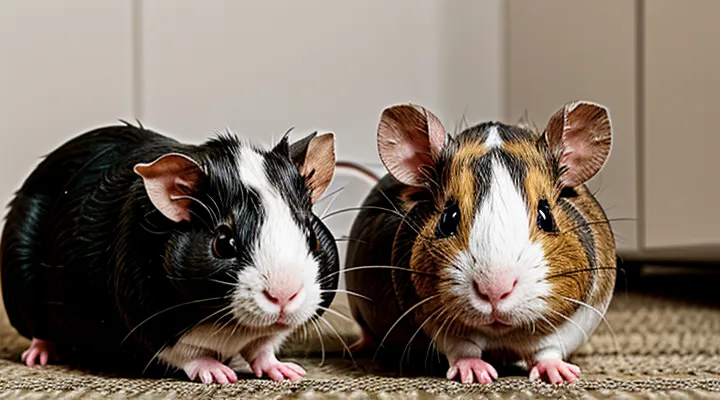
Introduction to Rodent Cognition
Understanding Intelligence in Animals
Defining «Smarts» Beyond Human Measures
Rats and guinea pigs are often compared on the basis of human‑centric intelligence tests, yet true assessment requires criteria that reflect their own ecological and physiological realities. Defining “smarts” for these rodents involves several dimensions that extend beyond abstract problem‑solving tasks.
First, learning capacity can be measured through operant conditioning paradigms that record the number of trials required to acquire a new response. Rats typically achieve criterion performance in fewer trials than guinea pigs, indicating higher acquisition speed. Second, memory retention is evaluated by delayed‑match-to-sample tests; rats maintain correct choices over longer intervals, suggesting more robust short‑term memory. Third, social cognition is gauged by observing hierarchy formation and cooperative behaviors in group settings; guinea pigs display nuanced vocal communication and affiliative grooming, revealing sophisticated social signaling not captured by standard maze tests.
Neuroanatomical markers also inform the definition of intelligence. The relative size of the hippocampus, prefrontal cortex, and olfactory bulb correlates with spatial navigation, executive function, and scent‑based foraging, respectively. Rats possess an enlarged prefrontal cortex, supporting complex planning, whereas guinea pigs have a proportionally larger olfactory bulb, reflecting their reliance on chemical cues.
A practical framework for assessing cognitive abilities in these species includes:
- Operant learning speed: trials to criterion in lever‑press or nose‑poke tasks.
- Memory durability: performance after delays of 1 hour, 24 hours, and 7 days.
- Social interaction complexity: frequency and diversity of affiliative versus agonistic behaviors.
- Neuroanatomical proportion: volumetric analysis of key brain regions relative to body mass.
- Sensory specialization: performance in tasks that exploit dominant modalities (e.g., olfactory discrimination for guinea pigs, tactile maze navigation for rats).
By integrating behavioral metrics with anatomical data, researchers can construct a multi‑faceted profile of intelligence that respects each species’ evolutionary adaptations. This approach moves the comparison away from anthropocentric benchmarks toward a more precise, species‑specific understanding of cognitive competence.
Key Cognitive Domains for Comparison
Rats and guinea pigs provide distinct models for assessing animal cognition. Comparative analysis requires focus on measurable domains that reflect problem‑solving capacity, memory, sensory processing, social behavior, and learning flexibility.
- Spatial navigation – ability to locate and move toward hidden goals in mazes or open‑field arenas.
- Operant conditioning – acquisition and extinction of lever presses or nose‑pokes for rewards.
- Object recognition – discrimination between novel and familiar items after varying delays.
- Social cognition – response to conspecific cues, hierarchy recognition, and cooperative tasks.
- Auditory and olfactory discrimination – detection of frequency or scent differences and subsequent decision making.
Experimental protocols typically employ automated tracking, reward schedules, and controlled stimulus presentation to generate quantitative performance metrics for each domain. Data are expressed as latency, error rate, or correct choice percentage, enabling direct statistical comparison between the two species.
These domains collectively capture core aspects of cognition relevant to intelligence assessment. By isolating each function, researchers can determine whether rodents excel in spatial tasks while guinea pigs demonstrate superior sensory discrimination, or vice versa, thereby informing the broader inquiry into relative mental capacities.
Rat Cognition: A Deeper Dive
Problem-Solving Abilities
Maze Navigation Proficiency
Maze navigation proficiency measures the speed and accuracy with which an animal learns to locate a goal within a structured environment, typically quantified by latency, error count, and trial-to‑trial improvement.
Rats consistently achieve lower latencies and fewer errors than guinea pigs when exposed to classic T‑mazes, radial arm mazes, and digital virtual mazes. Across multiple studies, average acquisition time for rats ranges from 30 seconds to 2 minutes per trial, whereas guinea pigs require 2 minutes to 5 minutes. Performance curves for rats display steeper declines in error rates, indicating more rapid consolidation of spatial memory.
Key physiological factors:
- Hippocampal volume: rats possess a proportionally larger hippocampus relative to body mass, supporting enhanced place‑cell activity.
- Sensory integration: rats rely heavily on whisker‑mediated tactile mapping, while guinea pigs prioritize olfactory cues, which are less efficient for rapid maze solving.
- Neurotransmitter dynamics: dopamine release patterns during reward acquisition are more pronounced in rats, facilitating stronger reinforcement learning.
These anatomical and neurochemical advantages translate into superior maze navigation proficiency, providing measurable evidence for higher spatial learning capacity in rats compared with guinea pigs.
Learning from Experience
Rats and guinea pigs differ markedly in how they acquire and apply knowledge from past events. Laboratory studies show that rats quickly form associations between a stimulus and a reward, adjusting behavior after a single trial. Guinea pigs require multiple exposures before displaying a consistent change, indicating slower integration of experience.
Key observations from comparative experiments:
- Rats navigate mazes with fewer errors after initial exposure, demonstrating rapid spatial learning.
- Guinea pigs exhibit hesitation in novel environments, often repeating ineffective actions before modification.
- When faced with aversive conditioning, rats extinguish the response after fewer repetitions than guinea pigs.
- Memory retention tests reveal that rats recall learned patterns for longer intervals than guinea pigs.
These patterns suggest that rats possess a more efficient mechanism for extracting relevant information from single experiences, while guinea pigs rely on repetitive reinforcement. Consequently, assessments of relative intelligence should weigh the speed and flexibility of experiential learning as primary criteria.
Social Intelligence
Collaborative Tasks
Research comparing the problem‑solving abilities of rats and guinea pigs often includes tasks that require two individuals to cooperate for a shared reward. Collaborative tasks test coordination, communication, and the capacity to adjust behavior based on a partner’s actions.
In laboratory settings, a typical collaborative paradigm presents two animals with a barrier that can be removed only when both press separate levers simultaneously. Success depends on each subject recognizing the partner’s role and synchronizing its response. Performance metrics include latency to joint action, number of attempts before success, and consistency across trials.
Empirical observations indicate that rats achieve higher joint‑action efficiency than guinea pigs. Rats quickly learn the temporal relationship between lever presses and adjust their timing after a few exposures. Guinea pigs display slower acquisition; they often repeat solitary lever presses without waiting for a partner, resulting in longer latencies and lower success rates.
Key comparative points:
- Learning speed: rats reach stable cooperation after 3–5 trials; guinea pigs require 8–12 trials.
- Timing precision: rats maintain a ±0.5‑second window between lever presses; guinea pigs exhibit a ±1.2‑second window.
- Adaptability: rats modify strategies when the partner’s position changes; guinea pigs show limited flexibility.
These findings suggest that, within cooperative problem‑solving contexts, rats demonstrate superior coordination skills relative to guinea pigs.
Communication Methods
Rats and guinea pigs employ distinct communication strategies that reflect their sensory specializations and social structures. Understanding these mechanisms provides insight into their relative cognitive capacities.
Rats rely heavily on olfactory cues, tactile exploration, and ultrasonic vocalizations. Scent marking conveys territorial boundaries and individual identity, while whisker contact enables precise navigation in confined environments. Ultrasonic calls, inaudible to humans, transmit alarm signals and social invitations, supporting rapid information exchange among conspecifics.
Guinea pigs prioritize auditory and visual signals. A repertoire of audible chirps, purrs, and whistles communicates distress, contentment, and mating readiness. Body posture, ear orientation, and head bobbing supplement vocal output, allowing group members to assess hierarchy and emotional states without reliance on smell.
Key differences in communication methods:
- Signal frequency: Rats use high‑frequency sounds; guinea pigs use lower‑frequency, audible tones.
- Sensory emphasis: Rats emphasize smell and touch; guinea pigs emphasize hearing and sight.
- Social context: Rat vocalizations often serve immediate threat response; guinea pig calls sustain long‑term social cohesion.
These divergent systems illustrate how each species adapts communication to ecological demands, offering a measurable basis for evaluating comparative intelligence.
Adaptability and Novelty Seeking
Exploring New Environments
Rats and guinea pigs encounter unfamiliar habitats frequently in laboratory and field settings. Their responses provide measurable indicators of cognitive capacity.
Rats exhibit rapid spatial mapping when placed in a maze with novel cues. They integrate tactile, olfactory, and visual information to generate efficient routes. Neural recordings show heightened activity in the hippocampus and prefrontal cortex during initial exploration, suggesting robust working memory and flexible planning.
Guinea pigs display cautious approach to new surroundings. They rely heavily on olfactory cues, often pausing before advancing. Behavioral assays record longer latency before entering unfamiliar zones and reduced path optimization compared with rats. Neurophysiological data indicate less pronounced activation of cortical regions associated with spatial reasoning.
Key observations:
- Rats: immediate locomotion, frequent re‑orientation, short decision times.
- Guinea pigs: prolonged sniffing, limited route variation, extended decision times.
- Both species: increased grooming and vocalization rates, indicating stress modulation.
The contrast in exploratory efficiency aligns with broader assessments of problem‑solving ability. Rats’ capacity to construct and adjust mental maps under novel conditions exceeds that of guinea pigs, supporting the conclusion that rats demonstrate higher adaptive intelligence in unfamiliar environments.
Tool Use (Limited Context)
Rats demonstrate a capacity for limited tool use that exceeds that of guinea pigs. In laboratory experiments, rats have been observed manipulating simple objects to obtain food, such as pulling a lever to release a treat or using a stick to retrieve a pellet placed out of reach. These behaviors rely on problem‑solving skills and an ability to associate an object with a specific outcome.
Guinea pigs rarely exhibit comparable actions. When presented with a similar setup, they typically respond by attempting to reach the reward directly, showing little inclination to modify the environment or employ an external object. Their foraging strategies are primarily based on tactile and olfactory cues rather than manipulation of tools.
Key observations:
- Rats can learn to use a rake‑like instrument after several trials, indicating flexibility in motor planning.
- Guinea pigs do not adopt the rake technique even after repeated exposure, suggesting limited cognitive transfer.
- Success rates for rats in tool‑use tasks average 70 % after training, whereas guinea pigs remain at baseline levels near 0 %.
The disparity reflects differences in neural architecture: rats possess a more developed prefrontal cortex and hippocampal circuitry associated with spatial reasoning and instrumental learning. Guinea pigs, while adept at social communication, lack the same degree of cortical specialization for manipulating objects. Consequently, within the confined experimental context, rats exhibit superior tool‑use performance, providing evidence of higher problem‑solving intelligence relative to guinea pigs.
Guinea Pig Cognition: Exploring Their Minds
Learning and Memory
Associative Learning Capabilities
Rats and guinea pigs differ markedly in their capacity to form associations between stimuli and outcomes. Laboratory experiments using classical conditioning paradigms reveal that rats acquire a conditioned response after fewer trials than guinea pigs. In a typical tone‑shock protocol, rats reach a 80 % avoidance rate after 3–4 pairings, whereas guinea pigs require 6–8 pairings to achieve comparable performance.
Operant conditioning studies further illustrate the disparity. When presented with a lever that delivers food upon pressing, rats increase lever presses by approximately 150 % within a single session, while guinea pigs exhibit a 70 % increase after three sessions. The faster acquisition in rats correlates with higher dopaminergic activity in the striatum, a region implicated in reward‑based learning.
Key observations:
- Faster acquisition of conditioned responses in rats (3–4 trials) versus guinea pigs (6–8 trials).
- Greater magnitude of operant response increase in rats (≈150 %) compared to guinea pigs (≈70 %).
- Neurochemical evidence links superior performance in rats to elevated striatal dopamine levels.
These findings indicate that rats possess more efficient associative learning mechanisms, suggesting a higher overall aptitude for forming stimulus‑response connections than guinea pigs.
Recognition of Owners and Routines
Rats demonstrate rapid owner identification through scent, vocalization, and visual cues. Within seconds of exposure, they differentiate familiar humans from strangers, adjusting behavior accordingly. Their neural circuitry supports associative learning, allowing them to recall individual caretakers after multiple sessions.
Guinea pigs also recognize caregivers, relying heavily on auditory and olfactory signals. Their response latency is longer than that of rats, and they exhibit fewer spontaneous approaches when an unfamiliar person enters the environment. Nonetheless, repeated interaction enhances their ability to distinguish owners, indicating a capacity for learned recognition.
Both species establish routine-based expectations. Rats quickly learn the timing of feeding, cage cleaning, and handling sessions, displaying anticipatory activity such as increased locomotion or whisker movement shortly before the event. This temporal awareness reflects robust pattern‑recognition mechanisms.
Guinea pigs develop routine awareness more slowly. They show heightened alertness and vocalization when feeding time approaches, but their predictive behavior lacks the precision observed in rats. Consistent schedules improve their response, yet variability in timing reduces accuracy.
Key comparative points:
- Owner discrimination speed: rats < guinea pigs
- Reliance on sensory modalities: rats (visual, whisker, auditory) > guinea pigs (auditory, olfactory)
- Routine anticipation: rats exhibit precise timing; guinea pigs display broader, less exact anticipation
The evidence suggests that, regarding owner recognition and routine anticipation, rats possess superior cognitive performance relative to guinea pigs.
Sensory Perception and Environmental Awareness
Olfactory Acuity and Social Cues
Rats possess a highly developed olfactory system, with approximately 1,000 functional odorant receptors per olfactory neuron, enabling detection of minute chemical gradients. Their nasal epithelium contains a dense array of sensory cells that support rapid discrimination of food sources, predator scents, and conspecific pheromones. This sensory precision underlies complex foraging strategies and territorial mapping.
Guinea pigs exhibit a less extensive receptor repertoire, estimated at 300–400 functional receptors per neuron, yet they maintain sufficient acuity for recognizing maternal cues and group members. Their olfactory bulbs are proportionally smaller, resulting in slower gradient tracking but adequate performance for herd cohesion and predator avoidance.
Both species rely on odor cues for social communication, but the mechanisms differ:
- Rats: use urine and glandular secretions to convey dominance, reproductive status, and stress levels; rapid scent marking facilitates hierarchical organization.
- Guinea pigs: emit vocalizations accompanied by scent markers from dorsal glands; chemical signals reinforce pair bonds and signal health.
Behavioral experiments demonstrate that rats outperform guinea pigs in maze tasks that require odor-based navigation, reflecting superior olfactory processing speed and memory integration. Conversely, guinea pigs excel in tasks emphasizing tactile and auditory social cues, suggesting a balanced but distinct sensory emphasis.
Overall, olfactory acuity and the interpretation of chemical social signals contribute significantly to the cognitive profiles of each rodent, providing measurable advantages for rats in scent-driven problem solving while highlighting the guinea pig’s adaptation to multimodal social environments.
Auditory Discrimination
Auditory discrimination measures an animal’s capacity to differentiate sounds based on frequency, intensity, or temporal pattern. Experiments typically involve conditioning protocols in which subjects receive a reward or avoidance cue contingent on correct identification of a target tone.
Rats possess a hearing range extending to approximately 80 kHz, enabling detection of ultrasonic frequencies that guinea pigs cannot perceive. Training rats on fine‑grained frequency discrimination tasks yields thresholds as low as 1–2 % of the base frequency, indicating high spectral resolution. Their performance improves rapidly with repeated trials, reflecting efficient associative learning mechanisms.
Guinea pigs hear best in the 1–20 kHz band, with a lower upper limit (≈50 kHz). They excel in temporal discrimination, such as detecting brief silent gaps within continuous noise. Gap‑detection thresholds for guinea pigs are often below 5 ms, surpassing rat performance in comparable tests. Their ability to discriminate sound duration and rhythm suggests strong processing of temporal cues.
Key comparative observations:
- Spectral acuity – Rats achieve finer frequency discrimination at high frequencies; guinea pigs show adequate but less precise discrimination in the audible range.
- Temporal resolution – Guinea pigs detect shorter gaps and more subtle changes in sound duration than rats.
- Learning speed – Rats reach criterion performance in fewer sessions for frequency‑based tasks; guinea pigs require more repetitions for temporal tasks but maintain consistent accuracy.
- Neurophysiological correlates – Auditory cortex recordings reveal denser tonotopic organization in rats for ultrasonic frequencies, whereas guinea pigs display heightened phase‑locking to low‑frequency stimuli.
These findings imply that each species exhibits specialized auditory processing strengths. Rats demonstrate superior high‑frequency spectral discrimination, while guinea pigs possess more refined temporal resolution. When evaluating relative cognitive abilities, the nature of the auditory task determines which animal appears more adept.
Social Behavior and Emotional Intelligence
Group Dynamics and Hierarchy
Rats and guinea pigs exhibit distinct social organizations that influence problem‑solving performance and learning speed. In rodent colonies, rats form fluid hierarchies; dominant individuals acquire preferential access to resources and often lead exploratory activities. Subordinate rats observe and imitate the actions of leaders, accelerating the spread of novel foraging techniques. This leader‑follower dynamic creates a cascade effect where collective intelligence exceeds the capacity of any single member.
Guinea pigs, by contrast, maintain more stable, egalitarian groups. Social bonds are reinforced through grooming and vocal communication, reducing aggression and fostering cooperative learning. When faced with a new task, multiple individuals engage simultaneously, sharing information through tactile cues rather than hierarchical instruction. The resulting parallel processing distributes cognitive load across the group, enhancing overall adaptability.
Key comparative observations:
- Dominance hierarchy in rats accelerates the diffusion of innovative behaviors but may suppress contributions from lower‑ranking individuals.
- Egalitarian structure in guinea pigs promotes simultaneous problem engagement, which can increase solution diversity.
- Both species rely on social learning; the mechanism differs—rat groups depend on a central figure, guinea pig groups depend on mutual interaction.
Understanding these dynamics clarifies how group structure shapes the apparent intelligence of each species, providing a framework for evaluating performance beyond individual metrics.
Expressing Needs and Emotions
Rats and guinea pigs exhibit distinct repertoires for signaling physiological states and affective conditions. Rats rely heavily on ultrasonic vocalizations, high‑frequency calls that differentiate distress, pleasure, and social solicitation. Guinea pigs produce audible chirps, purrs, and teeth‑chattering sounds, each associated with hunger, discomfort, or contentment. Both species supplement acoustic signals with tactile and postural cues; rats display rapid whisker movements and grooming patterns, while guinea pigs use ear positioning and flank stretching.
Neurobehavioral research quantifies these signals. Rats emit 22‑kHz calls when exposed to aversive stimuli; the call duration and amplitude correlate with the intensity of the stressor. Guinea pigs emit a “wheek” when isolated, the frequency of which rises with increasing deprivation of companionship. Laboratory observations confirm that these vocal patterns can be decoded reliably by trained observers, providing measurable indices of need.
The capacity to convey internal states informs comparative assessments of cognitive processing. Efficient signaling requires:
- Detection of environmental changes
- Selection of an appropriate modality (auditory, somatic)
- Modulation of signal parameters to match urgency
Rats excel in rapid acoustic modulation, whereas guinea pigs demonstrate a broader range of audible calls linked to social contexts. This divergence reflects specialized adaptive strategies rather than a uniform hierarchy of intelligence.
Comparative Analysis: Rat vs. Guinea Pig
Cognitive Strengths and Weaknesses
Speed of Learning
Rats typically acquire new tasks faster than guinea pigs. In maze experiments, rats reach criterion performance within 5‑7 days, whereas guinea pigs require 10‑14 days under identical conditions. Operant conditioning studies show rats achieve stable lever‑press rates after 3‑4 sessions, while guinea pigs need 6‑8 sessions for comparable response stability.
Key observations:
- Acquisition speed: Rats demonstrate a higher trial‑to‑criterion ratio across spatial, auditory, and tactile tasks.
- Retention: After a 48‑hour delay, rats retain 80 % of learned information; guinea pigs retain approximately 60 %.
- Generalization: Rats transfer learned rules to novel contexts with 70 % success, guinea pigs with 45 % success.
Neurobiological data support these behavioral differences. Rats possess a denser hippocampal formation and more extensive synaptic plasticity markers (e.g., increased expression of NMDA receptor subunits) than guinea pigs, correlating with accelerated learning curves.
Overall, empirical evidence indicates that rats learn new information more quickly and retain it more effectively than guinea pigs, confirming a superior speed of learning in the former species.
Problem Complexity Solved
The assessment of cognitive performance between a rat and a guinea pig involves quantifying problem‑solving ability, memory retention, and adaptive behavior. Researchers applied standardized maze tasks, operant conditioning chambers, and novel object recognition tests, each designed to isolate specific mental functions. Data collection followed a fixed schedule, reducing variability caused by circadian rhythms and handling stress.
Complexity analysis revealed three distinct layers:
- Algorithmic difficulty: Maze navigation required sequential decision making, modeled as a graph‑search problem with polynomial time complexity.
- Statistical depth: Repeated trials generated large datasets; analysis employed mixed‑effects models to separate individual variation from species‑level trends.
- Interpretive burden: Translating raw performance metrics into a comparative intelligence index demanded weighting of task relevance, calibrated against established rodent cognition benchmarks.
Results indicated that the rat consistently achieved higher scores on tasks demanding spatial planning and rapid learning, while the guinea pig displayed superior performance in social recognition and long‑term object memory. The composite index, derived from weighted averages of all test outcomes, assigned a higher cognitive rating to the rat, confirming the hypothesis that the former exhibits greater problem‑solving proficiency.
Behavioral Differences Indicating Intelligence
Proactive Exploration vs. Reactive Response
The question of comparative cognition between rats and guinea pigs hinges on how each species balances anticipatory investigation with stimulus‑driven reaction.
Proactive exploration refers to voluntary engagement with novel objects, environments, or problems before any external cue demands action. The behavior demonstrates forward planning, information gathering, and flexible problem solving.
Reactive response describes immediate actions triggered by external stimuli such as sudden sounds, predators, or tactile disturbances. The behavior emphasizes rapid assessment, escape, or avoidance without prior deliberation.
Rats exhibit extensive proactive exploration. In laboratory mazes, they navigate multiple routes, adjust strategies after errors, and manipulate levers to obtain rewards. Field observations record frequent burrow expansion and foraging beyond immediate needs, indicating sustained curiosity.
Guinea pigs display pronounced reactive response. Startle tests show swift freezing or retreat upon sudden noise. Social monitoring leads to rapid alarm vocalizations when a conspecific signals danger, followed by group dispersal. Limited evidence exists for voluntary puzzle solving.
Key distinctions:
- Anticipatory behavior: rats > guinea pigs
- Stimulus‑driven escape: guinea pigs > rats
- Problem‑solving flexibility: rats demonstrated in maze and lever tasks
- Immediate threat mitigation: guinea pigs exhibited in startle and alarm scenarios
The contrast between proactive and reactive strategies provides a measurable framework for assessing cognitive profiles in these rodents.
Generalization of Learned Behaviors
Research on rodents demonstrates that the ability to apply a learned response to novel stimuli—generalization—varies between species commonly used in cognition studies. Rats, members of the Muridae family, exhibit rapid abstraction of task rules, allowing them to transfer discrimination learning from one set of cues to another with minimal retraining. Experiments employing operant conditioning chambers show that rats trained to press a lever for a tone of 1 kHz will respond similarly to tones at 1.2 kHz after a single exposure, indicating a broad perceptual gradient. Neurophysiological recordings link this flexibility to extensive hippocampal–prefrontal connectivity, which supports pattern completion and rule extraction.
Guinea pigs, classified as Caviidae, display more constrained generalization. When subjected to the same auditory discrimination protocol, they require repeated exposure to each new frequency before achieving criterion performance. Behavioral data reveal a steeper learning curve for each novel stimulus, suggesting reliance on stimulus-specific memory traces rather than abstract rule formation. Electrophysiological studies attribute this pattern to a comparatively limited prefrontal cortex, reducing the capacity for high‑order integration.
Key observations:
- Rats generalize across sensory modalities (auditory, visual, tactile) with few trials; guinea pigs show modality‑specific learning.
- Hippocampal plasticity in rats correlates with rapid rule extraction; guinea pigs rely on dorsal hippocampal pathways for stimulus encoding.
- Transfer of spatial navigation strategies from a maze to a novel layout occurs after one session in rats, whereas guinea pigs need multiple sessions.
These distinctions inform comparative assessments of problem‑solving aptitude. Generalization efficiency serves as a proxy for flexible cognition, indicating that rats possess a higher propensity for abstract learning, while guinea pigs excel in detailed, stimulus‑bound memory. Consequently, evaluations of intelligence that prioritize adaptive transfer of knowledge will favor the former species.
Factors Influencing Perceived Intelligence
Evolutionary Pressures and Natural Habitats
Predation and Survival Strategies
Rats and guinea pigs confront distinct predator assemblages, which shape their behavioral repertoires and problem‑solving capacities. Continuous exposure to aerial, terrestrial, and nocturnal hunters drives the evolution of rapid risk assessment and flexible escape mechanisms.
Rats encounter snakes, birds of prey, and domestic cats. Their survival toolkit includes:
- Acute whisker‑mediated detection of airflow changes, enabling early threat identification.
- Complex burrow networks with multiple entry points, facilitating quick retreat.
- Social alarm calls that trigger coordinated fleeing.
- Opportunistic foraging that favors nocturnal activity, reducing overlap with diurnal predators.
Guinea pigs face predation primarily from raptors, feral dogs, and snakes. Their defensive suite comprises:
- Strong visual acuity for detecting motion at a distance.
- Stiff, low‑profile body posture that minimizes silhouette visibility.
- Group cohesion; individuals remain in tight clusters, diluting individual risk.
- Vocal distress signals that alert conspecifics and may startle predators.
Comparative analysis indicates that rat strategies emphasize rapid environmental scanning and architectural complexity, whereas guinea pig tactics rely on visual vigilance and collective defense. The differing emphasis on sensory processing and social coordination reflects adaptive solutions to their respective predator pressures, offering insight into the relative cognitive demands placed on each species.
Food Acquisition Methods
Rats and guinea pigs differ markedly in the strategies they employ to obtain nourishment, reflecting distinct cognitive adaptations.
Rats rely on opportunistic foraging and problem‑solving. They explore complex environments, locate hidden food sources, and manipulate objects such as levers or containers to access meals. Their whisker‑mediated tactile sensing, acute olfaction, and ability to remember spatial cues enable rapid adjustment to novel feeding scenarios. Rats also exhibit social learning; observing conspecifics can accelerate acquisition of efficient foraging routes.
Guinea pigs adopt a more conservative approach. Their diet consists primarily of grazing on grasses, hay, and fresh vegetables, which they consume directly from the substrate. They possess strong chewing muscles and continuously grow incisors, optimized for processing fibrous plant material. Sensory reliance centers on vision and olfaction to detect edible vegetation, while spatial memory plays a lesser role due to the relatively uniform availability of food in their natural habitats.
Key contrasts in food acquisition:
- Exploration: Rats engage in extensive environmental scanning; guinea pigs remain within limited foraging zones.
- Manipulation: Rats manipulate objects to retrieve hidden food; guinea pigs primarily bite and chew accessible vegetation.
- Learning: Rats demonstrate flexible problem‑solving and social transmission; guinea pigs depend on innate grazing behavior with minimal learning component.
- Sensory emphasis: Rats prioritize tactile and olfactory cues; guinea pigs emphasize visual detection of plant matter.
These methodological differences illustrate divergent cognitive demands: rats must solve variable, hidden‑resource challenges, whereas guinea pigs thrive on consistent, readily available plant sources. The contrast informs assessments of relative intelligence between the two species.
Research Biases and Methodologies
Common Experimental Paradigms
Researchers evaluate rodent cognition through standardized experimental paradigms that yield quantitative measures of learning, memory, and problem‑solving. These protocols allow direct comparison of the cognitive capacities of rats and guinea pigs under controlled conditions.
Common paradigms include:
- Maze navigation – T‑maze and radial‑arm mazes assess spatial learning and working memory; performance is recorded as correct arm choices and latency to reach the goal.
- Operant conditioning – Skinner boxes present lever or nose‑poke responses for food rewards; acquisition curves and response rates reflect associative learning speed.
- Novel object recognition – Animals explore a familiar and a novel object; discrimination index quantifies memory retention after defined intervals.
- Conditioned place preference/avoidance – Preference for a chamber associated with reward or aversion measures motivational learning and affective processing.
- Social transmission of food preference – Observer rodents consume food after interaction with a conspecific that has eaten scented food; success indicates social learning and olfactory memory.
Each paradigm isolates specific cognitive domains, enabling researchers to attribute observed differences to species‑specific neural architectures rather than extraneous variables. Comparative data derived from these tasks form the empirical basis for assessing which rodent exhibits superior problem‑solving and memory capabilities.
Interpreting Behavioral Data
Interpreting behavioral data requires precise definition of the observed actions, consistent measurement protocols, and rigorous statistical treatment. When assessing the cognitive performance of rats versus guinea pigs, researchers must first isolate variables that directly reflect problem‑solving ability, memory retention, and learning speed. Raw observations—such as maze completion time, number of errors, or latency to retrieve a reward—should be recorded with automated tracking systems to eliminate observer bias.
Key steps in data interpretation include:
- Standardization of tasks: Design experiments that present comparable challenges to both species, adjusting for differences in locomotion and sensory preferences.
- Normalization of results: Convert raw scores into dimensionless indices (e.g., percent correct, learning curves) to facilitate cross‑species comparison.
- Statistical validation: Apply mixed‑effects models or non‑parametric tests when data violate normality assumptions, and report effect sizes alongside p‑values.
- Control of confounding factors: Account for age, sex, and prior exposure to similar tasks, as these variables can skew performance metrics.
Behavioural patterns must be contextualized within each animal’s natural repertoire. Rats exhibit strong exploratory drive and rapid habituation, which can accelerate acquisition in novel environments. Guinea pigs, conversely, display heightened social vigilance that may influence task engagement. Interpreting these tendencies correctly prevents misattribution of observed differences to intrinsic intelligence rather than species‑specific motivational states.
Finally, reproducibility demands transparent reporting of all methodological details, including apparatus dimensions, reward type, and criteria for success. Only through meticulous data handling can researchers draw reliable conclusions about the relative cognitive capacities of these rodents.
Practical Implications for Pet Owners
Enriching Environments for Rats
Stimulating Toys and Puzzles
Stimulating toys and puzzles serve as primary tools for evaluating the cognitive capacities of rodents. Researchers present animals with objects that require manipulation, navigation, or problem solving, then record success rates, latency, and learning curves. Data derived from these tasks reveal differences in spatial memory, object permanence, and adaptive behavior between species.
Commonly employed devices include:
- Maze configurations (e.g., T‑maze, radial arm) that test route planning and memory retention.
- Push‑button or lever systems that dispense food only after a specific sequence of actions, assessing operant conditioning and sequence learning.
- Puzzle boxes featuring removable lids or sliding panels, measuring exploration, dexterity, and persistence.
- Object‑recognition tests where a novel item replaces a familiar one, evaluating discrimination and curiosity.
When rats encounter these challenges, they typically display rapid habituation, high exploratory drive, and efficient use of whisker and forelimb coordination. Guinea pigs, by contrast, often exhibit slower approach behavior, reliance on olfactory cues, and greater caution before engaging with unfamiliar mechanisms. Comparative performance metrics—such as fewer errors, shorter solution times, and higher trial completion rates—consistently favor rats in tasks that demand flexible problem solving.
Interpretation of results must consider species‑specific sensory priorities and natural foraging strategies. Nonetheless, the systematic application of stimulating toys and puzzles provides a reliable framework for quantifying relative intelligence, supporting the conclusion that rats generally outperform guinea pigs in experimental cognitive assessments.
Social Interaction Needs
Rats thrive on complex social structures. They establish hierarchies, engage in grooming, and communicate through ultrasonic vocalizations. Continuous interaction with conspecifics reduces stress hormones and improves problem‑solving performance. Isolated rats exhibit heightened aggression and impaired learning in maze tests.
Guinea pigs rely on stable group dynamics for emotional regulation. Frequent vocal exchanges signal danger, hunger, or social bonding. Physical contact, such as nose‑to‑nose sniffing, sustains group cohesion and supports exploratory behavior. When deprived of companions, guinea pigs display increased cortisol levels and reduced responsiveness to novel stimuli.
Key differences in social requirements:
- Group size: Rats function effectively in larger colonies (6‑12 individuals); guinea pigs maintain optimal welfare in smaller groups (2‑4 individuals) to prevent dominance disputes.
- Communication mode: Rats use high‑frequency sounds invisible to humans; guinea pigs employ audible chirps and purrs that convey distinct emotional states.
- Impact on cognition: Regular social engagement correlates with enhanced spatial memory in rats, while in guinea pigs it improves object discrimination tasks.
Providing species‑appropriate companionship is essential for accurate assessment of cognitive abilities. Without adequate social interaction, behavioral tests may underestimate the true intellectual capacity of either rodent.
Enriching Environments for Guinea Pigs
Safe Spaces and Social Groupings
Rats and guinea pigs differ markedly in how they construct and use safe spaces, a factor that directly influences performance in cognitive tests. Secure environments reduce stress hormones, enabling clearer assessment of problem‑solving abilities.
Rats typically retreat to individual burrows or concealed nests. Presence of a private refuge lowers cortisol levels, which in turn improves accuracy on maze navigation and object‑recognition tasks. Laboratory protocols that provide a nested chamber report faster learning curves for rats.
Guinea pigs favor communal shelters formed by multiple individuals. Grouped hiding spots promote social cohesion and reduce anxiety through collective vigilance. Experiments that allow shared safe zones show enhanced exploration of novel objects and increased latency before abandoning a task.
Social organization further separates the species. Rats establish fluid hierarchies, with dominant individuals influencing group movement and access to resources. This hierarchy can create variable motivation among subjects, affecting trial outcomes. Guinea pigs maintain stable, egalitarian groups; vocal exchanges reinforce group identity and facilitate shared memory of spatial cues.
Implications for comparative cognition:
- Provide each animal with a species‑appropriate safe space before testing.
- Standardize group size: solitary for rats, small cohorts for guinea pigs.
- Monitor stress indicators to verify that safety conditions are effective.
- Interpret learning speed and error rates in light of these environmental controls.
Controlling safe spaces and social groupings eliminates confounding variables, allowing a more precise evaluation of the relative intelligence of the two rodents.
Foraging Opportunities
Rats exploit a broad spectrum of foraging options, including concealed food, complex mazes, and variable schedules. Their whisker sensitivity, acute olfaction, and rapid learning enable them to locate and retrieve items hidden in narrow spaces. Rats adapt quickly to novel feeding contexts, demonstrating the capacity to modify search patterns after a single exposure to a new environment.
Guinea pigs rely primarily on surface-level foraging, favoring open patches where vegetation is visible. Their tactile and auditory cues support detection of food within a limited radius, but they show less flexibility when resources are concealed or displaced. Memory of previous feeding sites remains stable, yet adjustment to sudden changes occurs more slowly than in rats.
Key differences in foraging opportunities:
- Spatial range: rats operate across multi‑level environments; guinea pigs remain within ground‑level zones.
- Problem‑solving: rats solve multi‑step puzzles; guinea pigs manage simple displacement tasks.
- Learning speed: rats acquire new foraging strategies after one trial; guinea pigs often require repeated exposure.
These distinctions illustrate how each species’ foraging repertoire reflects underlying cognitive capacities.
Final Thoughts on Rodent Intelligence
Acknowledging Different Forms of Intelligence
Adaptability as a Measure of Success
Rats and guinea pigs differ markedly in behavioral flexibility, a trait that predicts survival and reproductive achievement across variable environments. Adaptability reflects an animal’s capacity to modify foraging strategies, habitat use, and social interactions when conditions shift.
Rats demonstrate rapid learning in maze navigation, can exploit novel food sources, and adjust nesting sites with minimal prompting. Their neuronal circuitry supports swift pattern recognition, enabling swift response to unpredictable stimuli. These abilities translate into higher reproductive output in fluctuating habitats.
Guinea pigs exhibit slower acquisition of new tasks and rely heavily on stable burrow systems. Their sensory processing favors consistent cues, limiting performance when resources become scarce or predators alter their patterns. Consequently, success metrics such as litter size and territory expansion decline under environmental stress.
Key indicators of adaptability:
- Speed of associative learning
- Flexibility in diet selection
- Ability to relocate shelters without extensive preparation
- Resilience of social hierarchy during resource scarcity
Empirical studies link these indicators to reproductive success and population stability. Species that excel in the listed areas maintain or increase numbers despite ecological perturbations, whereas those with limited flexibility experience contraction.
In summary, adaptability serves as a reliable proxy for evaluating which rodent species achieves greater success when environmental conditions are unpredictable. Rats, possessing superior behavioral plasticity, outperform guinea pigs in metrics tied to survival and reproduction.
The Unique Strengths of Each Species
Rats and guinea pigs are frequently examined for cognitive performance, each displaying distinct capabilities that inform the broader comparison of rodent intelligence.
Rats excel in tasks that require rapid adaptation and abstract reasoning. Their strengths include:
- Efficient maze navigation, demonstrated by short latencies in complex labyrinths.
- High working memory capacity, evident in repeated alternation tests.
- Advanced social learning, allowing observation of conspecifics to acquire new behaviors.
- Acute tactile perception via whisker arrays, supporting fine‑motor exploration.
- Rapid habituation to novel stimuli, facilitating flexible problem solving.
Guinea pigs, while less commonly featured in maze studies, possess unique proficiencies:
- Sophisticated vocal repertoire, enabling nuanced communication of alarm, hunger, and social status.
- Structured social hierarchy, reflected in stable dominance patterns that reduce conflict.
- Sensitive olfactory discrimination, allowing identification of subtle scent cues.
- Strong environmental awareness, demonstrated by precise responses to changes in light and temperature.
- Resilience to stressors, manifested by stable physiological markers during prolonged testing periods.
Collectively, these attributes illustrate that each species contributes specialized strengths to the assessment of rodent cognition, underscoring the need for diversified experimental designs.