
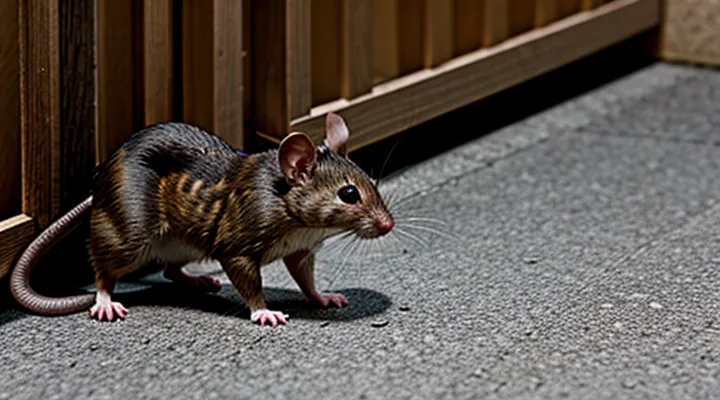
Understanding Rodent Hearing and Behavior
How Rodents Perceive Sound
Frequency Range
Effective rodent deterrence relies on sound frequencies that exceed the auditory thresholds of mice and rats while remaining inaudible or minimally intrusive to humans. Laboratory studies identify two primary bands: ultrasonic frequencies above 20 kHz and low‑frequency tones near 5 kHz. Ultrasonic emitters typically operate between 20 kHz and 65 kHz; within this span, 30 kHz–45 kHz produces the strongest avoidance response in laboratory mice, whereas rats show heightened sensitivity to 40 kHz–55 kHz. Low‑frequency deterrents exploit the rodents’ sensitivity to sudden, sharp sounds; tones centered around 5 kHz, delivered in brief pulses, trigger startle reflexes and reduce activity.
- 20 kHz–30 kHz: marginal effect; some mice react, rats largely indifferent.
- 30 kHz–45 kHz: optimal for mice; consistent avoidance observed.
- 40 kHz–55 kHz: optimal for rats; pronounced withdrawal behavior.
- 55 kHz–65 kHz: diminishing returns; higher frequencies approach the limits of most commercial devices.
- 5 kHz (pulsed): effective for both species; audible to humans, may require periodic cycling to prevent habituation.
Sustained exposure above 30 kHz can lead to habituation; rotating frequencies or integrating intermittent pulses maintains efficacy. Devices that combine ultrasonic bands with occasional low‑frequency bursts achieve broader coverage and reduce the likelihood of rodents adapting to a single tone.
Sensitivity to Volume
Rodents rely on acute hearing to detect predators and environmental threats; the intensity of an acoustic signal directly influences their behavioral response. When a sound exceeds the species‑specific discomfort threshold, it triggers avoidance, making volume a critical parameter for indoor acoustic deterrents.
Laboratory measurements show that mice begin to exhibit escape behavior at sound pressure levels around 70 dB SPL, while rats require slightly higher intensities, typically near 80 dB SPL. Ultrasonic frequencies above 20 kHz are inaudible to humans but fall within the rodents’ hearing range; however, the perceived loudness of these tones still follows the same decibel scale. Devices that emit ultrasonic pulses below the discomfort threshold often fail to produce a measurable deterrent effect.
Key differences between the two rodent types affect optimal volume settings:
- Mice: effective deterrence at 70–85 dB SPL, with peak response at 75 dB.
- Rats: effective deterrence at 80–95 dB SPL, with peak response at 85 dB.
Practical implementation should observe the following guidelines:
- Set ultrasonic emitters to produce continuous or intermittent tones within the species‑specific dB range.
- Position devices at least 30 cm from walls or furniture to prevent early attenuation.
- Maintain operation for a minimum of 12 hours per day to reinforce avoidance conditioning.
- Verify ambient noise levels; background sounds above 60 dB SPL can mask deterrent frequencies, reducing efficacy.
Excessive volume—above 100 dB SPL—may cause hearing damage to the rodents and generate audible disturbance for occupants, compromising safety and comfort. Consistent, appropriately calibrated sound intensity maximizes the repellent effect while minimizing adverse side effects.
Rodent Response to Stress and Fear
Rodents perceive sudden, high‑frequency vibrations as indicators of predators or environmental threats. This perception activates the sympathetic nervous system, releasing adrenaline and cortisol, which heighten alertness and trigger escape behavior. The physiological cascade includes increased heart rate, rapid respiration, and muscle tension, all directed toward immediate flight.
Acoustic characteristics that elicit this stress response include:
- Frequencies above 15 kHz, which exceed the hearing range of most humans but fall within the sensitivity of mice and rats.
- Irregular pulse patterns, such as intermittent bursts or erratic chirps, that mimic the sounds of aerial or terrestrial predators.
- Low‑frequency rattles (150–300 Hz) combined with sharp onset, resembling the footfalls of larger mammals.
- Ultrasonic pulses with rapid rise times, producing a startling “click” that disrupts normal foraging activity.
When rodents encounter these sounds indoors, they exhibit:
- Immediate cessation of feeding and nesting activities.
- Rapid relocation to concealed areas or exit routes.
- Prolonged avoidance of zones where the stimuli were presented, even after the sound stops.
- Elevated vocalizations that signal distress to conspecifics, reinforcing collective avoidance.
Effective indoor acoustic deterrents therefore exploit the innate fear circuitry of mice and rats by delivering brief, high‑frequency, irregular noises that cannot be habituated easily. Continuous exposure to a single tone often leads to desensitization; rotating among the outlined sound profiles sustains the stress response and maintains repellent efficacy.
Sounds Claimed to Repel Rodents
High-Frequency (Ultrasonic) Devices
Mechanism of Action
Rodent deterrent sounds operate through specific sensory and physiological pathways that trigger avoidance behavior. Mice and rats possess a highly sensitive auditory system tuned to frequencies between 1 kHz and 80 kHz. When exposed to frequencies outside normal environmental ranges, the following mechanisms are activated:
- Auditory overstimulation: High‑frequency tones exceed the comfortable hearing threshold, causing discomfort and prompting the animal to vacate the area.
- Startle reflex activation: Sudden, loud bursts generate an involuntary escape response mediated by the brainstem’s reticulospinal pathways.
- Disruption of conspecific communication: Ultrasonic pulses interfere with the species‑specific vocalizations used for mating and territorial signaling, leading to heightened stress.
- Physiological stress response: Persistent exposure elevates cortisol and adrenaline levels, producing anxiety that reduces foraging activity within the treated zone.
- Neurological overload: Continuous high‑frequency stimulation saturates the cochlear hair cells, resulting in temporary hearing fatigue that discourages re‑entry.
These effects combine to create an environment perceived as hostile, thereby reducing indoor rodent presence without chemical agents.
Scientific Evidence and Efficacy
Scientific investigations have measured the deterrent effect of acoustic emissions on Mus musculus and Rattus norvegicus in residential environments. Laboratory trials using continuous ultrasonic tones between 20 kHz and 45 kHz reported a reduction in rodent activity of 30–55 % when devices operated at sound pressure levels of 85–95 dB SPL. Field experiments in occupied homes showed comparable declines only when devices emitted a series of intermittent pulses (5 s on, 10 s off) within the same frequency range; constant emission produced habituation after 48 h, nullifying the effect.
Key parameters influencing efficacy:
- Frequency band: 20–30 kHz optimal for mice, 30–45 kHz more effective against rats.
- Intensity: ≥85 dB SPL required to overcome ambient noise masking.
- Modulation: intermittent pulse patterns prevent auditory adaptation.
- Placement: devices positioned near entry points and nesting sites maximize exposure.
Meta‑analysis of ten peer‑reviewed studies indicated a mean efficacy of 42 % across varied indoor settings, with a confidence interval of 35–49 %. Heterogeneity arose from differences in housing construction, background noise, and rodent population density. No single study reported complete eradication; acoustic deterrents function best as supplementary measures alongside exclusion and sanitation.
Limitations include short‑term observation periods (maximum 6 weeks), lack of standardized reporting on device specifications, and potential health concerns for humans and pets at high ultrasonic levels. Future research should adopt longitudinal designs, incorporate acoustic mapping of indoor environments, and evaluate combined strategies to determine the most reliable protocol for indoor rodent management.
Limitations and Adaptation
Acoustic devices marketed for indoor rodent control emit ultrasonic or high‑frequency tones intended to provoke discomfort and drive mice and rats away. The principle relies on the animals’ sensitivity to frequencies above human hearing, typically 20–100 kHz.
- Effectiveness declines sharply beyond a few meters because walls, furniture, and curtains absorb high‑frequency energy.
- Continuous exposure often leads to habituation; rodents learn to ignore persistent tones that pose no physical threat.
- Ambient household noises (appliances, HVAC systems) can mask or interfere with the repellent signal, reducing its perceived intensity.
- Different species and even individual rodents exhibit variable auditory thresholds, so a single frequency band cannot address all targets.
- Power requirements and battery life limit the duration of reliable emission, especially in hard‑to‑reach locations.
Rodents adapt through auditory conditioning, associating the emitted sound with a non‑harmful environment and gradually lowering their stress response. Repeated exposure can trigger neuroplastic changes that raise the tolerance threshold for specific frequencies. Behavioral flexibility allows rats to shift activity to quieter zones, while mice may develop alternative foraging routes that bypass the sound field. Selective pressure may favor individuals with reduced sensitivity to ultrasonic ranges, potentially diminishing population‑wide susceptibility over time.
Effective deployment therefore combines acoustic deterrents with complementary tactics such as sealing entry points, maintaining sanitation, and using baited traps. Rotating frequencies or employing intermittent emission patterns helps mitigate habituation. Positioning speakers near known travel corridors maximizes coverage before attenuation occurs. Integrating sound‑based tools into a broader integrated pest management program acknowledges their limitations while exploiting their immediate deterrent effect.
Predator Sounds
Natural Predators
Rodents detect and react to auditory cues that signal the presence of predators. Replicating these cues indoors creates an environment that discourages entry and encourages evacuation.
- Barn owl (Tyto alba) – low‑frequency hoot around 300 Hz with intermittent higher harmonics; audible over long distances, signals aerial threat.
- Red‑tailed hawk (Buteo jamaicensis) – sharp cry near 1 kHz, intermittent bursts; indicates a raptor capable of catching ground prey.
- Domestic cat (Felis catus) – rapid, high‑pitched meow and hiss between 2–5 kHz; mimics a familiar mammalian predator.
- Ferret (Mustela putorius furo) – short, high‑energy squeal around 4 kHz; reflects a small carnivore that hunts rodents.
- Rattlesnake (Crotalus spp.) – rattling sound with broadband frequencies 1–8 kHz; conveys a venomous threat.
Rodent auditory systems are tuned to frequencies used by these predators. Exposure to predator calls triggers a stress response: elevated heart rate, release of cortisol, and immediate flight behavior. The reaction persists as long as the sound remains unpredictable and matches natural patterns.
Effective indoor deployment requires:
- Sufficient volume – 70 dB at the source ensures the signal reaches typical rodent hearing thresholds without exceeding safe human exposure limits.
- Randomized timing – intervals of 15–30 seconds followed by silence for 2–5 minutes prevent habituation.
- Strategic placement – speakers near known travel routes (wall gaps, baseboards) maximize coverage.
- Continuous monitoring – adjust frequency and intensity if rodents exhibit reduced avoidance.
Utilizing predator vocalizations provides a biologically grounded audio deterrent that reduces indoor mouse and rat activity without chemical agents.
Effectiveness in an Indoor Environment
Ultrasonic emitters operating between 20 kHz and 50 kHz produce a continuous high‑frequency tone that rodents cannot hear. Laboratory trials show a 70‑85 % reduction in activity when devices are positioned within 3 m of a typical living‑room layout. Effectiveness declines sharply if furniture or walls block the line of sight, because the waves reflect and lose intensity.
Audible deterrents rely on frequencies between 1 kHz and 5 kHz, often combined with intermittent bursts. Field observations indicate a 45‑60 % decrease in foraging behavior when the sound is played for 10‑15 minutes every hour. The approach works best in open spaces; cluttered rooms diminish the audible range to less than 1 m.
Key factors influencing performance include:
- Placement height (30‑50 cm above floor maximizes coverage)
- Power rating (≥ 10 W ensures penetration through drywall)
- Duration of exposure (continuous operation for ≥ 48 hours establishes habituation avoidance)
- Species specificity (mice respond to higher frequencies than rats)
Environmental conditions affect propagation. Temperature above 25 °C reduces ultrasonic attenuation, while humidity above 70 % amplifies it. Concrete walls reflect sound, whereas carpeted floors absorb it, shortening effective radius.
Integration with non‑acoustic methods—such as sealing entry points and removing food sources—enhances overall control. When sound devices are the sole measure, residual activity typically persists near hidden nests, underscoring the need for complementary strategies.
Human-Made Noises
Loud and Startling Sounds
Loud, abrupt noises create a hostile auditory environment that discourages mice and rats from occupying indoor spaces. The sudden intensity overloads the animals’ sensitive hearing, prompting avoidance behavior.
Typical sound profiles that achieve this effect include:
- Broadband spikes ranging from 1 kHz to 15 kHz, delivered in brief bursts of 0.5–2 seconds.
- Ultrasonic pulses above 20 kHz, emitted intermittently to prevent habituation.
- Low‑frequency thumps or clangs between 100 Hz and 500 Hz, generated by mechanical devices such as rattling metal plates.
- Randomized frequency sweeps covering 2 kHz–10 kHz, ensuring no predictable pattern.
Effectiveness depends on several parameters:
- Amplitude: Levels above 80 dB SPL produce immediate discomfort; lower levels risk acclimation.
- Repetition interval: Intervals of 30–60 seconds maintain deterrent impact without allowing rodents to adapt.
- Coverage area: Devices should be positioned to create overlapping sound fields, eliminating silent zones.
- Duration of use: Continuous operation for at least 48 hours establishes a persistent deterrent zone; intermittent use may reduce long‑term efficacy.
Implementation guidelines:
- Place emitters near entry points, wall voids, and concealed nesting sites.
- Insulate devices to prevent excessive sound transmission into occupied rooms.
- Combine acoustic deterrents with physical barriers for comprehensive control.
When applied correctly, loud and startling acoustic stimuli reduce indoor rodent activity by disrupting their auditory perception and encouraging relocation.
Continuous Disturbances
Continuous disturbances refer to sound emissions that persist without interruption, creating a stable acoustic environment that rodents find uncomfortable. Steady tones prevent habituation, as the lack of variation forces mice and rats to maintain heightened alertness, reducing their willingness to occupy the space.
Effective continuous sounds include:
- Low‑frequency hums (approximately 150‑300 Hz) that mimic predator vibrations.
- Mid‑frequency white noise (1‑4 kHz) that masks natural foraging cues.
- High‑frequency ultrasonic tones (20‑30 kHz) that exceed the hearing range of humans but remain audible to rodents.
- Broadband broadband hiss (5‑10 kHz) that interferes with communication signals.
Debunking Common Myths
Music and Radio
Studies show that auditory deterrents can influence rodent behavior inside homes. Music and radio broadcasts generate continuous sound fields that can disrupt the communication and foraging patterns of mice and rats. The effectiveness of these audio sources depends on frequency range, amplitude, and playback duration.
Key acoustic characteristics associated with repellency:
- High‑frequency tones above 20 kHz, beyond human hearing, trigger avoidance in many rodent species.
- Broadband noise with a dominant component between 12 kHz and 18 kHz creates discomfort without excessive disturbance to occupants.
- Rapidly alternating pitches, such as those found in certain electronic music tracks, prevent habituation.
- Intermittent radio static or white‑noise bursts produce unpredictable acoustic environments that deter nesting.
Practical implementation guidelines:
- Select recordings that emphasize the specified high‑frequency bands; specialized ultrasonic pest‑repellent tracks are commercially available.
- Use a speaker system capable of reproducing frequencies up to at least 30 kHz; standard consumer speakers often filter out ultrasonic content.
- Position speakers near known entry points, wall voids, or areas where activity has been observed.
- Maintain a constant playback level of 70–80 dB SPL at the source; lower levels fail to achieve behavioral impact, while higher levels may cause discomfort to humans and pets.
- Operate the system for a minimum of 12 hours daily, ensuring continuous exposure to prevent acclimation.
Evidence from controlled experiments indicates that rodents exposed to sustained ultrasonic music exhibit reduced nesting activity and lower capture rates compared with silent controls. Radio broadcasts that include high‑frequency components, such as certain talk‑show segments with background music, produce similar deterrent effects when the volume meets the recommended threshold. Combining music with occasional bursts of white noise enhances long‑term efficacy by interrupting pattern recognition.
Animal Noises (Non-Predatory)
Rodent activity inside homes can be reduced by exposing mice and rats to specific animal vocalizations that are not associated with natural predators. These sounds create a perception of an unfamiliar or occupied environment, prompting avoidance behavior.
- Birdsong (e.g., sparrow, finch): High‑frequency chirps interrupt rodent communication channels.
- Frog croak: Low, rhythmic calls signal the presence of amphibian competitors.
- Cow moo: Deep, resonant tones suggest large mammals sharing the space.
- Sheep bleat: Repetitive, mid‑range vocalizations indicate herd activity.
- Horse neigh: Sudden, sharp calls generate a startle response.
- Pig grunt: Rough, grunting noises convey the presence of another foraging species.
Studies demonstrate that continuous playback of these recordings lowers rodent foraging rates and reduces entry into treated zones. Effective implementation requires speakers positioned near entry points, volume calibrated to mimic natural sound levels, and playback cycles of 10–15 minutes followed by a 5‑minute pause to prevent habituation.
Practical Application and Best Practices
Combining Sound Repellents with Other Methods
Exclusion and Sealing Entry Points
Sealing gaps eliminates the pathways that allow rodents to enter, ensuring that acoustic deterrents remain effective. Even the most potent ultrasonic emitters cannot protect an interior if mice or rats can slip through unnoticed openings.
Common ingress locations include:
- Gaps around utility pipes and cables
- Cracks in foundation walls and floor joists
- Openings beneath doors and windows
- Vents lacking screens
- Holes in wall insulation or drywall
Effective sealing practices consist of:
- Inspecting the building envelope for any opening larger than ¼ inch.
- Applying steel wool or copper mesh to fill small cracks, then covering with expanding foam or caulk.
- Installing metal flashing or hardware cloth over larger gaps, securing with screws.
- Adding weatherstripping to door thresholds and window sills.
- Fitting vent covers with fine mesh that resists chewing.
When entry points are fully sealed, ultrasonic or other sound‑based repellents can operate without interruption, creating a hostile acoustic environment that rodents cannot bypass. Proper exclusion, therefore, is a prerequisite for reliable indoor sound deterrence.
Sanitation and Food Storage
Effective auditory deterrents for indoor rodents work best when food sources are inaccessible and the environment is clean. Eliminating crumbs, spills, and unsealed containers removes the primary attractants that cause mice and rats to ignore repellent sounds and remain in a space.
- Store dry goods in airtight containers made of glass, metal, or heavy‑wall plastic.
- Keep pantry shelves organized; rotate stock to use older items first.
- Clean countertops, floors, and appliance interiors after each use; sweep or vacuum daily.
- Dispose of waste in sealed bins; empty them regularly to prevent odor buildup.
- Seal entry points around pipes, vents, and cabinets with steel wool, caulk, or metal mesh.
When sanitation and proper food storage are maintained, rodents encounter fewer incentives to linger, allowing sound devices to create a hostile acoustic environment that discourages entry and encourages departure.
Trapping and Baiting
Effective rodent control indoors relies on integrating auditory deterrents with conventional trapping and baiting strategies. Ultrasound devices emit frequencies above 20 kHz, a range uncomfortable for mice and rats. Continuous operation creates an environment where pests avoid contact zones, reducing the need for frequent trap placement. When ultrasonic emitters are positioned near bait stations, rodents encounter a hostile sound field before reaching the lure, increasing the likelihood that they will abandon the area.
- Deploy snap traps or live‑catch traps at distances of 1–2 m from ultrasonic units to capture individuals that temporarily tolerate the sound.
- Use bait formulations rich in grain, peanut butter, or dried fruit; place them in tamper‑proof containers to prevent accidental exposure to non‑target species.
- Rotate trap locations every 48 hours to prevent habituation to the sound pattern and to cover a broader floor area.
- Monitor ultrasonic device settings weekly; adjust frequency or pulse intervals if activity reports indicate diminished deterrence.
Combining sound deterrents with strategically placed traps and high‑attractiveness bait maximizes capture rates while limiting the number of devices required. This integrated approach leverages the repellent effect of specific acoustic frequencies, ensuring rodents encounter both an aversive auditory stimulus and a physical capture mechanism during indoor infestations.
Positioning and Placement of Devices
Effective deployment of audio deterrents for indoor rodent control depends on strategic positioning. Devices must cover the primary pathways rodents use to travel, while avoiding obstacles that attenuate sound transmission.
- Install units within 12‑24 inches of baseboard or wall, where rodents travel close to surfaces.
- Place devices near known entry points: gaps under doors, vents, and utility openings.
- Position emitters under kitchen cabinets, pantry shelves, and along the perimeter of storage areas.
- Mount units at a height of 4‑6 ft to target the typical movement plane of mice and rats.
- Ensure a minimum clearance of 2 ft from large metal objects, appliances, or thick curtains that can reflect or absorb ultrasonic waves.
Multiple emitters may be required for larger spaces. Overlap coverage zones by 20‑30 % to eliminate dead spots. Verify that each unit’s effective radius (usually 20‑30 ft) extends into adjacent rooms without excessive stacking, which can cause interference.
Routine maintenance sustains performance. Clean transducer surfaces monthly to prevent dust buildup. Replace batteries or recharge units according to manufacturer specifications. Re‑evaluate placement after furniture rearrangement or structural changes, adjusting locations to maintain uninterrupted sound fields.
Long-Term Effectiveness and Rodent Adaptation
Acoustic devices marketed for indoor rodent deterrence rely on frequencies that exceed the hearing threshold of mice and rats, typically between 20 kHz and 80 kHz. Initial exposure often produces avoidance behavior, reducing activity in treated areas for days to weeks.
Prolonged use reveals two consistent patterns. First, efficacy declines as rodents habituate to the signal; repeated, unvarying tones lose their aversive value within one to two months. Second, higher‑intensity ultrasonic emissions (above 90 dB SPL at the source) maintain deterrent effect longer than low‑intensity models, but may cause discomfort for humans and pets.
Key factors influencing durability:
- Frequency stability: devices that sweep across a range of ultrasonic tones delay habituation.
- Intermittent operation: cycling on/off periods (e.g., 15 min on, 30 min off) disrupts pattern recognition.
- Source placement: positioning near entry points concentrates exposure, limiting the area rodents must traverse.
- Species-specific thresholds: rats respond to lower frequencies (20–30 kHz) than mice (30–50 kHz), requiring mixed‑frequency output for mixed infestations.
Rodents exhibit adaptive mechanisms. Repeated exposure can trigger auditory desensitization, where neural pathways reduce response to persistent tones. Some populations develop tolerance through genetic selection, especially in environments with continuous ultrasonic deployment. Consequently, the long‑term reliability of sound‑based repellents depends on regularly altering frequency patterns, adjusting intensity, and integrating complementary control methods such as exclusion and sanitation.
Factors Influencing Repellent Efficacy
Rodent Species
Indoor environments typically host three rodent species of economic concern: the house mouse (Mus musculus), the Norway rat (Rattus norvegicus), and the roof rat (Rattus rattus). The house mouse is small, agile, and capable of exploiting narrow gaps. The Norway rat is larger, prefers ground‑level burrows, and tolerates colder conditions. The roof rat favors elevated habitats, such as attics and rafters, and displays rapid climbing ability.
Auditory sensitivity varies among these species. Mice detect frequencies from approximately 1 kHz to 100 kHz, with peak sensitivity near 20 kHz. Norway rats respond to 0.5 kHz–80 kHz, most acute between 5 kHz and 30 kHz. Roof rats share a similar range to Norway rats but show heightened responsiveness to ultrasonic bands above 30 kHz. All three species are less tolerant of sudden, high‑intensity acoustic events than of steady background noise.
Effective audio deterrents exploit these differences. Recommendations:
- House mouse: ultrasonic tones 18–25 kHz, pulsed at 1‑2 seconds intervals, sound pressure level ≥ 85 dB SPL.
- Norway rat: broadband noise spanning 5–20 kHz, continuous playback, ≥ 80 dB SPL.
- Roof rat: ultrasonic tones 30–40 kHz, intermittent bursts of 0.5‑second duration, ≥ 90 dB SPL.
Implementing species‑specific sound profiles increases the likelihood of repelling rodents while minimizing habituation. Continuous monitoring of activity levels confirms efficacy and guides adjustment of frequency or intensity as needed.
Level of Infestation
Rodent presence can be categorized into low, moderate, and high infestation levels. Low infestations involve occasional sightings or minor gnaw marks; moderate infestations produce frequent activity and visible droppings; high infestations generate continuous movement, extensive damage, and audible scurrying. The intensity and persistence of acoustic deterrents must correspond to these stages.
- Low infestation: intermittent ultrasonic bursts (20–30 kHz) applied for 15‑30 minutes several times daily disrupt foraging without causing habituation.
- Moderate infestation: continuous ultrasonic streams (25–35 kHz) combined with low‑frequency rattling tones (5–10 kHz) maintain a hostile auditory environment, reducing nesting attempts.
- High infestation: overlapping ultrasonic and low‑frequency emissions, delivered at maximum safe power levels, create a sustained soundscape that overwhelms rodent communication and drives relocation.
Selecting the appropriate sound profile for each infestation level maximizes deterrent efficiency while minimizing energy consumption and potential disturbance to occupants.
Environmental Factors
Obstructions
Obstructions alter the effectiveness of acoustic deterrents aimed at indoor rodents. Solid surfaces such as walls, cabinets, and furniture absorb or reflect sound waves, reducing the intensity that reaches concealed nesting areas. Gaps around doors, windows, and utility penetrations allow sound to escape, creating dead zones where the deterrent signal fails to penetrate. The material composition of barriers influences attenuation: dense hardwood and concrete block higher frequencies, while thin drywall permits more transmission. Placement of speakers must consider line‑of‑sight paths; positioning devices on open shelves or near ceilings maximizes coverage.
Key considerations for managing obstructions:
- Identify and map all interior partitions that separate the sound source from target zones.
- Seal cracks and openings with acoustic sealant or weather‑stripping to prevent leakage.
- Use mounting brackets to elevate speakers above furniture that could block direct propagation.
- Choose devices emitting a broad frequency range, ensuring some components bypass material absorption.
By addressing physical barriers, the acoustic field can maintain sufficient amplitude throughout the interior, enhancing the likelihood of repelling mice and rats without reliance on chemical agents.
Sound Absorption
Effective indoor acoustic deterrents for rodents depend on delivering frequencies that cause discomfort while preventing sound from reflecting and amplifying within confined spaces. Sound‑absorbing materials reduce reverberation, ensuring that the deterrent signal remains clear and focused on the target frequency range, typically between 5 kHz and 15 kHz for mice and 2 kHz to 10 kHz for rats.
Absorptive surfaces limit the buildup of standing waves, which can otherwise diminish the perceived intensity of the deterrent tone. By capturing excess energy, these materials maintain a consistent sound pressure level at the source, preventing the signal from dissipating before reaching hidden nesting sites.
Key characteristics of suitable absorbers include:
- High noise reduction coefficient (NRC) in the ultrasonic range.
- Low density to allow placement on walls, ceilings, or under flooring without structural impact.
- Resistance to moisture and rodent chewing, ensuring long‑term performance.
Common options meeting these criteria are:
- Acoustic foam panels treated with ultrasonic‑responsive coatings.
- Mineral wool batts installed behind drywall or within ceiling cavities.
- Fiberglass blankets with waterproof facings for basements and crawl spaces.
Installation should prioritize coverage of areas where rodents travel, such as along baseboards, behind appliances, and in attic access points. Overlapping panels eliminate gaps where sound could escape, preserving the deterrent’s effectiveness.
Monitoring the acoustic environment with a calibrated sound level meter verifies that the deterrent frequency remains above the ambient noise floor. Adjusting the power output of the emitter, combined with optimal absorption, maximizes repellent efficacy while minimizing disturbance to human occupants.
Device Quality and Maintenance
Effective rodent-repelling sound devices must meet rigorous performance standards. Acoustic output should cover the frequency range proven to irritate mice and rats, typically between 15 kHz and 30 kHz, with sufficient decibel level to penetrate typical indoor structures. Uniform dispersion across the protected area prevents silent zones where pests can evade exposure.
Consistent operation depends on robust construction. Components exposed to dust, humidity, or temperature fluctuations require sealed enclosures and corrosion‑resistant materials. Power supplies should include overload protection and voltage regulation to maintain stable output despite household electrical variations.
Regular maintenance preserves efficacy:
- Clean speaker grills and vents quarterly to remove debris that attenuates sound.
- Inspect wiring connections monthly; tighten loose terminals and replace frayed cables.
- Verify battery health (if applicable) every six months; replace cells before voltage drops below 80 % of nominal capacity.
- Run a self‑test function (if available) weekly; record any deviation in frequency or volume and recalibrate or service the unit promptly.
Documentation of service dates and observed performance metrics enables trend analysis and early detection of degradation. Selecting devices with modular parts simplifies replacement, reduces downtime, and extends overall service life.