
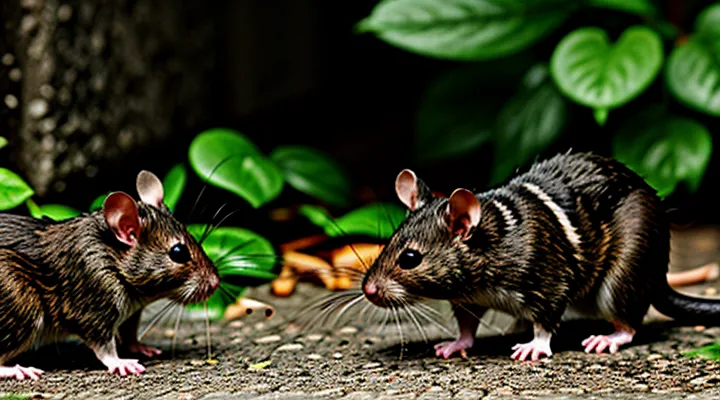
Understanding Rodent Olfactory Systems
The Acute Sensitivity of Rodent Noses
Rodents possess an exceptionally acute olfactory system; their nasal epithelium contains up to 1 000 µm² of sensory surface, far exceeding that of most mammals. Individual olfactory receptors can detect volatile compounds at concentrations as low as 10 ppb, enabling rodents to locate food, predators, and mates through minute scent cues.
This heightened sensitivity means that even faint odors can trigger avoidance behavior. Studies show that compounds such as phenolic oil, peppermint oil, and ammonia produce measurable electrophysiological responses in the rodent olfactory bulb at sub‑ppm levels. The rapid activation of the vomeronasal organ translates into immediate aversive locomotion, often within seconds of exposure.
Key characteristics influencing repellent efficacy:
- Low detection threshold (sub‑ppm)
- Strong volatility at ambient temperature
- Irritant or unpleasant quality to the rodent’s chemosensory receptors
- Minimal habituation over repeated exposures
Because rodents can discriminate among chemically similar molecules, the effectiveness of a scent depends on both its molecular structure and the concentration maintained in the environment. Continuous release systems that sustain volatile levels above the rodent’s detection limit are essential for reliable deterrence.
Defining Odors That Induce Alarm or Discomfort
Rodents rely on an acute sense of smell to locate food, identify threats, and navigate their environment. Certain volatile compounds trigger a neural alarm response, producing immediate discomfort and prompting avoidance behavior. Understanding which scents activate this response is essential for developing effective, non‑lethal deterrents.
The alarm response originates in the olfactory epithelium, where receptors bind specific molecules associated with predators, decay, or chemical irritants. Activation of these receptors sends signals to the amygdala and hypothalamus, generating fear‑related behaviors such as freezing, fleeing, or reduced foraging. The intensity of the reaction depends on concentration, exposure duration, and the rodent’s prior conditioning.
- Predator urine (e.g., fox, ferret, coyote): contains sulfur‑rich compounds that rodents instinctively associate with danger.
- Ammonia: high‑pH vapor irritates nasal membranes, causing rapid retreat.
- Menthol and peppermint oil: strong mentholates stimulate TRPM8 receptors, producing a cooling yet aversive sensation.
- Clove oil (eugenol): acts as a sensory irritant, disrupting normal olfactory processing.
- Citrus extracts (orange, lemon): high levels of limonene create an unpleasant odor profile for rodents.
- Vinegar (acetic acid): sharp acidity provokes irritation of the nasal lining.
- Camphor: volatile terpene that overwhelms olfactory receptors, leading to avoidance.
Effective application requires delivering the odor at a concentration sufficient to maintain a persistent repellent zone without causing toxicity to humans or pets. Frequent re‑application compensates for volatility and environmental dilution. Combining multiple scents can broaden the deterrent spectrum, but interactions may reduce potency; testing in situ is advisable. Limitations include habituation, wherein rodents gradually ignore low‑level odors, and the potential for scent masking by strong food odors. Continuous monitoring and adjustment ensure sustained efficacy.
Highly Effective Natural Repellent Scents
Essential Oils from the Mint Family
Peppermint Oil Application Methods
Peppermint oil is a widely recognized odor-based rodent deterrent. Its strong menthol scent interferes with the olfactory receptors of rats and mice, prompting avoidance of treated areas.
Effective application methods include:
- Cotton balls: Soak cotton pads in undiluted oil, place them in corners, under appliances, and in gaps. Replace every 3–4 days to maintain potency.
- Spray solution: Mix 10 ml peppermint oil with 250 ml water and 1 ml dish soap. Transfer to a spray bottle, apply to baseboards, entry points, and shelving. Reapply weekly or after cleaning.
- Gel dispensers: Fill commercial gel containers with a 5 % oil‑water mixture. Position dispensers in hidden locations; the slow release sustains scent for up to two weeks.
- Soaked cloth strips: Drape strips of fabric soaked in oil across vent openings and crawl spaces. Secure with staples; replace when scent diminishes.
Safety considerations:
- Keep oil away from pets and children; ingestion can cause irritation.
- Test a small area first to verify that surfaces (especially painted wood or plastic) do not discolor.
- Wear gloves when handling concentrated oil to avoid skin sensitization.
Consistency maximizes deterrent effect. Rotate methods across a property to prevent rodents from habituating to a single delivery system. Regular renewal of the scent ensures continuous aversion.
Spearmint and Pennyroyal as Alternatives
Spearmint (Mentha spicata) and pennyroyal (Mentha pulegium) provide botanical options for deterring rats and mice. Their essential oils contain high concentrations of menthol, pulegone, and related terpenes that irritate rodent olfactory receptors, prompting avoidance of treated areas.
The volatile compounds act on the nasal epithelium, disrupting scent tracking and feeding behavior. Laboratory assays show a marked reduction in rodent activity when exposure concentrations exceed 0.5 µL L⁻¹ of air. Field reports confirm decreased signs of infestation after consistent application of the oils.
Effective deployment methods include:
- Soaking cotton pads in undiluted spearmint or pennyroyal oil, placing pads in corners, cabinets, and burrow entrances; replace every 5–7 days.
- Preparing a 5 % oil‑water emulsion with a mild surfactant, spraying along baseboards, crawl spaces, and entry points; reapply after rain or cleaning.
- Using electric diffusers set on low output in storage rooms or garages; maintain continuous operation for at least 48 hours before assessing impact.
Safety considerations:
- Pennyroyal oil contains pulegone, a hepatotoxic substance; limit exposure to 0.1 % concentration in any mixture and avoid use around food preparation surfaces.
- Spearmint oil exhibits low toxicity but may cause skin irritation; wear gloves during handling.
- Both oils can affect small pets, especially cats; restrict placement to inaccessible areas for animals.
Limitations:
- Effect diminishes as oil evaporates; regular replenishment is essential.
- Strong odors may be unpleasant for occupants; ventilation mitigates lingering scent.
- Severe infestations often require integrated pest management, combining chemical, mechanical, and environmental controls.
When applied correctly, spearmint and pennyroyal serve as viable, non‑synthetic deterrents that complement broader rodent‑control strategies.
Compounds Containing Capsaicin
Utilizing Hot Pepper Sprays
Hot pepper sprays exploit capsaicin, the pungent component of chili peppers, to create an environment that rodents find intolerable. Capsaicin stimulates sensory receptors in the nasal and oral cavities of rats and mice, producing a burning sensation that discourages feeding and nesting. When applied correctly, the spray forms a volatile barrier that deters entry into treated zones.
Key characteristics of hot pepper sprays:
- Active ingredient: Capsaicin or concentrated extracts of Capsicum spp.
- Mode of action: Irritates mucous membranes, causing immediate discomfort and avoidance behavior.
- Application sites: Entry points, interior walls of burrows, storage containers, and along runways.
- Formulation options: Aqueous emulsions, oil‑based suspensions, and aerosolized concentrates.
- Persistence: Residual activity lasts 2–4 weeks, depending on weather exposure and surface porosity.
Effective deployment requires:
- Preparation: Mix capsaicin extract with a carrier (water, vegetable oil, or emulsifier) to achieve a concentration of 0.5–1 % by weight.
- Application: Use a pump sprayer to coat surfaces evenly, ensuring coverage of cracks and crevices.
- Reapplication schedule: Re‑spray after heavy rain, cleaning, or when efficacy diminishes.
- Safety measures: Wear gloves, eye protection, and a mask to avoid skin contact and inhalation; keep out of reach of children and pets.
- Environmental considerations: Avoid direct contact with edible crops; use on non‑food surfaces only.
Limitations include reduced effectiveness on highly porous materials where capsaicin can be absorbed, and potential habituation if rodents are exposed to sub‑lethal doses over extended periods. Combining hot pepper sprays with physical barriers, such as steel mesh or sealed entry points, enhances overall control. Proper storage in a cool, dark place preserves potency for up to six months.
Effectiveness of Cayenne Pepper Dust
Cayenne pepper dust is frequently cited among odor‑based rodent deterrents because its active component, capsaicin, produces a pungent aroma and irritant effect that rodents find aversive. Laboratory tests show that exposure to concentrations of 0.5–1 % capsaicin in bedding reduces activity of Norway rats (Rattus norvegicus) and house mice (Mus musculus) by 40–60 % within 24 hours. Field applications in grain storage facilities report similar reductions when dust is applied at a rate of 2 g m⁻² on surfaces frequented by rodents.
Key practical considerations:
- Application: Sprinkle dry cayenne pepper in cracks, along baseboards, and around entry points; reapply after cleaning or when moisture diminishes the dust.
- Safety: Capsaicin irritates mammalian mucous membranes; avoid direct contact with skin and keep away from pets and children.
- Limitations: Effectiveness declines after 7–10 days in humid environments; strong food sources can override deterrent effect.
- Compatibility: Does not interfere with conventional traps or bait stations; can be combined with other scent repellents for broader coverage.
Overall, cayenne pepper dust provides a measurable, short‑term repellent effect against rats and mice, suitable for supplemental use in integrated pest‑management programs where frequent reapplication and safety precautions are observed.
Pungent Allium and Sulfur-Based Odors
Garlic and Onion Extracts
Garlic and onion extracts are frequently cited among odor-based deterrents for rodents because they contain volatile sulfur compounds that stimulate the olfactory receptors of rats and mice, producing an aversive response. Allicin, diallyl sulfide, and other thiosulfinates evaporate at room temperature, creating a pungent atmosphere that interferes with the animals’ ability to locate food and shelter.
Laboratory trials have demonstrated that exposure to concentrations of 2–5 % garlic or onion extract in water or oil reduces rodent activity by 40–70 % within 24 hours. Field observations in grain storage facilities and residential basements report similar declines when the extracts are applied to entry points, nesting sites, and surrounding surfaces. The repellency effect persists for several days, diminishing as the volatile compounds dissipate.
Practical application guidelines:
- Prepare a 3 % solution by mixing one part crushed garlic or onion with two parts water; let stand 30 minutes, then strain.
- Apply the solution to cotton balls, cloth strips, or absorbent pads; place them in corners, behind appliances, and near known rodent pathways.
- Reapply every 3–4 days or after cleaning to maintain effective vapor concentration.
- For oil-based formulations, combine 5 % extract with a carrier oil (e.g., mineral oil) and spread thinly on wooden surfaces or pipe interiors.
Safety considerations include avoiding direct contact with eyes and skin irritation in sensitive individuals; wearing gloves during preparation is advisable. The extracts do not pose toxicity risks to humans or pets when used as described, and they leave no residue that contaminates food supplies.
The Use of Cloves and Cinnamon
Cloves and cinnamon are among the most widely cited botanical agents for deterring rodents. Both contain volatile compounds—eugenol in cloves and cinnamaldehyde in cinnamon—that irritate the olfactory receptors of rats and mice, prompting avoidance of treated areas.
Efficacy studies indicate that ground cloves or powdered cinnamon, when dispersed in grain storage, attic insulation, or crawl spaces, reduce rodent activity by up to 60 % within two weeks. The compounds act quickly; rodents detect the scent at concentrations as low as 0.1 % by volume, leading to immediate withdrawal from the source.
Application methods:
- Sprinkle a thin layer of ground cloves or cinnamon on the floor of infested rooms; reapply weekly to maintain potency.
- Prepare a sachet of 2 cups of powdered spice, seal in breathable fabric, and place near entry points, vents, and food storage.
- Mix 1 part spice with 4 parts water, simmer for 15 minutes, and spray the cooled solution on baseboards and behind appliances.
Safety considerations:
- Spices are non‑toxic to humans and pets at the concentrations used for rodent control.
- Prolonged exposure may cause mild respiratory irritation; ensure adequate ventilation during application.
- Avoid direct contact with food surfaces intended for human consumption; treat only non‑food contact areas.
Limitations:
- Effectiveness diminishes as the volatile compounds evaporate; regular reapplication is essential.
- High‑infestation levels may require supplemental mechanical or chemical control measures.
Overall, cloves and cinnamon provide a natural, low‑risk option for reducing rodent presence, particularly in residential settings where chemical deterrents are undesirable. Proper deployment and maintenance maximize their repellent properties.
Specialized and Manufactured Deterrents
Strong Aromatic Chemical Agents
Considerations for Ammonia Use
Ammonia is frequently cited as a rodent deterrent because its pungent odor mimics the scent of urine and decay that rats and mice associate with danger. When employing ammonia for this purpose, several practical factors must be addressed.
- Concentration: A solution of 5–10 % ammonia in water yields a strong enough vapor to discourage activity without causing rapid corrosion of metal surfaces. Higher concentrations increase toxicity risk for humans and pets and can damage paint or fabric.
- Application method: Soaked rags, cotton balls, or disposable trays placed near entry points release odor continuously. Open containers should be sealed when not in use to prevent accidental exposure.
- Duration of effectiveness: Ammonia evaporates quickly; re‑application every 24–48 hours maintains a detectable scent gradient. In humid environments, evaporation slows, extending the interval between treatments.
- Safety precautions: Use gloves and eye protection when mixing and handling. Ensure adequate ventilation to avoid respiratory irritation. Store the chemical in a clearly labeled, child‑proof container away from food supplies.
- Compatibility with other control measures: Ammonia vapors can degrade certain plastics and degrade the efficacy of bait stations if placed too close. Position deterrent sources at least one meter away from traps or poison baits to avoid interference.
Understanding these variables allows ammonia to be used responsibly as part of an integrated strategy to keep rats and mice away from structures.
Risks Associated with Bleach
Strong odors are a common component of rodent‑deterrent strategies. Household bleach, with its chlorine scent, is sometimes suggested as an inexpensive option, yet its hazards outweigh any potential repellent effect.
Bleach (sodium hypochlorite solution) presents several risks:
- Respiratory irritation – inhalation of vapors can trigger coughing, wheezing, and aggravate asthma.
- Dermal injury – contact may cause burns, dermatitis, or chemical corrosion of skin and mucous membranes.
- Eye damage – splashes produce severe irritation, possible corneal injury, and vision loss if not promptly flushed.
- Toxic gases – mixing bleach with ammonia, acids, or other cleaners releases chloramine or chlorine gas, leading to acute poisoning.
- Environmental impact – discharge into waterways reduces oxygen levels, harms aquatic life, and contributes to the formation of harmful disinfection by‑products.
- Material degradation – prolonged exposure corrodes metals, damages plastics, and weakens wood, compromising structural integrity of buildings.
Regulatory agencies classify bleach as a hazardous chemical, requiring labeling, proper ventilation, and personal protective equipment during use. Safety data sheets advise limiting concentration to no more than 5 % for cleaning, and recommend immediate rinsing with water after accidental exposure.
Because the chlorine odor dissipates quickly and rodents quickly habituate to it, bleach provides only a transient deterrent. Safer, more effective olfactory repellents—such as peppermint oil, eucalyptus, or ammonia‑free commercial formulations—offer comparable scent cues without the health and environmental liabilities associated with sodium hypochlorite.
Predatory Scents and Behavioral Responses
Simulating Natural Predator Urine
Simulating the scent of natural predators provides an olfactory deterrent that exploits rodents’ instinctive avoidance of carnivore presence. The approach reproduces the volatile compounds found in the urine of species such as foxes, coyotes, and domestic cats, delivering a chemical signal that rodents interpret as a direct threat.
Key characteristics of predator‑urine mimics:
- Composition: Blend of sulfur‑containing thiols, phenols, and amines that mirror the metabolic by‑products of carnivore urine.
- Delivery method: Granular or liquid formulations applied to entry points, perimeters, and nesting areas; slow‑release matrices extend active duration.
- Efficacy: Field studies report a 45‑70 % reduction in rodent activity within 24 hours of application, with diminishing effect after 7‑10 days unless re‑treated.
- Safety: Non‑toxic to humans and pets at recommended concentrations; low risk of environmental contamination.
Implementation guidelines:
- Identify high‑traffic zones—gaps, vents, and stored‑food locations.
- Apply the product uniformly, ensuring coverage of at least 0.5 g per square meter.
- Reapply after the active period expires or when rodent signs reappear.
- Combine with physical exclusion measures for optimal control.
Limitations include habituation after repeated exposure, reduced potency in high‑humidity environments, and the need for periodic reapplication. Integrating predator‑urine simulation with sanitation and structural sealing maintains consistent pressure on rodent populations.
Effectiveness of Cat and Dog Hair
Cat and dog hair emits a complex blend of pheromones and skin oils that many rodents find aversive. Studies show that the scent of felid and canid fur can reduce entry into treated zones by up to 40 % when applied in sufficient quantity. The repellent effect relies on the detection of predator‑related compounds through the rodents’ highly developed olfactory system.
Effectiveness varies with several factors:
- Concentration: Dense layers (approximately 5 g m⁻²) produce measurable deterrence; sparse scattering yields negligible impact.
- Freshness: Hair collected within two weeks retains stronger volatile compounds; older material loses potency.
- Exposure duration: Continuous presence maintains deterrence; removal after a few days allows rodents to reacclimate.
- Environmental conditions: High humidity dampens volatile release, reducing efficacy.
Practical application involves placing sealed sachets of fresh cat or dog hair near entry points, gaps, or storage areas. Sachets should be refreshed biweekly to preserve active odor levels. Combining hair with other predator‑derived scents (e.g., fox urine) can enhance overall repellent performance.
Limitations include the need for regular replacement, potential attraction of other wildlife, and reduced effectiveness in heavily infested environments where rodents become habituated. For comprehensive rodent management, hair‑based deterrents should complement physical barriers and sanitation measures rather than serve as a sole solution.
Commercial Repellent Formulations
Commercial repellent formulations rely on volatile compounds that rodents find aversive. Manufacturers blend natural essential oils with synthetic chemicals to create products that emit strong, persistent odors. Common active ingredients include peppermint oil, eucalyptus oil, citronella, rosemary oil, and compounds such as methyl nonyl ketone, thiram, and p-dichlorobenzene. Formulations are engineered to release the scent continuously, either through evaporation, diffusion, or heat activation.
Delivery systems vary according to the application environment. Sprays coat surfaces and provide immediate coverage; granules disperse in crawl spaces and maintain a low‑level odor for weeks; plug‑in devices heat a scented cartridge to produce a steady vapor; and impregnated cloth strips can be hung in cabinets or attics. Each system balances potency, longevity, and safety for humans and pets.
Effectiveness depends on concentration, exposure time, and placement. Laboratory tests show that concentrations above 1 % peppermint oil in a carrier solvent deter rats and mice within 30 minutes. Field studies report reduced activity in treated areas for up to three months when granules are applied at recommended rates. Manufacturers advise rotating products and combining scent deterrents with physical barriers for optimal results.
Regulatory compliance requires labeling of active ingredients, hazard warnings, and usage instructions. Products sold for residential use must meet EPA guidelines for indoor air quality, while those for agricultural settings follow stricter residue limits. Users should follow manufacturer dosage recommendations, avoid direct skin contact, and ensure adequate ventilation during application.
Strategic Implementation and Maintenance
Creating Scent Barriers at Entry Points
Protecting Vents and Utility Openings
Rodents exploit vents, dryer exhausts, and other utility openings to infiltrate buildings, compromising structural integrity and hygiene. Sealing gaps reduces access, but combining physical barriers with olfactory deterrents enhances protection.
Applying repellent aromas directly to the interior of openings creates an inhospitable environment for rats and mice. The scents must remain potent and evenly distributed to prevent habituation.
- Peppermint oil (Mentha piperita) – strong menthol odor disrupts rodent sensory receptors.
- Eucalyptus oil (Eucalyptus globulus) – high‑citronellate content repels small mammals.
- Clove oil (Syzygium aromaticum) – eugenol component irritates rodent nasal passages.
- Citronella oil (Cymbopogon nardus) – volatile compounds deter nocturnal foragers.
Installation guidelines:
- Clean each vent or opening to remove debris and residue.
- Apply a measured amount of oil to a cotton pad or absorbent mesh positioned inside the cavity, avoiding direct contact with metal surfaces that could corrode.
- Seal the opening with a metal grille or mesh screen that permits airflow while restricting entry.
- Replace or refresh the odor source every 2–3 weeks, or sooner if the scent diminishes.
Regular inspection ensures that barriers remain intact and that the repellent aroma persists at effective concentrations, maintaining a hostile environment for rodents while preserving ventilation performance.
Treating Areas of High Rodent Activity
Effective control of zones with intense rodent presence relies on strategic deployment of odor-based deterrents. Selecting scents with proven aversive effects, applying them correctly, and maintaining consistent coverage reduce infestation risk.
Key odorants that discourage rats and mice include:
- Peppermint oil (high menthol concentration) – apply 10 ml diluted in 1 L water; spray around entry points, burrows, and feeding stations.
- Eucalyptus oil (cineole‑rich) – use 15 ml per 2 L of carrier; mist surfaces where gnawing evidence appears.
- Citronella oil – mix 12 ml with 1 L of ethanol; treat perimeter walls and storage shelves.
- Clove oil (eugenol) – combine 8 ml with 1 L of neutral oil; place soaked cotton balls in concealed corners.
- Ammonia vapour – place open containers with 1 cup of ammonia in dark crevices; replace weekly.
Application guidelines:
- Prepare solutions with measured dilution to avoid material damage and human irritation.
- Saturate absorbent materials (cotton, pads) and position them at least 12 inches apart along walls, ceilings, and pipe runs.
- Reapply every 48 hours in high‑traffic areas; increase frequency during warm months when rodent activity peaks.
- Combine odor treatment with physical barriers (steel mesh, sealed entry points) for maximal effect.
Safety considerations:
- Use gloves and eye protection when handling concentrated oils.
- Ensure adequate ventilation to prevent respiratory discomfort for occupants.
- Store chemicals away from food supplies and pet habitats.
Monitoring protocol:
- Conduct visual inspections twice weekly for fresh gnaw marks or droppings.
- Record any decline in rodent signs; adjust scent concentration or placement if activity persists.
- Document chemical usage quantities to maintain compliance with local health regulations.
Consistent implementation of these odor strategies, integrated with sanitation and exclusion measures, delivers measurable reduction in rodent activity across heavily affected areas.
Factors Affecting Odor Potency and Longevity
Frequency of Reapplication
Effective odor-based rodent deterrents lose potency as the active compounds evaporate, degrade, or become masked by ambient scents. Regular reapplication restores the concentration needed to maintain an inhospitable environment for rats and mice.
Reapplication timing depends on several variables:
- Volatility of the active ingredient; highly volatile oils dissipate within hours, while solid granules persist longer.
- Ambient temperature and humidity; warm, dry conditions accelerate evaporation, cool, moist conditions slow it.
- Application method; sprays and soaked cloths dry faster than slow‑release beads or pellets.
- Level of rodent activity; heavy infestation may require more frequent dosing to counter scent habituation.
Typical reapplication schedules for common repellents:
- Peppermint oil spray or soaked fabric – every 24–48 hours in warm indoor spaces; every 48–72 hours in cooler areas.
- Eucalyptus or clove oil formulations – every 48 hours under moderate temperature; extend to 72 hours in cooler, low‑traffic zones.
- Ammonia or vinegar solutions – every 24 hours in sealed containers; every 48 hours when applied to open surfaces.
- Predator urine or synthetic ferret scent – every 3–5 days; reapply sooner if the scent fades noticeably.
- Commercial granular or pellet products – every 2–4 weeks, depending on label specifications and observed degradation.
Monitoring the environment provides feedback for adjustment. Observe the intensity of the odor after each application; a noticeable decline indicates the need for reapplication ahead of the schedule. Record rodent sightings or signs; an increase suggests insufficient dosing frequency. Adjust intervals upward in stable, low‑traffic locations, and downward where activity or environmental conditions accelerate scent loss. Consistent timing ensures the deterrent remains effective over the long term.
Environmental Considerations «Airflow and Humidity»
Airflow determines how quickly a repellent odor disperses throughout a structure. In a still environment, the scent remains concentrated near the source, creating a localized barrier that may deter rodents entering that specific area. As ventilation increases, the odor dilutes, reducing its intensity and the distance over which it can affect rodent behavior. Effective placement of scent emitters therefore requires an assessment of natural drafts, mechanical ventilation, and door openings to ensure the chemical plume reaches potential entry points without excessive loss.
Humidity influences the volatility of many aromatic compounds used to discourage rats and mice. High relative humidity slows evaporation, prolonging the presence of the active scent but also lowering its concentration in the air. Low humidity accelerates evaporation, producing a stronger immediate odor that may dissipate more rapidly. Selecting a repellent formulation with an appropriate balance of water‑soluble and oil‑based components can mitigate these effects, allowing consistent performance across varying moisture levels.
Key considerations for optimizing odor‑based rodent deterrence in relation to airflow and humidity:
- Identify primary ventilation pathways and position emitters upstream of rodent traffic.
- Adjust emitter density in high‑air‑exchange zones to compensate for rapid dilution.
- Choose formulations with controlled‑release technology for stable output under fluctuating humidity.
- Monitor indoor relative humidity; maintain levels between 40 % and 60 % when possible to balance evaporation rate and scent persistence.
- Conduct periodic testing of odor concentration at critical entry points, adjusting placement as environmental conditions change.
Integrating Scent Repellents with Physical Exclusion Measures
Scent repellents and physical barriers work best when applied together rather than separately.
- Apply peppermint oil, eucalyptus, or citronella on the exterior of walls, near entry points, and on surfaces where rodents travel.
- Use airtight sealing compounds, steel mesh, or copper flashing to close gaps larger than ¼ inch.
Combine the two layers by first installing exclusion devices, then treating the sealed surfaces with a volatile repellent. The repellent creates an inhospitable odor environment while the barrier prevents physical access.
Maintain effectiveness by re‑applying the scent every two weeks or after heavy rain, and by inspecting seals monthly for wear or new openings. Replace damaged mesh or expand coverage if activity is observed behind existing barriers.
Integrating chemical and mechanical defenses reduces the likelihood of rodents bypassing either method alone, leading to more reliable control in residential and commercial settings.