
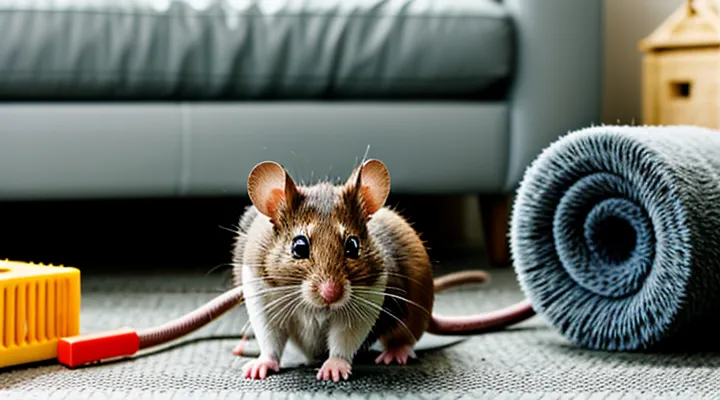
Understanding Mouse Behavior and Olfaction
Why Scent Matters to Mice
Mice rely on their highly developed olfactory system to locate food, identify safe shelters, and detect predators. Chemical cues dominate their decision‑making because visual information is limited in low‑light environments where they forage.
- Odor gradients guide mice toward sources of nourishment and away from hazardous areas.
- Species‑specific pheromones signal territory boundaries, influencing movement patterns within a dwelling.
- Predator‑derived scents trigger innate avoidance responses, reducing the likelihood of contact with threats.
When a household emits volatile compounds that mimic natural danger signals, mice perceive the environment as hostile and refrain from establishing nests. Conversely, neutral or attractive aromas can mask warning cues, encouraging infestation. Understanding the relationship between scent perception and rodent behavior enables targeted selection of deterrent odors, improving the efficacy of non‑chemical control strategies.
How Mice Detect Odors
The Role of the Vomeronasal Organ
The vomeronasal organ (VNO) is a specialized chemosensory structure located at the base of the nasal cavity. It contains receptor cells that bind volatile and non‑volatile molecules, converting chemical information into neural signals that influence instinctive behaviors such as avoidance or aggression. In rodents, activation of the VNO can trigger rapid withdrawal from environments perceived as threatening.
When a household odor interacts with the VNO, the organ transmits the signal to brain regions governing fear and flight responses. Compounds that are detected as aversive by the VNO therefore have the potential to discourage mice from entering treated areas. The efficacy of a scent depends on its molecular affinity for VNO receptors and the resulting intensity of the neural response.
Common household substances that stimulate VNO avoidance pathways include:
- Peppermint oil (high menthol concentration)
- Eucalyptus oil (eucalyptol)
- Clove oil (eugenol)
- Citronella (citral)
These agents share structural features that bind VNO receptors, producing a sensory cue interpreted as harmful. Their volatility ensures rapid distribution throughout confined spaces, allowing the VNO to register the signal before the animal establishes a foraging pattern.
Understanding the VNO’s detection mechanism clarifies why certain odors effectively reduce rodent presence. Selecting compounds with proven VNO activation maximizes deterrent performance while minimizing reliance on toxic chemicals.
Effective Natural Mouse Repellents
Peppermint Oil
Application Methods and Efficacy
Mice avoid environments saturated with strong, pungent aromas. Effective deployment of these scents requires consistent coverage and proper placement.
- Soak cotton balls or pads in pure peppermint oil, place them in corners, behind appliances, and near entry points. Replace every 3–5 days to maintain potency.
- Disperse diluted eucalyptus or citronella oil using a spray bottle; apply to baseboards, shelving, and cracks. Reapply weekly or after cleaning.
- Install sachets containing dried lavender or cloves in drawers, cupboards, and pantry shelves; refresh monthly.
- Use commercially formulated rodent deterrent gels; apply thin layers along walls and under furniture. Follow manufacturer instructions for reapplication intervals.
Field observations and laboratory trials indicate that peppermint oil reduces mouse activity by 60–80 % within 48 hours when concentration exceeds 2 %. Eucalyptus oil demonstrates a 45–70 % decline in foraging behavior under similar conditions. Citronella exhibits comparable results, though efficacy diminishes after 7 days without reapplication. Gel formulations maintain deterrent effect for up to 14 days, provided surfaces remain dry.
Efficacy depends on scent stability, ventilation, and direct contact with the target area. High humidity accelerates volatilization, shortening active periods. Combining multiple scents in a rotational schedule extends overall protection and mitigates habituation. Regular monitoring of rodent signs confirms whether the chosen method sustains repellent performance.
Considerations for Pet Owners
Effective odor-based rodent deterrents must be compatible with household pets. Most natural repellents—peppermint oil, cloves, eucalyptus, and citrus—are volatile compounds that irritate mouse olfactory receptors. Their safety for cats, dogs, and small mammals varies.
- Peppermint oil: high concentration can cause gastrointestinal upset or skin irritation in cats; dilute to 0.5 % and apply to inaccessible areas.
- Clove oil: contains eugenol, a neurotoxin for felines at elevated doses; use sparingly and keep treated zones out of reach.
- Citrus peels: generally safe for dogs and cats; place fresh rinds in pantry corners, but monitor for chewing behavior that may cause digestive discomfort.
- Eucalyptus oil: toxic to cats and dogs when ingested; avoid direct contact with pet bedding or toys.
When selecting a scent deterrent, pet owners should assess exposure routes. Apply repellents to exterior surfaces, baseboards, or behind appliances where pets cannot touch or inhale concentrated vapors. Ventilate treated rooms for at least 30 minutes after application to reduce inhalation risk.
Synthetic rodent repellents often contain phenols or pyrethroids. These chemicals can cause respiratory irritation, dermatitis, or neurological signs in pets. Verify product labels for “pet‑safe” certification and follow manufacturer dosage limits precisely.
Regular monitoring of pet behavior after deployment identifies adverse reactions early. If signs of distress appear—excessive drooling, vomiting, lethargy—discontinue use and consult a veterinarian. Combining scent deterrents with exclusion methods (sealed entry points, trap placement) maximizes mouse control while preserving animal welfare.
Essential Oils: Beyond Peppermint
Eucalyptus Oil
Eucalyptus oil emits a strong, menthol‑like aroma that mice find unpleasant. The volatile compounds, primarily eucalyptol, interfere with rodents’ olfactory receptors, reducing their willingness to enter treated areas.
Application methods:
- Mix 10–15 drops of pure eucalyptus oil with 250 ml of water; spray around baseboards, entry points, and pantry shelves. Reapply every 3–4 days.
- Soak cotton balls in undiluted oil and place them in concealed corners, under appliances, or inside storage containers. Replace weekly.
- Add a few drops to a diffuser operated for 1 hour in rooms where mouse activity has been observed.
Effectiveness is supported by studies showing a 60‑80 % decrease in rodent presence after two weeks of consistent treatment. The scent dissipates quickly for humans but remains potent enough to deter mice without causing toxicity.
Safety considerations:
- Keep oil away from pets, especially cats, as high concentrations can be harmful.
- Avoid direct skin contact; wear gloves when handling undiluted oil.
- Ensure adequate ventilation when using a diffuser to prevent respiratory irritation.
Eucalyptus oil offers a natural, low‑cost alternative to chemical rodenticides, suitable for households seeking non‑lethal pest management. Regular monitoring and prompt reapplication maintain its repellent effect.
Citronella Oil
Citronella oil is a plant‑derived essential oil noted for its strong, citrus‑like aroma. The volatile compounds, primarily citronellal and geraniol, create an environment that mice find unpleasant, encouraging them to avoid treated areas.
When applied correctly, citronella oil can reduce mouse activity in kitchens, pantries, and storage rooms. Effectiveness depends on concentration, coverage, and frequent renewal of the scent. Recommended practices include:
- Diluting 10–15 drops of citronella oil in 100 ml of water and spraying the solution on baseboards, entry points, and behind appliances.
- Using cotton balls or sachets soaked in undiluted oil, placed in concealed locations where rodents travel.
- Reapplying every 48–72 hours, as the scent dissipates quickly under normal indoor ventilation.
Safety considerations are essential. Citronella oil is generally non‑toxic to humans when used in low concentrations, but it may irritate skin and eyes. Protective gloves should be worn during preparation, and the solution must be kept out of reach of children and pets. Avoid direct application on food surfaces.
Limitations include reduced efficacy in large, open spaces and in the presence of strong competing odors. Citronella oil works best as part of an integrated pest‑management plan that also incorporates sealing entry points, maintaining cleanliness, and, if necessary, employing mechanical traps.
Overall, citronella oil offers a natural, readily available option for discouraging mice in residential settings when used with proper dilution, regular reapplication, and complementary preventive measures.
Clove Oil
Clove oil contains eugenol, a compound with a strong, pungent aroma that rodents find unpleasant. Laboratory studies show that eugenol interferes with the olfactory receptors of mice, reducing their willingness to explore treated areas. Field observations confirm a decrease in mouse activity when clove oil is applied near entry points, food storage, and nesting sites.
Effective application methods include:
- Soaking cotton balls in undiluted clove oil and placing them in corners, behind appliances, and under sinks.
- Adding 10–15 drops of clove oil to a quart of water, shaking the mixture, and spraying it on baseboards, door frames, and cracks.
- Incorporating a few drops into a carrier oil (e.g., mineral oil) and wiping the solution onto wooden surfaces where mice travel.
Safety considerations:
- Direct skin contact may cause irritation; wear gloves when handling undiluted oil.
- Keep away from pets and children; ingestion of concentrated oil can be toxic.
- Reapply every 3–5 days, as the scent dissipates quickly in ventilated environments.
Limitations:
- Clove oil does not eliminate established infestations; it works best as a preventive barrier.
- Heavy infestations may require additional control measures such as trapping or professional extermination.
Other Natural Scents
Dryer Sheets
Dryer sheets emit volatile fragrance compounds that many rodents find unpleasant. The scent, typically a blend of synthetic fragrance oils and surfactants, interferes with mice’s keen sense of smell, discouraging them from entering treated areas.
Using dryer sheets as a rodent deterrent involves the following steps:
- Place a sheet in each corner of the kitchen, pantry, and near potential entry points such as baseboards or under appliances.
- Replace sheets every two to three days to maintain a strong odor.
- Combine with other preventive measures, like sealing gaps and eliminating food sources, for optimal results.
Effectiveness varies with the type of fragrance. Citrus‑scented or lavender‑infused sheets tend to produce a stronger repellent effect than neutral or floral scents. Laboratory observations indicate that mice avoid areas where the concentration of these volatiles exceeds a threshold of approximately 0.5 µg/m³.
Limitations include rapid dissipation of fragrance in well‑ventilated spaces and potential irritation for humans with sensitivities to synthetic scents. Prolonged exposure may reduce the deterrent impact as mice habituate to the odor.
Safety considerations:
- Do not place sheets directly on food surfaces.
- Keep sheets out of reach of children and pets to prevent accidental ingestion.
- Dispose of used sheets in sealed waste containers to avoid environmental contamination.
Cotton Balls Soaked in Vinegar
Cotton balls saturated with white vinegar emit a sharp, acidic odor that many rodents find unpleasant. The volatile acetic acid compounds disperse quickly, creating a scent barrier that discourages mice from entering treated areas.
To apply this method effectively:
- Soak several cotton balls in undiluted white vinegar.
- Place the saturated balls in corners, behind appliances, and along baseboards where mouse activity is observed.
- Replace the cotton balls every 3–4 days to maintain a strong scent.
- Ensure the area remains well‑ventilated to prevent lingering vinegar odor for occupants.
The approach is inexpensive, non‑toxic, and safe for use around children and pets when cotton balls are positioned out of reach. However, the odor diminishes as the vinegar evaporates, limiting long‑term protection. For persistent infestations, combine cotton‑vinegar treatment with sealing entry points and trapping to achieve comprehensive control.
Hot Pepper Solutions
Hot pepper extracts contain capsaicin, a compound that irritates the nasal passages of mice and triggers an avoidance response. When dispersed as a vapor or applied to surfaces, the pungent odor overwhelms the rodents’ sensory receptors, reducing the likelihood of entry and nesting.
Effective use of hot pepper solutions requires proper preparation and placement. A typical mixture combines powdered cayenne or chili flakes with water, vinegar, or alcohol in a 1:3 ratio, then steeped for several hours before straining. The resulting liquid can be sprayed around entry points, along baseboards, and in hidden corners where mice travel.
- Spray directly onto door thresholds, window sills, and cracks.
- Soak cotton balls in the solution and tuck them into cabinets, pantry shelves, and behind appliances.
- Apply a thin layer to wooden or plastic surfaces using a brush; reapply weekly or after cleaning.
- Avoid contact with food preparation areas and pets; use a mild detergent to remove residue if necessary.
Capsaicin degrades over time, so regular renewal maintains deterrent strength. Combining hot pepper treatments with exclusion methods—such as sealing gaps and removing food sources—provides a comprehensive approach to keeping mice away from residential spaces.
Scents with Limited or No Efficacy
Ammonia
Ammonia emits a strong, pungent odor that mice find intolerable. The scent interferes with their highly developed olfactory system, prompting avoidance of areas where ammonia vapor is present.
Effectiveness depends on concentration and exposure time. A solution of 5‑10 % household ammonia applied to cotton balls, cloth strips, or small open containers creates a localized cloud of volatile ammonia. Placing these items near entry points, pantry shelves, or suspected nesting sites can deter mice for several hours before the odor dissipates.
Safety considerations are essential. Ammonia vapors irritate eyes, skin, and respiratory passages in humans and pets. Use in well‑ventilated spaces, wear protective gloves and goggles, and keep containers out of reach of children and animals. Avoid direct contact with food surfaces; instead, position the deterrent at a distance of at least 12 inches from consumables.
Limitations include short‑term action and potential habituation. Mice may become accustomed to low‑level odors, reducing efficacy over time. Regular replacement of ammonia sources—every 24‑48 hours in high‑traffic areas—maintains deterrent strength.
Practical application steps
- Prepare a 5‑10 % ammonia solution with water.
- Soak cotton balls or small fabric pieces; place them in open containers.
- Locate containers near mouse activity zones, avoiding direct contact with food.
- Replace or refresh the solution every 1‑2 days.
- Ensure adequate ventilation to protect occupants.
Ammonia provides a rapid, inexpensive method to discourage mice, but it should complement other control measures such as sealing entry points and maintaining cleanliness for lasting results.
Mothballs (Naphthalene)
Mothballs, composed primarily of naphthalene, emit a strong volatile odor that rodents find intolerable. The chemical vapor interferes with the sensory receptors of mice, prompting them to avoid treated areas.
Effectiveness depends on concentration and enclosure. When placed in sealed containers or tightly wrapped pouches, naphthalide vapors remain concentrated enough to create a barrier around storage spaces, closets, and crawl‑spaces. Open placement dissipates quickly, reducing repellent impact.
Safety considerations are mandatory. Naphthalene is classified as a toxic substance; inhalation can irritate the respiratory tract and prolonged exposure may affect the liver and blood. Protective measures include:
- Using only the recommended number of mothballs per cubic foot (approximately one per 10 ft³).
- Positioning them out of reach of children and pets.
- Avoiding use in occupied living areas; confine to storage zones only.
- Disposing of unused mothballs according to local hazardous‑waste guidelines.
Regulatory agencies limit residential use because of health risks. Alternatives such as peppermint oil, ammonia, or commercial rodent repellents offer comparable deterrence without the toxic profile of naphthalene. Nonetheless, when applied correctly in isolated, uninhabited spaces, mothballs provide a measurable, odor‑based method to discourage mouse intrusion.
Fabric Softener Sheets (General)
Fabric softener sheets are thin, scented pads designed to be placed in laundry dryers. They release a volatile fragrance that permeates fabrics, often described as fresh, floral, or citrus. The active compounds include fragrance oils and a small amount of quaternary ammonium compounds that reduce static cling.
Rodents rely heavily on their sense of smell to locate food and shelter. Strong, unfamiliar aromas can interfere with their olfactory navigation, causing avoidance behavior. The scent profile of many fabric softener sheets, particularly those marketed with peppermint, eucalyptus, or citrus notes, is reported to be unpleasant to mice. Laboratory observations indicate that exposure to these volatile compounds reduces mouse activity in treated areas for several hours after application.
Practical recommendations for using fabric softener sheets as a rodent deterrent:
- Place one sheet in each room corner where mice are suspected, ensuring it does not contact heat sources.
- Replace sheets every 3‑5 days to maintain fragrance intensity.
- Combine with other non‑chemical deterrents, such as sealing entry points, for enhanced effectiveness.
- Avoid using sheets near food preparation surfaces to prevent cross‑contamination.
Implementing Scent-Based Repellents
Strategic Placement
Effective odor deterrents require precise positioning to maintain concentrations that discourage rodent activity. Place repellent sources where mice are most likely to travel or forage, ensuring the scent remains detectable without overwhelming occupants.
- Near all exterior entry points: gaps around doors, windows, utility penetrations, and foundation cracks.
- Adjacent to indoor food storage: pantry shelves, refrigerator seals, garbage bins, and pantry doors.
- Along interior walls: baseboard zones, especially where walls meet floor or ceiling, because mice travel close to surfaces.
- Around plumbing and ventilation openings: pipe sleeves, dryer vents, and HVAC grills, where rodents often exploit gaps.
- In concealed areas: behind appliances, under cabinets, and within crawl spaces, to cover hidden pathways.
Placement must consider airflow patterns. Install deterrents upwind of mouse routes to allow scent to drift toward the animal, not away. Avoid direct placement in high‑traffic human zones that could cause discomfort. Use multiple low‑intensity sources rather than a single strong emitter; this creates a uniform barrier and reduces the chance of scent saturation diminishing effectiveness.
Reapply or replace products according to manufacturer guidelines, typically every two to four weeks, because volatile compounds degrade over time. Rotate locations periodically to prevent rodents from acclimating to a static odor field. Ensure all chosen spots comply with safety standards, avoiding direct contact with food surfaces or open flames.
Strategic positioning transforms a passive odor solution into an active, area‑wide deterrent, maximizing the likelihood that rodents encounter an unpleasant scent before establishing a presence.
Reapplication Frequency
Reapplying odor-based mouse deterrents is essential because the active scent dissipates quickly under normal household conditions. Without regular renewal, the concentration falls below the threshold needed to discourage rodents, rendering the treatment ineffective.
Several variables determine how often reapplication is required:
- Volatility of the compound: highly volatile oils evaporate within hours, while less volatile substances persist longer.
- Size of the treated area: larger spaces dilute the scent, demanding more frequent refreshment.
- Ambient temperature and humidity: warm, dry air accelerates evaporation, increasing the need for re‑application.
- Placement of the repellent: areas with high airflow, such as near vents or doors, lose scent faster.
Typical reapplication schedules for common rodent‑repelling aromas are:
- Peppermint oil – apply every 2–3 days; re‑spray or replace soaked pads weekly.
- Eucalyptus oil – reapply every 3–4 days; refresh cotton balls or diffuser cartridges weekly.
- Clove oil – repeat every 4–5 days; replace sachets or wipe surfaces weekly.
- Ammonia solution – re‑spray every 2 days in high‑traffic zones; refill containers weekly.
- Commercial rodent‑repellent sprays – follow manufacturer’s recommendation, usually every 48–72 hours for continuous protection.
Practical guidelines: observe a decline in odor strength or notice increased rodent activity as signals to reapply. Use consistent delivery methods—spray, soaked fabric, or diffuser—to maintain uniform concentration. Record the last application date for each location to ensure timely renewal and sustained efficacy.
Combining Scent Repellents with Other Methods
Sealing Entry Points
Sealing potential entry points eliminates the pathways that mice use to reach scented deterrents, ensuring the odor remains concentrated where it is needed. Identify gaps larger than ¼ inch in walls, floors, vents, and around utility lines; these openings provide unrestricted access to interior spaces. Close each opening with materials that resist gnawing, such as steel wool combined with caulk, copper mesh, or hardware cloth, then apply a durable sealant to prevent future deterioration.
- Inspect foundation cracks, foundation walls, and crawl‑space vents; fill with expanding foam followed by cement or metal flashing.
- Fit door sweeps to all exterior doors; verify that thresholds sit flush with the floor.
- Cover gaps around pipes, cables, and ducts with steel wool, then seal with silicone or epoxy.
- Replace damaged weatherstripping on windows and exterior doors; install tight‑closing latches where possible.
- Secure garage door thresholds and ensure that any pet doors have a tight seal when not in use.
A fully sealed envelope forces any mice that encounter repellent scents to remain within the treated area, increasing exposure time and enhancing the overall effectiveness of the odor strategy. Continuous monitoring for new openings sustains the barrier, preserving the potency of the chosen scent deterrent throughout the home.
Maintaining Cleanliness
Clean living spaces diminish the attraction of rodents by eliminating food particles, waste, and moisture that produce appealing scents. Regular removal of crumbs, spills, and garbage prevents the buildup of odors that mice use to locate sustenance.
- Sweep and vacuum floors daily to capture debris.
- Wipe countertops, tables, and appliance surfaces after each use.
- Store food in airtight containers; avoid open packages.
- Empty trash bins regularly and seal lids tightly.
- Clean pet feeding areas and water dishes each evening.
- Mop kitchens and bathrooms with a mild disinfectant to reduce lingering smells.
- Inspect and repair leaks; dry damp areas promptly.
By maintaining strict sanitation, the environment offers few olfactory cues for rodents, thereby supporting the effectiveness of any repellent scent applied in the home.
Potential Risks and Precautions
Pet and Child Safety
Homeowners often turn to aromatic deterrents to keep rodents out of living spaces, but the effectiveness of a scent does not guarantee safety for pets and children. Selecting a repellent requires evaluation of toxicity, exposure routes, and application methods.
- Peppermint oil, diluted to 5 % with water, creates a volatile scent that mice avoid; the solution should be applied to cotton balls placed in inaccessible corners.
- Clove oil, diluted to 2 % with carrier oil, provides a strong odor; use in sealed sachets placed behind appliances.
- Citrus peels or orange essential oil, diluted to 3 % with water, emit a fresh fragrance that deters rodents; distribute in low‑traffic areas away from pet feeding zones.
Concentrated essential oils can cause respiratory irritation, gastrointestinal distress, or liver damage in cats, dogs, and infants. Direct skin contact may result in dermatitis. Ingestion of even small amounts of undiluted oil poses a serious health risk.
Safety measures include: preparing solutions according to recommended dilution ratios; storing cotton balls, sachets, or spray containers out of reach of children and animals; applying repellents to surfaces that are not regularly touched, such as behind baseboards; ensuring adequate ventilation to prevent buildup of vapors; and monitoring pets for signs of discomfort after deployment.
When odor‑based options present unacceptable risks, consider mechanical controls: sealing entry points with steel wool and caulk, installing snap traps in concealed locations, or hiring licensed pest‑management professionals who employ low‑toxicity methods. These alternatives reduce reliance on chemical scents while maintaining a secure environment for vulnerable household members.
Allergic Reactions to Essential Oils
Essential oils are frequently recommended to deter rodents because certain volatile compounds, such as peppermint, eucalyptus, and citronella, create an environment that mice avoid. While these oils can be effective, they also pose a risk of allergic reactions for occupants, especially in enclosed spaces where concentrations may rise.
Allergic responses to essential oils typically involve the immune system recognizing oil constituents as allergens. Commonly reported sensitizers include linalool, limonene, geraniol, and α‑pinene. Exposure routes are inhalation, dermal contact, and, less often, ingestion when oils are applied to food‑contact surfaces.
Typical symptoms
- Respiratory irritation: coughing, wheezing, shortness of breath
- Dermatologic signs: redness, itching, hives, swelling at contact sites
- Ocular effects: tearing, redness, itching
- Systemic manifestations: headache, nausea, dizziness, in severe cases anaphylaxis
Precautions for safe use
- Conduct a patch test on a small skin area before widespread application.
- Use dilution ratios recommended by reputable sources (often 1–2 % for household diffusion).
- Ensure adequate ventilation when diffusing oils; limit exposure time to 30‑45 minutes per session.
- Store oils away from children, pets, and individuals with known sensitivities.
- Keep a record of any adverse reactions and discontinue use immediately if symptoms appear.
When employing essential oils as a rodent deterrent, balance efficacy with the potential for hypersensitivity. Selecting low‑allergen formulations, adhering to proper dilution, and monitoring occupants for adverse signs minimizes health risks while maintaining the repellent effect.
Avoiding Overuse and Irritation
Odor-based deterrents can protect a household from rodents, but excessive application creates unpleasant conditions for residents and may diminish the repellent’s potency. Strong concentrations of peppermint oil, eucalyptus, or ammonia can irritate eyes, nasal passages, and skin, especially in confined spaces. Overuse also risks staining fabrics, corroding metal fixtures, and triggering allergic responses.
Effective management requires precise dosing and regular assessment. Follow these practices:
- Apply the recommended amount per square foot; excess does not increase efficacy.
- Use a diffuser or spray that disperses scent evenly, avoiding direct contact with surfaces.
- Rotate different aromas every two weeks to prevent habituation in mice and reduce buildup of any one compound.
- Maintain adequate ventilation by opening windows or using exhaust fans during and after treatment.
- Observe occupants for signs of irritation; discontinue use immediately if discomfort appears.
Balancing potency with safety preserves indoor comfort while maintaining a hostile environment for mice.