
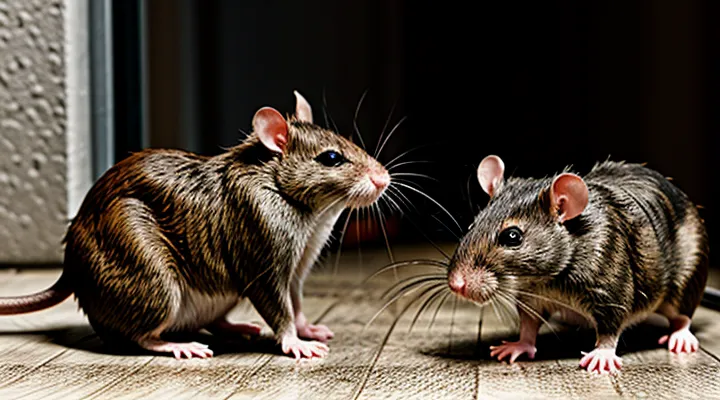
Understanding Rat Gender Differences
Behavioral Traits of Male Rats
Dominance and Social Dynamics
When deciding which gender of rat to obtain, understanding the species’ hierarchy and interaction patterns is essential. Dominance hierarchies shape resource access, stress levels, and overall group stability, directly affecting experimental reliability and breeding success.
Male rats commonly establish linear hierarchies. The dominant individual frequently monopolizes food, preferred nesting sites, and mates, while subordinate males experience higher corticosterone concentrations and reduced growth rates. Aggressive encounters peak during adolescence and persist into adulthood, often requiring separate housing or visual barriers to prevent injury.
Female rats typically form more fluid social structures. Dominance is expressed through subtle behaviors such as grooming priority and nest positioning rather than overt fighting. Groups of females exhibit cooperative nursing and shared nesting, resulting in lower baseline stress hormones. Aggression among females rises sharply only during estrus or when litter sizes differ markedly.
Mixed‑sex groups display a combination of these patterns. A dominant male may suppress female aggression, yet females can exert influence over male access to resources through affiliative bonds. The presence of both sexes often reduces overall aggression compared with all‑male cohorts, but it may also introduce competition for mating opportunities, leading to occasional bouts of fighting.
Practical considerations for sex selection:
- All‑male colonies – anticipate frequent aggressive incidents; implement individual cages or enrichment that reduces territorial disputes.
- All‑female colonies – expect stable social cohesion; monitor estrous cycles to mitigate temporary spikes in aggression.
- Mixed colonies – benefit from reduced aggression; provide ample nesting material and multiple feeding stations to diffuse competition.
Choosing the appropriate sex aligns colony management with the intrinsic dominance and social dynamics of rats, thereby enhancing welfare and experimental consistency.
Playfulness and Activity Levels
When selecting a rat, consider differences in playfulness and activity that influence handling and enrichment needs. Male rats typically display higher levels of spontaneous locomotion, frequently exploring new objects and rearranging cage furnishings. This increased movement can lead to more frequent interactions with toys, tunnels, and climbing structures. Female rats, while still active, often exhibit more focused bursts of play that concentrate on social grooming and brief bouts of chasing.
Key observations:
- Exploratory behavior – Males tend to investigate novel stimuli repeatedly; females may approach new items once and then lose interest.
- Social play – Both sexes engage in wrestling and chasing, but males often initiate longer, more vigorous sessions.
- Energy expenditure – Males generally require larger exercise wheels or additional climbing space to release excess energy; females maintain moderate activity with smaller apparatus.
- Stress response – Excessive activity in males can amplify stress if environmental enrichment is insufficient; females may become less active when over‑stimulated.
Practical implications:
- Provide larger, multi‑level cages for males to accommodate higher locomotor demands.
- Offer a balanced mix of toys and nesting material for females, ensuring short, engaging play periods without overwhelming the enclosure.
- Monitor weight and health metrics regularly, as heightened activity in males can affect metabolism, while lower activity in females may predispose to weight gain if diet is not adjusted.
By aligning cage design and enrichment schedules with these behavioral tendencies, caretakers can make an informed choice about sex based on the desired level of playfulness and activity.
Behavioral Traits of Female Rats
Social Bonding and Group Hierarchy
When deciding whether to acquire a male or female rat, evaluate how each sex forms social bonds and occupies positions within a hierarchy.
Rats establish dominance hierarchies through aggressive encounters, scent marking, and resource control. Males typically display more overt aggression, leading to clearer, often linear hierarchies. Females tend to form more fluid structures, with less pronounced aggression and greater reliance on affiliative grooming.
Social bonding patterns differ markedly. Female rats engage in frequent allogrooming and nest‑building cooperation, which strengthens group cohesion and reduces stress hormones. Males, while capable of grooming, prioritize territorial defense and display intermittent bonding that is contingent on dominance status.
Practical implications for selection:
- Stability: Female groups maintain stable relationships with fewer disruptions after introductions.
- Space requirements: Male hierarchies may demand larger enclosures to accommodate territorial behaviors.
- Reproductive considerations: Female cohorts can produce litters without the need for additional males, but may experience estrous‑related aggression.
- Health monitoring: Male rats exhibit higher rates of injuries from fights; females show lower incidence of bite‑related wounds.
Choosing the appropriate sex hinges on the intended social environment, cage size, and management capacity. Prioritizing a sex that aligns with the desired hierarchy structure and bonding dynamics enhances welfare and experimental reliability.
Maternal Instincts and Nesting
Maternal behavior in rats directly influences offspring survival and development, making the choice of sex a critical factor for breeders and researchers. Female rats exhibit strong nesting drives that begin several days before parturition. They collect soft materials, arrange them into a compact structure, and continuously adjust the nest to maintain temperature and humidity. This activity reduces neonatal hypothermia and promotes efficient suckling.
Key aspects of female nesting and maternal care:
- Material selection: Preference for shredded paper, cotton, or tissue; avoidance of rough or scented items that may deter pups.
- Nest architecture: Rounded, low‑profile design that encloses the litter while allowing easy access for the dam.
- Thermoregulation: Frequent repositioning of pups and addition of bedding to sustain a stable microclimate.
- Pup retrieval: Immediate response to displaced neonates, minimizing exposure to predators and environmental stress.
- Weaning support: Gradual introduction of solid food and increased grooming, fostering independent feeding.
Males generally lack these behaviors. They do not construct nests, provide thermoregulatory assistance, or engage in pup retrieval. Their presence can be neutral or mildly disruptive, depending on strain and housing conditions. Consequently, selecting a female for breeding programs ensures inherent maternal care, reduces the need for artificial nest supplementation, and improves overall litter outcomes.
Health and Care Considerations
Male Rat Health Concerns
Hormonal Issues and Aggression
When choosing a rat for research, breeding, or as a pet, hormonal profiles and aggression patterns directly affect management and outcomes. Male rats produce high levels of testosterone, which intensify territorial behavior, mounting, and fighting, especially after sexual maturity (approximately 6–8 weeks). Aggressive episodes often peak during the dark phase, can result in injuries, and may require separate housing or environmental enrichment to mitigate conflict. Female rats exhibit estradiol and progesterone cycles that drive periodic increases in activity and mild aggression during estrus, but overall aggression levels remain lower than in males. Hormonal fluctuations in females also influence nesting and maternal behaviors, which can be advantageous for studies involving social bonding or caregiving.
Key considerations for sex selection:
-
Aggression management
- Males: frequent monitoring, larger cages, visual barriers, or solitary housing to prevent fights.
- Females: routine monitoring during estrus; aggression generally manageable with standard group housing.
-
Hormonal stability
- Males: relatively constant testosterone after puberty; useful for experiments requiring stable androgen levels.
- Females: cyclic hormone changes; suitable for investigations of reproductive cycles or hormone‑dependent physiology.
-
Health implications
- Males: higher incidence of urinary tract blockage due to aggressive grooming and fighting.
- Females: risk of pregnancy‑related complications if housed with males; requires separation after mating.
-
Behavioral goals
- Choose males for studies emphasizing dominance hierarchies or aggression.
- Choose females for research focused on maternal care, social interaction, or hormonal cycling.
Understanding these hormonal and aggressive traits enables informed sex selection, ensuring animal welfare and experimental reliability.
Specific Health Conditions
When selecting a rat for breeding, research, or companionship, health considerations differ between males and females. Male rats are prone to certain endocrine and reproductive disorders, while females exhibit distinct vulnerabilities that affect longevity and quality of life.
Key health conditions affecting the choice of sex include:
- Testicular tumors – common in older males, often malignant, may require surgical removal.
- Prostate hyperplasia – can cause urinary obstruction in males, leading to infection if untreated.
- Mammary gland neoplasms – primarily affect females, especially those exposed to high‑fat diets.
- Uterine pathology – pyometra and cystic endometrial hyperplasia occur exclusively in females, demanding prompt veterinary care.
- Pregnancy‑related complications – dystocia, maternal stress, and neonatal mortality are exclusive to breeding females.
- Hormone‑driven metabolic disorders – estrogen‑dominant females may develop fatty liver disease more frequently than males.
Understanding these sex‑specific ailments enables informed decisions about which rat to acquire, ensuring appropriate preventive measures and veterinary oversight.
Female Rat Health Concerns
Reproductive Health Risks
Selecting a rat’s sex determines the spectrum of reproductive health hazards that may arise during a study.
Female rodents present a distinct set of concerns. Uterine pathology, including hyperplasia and endometrial lesions, appears with advancing age. Pregnancy introduces risks of dystocia, fetal resorption, and placental insufficiency, which can compromise experimental endpoints. Mammary gland neoplasia occurs more frequently in intact females, especially when exposed to estrogenic compounds. The estrous cycle imposes hormonal fluctuations that may affect behavior, metabolic parameters, and drug metabolism, potentially confounding data interpretation.
Male rodents exhibit different vulnerabilities. Testicular tumors, such as Leydig cell adenomas, develop with higher incidence in older males. Prostatic hyperplasia can alter urinary function and systemic hormone levels. Aggressive interactions within housing groups increase the likelihood of bite wounds and stress‑induced immunosuppression. Sperm quality deteriorates after prolonged exposure to environmental stressors, leading to reduced fertilization rates and embryonic viability.
Both sexes contribute to colony‑wide health dynamics. Breeding pairs can transmit viral agents (e.g., rat parvovirus) and bacterial infections, amplifying disease burden across generations. Hormonal imbalances in one partner may influence the reproductive physiology of the other, affecting litter size and offspring development.
Key reproductive health risks:
- Females: uterine hyperplasia, pregnancy complications, mammary tumors, estrous cycle‑related variability.
- Males: testicular neoplasms, prostatic changes, aggression‑related injuries, sperm degradation.
- Shared: pathogen transmission, hormonal cross‑talk, offspring developmental impacts.
Choosing the appropriate sex requires weighing these risks against experimental goals, ensuring that the selected cohort aligns with the study’s physiological requirements and ethical standards.
Longevity and General Well-being
When selecting a rat for long‑term projects, sex influences both lifespan and overall health. Research indicates that females typically outlive males by 10–20 % under comparable housing and diet conditions. This advantage arises from lower incidence of aggressive injuries and reduced prevalence of certain cancers that affect males more frequently.
Key physiological factors affecting longevity include:
- Hormonal balance: Estrogen provides cardioprotective effects and supports bone density, while testosterone can increase aggression and stress‑related cortisol spikes.
- Reproductive load: Females experience cyclical hormonal changes but avoid the metabolic strain of continuous sperm production that characterizes males.
- Disease susceptibility: Males show higher rates of urinary tract infections and renal lesions, whereas females are more prone to mammary tumors, which can be mitigated through early spaying.
General well‑being considerations extend beyond lifespan:
- Social behavior: Females often form stable, cohesive groups, reducing social stress; males may dominate hierarchies, leading to frequent fighting and injuries.
- Nutritional needs: Both sexes require similar macro‑nutrient ratios, but females benefit from additional calcium and vitamin D to support reproductive cycles.
- Environmental enrichment: Providing nesting material and shelters reduces anxiety in both sexes, yet females respond more positively to complex burrow systems.
In summary, female rats generally present a longer, healthier trajectory, while males may require stricter monitoring of aggression and renal health. Choosing the appropriate sex should align with project duration, health‑maintenance capacity, and specific research goals.
Practical Aspects of Ownership
Space and Housing Requirements
Single-Sex vs. Mixed-Sex Groups
When housing rats, the composition of the group influences health, behavior, and breeding outcomes.
A single‑sex arrangement eliminates mating, preventing unwanted litters and reducing the risk of pregnancy‑related stress in females. It also simplifies health monitoring because hormonal cycles are absent, making disease patterns easier to interpret. However, same‑sex groups may develop heightened aggression, especially among males, requiring larger cages, more enrichment, and vigilant observation to prevent injuries.
A mixed‑sex colony introduces natural social interactions that can lower stress levels and promote more diverse play behaviors. The presence of both sexes often reduces dominance disputes, as females can mediate male aggression. Nevertheless, mixed groups demand strict breeding control; accidental pregnancies can occur within days of estrus, and the resulting pups may strain resources, leading to competition for food and nesting material.
Key considerations for deciding between the two configurations:
- Reproductive control – single‑sex eliminates breeding; mixed‑sex requires separation or sterilization.
- Aggression management – same‑sex males may need larger space; mixed groups generally show lower aggression but can still exhibit territorial behavior.
- Space efficiency – mixed colonies can achieve higher density without compromising welfare if litter size is managed.
- Research variables – single‑sex groups provide uniform hormonal status, reducing variability; mixed groups reflect more natural social dynamics, which may be desirable for certain behavioral studies.
Choosing the appropriate group structure depends on the primary objective—whether preventing reproduction and maintaining hormonal uniformity or fostering natural social environments while managing breeding risk.
Cage Size for Different Genders
When deciding between male and female rats, cage dimensions become a primary factor in ensuring welfare. Males typically grow larger and develop more extensive musculature, requiring additional floor area to accommodate increased activity levels and territorial behavior. A minimum of 2 sq ft (0.19 m²) per adult male rat is recommended, with a height of at least 12 in (30 cm) to allow vertical exploration.
Females, while slightly smaller, often form tighter social groups and benefit from environments that support nesting. Providing 1.5 sq ft (0.14 m²) per adult female rat satisfies basic spatial needs, but extra space improves breeding outcomes and reduces stress. A cage height of 10 in (25 cm) is sufficient for nesting material and climbing structures.
Key considerations for both sexes include:
- Floor space: Allocate at least 0.19 m² per male, 0.14 m² per female.
- Vertical space: Minimum 30 cm for males, 25 cm for females; additional height enhances enrichment.
- Enrichment density: One chewable object per 0.05 m²; one hideout per 0.1 m².
- Ventilation: Ensure at least 10 air changes per hour to prevent ammonia buildup.
If housing mixed‑sex groups, adopt the larger male specification to avoid overcrowding. Regularly monitor behavior; signs of aggression or excessive grooming indicate insufficient space regardless of gender. Adjust cage size promptly to maintain health and natural activity patterns.
Cost and Time Commitment
Veterinary Care for Each Sex
Male and female rats require distinct veterinary attention because of differences in anatomy, hormonal cycles, and disease susceptibility. Understanding these variations informs responsible selection and long‑term health management.
-
Male rats
- Testicular health: regular palpation detects enlargement or masses; neutering eliminates risk of testicular tumors and reduces aggressive behavior.
- Urinary tract: monitor for blockage caused by urine crystals; male anatomy predisposes to obstruction, especially in older individuals.
- Hormonal influence: testosterone can accelerate growth of certain neoplasms; periodic blood work helps identify early changes.
-
Female rats
- Reproductive cycle: estrus induces vaginal discharge and swelling; track cycle phases to differentiate normal signs from infection.
- Mammary glands: females develop mammary tissue; inspect for lumps or asymmetry, as mammary tumors are more common in intact females.
- Pregnancy considerations: expect increased nutritional demand and weight gain; veterinary guidance needed for prenatal care and delivery.
Both sexes share baseline veterinary practices:
- Annual physical examination, including weight measurement and dental assessment.
- Vaccination against common pathogens where available; consult local regulations.
- Parasite control: external (mite, flea) and internal (cestodes, nematodes) prophylaxis as indicated.
- Balanced diet formulated for laboratory rodents; adjust portions to prevent obesity, a factor in cardiovascular and metabolic disorders.
- Environmental enrichment to reduce stress, which can exacerbate respiratory and gastrointestinal illnesses.
Tailoring veterinary protocols to each sex enhances early detection of sex‑specific conditions and supports optimal welfare for the chosen pet rat.
Daily Interaction Needs
When selecting a rat, understanding how much daily social contact each sex requires helps prevent stress and health problems. Both males and females are highly social, but their interaction patterns differ enough to influence care routines.
Rats need consistent handling, enrichment, and companionship. Typical daily requirements include:
- 30 – 60 minutes of direct human interaction, preferably split into two sessions.
- Continuous access to a cage mate, as isolation increases aggression and anxiety.
- Rotating toys, tunnels, and foraging opportunities to stimulate natural behaviors.
Sex‑specific considerations:
- Males often form strong bonds with a single cage mate, showing stable hierarchy after initial dominance establishment. Once paired, they rarely need additional rats, but they respond well to regular handling to reinforce trust.
- Females display more fluid social structures, sometimes preferring larger groups. They may benefit from occasional introduction of new companions to prevent boredom, though frequent changes can trigger stress.
- Both sexes exhibit heightened activity during the dark phase; providing nighttime enrichment reduces the likelihood of stereotypic pacing.
In practice, ensure that a male rat has a steady partner and a predictable handling schedule, while a female rat may thrive with a small, rotating group and slightly more varied enrichment. Meeting these daily interaction needs supports welfare regardless of the chosen sex.
Making Your Choice
Factors to Consider for First-Time Owners
Temperament Desired
When choosing a rat for a specific project, temperament is the primary factor that determines suitability. Desired behavior patterns—such as calmness, aggression level, and social interaction—must align with experimental or pet‑keeping goals.
Male rats typically display higher territorial aggression, especially when housed singly or introduced to unfamiliar conspecifics. They often exhibit strong exploratory drive, rapid habituation to novel environments, and a tendency toward dominance in group settings. These traits benefit studies requiring assertive behavior, competitive tasks, or robust locomotor activity.
Female rats generally present lower baseline aggression and greater affiliative behavior toward cage mates. They show consistent nesting activity, stable hormonal cycles that can influence stress responses, and a propensity for cooperative tasks. Such characteristics support research on social bonding, stress resilience, and long‑term housing stability.
To match temperament with purpose, consider the following criteria:
- Aggression tolerance: select males for high‑competition assays; choose females for low‑stress group housing.
- Exploratory intensity: males excel in maze navigation; females provide steadier performance in repetitive tasks.
- Social cohesion: females maintain group harmony; males may disrupt cohesion if dominance hierarchies form.
- Hormonal influence: females’ estrous cycle can affect physiological readouts; males offer more constant endocrine background.
Apply these guidelines to ensure the rat’s behavioral profile supports the intended experimental design or pet environment.
Number of Rats Planned
When planning an experiment that compares male and female rats, the total number of animals determines statistical power, ethical compliance, and resource allocation.
- Calculate the minimum sample size required to detect a biologically relevant difference using a power analysis; typical thresholds are 80 % power at a 5 % significance level.
- Allocate subjects evenly between sexes to avoid unbalanced groups; for example, if 30 rats are needed, assign 15 males and 15 females.
- Include a buffer of 10–15 % extra animals to compensate for potential losses due to health issues or unexpected mortality.
- Verify that the chosen number complies with institutional animal‑care guidelines and does not exceed the principle of reduction.
Accurate determination of the planned rat count ensures reliable conclusions about sex‑related effects while meeting ethical standards.
Matching a Rat to Your Lifestyle
Active vs. Calm Companionship
When selecting a rat based on temperament, consider the typical activity patterns associated with each sex. Male rats often display higher levels of exploration, rapid movement, and frequent climbing. Female rats tend to exhibit steadier pacing, reduced sprinting, and longer periods of quiet interaction.
These tendencies affect daily care:
- Exercise requirements – Active individuals need larger enclosures, climbing structures, and regular out‑of‑cage time to prevent stress and obesity.
- Noise and disturbance – More energetic rats generate louder vocalizations and frequent cage disturbances, which may be unsuitable for shared living spaces.
- Social bonding – Calm companions usually form steady, predictable relationships, making them easier for owners seeking consistent affection without abrupt bursts of activity.
Health implications align with behavior. High activity can promote cardiovascular fitness but may increase the risk of injuries on inadequate equipment. Sedentary tendencies reduce injury risk but can predispose to weight gain if diet is not monitored.
Choosing a rat should match the owner’s lifestyle: households with ample space, time for enrichment, and tolerance for dynamic play benefit from the more vigorous sex, while environments with limited space, quieter ambiance, and a preference for steady companionship suit the calmer sex.
Time Available for Socialization
When evaluating the appropriate sex for a pet rat, the amount of time a caretaker can devote to social interaction is a decisive factor. Limited daily contact favors the sex that adapts more readily to solitary periods, while ample interaction supports the sex that benefits from frequent social reinforcement.
- Male rats generally require 30–45 minutes of direct handling or play each day to maintain confidence and reduce aggression.
- Female rats thrive with 20–30 minutes of daily interaction; they form stable bonds quickly and tolerate brief intervals without contact.
- Both sexes benefit from additional passive exposure, such as observation from the cage, equivalent to another 15 minutes per day.
If a caretaker can consistently provide the upper range of these durations, either sex is viable. When available time falls below 20 minutes per day, females present a lower risk of stress‑induced behaviors, making them the more practical choice.