
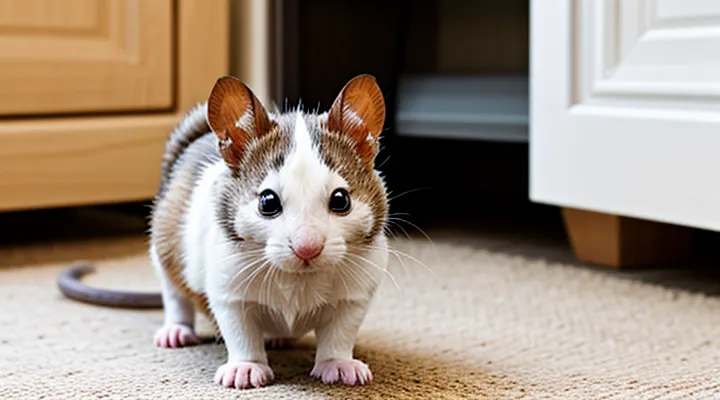
Understanding Mouse Repellent Scents
Why Scent-Based Repellents?
The Science Behind Olfactory Deterrents
Mice depend heavily on olfactory cues for navigation, foraging, and predator avoidance. Volatile compounds that trigger aversive neural pathways can interrupt feeding behavior and discourage entry into treated areas. The deterrent effect originates from activation of specific odorant receptors, leading to heightened activity in the amygdala and reduced exploratory drive.
Menthol, eucalyptol, and phenolic compounds interact with the transient receptor potential (TRP) channels expressed in the nasal epithelium. Binding to TRPM8 (menthol) or TRPA1 (eucalyptol, clove oil) generates sensations of cooling or irritation, which mice interpret as a threat. Phenols such as those found in citrus peels stimulate olfactory receptors linked to innate avoidance responses, producing rapid withdrawal.
Effective scents include:
- Peppermint oil (high menthol concentration) – strong cooling stimulus, disrupts scent trails.
- Eucalyptus oil (eucalyptol dominant) – irritant effect on TRPA1, repels in low concentrations.
- Clove oil (eugenol) – phenolic compound, induces aversion through olfactory and gustatory pathways.
- Citrus extracts (limonene, citral) – activate avoidance receptors, degrade quickly, requiring frequent reapplication.
- Ammonia solution – strong pungent odor, overwhelms olfactory receptors, deters entry.
Application guidelines:
- Dilute essential oils to 5 %–10 % in water or carrier oil; higher concentrations may saturate the environment and reduce efficacy.
- Soak cotton balls or fabric strips, place near entry points, behind appliances, and along baseboards.
- Replace treated media every 48 hours to maintain volatile concentration above the aversion threshold.
- Combine multiple scents in a single solution to broaden receptor activation, ensuring total concentration remains within safe limits for humans and pets.
- Use airtight containers for storage; volatile loss accelerates after opening, diminishing deterrent potency.
Scientific evidence links these olfactory agents to measurable reductions in mouse activity, supporting their integration into integrated pest‑management strategies.
Limitations of Scent Repellents
Scent repellents provide a non‑chemical option for deterring rodents, yet their effectiveness is constrained by several factors. The volatile compounds must reach a sufficient concentration in the air to affect mice, which limits their usable area. Small rooms or isolated corners may benefit, while larger spaces often require multiple sources or supplemental methods.
Key limitations include:
- Limited spatial reach; odor dissipates quickly, leaving untreated zones vulnerable.
- Habituation; repeated exposure can reduce mouse sensitivity, diminishing deterrent power over time.
- Environmental variables; temperature, humidity, and airflow alter volatility and persistence of the scent.
- Species variability; different mouse populations respond unevenly to the same aromatic compound.
- Human and pet tolerance; strong aromas may cause discomfort or allergic reactions for occupants.
- Insufficient for heavy infestations; high‑density populations overwhelm the repellent’s capacity, necessitating trapping or professional control.
Effective deployment therefore demands strategic placement, regular replacement of scented materials, and integration with complementary control measures such as sealing entry points and mechanical traps. Relying solely on aromatic deterrents rarely yields lasting suppression in severe cases.
Effective Scents for Mouse Repulsion
Peppermint Oil
Application Methods for Peppermint Oil
Peppermint oil is a widely recognized rodent deterrent due to its strong menthol scent, which irritates mice’s olfactory receptors. Effective deployment requires consistent coverage of entry points and travel routes.
- Prepare a 10 % solution by mixing ten parts water with one part peppermint oil. Use a spray bottle to apply the mixture to door frames, baseboards, and gaps around pipes. Reapply every 48 hours, or after cleaning, to maintain potency.
- Soak cotton balls in undiluted peppermint oil and place them in concealed locations such as under appliances, inside cabinets, and behind furniture. Replace balls weekly to prevent scent degradation.
- Employ an ultrasonic diffuser to emit a fine mist of pure peppermint oil in rooms where mouse activity is suspected. Operate the diffuser for 30 minutes twice daily, positioning it away from open windows to avoid rapid dispersal.
- Dampen a clean cloth with a 5 % solution (five parts water to one part oil) and wipe surfaces that mice frequently contact, including countertops and shelving. Allow the surface to dry naturally before normal use.
- Combine peppermint oil with a carrier such as mineral oil for a 15 % blend, then apply the mixture to the exterior of trash cans and compost bins. This creates a barrier that discourages rodents from approaching waste sources.
Safety considerations: avoid direct skin contact with undiluted oil; wear gloves when handling concentrated forms. Ensure pets are not exposed to high concentrations, as strong aromas may cause discomfort. Regular monitoring of scent intensity and timely replacement of treated materials sustain the repellent effect.
Safety Considerations for Peppermint Oil
Peppermint oil is a common natural deterrent against rodents, but safe handling is essential to avoid adverse effects.
- Dilute with a carrier oil (e.g., almond or coconut) before application; typical ratio 5 ml peppermint oil per 100 ml carrier.
- Conduct a patch test on a small skin area; discontinue use if redness, itching, or swelling occurs.
- Keep out of reach of children and pets; ingestion can cause vomiting, abdominal pain, or respiratory distress.
- Avoid direct contact with eyes; accidental exposure requires immediate flushing with water.
- Store in a tightly sealed, opaque container away from heat and sunlight to prevent oxidation and loss of potency.
- Use in well‑ventilated spaces; prolonged inhalation of concentrated vapors may irritate the respiratory tract.
Adhering to these precautions maximizes the repellent effect while minimizing health risks.
Essential Oils (Other)
Eucalyptus Oil
Eucalyptus oil is recognized for its strong, menthol‑like aroma that mice find unpleasant. The primary active component, 1,8‑cineole, disrupts the rodents’ olfactory receptors, prompting avoidance of treated areas.
Research on rodent behavior indicates that exposure to high concentrations of cineole reduces entry into treated zones. Field trials report lower mouse activity in kitchens and storage rooms where eucalyptus oil is applied regularly.
Practical application methods include:
- Soaking cotton balls with undiluted oil and placing them in corners, behind appliances, and near entry points; replace every three to five days.
- Preparing a spray solution of one part oil to ten parts water, adding a few drops of mild surfactant; mist surfaces such as baseboards, pantry shelves, and door frames.
- Using an ultrasonic diffuser set to continuous operation for 30‑45 minutes daily; position the device in central locations to ensure even distribution of scent.
Safety considerations require keeping oil away from food preparation surfaces, avoiding direct contact with skin, and ensuring pets are not exposed to concentrated doses. Ventilation should be maintained during and after application to prevent respiratory irritation.
Citronella Oil
Citronella oil, known for its sharp citrus aroma, functions as a natural rodent deterrent. The oil’s primary constituents, citronellal and geraniol, interfere with mouse olfactory receptors, creating an environment perceived as hostile.
Application methods:
- Saturate cotton balls with a 5‑10 % citronella solution; place them in corners, behind appliances, and along baseboards. Replace every 48 hours.
- Prepare a spray by mixing 10 ml of pure oil with 250 ml of water and a few drops of emulsifier; mist entry points, cracks, and shelving. Reapply weekly.
- Use an ultrasonic diffuser set to low output; add 3 ml of oil to the water reservoir. Operate for 8 hours nightly.
Safety considerations:
- Keep oil away from pets, especially cats, as ingestion may cause toxicity.
- Avoid direct skin contact; wear gloves when handling concentrated oil.
- Store in a sealed, opaque container at temperatures below 25 °C.
Effectiveness depends on consistent coverage and periodic renewal of the scent gradient. Monitoring mouse activity for two weeks can confirm deterrent performance.
Clove Oil
Clove oil contains a high concentration of eugenol, a volatile compound with a pungent aroma that mice avoid. The scent interferes with rodents’ olfactory receptors, reducing the likelihood of entry and nesting in treated areas.
- Dilute clove oil with water or a neutral carrier (e.g., mineral oil) at a ratio of 1 part oil to 10 parts liquid.
- Apply the solution to cotton balls, small fabric strips, or reusable spray bottles.
- Distribute the treated items near entry points, along baseboards, and in concealed corners where mouse activity is observed.
- Replace or refresh the applications every 3–5 days to maintain potency.
Clove oil is safe for most indoor surfaces but may stain fabrics and should be kept away from food preparation zones. Pets and children require supervision; avoid direct skin contact by using gloves during preparation. Proper ventilation mitigates strong odors while preserving the repellent effect.
Household Items and Herbs
Cotton Balls Soaked in Essential Oils
Cotton balls act as an efficient delivery medium for volatile compounds that deter rodents. Their porous structure absorbs essential oils and releases scent gradually, creating an environment that mice find unattractive.
Recommended essential oils for this purpose include:
- Peppermint oil – strong menthol aroma disrupts rodent olfactory cues.
- Eucalyptus oil – sharp, camphoraceous scent interferes with mouse navigation.
- Citronella oil – citrus notes mask food odors and discourage entry.
- Clove oil – pungent phenolic fragrance repels small mammals.
- Rosemary oil – herbal scent contributes to an inhospitable atmosphere.
Preparation steps:
- Place a cotton ball in a small, breathable container (e.g., a paper cup).
- Apply 5–10 drops of the chosen essential oil directly onto the cotton.
- Allow the oil to soak fully; excess liquid may be removed with a paper towel.
Placement guidelines:
- Position soaked cotton balls near potential entry points: door thresholds, window sills, and gaps in walls.
- Distribute one ball per 2 square meters in areas where mouse activity is observed.
- Replace cotton balls every 7–10 days, or when scent intensity diminishes.
- Avoid direct contact with food preparation surfaces to prevent flavor transfer.
By consistently applying these steps, the scented cotton balls maintain a deterrent barrier, reducing the likelihood of mouse presence within the residence.
Dryer Sheets
Dryer sheets provide a convenient source of aromatic compounds that mice find unpleasant. The fragrance-infused fabric releases volatile oils when warmed, creating an environment that deters rodents from nesting and foraging.
Commonly effective scents in dryer sheets include:
- «lavender»
- «citrus» (orange, lemon)
- «eucalyptus»
- «peppermint»
- «pine»
To employ dryer sheets as a deterrent, follow these steps:
- Position a sheet near entry points, such as gaps under doors, behind appliances, and in attic corners.
- Replace sheets every two to three weeks to maintain scent potency.
- Combine with sealed food storage and regular cleaning to enhance overall effectiveness.
- Avoid placing sheets directly on surfaces where food is prepared or consumed.
Proper placement and regular renewal ensure that the aromatic barrier remains active, reducing the likelihood of mouse activity throughout the residence.
Used Coffee Grounds
Used coffee grounds emit a strong, bitter aroma that mice find unpleasant. The scent interferes with their olfactory navigation, reducing the likelihood of entry into treated areas.
The deterrent effect stems from residual caffeine and organic compounds that linger after brewing. Studies indicate that rodents avoid environments where these odors dominate, preferring neutral or food‑related scents.
To employ «used coffee grounds» effectively, follow these steps:
- Collect grounds after brewing and allow them to dry for several hours to prevent mold growth.
- Place a thin layer of dried grounds in shallow containers, such as open jars or aluminum trays.
- Position containers along mouse pathways: near entry points, under appliances, and in pantry corners.
- Replace the grounds weekly, or when the scent diminishes, to maintain potency.
For persistent infestations, combine coffee grounds with other aromatic deterrents, such as peppermint oil or dried lavender, to create a multi‑scent barrier that enhances repellent strength. Regular monitoring and replenishment ensure continuous protection without chemical exposure.
Spicy Peppers (Cayenne, Chili)
Spicy peppers, such as cayenne and chili, contain capsaicin, a compound that irritates the nasal passages and skin of rodents, creating an environment mice avoid. The strong, pungent odor signals the presence of a potential irritant, prompting immediate retreat from treated areas.
Capsaicin activates sensory receptors in the mouse’s olfactory and trigeminal systems, producing a burning sensation that discourages lingering. The effect persists as long as the volatile compounds remain airborne or in contact with surfaces.
- Prepare a fine powder from dried cayenne or chili peppers.
- Mix one part pepper powder with two parts water to form a slurry, or combine with a small amount of carrier oil for better adherence.
- Apply the mixture to entry points, baseboards, and corners where mouse activity is observed.
- Reapply weekly, or after cleaning, to maintain potency.
Safety measures include wearing gloves during preparation, keeping the mixture out of reach of children and pets, and avoiding direct application to food preparation surfaces. Capsaicin may cause skin irritation; immediate washing with soap and water mitigates exposure.
Effectiveness peaks in confined spaces with limited ventilation, where the scent concentrates. In heavily infested environments, pepper treatment should complement mechanical controls such as traps or sealing of entry points. Regular monitoring determines whether additional applications or alternative methods are required.
Commercial Scent-Based Repellents
Sprays
Spray formulations that rely on strong aromatic compounds offer a practical method for discouraging mice from entering residential spaces. These products combine volatile essential oils with carrier liquids to create a fine mist that coats surface areas frequented by rodents.
- «peppermint» oil, high in menthol, produces a scent mice find intolerable.
- «eucalyptus» oil, rich in eucalyptol, interferes with rodents’ olfactory receptors.
- «citronella» oil, containing citronellal, masks food odors and creates an unpleasant environment.
- «clove» oil, dominated by eugenol, acts as a potent irritant to rodent sensory pathways.
- Diluted ammonia solution, emitting a sharp chemical odor, deters mice by overwhelming their sense of smell.
Effective deployment follows precise guidelines. Concentrations should range from 5 % to 10 % essential‑oil content in water or alcohol base; higher ratios risk damaging furnishings. Apply the spray along baseboards, entry points, and behind appliances, targeting cracks and crevices where mice travel. Reapplication every 48‑72 hours maintains potency, as volatile compounds dissipate quickly. Ensure adequate ventilation to protect human occupants and pets; avoid direct contact with skin and eyes.
Regular monitoring confirms efficacy. If activity persists, increase frequency or combine sprays with physical barriers such as steel mesh and sealed entry points. Integrating scent‑based sprays into a comprehensive pest‑management plan maximizes deterrence while minimizing reliance on lethal methods.
Sachets
Sachets provide a practical, low‑maintenance method for dispersing mouse‑repelling aromas throughout a dwelling. They combine a porous fabric pouch with a concentrated blend of essential oils, allowing continuous vapor release without the need for electrical devices.
Effective aromatic agents commonly incorporated into sachets include:
- Peppermint oil – strong menthol scent interferes with rodents’ olfactory receptors.
- Clove oil – phenolic compounds act as a natural deterrent.
- Eucalyptus oil – cineole vapor disrupts scent trails.
- Lavender oil – linalool component discourages nesting.
- Citronella oil – citrus‑derived compounds mask food odors.
Preparation guidelines:
- Select breathable fabric such as muslin or organza; cut to 3‑4 inches square and sew a sealed edge, leaving a small opening for filling.
- Measure 10–15 drops of chosen oil per sachet; combine with a carrier such as dried rice, cotton balls, or silica gel to absorb and slowly release the scent.
- Mix oil and carrier thoroughly, then fill the pouch.
- Seal the opening with heat or a tight stitch to prevent leakage.
Placement recommendations:
- Position sachets near known entry points: door thresholds, window sills, and basement vents.
- Distribute in pantry corners, under sinks, and inside cabinets where food storage attracts rodents.
- Hang in attic rafters and crawl‑space joists to cover hidden pathways.
Maintenance protocol:
- Replace sachets every 2–3 weeks, or when scent intensity diminishes.
- Inspect fabric for tears; repair or discard compromised sachets to avoid oil spillage.
- Record locations and replacement dates to track effectiveness over time.
Safety considerations:
- Keep sachets out of reach of children and pets; essential oils may cause irritation if ingested or applied to skin.
- Avoid direct contact with delicate surfaces; oil may stain fabrics or wood finishes.
- Use only food‑grade, pure essential oils to minimize toxic residues.
When deployed correctly, scented sachets create a persistent olfactory barrier that discourages mice from entering or remaining in treated areas, offering an inexpensive, chemical‑free component of integrated pest management.
Best Practices for Using Scent Repellents
Strategic Placement
Entry Points
Mice locate homes through gaps that provide access to food, water and shelter. Identifying these entry points is essential for effective scent‑based deterrence.
Common entry points include:
- Cracks around foundation walls and basement slabs
- Gaps beneath doors and windows, especially where weather stripping is worn
- Openings around utility penetrations, such as pipe sleeves and electrical conduits
- Unsealed vents, dryer exhausts and chimney flues
- Holes in siding, soffits and eaves
- Gaps around garage doors and garage‑to‑house connections
Each opening serves as a pathway that can be sealed and simultaneously treated with repellent aromas. Application methods vary according to the size and location of the gap:
- Spray or wipe – Concentrated essential oil mixtures (e.g., peppermint, eucalyptus, citronella) applied directly to the perimeter of the opening creates a volatile barrier that mice avoid.
- Soaked cotton – Small pieces of cotton saturated with the chosen scent placed in narrow cracks maintain continuous emission without excessive runoff.
- Gel packets – Commercially prepared scent‑infused gels positioned near larger vents or utility openings release fragrance over weeks, reducing the need for frequent reapplication.
- Powdered deterrents – Ground dried herbs or powdered essential oils scattered around door thresholds and window sills provide a low‑maintenance option for shallow gaps.
After treatment, seal the openings with appropriate materials: steel wool for small holes, caulk or expanding foam for cracks, and weather‑proof door sweeps for larger gaps. Sealing eliminates the physical route while the scent discourages any mice that may have missed the barrier.
Regular inspection of potential entry points, combined with consistent scent application, maximizes the likelihood that rodents will seek alternative, less hospitable environments. Monitoring for new gaps and reapplying scents after seasonal changes sustains long‑term protection.
Food Sources
Food availability drives rodent activity; unsecured edibles create a consistent invitation for mice. Eliminating or protecting these resources reduces the effectiveness of any olfactory deterrent, because scent barriers work best when rodents lack immediate incentives.
Common household items that attract mice include:
- Grains, cereals, and rice stored in open containers.
- Pet food left out overnight.
- Fruit, especially overripe or bruised pieces.
- Nuts and seeds placed on countertops or in pantry shelves.
- Processed snacks with strong aromas, such as cheese, chips, or chocolate.
- Spilled sugary liquids and crumbs on floors or under appliances.
When food sources are removed or sealed, scented repellents—such as peppermint oil, eucalyptus, or clove—can maintain a hostile environment. Application guidelines:
- Soak cotton balls in the chosen essential oil and place them near potential entry points, pantry doors, and areas where food is stored.
- Refresh the oil every 5–7 days to preserve potency.
- Combine scent deployment with airtight containers for grains, sealed trash cans, and daily cleaning of surfaces to eliminate residual crumbs.
By prioritizing strict food management, the reliance on aromatic deterrents becomes more efficient, limiting mouse incursions without resorting to lethal methods. «Mice seek out easy nutrition; denying that access forces them to search elsewhere», reinforcing the necessity of comprehensive food control alongside scent usage.
Dark, Secluded Areas
Dark, secluded spots such as the backs of cupboards, gaps under appliances, and storage closets provide the shelter mice seek. These areas limit exposure to light and human activity, creating an environment where rodents feel safe to nest and travel.
Strong aromatic compounds disrupt the sensory cues mice rely on in these hidden zones. Effective repellents include peppermint oil, clove oil, eucalyptus oil, and citrus extracts. Ammonia vapors and powdered cayenne also generate aversive stimuli. Each of these substances emits a volatile scent that mice find irritating, reducing the likelihood of occupation in the targeted area.
Application methods must ensure continuous diffusion where darkness prevails:
- Soak cotton balls with peppermint or clove oil, place them in drawer corners and behind shelving units.
- Fill small fabric sachets with dried citrus peels or powdered cayenne, tuck them into wall cavities and beneath sinks.
- Mix a few drops of eucalyptus oil with water in a spray bottle, mist the interior surfaces of storage boxes and the undersides of cabinets.
- Position open containers of ammonia on shelves away from food items, allowing vapors to permeate the surrounding space.
Reapplication is necessary every one to two weeks, depending on scent potency and ventilation. Monitoring mouse activity after treatment helps determine whether additional placement or alternative aromas are required. By concentrating repellents in the most concealed sections of the home, the likelihood of rodent intrusion diminishes significantly.
Frequency of Reapplication
Scents that deter rodents lose potency as the volatile compounds evaporate or become diluted by cleaning agents. Reapplication restores the concentration required to maintain an unfriendly environment for mice.
Typical reapplication intervals:
- After each thorough cleaning of the treated area, apply the scent again to replace any removed residue.
- In dry indoor spaces, reapply every 7–10 days to compensate for natural dissipation.
- In humid or high‑traffic rooms, increase frequency to every 4–5 days.
- When using oil‑infused cotton balls or sachets, replace the material once it dries out or after 2 weeks, whichever occurs first.
- Outdoor or semi‑outdoor zones exposed to rain or strong airflow require immediate reapplication after weather events.
Consistency in following these schedules ensures that the olfactory barrier remains effective, preventing mice from establishing a foothold in the home.
Combining with Other Repellent Methods
Sealing Entry Points
Sealing entry points forms the foundation of any rodent‑deterrent program, especially when aromatic repellents are employed. Physical barriers prevent mice from reaching scented zones, allowing volatile compounds to act solely as deterrents rather than attractants.
Common access routes include gaps beneath exterior doors, openings around utility pipes, cracks in foundation walls, unfiltered vent covers, and deteriorated window frames. Each aperture offers a direct path for rodents and must be eliminated before scent placement.
Materials for effective sealing
- Steel wool or copper mesh for irregular gaps; compress tightly and cover with caulk.
- Silicone or acrylic caulk for small cracks; smooth to create an airtight seal.
- Expanding polyurethane foam for larger voids; trim excess after curing.
- Metal flashing or hardware cloth for ventilation openings; secure with screws.
Procedure
- Conduct a systematic inspection of the building envelope, marking every opening larger than ¼ inch.
- Clean surfaces to remove debris, dust, and moisture that could compromise adhesion.
- Apply the selected sealing material, ensuring complete coverage and no gaps remain.
- Allow curing time according to manufacturer specifications before introducing any aromatic deterrents.
When sealing is complete, position scent sources such as peppermint oil, cedar chips, or clove extract at strategic interior locations where mice might still travel. The combination of an impenetrable exterior and localized repellent aromas maximizes deterrence. As research notes, «Mice avoid the strong odor of peppermint oil», making it a reliable choice for interior reinforcement after all entry points have been sealed.
Maintaining Cleanliness
Maintaining a tidy environment reduces food residues and shelter opportunities that attract rodents. Regular removal of crumbs, spilled liquids, and pet food eliminates the primary attractants that scent repellents are designed to mask.
Cleaning routines amplify the effectiveness of natural deterrents such as peppermint oil, eucalyptus, and citronella. When surfaces are free of grease and organic buildup, volatile compounds disperse more evenly and retain potency longer.
Practical steps to integrate hygiene with scent application:
- Sweep and vacuum daily in kitchens, pantries, and dining areas.
- Wipe countertops, tables, and appliance exteriors with a mild detergent after each meal preparation.
- Store dry goods in sealed containers; discard expired items promptly.
- Apply a few drops of essential oil to cotton balls, place them in hidden corners, and replace them weekly.
- Launder bedding, curtains, and upholstery regularly to remove trapped odors and debris.
Consistent cleanliness creates an inhospitable setting for mice, allowing aromatic barriers to function with minimal interference.
Potential Downsides and Considerations
Effectiveness Variability
The efficacy of aromatic deterrents varies widely because mice respond to chemical cues through sensory thresholds that differ among individuals and populations. Factors such as concentration, exposure duration, and environmental conditions determine whether a scent produces a measurable avoidance response.
Key variables influencing performance include:
- Concentration level: low dilutions often fail to reach the olfactory detection threshold, while overly strong solutions may cause rapid habituation.
- Species and strain: wild‑caught rodents exhibit heightened sensitivity compared to laboratory‑bred lines, altering repellent success.
- Ambient humidity and temperature: moisture enhances volatility of essential oils, whereas high heat accelerates evaporation, shortening effective periods.
- Application method: sprays, soaked cotton balls, and diffusers deliver distinct release rates, affecting consistency of exposure.
- Presence of competing odors: food aromas or cleaning agents can mask repellent scents, reducing deterrent impact.
Empirical studies demonstrate that peppermint oil, when applied at 5 % concentration on cotton pads refreshed weekly, produces a statistically significant reduction in mouse activity in controlled chambers. Conversely, cloves and eucalyptus show inconsistent results, with effectiveness dropping below detectable levels after three days under standard indoor humidity. Adjusting dosage and renewal frequency according to the variables listed above maximizes the likelihood of sustained repellent action.
Pet and Child Safety
When selecting aromatic deterrents for rodent control, the safety of non‑target occupants—especially domestic animals and young children—must be the primary consideration.
Essential oils such as peppermint, eucalyptus, and citronella demonstrate strong repellent properties, yet their potency can cause irritation or toxicity if misapplied. For pets, particularly cats, felines lack certain liver enzymes that metabolize phenolic compounds; exposure to concentrated oil droplets or vapors may lead to respiratory distress, drooling, or liver damage. Children, especially those under five, are vulnerable to skin sensitization and accidental ingestion.
To mitigate risks, adhere to the following protocol:
- Dilute essential oils to a concentration of no more than 1 % (approximately five drops of oil per 30 ml of carrier such as water or a mild, unscented soap solution).
- Apply the diluted mixture to cotton balls or small cloth pads placed in concealed locations: behind appliances, under cabinets, or within wall voids. Avoid direct contact with floor surfaces where pets or children might chew or step on the material.
- Limit exposure time to a few hours per day; reapply after 24 hours to maintain efficacy while preventing buildup of volatile compounds.
- Store all containers out of reach, preferably in locked cabinets, and label them clearly with hazard warnings.
- Conduct a brief observation period after initial placement; monitor pets for signs of discomfort (e.g., excessive grooming, sneezing, lethargy) and children for skin irritation. Discontinue use immediately if adverse reactions occur.
Alternative non‑chemical options—such as steel wool barriers, sealed entry points, and ultrasonic devices—provide rodent deterrence without introducing volatile substances. When natural scents are employed, strict compliance with dilution guidelines, strategic placement, and vigilant supervision ensure that the protective benefits for the household do not compromise the well‑being of pets or children.
Odor Strength and Personal Preference
Odor intensity determines the efficacy of any repellent agent. Higher concentrations create a stronger sensory barrier that mice are more likely to avoid, while low‑level aromas may dissipate before reaching the threshold that triggers aversion. When applying essential oils, peppermint, or citrus extracts, dilute the substance to no less than 5 % in water for spray applications or use undiluted oil on cotton balls placed in concealed entry points. Increase the proportion to 10 % for large, open areas such as basements or attics, where airflow reduces scent persistence.
Personal preference influences the selection of scents, affecting compliance with a repellent regimen. Homeowners who dislike strong menthol odors may opt for milder alternatives like eucalyptus or lavender, even if those aromas require higher application rates to achieve comparable deterrent effects. Aligning scent choice with occupant tolerance ensures continuous use, which is essential for maintaining an environment hostile to rodents.
Practical guidelines:
- Choose a scent that meets the required strength level for the targeted area.
- Adjust concentration according to ventilation and surface area.
- Select an aroma compatible with occupant comfort to guarantee consistent deployment.
Integrated Pest Management Approach
Integrated Pest Management (IPM) treats rodent control as a systematic process that combines prevention, monitoring, and targeted interventions. Scent-based repellents constitute a non‑chemical component within this framework, reducing mouse activity while minimizing reliance on poisons.
Effective volatile compounds include peppermint oil, eucalyptus oil, clove oil, and citronella. These substances create an olfactory environment that mice find hostile, prompting avoidance of treated areas. Application methods must ensure consistent exposure without compromising human safety.
- Dilute essential oil to a 5 % concentration with water or a carrier such as vodka; spray along baseboards, entry points, and behind appliances.
- Soak cotton balls in the diluted mixture; place them in corners, closets, and under sinks, replacing every 48 hours.
- Use commercially prepared sachets that release scent gradually; position them in concealed locations and rotate weekly.
Monitoring involves regular inspection of mouse activity signs—droppings, gnaw marks, and nesting material. If evidence persists after two weeks of sustained scent deployment, integrate additional IPM tactics such as sealing entry gaps, installing snap traps, and employing bait stations in accordance with local regulations.
Documentation of actions, concentrations used, and observed outcomes supports adaptive management. Adjusting scent type or placement based on field data enhances efficacy and aligns the program with the core IPM principle of environmentally responsible pest suppression.