
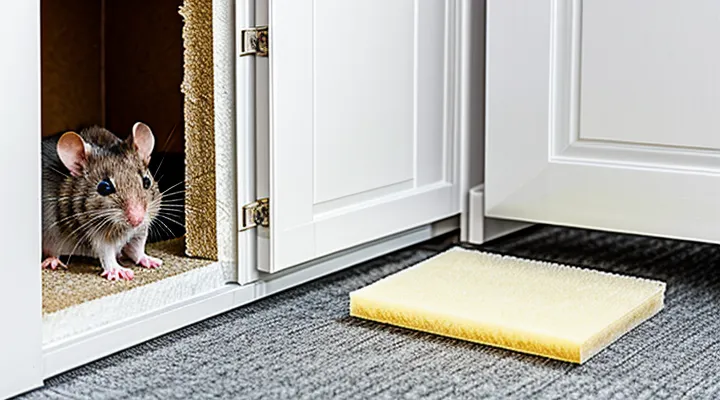
Understanding the Mouse Infestation Problem
Why Mice are Attracted to Homes
Mice seek environments that satisfy basic survival needs, and residential buildings often provide all of them.
- Food availability – unsecured pantry items, pet food left out, crumbs on countertops, and garbage bins create a reliable source of calories.
- Warmth and shelter – insulated walls, attics, and crawl spaces maintain temperatures above the outdoor cold, offering a comfortable refuge.
- Water sources – leaky pipes, dripping faucets, and pet water dishes supply the moisture mice require for physiological functions.
- Nesting materials – soft fabrics, shredded paper, insulation fibers, and accumulated debris serve as building material for nests.
- Easy access points – gaps around doors, windows, utility penetrations, and foundation cracks allow rodents to enter with minimal effort.
- Cluttered spaces – piles of boxes, stored belongings, and disorganized storage create concealed pathways and hideouts.
Understanding these attractants clarifies why specific insulation choices that block entry and eliminate nesting media become essential in preventing rodent colonization.
The Dangers of Mouse Infestations
Health Risks
Insulation products designed to block rodent entry often contain substances that pose specific health hazards. Fibrous mineral wool, commonly used for its dense barrier properties, releases airborne particles when cut or disturbed. Inhalation of these fibers can irritate the respiratory tract and, with prolonged exposure, increase the risk of chronic lung conditions. Contact with the material may also cause skin irritation and eye discomfort.
Spray‑foam sealants rely on polyurethane chemicals that expand rapidly to fill gaps. During application, volatile organic compounds (VOCs) and isocyanates are emitted. Short‑term exposure may trigger headaches, dizziness, and respiratory irritation; long‑term exposure is linked to sensitization and potential asthma development. Proper ventilation and protective equipment are essential to mitigate these effects.
Metallic barriers such as copper mesh or steel wool are chemically inert but can rust over time, creating iron oxide particles that become airborne. While less toxic than synthetic fibers, rust particles can aggravate pre‑existing respiratory issues. Additionally, sharp edges present a physical hazard during installation, increasing the likelihood of cuts and puncture wounds.
Key health risks associated with rodent‑blocking insulation:
- Respiratory irritation from inhaled fibers or chemical vapors
- Skin and eye irritation from direct contact with materials
- Chemical sensitization leading to asthma or allergic reactions
- Physical injuries from sharp or abrasive components
- Potential long‑term effects from chronic exposure to VOCs or particulate matter
Selecting low‑emission, non‑fibrous products and adhering to safety protocols reduces the likelihood of adverse health outcomes while maintaining effective rodent exclusion.
Structural Damage
Mice gnaw on insulation, wiring, and framing, creating holes that compromise structural integrity. Selecting insulation that resists rodent intrusion reduces the likelihood of such damage.
Materials that deter mice include:
- Closed‑cell spray foam – dense, airtight, and difficult for rodents to chew through.
- Rigid polyurethane panels – solid core and smooth surface limit bite points.
- Mineral wool (rock or slag) – abrasive fibers discourage gnawing and can be installed with metal mesh for added protection.
- Metallic foil‑backed insulation – foil layer creates a hard barrier that mice cannot penetrate.
When installing these products, seal all seams, joints, and penetrations with rodent‑proof caulk or steel wool. Reinforce openings around pipes, ducts, and electrical conduits with metal plates or mesh. Regularly inspect attic and crawl spaces for signs of gnaw marks or nesting material; early detection prevents extensive compromise of load‑bearing elements.
By integrating resistant insulation and meticulous sealing, the risk of structural degradation caused by rodent activity is substantially lowered.
Insulation Materials and Their Role in Pest Control
How Mice Interact with Different Insulation Types
Mice constantly explore building cavities in search of shelter and food. Their interaction with insulation depends on texture, structural integrity, and the presence of gaps that allow entry.
Fiberglass batts present a soft, loosely packed matrix. Mice can easily bite through the paper facing, then push fibers aside to create nesting chambers. The material offers little resistance to gnawing, and loose fibers provide insulation while simultaneously serving as nesting material.
Cellulose, composed of recycled paper treated with fire retardants, is dense but still vulnerable to rodent teeth. Mice can chew through the outer layer, especially if it is not tightly packed. Once inside, the loose fibers allow them to shape nests, and the material’s moisture‑absorbing properties can attract further activity.
Spray‑foam polyurethane forms a rigid, continuous barrier when applied correctly. Its high density and adhesive bonding to structural members impede chewing and eliminate voids. Mice may attempt to gnaw at the surface, but the foam’s hardness and lack of fibrous material reduce nesting potential.
Mineral wool (rock or slag wool) is heavier than fiberglass and contains sharp, abrasive fibers. Rodents can bite the facing but encounter significant resistance from the dense core. The abrasive texture discourages prolonged gnawing, and the material’s low digestibility makes it unattractive for nesting.
Interaction summary
- Fiberglass batts – easy to bite, fibers serve as nest material.
- Cellulose – dense yet chewable, fibers support nest building.
- Spray‑foam polyurethane – rigid, minimal chewability, seals gaps.
- Mineral wool – abrasive, resistant to gnawing, poor nesting substrate.
Choosing insulation that resists chewing, limits available fibers for nest construction, and can be applied without gaps directly reduces the likelihood of mouse colonization. Proper installation—sealing seams, covering penetrations, and integrating rodent‑proof barriers—enhances the material’s defensive properties.
Characteristics of Rodent-Resistant Insulation
Rodent‑resistant insulation is defined by properties that deter mice from entering, nesting, or gnawing. Successful products combine physical barriers with environmental conditions that are unfavorable to rodents.
Key characteristics include:
- High density and rigidity – dense fibers or foams resist chewing and prevent compression that creates gaps.
- Non‑edible composition – materials such as mineral wool, closed‑cell spray foam, or rigid foam board contain no organic nutrients that attract rodents.
- Low moisture absorption – moisture‑free insulation eliminates the humid microclimate mice prefer for nesting.
- Integrated vapor barrier – a continuous barrier reduces condensation, further discouraging habitation.
- Seamless installation – products designed for tight joints and minimal seams limit entry points.
- Chemical additives – some formulations incorporate rodent‑repellent compounds (e.g., capsaicin or natural oils) that remain effective over the life of the insulation.
- Fire resistance – compliance with fire safety standards ensures that the material does not degrade into a food source during a fire event.
- Durability under temperature fluctuations – resistance to expansion and contraction prevents cracks that could become access routes.
Effective rodent‑resistant insulation also requires proper installation practices: all gaps around studs, joists, and penetrations must be sealed with compatible caulking or tape, and the insulation should be fully encapsulated to maintain a continuous protective layer. When these characteristics are present, the insulation serves as a reliable deterrent against mouse infestations while maintaining thermal performance.
Effective Insulation Materials for Mouse Prevention
Mineral Wool Insulation
Benefits Against Pests
Insulation that blocks rodent entry offers multiple protective functions. By eliminating pathways through walls, ceilings and floors, it reduces the likelihood of mice establishing nests within a structure. The material’s density and continuity create a physical barrier that rodents cannot easily gnaw or bypass.
Effective pest‑deterring insulation also manages moisture levels. Dry environments discourage mice, which prefer humid, food‑rich spaces. Materials that resist water absorption, such as closed‑cell spray foam and rigid polyisocyanurate panels, maintain low humidity and prevent mold growth that could attract pests.
Thermal stability contributes to pest control. Consistent interior temperatures limit the need for rodents to seek warmth in cavities. Insulation with high R‑values, including mineral wool and high‑density fiberglass, sustains temperature uniformity throughout the building envelope.
Key benefits include:
- Seamless coverage that seals gaps and cracks.
- Resistance to gnawing, reducing damage to structural components.
- Moisture barrier that creates an unfavorable habitat for rodents.
- Thermal insulation that lowers temperature fluctuations, decreasing attractants.
- Longevity that maintains protective performance over time.
Selecting insulation with these characteristics strengthens a building’s defense against mouse infestations while delivering standard energy‑efficiency advantages.
Installation Considerations
Selecting rodent‑resistant insulation demands attention to how the product is installed, not merely its composition. Improper installation creates entry points that undermine even the most protective material.
Considerations include:
- Complete sealing of all joints – use fire‑rated caulk or expanding foam to close seams, corners, and penetrations around pipes, ducts, and wiring.
- Appropriate fastening – secure batts or boards with corrosion‑resistant staples, screws, or adhesive compatible with the substrate; avoid loose edges that mice can pry apart.
- Thickness and continuity – install the full recommended depth without gaps; stagger seams to prevent linear pathways.
- Moisture control – integrate vapor barriers where required to deter condensation, which attracts rodents seeking shelter.
- Compatibility with existing structures – verify that the insulation does not interfere with structural elements or violate building codes.
- Inspection and maintenance – conduct a post‑installation walkthrough to identify missed openings; schedule periodic checks to detect damage or settlement.
Proper execution of these steps ensures the chosen material retains its deterrent properties and provides lasting protection against mouse intrusion.
Fiberglass Insulation
How it Deters Rodents
Insulation designed to repel rodents relies on physical barriers, material composition, and deterrent additives. Dense, non‑woven fibers create a tight seal that blocks entry points, preventing mice from chewing through gaps. Smooth, rigid panels such as closed‑cell foam lack the texture rodents need for grip, making it difficult for them to gain purchase or gnaw.
Materials infused with natural repellents—e.g., peppermint oil, capsaicin, or cedar oil—release volatile compounds that irritate rodent sensory receptors. Continuous emission creates an unpleasant environment, discouraging nesting and foraging. Some foams incorporate bittering agents directly into the polymer matrix; when a mouse attempts to bite, the taste triggers avoidance behavior.
Key deterrent mechanisms:
- Structural integrity – high tensile strength resists gnawing; minimal seams reduce crawl spaces.
- Surface texture – smooth, hard surfaces hinder climbing and chewing.
- Chemical deterrence – embedded repellents emit odor or taste that mice find aversive.
- Thermal properties – materials that maintain stable temperatures eliminate warm microhabitats favored by rodents.
By combining these features, insulation not only improves energy efficiency but also creates an environment that rodents cannot easily penetrate, nest, or survive in.
Potential Vulnerabilities
When evaluating insulation for rodent resistance, attention must focus on the points where the barrier can fail. Even high‑performance materials become ineffective if exposed to structural or installation flaws.
Common weaknesses include:
- Unsealed seams or joints that create entry routes.
- Gaps around electrical boxes, plumbing penetrations, and HVAC ducts.
- Compression or crushing of insulation that reduces its density and eliminates protective gaps.
- Degradation caused by moisture, mould, or pests that compromise material integrity.
- Use of fibers or foams that mice can gnaw through when not reinforced with metal or rigid barriers.
- Inadequate coverage in attic or crawl‑space corners where rodents can hide.
Each vulnerability creates a direct path for infestation, regardless of the material’s inherent deterrent properties. Mitigation requires meticulous sealing, proper installation techniques, and periodic inspection to ensure the barrier remains intact over time.
Cellulose Insulation
Treated Cellulose Options
Treated cellulose insulation combines the thermal advantages of loose‑fill cellulose with chemical additives designed to deter rodents. The additives create an environment that is unappealing or hazardous to mice, reducing the likelihood of nesting and chewing.
Typical treatment options include:
- Boric acid‑impregnated cellulose – boric acid acts as a low‑toxicity rodent repellent; when mice encounter treated fibers, irritation discourages further activity.
- Silica‑based additives – fine silica particles increase friction and cause dehydration in rodents that attempt to gnaw the material.
- Rodenticide‑infused cellulose – incorporates approved anticoagulant or neurotoxic agents; contact leads to mortality, preventing population buildup.
- Fire‑retardant blends with rodent deterrents – combine flame‑resistance chemicals with repellents, offering dual protection for safety and pest control.
Effectiveness depends on proper installation. Uniform distribution eliminates gaps where mice could bypass treated zones. Dense packing, typically 3–4 inches thick, maximizes contact between rodents and the treated fibers. Sealing all penetrations (e.g., around pipes and ducts) before applying cellulose prevents alternative entry routes.
Maintenance considerations:
- Verify that local building codes permit the selected chemical treatment.
- Use personal protective equipment during installation to avoid inhalation of fine particles.
- Periodically inspect for signs of rodent activity; re‑application may be required after several years as additives degrade.
When selected and installed correctly, treated cellulose provides a cost‑effective, environmentally friendly barrier that both insulates and discourages mouse infestations.
Untreated Cellulose Risks
Untreated cellulose insulation consists of shredded paper fibers that have not undergone chemical treatment or fire retardant application. The material retains a high organic content, making it an attractive food source for rodents. Mice can gnaw through the loosely packed fibers, creating pathways that compromise the building envelope and facilitate further entry.
Key risks associated with untreated cellulose include:
- Food availability – the paper fibers provide a readily digestible nutrient source, encouraging settlement and breeding.
- Nesting suitability – the soft, compressible texture allows mice to construct nests with minimal effort, increasing population stability.
- Moisture retention – untreated fibers absorb water, leading to damp conditions that attract insects and promote mold growth, which further degrades structural integrity.
- Structural degradation – repeated gnawing creates voids and reduces the insulation’s thermal performance, raising energy costs.
- Fire hazard – the absence of fire retardants elevates combustion risk, especially when combined with rodent activity that can generate sparks from chewed wiring.
These factors undermine the effectiveness of cellulose as a rodent‑resistant barrier and can negate the intended thermal benefits. Selecting insulation that incorporates chemical deterrents, dense fiber compaction, or alternative materials reduces the likelihood of mouse infestations while preserving energy efficiency.
Spray Foam Insulation
Creating an Airtight Barrier
Insulation that blocks airflow also blocks rodent entry. Materials such as closed‑cell spray foam, rigid polyisocyanurate panels, and dense fiberglass batts create a continuous seal when installed without gaps. The seal must extend from the interior wall cavity to the exterior sheathing, covering all penetrations for wiring, plumbing, and HVAC.
Key steps for an airtight barrier:
- Clean surfaces of dust and debris before applying sealant or foam.
- Apply expanding spray foam around openings larger than ¼ inch; allow full expansion and cure.
- Fit rigid panels tightly, butt them together, and seal joints with acoustical caulk.
- Cover seams in fiberglass batts with a vapor‑retarder tape that adheres to the insulation’s surface.
- Inspect the finished envelope for pinholes, cracks, or loose edges; repair immediately with compatible sealant.
When the barrier is continuous, mice cannot exploit airflow paths to gain access, and the insulation retains its thermal performance. Selecting materials with low permeability and installing them according to manufacturer specifications maximizes both energy efficiency and pest resistance.
Challenges with Existing Infestations
Existing mouse populations create immediate obstacles for any insulation upgrade. Rodents gnaw through insulation fibers, leaving exposed cavities that reduce thermal efficiency and increase energy consumption. Their droppings contaminate the material, turning it into a health hazard and requiring professional removal before new insulation can be installed.
Current infestations also compromise structural integrity. Burrowing activity enlarges gaps around studs, joists, and ducts, which undermines the seal needed for effective insulation performance. These openings allow additional pests and air leakage, further diminishing the protective value of the installed barrier.
Removal of contaminated insulation presents logistical challenges. Fiberglass and cellulose must be extracted carefully to avoid dispersing fibers and allergens, while spray‑foam residues demand specialized cleaning agents. The process often requires temporary relocation of occupants, increasing project cost and timeline.
Key difficulties associated with present infestations include:
- Persistent access points that rodents exploit despite previous sealing attempts.
- Degradation of insulation properties caused by chewing and contamination.
- Health risks from bio‑hazardous waste embedded in the material.
- Elevated labor and material expenses needed to remediate and reinstall insulation.
Addressing these challenges is essential before selecting any insulation solution intended to deter future rodent activity.
Less Effective Insulation Materials Regarding Mice
Cotton Batt Insulation
Cotton batt insulation consists of densely packed natural fibers, typically treated with fire retardants and mold inhibitors. The material forms a continuous barrier within walls, ceilings, and attics, reducing air movement and temperature fluctuations.
Mice encounter cotton batt as a physical obstacle. The tightly packed fibers limit the creation of tunnels and nesting spaces, discouraging entry and habitation. Unlike loose-fill or cellulose products, cotton batt does not provide the loose, chew‑friendly texture that rodents prefer for burrowing.
Key attributes relevant to rodent deterrence:
- High density: restricts passage through gaps and seams.
- Low compressibility: maintains shape under pressure, preventing collapse that could create entry points.
- Non‑attractive scent: lacks food‑like odor, reducing attraction.
- Treated surface: fire‑retardant and mold‑resistant coatings are generally unpalatable to rodents.
Limitations:
- Installation quality determines effectiveness; gaps around fixtures or seams can still permit intrusion.
- Not a chemical deterrent; mice may still attempt entry if structural breaches exist.
- Cost higher than some synthetic alternatives, reflecting natural fiber processing.
When selecting insulation to minimize mouse activity, consider cotton batt for applications where a solid, non‑chewable barrier is desired, and ensure meticulous sealing of all joints and penetrations during installation.
Natural Fiber Insulations
Natural fiber insulations offer a viable alternative for homeowners seeking pest‑resistant thermal barriers. Their composition—cellulose, cotton, sheep wool, hemp, and straw—creates a dense matrix that discourages rodent activity. The fibers are tightly packed, leaving few gaps for mice to navigate or establish nests.
Key characteristics that limit mouse intrusion include:
- High density: Compacted fibers reduce void space, preventing easy burrowing.
- Chemical treatments: Borate additives, commonly applied to cellulose and hemp, act as toxicants that deter chewing.
- Odor profile: Wool and hemp emit scents unfamiliar to rodents, reducing attraction.
- Moisture regulation: Natural fibers absorb and release moisture, limiting the damp environments mice favor.
When selecting a natural fiber product, prioritize options that:
- Specify borate or other rodent‑repellent additives.
- Provide a minimum R‑value per inch that aligns with climate requirements, ensuring thermal efficiency without compromising pest resistance.
- Include certifications for fire safety and mold resistance, as these factors indirectly affect rodent habitability.
Installation best practices further enhance protection. Seal all seams, edges, and penetrations with appropriate tape or spray foam. Verify that cavity walls are fully filled, eliminating hidden channels. Regular inspections after installation can identify any signs of gnawing early, allowing prompt remediation.
Overall, natural fiber insulations combine environmental sustainability with intrinsic properties that limit mouse infestations, making them a practical choice for durable, rodent‑resistant building envelopes.
Comprehensive Pest Control Strategies Beyond Insulation
Sealing Entry Points
Sealing gaps and openings eliminates the primary pathways that mice exploit to enter a building. When insulation is installed, it should also function as a barrier that blocks these routes, reducing the likelihood of infestation.
Common access points include gaps around foundation walls, openings for utility pipes, vents, door frames, and cracks in siding or roofing. Identifying every potential entry before insulation work begins ensures comprehensive protection.
Materials effective for closing these gaps are:
- Steel wool or copper mesh, tightly packed into holes larger than ¼ inch; both resist chewing.
- Expanding polyurethane foam, applied to crevices up to ½ inch wide; hardens into a solid seal.
- High‑temperature silicone or acrylic caulk, used around window frames and door thresholds.
- Rigid foam board or mineral wool, fitted into larger cavities and sealed with mesh and caulk.
- Concrete or mortar, employed to fill foundation cracks and large structural openings.
Application guidelines:
- Inspect the entire exterior envelope, marking each opening.
- Clean debris from gaps to ensure adhesion of sealing material.
- Insert steel wool or mesh first, then apply foam or caulk to lock the filler in place.
- Cover sealed areas with appropriate insulation, such as rigid foam, to maintain thermal performance.
- Re‑check sealed points after seasonal temperature changes, repairing any new cracks promptly.
By integrating these sealing practices with the chosen insulation system, the structure becomes a hostile environment for mice, preventing their entry and subsequent damage.
Regular Home Maintenance
Regular home maintenance directly influences the effectiveness of rodent‑resistant insulation. Inspecting walls, attics, and crawl spaces at least twice a year reveals gaps, damaged sheathing, or deteriorated sealant that mice can exploit. Promptly sealing cracks with steel‑wool backed caulk prevents entry points that compromise insulation performance.
Replacing or upgrading insulation should prioritize materials that deter gnawing and nesting. Options include:
- Mineral wool: dense fibers resist chewing and retain thermal efficiency.
- Closed‑cell spray foam: creates an airtight barrier that mice cannot penetrate.
- Rigid foam boards with foil facing: smooth surface discourages attachment and provides moisture control.
When installing or refurbishing insulation, verify that all seams are overlapped and taped, and that vapor barriers remain intact. Any exposed edges must be covered with metal flashing or mesh to block rodent access.
Routine cleaning of debris, stored items, and food sources eliminates attractants that draw mice to insulated areas. Maintaining clear gutters and proper drainage prevents moisture buildup, which can soften insulation and encourage nesting.
A systematic checklist for each seasonal inspection includes:
- Visual survey for openings larger than ¼ inch.
- Verification of insulation integrity and coverage.
- Application of rodent‑proof sealants to identified gaps.
- Replacement of compromised sections with recommended materials.
- Removal of clutter and removal of potential food sources.
Consistent execution of these tasks sustains the protective qualities of insulation and reduces the likelihood of mouse intrusion.
Professional Pest Control Services
Professional pest control providers assess structures for rodent entry points and recommend insulation solutions that block mouse intrusion. Their expertise includes identifying vulnerable cavities, evaluating existing insulation, and selecting products that combine thermal performance with rodent resistance.
Effective insulation options commonly specified by pest control specialists are:
- Rigid foam board with a steel‑reinforced core, which eliminates gaps and resists gnawing.
- Stainless‑steel mesh sheeting installed behind wall cavities to create an impenetrable barrier.
- Closed‑cell spray foam infused with rodent‑deterrent additives, providing seamless coverage.
- High‑density cellulose treated with borate compounds, offering both insulation value and deterrent properties.
The service process typically follows these steps:
- Comprehensive site inspection to locate entry routes and assess current insulation integrity.
- Detailed report outlining required upgrades, including material specifications and expected performance.
- Professional installation of chosen insulation, ensuring all seams are sealed and any openings are filled with rodent‑proof materials.
- Post‑installation verification, involving visual checks and, if needed, monitoring devices to confirm the absence of activity.
By integrating targeted insulation with systematic sealing, professional pest control firms deliver durable protection against mouse infestations while maintaining building energy efficiency.