
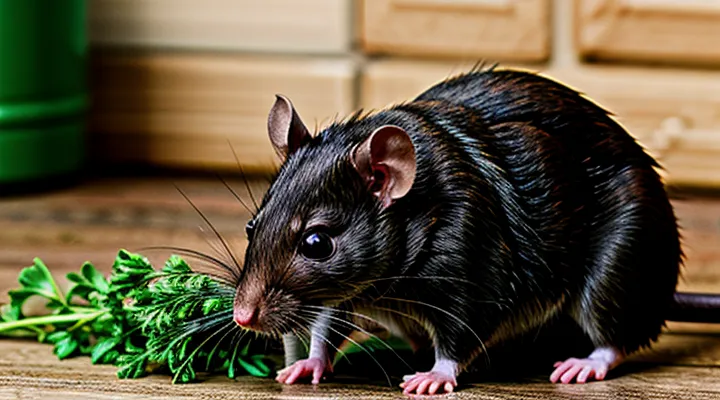
Understanding Rat Dietary Needs
General Nutritional Requirements
Rats require a balanced diet that supplies adequate protein, energy, fiber, vitamins, minerals, and water. Protein sources support growth, tissue repair, and immune function; a minimum of 14‑16 % protein is recommended for adult laboratory rats and 20‑22 % for growing or breeding individuals. Energy is provided by carbohydrates and fats, with a typical caloric density of 3.0‑3.5 kcal g⁻¹. Dietary fiber, supplied by roughage, promotes gastrointestinal motility and prevents hindgut fermentation disorders; a fiber content of 5‑7 % of the diet is optimal. Essential vitamins—including A, D, E, K and the B‑complex—must be present in bioavailable forms to maintain vision, bone health, antioxidant defenses, and metabolic pathways. Minerals such as calcium, phosphorus, magnesium, potassium, sodium, and trace elements (zinc, copper, selenium) are required for skeletal development, nerve transmission, and enzymatic activity; calcium‑to‑phosphorus ratios should approximate 1.5 : 1. Water must be continuously available, clean, and free of contaminants.
Herbs can contribute to these nutritional categories when incorporated judiciously:
- Protein enrichment: alfalfa, clover, and chickweed leaves contain 15‑20 % protein.
- Fiber boost: dandelion roots, plantain leaves, and parsley stems provide soluble and insoluble fiber.
- Vitamin supply: basil and mint deliver vitamins A and C; oregano offers vitamin K.
- Mineral addition: nettle and sage are rich in calcium and iron; rosemary contributes magnesium.
- Antioxidant support: rosemary, thyme, and lavender supply polyphenols that complement vitamin E activity.
When selecting herbs, ensure they are free of pesticide residues, introduced gradually, and limited to 5‑10 % of total daily intake to avoid nutrient imbalances. Combining herbs with a formulated rat chow maintains the comprehensive nutritional profile required for health, reproduction, and longevity.
Herbs: A Complementary Approach
Herbal supplementation can enhance rat nutrition when combined with a balanced diet. Selected botanicals provide antioxidants, digestive support, and mild antimicrobial effects that complement conventional feed formulations.
- Dandelion (Taraxacum officinale) – rich in vitamins A, C, K; promotes liver function and stimulates appetite.
- Chamomile (Matricaria chamomilla) – contains flavonoids; reduces gastrointestinal cramping and offers mild calming properties.
- Milk thistle (Silybum marianum) – supplies silymarin; protects hepatic cells from oxidative stress.
- Oregano (Origanum vulgare) – high in carvacrol; exhibits antibacterial activity against common enteric pathogens.
- Mint (Mentha spp.) – provides menthol; aids in breath freshness and may alleviate mild respiratory irritation.
Dosage must align with body weight: a typical range is 0.5–1 g of dried herb per kilogram of feed, administered in small, frequent portions. Over‑supplementation can cause adverse effects such as diarrhea or reduced feed intake; therefore, gradual introduction and observation are essential.
Interactions with medications warrant caution. For example, oregano’s potent essential oils may amplify the effect of anticoagulant drugs, while milk thistle can alter metabolism of certain antibiotics. Consulting a veterinarian before integrating herbs ensures safe, effective use.
Regular monitoring of weight, coat condition, and behavior confirms the therapeutic value of the botanical regimen. Adjustments based on observed outcomes maintain optimal health outcomes for laboratory or pet rats.
Beneficial Herbs for Rats
Herbs for Digestive Health
Peppermint
Peppermint (Mentha piperita) is a readily available herb that can be incorporated into a rat’s diet without major adjustments. The plant contains vitamin C, calcium, iron, and a high concentration of menthol, a monoterpene with documented antimicrobial and anti‑inflammatory properties.
Key effects observed in rodents include:
- Enhanced gastrointestinal motility, reducing occasional constipation.
- Mild decongestant action that eases nasal passages during upper‑respiratory irritation.
- Calming influence linked to the aromatic profile, which can lower stress‑induced grooming.
- Inhibition of bacterial growth in the oral cavity, supporting dental health.
For a balanced diet, add fresh or dried peppermint leaves at 0.5 %–1 % of total feed weight. Offer a small leaf piece (approximately 0.2 g) two to three times per week, or mix an equivalent amount of dried herb into a larger batch of pellets. Adjust the amount gradually to observe tolerance.
Safety notes:
- High menthol concentrations may cause diarrhea; discontinue use if loose stools appear.
- Pregnant or lactating females should receive only minimal amounts, as excessive menthol can affect fetal development.
- Ensure the herb is pesticide‑free and thoroughly washed before presentation.
Practical preparation: rinse fresh leaves, pat dry, and cut into bite‑size strips. For dried herb, store in an airtight container away from light and heat; use within six months to preserve potency. Introduce peppermint alongside other familiar foods to encourage acceptance.
Chamomile
Chamomile is a commonly recommended herb for pet rodents because it offers mild calming effects and supports digestive health. The plant contains apigenin and flavonoids that interact with the central nervous system, reducing stress‑induced behaviors without producing sedation. When incorporated into a rat’s diet, chamomile can help normalize gut motility and soothe minor gastrointestinal irritation.
Key considerations for safely using chamomile with rats:
- Form: Dried flower heads, powdered herb, or a weak infusion are suitable. Fresh whole stems should be avoided due to potential microbial contamination.
- Dosage: Approximately 0.2 g of dried chamomile per 100 g of body weight per day, divided into two feedings, provides therapeutic levels while minimizing risk of overdose.
- Administration: Mix the herb into regular chow or offer a small amount of cooled tea as a liquid supplement. Ensure the solution is free of added sugars or artificial sweeteners.
- Safety: Chamomile is non‑toxic at recommended amounts, but excessive intake may cause mild diarrhea. Observe the animal for changes in stool consistency and adjust the dose accordingly.
- Interactions: Avoid concurrent use of other sedative herbs (e.g., valerian) to prevent additive calming effects that could impair normal activity.
Regular monitoring of weight, activity, and fecal output confirms that chamomile remains beneficial and does not interfere with the rat’s overall health.
Dandelion Leaves
Dandelion leaves are a widely recognized component of a rat’s herbal diet. They supply a high concentration of vitamins A, C, and K, as well as calcium, potassium, and iron. The leaf material also contains significant dietary fiber, which aids gastrointestinal motility.
- Vitamin A – supports vision and epithelial health.
- Vitamin C – functions as an antioxidant, reducing oxidative stress.
- Vitamin K – contributes to normal blood clotting.
- Calcium and potassium – maintain bone density and electrolyte balance.
- Fiber – promotes regular bowel movements and microbial diversity.
Physiological effects observed in rodents include mild diuretic action, liver detoxification support, and anti‑inflammatory activity. The bitter compounds, primarily sesquiterpene lactones, stimulate appetite and encourage natural foraging behavior.
Safety considerations require sourcing pesticide‑free, organically grown leaves. Excessive intake may introduce oxalates, which can precipitate kidney stones in susceptible individuals. A daily provision of 1–2 grams of fresh leaves per 100 g of body weight is commonly recommended; gradual introduction allows monitoring for adverse reactions. Water availability should remain constant, as the diuretic effect increases fluid loss.
Herbs for Respiratory Support
Thyme
Thyme (Thymus vulgaris) provides several nutritional and health benefits for laboratory and pet rats. Its essential oils, primarily thymol and carvacrol, exhibit antimicrobial activity that can help maintain a balanced gut flora. The herb supplies modest amounts of vitamins A, C, and K, as well as minerals such as calcium, magnesium, and iron, contributing to overall dietary completeness.
Key attributes of thyme for rats:
- Antioxidant compounds reduce oxidative stress in tissues.
- Antimicrobial properties may lower the incidence of bacterial overgrowth in the gastrointestinal tract.
- Slightly aromatic profile encourages voluntary intake when mixed with standard rodent chow.
Recommended inclusion rates range from 0.5 % to 2 % of the total diet by weight. For fresh thyme, a daily portion of 0.2–0.5 g per 100 g of feed is sufficient; for dried material, adjust to 0.1–0.3 g per 100 g of feed. Introduce the herb gradually to allow the digestive system to adapt.
Precautions:
- Excessive thymol can irritate the mucosa; avoid concentrations above 3 % of the diet.
- Monitor for signs of reduced appetite or gastrointestinal upset during the initial introduction.
- Ensure the source is pesticide‑free and free of mold.
When incorporated properly, thyme enhances dietary diversity and supports immune function without adverse effects in healthy rats.
Echinacea
Echinacea is frequently mentioned among botanicals considered for rodent health. Research on laboratory rats indicates immunomodulatory activity, primarily through stimulation of macrophages and natural killer cells. The herb’s polysaccharides and alkamides appear to enhance resistance to bacterial and viral challenges, reducing the incidence of respiratory infections in controlled studies.
Key considerations for incorporating Echinacea into a rat’s diet include:
- Form: Dried root powder, standardized extracts (typically 4 % phenolic compounds), or tincture diluted in drinking water.
- Dosage: 0.05 g kg⁻¹ body weight per day for powdered root; 0.02 ml kg⁻¹ for a 1 % tincture. Adjustments may be required for juveniles or compromised animals.
- Duration: Short‑term use (7‑14 days) is advisable for acute immune support; prolonged administration can lead to tolerance or mild gastrointestinal upset.
- Safety: Toxicity studies report a high LD₅₀ (>5 g kg⁻¹), yet prolonged high doses may cause splenomegaly or interfere with vaccine efficacy. Pregnant or lactating females should receive reduced amounts.
- Interaction: Concurrent administration with immunosuppressive drugs (e.g., corticosteroids) may diminish therapeutic effect; avoid mixing with strong anticoagulants due to potential platelet inhibition.
Evidence suggests Echinacea can improve vaccine response and accelerate recovery from experimentally induced pneumonia in rats. However, variability in extract composition limits direct extrapolation across products. Selecting a standardized preparation and adhering to recommended dosing protocols maximizes benefit while minimizing adverse outcomes.
Herbs for Immune System Boost
Milk Thistle
Milk thistle (Silybum marianum) contains the flavonolignan silymarin, which exhibits hepatoprotective, antioxidant, and anti‑inflammatory properties. In rodent nutrition, silymarin stabilizes cell membranes, promotes regeneration of damaged hepatocytes, and scavenges free radicals that can arise from high‑fat diets or exposure to toxins.
Key effects for rats
- Supports liver function by enhancing protein synthesis and bile flow.
- Reduces oxidative stress through free‑radical neutralization.
- Mitigates inflammation in hepatic tissue, potentially improving overall metabolic health.
- May aid recovery after exposure to hepatotoxic substances such as certain medications or environmental contaminants.
Dosage guidelines
- Standardized milk‑thistle extract (containing 70–80 % silymarin) is typically administered at 5–10 mg per kilogram of body weight per day.
- For a 250‑gram laboratory rat, this translates to 1.25–2.5 mg of silymarin daily, mixed into the feed or dissolved in a small volume of water.
- Gradual introduction over a three‑day period helps assess tolerance.
Safety considerations
- Clinical observations report low toxicity; lethal dose (LD₅₀) exceeds 5 g kg⁻¹ in rodents.
- Excessive supplementation may cause mild gastrointestinal upset or reduced appetite.
- Interactions with cytochrome‑P450 enzymes can alter the metabolism of co‑administered drugs; monitor for altered drug efficacy.
Practical application
- Incorporate powdered milk‑thistle seed hulls into standard chow at 0.1–0.2 % of the diet for long‑term liver support.
- Use liquid extracts for short‑term therapeutic interventions, ensuring accurate measurement with a calibrated syringe.
- Record body weight, liver enzyme levels (ALT, AST), and behavioral observations to evaluate response.
Overall, milk thistle provides a scientifically documented means of enhancing hepatic health in rats, with a well‑established safety profile when administered within recommended limits.
Parsley
Parsley (Petroselinum crispum) supplies rats with a range of nutrients that support health. The herb contains vitamins A, C, and K, as well as folate, iron, and calcium. These micronutrients contribute to vision, immune function, blood clotting, and bone development.
Key advantages for rats include:
- Antioxidant activity – flavonoids and carotenoids reduce oxidative stress.
- Digestive aid – fiber content promotes gut motility and balances intestinal flora.
- Detoxification support – compounds such as apigenin assist liver processes that eliminate toxins.
Moderation is essential. Excessive parsley can introduce high levels of oxalic acid, which may impair calcium absorption and increase the risk of kidney stones. Safe inclusion rates are typically 1–2 % of a rat’s total daily food intake, offered fresh and washed to remove pesticide residues.
Practical feeding tips:
- Chop parsley finely and mix it into the regular pellet or mash.
- Offer small amounts several times per week rather than daily.
- Monitor weight and urinary health; adjust portions if signs of calcium imbalance appear.
Overall, parsley serves as a valuable supplement within a varied herb selection for rats, delivering essential vitamins and supportive phytochemicals while requiring careful portion control to avoid adverse effects.
Herbs for Calming and Stress Reduction
Lemon Balm
Lemon balm (Melissa officinalis) is a herb known for its mild sedative, digestive, and antimicrobial properties. Its essential oils and flavonoids act on the central nervous system and gastrointestinal tract, providing effects that can be advantageous for rodent health.
For pet rats, lemon balm can be used safely in limited quantities. Recommended practices include:
- Offering fresh leaves as an occasional treat, no more than a few millimeters per day for a 200‑gram rat.
- Adding a pinch of dried, powdered leaf to the regular food mix, ensuring the total herb content remains below 1 % of the diet.
- Preparing a low‑strength infusion (approximately 0.5 % leaf‑to‑water ratio) for occasional water supplementation, avoiding hot temperatures that degrade active compounds.
Observed benefits for rats encompass reduced anxiety during handling, smoother digestion of high‑fiber foods, and decreased incidence of mild respiratory or gastrointestinal infections. Excessive intake may cause lethargy or mild gastrointestinal upset; therefore, monitoring intake and adjusting portions is essential.
Valerian Root
Valerian root (Valeriana officinalis) is frequently cited among botanicals that support rat well‑being. The plant’s volatile oils, valerenic acids, and iridoids act on GABA receptors, producing calming effects that reduce stress‑induced hyperactivity and facilitate smoother handling.
Key physiological actions include:
- Sedation that helps normalize sleep cycles;
- Anxiolysis that lessens agitation during cage changes or veterinary procedures;
- Mild antispasmodic activity that can ease gastrointestinal discomfort.
Dosage recommendations for laboratory‑grade or pet‑grade valerian root:
- Fresh or dried root powder: 0.1 g per kilogram of body weight per day, mixed into feed or water.
- Extract (standardized to 1 % valerenic acids): 0.02 ml per kilogram of body weight per day, administered via oral syringe.
- Whole‑root chips: 1–2 g per cage (approximately 5–10 % of total feed weight), offered as a treat for short periods.
Safety considerations:
- Acute toxicity is low; lethal dose exceeds 5 g kg⁻¹ in rodents.
- Prolonged daily use may lead to reduced locomotor activity and mild constipation.
- Interactions with other central nervous system depressants (e.g., phenobarbital) can intensify sedation.
Practical integration tips:
- Introduce valerian gradually, starting with one‑quarter of the target dose to monitor tolerance.
- Combine powder with a palatable carrier such as rolled oats to ensure consistent consumption.
- Rotate with other calming herbs (e.g., chamomile) to prevent habituation.
- Observe behavior and weight daily; discontinue if appetite declines or lethargy persists beyond 48 hours.
Important Considerations When Feeding Herbs to Rats
Dosage and Frequency
When adding culinary or medicinal plants to a rat’s regimen, dosage must be calculated per body weight and administered at consistent intervals to avoid toxicity and ensure therapeutic benefit.
- Oregano (Origanum vulgare) powder: 0.1 g per 100 g of feed; offered once daily.
- Mint (Mentha spp.) fresh leaves: 0.2 g per 150 g of body weight; divided into two equal portions, morning and evening.
- Dandelion (Taraxacum officinale) root extract: 5 mg per kilogram of body weight; given every other day.
- Chamomile (Matricaria chamomilla) infusion: 0.5 ml per 30 g of body weight; provided once daily for stress reduction.
- Catnip (Nepeta cataria) dried material: 0.05 g per 100 g of feed; supplied three times weekly to stimulate activity without overstimulation.
Dosage calculations should be based on the individual’s current weight, with adjustments made weekly as growth occurs. Water‑soluble preparations (infusions, extracts) require measurement with a calibrated syringe to maintain accuracy. Solid forms (powders, dried leaves) should be mixed thoroughly into the standard diet to prevent selective feeding.
Monitoring includes weekly weight checks and observation of appetite, fecal consistency, and behavior. Any signs of gastrointestinal upset, reduced intake, or lethargy warrant immediate reduction of the herb amount or cessation for 48 hours, followed by veterinary reassessment.
Sourcing and Preparation
When selecting herbs for rodent nutrition, obtain products from suppliers that certify organic cultivation, guarantee pesticide‑free status, and provide batch traceability. Prefer bulk purchases from reputable agricultural cooperatives or specialty pet‑food distributors that label botanical names and harvest dates. Store dried herbs in airtight containers at 15‑20 °C, away from light, to preserve volatile oils.
Key criteria for reliable sourcing:
- Certified organic or non‑GMO designation.
- Independent lab analysis confirming absence of heavy metals and mycotoxins.
- Clear botanical identification (e.g., Mentha spicata for mint, Rosmarinus officinalis for rosemary).
- Recent harvest date, ideally within six months.
Preparation for safe inclusion in a rat’s diet follows a strict sequence. First, rinse fresh herbs under cool running water to remove surface contaminants. Pat dry with sterile paper towels, then air‑dry for 30 minutes to reduce moisture. For dried material, crumble or grind to a fine consistency to ensure even distribution in feed. Measure dosage by body weight: 0.1 g of herb per 100 g of rat body mass, adjusted for potency of the specific plant. Mix measured herb uniformly with a base diet, avoiding clumps that could cause choking.
Final safety checks include:
- Verify that no toxic parts (e.g., stems of sage, seeds of dill) are present.
- Conduct a short‑term observation period (48 hours) for adverse reactions such as reduced appetite or digestive upset.
- Record batch numbers, preparation dates, and dosage levels for future reference.
Adhering to these sourcing and preparation protocols ensures that herbal supplements contribute nutritional benefits without compromising rat health.
Potential Risks and Contraindications
Herbs to Avoid
Rats can experience severe digestive upset, anemia, or organ damage when they consume certain culinary herbs. The following herbs should not be offered to pet rats under any circumstances:
- Garlic (Allium sativum) – contains thiosulfates that damage red blood cells.
- Onion, leeks, chives, shallots, scallions (Allium species) – similar thiosulfate toxicity.
- Mint leaves in large amounts – can cause gastrointestinal irritation and loss of appetite.
- Rosemary (Rosmarinus officinalis) – high concentrations of essential oils may be hepatotoxic.
- Sage (Salvia officinalis) – excessive use can lead to seizures due to thujone content.
- Oregano (Origanum vulgare) – potent essential oils may irritate the mucous membranes.
- Thyme (Thymus vulgaris) – strong essential oils can cause liver strain when fed regularly.
Avoiding these herbs eliminates the risk of acute poisoning and chronic health issues, supporting a stable diet for laboratory or companion rats.
Recognizing Adverse Reactions
Herbal supplements can improve rat health, but inappropriate use may trigger harmful responses. Careful observation is essential.
Common indicators of negative reactions include:
- Decreased appetite or refusal to eat
- Lethargy or sudden loss of activity
- Diarrhea, soft stools, or visible blood in feces
- Unexplained weight loss
- Respiratory distress, such as rapid breathing or wheezing
- Skin irritation, redness, or swelling around the mouth or paws
- Excessive scratching or grooming
- Seizure activity or tremors
If any of these signs appear, follow a structured response:
- Stop the herb immediately.
- Record the onset time, dosage, and specific herb involved.
- Offer fresh water and a bland diet (e.g., cooked rice and boiled chicken) to support digestion.
- Contact a veterinarian promptly, providing the recorded details.
Preventive measures reduce risk:
- Introduce new herbs gradually, starting with a minimal amount.
- Use reputable sources to ensure herbs are free of contaminants and pesticides.
- Verify that the selected herb is known to be safe for rodents; some plants safe for humans are toxic to rats.
- Maintain dosage within established guidelines (typically 0.5–1 % of the rat’s body weight per day, adjusted for herb potency).
Accurate monitoring and swift intervention protect rats from unintended effects while allowing the benefits of appropriate herbal nutrition.
Incorporating Herbs into Your Rat«s Diet
Fresh vs. Dried Herbs
Fresh herbs retain volatile oils, vitamins, and water-soluble nutrients that degrade during drying. Rats consuming fresh parsley, mint, or basil receive higher levels of vitamin C, calcium, and antioxidants, which can support immune function and dental health. The moisture content also aids hydration, especially in dry environments.
Dried herbs offer stability, longer shelf life, and reduced risk of microbial contamination. When properly stored, they preserve fiber and mineral content, making them suitable for occasional supplementation. Dried oregano, thyme, and rosemary provide concentrated phytochemicals that can deter parasites and support respiratory health.
Key differences
- Nutrient density: Fresh > Dried for heat‑sensitive vitamins (C, B‑complex).
- Shelf life: Dried > Fresh; dried herbs last months, fresh herbs spoil within days.
- Safety: Fresh herbs may carry pesticide residues or mold; dried herbs require careful storage to avoid humidity.
- Palatability: Rats often prefer the texture and aroma of fresh leaves; dried forms may be mixed into pellets or treats.
Practical guidance
- Offer fresh herbs in small, daily portions; remove uneaten pieces within 24 hours.
- Rotate varieties to prevent dietary monotony and to supply a broader nutrient spectrum.
- Use dried herbs as a supplement, sprinkling a pinch onto regular feed no more than twice weekly.
- Verify that both fresh and dried products are free from additives, chemicals, or salt.
Balancing fresh and dried herbs maximizes nutritional benefits while minimizing waste and health risks for pet rats.
Methods of Administration
Mixing with Food
Herbs can be incorporated into a rat’s diet by blending small, fresh portions with regular pellets or soft foods. The goal is to deliver nutritional benefits without disrupting normal eating habits.
- Parsley (Petroselinum crispum) – rich in vitamins A, C, and K; mix 1‑2 teaspoons of finely chopped leaves into a tablespoon of wet food.
- Basil (Ocimum basilicum) – contains antioxidants and anti‑inflammatory compounds; add a pinch of fresh leaves to a treat ball.
- Mint (Mentha spp.) – aids digestion and freshens breath; stir a few torn leaves into a small amount of mashed banana.
- Dill (Anethum graveolens) – provides calcium and fiber; sprinkle a light dusting over a slice of apple.
- Cilantro (Coriandrum sativum) – supplies iron and folate; fold a tablespoon of chopped cilantro into a vegetable mash.
Guidelines for safe mixing:
- Introduce one herb at a time; observe the rat for 24‑48 hours to detect any adverse reaction.
- Limit total herb quantity to no more than 5 % of the daily food intake to avoid gastrointestinal upset.
- Use only pesticide‑free, organic herbs; rinse thoroughly before chopping.
- Store prepared mixtures in the refrigerator for no longer than 24 hours to prevent spoilage.
- Balance herb‑enhanced meals with regular pellets to maintain essential protein and fat levels.
Consistent, modest inclusion of these herbs supports immune function, promotes healthy gut flora, and adds variety to a rat’s palate while preserving overall dietary balance.
Herbal Teas
Herbal teas can complement a rat’s diet when prepared with safe, non‑toxic botanicals and offered in modest amounts. A well‑balanced tea provides mild antioxidants, digestive support, and hydration without overwhelming the animal’s sensitive physiology.
- Chamomile (Matricaria chamomilla): soothing, mild anti‑inflammatory; steep 1 tsp dried flowers in 250 ml water, cool before serving.
- Peppermint (Mentha × piperita): aids gastrointestinal motility; use ½ tsp leaves per 250 ml, limit to occasional use to prevent excess menthol.
- Dandelion (Taraxacum officinale): rich in vitamins A, C, K; steep 1 tsp leaves or flowers in 250 ml, filter thoroughly.
- Fennel (Foeniculum vulgare): reduces gas, supports appetite; ½ tsp seeds per 250 ml, avoid if rat shows signs of allergy.
- Nettle (Urtica dioica): high iron content; ½ tsp dried leaves per 250 ml, ensure complete de‑stinging by boiling.
Preparation guidelines: boil water, add herb, steep 5–7 minutes, remove plant material, allow to reach room temperature, and limit each serving to 10–15 ml. Offer tea as a supplement, not a replacement for fresh water.
Avoid teas containing caffeine, high oxalic acid, or essential oils that can irritate the respiratory system. Monitor rats for changes in behavior, stool consistency, or appetite after introducing a new herbal infusion; discontinue immediately if adverse reactions occur.
Monitoring Your Rat«s Health
Observing Behavior Changes
When introducing dietary herbs to laboratory or pet rats, systematic observation of behavioral indicators provides the most reliable assessment of efficacy. Record baseline activity, social interaction, grooming, and feeding patterns before any supplementation. After adding herbs, compare the following metrics:
- Locomotor activity – increased exploration of the cage, reduced periods of immobility, or sustained movement during dark phases.
- Grooming frequency – heightened self‑cleaning suggests improved skin health; excessive grooming may signal irritation.
- Food intake – stable or elevated consumption indicates palatability and digestive comfort; abrupt decline warrants removal of the herb.
- Social behavior – more frequent affiliative contacts such as huddling or play denotes reduced anxiety; heightened aggression may reflect adverse effects.
- Fecal consistency – firm, well‑formed pellets point to balanced gut flora; watery or dry stools suggest gastrointestinal disturbance.
Herbs commonly associated with positive outcomes include:
- Oregano – antimicrobial properties often correlate with reduced signs of gastrointestinal upset and steadier activity levels.
- Rosemary – antioxidant constituents may manifest as improved alertness and fewer stereotypic movements.
- Peppermint – mild analgesic effect can lead to decreased grooming of wounds and smoother locomotion.
- Dandelion leaf – high in vitamins and minerals, frequently linked to increased appetite and weight maintenance.
- Basil – anti‑inflammatory compounds sometimes result in calmer social interactions and lower stress‑related vocalizations.
Document observations daily for at least two weeks to differentiate transient novelty responses from sustained behavioral shifts. Consistency across multiple individuals strengthens the inference that a particular herb contributes to health‑related improvements. If adverse patterns emerge—marked lethargy, loss of appetite, or heightened aggression—discontinue the herb and reassess.
Consulting a Veterinarian
Consulting a veterinarian before adding any herbal supplement to a rat’s diet is essential for safe and effective care. A professional can assess the animal’s health status, identify existing conditions, and determine whether a specific herb may interact with medications or exacerbate sensitivities. This evaluation prevents unintended toxicity and ensures that nutritional benefits align with the rat’s individual needs.
Key reasons to seek veterinary advice:
- Confirmation that the chosen herb is non‑toxic for the species.
- Guidance on appropriate dosages based on the rat’s weight and age.
- Identification of potential allergic reactions or contraindications with current treatments.
- Monitoring of health indicators after introducing the herb, allowing timely adjustments.
When a veterinarian approves an herb, they may also recommend complementary dietary practices, such as balancing fiber intake and providing fresh water, to maximize the herb’s positive effects while maintaining overall wellbeing.