
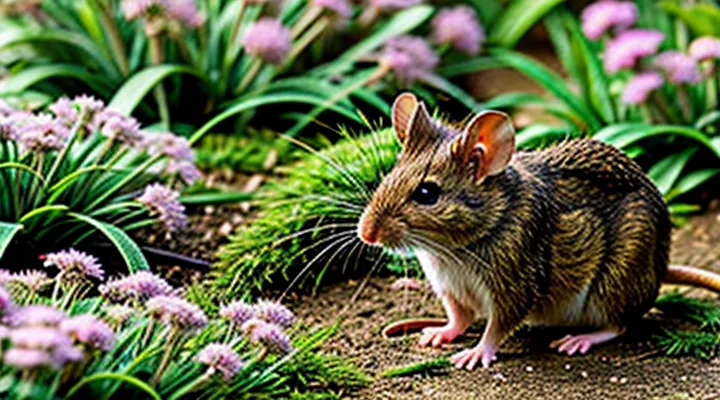
Understanding Mice Behavior in Gardens
Why Mice are Attracted to Gardens
Food Sources for Mice
Mice in garden ecosystems rely on a limited range of plant material, seeds, and insects to meet their nutritional needs. Their foraging behavior is shaped by the palatability and chemical composition of available grasses. Species that contain high concentrations of silica, bitter alkaloids, or dense fiber are typically avoided, reducing their value as food sources.
Preferred food items include:
- Seed heads of grasses such as wheat, barley, and rye, which provide carbohydrates and protein.
- Young shoots and leaf blades of low‑silica grasses like timothy and orchard grass, offering readily digestible cellulose.
- Broadleaf herbs (e.g., mint, parsley) that supply essential vitamins and aromatic compounds that attract mice.
- Insect larvae and arthropods found within the soil, contributing essential fats and amino acids.
Grasses that mice tend to reject:
- Tall fescue (Festuca arundinacea) – high silica content makes the foliage abrasive.
- Bermuda grass (Cynodon dactylon) – dense, coarse blades deter chewing.
- Perennial ryegrass (Lolium perenne) – bitterness from alkaloids reduces palatability.
- Bentgrass (Agrostis spp.) – low nutrient density and tough leaf structure.
Garden managers seeking to limit mouse activity can prioritize planting the latter grasses while encouraging growth of seed‑producing, low‑silica varieties that are less attractive to rodents. This strategy reduces the availability of preferred food sources without resorting to chemical controls.
Shelter and Hiding Spots
Grass mice generally avoid dense, moist shelter that retains water and promotes fungal growth. Such environments reduce the availability of dry food sources and increase the risk of disease, making them unattractive to these rodents.
Typical hiding places that deter grass mice include:
- Thick mulches that remain wet after rain, especially those composed of fresh wood chips or bark.
- Low‑lying piles of leaf litter that become compacted and damp.
- Stacked garden debris, such as wet garden twine, plastic bags, or rotting vegetable matter.
- Overgrown groundcover that creates a continuous, moist canopy close to the soil surface.
Conversely, dry, well‑ventilated structures encourage mouse activity. To minimize infestation, maintain a clean garden floor, remove excess organic material, and ensure good drainage. Regularly turning mulch and pruning low foliage prevents moisture accumulation, reducing the appeal of potential shelters for grass-dwelling rodents.
Grasses Mice Tend to Avoid
Strong-Scented Grasses
Citronella Grass («Cymbopogon nardus»)
Citronella grass (Cymbopogon nardus) produces strong aromatic oils that deter small mammals, including garden rodents. The plant’s volatile compounds, primarily citronellal and geraniol, interfere with the olfactory receptors of mice, reducing their tendency to forage near the foliage.
Key characteristics that contribute to its repellent effect:
- High concentration of essential oils in leaf tissue
- Persistent scent that remains active after mowing or trimming
- Low palatability due to bitter taste and irritating chemicals
Cultivation guidelines for effective use in a garden environment:
- Plant in well‑drained soil with full sun exposure; the species thrives in temperatures above 20 °C.
- Space clumps 30–45 cm apart to allow adequate airflow, which enhances oil volatilization.
- Maintain a mowing height of 10 cm; regular cutting releases fresh oil and prevents seed set.
- Water sparingly once established; over‑watering diminishes oil production.
Integration into a rodent‑deterrent strategy:
- Position citronella grass along perimeter rows to create a scented barrier.
- Combine with physical deterrents such as metal mesh or raised beds for layered protection.
- Replace sections annually to sustain oil potency, as aging foliage loses repellent strength.
Scientific observations confirm that mice avoid areas where citronella grass is present, showing reduced activity in proximity tests. Consequently, the species serves as a botanical component of integrated pest management for gardeners seeking to minimize rodent damage without chemical pesticides.
Lemongrass («Cymbopogon citratus»)
Lemongrass (Cymbopogon citratus) emits strong volatile oils, primarily citral, that create an odor mice find repellent. The scent interferes with the rodents’ olfactory receptors, reducing their willingness to explore or feed in areas where the plant is established. Because the compounds are naturally produced, lemongrass offers a non‑chemical method for discouraging mouse activity in garden beds.
Practical application:
- Plant dense clumps along the perimeter of vegetable plots or near compost piles.
- Maintain a height of at least 30 cm to ensure sufficient leaf surface and oil production.
- Water moderately; over‑watering diminishes citral concentration.
- Trim regularly to prevent flowering, which lowers repellent potency.
Research indicates that lemongrass does not harm beneficial insects when used in appropriate quantities, making it a compatible component of integrated pest‑management strategies. Its dual role as a culinary herb and rodent deterrent adds value for gardeners seeking sustainable solutions.
Tall, Coarse Grasses
Vetiver Grass («Chrysopogon zizanioides»)
Vetiver (Chrysopogon zizanioides) is a perennial grass native to tropical Asia, cultivated for its deep, fibrous roots and distinctive, earthy aroma. The plant forms dense clumps up to 150 cm tall, tolerates a wide range of soils, and requires minimal watering once established.
Mice in garden environments consistently avoid vetiver for several reasons:
- High concentration of volatile terpenes that produce a strong, unpleasant scent to rodents.
- Tough, coarse leaf blades resistant to gnawing.
- Root system that creates a compact, impenetrable mat, limiting burrow formation.
- Low nutritional value; the plant’s cellulose-rich tissue offers little energy.
Gardeners seeking to deter mice can incorporate vetiver as a living barrier. Plant clumps along garden edges, near vegetable beds, or around compost piles; space plants 30–45 cm apart to ensure continuous coverage. Minimal pruning maintains the dense structure, while occasional mulching enhances moisture retention without encouraging rodent activity.
Switchgrass («Panicum virgatum»)
Switchgrass (Panicum virgatum) is a perennial C4 grass native to North America, widely cultivated for its tall, fibrous clumps and deep root system. Its dense, upright foliage forms a coarse, sharply edged stand that persists through winter.
Factors that deter rodents from colonizing switchgrass include:
- Rigid, serrated leaf blades that impede burrowing and climbing.
- High lignin content, creating a tough, unpalatable tissue.
- Rapid growth cycle that continuously replaces damaged foliage, limiting food availability.
- Extensive root network that reduces soil moisture near the surface, creating an inhospitable microenvironment for nesting.
Gardeners seeking to minimize mouse activity can plant switchgrass along borders, between vegetable rows, or as a ground cover in low‑traffic areas. The grass’s ability to outcompete weeds and resist herbivory further enhances its effectiveness as a natural deterrent. Regular pruning after flowering maintains a compact profile, preserving the deterrent characteristics while preventing excessive shading of neighboring plants.
Other Deterrent Plants (Non-Grass)
Mint Varieties («Mentha spp.»)
Mint varieties (Mentha spp.) are among the most effective aromatic herbs for deterring grass mice in cultivated beds. Their strong essential oils, primarily menthol, pulegone, and carvone, create an olfactory barrier that rodents find unpleasant. The volatile compounds persist in soil and foliage, reducing mouse activity without harming beneficial insects.
Key mint species used for rodent control include:
- Mentha spicata (Spearmint) – high carvone content; tolerates partial shade; spreads via runners, forming dense mats that block mouse movement.
- Mentha × piperita (Peppermint) – rich in menthol; thrives in moist, sunny locations; can be cultivated in containers to concentrate scent near vulnerable plants.
- Mentha longifolia (Horse mint) – contains pulegone and menthofuran; vigorous growth suppresses ground cover preferred by mice; suitable for borders and hedgerows.
- Mentha aquatica (Water mint) – thrives in wet soils; emits a sharp aroma that repels rodents in damp garden zones.
Implementation guidelines:
- Plant mint in dedicated beds or pots to prevent invasive spread.
- Position plants around the perimeter of vegetable plots, near seedbeds, or alongside mulch layers where mice seek shelter.
- Maintain regular harvesting to stimulate fresh leaf production and sustain high oil concentrations.
- Combine mint with other aromatic deterrents (e.g., rosemary, thyme) for a multi‑species repellent zone.
Scientific observations confirm that menthol and related terpenes interfere with the olfactory receptors of small rodents, leading to reduced foraging and nesting in treated areas. Properly managed mint installations provide a sustainable, chemical‑free method to limit grass mouse presence throughout the garden.
Marigolds («Tagetes spp.»)
Marigolds (Tagetes spp.) produce volatile compounds that deter grass‑dwelling rodents. The plants release thiophenes, flavonoids, and pyrethrins when their foliage is damaged or stressed. These chemicals create an odor that rodents find unpleasant, reducing the likelihood of foraging in the immediate area.
Key characteristics that contribute to the repellent effect:
- Strong, pungent scent detectable by mouse olfactory receptors.
- Contact toxicity from leaf and stem tissues, discouraging chewing.
- Allelopathic substances that suppress seed germination of competing weeds, limiting shelter for rodents.
Effective implementation in a garden:
- Plant marigolds along the perimeter of vegetable beds to form a chemical barrier.
- Use a spacing of 30–45 cm between plants to ensure overlapping scent zones.
- Combine with other deterrents (e.g., clove oil, predator urine) for enhanced protection.
Research indicates that plots bordered by marigolds experience a measurable decline in mouse activity compared with unprotected controls. The repellent action is most pronounced during the flowering stage, when volatile emission peaks. Regular pruning and removal of dead foliage maintain chemical potency throughout the growing season.
Strategies for Using Grasses to Deter Mice
Placement and Planting Techniques
Perimeter Planting
Perimeter planting involves arranging vegetation along the outer edge of a garden to create a physical and chemical barrier that discourages small rodents. By selecting plant species with strong scent, tough foliage, or coarse texture, gardeners can reduce the likelihood that mice will enter the cultivated area.
Grass species that emit aromatic compounds, such as lavender, rosemary, or oregano, are unattractive to garden mice. Their volatile oils interfere with the rodents’ sensory perception, making the border unappealing. Similarly, grasses with sharp, wiry blades—such as fescue or feather reed—present a tactile obstacle that rodents avoid.
Effective implementation:
- Choose a mix of aromatic herbs and coarse‑leafed grasses.
- Plant the selected species in a continuous strip 12–18 inches wide around the garden’s perimeter.
- Maintain a height of at least 12 inches to ensure adequate visual and physical deterrence.
- Trim regularly to prevent gaps and to preserve the density of the barrier.
- Replace any dead or thinning sections promptly to avoid creating entry points.
Consistent maintenance of the perimeter planting ensures the barrier remains effective, limiting mouse activity and protecting garden crops without the need for chemical controls.
Intercropping with Vulnerable Plants
Intercropping vulnerable species alongside grasses that garden mice tend to avoid creates a habitat that reduces rodent activity while protecting delicate crops. The strategy relies on the natural aversion mice have for certain textures, aromas, or chemical compounds present in selected grasses, combined with the shelter‑providing effect of the companion plants.
Key vulnerable plants suitable for this approach include:
- Mint varieties with strong essential oils
- Lavender, whose fragrance deters rodents
- Marigold, producing a pungent scent that mice find unpleasant
- Sage, whose leaf texture and aroma are unappealing to small mammals
The deterrent effect operates through several mechanisms. Aromatic compounds mask the scent of edible seeds, making detection harder for mice. Physical characteristics such as stiff foliage or hairy leaves impede movement, limiting access to vulnerable seedlings. Additionally, the dense canopy formed by intercropped species reduces ground temperature fluctuations, creating an environment less favorable for mouse foraging.
Implementation guidelines:
- Plant the deterrent grasses in rows alternating with vulnerable crops at a spacing of 30–45 cm.
- Maintain a mulch layer of straw or wood chips to discourage burrowing while preserving soil moisture.
- Rotate the deterrent species annually to prevent mice from adapting to a single scent profile.
- Monitor rodent signs weekly; adjust plant density if activity persists.
By integrating these practices, gardeners can protect sensitive plants without resorting to chemical controls, leveraging ecological interactions that naturally limit mouse presence.
Maintenance and Upkeep
Regular Trimming and Clearing
Regular trimming and clearing of garden vegetation create an environment that most field mice find unattractive. By removing tall grass, dense clumps, and debris, the habitat loses the cover and food sources that mice rely on for nesting and foraging. Consequently, the likelihood of mouse activity declines sharply.
Key practices that deter mice through systematic maintenance include:
- Cutting grass to a uniform height of 2–3 inches, eliminating tall growth where mice hide.
- Removing leaf litter, fallen branches, and compost piles that provide shelter.
- Pruning shrubs and hedges to prevent dense thickets near the garden perimeter.
- Disposing of weeds and seed heads that serve as a food source.
- Keeping the soil surface free of mulch layers thicker than 1 inch, reducing nesting material.
Implementing these measures on a weekly schedule maintains a tidy, open garden landscape. The consistent lack of concealment and readily available food discourages mice from establishing territories, resulting in fewer signs of activity and reduced risk of damage to plants and structures.
Avoiding Overgrowth
Overgrown vegetation creates dense cover that encourages field mice to settle in garden beds. Maintaining a trimmed profile reduces shelter opportunities and limits food sources. Regular mowing, edging, and removal of tall weeds keep the area inhospitable to these rodents.
Key actions for preventing excessive growth:
- Mow lawns weekly during peak season; keep height below 3 inches.
- Trim hedges and borders to a uniform shape, eliminating gaps larger than 2 inches.
- Remove flowering weeds before seed set; discard plant material rather than composting.
- Thin perennial clumps to maintain open soil exposure.
- Install ground covers with low growth habit, such as creeping thyme, to limit vertical vegetation.
Consistent execution of these measures sustains a garden environment that discourages mouse habitation without relying on chemical controls.
Additional Garden Management Tips for Rodent Control
Eliminating Food Sources
Proper Composting
Proper composting directly influences the likelihood that grass‑dwelling rodents will frequent a garden. When organic waste is managed correctly, the environment becomes less appealing to these pests, reducing damage to seedlings and turf.
Effective composting requires the following actions:
- Balanced carbon‑to‑nitrogen ratio – combine dry leaves, straw, or shredded paper (high carbon) with kitchen scraps, grass clippings, or coffee grounds (high nitrogen) to prevent excess ammonia, a strong attractant for rodents.
- Adequate aeration – turn the pile every 7–10 days or use a perforated bin to maintain oxygen levels, limiting anaerobic decay that produces foul odors.
- Moisture control – keep the material damp, not wet; a wrung‑out sponge test ensures optimal moisture, preventing soggy conditions that attract mice seeking shelter.
- Covering fresh inputs – place new kitchen waste beneath an existing layer of brown material to mask scent and discourage foraging.
- Secure perimeter – install a fine mesh or hardware cloth around the compost area to block entry points for small mammals.
By adhering to these practices, gardeners eliminate the primary cues—strong smells, damp shelter, and easy food sources—that draw grass mice into cultivated spaces. The result is a healthier substrate for plant growth and a garden less prone to rodent intrusion.
Secure Storage of Pet Food
Pet food left uncovered in a garden draws rodents; the presence of grass species that field mice avoid can reduce the likelihood of intrusion, but only when the food is stored in a manner that eliminates scent and access.
Secure storage demands containers that prevent moisture ingress, resist chewing, and seal tightly. Materials such as heavy‑duty polyethylene or stainless steel provide the necessary barrier. Locks or latch mechanisms add an extra layer of protection against opportunistic mice.
- Choose airtight containers with a lockable lid.
- Place containers on a raised platform to avoid ground contact.
- Store containers in a shaded, dry area away from dense vegetation.
- Clean spills immediately; residual crumbs attract rodents.
- Rotate stock regularly; older food loses potency and becomes more appealing to pests.
Integrating grass that garden mice find unappealing—such as aromatic mint or strong‑scented oregano—around the storage site creates a secondary deterrent. When the food is sealed and the surrounding flora discourages foraging, mouse activity in the garden declines, protecting both the pet’s nutrition and the plant beds.
Habitat Modification
Removing Debris and Clutter
Grass mice avoid garden areas that lack shelter and concealment. Removing loose organic material eliminates the cover they rely on for nesting and foraging.
Typical debris includes fallen leaves, twigs, discarded plant stems, compost piles, stone heaps, and abandoned garden tools.
- Leaf litter
- Pruned branches
- Overripe fruit and vegetable waste
- Uncovered compost heaps
- Stacked rocks or bricks
- Unsecured equipment
Eliminating these items reduces hiding places, diminishes food residues, and increases exposure to predators. The resulting environment discourages mice from establishing territories.
Maintain a debris‑free garden through regular actions:
- Sweep pathways and beds weekly to collect fallen material.
- Trim edges of shrubs and grasses to prevent dense growth.
- Store tools in locked sheds or on racks, away from ground level.
- Cover compost bins with tight lids and turn contents frequently.
- Relocate stones or debris piles to designated, inaccessible zones.
Consistent cleanup creates an open, unattractive habitat for grass mice, limiting their presence in the garden.
Sealing Entry Points to Structures
Field rodents typically avoid areas where they cannot gain access to shelter or food sources. When garden structures such as sheds, compost bins, and raised beds have gaps, mice are more likely to enter and cause damage. By eliminating these openings, gardeners create an environment that is unattractive to the animals.
Sealing entry points involves the following actions:
- Inspect all exterior walls, doors, and windows for cracks larger than ¼ inch.
- Apply steel wool or copper mesh to fill gaps before applying sealant.
- Use silicone or polyurethane caulk to close seams around pipes, vents, and utility lines.
- Install weather‑stripping on doors and windows to prevent small openings.
- Cover ventilation openings with fine mesh that does not impede airflow.
A well‑sealed garden infrastructure removes the primary refuge that field mice seek, reducing their presence without relying on chemical deterrents. The result is a cleaner, safer space for plants and human activity.