
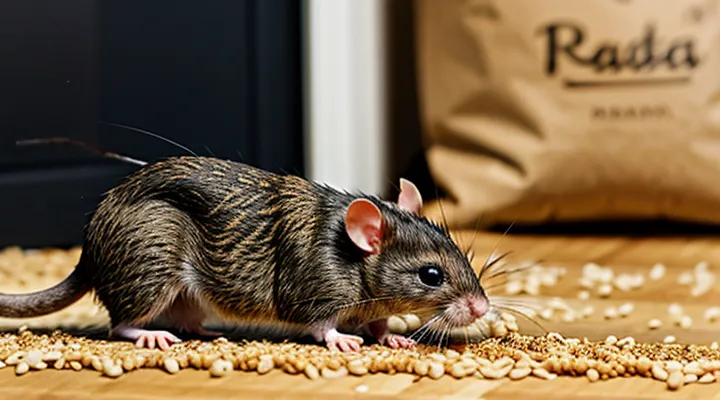
Understanding Your Rat’s Dietary Needs
Essential Nutritional Components for Rats
Carbohydrates and Energy
Grains provide the primary source of carbohydrates for pet rats, delivering the glucose needed to sustain rapid metabolism and high activity levels. Efficient carbohydrate digestion supplies immediate energy for thermoregulation, locomotion, and cognitive function, while excess carbohydrates are stored as glycogen in the liver and muscles for later use.
Suitable grains should contain moderate starch levels, low fiber that could impede digestion, and minimal anti‑nutritional factors. Commonly recommended options include:
- Oats – soluble fiber, 66 g carbohydrate per 100 g, steady glucose release.
- Brown rice – 77 g carbohydrate per 100 g, higher mineral content, low phytate when cooked.
- Quinoa – 64 g carbohydrate per 100 g, complete amino acid profile, moderate glycemic index.
- Millet – 73 g carbohydrate per 100 g, easily digestible starch, low fat.
- Barley (hulled) – 73 g carbohydrate per 100 g, contains β‑glucan that supports gut health.
Grains with high sucrose or fructose, such as cornmeal, should be limited because rapid spikes in blood glucose can stress insulin regulation. Whole‑grain forms are preferred over refined flours; they preserve vitamins and minerals that aid enzymatic conversion of carbohydrates to usable energy.
Feeding guidelines recommend mixing grains with a balanced protein source and fresh vegetables, maintaining a total carbohydrate contribution of 45–55 % of the rat’s daily caloric intake. Monitoring body condition and adjusting portions prevents obesity, which diminishes energy efficiency and increases health risks.
Fiber for Digestive Health
Fiber supports gastrointestinal motility, stabilizes stool consistency, and promotes a healthy microbial population in pet rats. Adequate fiber prevents constipation, reduces the risk of gastrointestinal blockage, and aids nutrient absorption.
Grains that provide the necessary fiber while meeting rats’ nutritional requirements include:
- Oats (rolled or whole): high soluble fiber, low fat, easy to digest.
- Barley (hulled): moderate insoluble fiber, contributes to bulk.
- Brown rice: contains both soluble and insoluble fiber, supplies additional minerals.
- Quinoa: rich in dietary fiber and protein, suitable in small portions.
- Whole wheat: offers fiber and B‑vitamins, should be limited to avoid excess gluten.
When incorporating these grains, maintain a balanced diet: limit grain content to 10‑15 % of total daily intake, ensure fresh water availability, and monitor for any signs of digestive upset. Regular observation of fecal quality provides immediate feedback on fiber adequacy.
Vitamins and Minerals
Grains provide most of the vitamins and minerals a pet rat needs when selected carefully. Each grain contributes a distinct profile; matching those profiles to the rat’s dietary requirements prevents deficiencies and supports growth, reproduction, and immune function.
Commonly fed grains and their micronutrient contributions are:
- Oats: high in vitamin B1 (thiamine), vitamin E, manganese, and phosphorus.
- Brown rice: supplies vitamin B3 (niacin), vitamin B6, magnesium, and selenium.
- Barley: delivers vitamin B2 (riboflavin), folate, iron, and zinc.
- Millet: contains vitamin B5 (pantothenic acid), copper, and potassium.
- Quinoa (technically a seed but often used as a grain): rich in vitamin B9 (folic acid), magnesium, and calcium.
When incorporating grains, maintain a balanced ratio: grains should represent no more than 20 % of total daily intake, with the remainder supplied by a high‑quality rat pellet formulated to meet the species’ complete nutrient profile. Excessive grain consumption can lead to calcium‑phosphorus imbalance, increasing the risk of metabolic bone disease.
Supplementation is unnecessary if the grain mix is varied and the base pellet meets established nutritional standards. Monitor for signs of deficiency—such as poor coat condition, lethargy, or skeletal abnormalities—and adjust the grain selection accordingly.
Suitable Grains for Pet Rats
Whole Grains: The Best Choice
Oats
Oats are a viable grain option for pet rats when offered in moderation. Their composition includes soluble fiber, moderate protein, and essential vitamins such as B‑complex and minerals like iron and magnesium. The fiber supports digestive health, while the protein contributes to muscle maintenance. However, oats are higher in carbohydrates than some other grains, so excessive amounts may promote weight gain.
Key considerations for feeding oats:
- Use plain, rolled or quick‑cooking oats without added sugar, flavorings, or preservatives.
- Serve a portion no larger than 1–2 teaspoons (approximately 5–10 g) per adult rat per day.
- Introduce oats gradually to monitor for any signs of gastrointestinal upset.
- Combine oats with a balanced diet of commercial rat pellets, fresh vegetables, and occasional protein sources.
Preparation guidelines:
- Rinse oats briefly under cold water to remove dust.
- Cook with water only, using a 1:2 oats‑to‑water ratio, and let cool to room temperature.
- Offer a small spoonful in the cage, removing any leftovers after a few hours to prevent spoilage.
When administered correctly, oats provide a source of soluble fiber and nutrients that complement a rat’s overall diet without compromising health.
Barley
Barley provides a balanced source of carbohydrates, protein, and fiber that can complement a pet rat’s diet. Its moderate glycemic index supplies steady energy without causing rapid blood‑sugar spikes. The grain also contains essential B‑vitamins and minerals such as magnesium, phosphorus, and selenium, supporting metabolic functions and bone health.
- Nutritional contribution: 3 g protein per 100 g, 28 g carbohydrate, 3.6 g fiber.
- Digestibility: Softened or cooked barley is easily broken down; raw kernels may be too hard for small rodents.
- Feeding frequency: Incorporate barley as a small portion (no more than 5 % of total daily intake) to maintain variety without displacing protein‑rich foods.
Preparation guidelines:
- Rinse barley thoroughly to remove dust.
- Simmer in water until tender but not mushy (approximately 20–25 minutes).
- Cool completely before adding to the cage, ensuring no hot spots remain.
Precautions:
- Avoid flavored or sweetened barley products; added sugars and salt can harm rats.
- Do not feed sprouted barley in large quantities; excessive sprouting may increase oxalate levels.
- Monitor for signs of digestive upset; reduce or discontinue if loose stools appear.
When offered correctly, barley enriches a rat’s diet with nutrients that support growth, energy, and overall health.
Brown Rice
Brown rice is a whole grain that supplies complex carbohydrates, fiber, and modest amounts of protein, making it a viable component of a pet rat’s diet. The grain’s fiber content supports gastrointestinal motility, while the carbohydrate profile offers sustained energy without rapid blood‑sugar spikes. Compared with refined white rice, brown rice retains the bran and germ, which contain essential B‑vitamins, magnesium, and antioxidants.
Veterinarians advise that brown rice should be introduced gradually to assess tolerance. Over‑feeding can lead to digestive upset, as rats possess a limited capacity to process high‑fiber foods. A typical serving size for an adult rat ranges from one‑quarter to one‑half teaspoon of cooked brown rice per day, mixed with a balanced staple of pellets, fresh vegetables, and occasional protein sources.
Advantages
- High fiber promotes regular bowel movements.
- B‑vitamins contribute to metabolic functions.
- Low glycemic index reduces risk of hyperglycemia.
Potential concerns
- Excessive fiber may cause bloating or loose stools.
- Raw brown rice contains antinutrients; cooking eliminates these.
- Caloric contribution must be balanced against other diet components to prevent obesity.
Prepared by boiling in water without added salt or seasoning, brown rice should be cooled to room temperature before mixing with other foods. Regular monitoring of the rat’s weight, coat condition, and stool consistency will indicate whether the grain remains appropriate within the overall feeding regimen.
Quinoa
Quinoa provides a high‑quality protein source for pet rats, offering all essential amino acids in a digestible form. The grain’s low glycemic index helps maintain stable blood sugar levels, and its fiber content supports healthy gastrointestinal function. Additionally, quinoa contains vitamins B1, B6, and E, as well as minerals such as magnesium, phosphorus, and iron, which contribute to bone health and immune competence.
When offering quinoa, cook it without added salt, oil, or seasoning. Rinse the raw seeds thoroughly to remove saponins that can irritate the digestive tract. Boil in water at a 2:1 ratio (water to quinoa) for about 15 minutes, then allow it to cool to room temperature before serving. Small portions—approximately one teaspoon per 100 g of body weight—fit within a balanced diet that also includes pellets, fresh vegetables, and occasional protein treats.
Potential concerns include the grain’s relatively high fat content compared to other cereals; excessive feeding may lead to weight gain. Rats with a history of kidney or liver issues should receive quinoa only after veterinary approval. Monitor for signs of digestive upset, such as loose stools, and adjust the amount accordingly.
Key points for safe inclusion:
- Rinse and cook without additives.
- Serve cool, in modest quantities.
- Combine with a varied diet to prevent nutritional imbalances.
- Consult a veterinarian for rats with health conditions.
Quinoa can thus serve as a nutritious component of a rat’s grain selection, provided it is prepared correctly and offered in moderation.
Grains to Offer in Moderation
Whole Wheat
Whole wheat offers a balanced source of protein, fiber, and carbohydrates for pet rats. The grain’s protein content ranges from 12‑14 %, supporting muscle maintenance and growth. Soluble and insoluble fibers promote gastrointestinal motility and help prevent constipation. Carbohydrate levels provide sustained energy for active rodents, while low fat reduces the risk of obesity.
Nutrient profile includes B‑vitamins (thiamine, riboflavin, niacin) essential for metabolic processes, and minerals such as iron, magnesium, and phosphorus that contribute to bone health and red blood cell formation. Whole wheat also contains antioxidants like selenium, which aid cellular protection.
Potential concerns involve the presence of gluten, which can trigger sensitivities in a minority of rats. Over‑feeding may lead to excess calorie intake and weight gain. To minimize risks, introduce whole wheat gradually and monitor for digestive upset.
- Offer 1–2 teaspoons of cooked whole wheat per 100 g of body weight, three times weekly.
- Cook without added salt, sugar, or oil; steam or boil until soft, then cool to room temperature.
- Store uncooked kernels in an airtight container in a cool, dry place; cooked portions keep for up to three days refrigerated.
- Combine with fresh vegetables, protein sources, and a commercial rat diet to ensure nutritional completeness.
Corn
Corn can be included in a pet rat’s diet, but it should be offered with care. The grain provides carbohydrates, some protein, and a modest amount of fiber. It also supplies vitamins such as B‑complex and minerals like magnesium and phosphorus.
Raw corn kernels are difficult for rats to digest and may cause gastrointestinal upset. Cooking the kernels—steaming or boiling without added salt or butter—softens the starches, making them more digestible. Canned corn should be avoided unless it is plain, low‑sodium, and free of added sugars or preservatives.
Potential concerns include the high sugar content of corn and the risk of mold growth if stored improperly. Over‑reliance on corn can displace more balanced protein sources and essential fatty acids. Monitoring body condition and limiting corn to a small portion of the overall grain mix helps prevent obesity and nutrient imbalances.
Feeding guidelines:
- Offer cooked, unsalted kernels only.
- Limit to 1–2 teaspoons per day for an adult rat.
- Rotate with other grains such as oats, barley, and quinoa.
- Observe the rat for signs of digestive discomfort after introduction.
Grains to Avoid or Limit Strictly
White Bread and Refined Grains
White bread and refined grains provide primarily simple carbohydrates with little fiber, protein, or essential nutrients. Pet rats require a diet rich in complex carbohydrates, fiber, and vitamins; the nutritional profile of white bread fails to meet these needs.
The main concerns with offering white bread or refined grains to a pet rat include:
- High glycemic load that can cause rapid blood‑sugar spikes.
- Minimal dietary fiber, leading to poor gut motility.
- Lack of essential amino acids and micronutrients.
- Potential for mold growth if stored improperly, posing a mycotoxin risk.
- Salt and additive content in many commercial products, which can stress renal function.
Regular consumption may result in obesity, digestive upset, and nutrient deficiencies. If a rat consumes a small piece accidentally, observation for signs of diarrhea or lethargy is advisable, but the food should not become a regular component of the diet.
For a balanced diet, replace white bread and refined grains with:
- Whole‑grain oats, barley, or quinoa.
- Fresh vegetables such as carrots, broccoli, and leafy greens.
- High‑quality rat pellets formulated to meet nutritional standards.
These alternatives supply the fiber, protein, and vitamins necessary for healthy growth and maintenance of pet rats.
Sugary Cereals
Sugary cereals contain high levels of simple sugars, which can cause rapid spikes in blood glucose and increase the risk of obesity in rats. Rats lack the metabolic mechanisms to process large amounts of refined sugar efficiently, leading to potential liver strain and dental problems.
Nutritional composition of most sugary cereals is dominated by carbohydrates with minimal protein, fiber, or essential vitamins. A typical serving may provide:
- 20–30 g of sugars
- 2–3 g of protein
- Less than 1 g of dietary fiber
- Negligible levels of calcium, potassium, and vitamin C
Such profiles do not meet the dietary requirements of a pet rat, which needs a balanced intake of protein, fiber, and micronutrients to support growth, immune function, and gastrointestinal health.
Feeding sugary cereals intermittently may introduce short‑term energy bursts but does not contribute to long‑term nutritional adequacy. Repeated exposure can alter taste preferences, leading rats to reject healthier grain options that contain lower sugar and higher fiber.
For a diet focused on appropriate grains, prioritize whole‑grain products such as:
- Unflavored rolled oats
- Whole‑grain barley
- Cooked quinoa
- Plain brown rice
These alternatives provide complex carbohydrates, fiber, and a broader spectrum of nutrients without the excessive sugar load found in breakfast cereals marketed for humans.
Certain Raw Grains
Raw grains supply carbohydrates, dietary fiber, and essential nutrients that complement the protein‑rich foods typically offered to pet rats. Inclusion of unprocessed grains should be limited to a modest portion of the overall diet to prevent excess calorie intake.
- Oats – plain, rolled or whole‑grain; high in soluble fiber; serve as a gentle source of energy.
- Barley – hulled or pearled; provides beta‑glucan, supporting gastrointestinal health.
- Quinoa – rinsed, uncooked seeds; contains complete protein and trace minerals; introduce gradually.
- Brown rice – whole‑grain kernels; rich in B‑vitamins; ensure grains are free of mold.
- Millet – tiny, amber seeds; easily digestible; suitable for small‑mouth rodents.
- Wheat berries – intact kernels; offer complex carbohydrates; soak briefly to soften before offering.
- Amaranth – tiny, nutrient‑dense seeds; high in lysine; feed in small quantities.
- Spelt – whole‑grain kernels; provides fiber and iron; crush lightly to aid chewing.
Raw grains must be free of additives, preservatives, and salt. Prior to feeding, inspect for foreign objects, mold, or insect infestation. Offer only a few teaspoons per day, mixed with a balanced commercial rat diet. Monitor the animal for signs of digestive upset; discontinue any grain that causes loose stools or reduced appetite.
Preparing Grains for Your Rat
Cooking Methods
Boiling
Boiling is a reliable method to render grains safe and digestible for a pet rat. Heat eliminates harmful microbes, reduces anti‑nutritional factors, and softens the texture, facilitating chewing and nutrient absorption.
To boil grains effectively:
- Rinse grains under cold water to remove dust and debris.
- Place grains in a pot with fresh water; use a ratio of three parts water to one part grain.
- Bring to a rolling boil, then reduce to a simmer.
- Cook for the time required by each grain type (see list below); avoid over‑cooking, which can destroy vitamins.
- Drain thoroughly and allow to cool to room temperature before serving.
Grains that tolerate boiling and are appropriate for a pet rat include:
- Oats (rolled or steel‑cut)
- Brown rice
- Quinoa
- Barley (pearled)
- Millet
- Whole wheat berries
Do not feed raw or unprocessed grains; always provide boiled portions as part of a balanced diet that also contains protein sources, fresh vegetables, and a calcium supplement.
Steaming
Steaming is an effective method for preparing grains intended for a pet rat’s diet. The technique softens the kernels, improves digestibility, and reduces the presence of anti‑nutritional factors without adding fats or sugars. Because rats have sensitive gastrointestinal systems, the gentle heat of steam preserves most vitamins and minerals while eliminating potential pathogens.
When selecting grains for steaming, prioritize those with low glycemic impact and high fiber content. Suitable options include:
- Oats (rolled or steel‑cut) – high in soluble fiber, mild flavor.
- Brown rice – retains bran, provides steady energy release.
- Quinoa – complete protein source, modest carbohydrate level.
- Barley (hulled) – rich in beta‑glucan, supports gut health.
- Millet – small seed size, easy to steam in bulk.
Preparation steps:
- Rinse the grain thoroughly to remove dust and debris.
- Soak for 15–30 minutes to shorten steam time and promote even hydration.
- Place grain in a steamer basket, ensuring water does not touch the contents.
- Steam until grains are tender but not mushy: 10 minutes for oats, 20 minutes for brown rice and barley, 12 minutes for quinoa, 8 minutes for millet.
- Cool to room temperature before serving; avoid reheating to prevent nutrient loss.
Steamed grains should be offered in moderation, mixed with a balanced pellet or fresh vegetables to meet the rat’s complete nutritional requirements. Regularly rotate grain types to prevent dietary monotony and to expose the animal to a broader spectrum of nutrients.
Portion Sizes and Frequency
Grains provide essential carbohydrates and fiber for pet rats, but they must be offered in measured amounts to prevent obesity and digestive upset. A typical adult rat weighing 300–350 g should receive no more than 1–2 teaspoons (approximately 5–10 g) of mixed grains per day, incorporated into a balanced diet that includes pellets, fresh vegetables, and occasional protein sources.
Frequency matters as much as quantity. Offer grain portions once daily, preferably mixed with a staple ration, to encourage consistent intake and avoid overconsumption. If a rat is particularly active or in a growth phase, a second small serving (½ teaspoon) may be introduced, but total daily grain weight must remain within the 10 g ceiling.
Recommended grains and their standard serving sizes:
- Oats (rolled or instant) – ½ teaspoon (≈2 g)
- Brown rice (cooked, unsalted) – ½ teaspoon (≈2 g)
- Quinoa (cooked, rinsed) – ¼ teaspoon (≈1 g)
- Barley (cooked, unsalted) – ½ teaspoon (≈2 g)
- Millet (dry, sprouted) – ¼ teaspoon (≈1 g)
All grains should be plain, free of added sugars, salts, or flavorings. Monitor body condition weekly; if weight gain exceeds 2 % per month, reduce grain portions accordingly. Consistent measurement and controlled feeding frequency ensure that grains contribute nutritional value without compromising health.
Introducing New Grains
Introducing new grains to a pet rat requires careful selection, proper preparation, and systematic monitoring. Choose grains that are low in fat, free of added sugars, and free from mold or pesticides. Preferred options include:
- Oats (plain, rolled or quick-cooking)
- Barley (cooked, unsprouted)
- Brown rice (cooked, plain)
- Quinoa (cooked, rinsed)
- Millet (cooked, unsalted)
Avoid grains that contain high levels of gluten, are heavily processed, or have been flavored with salt, butter, or spices. Examples of unsuitable grains are wheat bread, flavored popcorn, and pre-seasoned rice mixes.
When adding a new grain, follow these steps:
- Cook the grain thoroughly to soften fibers and eliminate potential pathogens.
- Cool the grain to room temperature to prevent burns.
- Offer a small portion (approximately one teaspoon) alongside the regular diet.
- Observe the rat for 24–48 hours, noting any changes in appetite, stool consistency, or behavior.
- If no adverse reactions occur, gradually increase the portion to a maximum of two teaspoons per day, maintaining a balanced overall diet.
Record each introduction in a log to track tolerance and nutritional impact. Adjust quantities based on the rat’s weight, activity level, and health status. Consistent, documented practice ensures that new grains enhance dietary variety without compromising safety.
Potential Risks and Considerations
Allergies and Sensitivities
Grain selection for a pet rat must account for possible allergic reactions and digestive sensitivities. Identifying problematic grains prevents respiratory irritation, skin inflammation, and gastrointestinal upset.
Common grain allergens include:
- Wheat
- Barley
- Rye
- Corn
- Oats (especially when contaminated with mold)
Signs of an adverse reaction appear as:
- Sneezing or nasal discharge
- Itchy skin, fur loss, or red patches
- Diarrhea, soft stools, or constipation
- Lethargy and reduced appetite
Management strategy: introduce a single grain in a small amount, observe the rat for 48–72 hours, and record any symptoms. If a reaction occurs, discontinue the grain and allow a wash‑out period before testing another. Keep a log of tolerated and rejected grains to guide future diet planning.
Grains with a low incidence of allergic responses are:
- White rice
- Brown rice (well‑cooked)
- Quinoa (rinsed to remove saponins)
- Millet
- Sorghum
Providing only tolerated grains, supplemented with fresh vegetables and protein sources, ensures a balanced diet while minimizing health risks associated with grain sensitivities.
Choking Hazards
Grains that are too large, hard, or irregularly shaped can become lodged in a rat’s airway, leading to rapid respiratory distress. Whole kernels of wheat, barley, or rye often exceed the safe size range for a small rodent and should be avoided unless they are cracked or rolled to a finer consistency. Likewise, unprocessed popcorn kernels retain a hard hull that can fragment and block the trachea.
- Whole corn kernels (including popcorn) – high risk of blockage.
- Large oat groats – exceed safe diameter.
- Uncooked rice grains – hard texture, may splinter.
- Intact quinoa seeds – spherical shape increases choking potential.
Grains that have been processed to reduce size and hardness present a lower risk. Rolled oats, finely milled wheat flour, and cooked rice that is fully softened can be offered in controlled portions. When introducing any grain, observe the rat’s chewing behavior; rapid chewing without thorough breakdown indicates an unsuitable texture.
To minimize choking incidents, follow these practices:
- Pre‑soak or cook grains until they are soft enough to be easily broken by the animal’s incisors.
- Grind or crush whole grains to a particle size of no more than 2‑3 mm.
- Provide small, measured portions and monitor consumption.
- Remove any leftover pieces after feeding to prevent accidental ingestion later.
Consistent application of these guidelines reduces the likelihood of airway obstruction while allowing the rat to benefit from the nutritional value of appropriate grains.
Contaminants and Purity
Grains offered to pet rats must meet strict purity standards to prevent health complications. Contaminants can arise during cultivation, processing, or storage and may include:
- Mycotoxins such as aflatoxin and ochratoxin, produced by mold growth on improperly dried kernels.
- Pesticide residues left from agricultural treatments, which can accumulate in rat tissue.
- Heavy metals (lead, cadmium, arsenic) absorbed from contaminated soil or water sources.
- Bacterial spores (Clostridium, Salmonella) that survive inadequate heat treatment.
- Foreign particles like husks, stones, or broken seed fragments that pose choking hazards.
Purity assessment should focus on the following criteria:
- Certification of organic or non‑GMO status, indicating reduced exposure to synthetic chemicals.
- Laboratory analysis confirming limits for mycotoxins, pesticides, and heavy metals comply with veterinary safety thresholds.
- Absence of visible mold, discoloration, or off‑odors, which signal spoilage.
- Low moisture content (below 12 %) to inhibit fungal proliferation during storage.
- Packaging that protects against moisture, pests, and cross‑contamination.
Selecting grains that satisfy these purity requirements minimizes the risk of toxic exposure and supports the digestive health of a pet rat. Regular rotation of grain varieties, combined with periodic testing of bulk supplies, further enhances safety.
Beyond Grains: A Balanced Diet
Other Healthy Food Options
Vegetables
Pet rats benefit from a varied diet that includes appropriate vegetables. Vegetables supply essential vitamins, minerals, and fiber that support digestive health, eye function, and immune response.
Safe vegetables for regular feeding:
- Carrots, raw or lightly steamed, sliced thinly
- Bell peppers (red, yellow, orange), diced
- Broccoli florets, offered in small portions
- Spinach, fresh, limited to a few leaves per serving
- Zucchini, raw or lightly cooked, cut into bite‑size pieces
- Cucumber, peeled if waxed, sliced
Vegetables to limit or avoid:
- Lettuce varieties with high water content (e.g., iceberg) – low nutritional value
- Raw potatoes and sweet potatoes – contain solanine, toxic in large amounts
- Tomato leaves and stems – contain alkaloids harmful to rodents
- Avocado flesh – high in persin, potentially toxic
- Rhubarb leaves – contain oxalic acid, dangerous for rats
Preparation guidelines:
- Wash all produce thoroughly to remove pesticides and contaminants.
- Remove seeds, pits, and tough stems that could cause choking.
- Serve vegetables in moderation; they should complement, not replace, a balanced grain base.
- Introduce new vegetables gradually, monitoring for adverse reactions such as diarrhea or loss of appetite.
Fruits
Pet rats require a diet where grains provide the bulk of calories and protein, while fruit supplies supplemental vitamins and natural sugars. Fruit should complement, not replace, the grain component.
- Apple (core removed, skin thin)
- Blueberries (fresh or frozen, no added sugar)
- Pear (seedless, skin thin)
- Strawberries (hull removed)
- Kiwi (peeled, seedless)
When integrating fruit with grain-based meals, observe the following guidelines:
- Limit fruit to 10 % of total daily intake to prevent excess sugar.
- Choose low‑acid varieties to avoid gastrointestinal irritation.
- Pair fruit with high‑fiber grains such as oats or barley to balance carbohydrate absorption.
- Monitor weight and coat condition; rapid changes may indicate over‑feeding of fruit.
A typical feeding schedule includes two grain meals per day, each supplemented with a small portion of safe fruit. Rotate fruit selections to provide a range of antioxidants while maintaining consistent grain nutrition.
Protein Sources
Pet rats require a diet that supplies roughly 15‑20 % protein on a dry‑matter basis. Grains can contribute a meaningful portion of this protein when selected carefully.
- Quinoa – contains approximately 14 % protein, with a balanced amino‑acid profile that includes lysine and methionine, nutrients often limited in other cereals. Cooked quinoa should be offered in small, cooled portions to avoid excess moisture.
- Amaranth – provides about 13 % protein and is rich in arginine and tryptophan. The grain’s small size makes it easy for rats to chew; it should be boiled and rinsed to remove saponins that may irritate the gastrointestinal tract.
- Whole‑grain oats – deliver 12‑13 % protein and are a source of soluble fiber. Rolled or steel‑cut oats must be cooked thoroughly to improve digestibility and reduce phytate content.
- Brown rice – offers 7‑8 % protein, lower than the other grains listed but still valuable when combined with higher‑protein sources. Cooking eliminates resistant starch and reduces the risk of bacterial contamination.
- Barley (hulled) – contains 10‑12 % protein and supplies beta‑glucan, a soluble fiber that supports gut health. Soaking and cooking deactivate enzymes that could interfere with nutrient absorption.
When incorporating grains, maintain a total grain contribution of no more than 15 % of the rat’s daily caloric intake. Excess carbohydrates can displace essential fats and vitamins, potentially leading to obesity or nutrient imbalances. Rotate grain types to prevent monotony and to expose the animal to a broader spectrum of amino acids.
Supplementation with animal‑derived proteins—such as boiled egg whites, cooked lean meat, or commercial rat pellets—ensures that the diet meets the full spectrum of essential amino acids. Grains alone cannot satisfy the rat’s complete protein requirement, but the listed options provide high‑quality plant‑based protein that complements other dietary components.
The Importance of a Complete Commercial Diet
A pet rat’s health depends on a diet that supplies protein, fat, vitamins, minerals, and fiber in balanced proportions. Commercially formulated feeds are engineered to meet these requirements, delivering consistent nutrient levels that are difficult to achieve with grain alone.
Complete commercial diets contain precisely measured amounts of high‑quality protein sources, essential fatty acids, calcium‑phosphorus ratios, and micronutrients such as vitamin A, D, E, and B‑complex. The formulation also includes fiber that supports gastrointestinal motility and prevents dental overgrowth.
Relying solely on grains leads to protein deficiency, excess carbohydrate intake, and inadequate vitamin and mineral supply. Such imbalances can cause weight loss, skeletal weakness, and compromised immune function.
Key advantages of a formulated feed:
- Guarantees daily intake of all essential nutrients
- Eliminates the need for complex home‑mix calculations
- Provides stable energy levels without spikes from high‑sugar grains
- Supports reproductive health and offspring development
- Reduces risk of nutritional diseases associated with incomplete diets
Grains may be offered as occasional treats or supplemental fiber, provided they are selected for low anti‑nutrient content and introduced in moderation. The primary nutritional foundation should remain a complete commercial product to ensure optimal growth, longevity, and overall well‑being.