
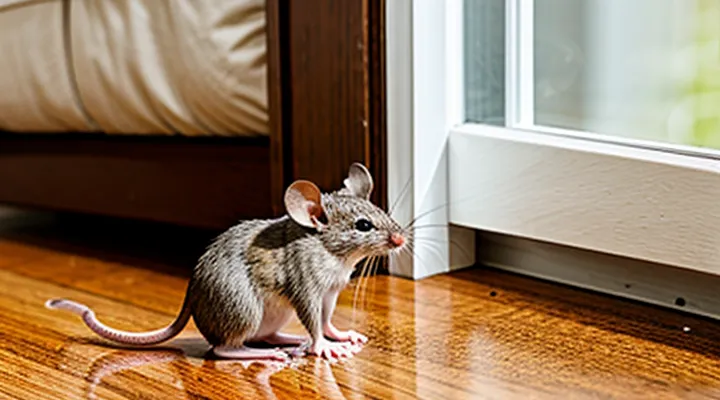
Understanding Mouse Biology and Behavior
The Incredible Flexibility of a Mouse
Skeletal Structure and Cartilage
Mice can navigate openings far smaller than their body length because of a uniquely adaptable skeletal framework. Their skull lacks protruding facial bones, allowing the head to flatten and pass through narrow spaces. The vertebral column consists of loosely connected segments, each articulated by flexible joints that permit extreme bending without compromising structural integrity.
Cartilage contributes to this flexibility. Intervertebral discs, composed of resilient fibrocartilage, absorb compression and enable the spine to curl tightly. Nasal cartilage maintains shape while allowing the snout to compress, further reducing the overall profile. Joint cartilage on limbs provides smooth motion, supporting rapid adjustments when squeezing through irregular gaps.
The combination of a slim, compressible skull, a highly mobile spine, and pliable cartilage sets a lower limit for entry dimensions. Gaps as narrow as ¼ inch (approximately 6 mm) can accommodate a mouse, especially when the animal aligns its body longitudinally and employs spinal flexion.
Preventing intrusion requires sealing potential openings below the identified threshold. Effective measures include:
- Inserting steel wool or copper mesh into cracks before applying caulk.
- Applying expanding polyurethane foam to fill larger voids, ensuring the foam cures hard.
- Installing weather stripping on doors and windows to eliminate peripheral gaps.
- Maintaining a clear perimeter by removing debris that could conceal entry points.
- Regularly inspecting foundation joints and repairing deteriorated mortar or siding.
By understanding the anatomical mechanisms that permit mice to exploit minute openings, homeowners can target the specific size range that poses the greatest risk and implement focused barrier solutions.
Jaw Anatomy and Head Size
Mice possess a flexible mandible that can open widely, yet the limiting factor for entry through narrow openings is the overall head dimensions. The skull, comprising the braincase and facial bones, measures roughly 1.5 cm in width for an adult house mouse. The mandible extends forward, adding a few millimeters to the effective length when the mouth is closed. When the mouth opens, the jaw can increase the head’s vertical profile by up to 2 mm, but the lateral width remains constrained by the rigid cranial bones.
Because the cranial width is fixed, any gap narrower than 1.5 cm will generally block a mouse, regardless of how widely the jaw opens. Cracks measuring 1 cm to 1.5 cm may admit a mouse if the surrounding material flexes or if the mouse can angle its head to reduce apparent width. Gaps larger than 2 cm provide ample clearance for the head and an open jaw, allowing rapid passage.
Practical measures to prevent mouse ingress focus on eliminating openings that exceed the cranial width threshold:
- Inspect baseboards, window frames, and door thresholds; seal gaps of 2 mm or larger with steel wool, caulk, or expanding foam.
- Replace deteriorated weatherstripping; ensure a continuous barrier with no visible cracks.
- Install door sweeps that contact the floor firmly, eliminating sub‑inch spaces.
- Use mesh screens on vents and utility openings; mesh should have openings no larger than 1 mm.
- Regularly clean and vacuum edges of appliances and furniture to remove debris that could create temporary gaps.
Understanding the fixed cranial dimensions and the limited expansion of the jaw clarifies why sealing sub‑centimeter openings effectively blocks mouse entry.
Minimum Gap Requirements for Entry
Mice can exploit openings as small as the width of a penny. The average adult house mouse measures 7–9 mm in body height and can flatten its skull to pass through spaces roughly half that size. Consequently, any gap exceeding 6 mm in any dimension presents a potential entry point.
- 1 mm – no entry risk; typical construction tolerances remain safe.
- 2 mm – marginal; only extremely thin juveniles might attempt.
- 3 mm – moderate risk; juvenile and adult mice can negotiate with effort.
- 4 mm – high risk; adult mice routinely squeeze through.
- 5 mm and above – critical; virtually all house mice can pass without difficulty.
Sealant materials must be applied to eliminate gaps larger than 3 mm. Use steel wool, silicone caulk, or expanding foam to fill cracks around pipes, vents, and foundation seams. Regular inspection of door sweeps, window frames, and utility penetrations ensures compliance with the minimum gap standards and reduces the likelihood of infestation.
Common Entry Points for Mice
Exterior Vulnerabilities
Gaps Around Pipes and Utility Lines
Mice enter homes through openings that surround plumbing, gas, and electrical lines. These gaps are often overlooked during construction or renovation, providing easy pathways for rodents.
Typical dimensions that allow mouse passage range from ¼ inch (6 mm) to ½ inch (12 mm). Even a crack as narrow as a pencil lead can be widened by a mouse’s flexible body, especially when the animal pushes against the opening repeatedly.
Identifying vulnerable areas requires a systematic inspection:
- Trace all visible pipe runs from the foundation to the interior walls.
- Examine the space where pipes penetrate the foundation, crawl space, or basement slab.
- Look for gaps around water heaters, furnace vent pipes, and utility conduit sleeves.
- Check for deteriorated caulking, cracked sealant, or missing insulation around joints.
Effective sealing methods include:
- Apply high‑quality silicone or polyurethane caulk to fill small fissures.
- Use expanding foam for larger cavities, ensuring the product is rodent‑resistant.
- Install metal or copper flashing around pipe penetrations, securing it with stainless‑steel screws.
- Wrap insulation sleeves with steel mesh to prevent chewing.
Regular maintenance—re‑examining seals after seasonal temperature changes or after any plumbing work—helps sustain a barrier against mouse intrusion. By targeting gaps around pipes and utility lines, homeowners can significantly reduce the risk of rodent entry.
Cracks in Foundations and Walls
Mice penetrate homes through gaps that are often overlooked during routine maintenance. Cracks in foundations and walls represent the most common pathways because they provide direct access to interior spaces while remaining concealed behind finishes.
Typical openings that accommodate a mouse range from ¼ inch (≈6 mm) to ½ inch (≈13 mm) in width. Vertical fissures in concrete footings, horizontal seams between slab and foundation, and hairline splits along brick or block joints all fall within this spectrum. Even seemingly insignificant hairline cracks can expand under moisture pressure, increasing the effective aperture.
Detecting vulnerable cracks requires visual inspection and tactile assessment. Look for:
- Discolored or damp areas along the perimeter where water may have eroded mortar.
- Loose or crumbling mortar that creates irregular gaps.
- Gaps around utility penetrations, such as pipe sleeves and conduit entries.
- Evidence of gnaw marks or mouse droppings near the opening.
To prevent intrusion, seal all identified cracks using materials that maintain structural integrity and resist rodent chewing. Recommended actions include:
- Clean the gap of dust, debris, and loose material.
- Apply a high‑quality concrete repair mortar for cracks wider than ¼ inch.
- Use a flexible, rodent‑resistant sealant (e.g., polyurethane or silicone‑based) for hairline fissures.
- Install metal flashing or steel mesh over larger openings before applying sealant.
- Re‑inspect sealed areas annually, especially after heavy rain or ground movement.
Consistent monitoring and proper sealing of foundation and wall cracks eliminate the primary routes mice use to enter, thereby strengthening overall home protection.
Unsealed Vents and Chimneys
Unsealed vents and chimneys create openings that match or exceed the size a mouse can negotiate—approximately ¼ inch (6 mm) in diameter. Gaps around vent louvers, missing vent covers, cracked mortar joints, and open chimney flues present direct pathways for rodents to enter living spaces.
These entry points remain vulnerable because they are often overlooked during routine home maintenance. Airflow requirements sometimes lead homeowners to leave vent openings uncovered, while chimney caps may deteriorate or be absent altogether, leaving the interior exposed to wildlife.
Protective actions
- Inspect every exterior vent and chimney weekly; look for missing screens, broken caps, or visible gaps.
- Install stainless‑steel mesh over vent openings; mesh must have no holes larger than ¼ inch.
- Apply high‑temperature silicone caulk around vent frames and chimney flashing to close seams.
- Replace damaged chimney caps with weather‑resistant models that include a mouse‑proof screen.
- Fill mortar cracks with a cement‑based filler; smooth the surface to eliminate footholds.
- Use steel wool or copper mesh to block small holes before applying sealant for a double barrier.
Consistent implementation of these measures eliminates the primary routes mice exploit, reducing the likelihood of infestation through vent and chimney vulnerabilities.
Damaged Screens and Doors
Mice exploit any opening larger than a quarter‑inch. Damaged window screens and door frames are common pathways because the mesh or seal can become torn, warped, or detached, creating gaps that meet the mouse’s minimal size requirement.
A cracked screen typically shows one or more of the following signs:
- Missing or broken mesh strands
- Loose stitching that allows the mesh to pull away from the frame
- Warped or bent frame sections that no longer hold the mesh tightly
Damaged doors present similar vulnerabilities:
- Cracked or broken weatherstripping
- Gaps around hinges and locks where the door no longer fits the jamb flush
- Splintered or rotted wood that creates fissures larger than a mouse’s head
To eliminate these entry points, follow a systematic approach:
- Conduct a visual inspection of all exterior screens and doors, focusing on edges, corners, and attachment points.
- Measure any visible gaps; any opening exceeding 0.25 in (6 mm) requires immediate repair.
- Replace torn screen sections with matching mesh, securing the new material with rust‑resistant staples or a spline system.
- Re‑seal door frames using high‑quality silicone or acrylic caulk, ensuring a continuous barrier around hinges and locksets.
- Install new weatherstripping where the original material is cracked or compressed; choose a product rated for pest exclusion.
- Reinforce door frames with metal brackets or wood shims if warping has compromised structural integrity.
- Perform a final test by closing doors and screens and probing the seams with a thin piece of cardboard; any movement indicates a remaining opening.
Regular maintenance—checking for new tears after storms, cleaning debris that can stress screens, and tightening hinges—prevents the gradual enlargement of gaps that mice exploit. By keeping screens intact and doors sealed, homeowners remove the primary routes mice use to infiltrate living spaces.
Interior Access Points
Gaps Under Doors
Mice can enter a home through openings as narrow as a quarter of an inch, and the space beneath most interior doors often exceeds this dimension. When the clearance between the floor and the door threshold is larger than 0.3 cm, rodents can slip through with ease, especially if the floor surface is smooth and the door is not sealed.
The primary factors that increase vulnerability are: uneven flooring that creates a larger gap, worn or damaged door sweeps, and gaps left by carpet transitions. Even a small opening can become a conduit for rodents, allowing them to travel from room to room and access food sources.
Effective measures to block these passages include:
- Installing a door sweep made of silicone or rubber, ensuring it contacts the floor along the entire width of the door.
- Adjusting the door hinge or frame to reduce clearance to less than 0.2 cm without hindering door operation.
- Applying a continuous strip of weather‑stripping around the door perimeter, overlapping the sweep for double protection.
- Sealing gaps around floor transitions with silicone caulk or expanding foam, especially where carpet meets hardwood or tile.
- Regularly inspecting sweeps and seals for wear, replacing them at the first sign of damage.
By maintaining a minimal gap under doors and reinforcing barriers, homeowners significantly reduce the likelihood of mouse intrusion.
Holes Around Cabinets and Appliances
Mice exploit gaps surrounding cabinets and appliances because those openings provide direct routes to food storage and shelter. Common voids include:
- Space between countertop edges and the wall, often ½‑inch or larger.
- Openings behind refrigerators, ranges, and dishwashers where flooring meets the appliance base.
- Gaps around pipe penetrations, such as water lines or gas lines, that run through cabinet backs.
- Unsealed seams in baseboards that run alongside cabinets.
- Loose or missing caulking around sink backsplashes and vent hoods.
Each gap can accommodate a rodent as small as ¼‑inch in diameter, allowing entry into the kitchen interior. To eliminate these pathways, follow a systematic sealing protocol:
- Inspect all cabinet perimeters with a flashlight; use a credit‑card thickness gauge to identify openings larger than ¼‑inch.
- Apply steel wool or copper mesh to fill narrow cracks, then cover with a moisture‑resistant sealant.
- Install silicone or acrylic caulk around pipe sleeves, vent ducts, and backsplash edges, ensuring a continuous bead.
- Fit appliance trim kits or back panels that extend to the floor, securing them with screws rather than adhesive alone.
- Replace damaged baseboard sections with tightly fitted molding; secure with finishing nails and seal joints.
Regularly repeat the inspection after moving appliances or renovating cabinets, as structural shifts can create new entry points. Consistent sealing of these specific gaps dramatically reduces the likelihood of mouse intrusion.
Wall and Ceiling Voids
Mice exploit gaps in wall and ceiling cavities to travel unnoticed between exterior and interior spaces. A typical house mouse can compress its body to a diameter of 0.5 inches (12 mm) and flatten its head, allowing passage through openings as small as a quarter of an inch. Void spaces created by construction tolerances, utility penetrations, and aging materials provide the necessary clearance.
Common void locations include:
- Gaps around plumbing stacks where pipe sleeves meet framing.
- Openings left by recessed lighting fixtures and ceiling fans.
- Unsealed joints between drywall sheets and adjacent studs or joists.
- Spaces behind wall sheathing where insulation has settled.
- Holes around HVAC ducts, vent chutes, and exhaust fans.
Effective mitigation steps:
- Inspect all cavity entry points with a flashlight and mirror; mark openings larger than ¼ in.
- Apply silicone‑based caulk or expanding foam to seal joints between drywall and framing.
- Insert steel wool into narrow gaps before sealing; steel wool resists chewing and blocks passage.
- Install metal flashing or mesh around utility penetrations; secure with screws and sealant.
- Replace damaged sheathing or insulation that has created voids; ensure new material fits tightly.
- Conduct a quarterly visual check of sealed areas; reapply sealant where cracks reappear.
By targeting wall and ceiling voids with precise sealing methods, homeowners eliminate the primary pathways mice use to infiltrate living spaces.
Home Protection Strategies
Sealing Entry Points
Caulking and Expanding Foam
Mice exploit gaps as small as a quarter‑inch. Sealing these openings with caulk and expanding foam creates a durable barrier that prevents intrusion.
Caulk is best suited for static joints such as baseboard seams, window frames, and door thresholds. Apply a continuous bead, smooth it with a putty knife, and allow the material to cure fully before exposing it to moisture.
Expanding foam addresses larger voids, including gaps around utility penetrations, vent pipes, and foundation cracks. Follow these steps:
- Clean the opening of dust and debris.
- Insert the foam nozzle into the gap, dispensing a modest amount; the foam expands up to three times its initial volume.
- Allow the foam to harden, then trim excess with a utility knife to achieve a flush surface.
- Cover the cured foam with a thin layer of caulk for added protection against tearing.
Regular inspection of the exterior and interior perimeter, combined with proper application of both sealants, reduces the likelihood of mouse entry and enhances overall home security.
Steel Wool and Hardware Cloth
Steel wool works as a physical barrier that mice cannot bite through. The dense fibers compress when pressure is applied, creating a tight seal around small openings such as gaps around pipes, vents, or foundation cracks. Because mice lack the strong incisors needed to shred the material, steel wool remains intact even after repeated contact. To maximize durability, combine steel wool with a sealant (caulk or expanding foam) that holds the fibers in place and prevents them from being displaced by wind or vibrations.
Hardware cloth provides a rigid, mesh-based defense suitable for larger gaps that steel wool cannot fill. Typically made from galvanized steel with a 1/4‑inch or smaller opening, it blocks mice while allowing airflow and light. The metal construction resists chewing, rusts slowly, and can be fastened with screws or staples for a permanent seal. When installing hardware cloth, overlap sections by at least one inch and secure the edges to the surrounding structure to eliminate any residual openings.
Application checklist
- Identify all potential entry points: gaps under doors, around utility lines, cracks in foundation, and ventilation ducts.
- For openings ≤ ¼ inch, pack steel wool tightly, then apply a thin bead of caulk to lock the material.
- For openings > ¼ inch, cut hardware cloth to size, position it over the gap, and fasten with corrosion‑resistant hardware.
- Inspect seals quarterly; replace steel wool that has become compressed or displaced, and tighten any loose hardware cloth fasteners.
- Use both materials together where appropriate: steel wool inside a hardware cloth frame provides extra resistance against persistent rodents.
By integrating steel wool and hardware cloth into a comprehensive sealing strategy, homeowners create multiple layers of defense that prevent mice from exploiting even the smallest cracks. This approach reduces the likelihood of infestation without relying on chemical deterrents.
Door Sweeps and Thresholds
Door sweeps seal the gap between the bottom of a door and the floor, eliminating the typical passageway mice use to infiltrate a home. A properly installed sweep blocks openings as narrow as ¼ inch, preventing rodents from slipping through even when they compress their bodies.
Thresholds reinforce the barrier by providing a solid, raised surface that aligns with the sweep. When the threshold is tightly fitted against the door frame, it prevents the floor from shifting under pressure, which could otherwise widen the clearance.
Key considerations for effective installation:
- Choose sweeps made of rubber, silicone, or brush material; these compress without tearing and retain flexibility over time.
- Verify the sweep length covers the full width of the door and extends at least ½ inch beyond the threshold edge.
- Secure the sweep with corrosion‑resistant screws, tightening them until the sweep lightly contacts the floor without lifting.
- Install a threshold with a minimum height of ¾ inch above the subfloor; ensure it sits flush against the door jamb to avoid gaps.
- Inspect the joint annually for wear, debris, or displacement, and replace components promptly.
Combining a high‑quality sweep with a well‑fitted threshold creates a continuous, low‑profile barrier that significantly reduces the likelihood of mouse intrusion through door openings.
Deterrents and Preventative Measures
Maintaining a Clean Environment
A tidy living space reduces the attractions that draw rodents into small openings. Food crumbs, spilled liquids and clutter provide scent trails and shelter, encouraging mice to probe even the narrowest gaps.
To keep the environment hostile to rodents, implement the following measures:
- Store all dry goods in sealed containers made of glass, metal or thick plastic.
- Clean countertops, floors and pet feeding areas after each meal; sweep or vacuum debris before it settles.
- Empty trash cans daily, using lids that close securely; replace liners promptly to avoid odor buildup.
- Inspect under appliances, behind cabinets and inside closets; remove accumulated dust, paper and fabric scraps that could serve as nesting material.
- Wash dishes immediately; avoid leaving standing water in sinks or pet bowls overnight.
Regular maintenance of these areas eliminates the cues mice use to locate entry points, making it far less likely that they will attempt to squeeze through cracks in walls, floors or foundations.
Proper Food Storage
Proper food storage is a critical component of any strategy to keep rodents out of a residence. Mice are attracted to accessible food sources; eliminating those sources reduces the incentive to explore even the smallest openings.
Store dry goods such as grains, cereals, and pet food in airtight containers made of heavy‑wall plastic or metal. Containers should have sealed lids that cannot be pried open by a mouse’s incisors. Keep the containers on shelves rather than on the floor, where pests can more easily reach them.
Place perishable items in the refrigerator or freezer promptly. Seal leftovers in sealed bags or containers and discard them within a few days. Avoid leaving fruit, vegetables, or open packages on countertops for extended periods.
Maintain cleanliness in food preparation areas. Wipe counters, stovetops, and floors after each use to remove crumbs and spills. Sweep under appliances and cabinets where debris can accumulate unnoticed.
Regularly inspect storage areas for signs of damage. Replace any cracked or broken containers, and repair gaps in pantry shelving that could allow entry.
- Use sealed containers for all bulk foods.
- Keep pantry doors closed when not in use.
- Remove food waste from the home daily.
- Clean spills immediately.
- Rotate stock to prevent spoilage.
By controlling food availability through these measures, the likelihood that a mouse will attempt to infiltrate the home through minute cracks diminishes significantly.
Landscaping Considerations
Landscaping directly influences the pathways mice use to enter a residence. Dense ground cover, such as low‑lying shrubs or thick mulch, creates continuous shelter that allows rodents to move from the yard to the foundation without exposure. Maintaining a clear perimeter around the house eliminates these concealed routes.
- Trim vegetation so that branches do not touch the roof or walls; contact points serve as bridges for mice.
- Replace wood chips or shredded bark with coarse, inorganic mulch that does not retain moisture, deterring nesting.
- Install a solid, impermeable barrier—such as concrete or metal edging—between garden beds and the foundation to block horizontal movement.
- Ensure proper grading away from the structure; a slope of at least 5 % directs water runoff and discourages soil accumulation at the base, which can conceal entry gaps.
- Keep compost piles covered and located at least 10 feet from the house; uncovered organic material attracts rodents and provides a staging area for infiltration.
Regular inspection of irrigation systems is essential. Leaking hoses or sprinkler heads that wet the soil near the foundation soften the ground, allowing mice to burrow through cracks as small as ¼ inch. Repairing leaks and directing water away from the building reduces soil softening and the likelihood of new openings forming.
Plant selection also matters. Avoid low‑lying, dense groundcovers like ivy or creeping thyme directly against the foundation, as they mask cracks and create a continuous habitat. Opt for upright, spaced planting schemes that leave visible gaps for routine checks.
By integrating these landscaping practices, homeowners create a physical barrier that limits the size and number of openings mice can exploit, complementing interior sealing measures and reducing the need for reactive pest control.
Regular Inspections and Maintenance
Seasonal Checks
Seasonal inspections are essential for identifying and sealing openings that allow rodents to enter a dwelling. Each season presents distinct conditions that affect the size and location of potential gaps.
In spring, increased humidity expands wood and drywall, revealing fissures around windows, doors, and foundation walls. Inspect exterior caulking, replace deteriorated weatherstripping, and verify that screens are intact. Check attic ventilation ducts for loose fittings, as warm air draws mice upward.
During summer, high temperatures soften sealants, making them prone to cracking. Examine roof eaves, chimney flashing, and soffit vents for gaps larger than a quarter inch. Ensure that all exterior lighting fixtures are sealed, because heat‑generated convection can draw insects and, subsequently, rodents.
Fall brings leaf litter that can conceal entry points near the ground. Clear debris from the perimeter, then sweep the foundation for cracks, especially where pipes and cables penetrate walls. Apply steel wool followed by expanding foam to any opening that exceeds a third of an inch.
Winter freezes shrink building materials, creating new spaces around utility lines and pipe insulation. Verify that pipe sleeves are tightly fitted, and wrap exposed piping with insulation to prevent condensation that attracts mice. Test door sweeps for proper contact with the threshold, adjusting as needed to eliminate gaps.
A concise seasonal checklist:
- Spring: caulk windows and doors; inspect screens; tighten attic duct connections.
- Summer: seal roof eaves, chimney flashing, soffit vents; check exterior fixture seals.
- Fall: remove perimeter debris; fill foundation cracks; use steel wool and foam on openings > ¼".
- Winter: secure pipe sleeves; insulate exposed pipes; adjust door sweeps for tight closure.
Regular execution of these inspections reduces the likelihood that rodents will exploit cracks, maintaining a secure home environment throughout the year.
Identifying New Vulnerabilities
Mice locate entryways that are smaller than a pencil eraser, often unnoticed during routine inspections. Detecting these openings requires systematic evaluation of structural features, material conditions, and environmental factors.
- Examine exterior walls, foundations, and crawl spaces for gaps around utility penetrations, vent pipes, and wiring sleeves. Gaps as narrow as ¼ inch allow passage.
- Inspect doorframes and window casings for warped or cracked seals. Deformation creates intermittent openings that expand with temperature changes.
- Survey interior walls and ceilings for cracks caused by settlement, moisture intrusion, or pest activity. Fresh fissures indicate recent structural movement that may be exploitable.
- Test attic and roof access points, including eave vents and soffit gaps, for signs of gnaw marks or nesting material. These areas often lack regular maintenance.
- Use a flashlight and mirror to probe concealed spaces behind appliances, cabinets, and baseboards. Small voids can serve as hidden routes.
Recording each identified vulnerability in a centralized log enables prioritization based on size, location, and likelihood of use. Cross‑referencing findings with past infestation reports reveals patterns that guide preventive measures. Regular reassessment, especially after renovations or seasonal weather shifts, ensures emerging gaps are addressed before mice exploit them.