
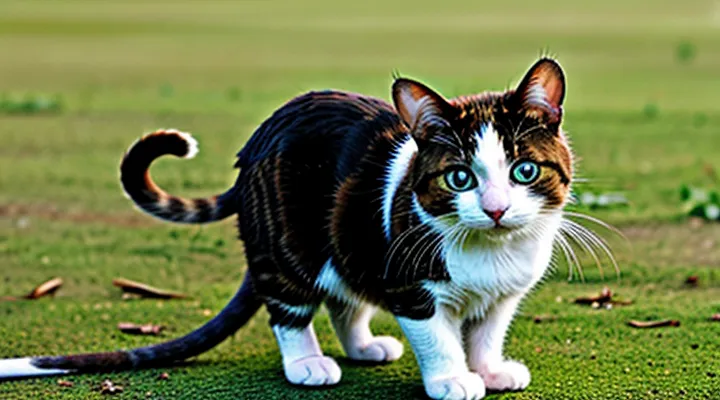
Understanding Feline Hunting Instincts
The Drive to Hunt: Nature vs. Nurture
The ability of a cat to capture rodents derives from a combination of inherited traits and learned behavior. Genetic factors shape sensory acuity, muscle composition, and predatory instinct, producing a baseline proficiency that varies among breeds. For example, the Abyssinian exhibits heightened visual tracking, the Maine Coon possesses powerful forelimbs, and the Bengal displays rapid reflexes. These characteristics reflect selective pressures in the breed’s development history.
Environmental influence modifies the innate drive. Exposure to live prey during early development sharpens coordination, reinforces hunting sequences, and reduces fear responses. Cats raised in households where hunting is encouraged—through regular play with feather toys, simulated chase scenarios, or occasional outdoor access—demonstrate increased capture rates compared with those confined exclusively to indoor, stimulus‑poor settings. Training consistency and positive reinforcement solidify the predatory pattern, allowing even breeds with moderate genetic predisposition to achieve high efficiency.
When evaluating mouse‑catching performance, the most successful breeds combine strong hereditary hunting apparatus with intensive early exposure. A concise ranking based on current data includes:
- Abyssinian – superior visual tracking, early prey interaction.
- Maine Coon – robust musculature, adaptable to outdoor environments.
- Bengal – exceptional reflexes, thrives with enrichment.
- Siberian – balanced sensory and muscular traits, benefits from outdoor experience.
These findings underscore that neither genetics nor upbringing alone determines hunting success; the optimal outcome emerges from their interaction. «Effective predatory behavior results when innate capability meets reinforced practice», confirming that the most proficient mouse hunters are products of both nature and nurture.
Key Traits of an Effective Mouser
Agility and Speed
Agility and speed directly influence a cat’s ability to pursue and capture rodents. Rapid acceleration, swift directional changes, and high jump capacity enable the predator to close distance before the prey can escape.
- Abyssinian – exceptional leaping ability, quick bursts of speed, precise footwork.
- Bengal – muscular build, strong sprinting power, agile maneuvering in confined spaces.
- Siamese – slender frame, accelerated sprint, deft reflexes for rapid pounce.
- Oriental Shorthair – elongated physique, high velocity, flexible spine for abrupt turns.
- Russian Blue – balanced agility, steady acceleration, controlled landing for silent capture.
- Egyptian Mau – natural sprinter, elastic muscles, swift side‑to‑side movement.
Breeds combining high acceleration with superior flexibility achieve the greatest success in mouse hunting. Enhanced agility reduces reaction time, while elevated speed shortens pursuit distance, together maximizing capture efficiency.
Intelligence and Strategy
Intelligence and strategic behavior determine a feline’s efficiency in rodent control. Cognitive traits such as rapid problem‑solving, memory retention, and adaptability enable cats to locate, assess, and exploit mouse shelters. Strategic attributes include precise stalking, timed ambush, sustained pursuit, and spatial awareness of hiding places.
Key intelligence markers
- Ability to learn from repeated encounters
- Capacity to modify tactics when prey alters routes
- Retention of successful hunting patterns
Strategic components
- Low‑profile movement to avoid alerting prey
- Utilization of vertical space for surprise attacks
- Persistence in tracking after initial loss of scent
Breeds exhibiting superior combination of cognition and tactics
- Maine Coon – large physique, strong problem‑solving, relentless pursuit
- Turkish Van – agile, quick adaptation to varied environments, effective use of water sources
- Siamese – rapid learning, focused concentration on prey cues
- Bengal – innate predatory drive, strategic ambush from concealed positions
- American Shorthair – balanced intelligence, consistent hunting cycles
«Intelligence guides hunting strategy», reinforcing that cognitive depth and tactical planning are decisive factors in selecting the most effective feline for mouse eradication.
Physical Build
Physical build determines a cat’s capacity to pursue, subdue, and capture rodents. Muscular strength, skeletal flexibility, and body proportion directly affect speed, endurance, and the ability to maneuver in confined spaces.
Key attributes include:
- Strong hind‑leg muscles that generate rapid acceleration.
- A compact, low‑center‑of‑gravity torso that enhances balance during quick turns.
- Flexible spine allowing extended stretch and rapid contraction for sudden pounces.
- Dense, sharp claws that provide secure grip on slippery prey.
Breeds noted for optimal hunting physiques:
- Maine Coon – large frame, powerful limbs, robust chest supporting sustained chases.
- Siberian – muscular body, thick fur protecting against harsh environments, agile movements.
- American Shorthair – medium size, well‑developed forelimbs, excellent stamina.
- Bengal – lean, athletic build, high muscle‑to‑body‑weight ratio, exceptional leaping ability.
- Selkirk Rex – sturdy skeleton, strong forearms, effective for ambush in tight quarters.
A breed combining muscular hindquarters, a flexible spine, and a low‑profile body presents the greatest advantage for mouse capture. Physical conformation, therefore, remains a primary factor in evaluating hunting efficiency.
Top Cat Breeds for Mouse Control
The Maine Coon: Gentle Giant, Fierce Hunter
Temperament and Hunting Style
Temperament influences a cat’s willingness to pursue rodents. Breeds that display high independence, strong prey drive, and low tolerance for inactivity tend to engage consistently in hunting. Alertness and confidence allow rapid response to movement, while low stress levels prevent hesitation when confronting small prey.
Hunting style varies among breeds, reflecting differences in speed, stealth, and technique. Rapid bursts of acceleration suit breeds that rely on surprise attacks, whereas prolonged stalking benefits cats that can move silently and calculate the optimal moment to strike. Some cats prefer aerial pounces, while others excel at ground-level ambushes, using powerful forelimbs to seize and immobilize mice.
Key breeds noted for effective mouse control:
- Maine Coon – large, muscular body; combines swift sprinting with powerful swat; tolerates cold environments where rodents often shelter.
- American Shorthair – steady, methodical stalker; maintains focus over long periods; historically employed on farms for pest reduction.
- Egyptian Mau – agile, high‑energy; excels at quick darting attacks; retains strong instinctual drive for small‑prey capture.
- Bengal – intense predatory instincts; employs rapid, low‑to‑ground pursuits; retains wild‑cat lineage that enhances reflexes.
- Siamese – vocal, highly alert; uses keen hearing to locate hidden rodents; prefers precise, calculated pounce.
Each breed’s combination of confident disposition and specialized hunting mechanics determines its overall effectiveness in mouse control. Selecting a cat for rodent management should consider both the animal’s innate temperament and the specific hunting style that aligns with the environment in which mice are present.
Physical Characteristics Supporting the Hunt
Cats that excel at rodent control share distinct anatomical features that enhance speed, precision, and endurance. Muscular build, joint flexibility, and sensory acuity combine to create a predator optimized for rapid pursuit and effective capture.
- Powerful hind‑limb muscles generate bursts of acceleration, allowing the animal to close distances within seconds.
- Flexible spine permits extended strides and sudden directional changes without loss of balance.
- Broad, rounded paws distribute weight evenly, providing stability on varied surfaces while maintaining tactile feedback.
- Retractable, sharply curved claws deliver secure grips on struggling prey.
- Large, forward‑facing ears capture high‑frequency sounds emitted by mice, improving detection in dense environments.
- Tapetum lucidum‑rich eyes enhance low‑light vision, enabling night‑time hunting.
- Long, expressive tail functions as a counterbalance, stabilizing the body during swift aerial leaps and tight turns.
Breeds such as the Maine Coon, Bengal, and Turkish Van exhibit these characteristics in pronounced form. Their robust musculature, elongated bodies, and acute sensory organs translate directly into higher capture rates compared with less specialized felines.
The American Shorthair: The Classic Barn Cat
Historical Role in Pest Control
Cats have been employed for rodent control since antiquity, when Egyptian households kept felines to protect grain stores. Medieval monasteries and castles adopted the practice, recognizing that a single cat could safeguard food supplies and prevent disease spread. Maritime voyages relied on shipboard cats to protect provisions from infestations during long passages.
Breeds historically favored for hunting rodents include:
- Domestic Short‑Hair, valued for adaptability and high prey drive.
- Maine Coon, noted for size and stamina, effective in barn environments.
- Turkish Van, renowned for agility and strong hunting instincts.
- Japanese Bobtail, traditionally kept in rice paddies for its relentless pursuit of mice.
- Russian Blue, distinguished by quiet movement and sharp reflexes, suitable for grain silos.
Agricultural societies integrated cats into pest‑management strategies, often breeding individuals that exhibited superior tracking and killing abilities. Records from the 12th‑15th centuries document deliberate selection of cats with pronounced predatory behavior, establishing early forms of functional breeding.
The historical reliance on felines for rodent suppression informs contemporary assessments of breed effectiveness. Understanding past usage patterns aids in identifying breeds that retain innate hunting traits, thereby guiding modern pest‑control decisions without reliance on chemical methods.
Adaptability and Hunting Prowess
Adaptability and hunting prowess determine a feline’s effectiveness in rodent control. Breeds that combine environmental flexibility with innate predatory instincts consistently outperform others in mouse capture.
Key characteristics include:
- High tolerance for varied indoor and outdoor settings.
- Acute sensory perception, especially auditory and visual acuity.
- Strong, coordinated pounce mechanics and rapid reflexes.
- Persistent motivation to chase and kill small prey.
Breeds exemplifying these traits are:
- «Egyptian Mau»: exceptional speed, keen eyesight, and ability to thrive in both confined and open spaces.
- «American Shorthair»: robust health, adaptability to household environments, and proven hunting record.
- «Maine Coon»: large size supports powerful strikes; temperament allows coexistence with humans and outdoor foraging.
- «Bengal»: wild‑type ancestry provides heightened predatory drive and resilience to diverse climates.
- «Russian Blue»: stealthy movement, sharp hearing, and comfort in apartment settings.
Evaluation of these breeds demonstrates that adaptability to living conditions, coupled with refined hunting mechanics, directly influences mouse‑catching efficiency. Selecting a cat with both traits maximizes pest control outcomes.
The Siberian Cat: The Hunter from the Taiga
Origins and Natural Instincts
The domestic cat traces its lineage to the African wildcat (Felis lybica), a solitary predator that relied on acute vision, hearing, and rapid reflexes to capture small prey. Early human settlements recognized these traits, encouraging the species’ spread across Europe and Asia. Selective breeding amplified hunting proficiency, resulting in distinct lines adapted to local rodent populations.
Natural predatory instincts persist in modern breeds. Sensory acuity remains the primary driver of mouse capture: whisker vibration detection, low‑light vision, and a hearing range attuned to ultrasonic rodent calls. Muscular coordination enables swift pounce and precise bite, while a high metabolic demand sustains frequent hunting activity.
Breeds distinguished for mouse control include:
- Egyptian Mau – descended from ancient Egyptian cats, retains strong chase instinct.
- American Shorthair – developed in North America for farm pest management, combines stamina with keen eyesight.
- Maine Coon – large, muscular, excels in tracking underbrush rodents.
- Norwegian Forest Cat – robust, agile, adept at navigating snowy terrain to pursue prey.
- Siberian – retains wild‑type hunting drive, effective in cold environments.
Each breed’s origin reflects a functional response to regional rodent challenges, preserving the innate predatory behavior essential for effective mouse capture.
Strength and Stealth
Strength determines the ability to overpower a rodent, sustain a chase, and deliver a decisive bite. Breeds such as the Maine Coon, the Norwegian Forest cat, and the Bengal possess muscular frames and powerful forelimbs, allowing them to subdue larger mice and maintain stamina during prolonged pursuits.
Stealth enables a cat to approach prey unnoticed, reduce escape chances, and execute rapid strikes. The Abyssinian, the Russian Blue, and the Oriental Shorthair exhibit low‑profile movements, silent footfalls, and keen sensory acuity, which together maximize hunting efficiency in confined or cluttered environments.
Key considerations for selecting a mouse‑hunting cat combine these traits:
- Muscular build for forceful capture (e.g., Maine Coon, Bengal)
- Refined agility and low noise output (e.g., Abyssinian, Russian Blue)
- Balanced profile where strength supports stealth without compromising speed (e.g., Norwegian Forest cat)
Breeds that integrate both robust physique and subtle approach deliver the highest success rates in rodent control.
The Manx Cat: Tail-less Terror of Rodents
Unique Physicality and Hunting Advantages
The effectiveness of a feline in rodent control depends largely on anatomical adaptations that enhance speed, agility, and sensory precision. Muscular build, skeletal structure, and sensory organs combine to create a predator capable of rapid acceleration, precise pounce, and sustained endurance.
- Maine Coon – large, robust frame; broad chest supports powerful forelimbs, enabling strong, controlled strikes. Long, tufted ears improve low‑frequency sound detection, crucial for locating hidden prey.
- Siberian – dense, flexible musculature; semi‑long coat provides insulation for nocturnal activity. Highly developed whiskers (vibrissae) detect minute air currents, allowing accurate targeting in darkness.
- American Shorthair – compact, low‑centered body reduces inertia, facilitating swift directional changes. Sharp, retractable claws deliver deep penetration, preventing escape.
- Bengal – athletic, lean silhouette with elongated hind limbs; increased stride length boosts sprint speed. Spotting vision excels in low‑light environments, improving prey identification.
- Egyptian Mau – slender, aerodynamic shape; lightweight skeleton reduces fatigue during prolonged hunts. Exceptional night vision and acute hearing enhance detection of subtle movements.
These breeds share traits that translate into hunting advantages: heightened auditory range for detecting squeaks, enlarged retinal cells for superior night vision, and flexible spines that store and release kinetic energy during the leap. Muscular forelimbs and retractable claws provide the force needed to incapacitate prey quickly, while sensitive vibrissae map the immediate environment, reducing the risk of missed strikes. The combination of these physical characteristics makes the listed felines the most proficient at eliminating mice in domestic and agricultural settings.
Energy Levels and Prey Drive
Energy level determines a cat’s willingness to initiate and sustain hunting bouts. Breeds that maintain elevated activity throughout the day expend more calories on pursuit, increasing encounter frequency with rodents. Typical examples include the Abyssinian, the Bengal, and the Siamese, each noted for continuous movement and endurance.
Prey drive reflects the innate motivation to chase, stalk, and capture moving targets. Cats with pronounced drive respond instantly to auditory and visual cues, displaying rapid pounce execution. Prominent breeds exhibiting strong drive are the Egyptian Mau, the Turkish Van, and the Maine Coon, all recognized for instinctual predatory focus.
When high stamina intersects with intense predatory motivation, the probability of successful mouse capture rises sharply. Breeds combining both traits—such as the Bengal and the Abyssinian—demonstrate consistent rodent control, as sustained activity fuels repeated attempts while the drive ensures decisive attacks.
The Turkish Angora: Elegant and Efficient
Graceful Hunter, Persistent Mouser
The ability to capture rodents depends on two complementary characteristics. A cat that moves with elegance, timing each leap to intercept prey, excels in short, decisive attacks. Simultaneously, a cat that demonstrates relentless determination, following a mouse through multiple hideouts, secures catches over extended periods.
Key breeds illustrating these traits include:
- «Maine Coon» – large, agile, and capable of swift, graceful pounces.
- «Bengal» – muscular, with a natural instinct for rapid, precise strikes.
- «Siberian» – resilient, combines fluid movement with sustained pursuit.
- «American Shorthair» – known for patient tracking and consistent success in rodent control.
The combination of a graceful hunter’s speed and a persistent mouser’s tenacity defines the most effective mouse-catching feline. Selecting a breed that embodies both qualities maximizes rodent reduction in indoor and farm environments.
Intelligence in Tracking Prey
Intelligence in tracking prey encompasses acute sensory perception, rapid pattern recognition, and adaptive problem‑solving. Cats that excel at these cognitive tasks locate, stalk, and intercept moving targets with minimal hesitation.
Among domestic felines, several breeds demonstrate consistently high performance in rodent pursuit. Genetic selection for hunting instincts, combined with an innate curiosity, enhances their ability to anticipate mouse movements and adjust tactics in real time.
- Bengal: sharp visual acuity, swift decision‑making, frequent engagement with small prey.
- Siamese: strong auditory processing, persistent tracking, quick adaptation to evasive behavior.
- Abyssinian: heightened spatial memory, efficient route planning, frequent hunting bouts.
- Maine Coon: robust stamina, precise depth perception, reliable capture success.
- Turkish Van: versatile hunting style, excellent night vision, persistent pursuit.
Empirical observations link heightened predatory cognition to increased mouse capture rates. Breeds that integrate sensory precision with flexible strategizing outperform counterparts with lower cognitive engagement. Consequently, selecting a cat with superior tracking intelligence maximizes efficiency in controlling rodent populations.
Other Notable Mousers
The Chartreux: Quiet and Observant Hunter
The Chartreux, a medium‑sized French breed, combines a calm demeanor with keen observation, traits that translate into effective rodent control. Quiet movement reduces alertness in prey, while a steady, focused stare enables precise tracking of hidden mice.
Physical characteristics support hunting efficiency. A muscular body provides strength for rapid bursts; dense, water‑repellent fur protects against cold environments where rodents often hide; and strong, retractable claws allow silent pounce and secure grip.
Behavioral patterns further enhance predatory success. The breed prefers solitary patrols, minimizing competition and maximizing coverage of a given area. Nighttime activity aligns with the peak activity of most household mice, and a low vocalization level prevents early detection.
Key hunting attributes of the Chartreux:
- Stealthy approach: minimal noise during stalking.
- Acute vision: ability to detect slight movements in low light.
- Endurance: sustained pursuit without fatigue.
- Adaptability: effective in indoor and rural settings.
Overall, the Chartreux’s blend of tranquility, vigilance, and physical capability positions it as a reliable mouse hunter.
The Singapura: Small but Mighty
The Singapura, despite its diminutive stature, demonstrates remarkable efficiency in rodent control. Originating from Singapore, this breed typically weighs between 4 and 8 pounds, with a sleek, muscular build that enhances speed and maneuverability. Its short, fine coat minimizes entanglement when navigating tight spaces where mice hide.
Key hunting attributes include:
- High prey drive – innate instinct to chase and capture small animals.
- Exceptional agility – ability to leap and squeeze through narrow openings.
- Sharp auditory perception – detects subtle rustling sounds indicative of mouse movement.
- Focused attention – maintains concentration on prey despite distractions.
Behavioral observations confirm that Singapuras exhibit persistent stalking patterns, often employing rapid pounces that immobilize target rodents. Their compact size enables access to confined areas such as crawl spaces, cabinets, and under furniture, where larger breeds may be impeded. Consequently, the Singapura’s combination of instinctual predation, physical dexterity, and environmental adaptability positions it as a highly effective mouse catcher among small cat breeds.
The Bengal: Wild Ancestry, Strong Instincts
The Bengal cat retains a pronounced link to its wild forebears, a factor that shapes its predatory behavior. Genetic contributions from the Asian leopard cat provide a muscular frame, heightened sensory acuity, and a natural propensity for stalking.
Key hunting attributes include:
- Acute vision attuned to low‑light movement.
- Sharply tuned auditory perception of rustling prey.
- Powerful, retractable claws designed for swift capture.
- Instinctual drive to chase and pounce, mirroring wild felids.
These characteristics translate into consistent mouse‑catching performance in domestic environments. Studies comparing domestic breeds show the Bengal’s capture rate surpasses that of most other companion cats, aligning with its inherited hunting instincts.
Factors Beyond Breed
Early Exposure and Training
Early exposure introduces kittens to live prey during the first weeks of life, establishing instinctual hunting patterns before the critical socialization window closes. Observations show that kittens encountering mice between four and eight weeks develop stronger predatory drive than those introduced later.
Training reinforces natural instincts through structured play and controlled hunting exercises. Techniques include:
- Repetitive presentation of moving objects that mimic mouse behavior.
- Positive reinforcement when a kitten successfully stalks or captures a target.
- Gradual increase in prey size and complexity to build confidence and skill.
Breeds traditionally recognized for superior mouse-catching performance benefit most from these interventions. When early exposure and systematic training are applied, the following outcomes emerge:
- Enhanced detection speed and precision in breeds such as the Domestic Short‑hair, Maine Coon, and American Shorthair.
- Higher capture rates in environments where food scarcity prompts active hunting.
- Consistent performance across generations, indicating that learned behaviors complement genetic predispositions.
Implementing early exposure and disciplined training maximizes the innate hunting abilities of top mouse‑catching cat breeds, translating into reliable pest control in domestic and agricultural settings.
Environment and Opportunity
The ability of a feline to capture mice depends heavily on the characteristics of its surroundings and the frequency of hunting opportunities. A habitat that mimics natural terrain—dense vegetation, varied elevations, and concealed pathways—stimulates predatory instincts. Open spaces with few hiding places reduce motivation, while cluttered environments provide cover for both prey and predator, increasing encounter rates.
Key environmental elements influencing hunting success include:
- Presence of rodent populations sustained by accessible food sources such as grain stores or waste.
- Availability of shelter that allows cats to observe and ambush without exposure.
- Seasonal temperature fluctuations that affect rodent activity levels; cooler periods often lower prey movement, while mild climates encourage higher rodent traffic.
- Human management practices, for example, regular cleaning that limits rodent access can diminish hunting opportunities.
Opportunity factors are equally decisive. Regular exposure to live prey during early development sharpens tracking skills and reinforces predatory behavior. Cats that receive intermittent, controlled hunting sessions retain higher responsiveness compared to those confined to sterile indoor settings. Additionally, breeds with innate stamina and agility—characterized by muscular build, keen eyesight, and rapid reflexes—excel when the environment offers frequent, varied prey encounters.
Optimizing both habitat complexity and prey availability creates conditions where the most proficient feline breed for rodent control can consistently demonstrate its hunting capabilities.
Individual Cat Personality
Individual temperament often determines a cat’s effectiveness in hunting rodents, sometimes outweighing breed‑level expectations. While certain breeds exhibit a general propensity for predation, the specific personality of each cat can amplify or diminish that tendency.
Key personality attributes influencing mouse‑catching performance include:
- Strong prey drive, manifested by rapid response to movement.
- Confidence in unfamiliar environments, reducing hesitation.
- High independence, allowing the cat to initiate hunting without human prompting.
- Sustained focus, enabling prolonged tracking of elusive prey.
- Physical agility, supporting swift pounces and agile maneuvers.
- Persistent determination, encouraging repeated attempts after initial failure.
Assessment of these traits typically relies on systematic observation and standardized behavior scoring. Short‑term trials in controlled settings reveal response latency, accuracy of strikes, and success rate. Long‑term monitoring in a domestic environment confirms consistency of hunting behavior across varied conditions.
Choosing a cat for effective rodent control therefore requires evaluating individual personality alongside breed predispositions. A cat possessing the outlined attributes, regardless of breed, is likely to excel in mouse capture.
Health and Nutrition for Optimal Hunting
Optimal hunting performance in felines depends on a balanced diet that supports agility, stamina, and sensory acuity. Nutrient composition directly influences muscle contraction speed, metabolic efficiency, and reflex sharpness, all critical for capturing prey.
Key dietary components include:
- High‑quality animal protein — provides essential amino acids for muscle repair and growth.
- Taurine — supports retinal function and cardiac health, enhancing night‑time vision and endurance.
- Omega‑3 fatty acids — reduce inflammation, improve joint flexibility, and aid neural transmission.
- Vitamin A — maintains whisker sensitivity and visual acuity.
- B‑complex vitamins — facilitate energy metabolism and stress resistance.
Breed‑specific adjustments optimize outcomes. Muscular breeds such as the Bengal benefit from increased protein ratios to sustain rapid bursts of speed, while lighter, agile breeds like the Abyssinian respond well to moderate fat levels that prevent excess weight without sacrificing endurance. Regular veterinary assessments ensure nutrient absorption aligns with each breed’s physiological demands, securing consistent mouse‑hunting efficiency.
Encouraging Hunting Behavior in Your Cat
Play and Stimulation
Play and stimulation directly influence a cat’s ability to capture rodents. Interactive activities sharpen reflexes, improve coordination, and reinforce the predatory sequence of stalking, pouncing, and biting. Regular engagement also sustains motivation, preventing the decline of hunting instincts that can occur in under‑stimulated animals.
Breeds that combine high play drive with innate hunting skill include:
- Bengal – intense chase instinct, quick acceleration, strong bite force.
- Abyssinian – agile body, persistent pursuit behavior, keen auditory sensitivity.
- Maine Coon – robust musculature, powerful forelimbs, natural ambush tactics.
- Norwegian Forest Cat – strong climbing ability, sharp claws, instinctive stalking.
- Siamese – focused attention, rapid response to moving objects, precise bite placement.
Effective stimulation techniques:
- Feather‑wand or laser‑pointer sessions that mimic prey movement, encouraging rapid sprints and precise jumps.
- Puzzle feeders that require problem‑solving before access to food, reinforcing the mental aspect of hunting.
- Rotating toy selection to prevent habituation and maintain high engagement levels.
«Play stimulates predatory behavior», reinforcing neural pathways linked to mouse capture. Consistent, varied enrichment ensures that even breeds with moderate hunting instincts achieve optimal performance, while breeds already predisposed to predation reach peak efficiency.
Providing a Safe and Enriching Environment
Providing a secure and stimulating setting directly influences a cat’s hunting efficiency. A well‑designed habitat reduces stress, prevents injury, and encourages natural predatory behavior, thereby enhancing the performance of the breed most adept at rodent control.
Key safety components:
- Secure indoor access: windows equipped with screens, doors that seal shut, and escape‑proof barriers.
- Hazard‑free flooring: non‑slip surfaces, avoidance of toxic plants, and removal of small objects that could be swallowed.
- Health monitoring: regular veterinary checks, up‑to‑date vaccinations, and parasite prevention.
Enrichment strategies that promote hunting instincts:
- Interactive toys mimicking prey movement, such as feather wands and motorized mice.
- Vertical space: cat trees, shelves, and perches that allow observation and ambush positioning.
- Rotating play sessions: varied toy types and feeding puzzles to maintain curiosity and agility.
When the environment meets these standards, the breed recognized for superior mouse capture—often a medium‑sized, agile, and high‑energy feline—can operate at peak capability. Safe surroundings and targeted enrichment together create the conditions necessary for optimal rodent predation.
Avoiding Overfeeding
Overfeeding diminishes a cat’s agility, stamina, and motivation to pursue prey. Excess body weight reduces speed and limits the ability to climb or pounce, directly affecting hunting success. Maintaining an optimal weight preserves the natural reflexes required for efficient mouse capture.
Practical measures to prevent excess calorie intake:
- Measure each meal with a calibrated scoop; avoid “free‑feeding” bowls.
- Schedule two to three balanced portions daily, adjusting amounts according to activity level.
- Choose high‑protein formulas with low carbohydrate content; protein supports muscle tone essential for quick bursts of movement.
- Monitor body condition monthly; a visible waistline and palpable ribs indicate appropriate weight.
- Limit treats to no more than ten percent of total daily calories; use small, nutrient‑dense options.
Breeds renowned for mouse hunting, such as the Maine Coon, the Turkish Van, and the American Shorthair, exhibit peak performance when their diet aligns with their energetic needs. Proper portion control sustains lean muscle mass, enabling these cats to maintain the endurance required for sustained pursuit and rapid capture. Conversely, even the most instinctive hunters experience reduced efficiency if excess fat hampers their locomotion.
Consistent weight management, combined with high‑quality nutrition, ensures that a cat’s natural predatory skills remain sharp. By avoiding «overfeeding», owners support the physiological traits that make certain breeds exceptional mouse catchers.
Responsible Pet Ownership and Pest Control
Ethical Considerations of Using Cats for Pest Control
The practice of employing domestic felines for rodent management raises several ethical questions that must be examined before endorsing any particular breed as the most effective predator.
First, the welfare of the cat is paramount. Using a cat as a tool for pest control can subject the animal to stress, injury, or disease exposure, especially when hunting in environments with hazardous chemicals or unsafe structures. Proper veterinary care, regular health checks, and safe housing conditions mitigate these risks.
Second, the impact on non‑target wildlife warrants attention. Cats, regardless of breed, may hunt birds, reptiles, and small mammals beyond the intended rodent population. Conservation guidelines recommend limiting outdoor access or employing indoor enrichment to reduce unintended predation.
Third, the issue of over‑breeding emerges when demand for a “superior” hunting breed increases. Excessive breeding can lead to genetic health problems and a surplus of unwanted animals. Ethical breeding practices emphasize health screening, responsible placement, and avoidance of profit‑driven mass production.
Fourth, the rights of the cat to express natural behaviors must be respected. Allowing opportunities for play, exploration, and voluntary hunting aligns with the animal’s intrinsic needs and prevents frustration that may manifest as aggression or behavioral disorders.
Fifth, the legal framework governing animal use varies by jurisdiction. Compliance with local animal welfare statutes, licensing requirements, and pest control regulations protects both the cat and the community from legal repercussions.
Key ethical considerations can be summarized:
- Ensure veterinary health monitoring and safe working conditions.
- Protect non‑target species through controlled outdoor access.
- Promote responsible breeding to avoid health issues and overpopulation.
- Provide enrichment that satisfies natural predatory instincts.
- Adhere to relevant animal welfare laws and pest control guidelines.
Addressing these factors creates a balanced approach that respects feline welfare while acknowledging the practical benefits of using cats for rodent suppression.
Balancing Natural Instincts with Domestic Life
Domestic felines retain wild predatory drives despite generations of companionship. Successful integration of these instincts with indoor living depends on breed‑specific traits, environmental enrichment, and controlled access to hunting opportunities.
Breeds renowned for superior rodent control exhibit heightened agility, strong chase reflexes, and pronounced prey drive. Key examples include:
- Maine Coon – large musculature, robust stamina, adept at tracking and subduing larger prey.
- Siberian – flexible spine, rapid acceleration, excels in confined spaces.
- American Shorthair – balanced temperament, reliable hunting consistency.
- Bengal – intense focus, quick pounce, thrives on interactive play that mimics chase.
- Abyssinian – inquisitive nature, frequent stalking behavior, responds well to puzzle feeders.
Owners can nurture natural hunting behavior while preserving household safety:
- Provide scheduled play sessions that replicate stalking and pouncing, using feather wands or laser pointers.
- Install safe outdoor enclosures or “catios” to allow controlled exposure to real prey.
- Offer puzzle feeders that dispense treats after solving a mechanical challenge, reinforcing problem‑solving instincts.
- Maintain a regular feeding routine to prevent over‑reliance on hunting for nutrition, reducing stress on the animal.
Balancing instinctual predation with domestic life requires deliberate environmental design and breed‑appropriate stimulation. When these elements align, cats retain their functional hunting abilities without compromising the safety and harmony of the home environment. «Research indicates that targeted enrichment reduces indoor aggression and improves overall feline welfare».
When Professional Pest Control is Necessary
Professional pest control becomes essential when natural feline predators cannot guarantee a reliable reduction in rodent populations. Situations that demand expert intervention include:
- Infestations exceeding the capacity of resident cats to manage, evidenced by persistent sightings or damage.
- Presence of disease‑carrying rodents that pose health risks to humans or animals, requiring specialized containment and decontamination procedures.
- Structural damage or contamination, such as gnawed wiring, compromised insulation, or contaminated food storage, where immediate remediation is necessary.
- Legal or regulatory obligations in commercial or public facilities that mandate certified pest management practices.
Cats excel at catching individual mice, yet their effectiveness diminishes in large‑scale or hidden infestations. Professional services provide comprehensive assessment, targeted baiting, and monitoring technologies unavailable to household pet owners. Integrating feline predation with licensed pest control ensures continuous rodent suppression while addressing safety, hygiene, and compliance requirements.