
Understanding Biological Classification
The Linnaean Taxonomy System
Kingdoms
The mouse is a eukaryotic organism whose highest taxonomic rank is the kingdom level. Among the five widely recognized kingdoms—Animalia, Plantae, Fungi, Protista, and Monera—the mouse is placed in Animalia. This kingdom comprises multicellular, heterotrophic organisms that develop from a blastula during embryogenesis.
Key characteristics that define the animal kingdom and apply to the mouse include:
- Lack of cell walls, allowing flexible tissue organization.
- Presence of specialized nervous and muscular systems for coordinated movement.
- Reproduction through internal fertilization and development of complex organ systems.
Consequently, the mouse’s classification follows the hierarchical scheme: Kingdom Animalia → Phylum Chordata → Class Mammalia → Order Rodentia → Family Muridae → Genus Mus → Species Mus musculus. This placement reflects the mouse’s anatomical, physiological, and genetic traits that align with the defining features of the animal kingdom.
Phyla
The biological hierarchy places organisms into successive ranks, each reflecting shared structural and developmental traits. Among these ranks, the phylum represents a major division that groups animals with a common body plan and embryonic organization.
Mice belong to the phylum Chordata. This group is defined by the presence of a dorsal nerve cord, a notochord, pharyngeal slits, and a post‑anal tail at some stage of development. Within Chordata, mice are further classified as vertebrates, possessing a segmented backbone that supports the body and protects the central nervous system.
Key characteristics of Chordata that apply to the mouse include:
- A dorsal hollow nerve cord extending the length of the body.
- A notochord that is replaced by the vertebral column during embryogenesis.
- Paired pharyngeal arches that develop into structures of the head and neck.
- A post‑anal tail present in the embryonic stage, persisting as a reduced tail in the adult.
Other animal phyla illustrate the diversity of body plans across the kingdom Animalia, such as:
- Arthropoda – segmented exoskeleton, jointed limbs.
- Mollusca – soft body, often protected by a calcareous shell.
- Annelida – segmented worms with a true coelom.
- Echinodermata – radial symmetry and water vascular system.
- Cnidaria – radial symmetry, specialized stinging cells.
The placement of the mouse in Chordata underscores its alignment with organisms that share a complex, organized internal framework, distinguishing it from members of other phyla that exhibit alternative structural strategies.
Classes
The mouse is placed in the class Mammalia, one of the primary ranks within the hierarchical system of biological classification. Mammals are distinguished by the presence of mammary glands, hair or fur, three middle ear bones, and a neocortex in the brain. These traits are shared by the laboratory mouse (Mus musculus) and its wild relatives.
Within the phylum Chordata, the class Mammalia sits alongside other classes such as Aves (birds), Reptilia (reptiles), Amphibia (amphibians), and Actinopterygii (ray‑finned fishes). Each class groups organisms that exhibit a set of defining morphological and physiological characteristics. For the mouse, the mammalian class indicates:
- Endothermy: internal regulation of body temperature.
- Presence of a placenta in most species, facilitating embryonic development.
- Differentiated teeth (incisors, canines, premolars, molars) adapted for varied diets.
The classification of the mouse at the class level provides a framework for comparative studies, evolutionary research, and biomedical applications, linking its biological attributes to those of other mammals.
Orders
The mouse is a mammal classified within the order Rodentia. Rodentia represents the largest mammalian order, encompassing over 2,300 species that share a distinctive dental arrangement: a single pair of continuously growing incisors in each jaw, adapted for gnawing.
Key characteristics of Rodentia include:
- Incisors with enamel only on the front surface, creating a self-sharpening edge.
- Primarily herbivorous diets, though many species exhibit omnivorous habits.
- High reproductive rates and short gestation periods.
- Wide geographic distribution, occupying habitats from deserts to tropical forests.
Within Rodentia, the mouse belongs to the family Muridae, the most speciose family of rodents. Muridae members exhibit:
- Small to medium body size.
- Adaptations for agile locomotion, including a long tail for balance.
- Social structures ranging from solitary to complex colony systems.
The order’s taxonomic hierarchy positions rodents as:
- Class: Mammalia
- Subclass: Theria
- Infraclass: Eutheria
- Order: Rodentia
Understanding the order’s defining traits clarifies the mouse’s placement among mammals and distinguishes it from other orders such as Carnivora (carnivores) and Lagomorpha (hares and rabbits), which lack the rodent-specific incisor configuration.
Families
The taxonomic rank of family groups closely related genera that share distinct morphological and genetic traits. In the classification of the mouse, the relevant family is Muridae, the largest family within the order Rodentia. Muridae comprises more than 700 species, including the common house mouse (Mus musculus), field mice, and many other small rodents.
Key characteristics of Muridae:
- Hardened molar patterns adapted for gnawing
- Presence of a distinctive auditory bulla
- High reproductive rates and short gestation periods
Other rodent families that are frequently confused with Muridae include:
- Cricetidae (hamsters, voles, and New World mice)
- Sciuridae (squirrels and ground squirrels)
- Dipodidae (jerboas and jumping mice)
The mouse’s placement in Muridae reflects its evolutionary lineage, anatomical features, and DNA sequence similarity with other members of this family. This categorization is consistent across modern taxonomic references and provides a clear framework for comparative studies of rodent biology.
Genera
The genus is the taxonomic rank immediately above species and below family, grouping organisms that share a recent common ancestor and display similar morphological and genetic traits. In mammalian classification, a genus name is italicized and capitalized, followed by a specific epithet that identifies the species.
The common laboratory mouse is assigned to the genus Mus. This genus comprises several species, among them Mus musculus (the house mouse) and Mus spretus (the Algerian mouse). Members of Mus are characterized by small body size, omnivorous diet, and a high reproductive rate. Genetic studies confirm that Mus species share a distinct mitochondrial DNA lineage that separates them from other murine genera.
Other genera within the family Muridae, which also contain rodent species often confused with mice, include:
- Rattus – rats, larger body size, different dental formula.
- Apodemus – field mice, primarily Eurasian distribution.
- Peromyscus – North American deer mice, distinct chromosomal patterns.
Understanding the genus Mus clarifies the mouse’s placement in the broader biological classification system, linking it directly to its closest relatives while distinguishing it from other murid genera.
Species
The mouse is a distinct species within the animal kingdom. Its scientific designation is Mus musculus, commonly referred to as the house mouse. This organism occupies a specific position in the taxonomic hierarchy:
- Kingdom: Animalia
- Phylum: Chordata
- Class: Mammalia
- Order: Rodentia
- Family: Muridae
- Genus: Mus
- Species: M. musculus
A species is defined as a group of interbreeding individuals that produce fertile offspring and share a common gene pool. In the case of the mouse, reproductive isolation from other genera and consistent morphological traits—such as a pointed snout, sharp incisors, and a tail length comparable to body length—confirm its status as a separate species.
Genetic studies reveal a relatively low level of intra‑species variation, supporting the classification of Mus musculus as a single, well‑defined taxon. This species serves as a model organism in biomedical research due to its rapid reproduction, ease of maintenance, and genetic similarity to humans.
Overall, the mouse’s placement in the taxonomic framework reflects its evolutionary relationships, morphological characteristics, and genetic coherence, establishing it unequivocally as a species within the rodent order.
The Mouse in the Grand Scheme of Life
Kingdom: Animalia
The mouse is classified within the Kingdom Animalia, a taxonomic group that includes multicellular, eukaryotic organisms characterized by heterotrophic nutrition and the ability to move at some stage of life. Members of Animalia possess cells without rigid cell walls, develop from a blastula during embryogenesis, and exhibit specialized tissues and organs.
Key traits that place the mouse in this kingdom are:
- Multicellularity with differentiated cell types.
- Consumption of organic material for energy.
- Presence of nervous and muscular systems enabling locomotion.
- Developmental pattern involving a gastrula stage.
Within Animalia, the mouse follows the hierarchical sequence: Phylum Chordata, Class Mammalia, Order Rodentia, Family Muridae, Genus Mus, Species Mus musculus. Each rank reflects increasingly specific anatomical and genetic features, culminating in the species commonly known as the house mouse.
Phylum: Chordata
The house mouse (Mus musculus) is classified within the phylum Chordata, a group defined by several embryonic and adult features. Members of Chordata possess a notochord, a dorsal hollow nerve cord, pharyngeal slits or their derivatives, and a post‑anal tail at some stage of development.
- Notochord: present during embryogenesis, later replaced by the vertebral column.
- Dorsal nerve cord: develops into the spinal cord and brain.
- Pharyngeal arches: give rise to structures such as the middle ear bones.
- Post‑anal tail: persists as the mouse’s tail, an extension of the vertebral column.
In the taxonomic hierarchy the mouse follows this sequence: Kingdom Animalia → Phylum Chordata → Class Mammalia → Order Rodentia → Family Muridae → Genus Mus → Species Mus musculus. The affiliation with Chordata reflects the mouse’s vertebrate anatomy and developmental traits common to all chordates.
Class: Mammalia
Key Characteristics of Mammals
The mouse is assigned to the class Mammalia because it exhibits all defining mammalian traits.
Mammals are characterized by:
- Presence of hair or fur covering the body.
- Production of milk from specialized mammary glands for offspring nourishment.
- Three ossicles (malleus, incus, stapes) in the middle ear that transmit sound.
- A neocortex region in the brain responsible for complex sensory processing and behavior.
- Endothermic metabolism that maintains a stable internal temperature independent of ambient conditions.
- A single-boned lower jaw formed by the dentary bone, distinct from the multiple bones found in other vertebrate groups.
The mouse possesses each of these features, confirming its placement within the mammalian category.
Hair or Fur
Mice are members of the class Mammalia, a group distinguished by the presence of hair. The external covering of a mouse is commonly referred to as fur, which is a dense arrangement of hair strands adapted for insulation, sensory function, and protection.
Key points about the mouse’s covering:
- Hair is the fundamental integumentary structure of all mammals.
- Fur denotes a specific type of hair that forms a thick, uniform coat.
- Mouse fur consists of guard hairs, awn hairs, and undercoat fibers, each serving a distinct role in temperature regulation and camouflage.
- The growth cycle of mouse hair follows the typical anagen (growth), catagen (transition), and telogen (rest) phases observed in mammalian hair.
Thus, the mouse’s external layer exemplifies the mammalian characteristic of hair, manifested as a specialized fur coat.
Mammary Glands
Mammary glands are specialized exocrine organs that produce milk to nourish offspring. In rodents, including the common laboratory mouse, these glands develop during puberty under the influence of estrogen and progesterone and become functional after parturition. The glandular tissue consists of alveolar clusters surrounded by a myoepithelial layer that contracts to eject milk through a ductal network terminating at the nipple.
The presence of functional mammary glands is a defining characteristic of the class Mammalia. Consequently, the mouse’s ability to lactate confirms its placement within this class, distinguishing it from other vertebrate groups such as reptiles, amphibians, and fish, which lack true mammary tissue.
Key anatomical and physiological features of mouse mammary glands:
- Paired glands located along the ventral surface, typically five pairs (cervical, thoracic, abdominal, inguinal, and popliteal).
- Alveolar epithelial cells that synthesize casein, whey proteins, and lipids.
- Myoepithelial cells that provide contractile force for milk ejection.
- Hormone‑dependent development and regression cycles aligned with reproductive status.
- Regulation by prolactin, oxytocin, and glucocorticoids during lactation.
Endothermy
Endothermy refers to the ability of an organism to generate and maintain a stable internal body temperature through metabolic heat production, independent of ambient conditions. This physiological strategy relies on high basal metabolic rates, insulated body structures, and mechanisms such as shivering thermogenesis and non‑shivering brown‑fat oxidation.
Mice exhibit all hallmarks of endothermy. Their core temperature remains near 37 °C despite fluctuations in environmental temperature. Rapid heat generation is supported by a dense capillary network in skeletal muscle, abundant mitochondria, and the presence of uncoupling protein‑1 in brown adipose tissue, which facilitates direct conversion of metabolic energy into heat.
Because endothermy is a defining characteristic of mammals, the mouse is assigned to the mammalian class. This placement distinguishes it from ectothermic vertebrates and invertebrates, whose body temperature varies with the environment. The combination of internal temperature regulation, hair covering, and lactation confirms the mouse’s classification within the mammalian lineage.
Order: Rodentia
Defining Traits of Rodents
Rodents are distinguished by a set of anatomical and physiological characteristics that separate them from all other mammalian orders. The defining features include:
- A single pair of continuously growing incisors in each jaw, which are self‑sharpening through constant gnawing.
- Absence of functional canine teeth, creating a pronounced gap (diastema) between incisors and molars.
- Dental enamel limited to the front surface of the incisors, causing a characteristic chisel‑shaped edge.
- Highly developed masticatory muscles that enable powerful biting and gnawing motions.
- A skeletal structure adapted for rapid, agile movement, often with elongated hind limbs in many species.
- Reproductive strategies featuring short gestation periods, large litter sizes, and early sexual maturity.
Taxonomically, these traits place the mouse within the order Rodentia, suborder Myomorpha, family Muridae, and genus Mus. The combination of dental morphology, skull architecture, and reproductive biology provides a clear, objective basis for classifying the mouse as a rodent.
Gnawing Incisors
Mice possess a pair of continuously growing incisors in each jaw. These teeth are characterized by a chisel‑shaped crown, a single layer of enamel limited to the outer surface, and a robust dentin core. The enamel‑dentin arrangement creates a self‑sharpening edge as the softer dentin wears faster than the enamel during gnawing.
- Permanent eruption: growth persists throughout life, preventing wear‑induced shortening.
- Protruding front edge: enables efficient cutting of fibrous plant material and hard seeds.
- Occlusal pattern: upper incisors overlay lower incisors, producing a scissor‑like action.
- Rootless structure: lack of true roots allows unrestricted elongation.
These adaptations are diagnostic of the order Rodentia, distinguishing mice from other mammalian groups. The presence of ever‑growing, self‑sharpening incisors directly links the mouse to the rodent lineage, confirming its placement within this biological category.
High Reproductive Rate
Mice reproduce rapidly, producing multiple litters each year. A typical female can give birth to 5–10 offspring after a gestation period of roughly three weeks, and she may breed again within a few days postpartum. This fecundity is supported by early sexual maturity, with females reaching reproductive capability at 6–8 weeks of age, and by a short estrous cycle lasting four to five days.
Key factors contributing to the high reproductive output include:
- High metabolic rate that accelerates growth and development.
- Efficient lactation that sustains large litters despite limited maternal resources.
- Seasonal breeding patterns that maximize offspring survival in temperate environments.
These characteristics align mice with the mammalian class Rodentia, a group distinguished by prolific breeding strategies that facilitate rapid population expansion and ecological adaptability. The combination of short gestation, large litter size, and early maturity places the mouse firmly within the reproductive profile typical of small mammals that occupy the rodent niche.
Family: Muridae
Distinguishing Features of Muridae
The family Muridae comprises the largest group of rodents, encompassing over 700 species, including the common house mouse. Members are characterized by a set of morphological, dental, and genetic traits that separate them from other rodent families.
Key distinguishing features include:
- Dental pattern: a single pair of continuously growing incisors in each jaw, with molars possessing three longitudinal rows of cusps (the so‑called “murid molar pattern”).
- Skull morphology: a narrow rostrum, well‑developed infraorbital foramen allowing passage of the masseter muscle, and a reduced auditory bullae compared with squirrels.
- Tail length: typically equal to or longer than the body, covered with sparse, fine hairs rather than scales.
- Chromosomal configuration: a conserved karyotype with a high number of autosomes (often 2n = 40–44) and a distinctive arrangement of the X and Y chromosomes.
- Mitochondrial DNA markers: specific cytochrome b sequences used routinely in phylogenetic studies to confirm murid affiliation.
Ecologically, Muridae species display broad habitat tolerance, rapid reproductive cycles, and omnivorous diets, traits that facilitate their worldwide distribution. These attributes collectively define the family and clarify the taxonomic placement of the mouse within the rodent order.
Old World Mice and Rats
Mice and rats belong to the class Mammalia, phylum Chordata, and kingdom Animalia. Within mammals they are placed in the order Rodentia, which comprises the largest group of living mammals. The family Muridae contains the subfamily Murinae, commonly referred to as Old World mice and rats. This subfamily includes the genera Mus (true mice) and Rattus (true rats), both native to Eurasia and Africa.
The taxonomic hierarchy for a typical Old World mouse, such as the house mouse (Mus musculus), is:
- Kingdom: Animalia
- Phylum: Chordata
- Class: Mammalia
- Order: Rodentia
- Family: Muridae
- Subfamily: Murinae
- Genus: Mus
- Species: M. musculus
Similarly, an Old World rat, exemplified by the black rat (Rattus rattus), follows the same ranks down to the subfamily, differing at genus and species:
- Kingdom: Animalia
- Phylum: Chordata
- Class: Mammalia
- Order: Rodentia
- Family: Muridae
- Subfamily: Murinae
- Genus: Rattus
- Species: R. rattus
Both groups share the defining characteristics of Murinae: elongated incisors adapted for gnawing, a high reproductive rate, and a widespread distribution across temperate and tropical regions of the Old World. Their classification under Murinae confirms their placement within the rodent order and the mammalian class.
Genus: Mus
Common Species within Mus
The genus Mus comprises several well‑documented species that are frequently encountered in research, agriculture, and wildlife surveys. All members share the characteristic rodent morphology of a small, agile body, prominent incisors, and a high reproductive rate, placing them firmly within the order Rodentia and the family Muridae.
Commonly recognized species include:
- Mus musculus – the house mouse, with subspecies such as M. m. domesticus (Western Europe, North America) and M. m. musculus (Eastern Europe, Asia).
- Mus spretus – the Algerian mouse, native to the western Mediterranean region.
- Mus macedonicus – the Macedonian mouse, distributed across the Balkans and parts of the Middle East.
- Mus caroli – the Ryukyu mouse, found in Southeast Asia and the Ryukyu Islands.
- Mus minutoides – the African pygmy mouse, one of the smallest murids, inhabiting sub‑Saharan Africa.
- Mus cervicolor – the gray mouse, occurring in South and Southeast Asia.
- Mus booduga – the Indian field mouse, prevalent in the Indian subcontinent.
These species illustrate the taxonomic breadth of the genus, each adapted to distinct ecological niches while maintaining the core rodent traits that define their classification.
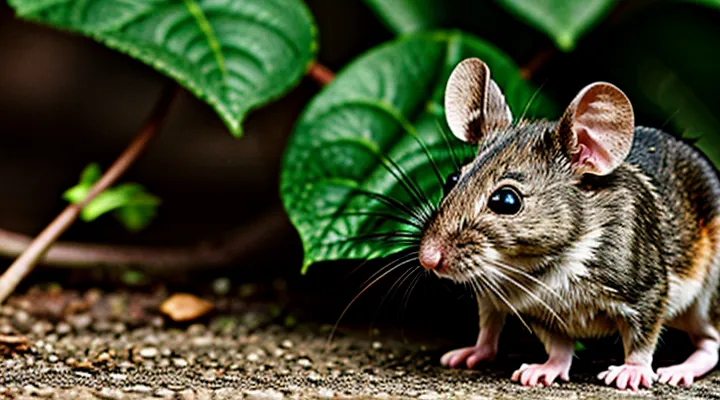
Mus musculus «House Mouse»
The house mouse, Mus musculus, is a small mammalian rodent commonly found in human‑occupied environments. It is a model organism in genetics, physiology, and biomedical research due to its rapid life cycle and well‑characterized genome.
Taxonomic placement of Mus musculus is as follows:
- Kingdom: Animalia
- Phylum: Chordata
- Class: Mammalia
- Order: Rodentia
- Family: Muridae
- Subfamily: Murinae
- Genus: Mus
- Species: musculus
As a member of Mammalia, the species possesses hair, three‑middle‑ear bones, and mammary glands that produce milk. Its inclusion in Rodentia is defined by continuously growing incisors that require gnawing to maintain length. The family Muridae groups it with other mice, rats, and related rodents sharing similar dental and skeletal structures.
These classifications collectively answer the question of the biological category to which the house mouse belongs.
Species: Mus musculus
Global Distribution and Habitat
Mice belong to the order Rodentia, family Muridae, class Mammalia. Their worldwide presence reflects the adaptability of this taxonomic group to diverse environments.
The species most commonly encountered in human‑associated settings, Mus musculus, occupies all inhabited continents except Antarctica. Populations are established in:
- North America: urban and suburban areas, agricultural fields, forest edges.
- South America: temperate valleys, high‑altitude grasslands, cultivated lands.
- Europe: cities, rural farms, woodland margins.
- Africa: Mediterranean coast, savanna peripheries, irrigation zones.
- Asia: temperate plains, tropical monsoon regions, mountainous foothills.
- Oceania: coastal settlements, agricultural zones, natural bushland.
Habitat selection hinges on food availability, shelter, and predator pressure. Typical microhabitats include:
- Human structures: basements, attics, storage facilities, where food residues are abundant.
- Natural settings: dense vegetation, leaf litter, burrows under rocks or logs, providing protection and nesting sites.
- Agricultural landscapes: grain stores, crop fields, where seed and insect populations sustain foraging.
Seasonal movements are limited; most individuals remain within a home range of 30–100 m², adjusting activity patterns to temperature and humidity fluctuations. In temperate zones, breeding peaks during spring and summer, coinciding with peak resource abundance. In tropical regions, reproduction can occur year‑round, supported by continuous food supply.
Overall, the mouse’s extensive distribution results from its small size, high reproductive rate, and capacity to exploit both anthropogenic and natural niches across a broad climatic spectrum.
Why Classification Matters
Scientific Communication
The mouse is classified as a mammal within the class Mammalia, order Rodentia, family Muridae, genus Mus, species Mus musculus. This taxonomic placement is communicated through a standardized set of conventions that ensure consistency across research publications, databases, and educational materials.
Scientific communication of the mouse’s classification relies on several mechanisms:
- Peer‑reviewed articles present the full hierarchical taxonomy in the methods or introduction sections, often accompanied by citations to authoritative taxonomic references such as the International Code of Zoological Nomenclature.
- Digital repositories (e.g., NCBI Taxonomy, ITIS) assign unique identifiers to the species, allowing unambiguous retrieval of genetic, ecological, and physiological data.
- Conference presentations and posters use concise taxonomic tables to situate experimental findings within the broader biological framework.
- Educational textbooks and curricula adopt the same hierarchical format, reinforcing the classification for students and professionals alike.
Effective communication demands precise terminology, adherence to nomenclatural rules, and the inclusion of accession numbers or DOIs when referencing taxonomic sources. By maintaining these standards, researchers convey the mouse’s biological category accurately, facilitating reproducibility and interdisciplinary collaboration.
Evolutionary Relationships
The common house mouse belongs to the class Mammalia, order Rodentia, family Muridae, and genus Mus. Its placement reflects a lineage that diverged from early Glires, a clade that includes rodents and lagomorphs.
Evolutionary analyses position the mouse within the Euarchontoglires superorder, sharing a more recent common ancestor with primates, tree shrews, and colugos than with other mammalian groups. Molecular phylogenies identify the following close relatives:
- Other species of the genus Mus (e.g., Mus spretus, Mus caroli)
- Members of the subfamily Murinae (e.g., rats, gerbils)
- Families within the order Rodentia such as Cricetidae (hamsters, voles) and Sciuridae (squirrels)
Whole‑genome sequencing reveals approximately 85 % nucleotide similarity between mouse and rat, and about 70 % similarity with the human genome, confirming the mouse’s position as a representative eutherian mammal. These genetic relationships underpin its widespread use in biomedical research.
Conservation Efforts
Conservation programs targeting mouse species focus on habitat preservation, population monitoring, and genetic diversity maintenance. Protected areas safeguard grasslands, forests, and agricultural margins where wild mice thrive, reducing pressure from urban expansion and intensive farming. Long‑term surveys record fluctuations in local abundance, enabling early detection of declines caused by disease, predation, or climate anomalies.
Genetic studies identify distinct subspecies and assess inbreeding levels, informing translocation or captive‑breeding initiatives. Captive colonies preserve rare genotypes and supply individuals for reintroduction into restored habitats. Disease surveillance within both wild and captive populations limits pathogen spread that could threaten broader rodent communities.
Key conservation actions include:
- Establishing ecological corridors to connect fragmented habitats.
- Implementing pesticide regulations that minimize non‑target mortality.
- Engaging landowners in stewardship agreements that promote mouse‑friendly land use.
- Funding research on reproductive biology and habitat requirements.
Effective coordination among governmental agencies, NGOs, and academic institutions ensures resources align with the most vulnerable mouse taxa, enhancing resilience across the mammalian order to which these rodents belong.