
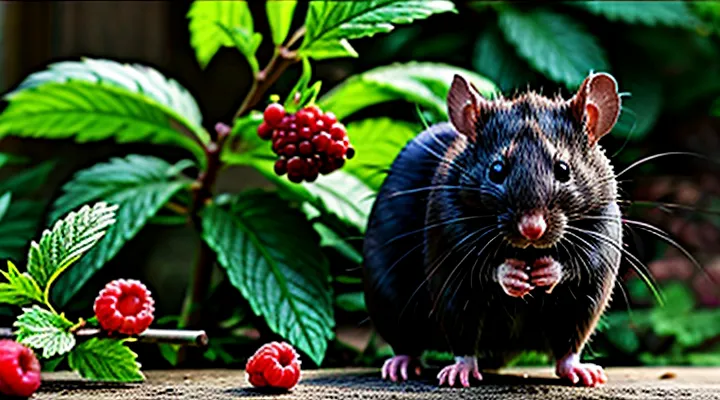
Understanding Rat Dietary Needs
General Nutritional Requirements of Rats
Rats require a balanced diet that supplies adequate protein, fat, carbohydrates, and fiber. Protein levels should range from 14 % to 18 % of total calories, supporting growth, tissue repair, and immune function. Fat contributes 5 % to 10 % of calories, providing essential fatty acids and energy. Carbohydrates supply the primary energy source, while fiber promotes gastrointestinal motility and prevents constipation.
Vitamins and minerals must be present in sufficient quantities to maintain metabolic processes. Vitamin A, D, E, and K support vision, calcium regulation, antioxidant defenses, and blood clotting. B‑complex vitamins facilitate enzymatic reactions. Calcium and phosphorus balance is critical for skeletal health; a ratio near 1 : 1 prevents bone disorders. Trace elements such as zinc, copper, and selenium are required in minute amounts for enzyme activity.
Fresh water should be continuously available, with daily intake approximating 10 ml per 100 g body weight. Energy consumption averages 45 kcal per 100 g of body mass, varying with activity level, age, and ambient temperature.
Fruit can serve as a supplemental source of sugars, vitamins, and antioxidants, but should remain a minor component, not exceeding 10 % of total diet. Berries offer low‑calorie sweetness and phytochemicals; however, only certain varieties are non‑toxic to rodents.
Safe berries include:
- Blueberries
- Strawberries (fresh, seed‑free)
- Raspberries (small quantities)
- Blackberries
- Cranesbill (cranberry) in limited amounts
Berries to avoid:
- Toxic species such as yew berries
- Unripe or mold‑infested fruit
- Berries containing high levels of oxalic acid (e.g., certain wild gooseberries)
Introducing safe berries in moderation provides enrichment and nutritional benefits without compromising the core dietary requirements of rats.
Why Berries Can Be a Good Addition
Berries provide a compact source of essential nutrients that complement the staple grain‑based diet of pet rats. Their natural composition delivers vitamins A, C, and K, as well as minerals such as potassium and manganese, without adding excessive calories.
- Vitamin C supports immune function and collagen synthesis.
- Antioxidants, including anthocyanins, mitigate oxidative stress at the cellular level.
- Dietary fiber promotes gastrointestinal motility and microbiome diversity.
The high water content of most berries contributes to overall hydration, while the subtle sweetness encourages exploratory behavior and reduces reliance on processed treats. Small, soft fruits also serve as enrichment objects, stimulating foraging instincts and preventing boredom.
Safety hinges on selecting varieties free from pesticide residues, large seeds, or toxic compounds. Raspberries, blueberries, and blackberries, when washed thoroughly and offered in modest portions, meet these criteria. Strawberries, when presented without the green leafy top, are similarly acceptable. Conversely, grapes, cherries, and any berry containing pits or high oxalate levels should be excluded to avoid renal complications.
Integrating appropriate berries enriches nutritional balance, supports physiological health, and enhances behavioral welfare when administered responsibly.
Safe Berries for Rats
Berries That Are Generally Safe
Blueberries
Blueberries offer a high concentration of antioxidants, vitamins C and K, and dietary fiber, making them a nutritionally valuable supplement for pet rodents. The fruit’s low sugar content and absence of toxic compounds allow safe occasional consumption when fresh, washed, and free of pesticide residues.
Key considerations for offering blueberries to rats:
- Serve only a few berries per week; a single berry or a quarter of a fresh berry per animal prevents excess sugar intake.
- Provide the fruit in bite‑size pieces to avoid choking hazards.
- Remove any stems or leaves, as they are not part of the edible portion.
- Store berries refrigerated and discard any that show signs of mold or spoilage.
- Observe the animal after introduction; any signs of digestive upset warrant immediate cessation of the treat.
When these guidelines are followed, blueberries can be incorporated as a safe, occasional treat that contributes beneficial nutrients without compromising rat health.
Strawberries
Strawberries provide rats with vitamin C, fiber, and antioxidants, making them a nutritionally valuable treat when offered correctly. The fruit’s low sugar concentration compared to many other berries reduces the risk of digestive upset, but moderation remains essential.
Key considerations for feeding strawberries to pet rats:
- Offer only fresh, washed fruit; remove stems and leaves, which may harbor pesticides or mold.
- Limit portions to a maximum of one to two small bite‑sized pieces per day for an adult rat; younger animals require even less.
- Introduce the fruit gradually, monitoring for signs of diarrhea or reduced appetite.
- Store leftovers in the refrigerator for no longer than 24 hours to prevent bacterial growth.
Potential concerns include the presence of pesticide residues and the natural acidity of strawberries, which can irritate a sensitive gastrointestinal tract. Selecting organic produce or thoroughly rinsing conventional berries mitigates contaminant exposure. If a rat exhibits persistent loose stools after consumption, discontinue the fruit and consult a veterinarian.
Overall, strawberries constitute a safe, occasional addition to a rat’s diet, provided they are prepared hygienically, served in small quantities, and integrated alongside a balanced staple diet of grains, proteins, and vegetables. «Proper handling and moderation ensure that the health benefits of strawberries are realized without compromising the animal’s well‑being.»
Raspberries
Raspberries are considered non‑toxic for domesticated rats and can be offered as an occasional treat. Their soft texture and natural sweetness make them appealing, while the low level of harmful compounds ensures safety when sourced from reputable suppliers.
Nutrient profile of fresh raspberries includes:
- Vitamin C – supports immune function
- Dietary fiber – aids digestive health
- Manganese – contributes to bone development
- Antioxidants such as anthocyanins – help mitigate oxidative stress
Feeding guidelines recommend limiting raspberries to no more than one to two small berries per rat per day. The fruit should be washed thoroughly, sliced into bite‑size pieces, and presented without added sugars or syrups. Introducing raspberries gradually allows observation of any adverse reactions, such as diarrhea.
Precautions focus on pesticide residues and sugar content. Only organic or well‑washed berries should be used to minimize exposure to chemicals. Excessive consumption may lead to gastrointestinal upset or contribute to weight gain; therefore, raspberries must complement a balanced diet of commercial pellets, fresh vegetables, and occasional protein sources.
Blackberries
Blackberries offer a suitable treat for pet rodents when offered in moderation. They contain vitamins C and K, dietary fiber, and antioxidants that can support immune function and digestive health. The natural sugar content is relatively low compared to other fruits, reducing the risk of rapid blood‑glucose spikes.
Key considerations for feeding blackberries to rats:
- Portion size: one to two small berries per day, sliced to prevent choking.
- Preparation: wash thoroughly under running water to remove pesticides; remove any stems or leaves that may contain irritants.
- Frequency: treat as an occasional supplement, not a staple; primary diet should remain a balanced commercial rodent mash.
- Potential issues: excessive intake may cause mild diarrhea; monitor for signs of gastrointestinal upset.
- Storage: refrigerate fresh berries in a sealed container; discard any that become moldy or overly soft.
When introduced gradually, blackberries can enrich a rat’s diet without compromising health. Regular observation ensures the animal tolerates the fruit well and that any adverse reaction is addressed promptly. «Blackberries» thus represent a safe, nutrient‑dense option within the broader selection of rat‑friendly berries.
How to Prepare Safe Berries
Washing Berries
When offering berries to pet rats, thorough cleaning eliminates pesticide residues, soil particles, and microbial contaminants that could cause gastrointestinal upset. Rinse each berry under cool, running water, allowing the flow to reach all surfaces. Avoid soaking, which can promote bacterial growth.
Key steps for effective washing:
- Place berries in a fine‑mesh colander.
- Run water over them for 15–20 seconds, gently stirring with a clean spoon.
- Inspect each piece; discard any with visible mold, bruises, or soft spots.
- Pat dry with a paper towel or clean cloth before serving.
Using a mild, food‑grade produce wash can further reduce surface chemicals. Apply the solution according to the manufacturer’s instructions, rinse thoroughly, and dry. Do not use soap or detergents, as residues may be toxic to rodents.
After cleaning, store berries in a sealed container in the refrigerator and feed within 24 hours. Prompt consumption limits the risk of spoilage and maintains nutritional value, ensuring that the selected fruits remain a safe addition to a rat’s diet.
Portion Sizes
When berries are added to a rat’s diet, portion control prevents excess sugar and digestive upset.
A typical safe serving equals no more than 5 % of the animal’s daily caloric intake, roughly 1–2 grams of fresh fruit per 100 grams of body weight. Offer berries no more than three times per week to maintain nutritional balance.
Safe berries and recommended portions:
- «Strawberries»: up to 2 mm pieces, total 0.5 g per serving.
- «Blueberries»: 1–2 whole berries, about 0.4 g.
- «Raspberries»: 1–2 mm slice, 0.4 g maximum.
- «Blackberries»: 1–2 mm slice, 0.5 g maximum.
Monitor each rat for signs of gastrointestinal discomfort after consumption. Adjust portions downward if weight gain or loose stools occur. Consistent observation ensures that berry treats remain a healthy supplement rather than a dietary excess.
Frequency of Feeding
Berries can be a nutritious addition to a rat’s diet, but they must be offered in moderation to avoid digestive upset and excess sugar. A typical feeding schedule limits fresh berries to two to three small servings per week, each serving no larger than one to two teaspoons for an adult rat. This frequency supports nutrient intake while preventing weight gain.
Portion control is essential. Offer berries once every two to three days, observing the animal for any signs of diarrhea or reduced appetite. If adverse reactions occur, discontinue the specific fruit and reduce overall fruit exposure. Consistent monitoring ensures that occasional treats remain beneficial rather than harmful.
Safe berry options and suggested frequencies:
- Blueberries: up to three small servings weekly, spaced evenly.
- Strawberries: one to two teaspoons twice per week, skin removed.
- Raspberries: one teaspoon once or twice weekly, seeds discarded.
- Blackberries: one teaspoon twice weekly, stems removed.
- Cranberries (unsweetened): one teaspoon once weekly, raw or lightly rinsed.
All berries should be washed thoroughly, free of pesticides, and served at room temperature. Frozen berries are unsuitable because texture changes can increase choking risk. Replace any missed serving with a comparable portion of another approved berry to maintain the overall weekly limit.
Berries to Avoid and Precautions
Berries That Are Harmful or Toxic
Cherries
Cherries can be offered to pet rats as an occasional treat, provided specific precautions are observed. The fruit supplies vitamins A, C, and K, as well as antioxidants that support overall health. However, the pit contains amygdalin, a compound that releases cyanide when metabolized; ingestion of even a small fragment can be toxic. Consequently, only the flesh should be given, and all pits must be removed meticulously.
Suitable serving size for an adult rat does not exceed a single quarter of a fresh cherry slice per week. Excessive sugar content may contribute to obesity and dental issues, especially when combined with other sugary foods. Processed cherry products—canned, dried, or sweetened varieties—should be avoided due to added sugars, preservatives, and potential artificial sweeteners that are harmful to rodents.
Guidelines for safe inclusion of «cherries» in a rat’s diet:
- Remove pits completely; inspect flesh for any remaining fragments.
- Offer only fresh, washed fruit; discard bruised or moldy portions.
- Limit frequency to once weekly, with a maximum of one small piece per rat.
- Exclude all processed forms, including syrups, jams, and dried cherries.
When introducing «cherries», monitor the animal for signs of digestive upset, such as loose stools or reduced appetite. If adverse reactions occur, discontinue the fruit immediately and consult a veterinarian familiar with small‑animal nutrition.
Elderberries
Elderberries (Sambucus nigra) contain antioxidants, vitamins, and fiber. The fruit is small, dark‑purple, and ripens in late summer.
Rats can consume ripe elderberries safely when the fruit is fully mature. Unripe berries and all parts of the plant—leaves, stems, and seeds—contain cyanogenic glycosides that may cause respiratory distress, vomiting, or lethargy. Toxic effects appear quickly after ingestion of raw, unripe material.
Feeding recommendations:
- Offer only fresh, fully ripe berries; discard any that are green or partially colored.
- Remove stems and leaves before presentation.
- Limit intake to no more than two to three berries per 100 g of body weight per day.
- Introduce elderberries gradually, monitoring for changes in behavior or stool consistency.
- Provide water and a balanced diet alongside the fruit to prevent nutritional imbalance.
Consistent observation ensures elderberries remain a beneficial, occasional treat without health risks.
Mistletoe Berries
Mistletoe berries present a significant risk to pet rodents. The fruit contains viscotoxin, a potent cardiac glycoside that interferes with heart rhythm and electrolyte balance. Ingestion typically leads to vomiting, diarrhea, lethargy, and in severe cases, cardiac arrest.
Key toxic effects include:
- Gastrointestinal distress (vomiting, diarrhea)
- Neurological depression (lethargy, loss of coordination)
- Cardiovascular disruption (arrhythmia, potential heart failure)
Because the toxin is water‑soluble, even small amounts can cause rapid symptom onset. There is no specific antidote; treatment relies on supportive care such as fluid therapy and monitoring of cardiac function. Early veterinary intervention improves prognosis, but prevention remains the most reliable strategy.
Safe alternatives for rodent enrichment encompass berries without known toxicity, such as:
- Blueberries
- Raspberries
- Strawberries
These fruits provide nutritional benefits without the hazards associated with mistletoe. When offering any fruit, limit portions to a few grams per kilogram of body weight and monitor for adverse reactions.
Holly Berries
Holly berries are unsuitable for rodent consumption. The fruit contains saponins and other toxic compounds that affect the gastrointestinal tract and liver. Ingesting even a small quantity can trigger vomiting, diarrhea, loss of appetite, and lethargy. Persistent symptoms may progress to dehydration and organ failure.
If a rat consumes holly berries, immediate steps include:
- Contact a veterinarian without delay.
- Follow professional advice regarding induced vomiting; do not attempt without guidance.
- Provide fresh water and monitor hydration status.
- Observe for changes in behavior, stool consistency, and activity level.
Preventive measures consist of storing holly berries out of reach, inspecting outdoor enclosures for fallen fruit, and removing holly plants from areas accessible to pets. Substituting safe fruit options, such as blueberries or raspberries, reduces the risk of accidental poisoning.
Potential Risks and Considerations
Choking Hazards
Berries can pose choking hazards for pet rodents when presented whole or with large seeds. Rat jaws are capable of biting, yet accidental obstruction of the airway occurs if pieces exceed the animal’s swallowing capacity.
- Whole strawberries: size often exceeds safe dimensions, skin may detach and block the throat.
- Large blueberries: diameter approaches the maximum safe bite size, risk increases with intact skin.
- Blackberries: numerous seeds create multiple small obstacles that can accumulate in the pharynx.
- Raspberries: soft flesh collapses, leaving seed clusters that may lodge in the airway.
- Gooseberries and currants: firm skins and central pits present solid fragments capable of obstruction.
To mitigate risk, prepare berries as follows: remove skins when feasible, discard all seeds and pits, slice fruit into pieces no larger than ¼ inch (approximately 6 mm), and supervise initial ingestion. Offering only the edible pulp of safe varieties—such as seedless grapes or peeled strawberries—reduces the likelihood of accidental blockage. Regular observation ensures prompt identification of any distress, allowing immediate intervention.
Pesticides and Chemicals
Berries intended for rodent consumption must be free from pesticide residues that exceed established safety thresholds. Regulatory agencies set maximum residue limits (MRLs) for compounds such as organophosphates, neonicotinoids, and pyrethroids; values above these limits pose acute toxicity risks and may cause chronic organ damage in rats.
Key considerations for evaluating berry safety:
- Verify that the product originates from farms employing integrated pest management (IPM) or organic certification, which limit synthetic pesticide applications.
- Request laboratory analysis reports confirming that detected residues are below the MRLs for each relevant compound.
- Prefer berries harvested after a pre‑harvest interval that allows pesticide degradation, typically ranging from 7 to 21 days depending on the active ingredient.
- Avoid berries treated with growth regulators, ripening agents, or post‑harvest fungicides containing copper sulfate or chlorothalonil, as these chemicals can accumulate in rodent tissues.
When selecting berries, prioritize varieties with documented low pesticide use, such as wild‑grown raspberries, blackberries, and strawberries cultivated under strict no‑spray protocols. Store fresh berries in a cool, dry environment and rinse them thoroughly under running water before offering them to rats; rinsing reduces surface residues but does not eliminate systemic contaminants.
Regular monitoring of the rat’s health—weight stability, activity level, and gastrointestinal function—provides indirect confirmation that berry consumption remains safe. If any signs of toxicity appear, discontinue the berries immediately and consult a veterinary professional.
Allergic Reactions
When offering berries to pet rats, vigilance for allergic reactions is essential. Rats may develop hypersensitivity to certain fruit compounds, leading to rapid health decline.
Observable signs of an allergic response include:
- Swelling of the face, ears, or limbs
- Excessive scratching or grooming of the affected area
- Respiratory distress, such as labored breathing or wheezing
- Diarrhea or vomiting shortly after ingestion
- Lethargy or sudden loss of activity
Berries with documented allergenic potential for rodents are:
- Strawberries – high levels of histamine‑releasing proteins
- Raspberries – contain tannins that can trigger skin irritation
- Blackberries – possess anthocyanin compounds linked to immune sensitization
- Gooseberries – rare, but reported cases of severe gastrointestinal upset
Safe introduction protocol:
- Offer a single, small piece (no larger than ¼ cm) of a new berry.
- Observe the rat for at least two hours, monitoring the listed symptoms.
- If no adverse reaction occurs, gradually increase the portion over several days.
- Maintain a log of berry types, quantities, and any observed effects.
Eliminating risky berries from the diet prevents chronic inflammation and supports overall well‑being. Continuous observation and cautious trialing ensure that only non‑allergenic fruits remain part of a rat’s nutrition plan.
Introducing New Berries to Your Rat's Diet
Step-by-Step Introduction Process
When introducing new fruit treats to a pet rodent, follow a systematic protocol to verify that the selected berries pose no health risk.
Begin with reliable sources: consult veterinary nutrition guidelines, peer‑reviewed articles, and reputable pet‑care databases. Identify berry varieties listed as non‑toxic for rodents, such as strawberries, blueberries, raspberries, and blackberries. Exclude any fruit containing known toxins, seeds with cyanogenic compounds, or high‑sugar content that could disrupt digestion.
Proceed with a controlled trial:
- Prepare a single, fresh berry piece no larger than one centimeter.
- Offer the sample to the animal during a calm period, observing immediate acceptance.
- Record behavior for 24 hours, noting appetite changes, stool consistency, and any signs of distress.
- If no adverse reaction occurs, repeat the test with a second identical piece on the following day.
- After successful repetition, integrate the berry into the regular diet at a measured frequency (e.g., two to three times per week), monitoring long‑term health indicators.
Document each step, including source references, quantities, and observation outcomes. This record enables repeatable assessment and facilitates adjustments should any issue arise.
Monitoring for Adverse Reactions
Introducing a new berry to a rat’s diet requires systematic observation to detect any adverse response. Begin with a single, bite‑size piece and separate the animal from other food sources for a defined period.
Observe the rat continuously for the first 24 hours, then at regular intervals for the next 48 hours. Record any deviation from normal behavior or physiology. Typical indicators of intolerance include:
- Diarrhea or soft stools
- Reduced activity or lethargy
- Decreased food or water intake
- Nasal discharge, sneezing, or labored breathing
- Swelling of the mouth, lips, or paws
- Excessive grooming or scratching around the oral region
If any of these signs appear, cease berry provision immediately and consult a veterinarian. Provide supportive care such as hydration and a bland diet until professional guidance is obtained. Document the berry type, portion size, and timing of symptoms to assist future dietary decisions.
Benefits of Berries for Rat Health
Antioxidant Properties
Berries commonly offered to pet rodents contain a range of antioxidant compounds that help neutralize free radicals and support cellular health.
- Blueberries provide anthocyanins, which exhibit strong free‑radical scavenging activity.
- Strawberries supply vitamin C and ellagic acid, both recognized for oxidative‑stress reduction.
- Raspberries are rich in quercetin and ellagic acid, contributing to lipid‑peroxidation inhibition.
- Blackcurrants contain high concentrations of vitamin C and anthocyanins, enhancing antioxidant capacity.
These antioxidants are bioavailable in small quantities, aligning with the dietary needs of rats when berries are offered in moderation. Excessive portions may introduce excess sugar, potentially outweighing antioxidant benefits.
Safety considerations include selecting fresh, pesticide‑free berries, removing stems and leaves that could contain irritants, and limiting intake to no more than one–two teaspoons per day for an average adult rat. Regular inclusion of the listed berries can complement a balanced diet by supplying natural antioxidants without compromising health.
Vitamin and Mineral Content
When choosing berries for a rodent’s diet, the micronutrient composition determines suitability and health impact.
Berries that are generally safe for rats provide a balanced mix of essential vitamins and minerals, supporting immune function, bone health, and metabolic processes.
- «vitamin C»: high levels in strawberries, blueberries, and blackberries, contributing to antioxidant defenses.
- «vitamin A»: present in raspberries and blackberries, important for vision and epithelial integrity.
- «vitamin K»: abundant in blueberries, aids blood clotting and bone metabolism.
- «folate» (vitamin B9): found in strawberries, supports DNA synthesis and red blood cell formation.
- «potassium»: plentiful in blueberries and blackberries, regulates fluid balance and nerve transmission.
- «magnesium»: modest amounts in raspberries, involved in enzymatic reactions and muscle function.
- «calcium»: low but detectable in strawberries, supplements skeletal development when combined with other sources.
Safe berries also contain trace amounts of iron, phosphorus, and zinc, which together sustain metabolic enzymes and tissue repair.
Excessive consumption can lead to nutrient imbalances; therefore, portions should remain limited to a small fraction of the overall diet, complementing a balanced pellet base.
Hydration Benefits
Berries with high moisture levels serve as a natural source of fluid for rats, complementing regular water provision and supporting renal efficiency.
Safe options include:
- Strawberries – water content approximately 91 %.
- Raspberries – water content approximately 86 %.
- Blackberries – water content approximately 88 %.
- Blueberries – water content approximately 84 %.
Each of these fruits supplies measurable hydration while delivering antioxidants and vitamins. The water fraction contributes directly to daily fluid intake, reducing the risk of dehydration‑related stress on the urinary system.
Feeding recommendations: offer no more than one teaspoon of fresh berries per 100 g of body weight, divided into two daily servings. Ensure berries are washed thoroughly and free of pesticide residues before presentation.
Regular inclusion of moisture‑rich berries helps maintain stable hydration levels, promotes healthy kidney function, and supports overall physiological balance in pet rats.