
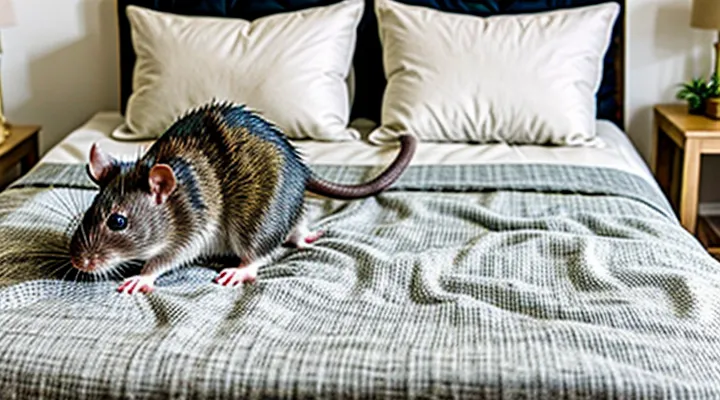
Safety First: What to Avoid
Respiratory Irritants
Choosing bedding for pet rats requires attention to materials that can provoke respiratory irritation. Dust‑producing substrates release fine particles that settle in the nasal passages and lungs, increasing the risk of sneezing, nasal discharge, and chronic respiratory disease. High‑dust bedding also compromises air quality in enclosed cages, creating an environment where pathogens thrive.
Common irritants include:
- Aspen shavings: low in aromatic oils but can generate moderate dust when dry.
- Pine and cedar chips: contain volatile phenols and aromatic oils that irritate mucous membranes.
- Paper‑based bedding with added fragrance: synthetic scents add volatile compounds that aggravate the respiratory tract.
- Corncob granules: break down into fine particles during chewing, producing inhalable dust.
Materials that minimize respiratory stress are:
- Plain, untreated aspen or hardwood shavings, selected for low dust content.
- Compressed paper bedding without added scent, offering absorbency and minimal particulate release.
- Tissue‑based bedding made from recycled fibers, providing a soft surface with negligible dust.
Regular maintenance further reduces irritation. Spot‑clean daily to remove waste, replace soiled bedding weekly, and ensure cage ventilation meets recommended air exchange rates. By eliminating high‑dust and scented substrates, the bedding environment supports healthy breathing and reduces the likelihood of respiratory complications in rats.
Ingestible Hazards
Choosing bedding for pet rats requires attention to materials that rodents may chew or ingest. Ingestible hazards can cause gastrointestinal blockage, respiratory irritation, or toxicity, compromising health and lifespan.
Common bedding components that present ingestion risks include:
- Aromatic wood shavings (cedar, pine): contain phenols and oils that irritate nasal passages and can be toxic when consumed.
- Clumping cat litter: forms solid masses in the digestive tract if swallowed, leading to obstruction.
- Dust‑rich fibers (flocked paper, certain cellulose products): create respiratory debris and may be ingested alongside food.
- Soft, crumbly materials (corncob, straw): break into small particles that rats readily gnaw, increasing the chance of intestinal blockage.
Safe bedding choices minimize these dangers:
- Paper‑based bedding (unbleached, low‑dust): offers absorbency without harmful chemicals; rats can chew without risk of blockage.
- Compressed wood pulp (e.g., aspen shavings): low in aromatic oils and dust, suitable for chewing and nesting.
- Hemp or cotton fiber bedding: natural, low‑dust, and non‑toxic; fibers are large enough to pass through the digestive system safely.
- Recycled newspaper strips: inexpensive, non‑aromatic, and safe for occasional chewing.
When evaluating a bedding product, verify that it is labeled “low dust,” “non‑aromatic,” and “non‑clumping.” Conduct periodic checks of the enclosure for loose fragments that could be swallowed. Providing a separate chew block of safe material reduces the likelihood that rats will gnaw bedding for nutrition.
In summary, avoid aromatic wood shavings, clumping litters, and highly powdered substrates. Opt for low‑dust, non‑toxic, and structurally stable materials to protect rats from ingestion‑related health issues.
Abrasive Materials
Abrasive substances such as wood shavings with sharp edges, mineral sand, or crushed corncob particles can damage a rat’s delicate footpads and whiskers. The rough texture causes micro‑abrasions that may develop into infections, especially in young or immunocompromised individuals. Moreover, abrasive bedding increases the likelihood of respiratory irritation when fine particles become airborne.
Key considerations when evaluating abrasive bedding:
- Particle size: larger, jagged fragments create direct mechanical trauma; fine dust can be inhaled.
- Material composition: natural fibers that remain soft after compression (e.g., paper pulp, fleece) pose fewer risks than mineral or wood‑based products.
- Absorbency: low‑absorbency abrasives retain moisture, fostering mold growth and worsening skin irritation.
For optimal health, select bedding that is soft, highly absorbent, and free of sharp or gritty components. Regular monitoring of the cage environment—checking for signs of footpad lesions, excessive scratching, or respiratory distress—helps confirm the suitability of the chosen substrate.
Optimal Bedding Materials
Paper-Based Bedding
Paper-based bedding provides a low‑dust, highly absorbent substrate that many rat owners prefer for its simplicity and safety. The material consists of shredded, untreated paper fibers that do not contain aromatic oils or chemicals that could irritate a rat’s respiratory system. Its texture is soft enough to prevent foot injuries while still allowing rodents to dig and build nests.
Absorbency is a primary advantage: each layer can hold several milliliters of urine before becoming saturated, reducing the frequency of complete cage changes. The lack of aromatic compounds eliminates the risk of allergic reactions and minimizes the spread of odors when the bedding is regularly stirred. However, paper fibers break down faster than mineral or wood‑based options, requiring more frequent top‑ups to maintain depth and cleanliness.
-
Pros
• Minimal dust production
• No toxic additives or fragrances
• Easy to dispose of, biodegradable
• Soft surface supports nesting behavior -
Cons
• Faster degradation under heavy moisture
• Higher cost per kilogram compared with some alternatives
• Limited structural support for extensive burrowing
Routine care involves spot‑cleaning soiled sections daily and replacing the entire substrate every two to three weeks, depending on cage size and occupancy. When adding fresh paper bedding, aim for a depth of 2–3 cm to allow adequate absorption while preserving a comfortable layer for the animals. Regular stirring prevents clumping and distributes moisture evenly, extending the usable life of the material.
Shredded Paper
Shredded paper is a common choice for rat bedding because it is inexpensive, readily available, and provides a soft substrate for nesting. The material absorbs moisture moderately, reducing surface wetness without creating a soggy environment. Fine fibers generate minimal dust, which helps maintain respiratory health when the paper is sourced from low‑pulp or recycled sources.
Advantages
- Low cost and easy to obtain in bulk.
- Soft texture encourages natural burrowing behavior.
- Moderate absorbency limits odor buildup.
- Biodegradable, allowing simple disposal.
Disadvantages
- Thin fibers may be ingested, posing a choking risk if rats chew excessively.
- Moisture retention can lead to mold if not changed regularly.
- Limited structural integrity; bedding becomes compacted after several days.
- Some recycled papers contain inks or chemicals that could irritate sensitive skin.
For optimal use, select unprinted, non‑glossy paper such as plain newspaper, printer paper, or specialized pet‑grade shredded paper. Cut or shred the material into strips 1–2 cm wide to balance comfort with ease of cleaning. Spread a layer 2–3 cm deep in the cage, monitor humidity, and replace the bedding every 5–7 days or sooner if it becomes damp or soiled. Provide supplemental nesting material, such as tissue or untreated wood shavings, to enhance enrichment while minimizing the amount of paper the rats can ingest.
Overall, shredded paper meets many criteria for a suitable rat substrate, provided that the source is safe, the bedding is maintained regularly, and supplemental enrichment is offered.
Compressed Paper Pellets
Compressed paper pellets provide a low‑dust, highly absorbent option for rat enclosures. The material is made from recycled paper that is pressed into uniform cylinders, creating a stable substrate that resists crumbling under frequent digging. Absorbency rates typically exceed 400 % of the pellets’ weight, allowing rapid moisture capture and reducing the likelihood of ammonia buildup.
Key advantages include:
- Minimal dust generation, protecting respiratory health.
- Strong odor control through natural cellulose binding.
- Easy removal; whole pellets can be lifted and discarded without scattering.
- Biodegradable and compostable, supporting environmentally responsible care.
Potential drawbacks:
- Higher cost compared to loose wood shavings.
- Requires periodic replacement to maintain optimal absorbency.
- May be less attractive for nesting if not supplemented with softer materials.
Practical guidelines:
- Place a 1‑inch layer of pellets on the cage floor, ensuring even coverage.
- Monitor moisture levels weekly; replace saturated pellets promptly.
- Provide supplemental nesting material such as shredded tissue to encourage natural behavior.
- Store unused pellets in a dry container to prevent clumping.
Overall, compressed paper pellets meet the primary criteria for a safe, hygienic, and manageable bedding solution for pet rats.
Fabric Bedding
Fabric bedding offers a balance of absorbency, softness, and ease of cleaning that aligns with the physiological needs of pet rats. The material typically consists of tightly woven fibers that trap moisture while allowing airflow, reducing the risk of respiratory irritation caused by excessive humidity. Because the fibers are fine yet durable, rats can burrow and nest without tearing the substrate, supporting natural behaviors that contribute to mental well‑being.
Key advantages of fabric bedding include:
- High moisture‑wicking capacity, keeping the cage dry for longer periods.
- Low dust production, minimizing airborne particles that can aggravate the rats’ sensitive respiratory tracts.
- Reusability after washing, which lowers long‑term cost and environmental impact.
- Smooth texture that prevents skin abrasions and foot pad injuries.
Potential drawbacks to consider:
- Initial purchase price is higher than disposable alternatives.
- Requires regular laundering at temperatures above 60 °C to eliminate bacterial growth.
- May retain odors if not thoroughly dried after washing.
When selecting fabric bedding, prioritize products made from natural, untreated fibers such as cotton or hemp. Synthetic blends can contain chemicals that leach into the cage environment. Verify that the fabric is free from dyes, fragrances, or fire‑retardant treatments, as these additives may introduce toxins.
Maintenance guidelines:
- Remove soiled sections daily; replace with fresh fabric pieces as needed.
- Wash the entire bedding batch weekly using a mild detergent and hot water.
- Air‑dry completely before returning to the cage to prevent mold formation.
- Inspect for wear; replace fabric that shows thinning or fraying.
Overall, fabric bedding satisfies the core criteria for a suitable rat substrate: it controls moisture, limits dust, encourages natural nesting, and can be sustainably managed through proper cleaning protocols.
Fleece
Fleece provides a soft, warm surface that matches the temperature needs of rats. Its low‑dust composition reduces respiratory irritation, while its high absorbency controls moisture from urine and droppings. The material can be washed and reused, lowering long‑term cost compared to disposable options.
Advantages:
- Softness minimizes skin abrasions.
- Minimal dust improves air quality.
- High absorbency limits wet spots.
- Reusability reduces waste and expense.
- Easy to cut to cage dimensions.
Considerations:
- Rats may chew fibers; damaged pieces can be ingested.
- Moist fleece retains bacteria if not laundered promptly.
- Limited bulk may be insufficient for large groups; supplemental layers may be required.
- Initial purchase price is higher than paper‑based bedding.
Maintenance involves weekly laundering at 60 °C or higher to eliminate pathogens, followed by thorough drying before reuse. Inspect for tears or frayed edges regularly and replace damaged sections to prevent ingestion hazards. When combined with a secondary absorbent layer, fleece serves as a reliable component of a balanced bedding system for pet rats.
Old T-Shirts
Old t‑shirts can serve as a low‑cost bedding option for pet rats, provided they are prepared correctly. The fabric’s softness offers a comfortable surface for nesting, while its breathability helps maintain a dry environment. However, several factors must be considered before adopting this material.
- Cleaning: Wash shirts in hot water (≥60 °C) with a fragrance‑free detergent, rinse thoroughly, and dry completely. Residual soap or moisture can cause respiratory irritation.
- Material: Use 100 % cotton shirts without prints, dyes, or synthetic blends. Printed inks and synthetic fibers may release chemicals that are harmful when inhaled or ingested.
- Size and Shape: Cut shirts into strips or squares roughly 2–3 cm wide. Smaller pieces prevent rats from ingesting large clumps and reduce the risk of blockage.
- Durability: Cotton fibers break down faster than commercial wood‑chip bedding. Replace the material every 1–2 weeks, or sooner if it becomes soiled or damp.
Advantages
- Readily available, inexpensive.
- Soft texture encourages natural nesting behavior.
- Recyclable, reducing waste.
Disadvantages
- Shorter lifespan than specialized bedding.
- Requires meticulous washing to eliminate contaminants.
- May not absorb urine as efficiently, increasing the need for frequent changes.
When comparing old t‑shirts to other common substrates—such as paper pulp, aspen shavings, or hemp—consider the balance between cost, maintenance effort, and the rats’ health. If hygiene protocols are strictly followed, recycled cotton garments provide a viable alternative for owners seeking an economical, environmentally friendly bedding solution.
Aspen Shavings
Aspen shavings are a widely recommended substrate for pet rats because they combine high absorbency with minimal respiratory irritation. The wood’s porous structure captures urine and moisture, reducing the frequency of complete cage changes. Unlike pine or cedar, aspen contains negligible aromatic oils, which prevents the development of respiratory problems that are common with scented woods.
The material’s fine particle size creates a comfortable nesting surface. Rats readily manipulate the shavings to build burrows, supporting natural burrowing behavior and promoting psychological well‑being. Because the fibers are lightweight, cleaning tools such as scoops and small vacuums operate efficiently, shortening maintenance time.
Pros
- Excellent moisture absorption
- Low dust and odor
- Non‑toxic, free of harmful volatile compounds
- Encourages nesting and digging
- Economically priced for regular replacement
Cons
- Requires frequent spot cleaning to prevent compaction
- May need a secondary liner to protect cage flooring from wear
- Not as durable as paper‑based substrates for long‑term use
Overall, aspen shavings meet the primary criteria for a suitable rat bedding: safety, hygiene, and behavioral enrichment, making them a practical choice for most rat owners.
Hay and Straw (with caveats)
Hay and straw are common choices for rodent bedding, but their suitability for rats depends on several factors.
Hay provides enrichment. It encourages natural foraging behavior and offers a source of roughage that supports dental health. Rats can chew and nest in the material, which reduces stress and promotes activity.
Straw offers a dry, absorbent surface. It can be spread thinly under a deeper layer of bedding to improve odor control and moisture management. When used sparingly, straw adds texture without overwhelming the enclosure.
Advantages
- Soft texture encourages nesting and chewing.
- Biodegradable and inexpensive.
- Readily available in pet stores and farm supply outlets.
Caveats
- Hay may contain dust that irritates respiratory passages, especially in young or compromised animals.
- Straw can harbor mold or parasites if stored damp; moisture must be monitored.
- Both materials decompose quickly, requiring frequent replacement to maintain hygiene.
- Rats may ingest large amounts, leading to digestive upset if the diet is already fiber‑rich.
For optimal use, combine a thin layer of hay or straw with a primary bedding such as paper pulp or aspen shavings. Limit the amount to 1–2 cm to prevent excess moisture buildup. Inspect the material daily for signs of mold, urine saturation, or excessive wear, and replace it at least twice weekly. This approach leverages the enrichment benefits of hay and straw while mitigating health risks.
Bedding Quantity and Maintenance
Recommended Depth
When selecting bedding for pet rodents, the thickness of the substrate directly affects comfort, nesting ability, and waste management. A depth of 2–3 inches (5–7.5 cm) provides sufficient material for burrowing while allowing easy removal of soiled sections. For highly absorbent options such as shredded paper or wood pulp, a slightly greater layer—up to 4 inches (10 cm)—enhances moisture control and odor reduction.
Key considerations for determining the appropriate depth:
- Cage size – Larger enclosures can accommodate deeper bedding without restricting movement; smaller cages benefit from the lower end of the range to prevent excess weight.
- Material density – Lightweight, fluffy substrates require a thicker layer to maintain structural integrity; denser fibers need less depth to achieve the same support.
- Cleaning schedule – Frequent spot cleaning permits a thinner base, while longer intervals between changes justify a deeper deposit to absorb waste.
- Animal behavior – Active diggers and nest builders thrive with at least 3 inches of material, whereas less active individuals are comfortable with 2 inches.
Maintain a consistent depth throughout the cage to avoid uneven surfaces that could cause stress or injury. Replace the entire bedding when it becomes saturated or heavily soiled, regardless of the initial thickness.
Spot Cleaning
Spot cleaning refers to the immediate removal of soiled or wet areas in a rat cage without replacing the entire bedding substrate. This practice maintains hygiene, reduces odor, and prevents the spread of pathogens while preserving the structural benefits of the chosen bedding material.
Effective spot cleaning supports the selection of bedding that offers absorbency, dust control, and comfort. Materials that clump or hold moisture, such as paper-based bedding, allow quick removal of contaminated spots without disrupting the rest of the nest. In contrast, loose fibers may require more extensive cleaning to avoid spreading debris.
Recommended procedure:
- Identify the affected area promptly after the incident.
- Remove the soiled portion with a clean scoop or paper towel, taking care not to scatter debris.
- Apply a small amount of pet‑safe disinfectant or a diluted white‑vinegar solution if urine is present; allow to air dry.
- Replace the removed material with fresh bedding of the same type to maintain depth and consistency.
Specific bedding considerations:
- Paper pulp: easily excised, minimal dust, retains shape after spot cleaning.
- Aspen shavings: low aromatic content, can be sifted to isolate wet spots.
- Coconut fiber: high absorbency, but may compact; use a thin layer for easier removal.
Regular spot cleaning, performed several times daily, extends the functional life of the bedding and promotes a healthier environment for rats.
Full Cage Cleaning Frequency
When selecting a substrate for a rodent habitat, the cleaning schedule for the entire enclosure is a critical factor. Different materials retain moisture, odor, and waste at varying rates, which dictates how often a full change is required to maintain health and comfort.
A full cage cleaning should be performed:
- Every 1–2 weeks with highly absorbent, low‑dust bedding such as paper‑based or aspen shavings, because these retain moisture and odor longer than non‑absorbent options.
- Every 3–4 weeks when using minimally absorbent substrates like kiln‑fired pine or recycled wood pellets, which dry quickly and emit fewer smells.
- Every 5–7 days if the bedding is prone to clumping or excessive ammonia buildup, such as untreated pine or cedar, which can irritate the respiratory system.
In all cases, spot cleaning—removing soiled sections and replacing only the affected area—should occur daily to reduce the load on the full‑cleaning interval. Monitoring the cage for visible urine stains, strong odors, or increased humidity provides a practical indicator that the scheduled deep clean is due. Adjust the frequency if the rats are particularly active, if the cage is densely populated, or if ambient temperature and humidity accelerate waste decomposition.
Health Benefits of Appropriate Bedding
Respiratory Health
Choosing the right substrate directly affects the respiratory condition of pet rats. The primary concern is minimizing airborne particles and ammonia, both of which can irritate the delicate mucous membranes of the nasal passages and lungs.
Effective bedding must meet three criteria: low dust generation, high absorbency, and chemical neutrality. Materials that release fine fibers or contain scented additives increase the risk of respiratory inflammation and should be avoided.
- Paper‑based bedding (e.g., shredded paper, cellulose pads) – minimal dust, excellent absorbency, biodegradable.
- Aspen shavings – low resin content, moderate dust, good moisture control.
- Hemp fiber – coarse texture reduces airborne particles, high absorbency, naturally antimicrobial.
- Untreated cotton fleece – virtually dust‑free, reusable after washing, retains warmth without compromising air quality.
Materials that compromise respiratory health include pine or cedar shavings, which emit aromatic oils and volatile compounds, and corn‑based bedding that produces substantial dust when disturbed. Even scented commercial products can provoke sneezing and nasal discharge.
Maintain respiratory health by replacing soiled substrate at least twice weekly, keeping cage humidity below 60 %, and ensuring adequate ventilation. Regular observation of breathing patterns allows early detection of irritation, prompting immediate bedding adjustment.
Skin and Paw Protection
Choosing bedding that safeguards a rat’s skin and paws is essential for health and comfort. Soft, low‑dust substrates reduce irritation, while firm yet pliable layers prevent excessive wear on foot pads.
- Paper‑based products (e.g., shredded paper, cellulose pads) provide gentle cushioning, absorb moisture, and generate minimal dust.
- Untreated wood shavings from aspen or pine (without aromatic oils) offer a stable surface; the fibers are fine enough to avoid abrasions yet sturdy enough to support digging.
- Hemp or flax fiber bedding combines absorbency with a smooth texture, limiting friction on paws.
- Coconut coir, when properly conditioned, delivers a soft, moisture‑wicking layer without sharp edges.
Materials that should be avoided include cedar shavings, which contain volatile compounds that can inflame skin, and straw or hay, whose coarse strands can snag fur and create micro‑abrasions. Regular replacement of soiled bedding maintains dryness, further protecting skin integrity and preventing bacterial growth.
Mental Stimulation and Enrichment
Choosing bedding that encourages mental stimulation is essential for healthy laboratory and pet rats. Effective bedding should allow natural behaviors such as digging, nesting, foraging, and scent marking, thereby reducing boredom and stress.
Key enrichment attributes to evaluate in bedding:
- Texture variability that supports digging and burrowing.
- Absorbency that maintains a dry nest area for comfort.
- Low dust content to protect respiratory health.
- Scent neutrality, permitting the rat’s own odors to dominate.
Bedding options that satisfy these criteria include:
- Paper‑based products – soft, highly absorbent, minimal dust; encourage nest building.
- Aspen shavings – coarse enough for digging, low aromatic oils compared with pine, acceptable dust levels.
- Coconut fiber (coir) – fibrous structure promotes tunneling; offers good moisture control.
- Hemp bedding – sturdy, biodegradable, low dust; supports extended digging sessions.
Each material must be evaluated for safety and practicality. Paper bedding excels in cleanliness but may require frequent replacement. Aspen provides excellent digging opportunities yet can become compacted if not refreshed regularly. Coconut fiber offers long‑term structure but may retain moisture if over‑wet. Hemp combines durability with low odor but can be pricier.
Maintenance guidelines:
- Replace bedding weekly or when soiled to preserve dry nesting zones.
- Monitor for excessive ammonia; adjust depth or change material if levels rise.
- Clean the enclosure thoroughly before adding fresh bedding to prevent pathogen buildup.
Selecting a bedding type that aligns with these enrichment principles promotes cognitive engagement, encourages natural behavior, and supports overall rat welfare.
Where to Purchase Rat Bedding
Selecting appropriate bedding for rats involves choosing a material that absorbs moisture, controls odor, and is safe if ingested. When the right substrate is identified, acquiring it from reliable sources ensures consistency and animal welfare.
- Large‑chain pet retailers (e.g., PetSmart, Petco) stock pre‑packaged options such as paper pulp, aspen shavings, and hemp. Their inventory is searchable online, and many locations allow in‑store pickup, reducing shipping delays.
- Specialty online stores (e.g., Chewy, Amazon) provide a broader range of brands, including high‑absorbency blends and eco‑friendly formulations. Customer reviews and detailed product specifications aid comparison.
- Small‑business e‑commerce sites (e.g., small‑scale rodent‑focused shops on Etsy) often offer custom‑cut or bulk packaging at competitive prices. These vendors may supply raw materials like untreated wood chips or reclaimed paper.
- Local breeders and rodent clubs frequently sell surplus bedding at reduced cost. Membership in such groups grants access to bulk purchases and firsthand recommendations on material performance.
- Veterinary supply distributors (e.g., Covetrus, Vetsource) deliver laboratory‑grade substrates designed for research facilities. Although pricier, these products meet stringent purity standards and minimize contamination risk.
When ordering, verify that the product description confirms absence of aromatic oils, dust levels below 5 mg/g, and compliance with animal‑health regulations. Compare unit price, shipping terms, and return policies to select the most economical and dependable supplier.