
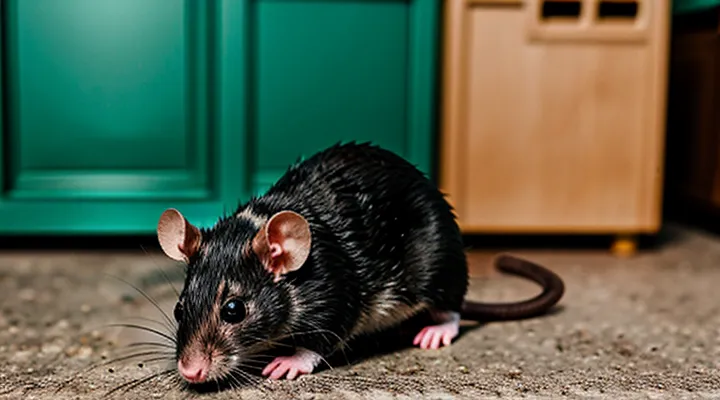
Understanding Your Rat's Needs
Assessing Your Rat's Health
Signs of Illness in Pet Rats
Pet rats can develop health problems quickly, and early detection of illness is essential for effective treatment. Owners should monitor behavior, appearance, and physiological indicators each day.
Typical signs of illness include:
- Lethargy or reduced activity
- Loss of appetite or refusal to eat
- Weight loss or noticeable thinness
- Respiratory sounds such as wheezing, coughing, or labored breathing
- Nasal or ocular discharge, especially if thick or colored
- Diarrhea, soft stools, or blood in feces
- Scruffy or unkempt fur, especially around the tail and hindquarters
- Abnormal posture, such as hunching or difficulty moving
- Excessive scratching or biting of skin, indicating irritation or parasites
- Sudden aggression or uncharacteristic fearfulness
When any of these symptoms appear, prompt veterinary care is critical. A clinic that handles exotic or small mammals should be selected; general practice veterinarians may lack specific expertise. Verify that the facility has experience with rodents, appropriate diagnostic tools, and access to a laboratory for cultures or blood work. Schedule an appointment as soon as possible; delays can worsen conditions such as respiratory infections, gastrointestinal issues, or parasitic infestations.
During the visit, provide the veterinarian with details on diet, habitat conditions, and recent changes in routine. Accurate information helps identify environmental stressors that may contribute to illness. Follow prescribed treatment plans, including medication schedules, supportive care, and any recommended changes to housing or nutrition. Regular check‑ups, even when the rat appears healthy, support early detection of hidden problems and maintain overall well‑being.
Importance of Regular Check-ups
Regular veterinary examinations are a non‑negotiable component of responsible rat ownership. Early detection of health issues such as respiratory infections, dental problems, or gastrointestinal disorders reduces treatment costs and improves recovery rates. A veterinarian experienced with small rodents can assess weight, coat condition, and behavior, providing objective data that owners may overlook.
When selecting a clinic, consider the following criteria:
- Licensed practitioner with specific training in exotic or rodent medicine.
- Facility equipped for safe handling of small mammals, including appropriate cages and anesthesia equipment.
- Availability of routine screening services, such as fecal exams and blood work, at reasonable intervals.
- Positive reviews from other rat owners regarding professionalism and follow‑up communication.
Scheduling check‑ups every three to six months aligns with the rapid life cycle of rats and ensures timely vaccination updates where applicable. Documentation of each visit creates a health history that assists both the owner and the veterinarian in identifying trends or recurring problems.
Neglecting regular assessments increases the risk of unnoticed disease progression, which can lead to emergency situations that are more stressful for the animal and more costly for the owner. Consistent veterinary care therefore safeguards the rat’s wellbeing and supports informed decisions about where to obtain professional services.
Preparing for a Vet Visit
Gathering Essential Information
When deciding the most suitable destination for a pet rat, the first step is to collect reliable data about each option. Accurate information eliminates uncertainty and supports a safe, comfortable experience for both animal and owner.
Essential data points include:
- Legal status in the intended location (municipal ordinances, landlord policies, transportation regulations).
- Environmental suitability (temperature range, ventilation, noise levels, presence of predators).
- Availability of veterinary services specialized in small rodents, including emergency contact details.
- Accessibility of appropriate housing or travel carriers that meet health and hygiene standards.
- Duration of stay and any required permits or health certificates for temporary housing facilities.
Sources for this information should be prioritized by credibility: official government websites, accredited veterinary clinics, reputable animal‑care organizations, and peer‑reviewed publications. Direct communication with facility managers or staff provides clarification on specific requirements and can confirm compliance with local regulations.
After assembling the data, compare each venue against the rat’s individual health profile, behavioral needs, and the owner’s logistical constraints. This systematic approach ensures that the chosen setting aligns with safety standards and promotes the animal’s well‑being.
Transporting Your Rat Safely
Transporting a pet rat requires a secure carrier, stable temperature, and minimal stress. Choose a hard‑plastic or ventilated acrylic cage with a lockable lid; the interior should be lined with soft bedding that does not shift during movement.
Before departure, follow these steps:
- Clean the carrier and let it dry completely.
- Place a small amount of familiar bedding and a favorite chew toy inside.
- Allow the rat to explore the carrier for several minutes to reduce anxiety.
- Secure the carrier with a zip tie or latch that prevents accidental opening.
During travel, maintain a consistent environment. Keep the carrier out of direct sunlight and away from drafts. In a vehicle, position the carrier on a flat surface, secured with a seat belt or non‑slipping mat. If using public transport, place the carrier under the seat or in a designated pet area, ensuring it remains upright.
Carry an emergency kit that includes:
- Small water bottle with a dropper.
- A few pieces of fresh fruit or vegetables for quick nutrition.
- A portable hand sanitizer for hygiene after handling.
- Contact information for a veterinarian familiar with rodents.
After arrival, give the rat time to adjust before opening the carrier. Observe for signs of stress and provide fresh water and food promptly.
Veterinary Care Options
General Practice Veterinarians
What to Expect from a General Vet
When you bring a pet rat to a general veterinary practice, expect a focused physical examination. The veterinarian will assess weight, coat condition, eye clarity, and respiratory sounds, noting any abnormalities such as nasal discharge or abnormal posture. Blood work may be recommended to screen for common metabolic issues, and fecal analysis can detect parasites.
Typical services include:
- Routine health check with palpation of the abdomen and inspection of limbs.
- Vaccination discussion; most small‑animal clinics do not vaccinate rats, but the vet may advise on preventive care.
- Dental evaluation; overgrown incisors are checked and trimmed if necessary.
- Guidance on diet, housing, and enrichment to prevent obesity and stress‑related problems.
- Prescription of medications for infections, pain, or chronic conditions, with dosage calculated per kilogram of body weight.
Follow‑up appointments are scheduled based on findings. If the practice lacks specific experience with rodents, the vet may refer you to a specialist or a clinic with a dedicated exotic‑animal program. Documentation of the visit includes a health record, treatment plan, and any recommended laboratory results.
Finding a Rat-Friendly General Practice
When your rat requires routine care, locate a veterinary clinic that explicitly treats small rodents. Start by searching online directories that filter practices by species; keywords such as “exotic pet veterinarian,” “small animal clinic,” and “rodent‑friendly” produce relevant results. Verify each clinic’s credentials by reviewing the veterinarian’s certifications—look for a Diplomate of the American College of Veterinary Internal Medicine (DACVIM) or a board certification in exotic animal medicine. Contact the office to confirm that they have experience with rats, ask about available equipment (e.g., appropriately sized examination tables and anesthetic masks), and inquire about their protocols for handling and stress reduction.
Key steps for confirming a rat‑friendly practice:
- Check the clinic’s website or brochure for mentions of rats, mice, or other small mammals.
- Ask whether the veterinarian has completed continuing education courses on rodent health.
- Request references from other rat owners or local rodent rescue groups.
- Confirm that the clinic stocks rat‑specific medications and vaccines, such as the H1N1 vaccine for rats if needed.
- Ensure the practice follows aseptic techniques suitable for small patients and can perform common procedures (e.g., dental trimming, skin lesion excision) without referral.
Document the clinic’s contact information, hours, and emergency policies. Keep a record of the veterinarian’s recommendations for diet, enclosure hygiene, and preventive care to maintain the rat’s health between visits.
Exotic Animal Veterinarians
Benefits of an Exotic Vet
Exotic veterinarians possess training focused on small mammals, enabling accurate diagnosis of rat-specific ailments. Their familiarity with rodent physiology reduces the risk of misinterpretation that can occur with general‑practice clinicians.
- Precise identification of common rat diseases, such as respiratory infections and gastrointestinal disorders.
- Access to diagnostic tools calibrated for miniature patients, including micro‑radiography and specialized blood work.
- Development of nutrition plans that address the unique dietary requirements of rats, preventing obesity and nutritional deficiencies.
- Implementation of handling techniques that minimize stress and injury, improving cooperation during examinations.
- Administration of vaccination and parasite control protocols designed for rodent immunology.
- Referral networks to laboratories equipped to process small‑sample specimens, ensuring timely results.
- Guidance on environmental enrichment and cage management to promote overall wellbeing.
Choosing an exotic veterinary practice aligns care with the biological realities of pet rats, leading to more effective treatment outcomes and longer, healthier lives.
Locating a Specialist in Your Area
When a pet rat requires professional care, identifying a qualified specialist in your vicinity is a critical first step.
Begin the search by consulting reputable online directories that list veterinary practices specializing in small mammals. Include national or regional professional bodies, such as the American Association of Laboratory Animal Medicine, which often provide member locators. Complement online research with recommendations from local pet‑store employees, experienced rat owners, and animal‑rights organizations. Verify each candidate’s credentials by confirming board certification or advanced training in exotic animal medicine. Review client feedback on independent platforms to gauge reliability and bedside manner. Ensure the practice offers emergency coverage or has an on‑call arrangement for after‑hours incidents.
- Confirm the clinic’s proximity to reduce transport stress.
- Check operating hours align with your schedule.
- Compare consultation fees and accepted payment methods.
- Verify availability of diagnostic equipment appropriate for rodents (e.g., digital radiography, blood‑analysis kits).
- Ask whether the veterinarian routinely handles common rat ailments such as respiratory infections, gastrointestinal issues, and dental problems.
After narrowing the list, contact the selected clinics directly. Request a brief overview of their experience with pet rats, inquire about typical treatment protocols, and ask for a written estimate of anticipated costs. Schedule an introductory visit to assess the facility’s cleanliness, staff professionalism, and the animal’s comfort level in the environment. This systematic approach ensures you secure a competent specialist capable of delivering effective, humane care for your pet rat.
Emergency Veterinary Services
When to Seek Emergency Care
Pet rats can deteriorate rapidly; recognizing true emergencies prevents fatal outcomes. Immediate veterinary attention is required when any of the following occur:
- Sudden inability to breathe or noisy respiration
- Uncontrolled bleeding or a large wound that cannot be closed with pressure
- Collapse, seizures, or loss of consciousness
- Severe abdominal swelling or a distended belly suggesting internal blockage
- Profuse vomiting or diarrhea accompanied by weakness or lethargy
- Inability to urinate or defecate for more than a few hours
- Fever above 104 °F (40 °C) measured rectally
- Signs of severe pain, such as persistent vocalization or refusal to move
If one or more of these symptoms appear, contact an emergency animal hospital that treats small mammals. Emergency facilities differ from routine clinics by offering 24‑hour service, advanced imaging, and intensive care capabilities. Confirm that the clinic handles exotic pets before arrival.
While en route, keep the rat warm, minimize stress, and avoid giving food or water. Transport in a secure carrier with soft bedding. Provide the veterinary staff with a brief history of the incident and any medications currently administered.
Prompt action based on these criteria maximizes the chance of recovery and reduces long‑term complications.
Preparing for an Emergency
When a crisis threatens the safety of a pet rat, immediate preparation can prevent loss or injury. Gather all essential items in a portable container: a secure carrier, a small water bottle, a lightweight food pouch, and a familiar bedding strip. Ensure the carrier locks firmly and fits comfortably; a snug fit reduces stress while allowing enough movement.
Create a checklist and store it visibly near the exit. Include the carrier, a copy of the rat’s health record, any prescribed medication, and a contact number for the regular veterinarian. Keep the list updated after each veterinary visit or medication change.
Identify safe relocation sites in advance. Options include a trusted friend’s home, a certified animal boarding facility, or a specialized emergency shelter that accepts small rodents. Verify that each location provides appropriate temperature control and ventilation. Record the address, phone number, and access instructions for each venue.
During an evacuation, follow a strict order: secure the carrier, attach the health record, and seal the water bottle to prevent spills. Carry the carrier close to the body to maintain body heat. If transport time exceeds thirty minutes, provide small amounts of water and food at five‑minute intervals.
After the emergency, assess the rat’s condition. Look for signs of dehydration, respiratory distress, or injuries. Contact the veterinarian promptly if any abnormalities appear. Restore the rat to its regular cage, replenish bedding, and monitor behavior for at least twenty‑four hours before resuming normal routines.
Mobile Veterinarians
Advantages of In-Home Care
In‑home care offers distinct benefits for a pet rat compared with external facilities. The animal remains in a familiar setting, which minimizes stress and supports normal behavior. Owners retain direct control over diet, allowing precise portion sizes and fresh food choices that meet specific nutritional requirements. Continuous observation enables early detection of health changes, facilitating prompt veterinary intervention. The environment eliminates exposure to unfamiliar rodents and potential disease carriers common in communal boarding areas. Financially, in‑home arrangements avoid boarding fees and reduce travel expenses associated with frequent clinic visits. Additionally, the owner can customize enrichment items and habitat layout to suit the rat’s preferences, enhancing mental stimulation and overall wellbeing.
Limitations of Mobile Services
Mobile services that claim to bring veterinary care, transport, or grooming to a pet rat’s location often appear convenient, yet they impose specific constraints that affect planning.
- Geographic coverage is limited to urban centers; rural areas frequently lack providers, forcing owners to travel to fixed clinics.
- Appointment windows are narrow; on‑demand requests may be fulfilled only during peak hours, reducing flexibility for irregular schedules.
- Vehicles used for transport are typically designed for larger pets; cages for small rodents may not fit securely, increasing the risk of injury.
- Local regulations governing animal transport differ between jurisdictions; mobile operators may not hold all necessary permits, exposing owners to legal complications.
- Temperature control and ventilation standards in mobile units vary, potentially endangering a rat’s delicate respiratory system.
- Equipment carried by mobile teams often excludes specialized tools such as miniature anesthesia masks, limiting the range of procedures that can be performed on site.
- Pricing structures are inconsistent; surge fees during high demand periods can make services prohibitively expensive.
- Reliability depends on driver availability and vehicle maintenance; service interruptions are common during adverse weather or traffic congestion.
These limitations require pet rat owners to verify provider coverage, confirm cage compatibility, and assess regulatory compliance before relying on mobile options. When mobile services cannot meet the necessary standards, traditional veterinary clinics or dedicated pet‑friendly transport arrangements remain the safer alternatives.
Beyond Veterinary Care
Boarding and Pet Sitting Services
Choosing a Reputable Boarding Facility
Selecting a boarding facility for a pet rat requires verification of several concrete factors. A reputable provider will demonstrate compliance with health, safety, and welfare standards specific to small rodents.
- Facility cleanliness: regular disinfection of cages, bedding, and equipment; visible cleaning schedule.
- Enclosure design: appropriate size, ventilation, escape-proof construction, and enrichment items such as tunnels and chew toys.
- Staff expertise: documented experience with rat behavior, handling techniques, and emergency care; staff‑to‑animal ratio that allows individual attention.
- Health protocols: mandatory veterinary checks, quarantine procedures for new arrivals, and a record of vaccinations or parasite control.
- Feeding regimen: balanced diet tailored to rat nutritional needs, with documented portion sizes and feeding times.
- Emergency plan: on‑site first‑aid supplies, access to a veterinarian familiar with exotic pets, and clear procedures for power outages or natural disasters.
To confirm credibility, request a tour of the premises, observe rats in their temporary housing, and ask for references from recent clients. Review any licensing or accreditation issued by local animal‑care authorities. Verify that the facility maintains written policies on animal welfare and incident reporting.
When all criteria are satisfied, the facility can be considered reliable for temporary rat care, ensuring the animal’s health and comfort while the owner is away.
Hiring a Qualified Pet Sitter
Hiring a qualified pet sitter ensures that a rat receives consistent care, proper nutrition, and a stress‑free environment while the owner is away. Professional sitters are familiar with the species’ specific needs, including cage cleaning schedules, temperature control, and handling techniques that prevent injury.
Key qualifications to verify include:
- Experience with small rodents, preferably rats, documented through references or certifications.
- Knowledge of proper diet, hydration, and enrichment requirements.
- Ability to maintain a clean, odor‑free cage and monitor for signs of illness.
- Reliable schedule adherence and clear communication with the pet’s owner.
To locate a suitable sitter, follow these steps:
- Search reputable pet‑care platforms that allow filtering by species expertise.
- Request and review references from previous rat owners.
- Conduct a brief interview to assess familiarity with rat behavior and emergency protocols.
- Arrange a trial visit to observe interaction and cage management.
Choosing a sitter who meets these criteria minimizes health risks and supports the rat’s well‑being during periods of absence.
Grooming Considerations
When Professional Grooming is Necessary
Professional grooming for pet rats becomes essential when self‑care cannot address specific health or hygiene concerns. Indicators include persistent skin irritation, excessive matting of fur, or visible parasites that owners cannot safely remove. In such cases, a groomer with experience in small rodents can apply appropriate treatments while minimizing stress.
Situations that typically require a professional service:
- Severe fur matting that restricts movement or impedes grooming.
- Chronic earwax buildup leading to inflammation or infection.
- Nail overgrowth that threatens proper footing or causes skin injury.
- Skin lesions, hot spots, or ulcerations needing specialized cleaning and bandaging.
- Detection of ectoparasites (mites, fleas) that demand veterinary‑grade products.
Choosing a grooming provider involves confirming the facility’s expertise with rats, verifying that staff follow sanitation protocols, and ensuring that the environment reduces anxiety (quiet rooms, gentle handling). Reputable options often include veterinary clinics with small‑animal grooming divisions, specialty rodent salons, or certified pet‑care professionals who list rat grooming among their services.
Regular assessments by the owner can reduce the frequency of professional visits, but any recurrence of the listed conditions should prompt immediate scheduling. Timely grooming intervention prevents secondary complications, supports overall health, and maintains the rat’s natural coat condition.
At-Home Grooming Basics
Proper grooming at home is a fundamental component of responsible rat care, directly influencing the animal’s health and comfort in any setting. Regular attention to coat, nails, ears, and teeth prevents common problems and supports a smooth transition between home and external environments.
- Brush the fur gently with a soft, stainless‑steel comb to remove loose hair and debris.
- Trim nails using a small animal nail clipper; stop before the quick to avoid bleeding.
- Inspect ears for wax buildup; clear excess with a cotton swab moistened in saline solution.
- Examine teeth daily; file sharp edges with a rat‑specific dental file if overgrowth is evident.
Essential tools include a fine‑toothed comb, miniature nail clippers, saline‑dipped cotton swabs, and a dental file designed for small rodents. Keep all implements sterilized before each use to reduce infection risk.
Perform grooming sessions two to three times per week, adjusting frequency based on the rat’s activity level and coat condition. Handle the animal calmly, supporting its body to prevent stress, and reward with a treat after each session to reinforce cooperation.
Behavioral Consultations
Addressing Common Rat Behavior Issues
Pet rats commonly exhibit chewing, nocturnal activity, digging, and occasional aggression. Each behavior signals a need for environmental enrichment, proper handling, or health assessment.
- Chewing: Provide safe wood blocks, cardboard tunnels, and chew toys. Replace worn items weekly to prevent dental overgrowth.
- Nocturnal activity: Offer a dim, quiet area for nighttime play. Schedule interactive sessions during the rat’s active hours to reduce stress.
- Digging: Install a deep bedding layer of paper pellets or aspen shavings. Add concealed tunnels and hideouts to satisfy natural burrowing instincts.
- Aggression: Assess handling technique. Use gentle, slow movements and avoid sudden grabs. If aggression persists, consult a small‑animal veterinarian or a certified rodent behavior specialist.
When behavior issues suggest underlying health problems, seek professional care. Options include:
- Veterinary clinics with small‑animal expertise. Verify that the practice handles exotic pets and has experience with rodents.
- Certified rodent behavior consultants. Look for credentials from organizations such as the International Association of Animal Behavior Consultants.
- University veterinary teaching hospitals. These facilities often provide comprehensive diagnostic services at reduced cost.
- Reputable rescue groups. Some shelters offer behavioral assessments and guidance for new owners.
Prompt intervention prevents escalation, supports the rat’s wellbeing, and enhances the owner’s ability to provide a suitable environment.
Finding a Certified Animal Behaviorist
A certified animal behaviorist can help address behavioral issues, assess welfare, and advise on enrichment for a pet rat. Begin by confirming credentials: look for certification from organizations such as the International Association of Animal Behavior Consultants (IAABC) or the American College of Veterinary Behaviorists (ACVB). Verify that the professional holds a valid license to practice in the relevant jurisdiction and that their specialization includes small mammals.
Locate candidates through the following channels:
- Official directories on IAABC, ACVB, or the American Veterinary Medical Association (AVMA) websites.
- Veterinary clinics that offer referral services for exotic pet behavior.
- Academic institutions with programs in animal behavior research; faculty members often provide consulting services.
- Professional networking platforms (e.g., LinkedIn) where behaviorists list certifications and client reviews.
When contacting a potential consultant, ask:
- Which specific certifications and continuing‑education courses pertain to rodents?
- What is the typical assessment process for a pet rat (e.g., observation, video review, owner interview)?
- Can the behaviorist provide a written behavior modification plan with measurable goals?
- What are the fees, session length, and policies for follow‑up appointments?
After gathering this information, compare qualifications, communication style, and cost to select the most suitable professional. Engaging a certified specialist ensures evidence‑based guidance tailored to the rat’s unique behavioral profile.
Making Informed Decisions
Questions to Ask Potential Care Providers
Experience with Rats
Experience with rats directly influences the selection of suitable environments for their care and transport. Familiarity with a rat’s temperament, health indicators, and social needs allows owners to evaluate venues objectively and avoid locations that may cause stress or injury.
Effective handling demonstrates a rat’s comfort level and reveals potential health concerns. Regular observation of grooming habits, appetite, and activity patterns provides baseline data that can be compared to conditions encountered in different settings. Social interaction records—such as response to other animals or unfamiliar people—inform decisions about group activities or public outings.
Recommended destinations for a pet rat, based on documented owner experiences:
- Veterinary clinic with small‑animal specialization: professional health assessment, vaccination, and emergency care.
- Pet‑friendly indoor events: controlled crowd size, temperature regulation, and designated quiet zones.
- Specialized rodent boarding facilities: isolated cages, daily enrichment, and staff trained in rat behavior.
- Home visits by certified animal care providers: reduced travel stress, personalized monitoring.
- Secure carrier for short trips: ventilated design, padded interior, and lockable latch.
Practical guidelines derived from hands‑on experience:
- Introduce the carrier a week before travel; place familiar bedding and a treat inside.
- Conduct a brief health check (weight, eye clarity, nasal discharge) immediately before departure.
- Keep ambient temperature between 65–75 °F; avoid direct sunlight and drafts.
- Limit exposure to loud noises; use a soft cloth to cover the carrier if the environment is chaotic.
- Schedule a post‑visit observation period of at least two hours to detect delayed stress responses.
Applying these observations ensures that the chosen location aligns with the rat’s established comfort zones and health requirements, minimizing risk while supporting optimal welfare.
Cost and Payment Options
When planning a visit for a pet rat, understanding the financial requirements is essential for informed decision‑making.
Typical expenses fall into three categories:
- Professional services: veterinary consultation, health screening, and emergency care usually range from $50 to $150 per visit, with specialty procedures reaching $200–$400.
- Boarding and day‑care: standard cages in reputable facilities cost $15–$25 per night; premium enclosures with enrichment and daily handling may be $30–$45 per night.
- Supplies and ancillary fees: transport containers, bedding, and medication are billed separately, often $5–$20 per item.
Payment methods accepted by most providers include cash, credit/debit cards, and digital wallets (e.g., Apple Pay, Google Pay). Many clinics and boarding houses offer pre‑payment packages that reduce per‑visit rates by 5–10 %. Some veterinary practices provide financing through third‑party services, allowing monthly installments with interest rates typically between 0 % and 12 % depending on credit terms.
Budgeting for these costs ahead of time prevents unexpected charges and ensures continuous care for the rat. Selecting providers that transparently list fees and support multiple payment options streamlines the process and supports consistent health management.
Resources for Pet Rat Owners
Online Communities and Forums
Online communities and forums serve as primary sources of peer‑reviewed information for owners seeking suitable venues for their pet rats. Participants share experiences, recommend establishments, and provide up‑to‑date details on local regulations and facility policies.
- Dedicated rat‑care forums (e.g., RatFans, The Rat Forum) host threads on veterinary clinics, pet‑friendly cafés, and boarding options.
- Reddit subreddits such as r/ratowners aggregate regional advice and user‑submitted reviews.
- Facebook groups focused on small‑animal care facilitate direct messaging with local experts and shelter staff.
- Discord servers dedicated to rodent enthusiasts enable real‑time discussion of venue suitability and emergency protocols.
When evaluating recommendations, prioritize communities with active moderation, clear posting guidelines, and a history of verified responses. Verify suggested locations by contacting them directly, confirming rat‑specific accommodations, and reviewing any required health documentation.
To obtain precise guidance, compose a concise query that includes the rat’s age, health status, and geographic area. Request specific information on veterinary practices, boarding facilities, and public spaces that accept rats. Follow up on each suggestion by checking the establishment’s official policies and, if possible, visiting in person before committing.
Consistent cross‑checking of community input with official sources ensures that the selected venue meets safety standards, legal requirements, and the animal’s welfare needs.
Local Rat Clubs and Societies
Local rat clubs and societies provide structured environments where owners can socialize their pets, exchange care knowledge, and attend educational events. Membership typically grants access to regular meet‑ups held in community centers, hobby shops, or private homes equipped for small‑animal gatherings. These groups often maintain strict health protocols, including quarantine periods for new rats, routine health checks, and sanitation guidelines that protect both animals and participants.
Key benefits of joining a rat club include:
- Direct interaction with experienced breeders and hobbyists, facilitating rapid problem‑solving for health, diet, and behavior issues.
- Access to specialized resources such as breed registries, genetic screening services, and curated supply lists.
- Opportunities to participate in organized activities, ranging from enrichment workshops to small‑scale shows that assess temperament and conformation.
- Community support networks that can assist with emergency care referrals and foster arrangements.
When evaluating a local society, consider the following criteria:
- Frequency and consistency of meetings; clubs that meet monthly or more often provide stable socialization opportunities.
- Transparency of health policies; documented quarantine procedures and mandatory veterinary documentation indicate responsible management.
- Availability of educational programming; seminars led by veterinarians or seasoned owners demonstrate a commitment to continuous learning.
- Geographic accessibility; proximity to public transport or parking facilities reduces logistical barriers for regular attendance.
Contact information for most clubs is posted on regional pet‑owner forums, social media groups, or through local animal‑welfare organizations. Prospective members should request a recent meeting agenda and any membership agreement before committing, ensuring alignment with personal care standards and schedule constraints.