
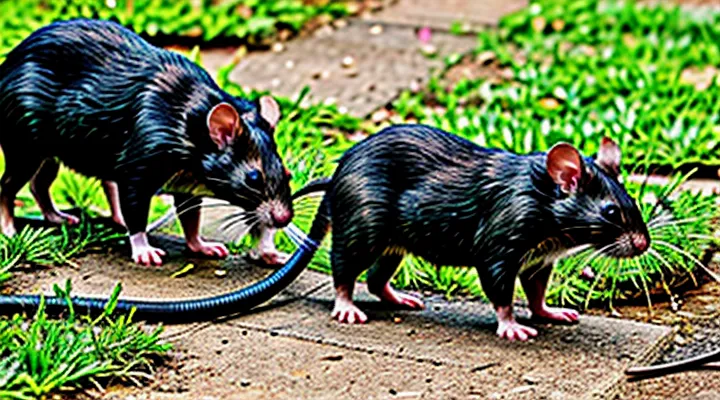
Why Reporting Rats is Important
Health Risks Associated with Rodents
Rodents that inhabit residential yards transmit pathogens, contaminate food, and trigger allergic reactions, creating immediate public‑health concerns that demand swift notification to municipal or pest‑control agencies.
- Bacterial infections such as leptospirosis, salmonellosis, and plague.
- Viral illnesses including hantavirus pulmonary syndrome and lymphocytic choriomeningitis.
- Parasites: fleas, mites, and ticks that infest humans and pets.
- Food‑borne contamination from droppings, urine, and gnawed packaging.
- Allergic sensitization and asthma exacerbation caused by rodent dander and urine proteins.
Prompt reporting initiates professional trapping, sanitation, and disease‑surveillance measures, reducing exposure risk and limiting community spread. Use local public‑health hotlines, online reporting portals, or designated wildlife‑control services to document sightings and request intervention.
Property Damage Caused by Rats
Rats gnaw wood, insulation, and wiring, creating structural weaknesses that can lead to costly repairs. Their burrowing undermines foundations, while chew marks on electrical cables increase fire risk. Water pipes damaged by rodents cause leaks, mold growth, and expensive remediation.
Typical property damage caused by rats includes:
- Compromised structural beams and joists
- Exposed or severed electrical wiring
- Punctured irrigation and plumbing systems
- Contaminated stored food and grain containers
- Chewed landscaping features such as fencing and garden trellises
When reporting a rat infestation, provide clear evidence of damage: photographs of gnaw marks, copies of repair invoices, and descriptions of affected areas. Detail the location within the yard, the extent of the harm, and any health hazards observed.
Report incidents to local public health departments, municipal animal control agencies, or designated pest‑control hotlines. Many jurisdictions require a written complaint; include the documented damage to expedite inspection and response. Prompt reporting helps authorities prioritize remediation and may qualify property owners for assistance programs.
Community Responsibility
Community members share the duty of notifying the appropriate agencies when rodent activity appears in residential spaces. Prompt reporting limits infestation spread, reduces health risks, and supports coordinated control measures.
Typical reporting channels include:
- Local health department hotline;
- Municipal pest‑control office;
- Neighborhood association email or web form;
- City non‑emergency police number;
- Dedicated online portal for wildlife complaints.
Residents should provide clear details: location, time of observation, evidence such as droppings or sightings, and any recent changes that might attract rodents. Maintaining clean yards, securing trash containers, and eliminating shelter sites complement official actions.
Authorities verify reports, conduct site inspections, and implement baiting, trapping, or exclusion strategies. Follow‑up communication informs the community of actions taken and any required additional measures. Continuous cooperation sustains effective rodent management across the neighborhood.
Identifying Rat Infestations
Signs of Rat Activity
Droppings
Rat droppings provide the most reliable indication of an infestation in a residential yard. Their size, shape, and location help distinguish rats from other rodents and confirm the presence of a problem that requires official attention.
Typical rat droppings are ½‑inch long, dark brown to black, and have pointed ends. They often appear in clusters near food sources, burrows, or along fence lines. Fresh droppings are moist and may have a slight sheen; older ones become dry and crumbly.
Before contacting authorities, record the evidence. Use a disposable glove to collect a sample, place it in a sealed plastic bag, and photograph the site from several angles. Note the date, exact location (e.g., north side of the garden, near the compost bin), and any observable activity such as gnaw marks or nesting material.
Report the findings to the appropriate local agency. Options include:
- Municipal health department
- City animal control division
- County pest‑management office
When submitting a report, provide:
- Description of the droppings (size, color, freshness)
- Photographs of the droppings and surrounding area
- Sample containment method (sealed bag)
- Precise location details (address, yard section)
- Observation date and time
Providing this information enables rapid response, accurate identification, and appropriate remediation measures.
Gnaw Marks
Gnaw marks are a reliable indicator of rat activity in outdoor spaces. They appear as clean, crescent‑shaped bite edges on wood, plastic, or wiring, often accompanied by shallow, parallel scratches where the animal chews to gain purchase.
When you discover gnaw marks, record the following details:
- Exact location (e.g., north side of the garden shed, near the compost bin)
- Type of material affected
- Approximate size of each mark
- Date and time of observation
- Any additional signs such as droppings, burrows, or tracks
Accurate documentation speeds the response of the responsible agency. Report the findings to the appropriate local authority:
- Municipal health department – phone or online incident form
- City wildlife control division – email with photos attached
- Private pest‑management service – dedicated hotline
- Neighborhood association or property‑management office – internal reporting portal
Provide the collected information in the report; include clear photographs if possible. Prompt notification enables targeted inspection, mitigation, and prevention measures.
Burrows and Nests
Rats construct burrows and nests in yards to shelter, store food, and raise young. Burrows appear as smooth tunnels with a single entrance, often near vegetation, mulch, or the base of a fence. Nests are composed of shredded organic material, such as leaves, grass, or insulation, and are typically located in concealed spots like under decks, in compost piles, or within wall voids.
Identifying features include:
- Fresh soil displaced at a single opening, indicating recent activity.
- Visible gnaw marks on wood, plastic, or metal near the entrance.
- Accumulated droppings (small, dark pellets) around the tunnel or nest site.
- Chewed vegetation or shredded debris forming a compact mound.
When these signs are observed, record the precise location (e.g., “north side of the garden, 3 m from the shed”) and capture a clear photograph. Provide this information to the local pest‑control authority, municipal wildlife office, or designated online reporting portal. Include the date, time, and any recent weather conditions, as they help assess the severity of the infestation.
Accurate documentation of burrows and nests enables officials to verify the presence of rats, prioritize response efforts, and allocate resources efficiently. Prompt reporting reduces the risk of disease transmission and property damage in the surrounding area.
Squeaking and Scratching Noises
Squeaking and scratching noises in a yard often signal the presence of rats. These sounds are produced as rodents move through debris, gnaw on structures, or communicate with one another, and they can be heard at night or early morning when activity peaks.
When such noises are detected, take the following actions to ensure an effective report:
- Verify the source by listening for consistent patterns, such as high‑pitched squeaks or rapid scratching on wood, metal, or concrete.
- Document the location with precise landmarks (e.g., “behind the north‑side shed, near the garden fence”).
- Record the time of observation and, if possible, capture an audio clip or short video for evidence.
- Contact the appropriate authority:
- Local public health department – usually responsible for rodent control and disease prevention.
- Municipal animal control or pest‑management office – handles inspections and remediation.
- Non‑emergency city services (often reachable via a 311 call or online portal) – accepts reports and dispatches field teams.
- Provide the collected details, including the nature of the noises, any visual signs (droppings, gnaw marks), and the recorded evidence.
Prompt, accurate reporting enables officials to assess the infestation, schedule inspections, and implement control measures, reducing the risk of damage and disease transmission.
Common Hiding Spots in Yards
Rats exploit concealed areas in residential yards, making detection and reporting more difficult. Recognizing typical hiding places allows residents to provide accurate information to the responsible agency, speeding response and reducing infestation risk.
- Under decks and porches, especially where wood meets soil.
- Inside garden tool sheds, compost bins, and storage cabinets.
- Within dense shrubbery, particularly low‑lying bushes that touch the ground.
- Beneath stacked firewood, pallets, or other timber piles.
- In the cavities of old tree stumps, roots, or hollow tree trunks.
- Around irrigation equipment, drip lines, and water troughs that retain moisture.
- Inside crawl spaces and foundation gaps where the foundation meets the landscape.
When a potential site is found, note the exact location, describe the conditions (e.g., presence of gnaw marks, droppings, or nesting material), and capture a photograph if possible. Submit the compiled data to the local pest‑control authority or municipal wildlife hotline designated for rodent reports. Providing precise details enables targeted inspection and effective mitigation.
Local Government and Health Departments
Contacting Your Municipal Services
City/County Websites
City and county government websites serve as the primary online channels for submitting reports of rodent activity in residential yards. These portals are maintained by public health, environmental health, or animal control departments and are designed to collect precise location data, photographs, and descriptions of the problem.
To use a municipal site for a rat sighting, follow these steps:
- Locate the official website by entering the city or county name followed by “official website” in a search engine. Verify the URL ends with .gov.
- Navigate to the section labeled “Public Health,” “Animal Control,” or “Report a Problem.”
- Select the form for wildlife or pest complaints. The form typically requests address, cross streets, and a brief description of the sighting.
- Attach any supporting images if the platform allows uploads.
- Submit the report and record the confirmation number provided. This identifier can be referenced in follow‑up communications.
Most portals also display response time expectations, contact phone numbers for urgent situations, and links to educational resources on rodent prevention. Some jurisdictions offer a mobile‑friendly version or a dedicated app that integrates GPS to auto‑populate location fields, reducing the chance of errors.
If a website lacks a reporting form, the site usually lists a direct email address or a toll‑free number for the same department. Using the official online system ensures the complaint is logged in the county’s tracking database, prompting a timely inspection and remediation by the appropriate agency.
Non-Emergency Hotlines
Non‑emergency hotlines are the appropriate channel for reporting rodent activity that does not pose an immediate danger. These numbers connect callers to municipal animal‑control units, public‑health departments, or dedicated pest‑management offices, which can schedule inspections and arrange mitigation.
When contacting a hotline, provide:
- Precise location of the yard (address, parcel number, or GPS coordinates).
- Description of the infestation (number of sightings, nesting signs, time of day).
- Any recent changes that may have attracted rodents (new waste containers, landscaping alterations).
- Contact information for follow‑up (phone, email).
Typical response procedures include:
- Verification of the report by a field officer.
- Scheduling of an on‑site assessment within a defined timeframe (often 48–72 hours).
- Recommendation of control measures, such as trapping, baiting, or habitat modification.
- Documentation of actions taken and advice on preventing future occurrences.
Finding the correct hotline varies by jurisdiction. Residents can locate the appropriate number by:
- Visiting the city or county website and searching for “animal control” or “public health complaints.”
- Checking utility bills or local government newsletters that list community service contacts.
- Calling the general municipal information line, which will redirect to the relevant department.
Using the non‑emergency line ensures that emergency services remain available for urgent situations while still addressing rodent problems efficiently.
Health Department Role in Pest Control
Reporting Procedures
When a rat is observed in a private yard, follow a defined reporting process to ensure prompt municipal or pest‑control response.
First, verify the sighting. Note the exact location (e.g., front lawn, garden bed), time, and any observable activity (nests, droppings, damage). Capture a clear photograph if safe to do so; visual evidence speeds assessment.
Second, contact the appropriate authority. For most municipalities, the public health department or animal control unit handles rodent complaints. Use the official phone line or online reporting portal; include the documented details and attach the photograph. If the property is within a homeowners’ association, notify the association’s management office in parallel, as they may have dedicated pest‑control contracts.
Third, record the interaction. Write down the date, time, name of the representative spoken to, and any reference number provided. Retain this information for follow‑up.
Fourth, monitor the situation. If no action is reported within the timeframe indicated by the agency (typically 48‑72 hours), reopen the case using the reference number. Provide updated observations if the problem persists or escalates.
Finally, maintain preventive measures. Seal entry points, eliminate food sources, and keep vegetation trimmed to reduce future infestations. Consistent documentation and timely communication with the responsible agencies are essential for effective rodent control in residential yards.
Inspection Services
Inspection services provide a structured approach for residents who discover rodent activity in their outdoor spaces. Professionals assess the extent of the problem, identify entry points, and recommend mitigation measures. When a rat sighting occurs, contacting a certified inspection agency ensures that the issue is documented and addressed according to local health regulations.
Typical procedure:
- Call the service’s dedicated hotline or submit an online request specifying the location and nature of the observation.
- A field inspector schedules a site visit, usually within 24–48 hours, to verify the presence of rodents and collect evidence.
- The inspector produces a written report outlining findings, risk assessment, and recommended actions, which may include trapping, habitat modification, or referral to pest‑control contractors.
- The report is forwarded to the appropriate municipal or county authority, fulfilling mandatory reporting obligations and enabling coordinated response.
Key points for residents:
- Use the service’s official contact channels; unofficial phone numbers or social‑media messages may delay processing.
- Provide precise details: address, yard dimensions, recent sightings, and any attractants such as uncovered trash or pet food.
- Retain the inspection report as proof of compliance; authorities may request it during follow‑up inspections or investigations.
By engaging a qualified inspection provider, homeowners contribute to a systematic tracking system for rodent activity, facilitating timely intervention and reducing health risks associated with infestations.
Private Pest Control Services
When to Consider Professional Help
Rats discovered in a residential outdoor space often require swift action. While minor sightings can be logged with neighborhood watch groups or municipal online portals, certain conditions indicate that a trained pest‑control service or public‑health agency should be engaged.
- Infestation exceeds a few individuals, evidenced by multiple droppings, gnaw marks, or burrows.
- Damage to structures, irrigation systems, or stored food is apparent.
- Presence of disease‑carrying parasites, such as fleas or ticks, is confirmed.
- Children, elderly residents, or pets are at increased health risk.
- Local regulations mandate professional eradication for specific species or density levels.
Professional intervention provides certified identification, targeted baiting, and safe removal methods that comply with environmental and health standards. Experts also offer follow‑up monitoring to prevent re‑infestation.
When any of the above indicators appear, contact the appropriate authority—typically the city health department, wildlife control office, or a licensed exterminator. Provide precise location details, the extent of activity observed, and any damage documented. Prompt reporting ensures that qualified personnel can assess the situation, implement control measures, and mitigate public‑health hazards.
Benefits of Professional Extermination
When rat activity appears in a residential yard, engaging a licensed exterminator provides measurable advantages over DIY attempts. Professionals conduct precise inspections, identify entry points, and apply treatments that target hidden populations, ensuring immediate reduction of the infestation.
- Comprehensive assessment of burrows, nests, and food sources
- Application of EPA‑registered rodenticides and bait stations with proven efficacy
- Reduction of disease transmission risk through swift elimination of carriers
- Compliance with local health regulations and documentation for municipal reporting
- Implementation of exclusion measures that prevent future incursions
Contracting a qualified service also streamlines the reporting process. Exterminators submit detailed reports to relevant authorities, delivering accurate records that support community health initiatives and satisfy property‑management requirements. The result is a safer, cleaner environment and a clear, accountable trail of action.
Choosing a Reputable Company
When a rat is observed in a residential yard, the effectiveness of the response depends on the reliability of the service provider engaged to handle the problem. Selecting a reputable company ensures safe removal, compliance with local regulations, and prevention of future infestations.
- Verify licensing and certification specific to wildlife control or pest management.
- Confirm insurance coverage that protects property and personnel during the operation.
- Review recent customer feedback on independent platforms; prioritize firms with consistently high ratings.
- Request a written estimate that details labor, equipment, and any follow‑up visits.
- Assess response time commitments and availability for emergency situations.
- Inquire about the methods used—prefer companies that employ integrated pest management and avoid harmful chemicals when possible.
Contact the selected firm to obtain proof of credentials and a clear service agreement before any work begins. Ensure the contract includes guarantees for removal success and outlines procedures for monitoring after treatment.
By adhering to these verification steps, property owners can confidently address rat sightings, minimize health risks, and maintain a safe outdoor environment.
Prevention and Mitigation Strategies
Eliminating Food Sources
Securing Trash Cans
Securing trash containers reduces the attraction of rodents to residential properties and simplifies the process of notifying local pest‑control agencies. When waste is sealed, rats have fewer food sources, making sightings less frequent and reports more reliable.
Effective measures for trash‑can protection:
- Choose bins with tight‑fitting lids; ensure the latch engages fully each time the lid closes.
- Position containers on a raised platform or a concrete slab to prevent rats from climbing directly into the can.
- Install a lockable latch or a zip‑tight closure on larger containers used for garden waste.
- Keep the area around the cans clear of debris, mulch, or compost that could serve as shelter.
- Empty the bins at least once daily during peak rodent activity seasons; avoid letting waste sit for more than 24 hours.
- Use metal or heavy‑duty plastic cans that cannot be chewed through; replace damaged lids promptly.
By maintaining these practices, homeowners limit rodent access to food, decrease the likelihood of infestations, and provide clearer evidence when reporting rat activity to municipal authorities. The result is a safer yard environment and more accurate data for pest‑control programs.
Cleaning Up Yard Debris
Cleaning yard debris reduces shelter and food sources that attract rodents, making it easier to locate and report sightings to the appropriate municipal or wildlife authority. Removing piles of leaves, broken branches, and discarded containers eliminates hiding places, forcing rats to move into open areas where they can be observed and documented.
Effective debris removal follows a systematic approach:
- Gather tools such as rakes, shovels, and heavy‑duty trash bags.
- Collect all organic material that has accumulated over the past season.
- Dispose of the waste in sealed containers or at a licensed landfill.
- Trim overgrown vegetation and cut back shrubs that border the property.
- Inspect the yard regularly for new accumulations and address them promptly.
After the yard is cleared, use visual confirmation of rat activity to contact the local pest‑control department, health‑department hotline, or online reporting portal. Provide precise location details, time of observation, and any evidence (photos or tracks) to ensure swift response and documentation.
Protecting Pet Food
Rats attracted to pet food create health risks for animals and increase the likelihood of infestations. Secure storage eliminates the primary food source, reducing rodent presence and simplifying the process of notifying the appropriate municipal or wildlife agency about sightings in your garden.
- Store dry kibble in airtight containers made of metal or heavy‑duty plastic.
- Keep wet food in sealed, refrigerated units and discard leftovers promptly.
- Place feeding stations away from structures, on elevated platforms with a smooth, non‑porous surface.
- Clean the feeding area after each meal; remove crumbs and spills before they dry.
- Inspect containers weekly for signs of damage or gnaw marks; replace compromised units immediately.
When rodent activity is observed, contact the local public health department, pest‑control service, or wildlife commission using their designated reporting line or online portal. Provide precise location details, describe the evidence (droppings, tracks, damage), and note any preventive measures already in place. Prompt reporting combined with proper food protection limits the spread of rats and safeguards pet health.
Sealing Entry Points
Sealing gaps and openings is a critical step after a rat sighting in a residential yard. Blocking access prevents further intrusion, reduces the likelihood of repeat complaints, and supports the effectiveness of any official report submitted to municipal pest‑control services.
Common entry points include:
- Gaps around utility lines, vent pipes, and drainage systems.
- Cracks in foundation walls, walkways, and patio slabs.
- Unsealed openings beneath decks, sheds, and storage structures.
- Damaged or missing weather‑stripping on doors and windows.
To secure these points:
- Inspect the perimeter for any opening larger than ¼ inch; rats can squeeze through much smaller spaces.
- Clean debris, vegetation, and loose material that may conceal gaps.
- Apply steel wool or copper mesh to fill narrow cracks, then cover with a durable sealant such as expanding polyurethane foam or concrete patch.
- Install metal flashing or hardware cloth over larger gaps, fastening securely with stainless‑steel screws.
- Replace damaged door sweeps, window screens, and weather‑stripping with approved rodent‑resistant materials.
- Verify the integrity of the seal by conducting a visual check after a short interval; reapply material if movement or deterioration is observed.
After completing the sealing process, document the actions taken and forward the record to the appropriate local authority—typically the city’s health department or pest‑control division. Providing evidence of remediation demonstrates proactive management and may expedite the response to the original rat report.
Yard Maintenance Practices
Trimming Vegetation
Trimming vegetation reduces shelter for rats and improves visibility when a sighting occurs. Keep grass at a maximum height of six inches, remove dense ground cover, and prune shrubs away from building foundations. Regular maintenance creates clear pathways for inspection and facilitates accurate location reporting to local pest‑control authorities.
Key actions for effective vegetation management:
- Mow lawns weekly during warm months.
- Cut back weeds and remove piles of leaf litter.
- Thin back low‑lying branches within two feet of walls.
- Dispose of garden debris in sealed containers.
After each trimming session, walk the yard, note any rodent activity, and submit the precise coordinates to the municipal wildlife hotline or online reporting portal. Clear surroundings ensure that the reported data is reliable and that response teams can locate the problem quickly.
Removing Clutter
Clutter in a yard provides shelter, food sources, and travel routes for rats, making it difficult for officials to locate the exact site of a sighting. Removing unnecessary items eliminates hiding places, improves visibility, and allows responders to assess the problem accurately.
- Collect and dispose of debris, broken furniture, and abandoned containers.
- Store firewood off the ground, preferably on a rack with a clear space beneath.
- Trim vegetation that touches structures, creating a gap of at least two feet.
- Secure compost bins with tight-fitting lids and keep them away from the house.
- Keep garbage cans sealed and positioned away from the yard’s perimeter.
A tidy environment simplifies communication with pest‑control agencies or municipal wildlife services. When a report includes a clear description of the area, responders can prioritize inspection, allocate resources efficiently, and implement targeted control measures. Removing clutter therefore enhances the effectiveness of any rat‑reporting effort.
Legal Aspects and Tenant/Landlord Responsibilities
Tenant Rights and Obligations
Tenants have the legal right to a habitable dwelling, which includes freedom from rodent infestations that threaten health and safety. Landlords must address verified pest problems promptly and cannot charge tenants for necessary remediation when the issue originates from structural or maintenance failures.
Tenants are obligated to notify the responsible party in writing as soon as they observe signs of rats in the yard. They must keep the property clean, dispose of waste properly, and avoid actions that could worsen the infestation, such as leaving food exposed or blocking access points.
- Notify the landlord or property manager immediately, providing a detailed description of the sighting and location.
- If the landlord fails to act within a reasonable period (typically 48‑72 hours), contact the local health or housing authority to file a formal complaint.
- Request documentation of the complaint and any scheduled pest‑control services.
- Cooperate with pest‑control professionals by granting access to the affected area and following any preparation instructions.
These steps protect the tenant’s right to a safe environment while fulfilling the duty to assist in resolving the rodent issue.
Landlord Duties Regarding Pest Control
Landlords are legally required to maintain rental premises free from rodent infestations that threaten habitability. Failure to address rat activity can breach housing codes, expose tenants to health risks, and result in liability for property damage.
- Conduct regular inspections of structures, foundations, and waste areas where rodents may enter.
- Repair gaps, broken screens, and damaged utilities that provide access points.
- Engage licensed pest‑control professionals to eliminate established infestations.
- Provide written notice to tenants outlining remedial actions, timelines, and preventive measures.
- Keep records of inspections, treatments, and communications for compliance verification.
Tenants should notify the landlord in writing when rat sightings occur. Upon receipt, the landlord must initiate inspection within a reasonable period, typically 24‑48 hours, and arrange treatment without undue delay. If the landlord does not respond, tenants may report the issue to the local health department or animal‑control agency, which can enforce remediation and impose penalties.
Non‑compliance may lead to rent‑withholding rights, lease termination, or legal action. Prompt landlord action protects tenant health, preserves property value, and satisfies regulatory standards.
Local Ordinances and Fines
Local health and sanitation codes require property owners to keep yards free of rodent infestations. Most municipalities incorporate this requirement into a pest‑control ordinance that defines a “rat‑infested” property and assigns responsibility for remediation. Failure to comply triggers monetary penalties established by the ordinance.
To identify the applicable regulation, consult the city or county website and locate the municipal code section titled “Rodent Control,” “Pest Management,” or “Sanitation.” The same page typically lists the agency that enforces the rule—usually the code‑enforcement division, public health department, or animal control office. Contact information for the enforcement unit is provided alongside the ordinance text.
Typical fine structures follow a graduated schedule:
- First violation: warning or fine ranging from $50 to $150.
- Second violation within 30 days: fine increased by 50 % to $225–$300.
- Third and subsequent violations: fine escalates to $500–$1,000, and the property may be placed under a compliance order requiring professional extermination.
Reporting a suspected rat problem proceeds in three steps:
- Call the non‑emergency number of the enforcing agency or submit a request through the online reporting portal.
- Provide the exact address, describe the observed activity, and attach photographs if possible.
- Request a follow‑up inspection; the inspector will document the condition, issue a citation if the ordinance is breached, and record the fine amount.
Prompt reporting initiates the inspection process, ensures that the responsible owner receives a notice, and facilitates enforcement of the local ordinance’s financial penalties.