
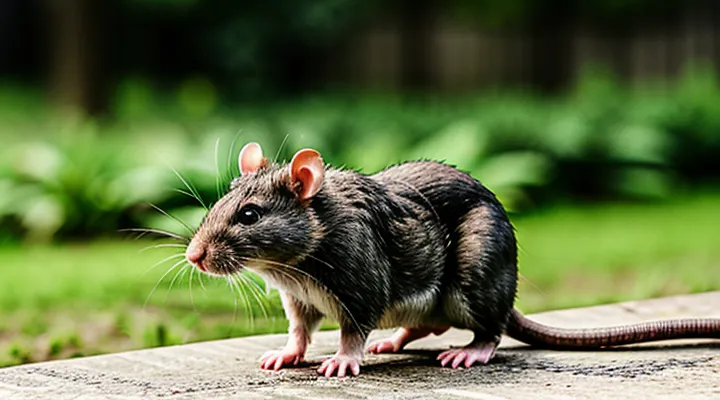
The Sensitive Spots: Where Rats Love to Be Scratched
The Head and Ears: A Universal Favorite
Rats consistently exhibit the strongest positive response when the head and ears are gently scratched. Dense clusters of mechanoreceptors in the whisker pads, scalp, and pinna deliver immediate sensory feedback, making these regions the most effective for eliciting pleasure.
The facial whisker follicles contain rapidly adapting nerves that signal light pressure. The ear cartilage houses similar receptors, and the thin skin over the pinna allows easy access for tactile stimulation. Stimulation of these areas triggers dopamine release, observable as relaxed posture, slow breathing, and rhythmic head movements.
Effective scratching technique:
- Use a fingertip or soft brush, applying light, circular pressure.
- Begin at the base of the whiskers, moving outward toward the ear.
- Alternate between the left and right sides to maintain balance.
- Observe the rat’s ear pinna; a forward tilt indicates enjoyment, while a backward tilt suggests discomfort.
Adjustments for individual rats include:
- Reducing pressure for younger or anxious individuals.
- Avoiding prolonged contact if the rat displays signs of overstimulation, such as rapid tail flicking.
- Monitoring for skin lesions or ear infections before each session.
Consistent, appropriate stimulation of the head and ears maximizes comfort and reinforces positive human‑rat interaction.
The Neck and Shoulders: Reaching the Unreachable
Rats respond most positively to gentle pressure applied to the cervical and scapular regions. The skin over the neck and shoulders is thin, richly supplied with sensory nerves, and easily accessed without restraining the animal. Light strokes in this area trigger a calming reflex, often accompanied by a relaxed posture and soft vocalizations.
The neck contains the cervical plexus, which relays tactile signals to the brain’s reward centers. When a hand moves in slow, rhythmic motions across the dorsal neck, the rat’s autonomic system shifts toward parasympathetic dominance, reducing stress hormones. The shoulder blades sit atop a flexible musculature that accommodates subtle pressure, allowing the rat to enjoy the sensation without discomfort.
Effective techniques include:
- Using a fingertip or soft brush to trace a circular path along the base of the skull, moving toward the shoulder blades.
- Applying alternating light pressure with two fingers, mimicking a gentle massage.
- Maintaining a consistent rhythm of 2–3 seconds per stroke to sustain the pleasurable response.
Observing the rat’s behavior—flattened ears, lowered whiskers, and a steady breathing pattern—confirms that the neck‑shoulder region delivers the most rewarding tactile experience.
The Back: A Relaxing Rub
Rats respond positively when the dorsal area receives a gentle, consistent rub. The skin over the spine and adjacent musculature contains a high density of mechanoreceptors that transmit soothing signals to the central nervous system, producing a calm state without triggering defensive behaviors.
The back offers a broad, flat surface that accommodates the fingers or a soft brush without restricting movement. Stimulating this region avoids contact with the tail, which houses delicate vertebrae, and reduces the risk of accidental bites that occur when handling the head or paws.
To perform an effective rub, follow these steps:
- Position the rat on a stable, non‑slippery surface; allow it to settle for a few seconds.
- Place the fingertips lightly on the mid‑back, just behind the shoulder blades.
- Apply a rhythmic, light pressure in a forward‑and‑backward motion, covering the length of the spine.
- Maintain contact for 10–15 seconds, observing the animal’s posture and ear position for signs of relaxation.
- Release gradually, allowing the rat to stand or move at its own pace.
Repeated sessions, spaced at intervals of several hours, reinforce the pleasurable association and encourage voluntary cooperation during handling. Avoid excessive force, rapid movements, or prolonged exposure, as these may cause stress or skin irritation. Regular inspection of the fur and skin for signs of wear ensures the practice remains safe and beneficial.
The Belly and Sides: Proceed with Caution
When handling a rat, the ventral surface and lateral flanks often elicit the strongest positive response, but they also demand careful technique.
The belly is densely covered with sensitive nerve endings. Light, rhythmic strokes that avoid the genital region and the sternum can produce relaxation. Excessive pressure or rapid movements may trigger defensive behavior or injury to the delicate ribcage.
The sides contain a network of muscles that, when gently massaged, encourage circulation and calm. Target the area behind the forelimbs and the mid‑lumbar region, keeping the hand flat and using a sweeping motion toward the tail.
Precautions
- Verify the rat is calm before initiating contact; signs of tension include raised fur and rapid breathing.
- Use only a fingertip or the pad of the hand; avoid nails or claws.
- Limit each session to 30 seconds per area to prevent overstimulation.
- Observe for immediate signs of discomfort, such as vocalization or attempts to flee, and cease the stimulus.
- Clean hands before and after handling to reduce the risk of pathogen transmission.
Applying these guidelines maximizes the pleasurable effect of belly and side scratching while minimizing stress and potential harm.
Interpreting Rat Body Language During Scratching
Signs of Enjoyment: Purring and Bruxing
When locating optimal scratching spots on a rat, observable signs of pleasure guide the handler. Two reliable indicators are audible purring and dental bruxing.
Purring appears as a low‑frequency hum produced by the rat’s vocal cords and diaphragm. The sound rises in volume when pressure is applied to a favored area and subsides when stimulation stops. Visible cues accompany the vocalization: relaxed posture, slow breathing, and a steady tail position.
Bruxing manifests as rhythmic grinding of the incisors. The activity generates a faint, steady clicking noise that intensifies with consistent, gentle strokes. The rat’s cheeks may appear slightly flushed, and the eyes often remain half‑closed, reflecting a state of contentment.
Key observations for confirming enjoyment:
- Continuous, low‑pitched hum while the rat is being scratched.
- Increase in hum intensity with deeper or longer strokes.
- Steady incisor grinding synchronized with the scratching motion.
- Relaxed body language: loose limbs, unforced tail, calm eye expression.
Adjust pressure and direction based on these cues. Soft, rhythmic strokes on the neck, behind the ears, or along the dorsal spine usually elicit the strongest purring. Light, sustained pressure on the jawline or cheekbones often triggers bruxing. Monitoring the transition between the two sounds helps pinpoint the most pleasurable zones and refine the technique for maximum satisfaction.
Signs of Discomfort: Nipping and Squirming
When a rat is being scratched, nipping and squirming often indicate immediate discomfort. These reactions appear abruptly, usually within seconds of contact, and persist unless the stimulus changes.
- A quick bite directed at the hand or the area being scratched signals that the pressure is too intense or the location is sensitive.
- Erratic, vigorous movements of the body, especially twisting away from the point of contact, show that the rat is attempting to escape an unpleasant sensation.
- Repeated attempts to bite the same spot, combined with rapid foot shuffling, reinforce that the area is being overstimulated.
Interpreting these cues requires observation of the rat’s overall posture. A relaxed stance, ears forward, and slow, rhythmic tail movements suggest enjoyment. In contrast, flattened ears, a tense back, and a tail that flicks sharply accompany the aforementioned signs of distress.
Adjustments to improve the experience include reducing pressure, shifting to a different muscle group, and limiting the duration of each scratch. Gentle, brief strokes on the neck, behind the ears, or along the lower back typically elicit positive responses, while avoiding the tail base and abdomen prevents the onset of nipping and squirming. Continuous monitoring of these behavioral indicators ensures that the scratching remains pleasurable rather than painful.
Tips for a Successful Rat Scratching Session
Approaching Your Rat: Gentle Introduction
Approaching a pet rat requires calm movements, steady voice, and respect for its natural wariness. Begin by lowering yourself to the animal’s level; sit or kneel on the floor so the rat can see your face without a looming silhouette. Keep hands relaxed, palms down, and allow the rat to sniff the fingertips before any contact.
- Extend a single finger slowly, avoiding sudden gestures.
- Offer a light, brief touch on the back of the neck, an area rats tolerate well.
- Observe the rat’s response: a relaxed posture and gentle grooming indicate acceptance; rapid retreat or vocalization signals discomfort.
- If the rat tolerates the initial touch, add a soft stroke along the lower back, moving toward the base of the tail where many rats enjoy light pressure.
- Limit each session to a few minutes until the rat consistently shows calm behavior, then gradually extend duration.
Consistent, gentle introductions build trust, making it easier to identify the precise spots that elicit pleasure during future handling.
Using the Right Technique: Soft and Slow
Applying a gentle, deliberate motion yields the most satisfying response from a rat. The animal’s dorsal mid‑back, just behind the shoulder blades, contains a dense concentration of cutaneous nerves that react positively to light pressure. A slow, feather‑light stroke across this area activates the sensory receptors without causing discomfort.
- Position the rat on a stable surface; ensure the animal is calm.
- Use the pad of your index finger or a soft brush.
- Begin with a light touch, moving in a smooth, continuous path.
- Maintain a rhythm of approximately one stroke per second.
- Observe the rat’s body language; relaxed posture and subtle purring indicate pleasure.
Consistent use of this method encourages the rat to associate the specific location with a pleasant sensation, reinforcing the behavior and enhancing overall well‑being.
Frequency and Duration: Keeping It Short and Sweet
When providing tactile stimulation to a rat, the interval between sessions and the length of each session determine the animal’s receptivity and avoid overstimulation.
- Session length: 5–10 seconds per target area; longer periods risk habituation and reduced enjoyment.
- Inter‑session interval: 2–4 hours for the same region; this spacing allows the rat’s nervous system to reset and maintain responsiveness.
- Maximum daily exposure: no more than three brief sessions per day; exceeding this threshold can lead to stress indicators such as rapid grooming or avoidance behavior.
Observe the rat’s ear position, whisker movement, and vocalizations. Positive signs—relaxed posture, slow blinking, and gentle purring—confirm an appropriate frequency and duration. Adjust timing promptly if any signs of discomfort appear.
The Science Behind Rat Pleasure
The Role of Oxytocin: Bonding and Affection
Oxytocin release accompanies gentle tactile stimulation of a rat’s back, particularly in areas with dense fur and low‑threshold mechanoreceptors. The neuropeptide circulates rapidly, enhancing the animal’s perception of pleasant touch and reinforcing the social bond between the rat and the caretaker.
The hormone’s actions include:
- Promotion of affiliative behavior, increasing the likelihood of repeated interaction.
- Modulation of stress pathways, lowering cortisol levels during grooming.
- Strengthening of pair‑bond circuitry in the brain, especially within the nucleus accumbens and amygdala.
Consequently, targeted scratching not only produces immediate enjoyment but also establishes a physiological foundation for long‑term attachment.
Neurological Responses to Touch: Sensory Stimulation
Rats experience pleasure when tactile stimulation activates cutaneous mechanoreceptors that send afferent signals to the somatosensory cortex. The dorsal skin of the neck and the base of the tail contain a high density of rapidly adapting receptors, producing strong, localized depolarization of primary afferent fibers. This input travels via the trigeminal and spinal dorsal columns to the ventral posterolateral nucleus, then to the primary somatosensory area (S1) and secondary somatosensory area (S2). Concurrently, the ventral tegmental area receives dopaminergic projections, linking tactile reward to the mesolimbic pathway and generating positive affective states.
Key neurophysiological features:
- Receptor distribution: Dense Meissner’s and Pacinian corpuscles in the cervical region; moderate density along the caudal vertebral column.
- Signal latency: Shortest conduction times observed when stimulating the neck, reflecting proximity to cranial nerve pathways.
- Cortical activation: fMRI studies show peak BOLD responses in S1 and orbitofrontal cortex during neck scratching.
- Reward circuitry: Increased dopamine release measured in nucleus accumbens after tail-base stimulation, indicating reinforcement.
Therefore, the most effective sites for delivering pleasurable tactile input to a rat are the neck skin and the tail base. Stimulation at these locations maximizes mechanoreceptor activation, accelerates cortical processing, and engages reward pathways, producing a measurable increase in positive behavioral indicators.
Common Mistakes to Avoid
Overstimulation: Too Much of a Good Thing
Overstimulation occurs when tactile input exceeds the rat’s capacity to process pleasurable sensations, leading to stress, agitation, or injury. Repeated or overly forceful scratching in a single area can trigger heightened cortisol release, rapid breathing, and escape behaviors, negating any intended benefit.
Physiological signs of excessive stimulation include:
- Rigid fur and flattened ears
- Sudden darting or attempts to flee
- Vocalizations or squeaks indicating discomfort
- Redness or bruising at the contact site
Effective stimulation requires rotating contact points and moderating pressure. Recommendations for safe practice:
- Alternate between the neck, lower back, and base of the tail; each region tolerates a limited number of strokes before desensitization.
- Apply gentle, rhythmic motions; avoid deep, vigorous scrapes.
- Observe the rat’s posture; resume contact only after signs of relaxation, such as lowered body and relaxed whiskers.
- Limit sessions to 30‑45 seconds per spot; extend total interaction time gradually as the animal adapts.
Balancing frequency, intensity, and location preserves the intended pleasure while preventing the adverse effects of overstimulation.
Rough Handling: Causing Stress and Fear
Rats experience heightened stress when touched roughly, regardless of the intended location for stimulation. Aggressive pressure triggers a cascade of physiological responses—elevated cortisol, rapid breathing, and increased heart rate—that override any potential pleasure derived from scratching. Consequently, the animal withdraws, avoids further contact, and may develop long‑term fear of human interaction.
Key effects of rough handling include:
- Immediate tension in muscles, preventing relaxation needed for enjoyable grooming.
- Activation of the amygdala, which prioritizes threat detection over reward processing.
- Suppression of dopamine release, reducing the likelihood of positive reinforcement from gentle strokes.
- Development of avoidance behavior, limiting future opportunities for beneficial contact.
To maximize a rat’s comfort, apply light, consistent pressure to areas known for soothing responses—such as the base of the skull, the flank, or the under‑chin. Use slow, rhythmic motions, allowing the animal to control the duration. Monitoring ear posture, whisker position, and vocalizations provides real‑time feedback on stress levels; any sign of tension indicates the need to reduce force or cease contact.
Consistent gentle handling builds trust, lowers baseline anxiety, and enhances the rat’s willingness to seek out pleasurable stimulation. Rough treatment undermines these outcomes, producing fear that can persist long after the interaction ends.
Ignoring Warning Signs: Pushing Boundaries
Determining the most effective spot to elicit a rat’s pleasure can encourage handlers to overlook subtle cues that indicate discomfort.
Typical warning signs include rapid whisker movement, sudden body tension, high‑pitched squeaks, and attempts to withdraw. Ignoring these signals often leads to heightened stress, increased cortisol levels, and avoidance behaviors that compromise the animal’s welfare.
Pushing beyond the animal’s tolerance disrupts normal grooming cycles, interferes with exploratory drive, and may trigger defensive aggression. Ethical standards classify such disregard as a breach of responsible care.
Best practice demands continuous observation and immediate cessation of stimulation when any of the following appears:
- Twitching ears or tail
- Rigid posture
- Vocalizations beyond soft contentment sounds
- Attempts to move away from the contact area
When the rat remains relaxed, gentle pressure applied to the base of the tail, the lower back, or under the chin typically produces the most consistent pleasurable response. Maintaining a feedback loop between stimulus and observable comfort ensures that boundaries are respected while achieving the intended effect.