
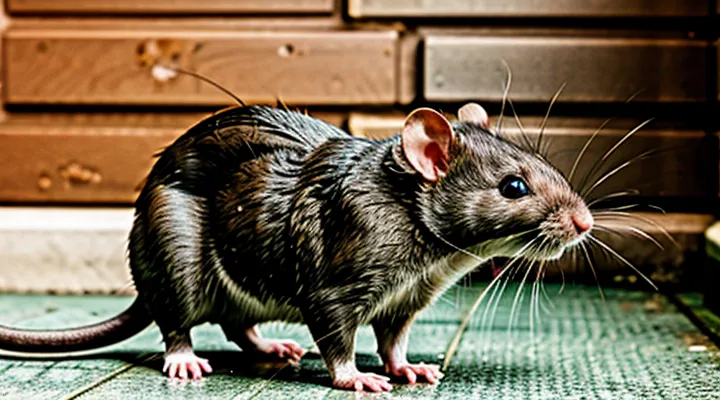
Understanding Rat Communication Cues
Reading Your Rat's Body Language
Signs of Enjoyment
Rats display clear behavioral cues when they are comfortable with a petting location. Recognizing these signals helps identify the areas they prefer to be stroked.
- Relaxed body posture – muscles loosen, back arches slightly, and the rat may lie on its side or belly.
- Slow, rhythmic whisker movement – whiskers sweep gently back and forth, indicating contentment.
- Audible soft chirps or purr‑like sounds – low‑frequency vocalizations accompany pleasant tactile stimulation.
- Extended grooming – the rat begins to groom the stroked area shortly after contact, a sign of positive reinforcement.
- Tail positioning – a loosely hanging or gently swaying tail shows the animal feels safe; a tightly curled tail suggests tension.
- Steady eye contact – the rat maintains a calm gaze without rapid blinking or darting movements.
When these behaviors occur while the hand rests on the neck, head, or the upper back, those spots are most likely to be favored. Conversely, rapid movements, vocal distress, or attempts to escape signal that the area is uncomfortable. Monitoring the described cues enables precise, humane handling that aligns with rats’ natural preferences for tactile interaction.
Signs of Discomfort or Stress
When handling a rat, observable cues indicate whether the animal is comfortable with the touch. Recognizing these signals prevents unnecessary stress and ensures humane interaction.
Typical signs of discomfort or stress include:
- Sudden freezing or rigid posture
- Rapid, shallow breathing
- Tail flicking or whipping
- Vocalizations such as high‑pitched squeaks
- Attempted escape by climbing or darting away
- Excessive grooming or self‑biting immediately after contact
- Dilated pupils or glazed eyes
Additional behavioral changes may appear later, such as reduced appetite, diminished social interaction, or a decline in normal activity levels. These patterns often follow an initial stress response and signal that the petting location or technique is unsuitable.
To assess the appropriateness of a petting spot, observe the rat’s reaction in real time. If any of the listed signs emerge, discontinue contact in that area and try a less sensitive region, such as the head or back, using gentle, slow strokes. Consistent absence of stress indicators confirms that the chosen spot is well tolerated.
The Importance of Trust and Bonding
Trust between a rat and its caretaker determines how the animal tolerates human contact. When a rat feels secure, it relaxes muscles and lowers defensive behaviors, allowing gentle strokes without stress. Consistent, calm handling reinforces this safety perception, making the animal more receptive to petting in preferred areas.
Bonding develops through repeated positive interactions. Each gentle petting session creates a memory of reward, encouraging the rat to seek similar contact. Over time, the animal learns which body regions produce the most comfort, typically the head, back, and flank, and will present those spots voluntarily.
Key outcomes of established trust and bonding include:
- Reduced cortisol levels, indicating lower stress.
- Increased willingness to approach the hand for strokes.
- Enhanced ability to tolerate longer petting periods.
- Greater likelihood of the rat exposing vulnerable areas, such as the neck and ears, signaling deep comfort.
Effective petting practices rely on the caretaker’s ability to read these signals and respect the rat’s boundaries, ensuring a mutually beneficial interaction.
Preferred Petting Spots on a Rat
Head and Neck Areas
Behind the Ears
Rats respond positively when the area just behind their ears is gently stroked. The skin there is thin, contains many sensory nerves, and is difficult for the animal to reach with its own paws, making external contact especially rewarding.
- Light pressure applied with the fingertips or a soft brush stimulates the nerve endings without causing discomfort.
- A slow, rhythmic motion encourages relaxation and can trigger the release of calming hormones.
- Rats often display signs of contentment such as purring‑like vocalizations, relaxed whiskers, and a slight arching of the back.
To pet this spot safely, hold the rat securely but without restraint, place a fingertip just behind the ear base, and move outward toward the neck. Avoid sudden movements or excessive force, as these can startle the animal. Regular, brief sessions help the rat associate human touch with a safe, pleasant experience, reinforcing trust and facilitating handling.
Chin and Jawline
Rats respond positively when gentle pressure is applied to the area beneath their lower incisors. The skin there is thin, rich in sensory receptors, and the underlying musculature allows a soothing stretch without causing discomfort. This region also aligns with the animal’s natural grooming behavior, making it a familiar target for tactile interaction.
Key factors that make the chin and jawline suitable for petting include:
- High concentration of mechanoreceptors that register light touch as pleasurable.
- Limited hair coverage, allowing direct skin contact and reducing the risk of pulling.
- Proximity to the whisker pads, which are already sensitive to environmental cues and encourage calmness when stroked gently.
When handling a rat, approach the chin slowly, use a soft fingertip motion, and observe the animal’s body language. Signs of relaxation, such as relaxed ears and a steady breathing pattern, indicate that the rat is enjoying the contact.
Back and Sides
Along the Spine
Rats respond positively when gentle pressure is applied along the dorsal line, from the base of the skull to the lower back. This area contains a dense network of sensory receptors that signal comfort without triggering defensive reflexes.
The spine offers several advantages for petting:
- The skin is thin, allowing light strokes to be felt clearly.
- Muscles along the vertebral column are less likely to contract involuntarily compared to the abdomen or limbs.
- Contact along the spine avoids the tail, which rats often protect aggressively.
Observational cues confirm enjoyment: relaxed whiskers, slow breathing, and a slight arch of the back. Rats may also emit soft vocalizations and expose their belly as a sign of trust after spine petting.
Effective technique:
- Approach the rat calmly, allowing it to sniff your hand.
- Place fingertips lightly at the neck region, then glide toward the hips in a smooth motion.
- Maintain consistent pressure; avoid abrupt changes that could startle the animal.
- Pause briefly at the lumbar area, where many rats show the strongest relaxation response.
Safety considerations include washing hands before handling, trimming nails to prevent accidental scratches, and monitoring the rat for signs of stress such as rapid tail flicking or attempts to bite. Regular, brief sessions along the spine reinforce a positive association with human touch and contribute to overall welfare.
Towards the Rump
Rats show clear preferences for gentle contact on specific body regions. The posterior area, located just above the tail base, consistently elicits relaxed responses.
The rump possesses dense fur and a concentration of sensory receptors that tolerate light strokes without triggering defensive reflexes. Contact in this zone avoids the delicate underbelly and the highly sensitive whisker pads, reducing the risk of stress.
When petting toward the rump, use a soft fingertip or a warm fingertip pad. Apply slow, steady pressure parallel to the spine, moving from the lower back toward the tail base. Observe the animal’s body language; a calm posture and slow breathing indicate comfort.
Typical signs of enjoyment:
- Ears flattened forward
- Tail gently swaying without rapid flicks
- Quiet, rhythmic breathing
- Slight head tilts toward the hand
Avoid sudden movements, excessive force, or direct pressure on the tail itself. Consistent, gentle strokes aimed at the rump provide a reliable method for building trust and encouraging positive interaction with pet rats.
Areas to Approach with Caution
Tail
Rats respond positively when their tails are handled gently, provided the interaction respects their natural sensitivity. The tail contains numerous nerve endings, making it a highly responsive area; light, brief strokes can be soothing, while firm pressure may cause stress.
Key considerations for tail petting:
- Use a soft fingertip or a padded brush; avoid nails or rough surfaces.
- Apply brief, light motions, moving from the base toward the tip.
- Observe the rat’s body language: relaxed posture and small ear twitches indicate comfort; rapid tail flicking or attempts to escape signal discomfort.
- Limit each session to a few seconds, especially with untrained or younger animals, and increase duration gradually as trust builds.
When executed correctly, tail contact can enhance bonding, reduce anxiety, and complement other areas of affection such as the head and back.
Belly
Rats often show the greatest tolerance for gentle contact on the ventral surface. The skin on the belly is thin, highly vascularized, and contains numerous sensory receptors that respond positively to light, rhythmic strokes. When the animal is relaxed, the belly exposure indicates trust and a reduced defensive posture.
Key points for safe belly petting:
- Approach from the side or front, allowing the rat to see the hand.
- Use a soft, open palm; avoid nails or sharp pressure.
- Keep strokes short (2‑3 seconds) and consistent in speed.
- Observe the rat’s body language: relaxed whiskers, slow breathing, and occasional grooming signals acceptance.
- Stop immediately if the rat attempts to flip, bite, or displays rapid tail flicks.
Frequent, gentle belly contact can strengthen the human‑rat bond, provided the animal’s comfort is continuously monitored.
Feet
Rats respond positively when gentle pressure is applied to the pads of their hind feet. The skin in this area contains a high concentration of mechanoreceptors, making it especially receptive to light stroking. When the pads are stroked, rats often exhibit relaxed body posture, slower breathing, and a slight tail flick that indicates contentment.
The preference for foot contact is rooted in the animal’s natural grooming behavior. In the wild, rats use their forepaws to clean each other’s feet, reinforcing social bonds. Domestic rats retain this instinct, interpreting human‑initiated foot petting as a form of affiliative grooming.
Practical guidelines for safe foot petting:
- Approach the rat calmly, allowing it to sniff your hand before contact.
- Use the tip of a fingertip or a soft brush to glide along the foot pads.
- Apply light, steady pressure; avoid squeezing or pinching.
- Observe the rat’s reaction: a relaxed stance and closed eyes signal acceptance, while rapid movements or vocalizations suggest discomfort.
Consistent, gentle foot stroking can strengthen trust between rat and handler and provide a reliable method for calming the animal during handling or veterinary examinations.
Techniques for Successful Petting
Gentle Approach and Initial Contact
Offering a Hand for Sniffing
Rats rely on scent to assess new contacts. Presenting a clean, relaxed hand within a few centimeters of the animal’s nose allows the rat to gather chemical information before any physical touch. This initial sniffing phase reduces stress and increases the likelihood that the rat will accept further handling.
Key elements of an effective hand‑offering:
- Cleanliness: Wash hands with unscented soap and dry thoroughly; avoid lotions, perfumes, or strong odors.
- Position: Extend the palm outward, fingers together, and keep the wrist relaxed. The hand should be level with the rat’s head, not hovering above or below.
- Distance: Hold the hand 2–4 cm from the snout. This proximity encourages the rat to investigate without feeling threatened.
- Duration: Allow 5–10 seconds for the rat to sniff. Observe whisker movement and ear orientation; forward whiskers and relaxed ears indicate interest.
- Response cues: A rat that nudges the hand, gently bites, or licks signals readiness for petting. Conversely, rapid retreat or aggressive snapping suggests the need for more time.
After the sniffing period, maintain the hand’s steady posture and begin gentle strokes along the back or sides, avoiding the belly until the rat demonstrates comfort with the initial contact. Consistent use of this scent‑based introduction fosters trust and makes subsequent petting sessions more predictable and enjoyable for both animal and handler.
Starting with Light Strokes
Rats respond best to gentle contact that begins with barely perceptible pressure. Initiating petting with a feather‑light sweep across the fur reduces the animal’s startle reflex and encourages relaxation. The handler should keep the hand steady, move slowly, and avoid sudden changes in force.
When applying the first strokes, follow these steps:
- Position the hand palm‑up, fingers relaxed, and glide just above the dorsal coat.
- Use a motion that mimics a soft brush, maintaining a consistent speed of roughly one centimeter per second.
- Gradually increase contact pressure only after the rat shows signs of calm, such as a steady breathing pattern and a relaxed posture.
Rats typically favor the following areas for light stroking:
- The back, from the neck to the base of the tail, where the fur is dense and the skin less sensitive.
- The cheeks, especially the whisker pads, which contain numerous nerve endings that enjoy gentle touch.
- The head, just behind the ears, where the skin is thin and receptive to soft movement.
Observe the animal’s reactions closely. Ears flattened against the head, rapid tail flicks, or attempts to move away indicate excessive pressure. Adjust the intensity or shift to a different spot if these signals appear. Consistent, low‑force strokes build trust and make subsequent, firmer petting more acceptable.
Observing Reactions and Adjusting
Responding to Purrs and Bruxing
Rats exhibit distinct reactions when their owners produce low‑frequency purr‑like vibrations or gently grind their teeth near the animal. These sounds stimulate the vibrissae and auditory pathways, prompting relaxation and social bonding. The animal’s body language—raised whiskers, flattened ears, and a relaxed torso—signals acceptance of the tactile interaction.
Typical responses include:
- Purring mimicry: The rat emits soft, rhythmic chirps that mirror the caregiver’s sound, indicating contentment.
- Bruxing tolerance: Gentle, rhythmic teeth grinding from the handler often leads the rat to display slow, deliberate chewing motions, a sign of calm.
- Tail posture: A lightly swaying or loosely held tail accompanies positive feedback, whereas a rigid, elevated tail suggests discomfort.
Understanding these cues enables caretakers to target preferred petting zones—such as the dorsal neck, shoulders, and forepaws—while employing purrs or controlled bruxing to enhance the rat’s receptivity and welfare.
Avoiding Overstimulation
Petting a rat can be enjoyable for both animal and handler, but excessive stimulation quickly turns a pleasant interaction into stress. Recognizing the line between gentle contact and overload is essential for maintaining trust and health.
Signs that a rat is becoming overstimulated include rapid breathing, flattened ears, sudden attempts to escape, and vocalizations such as high‑pitched squeaks. Physical cues—tensing of the body, tail flicking, or a rigid posture—also indicate discomfort. When any of these responses appear, pause the interaction immediately.
Practical steps to prevent overstimulation:
- Keep strokes short, lasting no more than a few seconds before allowing the rat to move freely.
- Focus on areas most tolerated, such as the head, neck, and back, avoiding the belly and tail unless the individual shows clear acceptance.
- Observe the animal’s breathing and ear position; resume only when they appear relaxed.
- Limit the total petting session to five minutes for unfamiliar rats, extending gradually as trust builds.
- Alternate petting with periods of enrichment, such as offering a chew toy or a brief exploration of the cage.
Consistent attention to these guidelines preserves the rat’s willingness to be handled and supports a positive, low‑stress environment.
Building a Routine of Affection
Rats respond best to consistent, gentle contact. Establishing a predictable schedule signals safety, encourages trust, and enhances willingness to be stroked.
- Choose a fixed time each day, preferably when the rat is naturally active after a brief rest period.
- Begin with a brief hand‑outreach, allowing the rat to sniff before any touch.
- Apply light pressure to the areas most receptive: the top of the head, behind the ears, and the lower back along the spine.
- Maintain contact for 30–60 seconds, watching for relaxed posture and soft vocalizations.
- End the session with a gentle release, offering a treat to reinforce the positive experience.
Repeat the sequence daily, adjusting duration as the rat becomes more comfortable. Over weeks, the animal will anticipate the routine, display calmer behavior during handling, and seek out the favored petting zones without prompting. Consistency, gentle pressure, and attention to the rat’s body language form the core of an effective affection regimen.