
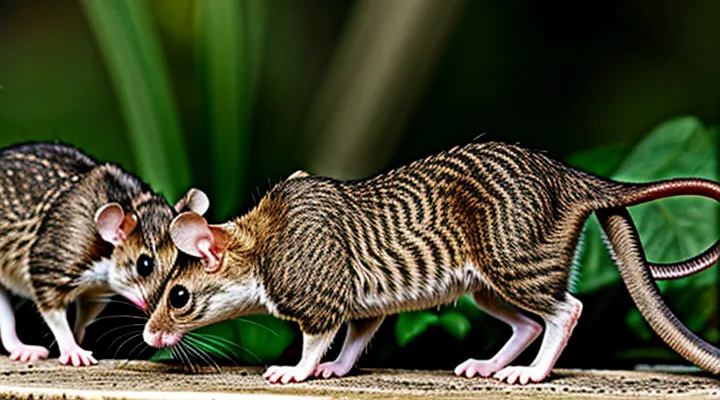
Understanding Mouse Reproductive Biology
The Reproductive Cycle of Mice
Estrous Cycle Phases
The estrous cycle in laboratory mice dictates the window during which females become receptive to mating and thus directly influences reproductive timing and environmental requirements. The cycle lasts approximately four to five days and proceeds through four distinct phases, each characterized by specific hormonal profiles and observable physiological changes.
- Proestrus: Elevated estrogen levels stimulate growth of ovarian follicles; the vaginal epithelium becomes cornified, producing a moist, slightly alkaline discharge. This phase marks the transition toward sexual receptivity.
- Estrus: Peak estrogen triggers a surge of luteinizing hormone, leading to ovulation. Vaginal cytology shows predominance of cornified cells, and females display lordosis behavior, indicating optimal mating conditions.
- Metestrus: Post‑ovulatory decline in estrogen and rise in progesterone initiate luteal formation. Vaginal smears contain a mix of cornified, nucleated, and leukocyte cells, reflecting a short period of reduced receptivity.
- Diestrus: Progesterone dominance maintains the corpus luteum; vaginal smears are dominated by leukocytes. This phase represents a non‑receptive interval until the cycle restarts.
Understanding these phases allows researchers to schedule pairings during estrus, ensuring successful breeding while aligning housing temperature, photoperiod, and nutrition to support the hormonal fluctuations inherent to each stage.
Hormonal Regulation
Hormonal regulation orchestrates the reproductive cycle of laboratory mice, determining the precise moments when females become receptive to mating and when males achieve maximal fertility. The hypothalamic release of gonadotropin‑releasing hormone (GnRH) initiates the cascade, prompting the anterior pituitary to secrete luteinizing hormone (LH) and follicle‑stimulating hormone (FSH). These gonadotropins stimulate ovarian follicle development and testosterone production in males, establishing the physiological readiness for copulation.
The estrous cycle in female mice comprises four stages—proestrus, estrus, metestrus, and diestrus—each characterized by distinct hormonal profiles. Estradiol peaks during proestrus, triggering the LH surge that induces ovulation. Progesterone rises in metestrus, preparing the uterine environment for potential implantation. In males, circulating testosterone peaks during periods of high LH activity, enhancing sperm production and libido.
External factors modulate the endocrine axis. Photoperiod length influences melatonin secretion, which can suppress GnRH release under short‑day conditions, delaying estrus onset. Nutritional status affects leptin levels; adequate leptin sustains GnRH pulsatility, whereas caloric restriction diminishes hormone release and prolongs anestrus. Stress elevates corticosterone, attenuating GnRH and reducing reproductive hormone output.
Key hormones involved in mouse reproductive timing:
- GnRH – central driver of pituitary gonadotropin release
- LH – induces ovulation, stimulates Leydig cells in testes
- FSH – promotes follicular growth, supports spermatogenesis
- Estradiol – peaks before ovulation, amplifies LH surge
- Progesterone – maintains uterine receptivity post‑ovulation
- Testosterone – governs male sexual behavior and sperm maturation
- Prolactin – contributes to luteal maintenance, influences maternal behavior
Understanding these hormonal interactions provides a precise framework for predicting breeding windows and optimizing experimental designs that rely on controlled mouse reproduction.
Factors Influencing Breeding Success
Environmental Conditions
Mice reproduce most efficiently when environmental parameters remain within optimal ranges. Temperature between 20 °C and 24 °C supports rapid estrous cycles; temperatures outside this window slow follicular development and reduce litter size. Photoperiod influences hormonal rhythms; exposure to 12–14 hours of light per day synchronizes melatonin secretion and promotes regular ovulation. Humidity levels of 40–60 % prevent dehydration stress that can disrupt mating behavior.
Key environmental factors include:
- Ambient temperature: 20 °C–24 °C for peak fertility.
- Light exposure: 12–14 h of illumination daily.
- Relative humidity: 40 %–60 % to maintain physiological balance.
- Nutrient availability: diets rich in protein, calcium, and essential fatty acids sustain gonadal function.
- Cage density: moderate grouping (3–5 individuals per standard cage) reduces aggression while allowing social interaction that stimulates breeding.
- Noise and vibration: low levels prevent stress‑induced suppression of reproductive hormones.
- Air quality: adequate ventilation removes ammonia and carbon dioxide, preserving respiratory health and reproductive performance.
Seasonal shifts alter natural light cycles, prompting adjustments in artificial lighting to mimic favorable conditions. Consistent provision of fresh water and high‑quality feed eliminates metabolic deficits that could delay estrus. Regular monitoring of temperature, light, and humidity ensures that each parameter remains within the specified limits, thereby maximizing breeding efficiency.
Nutritional Requirements
Adequate nutrition directly influences the onset, success, and frequency of mouse breeding cycles. Energy intake must meet the heightened metabolic demand of gestation and lactation; laboratory rodents typically require a diet providing 18–20 % of calories from protein, with a balanced supply of carbohydrates and fats to support rapid tissue growth. Deficiencies in essential amino acids delay estrus and reduce litter size, while excess caloric intake can accelerate puberty but increase the risk of obesity‑related reproductive impairment.
Key nutrients and their functional relevance include:
- Protein (≥18 % of diet): Supplies amino acids for uterine development, embryo formation, and milk protein synthesis.
- Calcium and phosphorus (1.0–1.2 % and 0.8–0.9 % respectively): Required for skeletal mineralization of both dam and offspring; imbalances compromise fetal bone health.
- Vitamin E (≥75 IU/kg): Antioxidant protection for developing embryos; deficiency correlates with increased embryonic mortality.
- Vitamin D (≥1000 IU/kg): Facilitates calcium absorption; low levels impair implantation and fetal growth.
- B‑complex vitamins (especially B12 and folic acid): Essential for DNA synthesis and cell division; inadequate supply reduces conception rates.
- Essential fatty acids (omega‑3 and omega‑6, total 2–3 % of diet): Influence prostaglandin production and membrane fluidity, affecting ovulation and milk quality.
Consistent provision of these nutrients, combined with unrestricted access to clean water, stabilizes hormonal cycles, maximizes conception efficiency, and supports the health of both mothers and their progeny throughout the reproductive period.
Social Dynamics
Mice reproductive cycles are strongly influenced by interactions within the colony. Dominant males secure access to receptive females, while subordinate males experience reduced mating opportunities. Female receptivity aligns with estrous cycles that are synchronized by pheromonal cues emitted by dominant individuals, ensuring that breeding occurs when social conditions favor offspring survival.
Group composition determines the intensity of competition. In mixed‑sex groups with multiple adult males, aggressive encounters rise, leading to increased stress hormones that can delay ovulation in females. Conversely, monogamous pairings or harems with a single dominant male produce stable environments, resulting in higher conception rates and shorter inter‑birth intervals.
Key social factors affecting breeding outcomes include:
- Hierarchical rank of males
- Frequency of male‑male aggression
- Presence of lactating females influencing nest site selection
- Density of juveniles that can trigger communal nursing behavior
Environmental stressors such as limited nesting material or overcrowding amplify dominance disputes, often causing females to postpone breeding. Maintaining optimal group size and providing adequate shelter mitigate these pressures, allowing the colony’s social structure to support regular reproductive timing.
Reproductive Capabilities and Statistics
Litter Size and Frequency
Litter size in laboratory and wild house mice averages between five and eight offspring per birth, with extremes ranging from two to twelve. Genetic strain, maternal age, and nutritional status modify this number; inbred strains often produce smaller litters, while well‑fed, mature females reach the upper end of the range.
Reproductive frequency depends on the estrous cycle length of approximately four days. After parturition, females enter a postpartum estrus within 12–24 hours, allowing a new conception as early as five days after the previous litter. Under optimal conditions—stable temperature, abundant food, and low stress—females can generate six to eight litters per year.
Typical parameters:
- Average litter size: 5–8 pups
- Minimum observed size: 2 pups
- Maximum observed size: 12 pups
- Post‑partum estrus onset: 12–24 h after birth
- Inter‑litter interval: 19–23 days
- Maximum litters per year: 6–8
Variations in environmental temperature, photoperiod, and cage density can extend or shorten the inter‑litter interval, directly influencing the total offspring output of a breeding female.
Gestation Period
The gestation period of laboratory mice averages 19–21 days, with slight variation among strains. First litters often approach the lower end of the range, while subsequent pregnancies may extend a day or two beyond the average.
Key variables that modify gestation length include:
- Genetic background (inbred strains versus outbred lines)
- Ambient temperature (cooler environments can prolong development)
- Maternal nutrition (protein‑deficient diets delay parturition)
- Parity (primiparous females typically have shorter gestations)
During gestation, distinct developmental stages occur on predictable days. Implantation is completed by day 4, organogenesis progresses between days 7 and 14, and fetal movement becomes observable around day 15. By day 18, the majority of pups have reached a weight sufficient for independent survival, and hormonal cues initiate the birthing process.
Accurate scheduling of breeding programs relies on these temporal markers. Monitoring temperature, diet, and strain selection allows researchers to maintain gestation within the expected window, ensuring consistent litter size and health outcomes.
Lifespan and Reproductive Longevity
Mice typically live 1–2 years, with laboratory strains averaging 24 months and wild populations rarely exceeding 12 months. Sexual maturity begins around 5–6 weeks of age; females enter estrus cycles every 4–5 days, allowing frequent conception. Peak fertility occurs between 2 and 3 months, after which litter size and conception rates gradually decline. Most females remain capable of producing viable litters until approximately 10–12 months, though reproductive efficiency drops sharply beyond this point.
Factors influencing reproductive longevity include:
- Nutrition: Adequate protein and energy intake sustain ovarian function; caloric restriction accelerates ovarian aging.
- Photoperiod: Short-day exposure can suppress estrus cycles, extending inter‑litter intervals.
- Environmental stress: Temperature extremes and overcrowding elevate cortisol, reducing ovulation frequency.
- Genetics: Inbred strains often display earlier reproductive senescence compared with outbred lines.
Understanding the interplay between overall lifespan and the window of reproductive competence is essential for designing breeding programs, optimizing colony management, and interpreting experimental outcomes that depend on precise timing of mouse reproduction.
Challenges and Considerations in Mouse Breeding
Inbreeding Depression
Inbreeding depression markedly reduces the reproductive success of laboratory and wild mouse populations. When closely related individuals mate, deleterious recessive alleles become homozygous, leading to lower litter sizes, increased embryonic mortality, and delayed onset of puberty. The effect intensifies as the number of generations of sibling or cousin mating accumulates, often resulting in a measurable decline in overall fitness within a few breeding cycles.
Key physiological and genetic consequences include:
- Elevated incidence of congenital anomalies and growth retardation in neonates.
- Reduced sperm count and motility in males, coupled with irregular estrous cycles in females.
- Decreased survival rates of offspring during the first two weeks postpartum.
- Shortened lifespan and heightened susceptibility to infectious diseases.
Environmental factors interact with genetic load. High population density and limited nesting resources amplify stress, accelerating the manifestation of inbreeding depression. Conversely, providing optimal nutrition, temperature regulation, and enrichment can mitigate some adverse outcomes but cannot reverse the underlying loss of heterozygosity.
Management strategies for breeding programs rely on maintaining genetic diversity. Effective practices comprise:
- Rotating breeding pairs among distinct lineages every generation.
- Introducing outcrosses from genetically unrelated colonies at regular intervals.
- Monitoring heterozygosity through molecular markers to detect early signs of genetic erosion.
By enforcing these controls, researchers preserve robust reproductive performance and ensure the reliability of experimental data derived from mouse models.
Disease Transmission
Mice reproduce rapidly, producing multiple litters each year. Peak breeding periods generate dense populations in confined spaces, heightening direct contact among individuals. This contact amplifies transmission pathways for bacterial, viral, and parasitic agents.
Key factors linking reproductive cycles to disease spread:
- Population density: Crowded nests increase bite, grooming, and fecal-oral exchanges, facilitating pathogens such as Salmonella spp. and Leptospira spp.
- Stress-induced immunity suppression: Hormonal changes during gestation and lactation reduce host defenses, allowing latent infections like hantavirus to reactivate and disseminate.
- Environmental stability: Warm, humid nesting conditions during breeding seasons prolong survival of virus particles and ova in bedding material, extending exposure windows.
Common agents transmitted among breeding mice include:
- Hantavirus – respiratory infection transmitted through aerosolized urine and droppings.
- Salmonella – gastrointestinal disease spread via contaminated food and water sources.
- Leptospira – renal infection transmitted through contact with infected urine.
- Mycoplasma pulmonis – respiratory pathogen spread by close contact and aerosol droplets.
- Ectoparasites (mites, fleas) – vectors for secondary bacterial infections.
Effective control measures focus on interrupting these transmission routes:
- Reduce nest overcrowding by limiting access to shelter and implementing regular cleaning schedules.
- Monitor reproductive timing to anticipate population spikes and adjust sanitation protocols accordingly.
- Maintain optimal temperature and humidity levels to discourage pathogen persistence in nesting material.
- Apply targeted rodenticide or fertility control programs during identified breeding peaks to lower overall host density.
Understanding the interplay between mouse reproductive dynamics and disease ecology enables precise interventions that curb pathogen spread while minimizing ecological disruption.
Stress and Reproductive Output
Stress markedly reduces the quantity and quality of offspring produced by laboratory and wild mice. Acute elevations in corticosterone suppress gonadotropin release, while chronic stress diminishes ovarian follicle development and sperm viability. The net effect is fewer viable embryos and smaller litters.
Common stressors fall into three categories:
- Environmental: temperature extremes, irregular light cycles, high noise levels, and limited nesting material.
- Social: overcrowding, hierarchy instability, and frequent cage changes.
- Physiological: food restriction, pathogen exposure, and metabolic disturbances.
Experimental data show a 20‑30 % decline in litter size after two weeks of repeated restraint stress, accompanied by a 10‑15 % increase in embryonic resorption. Elevated maternal glucocorticoids extend gestation by 0.5‑1 day, reduce pup birth weight, and raise neonatal mortality by up to 25 %.
Effective breeding protocols mitigate stress by maintaining constant temperature (22 ± 2 °C), providing at least 5 g of soft bedding per mouse, limiting cage density to 3–4 individuals, and minimizing handling to essential procedures. Monitoring corticosterone levels and adjusting environmental parameters accordingly sustains reproductive performance near maximal capacity.
Methods of Breeding Management
Controlled Breeding Programs
Controlled breeding programs for laboratory mice rely on precise manipulation of physiological and environmental variables to achieve predictable reproductive outcomes. Researchers synchronize estrus cycles by adjusting photoperiod, temperature, and humidity within dedicated animal facilities. Standardized lighting cycles (e.g., 12 h light/12 h dark) induce consistent hormonal rhythms, while maintaining ambient temperature between 20 °C and 24 °C reduces stress‑induced reproductive suppression. Nutritional regimens enriched with specific macro‑ and micronutrients support optimal follicular development and litter viability.
Program success depends on systematic documentation and genetic oversight. Daily monitoring of mating pairs, recording copulation dates, and confirming pregnancy through palpation or ultrasonography provide accurate timing data. Genetic integrity is preserved by routine genotyping and pedigree analysis, preventing inadvertent drift or contamination.
Key components of a controlled breeding protocol include:
- Defined lighting schedule to regulate circadian cues.
- Strict temperature and humidity control within ±1 °C and ±5 % relative humidity.
- Balanced diet formulated for reproductive health.
- Pairing strategy based on age, genotype, and reproductive history.
- Continuous health surveillance and quarantine procedures.
- Detailed record‑keeping of mating events, litter size, and offspring outcomes.
Implementation of these measures yields reproducible litter timing, high breeding efficiency, and reliable experimental models.
Genetic Monitoring
Genetic monitoring provides precise data on the reproductive cycles of laboratory mice, allowing researchers to align breeding schedules with optimal fertility windows. By sampling DNA from offspring and parents, scientists can verify expected Mendelian ratios, detect inadvertent introgression of unwanted alleles, and confirm the integrity of experimental strains.
Key components of an effective monitoring program include:
- Regular collection of tissue (ear punch, tail snip) for genotyping.
- Use of polymerase chain reaction or high‑throughput sequencing to identify target loci.
- Documentation of breeding dates, litter size, and weaning age in a centralized database.
Accurate genotype records enable early identification of breeding failures caused by genetic incompatibilities, such as lethal recessive alleles that manifest only under specific environmental conditions. When such issues are detected, colonies can be adjusted by selecting alternative breeders or modifying housing parameters (temperature, photoperiod, diet) to improve reproductive outcomes.
Continuous genetic surveillance also supports long‑term colony health by preventing genetic drift. By comparing successive generations against a reference genome, deviations are quantified, and corrective actions are implemented before they compromise experimental validity.
Environmental Enrichment
Environmental enrichment profoundly influences the reproductive cycle of laboratory mice. Providing complex cage structures, nesting material, and objects that stimulate foraging behavior reduces stress hormones, which in turn stabilizes estrous regularity. Enriched environments also promote healthier body condition scores, allowing females to reach the optimal weight threshold for successful mating earlier in life.
Key effects of enrichment on breeding timing include:
- Accelerated onset of puberty due to increased physical activity and reduced anxiety.
- Shortened inter‑estrous intervals, leading to more frequent ovulation opportunities.
- Enhanced male sexual vigor, reflected in higher mounting frequencies and successful copulations.
Conditions that maximize these benefits are:
- Rotating enrichment items every two to three weeks to maintain novelty.
- Maintaining a consistent supply of shredded paper or tissue for nest building.
- Ensuring group housing that respects dominance hierarchies while preventing overcrowding.
Implementing these practices yields more predictable breeding schedules, higher litter sizes, and improved pup survival rates, thereby optimizing research outcomes that depend on timely mouse reproduction.
Ethical Considerations in Mouse Reproduction Research
Animal Welfare Guidelines
Animal welfare guidelines for mouse breeding focus on minimizing stress, preventing disease, and ensuring reproducible results. Proper implementation requires control of environmental parameters, health surveillance, and management of reproductive cycles.
Housing must provide adequate space, enrichment, and ventilation. Temperature should remain within 20‑26 °C, humidity between 30 % and 70 %, and light cycles follow a consistent 12‑hour light/12‑hour dark schedule. Bedding material should be absorbent, low‑dust, and changed regularly to avoid ammonia buildup.
Nutrition guidelines demand a balanced diet formulated for rodents, continuous access to fresh water, and periodic health assessments. Body condition scoring identifies under‑ or overweight individuals, prompting dietary adjustments.
Reproductive timing guidelines include:
- Pairing sexually mature females (6‑8 weeks old) with males after confirming estrus via vaginal cytology or visual cues.
- Limiting breeding intervals to no more than three consecutive litters, followed by a rest period of at least two weeks to reduce physiological strain.
- Monitoring gestation length (approximately 19‑21 days) and providing nesting material before parturition.
- Separating pups from the dam at weaning (post‑21 days) to prevent over‑crowding and ensure independent growth.
Health monitoring protocols require weekly observation for signs of illness, regular veterinary examinations, and immediate isolation of symptomatic animals. Record‑keeping of breeding dates, litter size, and mortality rates supports traceability and ethical review.
By adhering to these standards, laboratories maintain humane conditions while generating reliable reproductive data.
Minimizing Pain and Distress
Effective mouse breeding programs depend on strict control of reproductive timing and environmental conditions while actively reducing animal pain and distress. Pain mitigation improves fertility rates, litter viability, and data reliability, making humane handling a scientific prerequisite.
Key practices for minimizing discomfort include:
- Providing nesting material, shelters, and chewable objects to satisfy natural behaviors.
- Maintaining temperature (20‑24 °C) and humidity (40‑60 %) within optimal ranges to prevent thermal stress.
- Employing gentle restraint techniques and acclimating mice to handling devices before breeding procedures.
- Administering appropriate analgesics before invasive interventions such as vaginal cytology or timed mating checks.
- Scheduling breeding events to avoid nocturnal disturbances, aligning with the species’ crepuscular activity pattern.
Monitoring protocols rely on objective scoring systems that record posture, grooming, vocalization, and locomotor activity. Immediate veterinary assessment follows any deviation from baseline scores, ensuring rapid intervention.
Compliance with institutional animal care and use committee (IACUC) standards and the Guide for the Care and Use of Laboratory Animals requires documentation of all pain‑relief measures, continuous training of personnel, and periodic review of welfare outcomes. These actions integrate humane considerations directly into the reproductive management of mouse colonies.
Practical Applications and Implications
Pest Control Strategies
Understanding Population Dynamics
Mice population dynamics hinge on the timing of reproductive cycles and the environmental conditions that permit successful breeding. Precise coordination of estrous phases, gestation length, and postpartum estrus creates a narrow window for litter production, typically every 21–28 days under optimal circumstances. Litter size averages 5–8 pups, with variations linked to maternal age and nutritional status.
Environmental drivers shape each reproductive episode. Photoperiod, ambient temperature, and food abundance dictate the onset of estrus and the likelihood of multiple litters per season. Social density influences stress hormones, which can suppress ovulation and extend inter‑litter intervals. Seasonal shifts in these factors generate predictable fluctuations in birth rates.
Population growth follows a pattern of rapid increase when conditions align, transitioning to a plateau as resources become limiting. Mortality rates among juveniles and adults modulate the net growth, establishing a balance between birth surplus and loss. The interplay of reproductive timing, resource availability, and mortality defines the carrying capacity for mouse colonies.
Key variables affecting dynamics:
- Length of estrous cycle and interval between litters
- Average litter size and pup survival rate
- Food quantity and quality
- Temperature range and photoperiod length
- Population density and associated stress indicators
- Seasonal mortality patterns
Understanding how these elements interact enables accurate predictions of mouse population trajectories and informs management strategies for laboratory colonies and pest control programs.
Targeted Reproductive Control Methods
Targeted reproductive control in laboratory and pest‑management settings relies on precise interference with the physiological processes that drive mouse breeding cycles. Effective interventions align with the species’ estrous timing, gestation length, and environmental triggers to suppress fertility while minimizing non‑target effects.
- Hormonal antagonists: administration of GnRH blockers or estrogen receptor modulators halts ovulation by disrupting pituitary signaling.
- Immunocontraceptives: vaccination against zona pellucida proteins generates antibodies that prevent sperm‑oocyte binding.
- Genetic approaches: introduction of sterile‑gene constructs (e.g., CRISPR‑mediated knockout of essential spermatogenesis genes) produces offspring incapable of reproduction.
- Chemical sterilants: single‑dose alkylating agents induce irreversible germ cell damage when delivered during peak spermatogenic activity.
- Behavioral disruptors: pheromone‑based repellents reduce mating encounters by masking or altering sexual cues.
Selection of a method must consider the breeding window—typically a 4‑day estrous cycle and a 19‑day gestation period—and the ambient conditions that influence reproductive readiness, such as photoperiod, temperature, and nutrition. Aligning treatment delivery with peak hormonal activity maximizes efficacy and reduces required dosages. Monitoring of litter outcomes and hormone levels provides feedback for adjusting protocols and ensuring sustained population control.
Research Applications
Laboratory Mouse Models
Laboratory mouse models provide a controlled platform for studying the reproductive schedule and environmental requirements of murine species. Different strains exhibit distinct estrous cycle lengths, gestation periods, and litter sizes, influencing experimental design and data interpretation.
C57BL/6J mice typically display a 4–5‑day estrous cycle, a 19‑day gestation, and produce 5–8 pups per litter. BALB/c mice show a similar cycle length but often yield smaller litters, while outbred CD‑1 mice may generate up to 12 offspring. Choosing an appropriate strain aligns the breeding timeline with study objectives and resource constraints.
Key parameters that affect breeding outcomes include:
- Photoperiod: 12‑hour light/dark cycles synchronize hormonal rhythms.
- Ambient temperature: 20‑24 °C optimizes fertility and pup survival.
- Humidity: 40‑60 % reduces stress‑induced reproductive suppression.
- Nesting material: sufficient bedding encourages maternal behavior and reduces cannibalism.
- Male‑to‑female ratio: a 1:2 ratio maximizes mating efficiency without excessive competition.
Standard protocols recommend pairing a sexually mature male with two virgin females for a 48‑hour cohabitation period, followed by removal of the male to prevent aggression. Monitoring vaginal cytology confirms estrus onset, allowing precise timing of pairings. Post‑natal care involves daily health checks, weight tracking, and weaning at post‑natal day 21 to maintain colony stability.
Understanding strain‑specific reproductive characteristics and optimizing environmental conditions ensures reliable generation of experimental cohorts, supporting reproducible research across biomedical disciplines.
Genetic Engineering and Reproduction
Genetic engineering directly influences the physiological parameters that determine when mice become fertile and the environmental cues that trigger mating. Precise manipulation of genes controlling gonadotropin release, circadian rhythm, and pheromone perception can shift the onset of estrus by several days, allowing researchers to synchronize breeding cycles across colonies. Such modifications also affect litter size, gestation length, and neonatal viability, providing a controlled platform for experimental designs that require uniform developmental stages.
Key genetic interventions and their reproductive outcomes include:
- Knock‑in of the Clock gene variant – advances peak estrus by 24–48 hours, aligning mating windows with laboratory schedules.
- CRISPR‑mediated deletion of the Kiss1 gene – suppresses spontaneous ovulation, necessitating exogenous hormone administration to induce breeding.
- Transgenic overexpression of IGF‑1 – enlarges ovarian follicle reserve, increasing average litter size by 1–2 pups.
- Conditional knockout of the estrogen receptor α – delays pubertal onset, extending the pre‑breeding interval and reducing early‑life reproductive stress.
Implementing these modifications requires strict adherence to biosafety protocols, verification of off‑target effects, and continuous monitoring of animal welfare indicators. Integration of engineered traits with optimal housing conditions—controlled temperature, consistent light–dark cycles, and adequate nesting material—maximizes reproductive efficiency while minimizing physiological stress. The combined approach of molecular alteration and environmental management yields reproducible breeding schedules essential for high‑throughput genetic studies.
Conservation Efforts
Monitoring Wild Mouse Populations
Effective monitoring of wild mouse populations provides essential data for understanding the timing of breeding cycles and the environmental conditions that influence reproduction. Field surveys that record capture rates, age structure, and sex ratios reveal seasonal peaks in reproductive activity, allowing researchers to correlate these patterns with temperature, photoperiod, and food availability.
Standardized trapping protocols generate comparable datasets across habitats. Researchers typically employ the following methods:
- Live‑trap grids placed at fixed intervals, checked daily to assess capture frequency and reproductive status (e.g., presence of embryos, lactating females).
- Mark‑recapture techniques that assign unique identifiers to individuals, enabling estimation of population turnover and survival rates.
- Habitat assessments that measure vegetation cover, seed density, and predator presence, linking habitat quality to breeding success.
- Genetic sampling from tissue or fecal material to determine relatedness and gene flow, which influence population resilience.
Long‑term monitoring programs integrate these data streams into statistical models that predict breeding onset and duration. Models incorporate climatic variables such as ambient temperature thresholds and day‑length changes, producing forecasts of reproductive peaks. Validation against observed litter sizes and juvenile abundance confirms model accuracy.
Data derived from monitoring efforts inform conservation strategies and pest management. By identifying periods of heightened reproductive output, managers can implement targeted interventions—such as habitat modification or population control—when they will be most effective. Continuous surveillance ensures adaptive responses to shifting environmental conditions that affect mouse reproductive dynamics.
Reproductive Challenges in Endangered Species
Reproductive success in threatened taxa is tightly linked to the precise timing of mating events and the suitability of the surrounding environment. When breeding periods are short or unpredictable, populations with already low numbers experience amplified mortality of offspring and reduced recruitment.
- Narrow or shifting breeding windows caused by climate change
- Habitat fragmentation that isolates mates and disrupts courtship cues
- Reduced genetic variability leading to lower fertilization rates
- Increased predation pressure during vulnerable nesting stages
- Human activities that alter temperature, moisture, or food availability
Effective conservation strategies focus on synchronizing protection measures with observed breeding peaks, restoring contiguous habitats to facilitate mate encounter, and, where natural reproduction fails, applying assisted reproductive technologies such as artificial insemination and embryo transfer. Continuous monitoring of phenological cues and environmental parameters enables rapid adjustment of interventions, thereby enhancing the likelihood of population recovery.